

Removing a door hinge pin might seem simple, but doing it incorrectly can damage your door, scratch your trim, or bend the hinge itself. Whether you’re taking a door down for painting, fixing a squeak, or replacing old hardware, knowing how to remove a door hinge pin the right way makes the job faster, cleaner, and safer.
This guide walks you through everything you need to know—what a hinge pin is, which tools to use, the safest step-by-step method, troubleshooting tips, and when to replace the hinge altogether.
What Is a Door Hinge Pin?
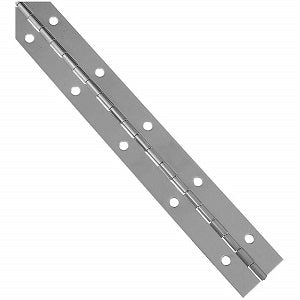
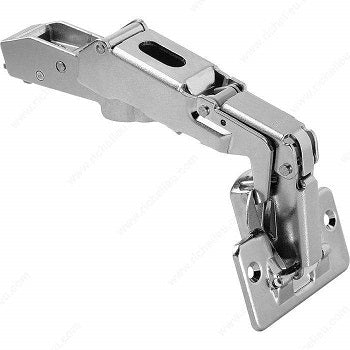
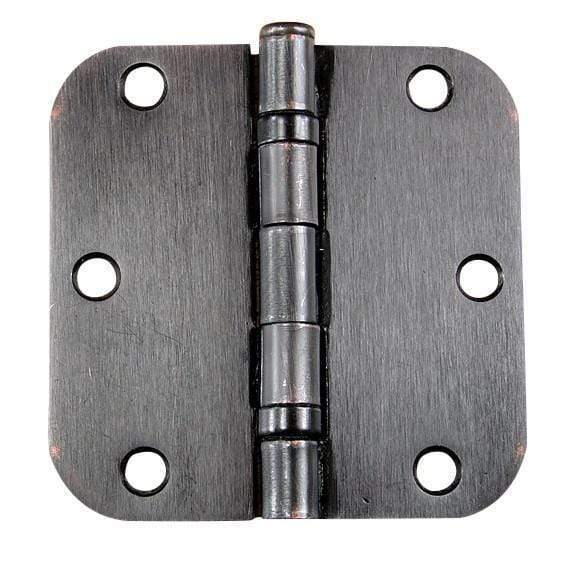
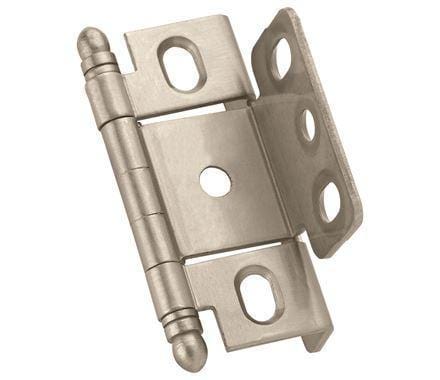
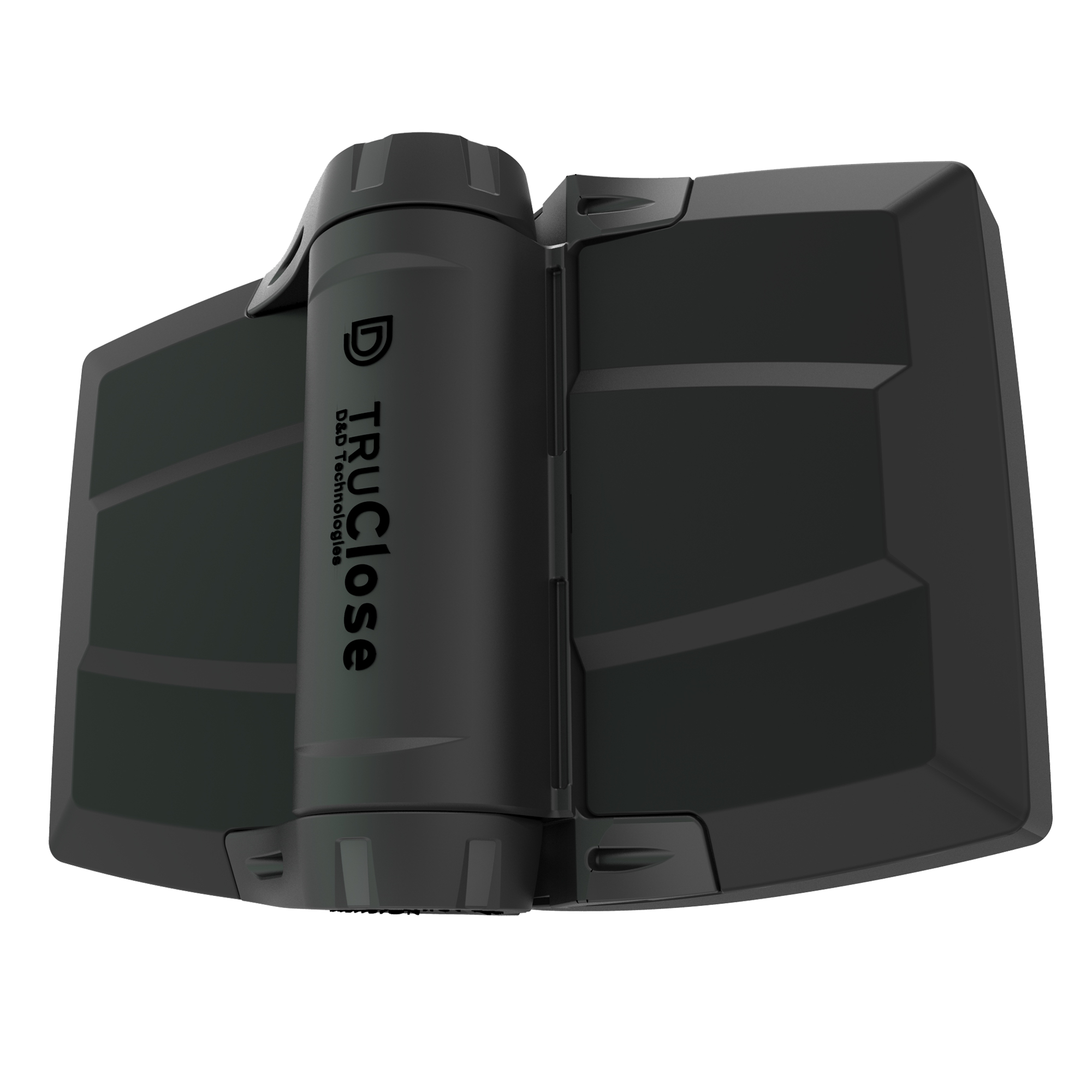
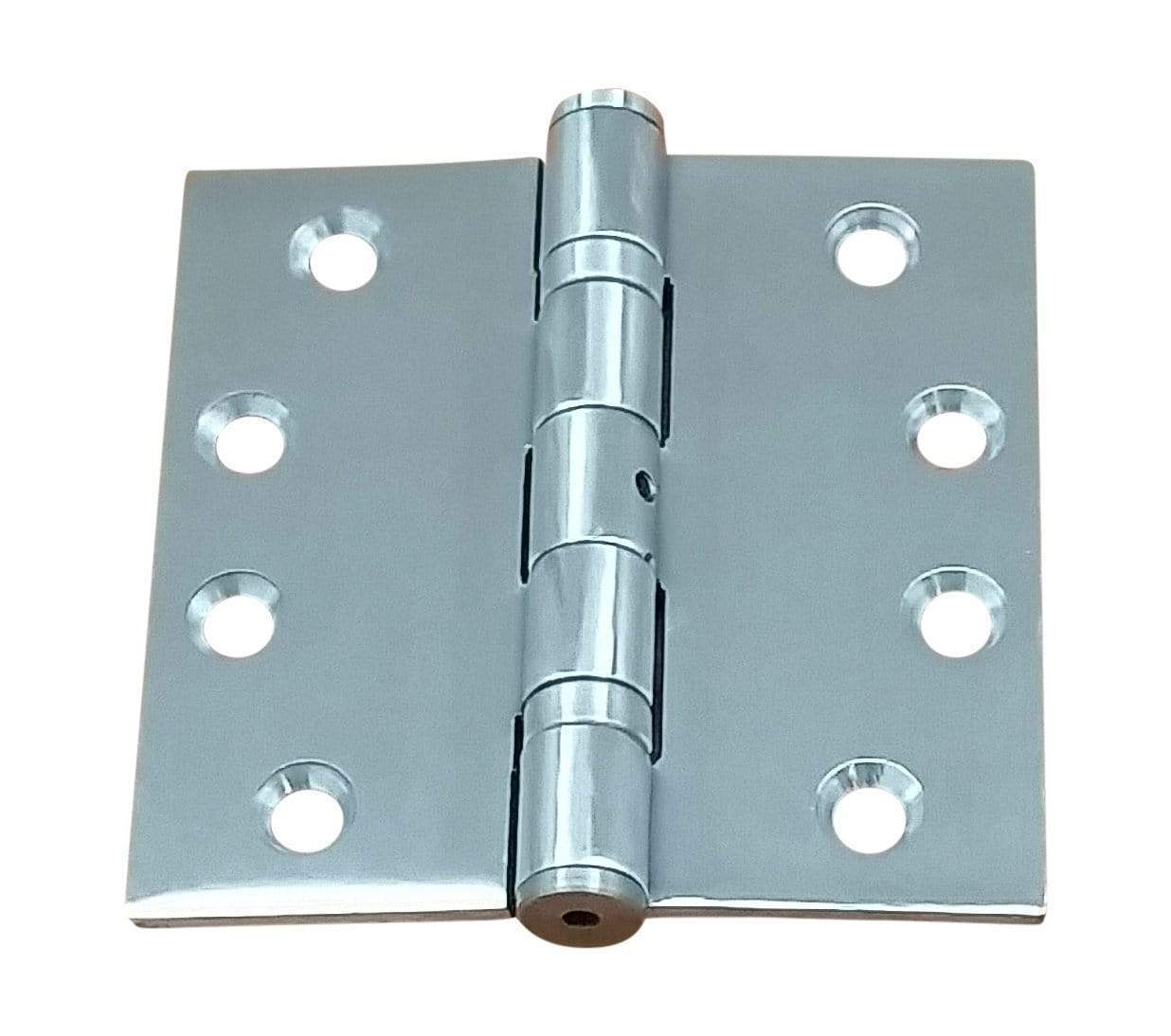
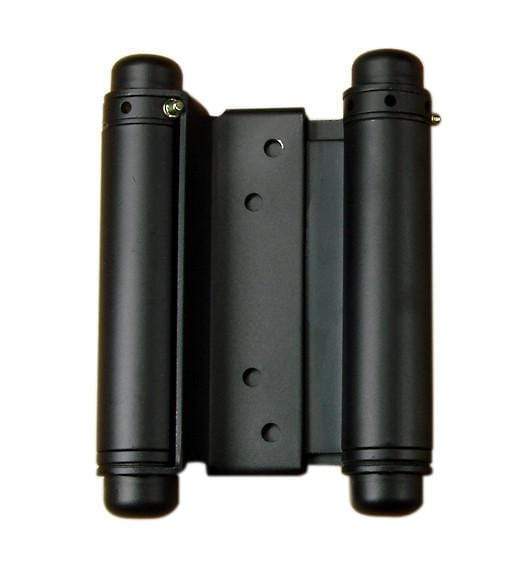
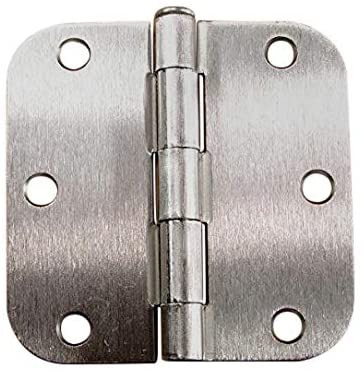
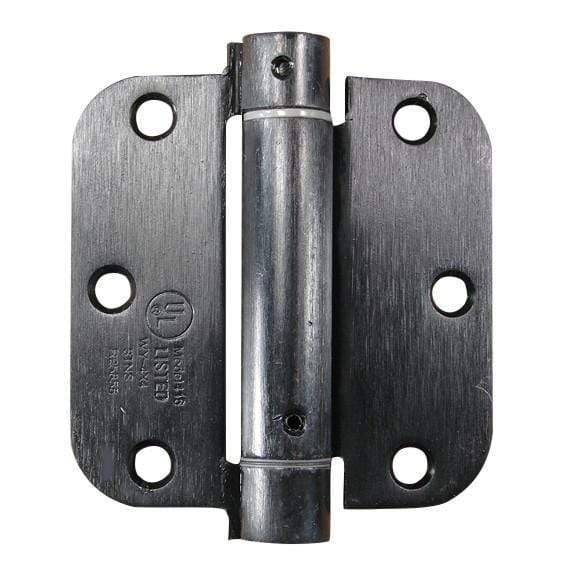
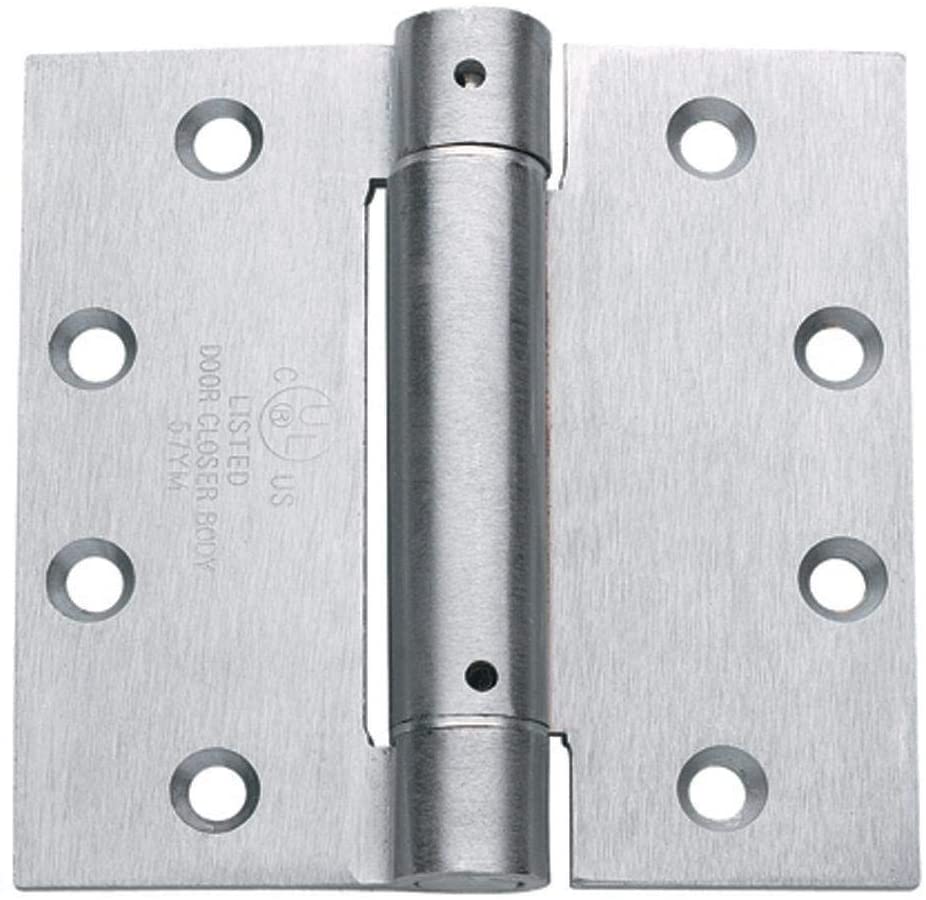
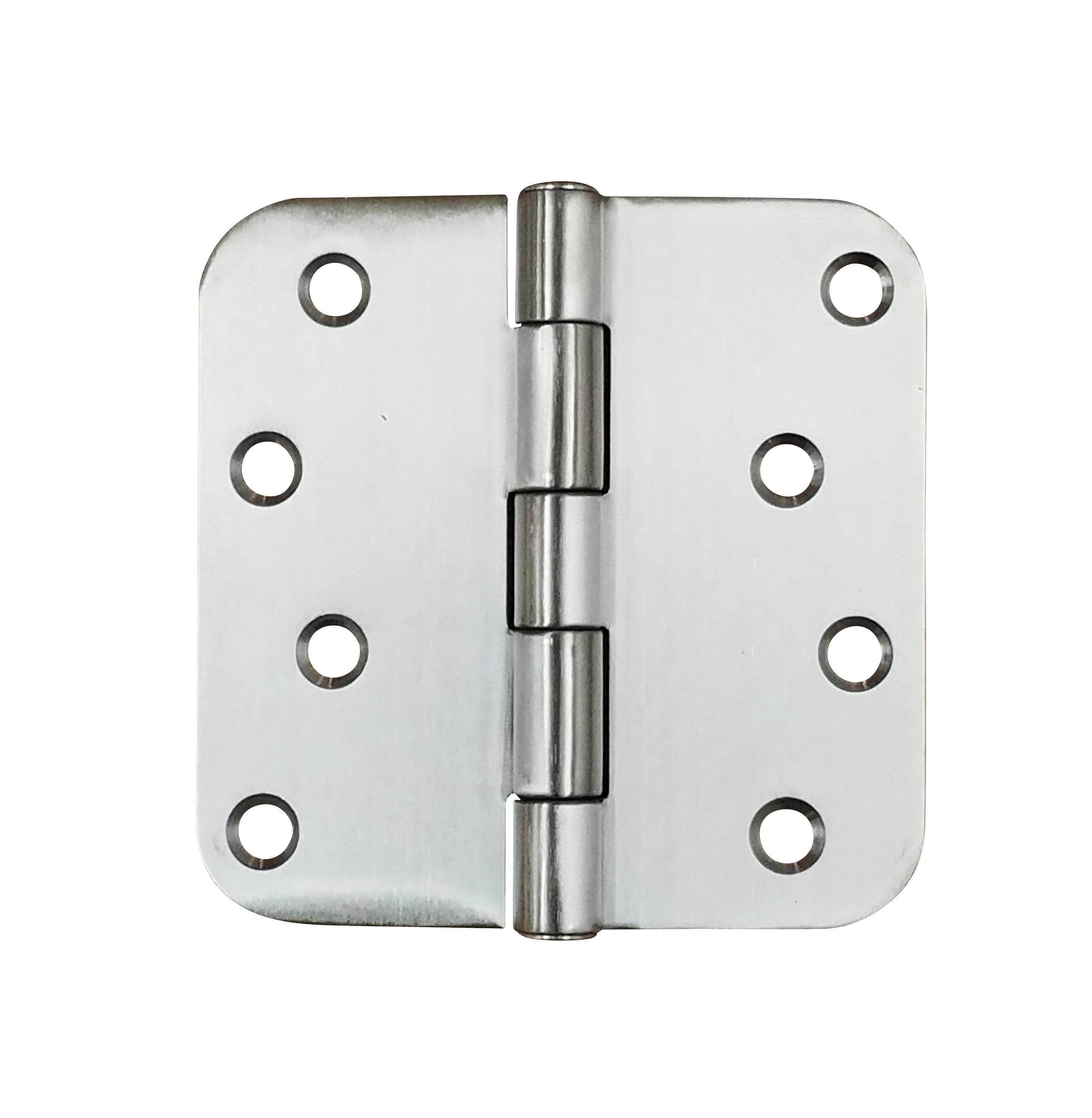
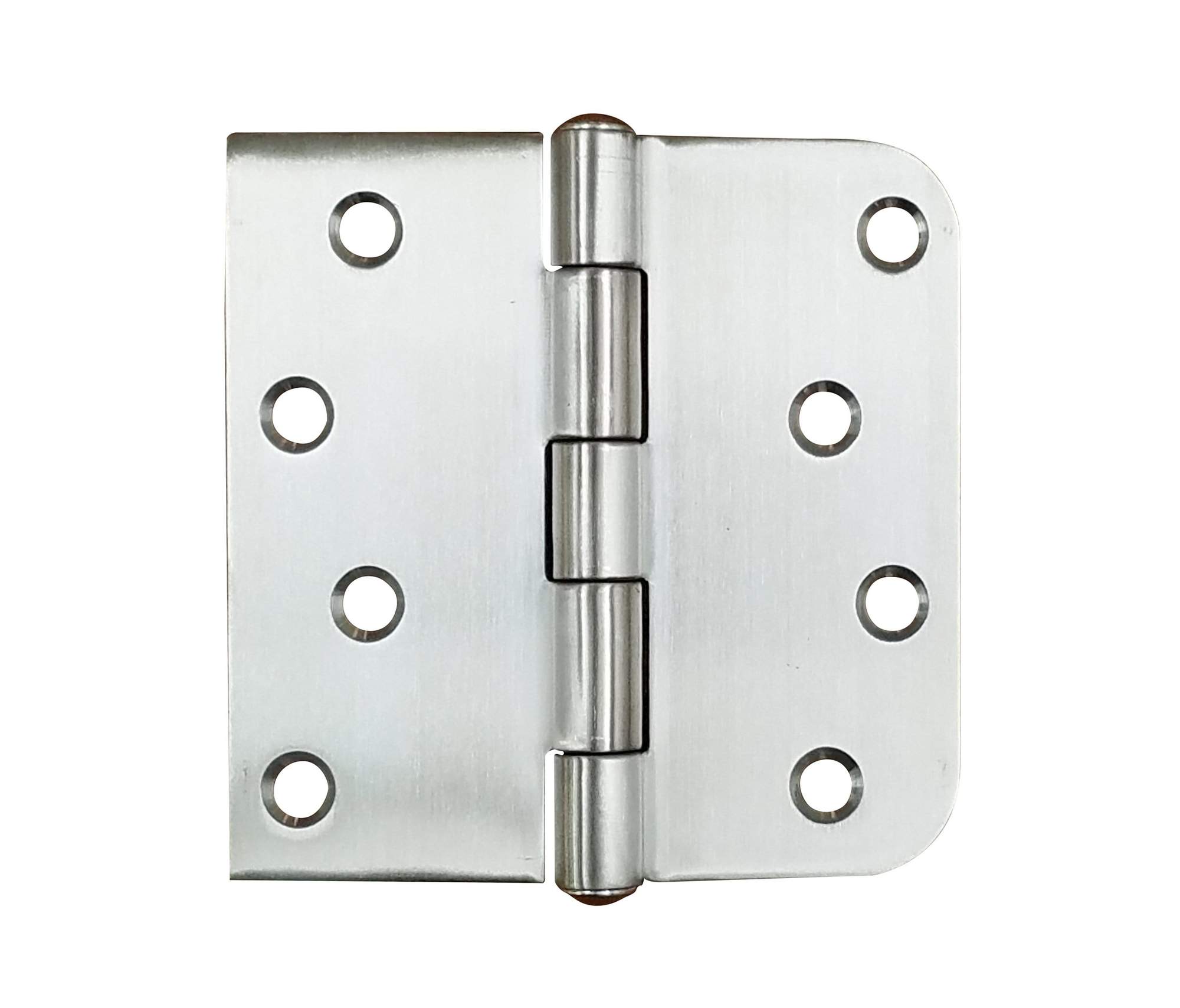
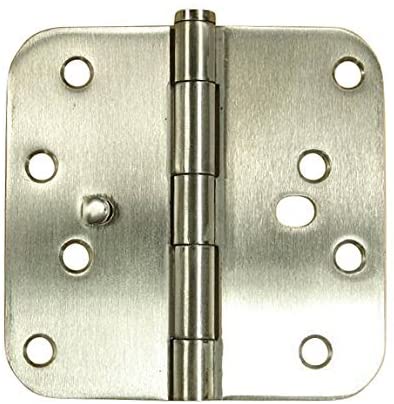
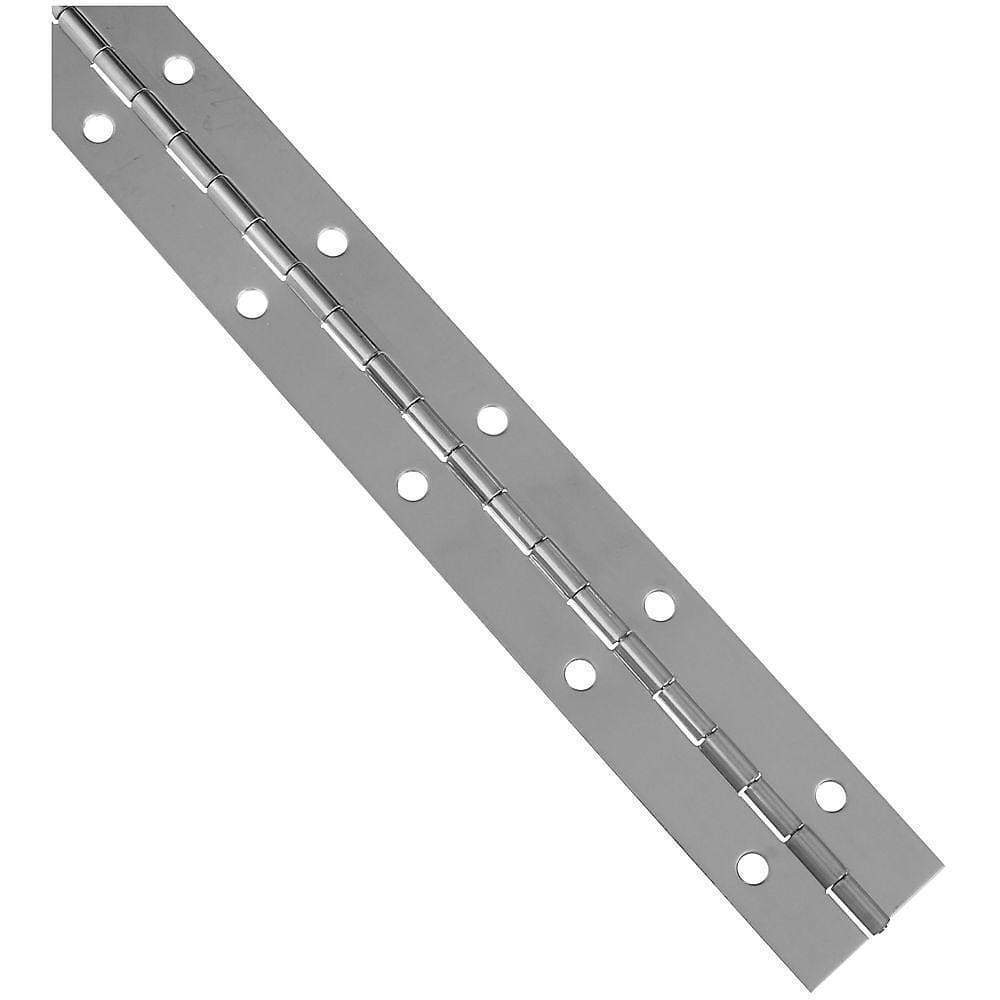
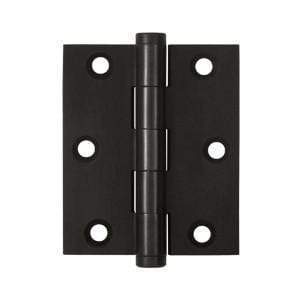
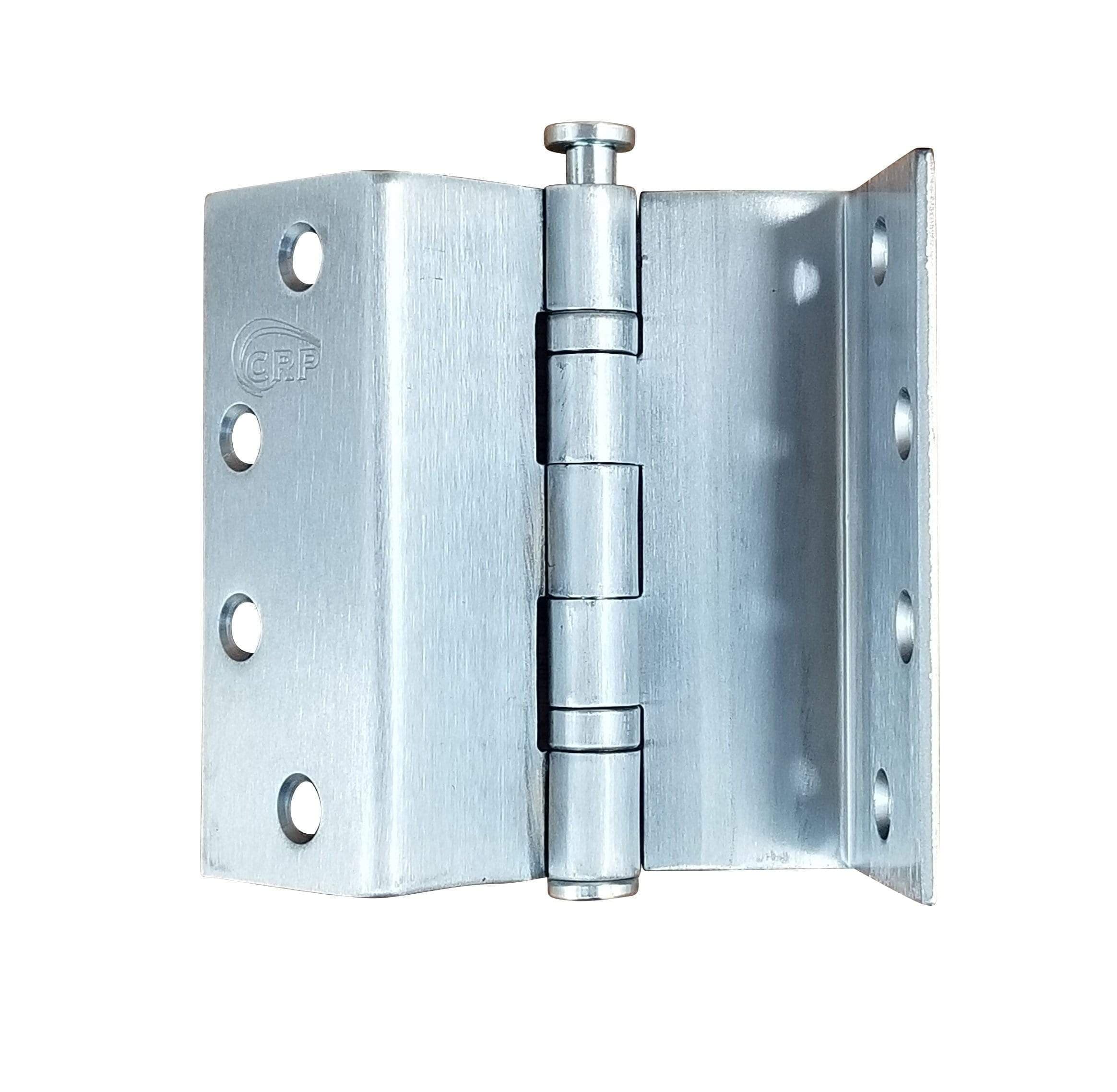
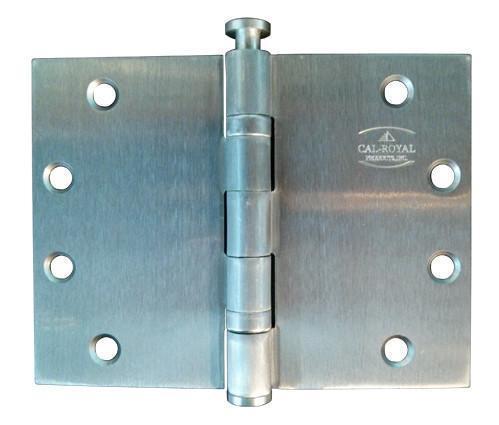
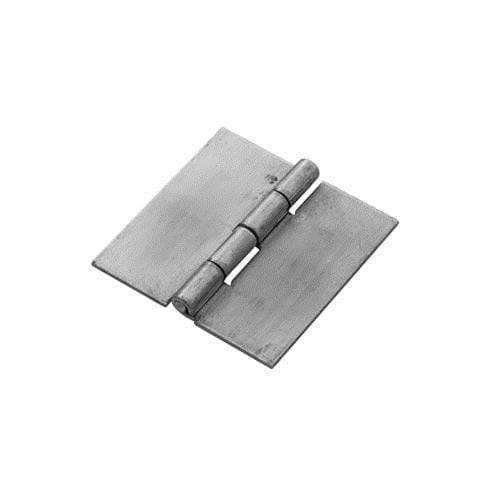
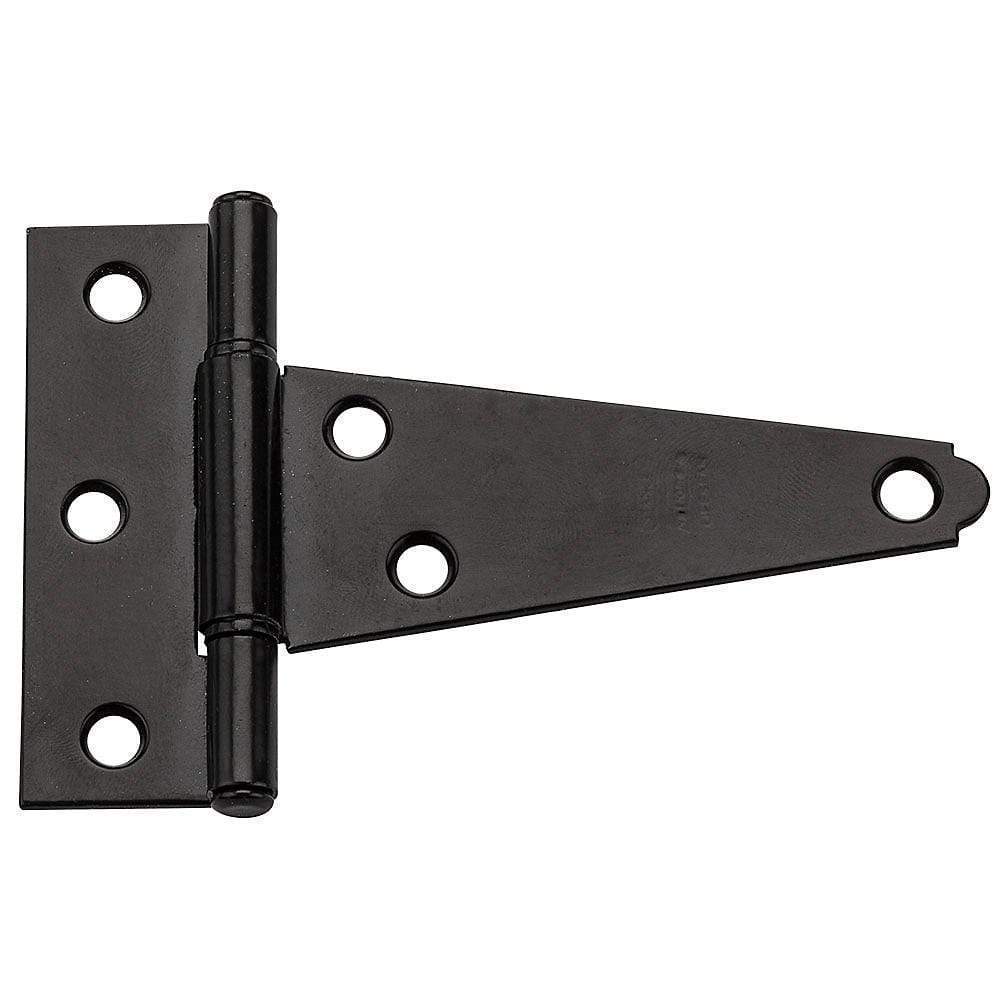
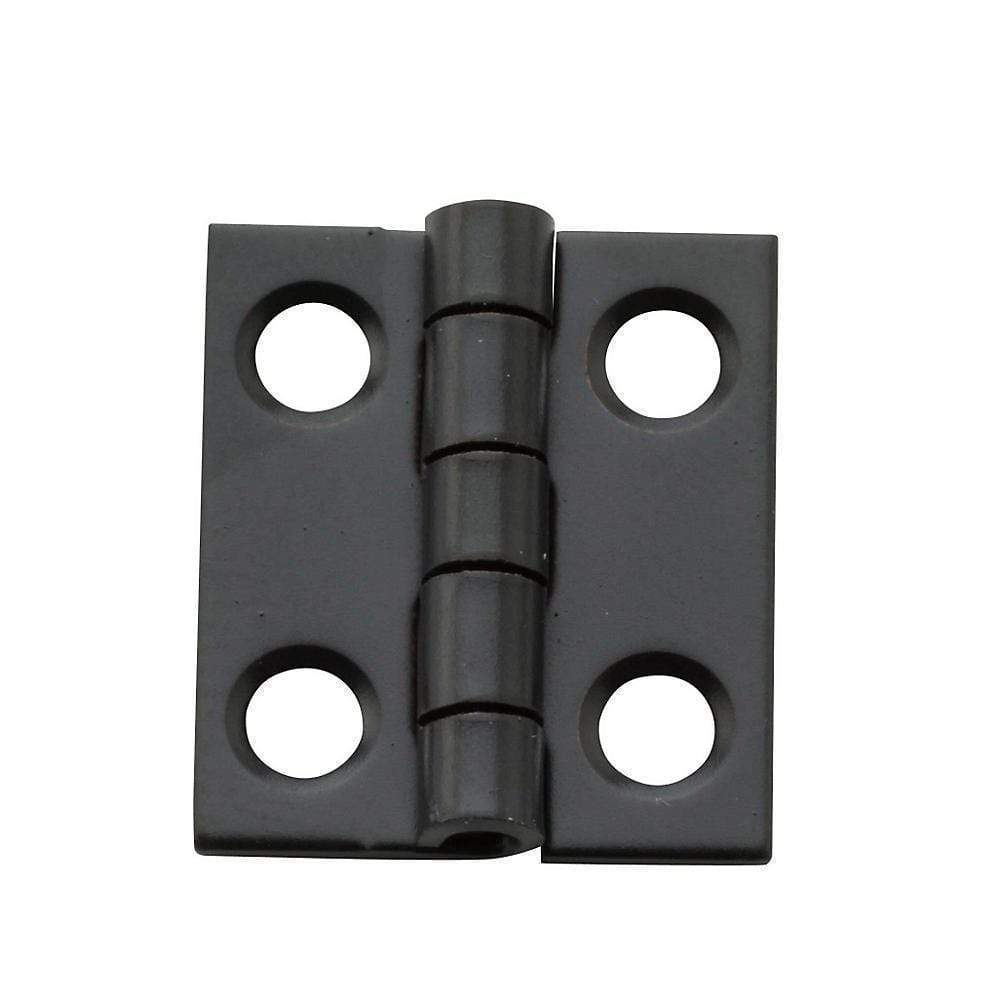
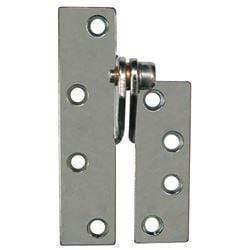
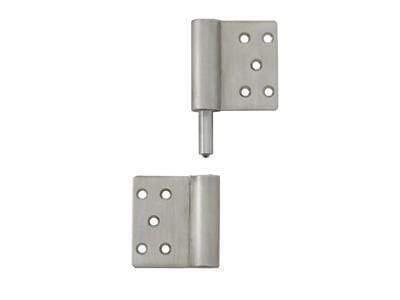
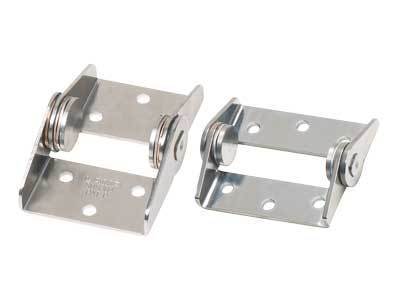
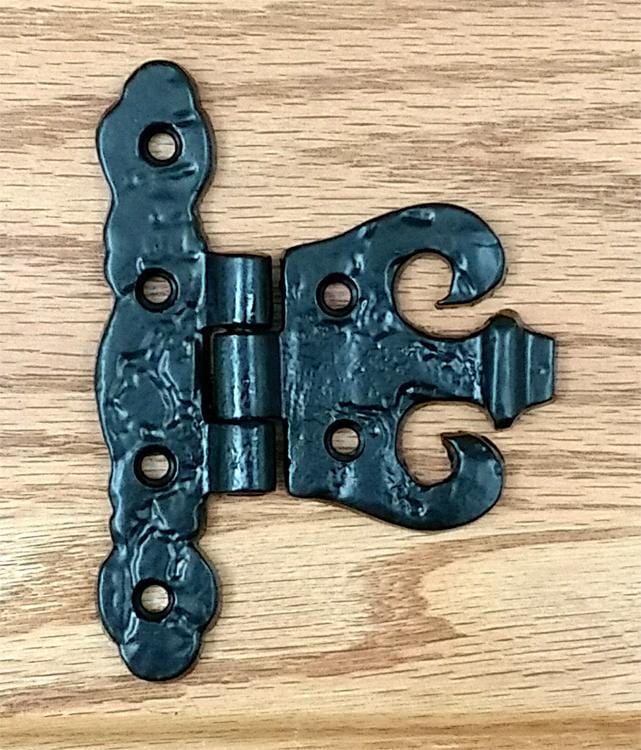
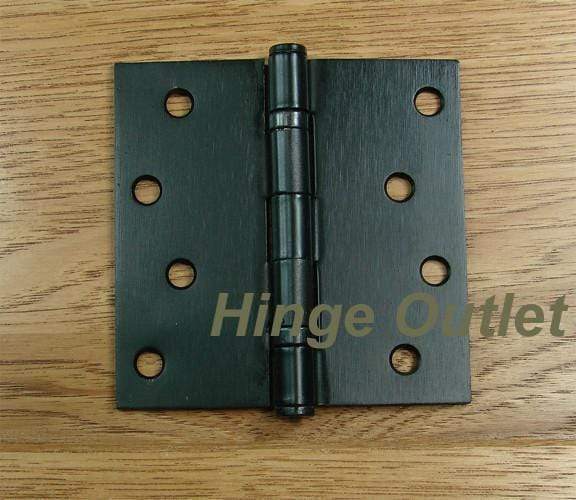
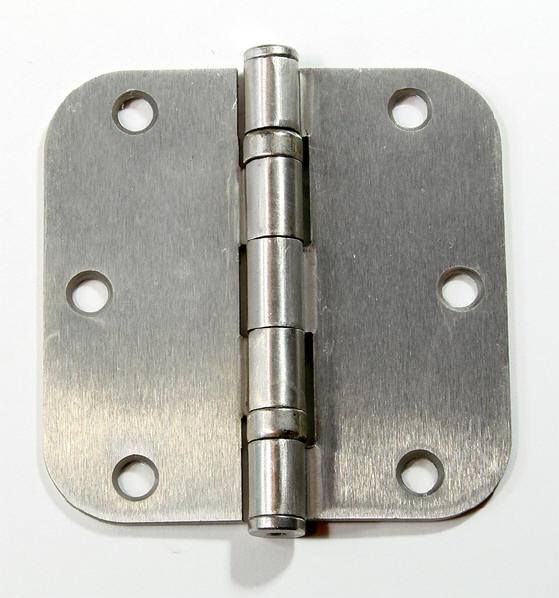
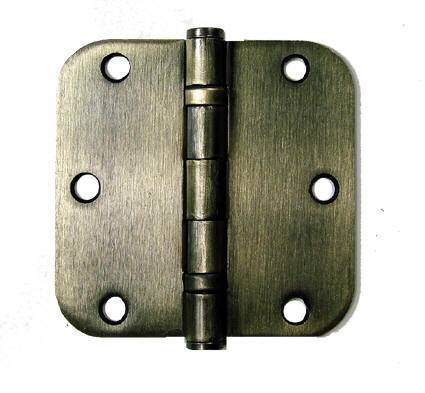
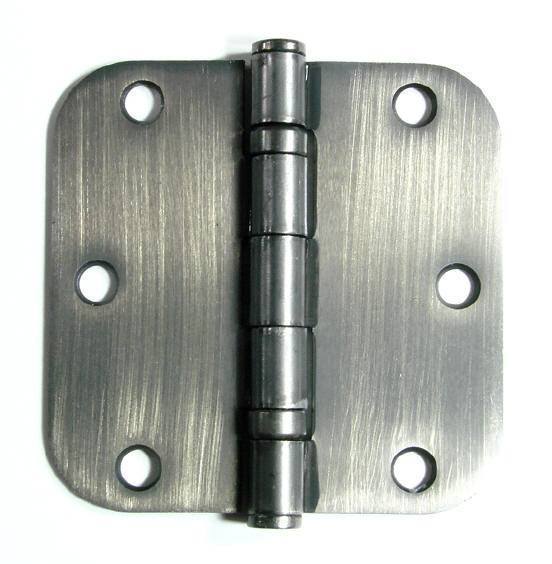
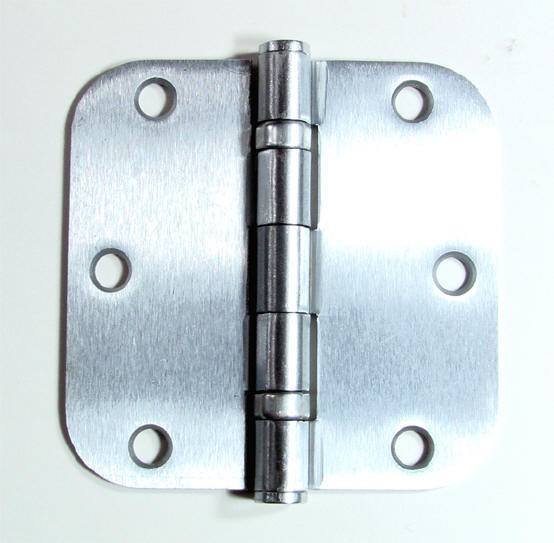
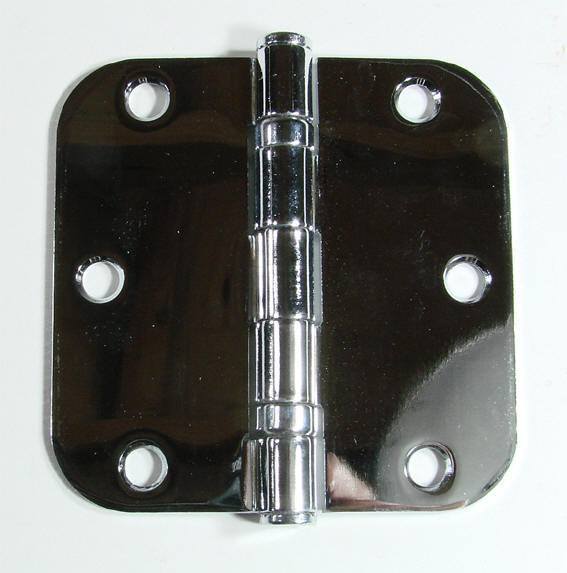
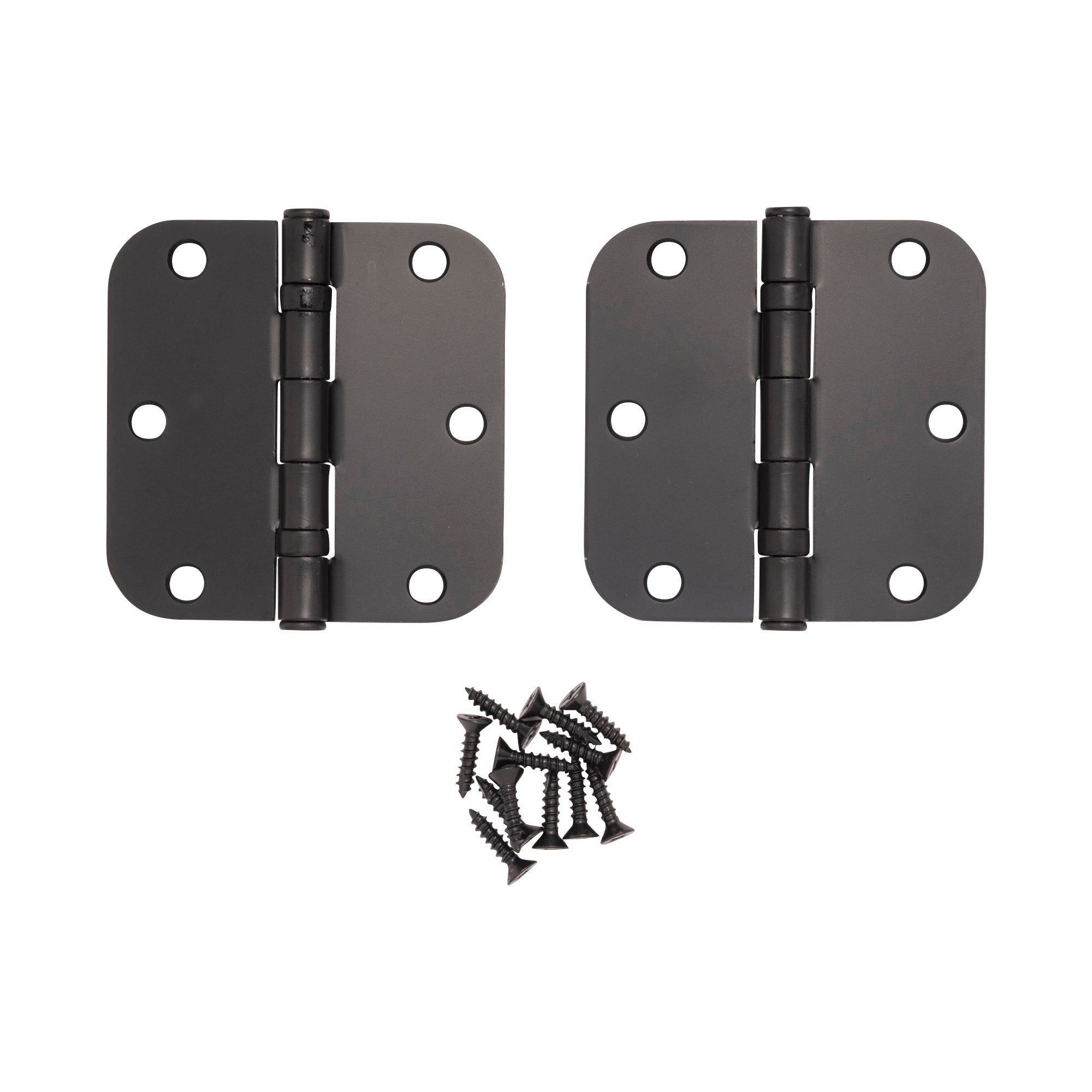
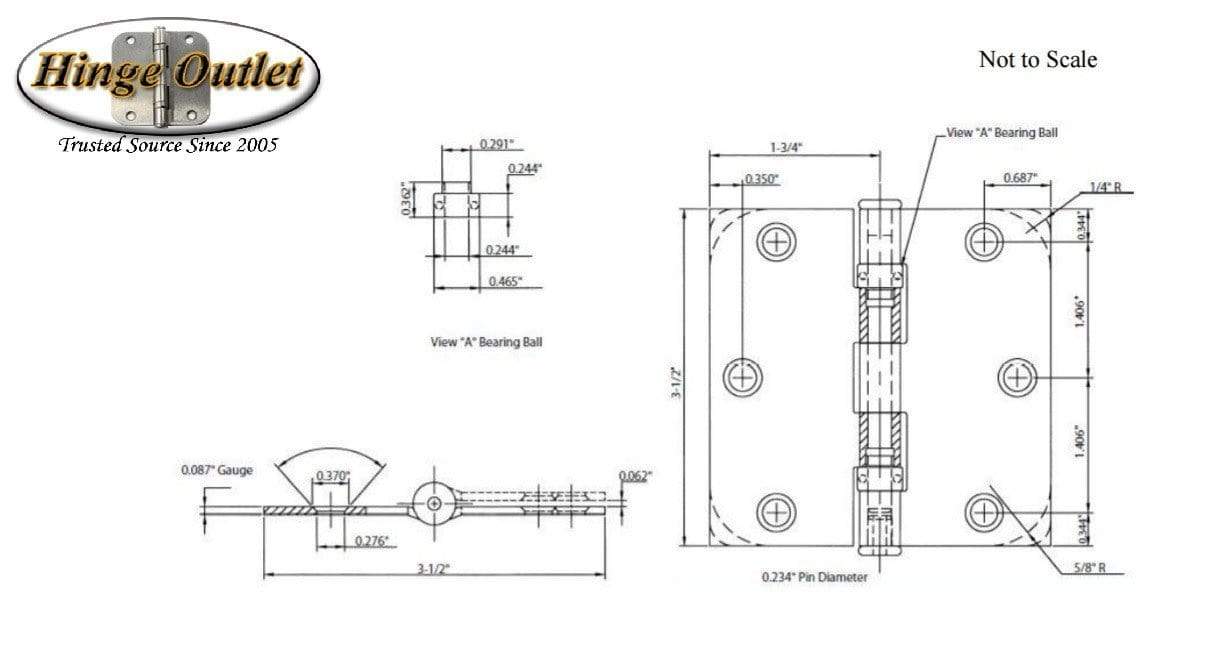
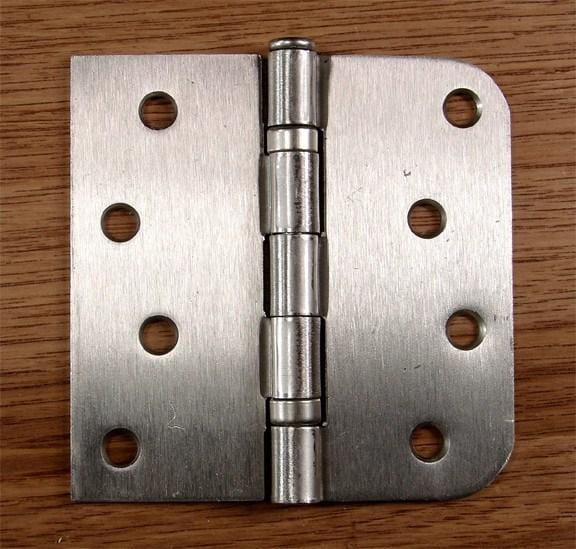
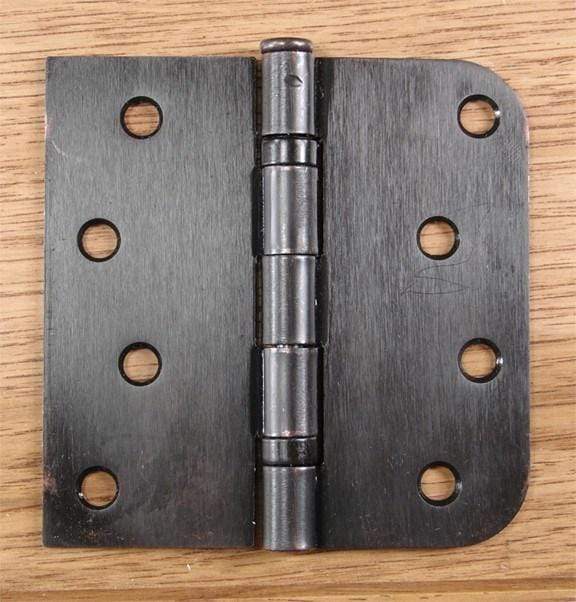
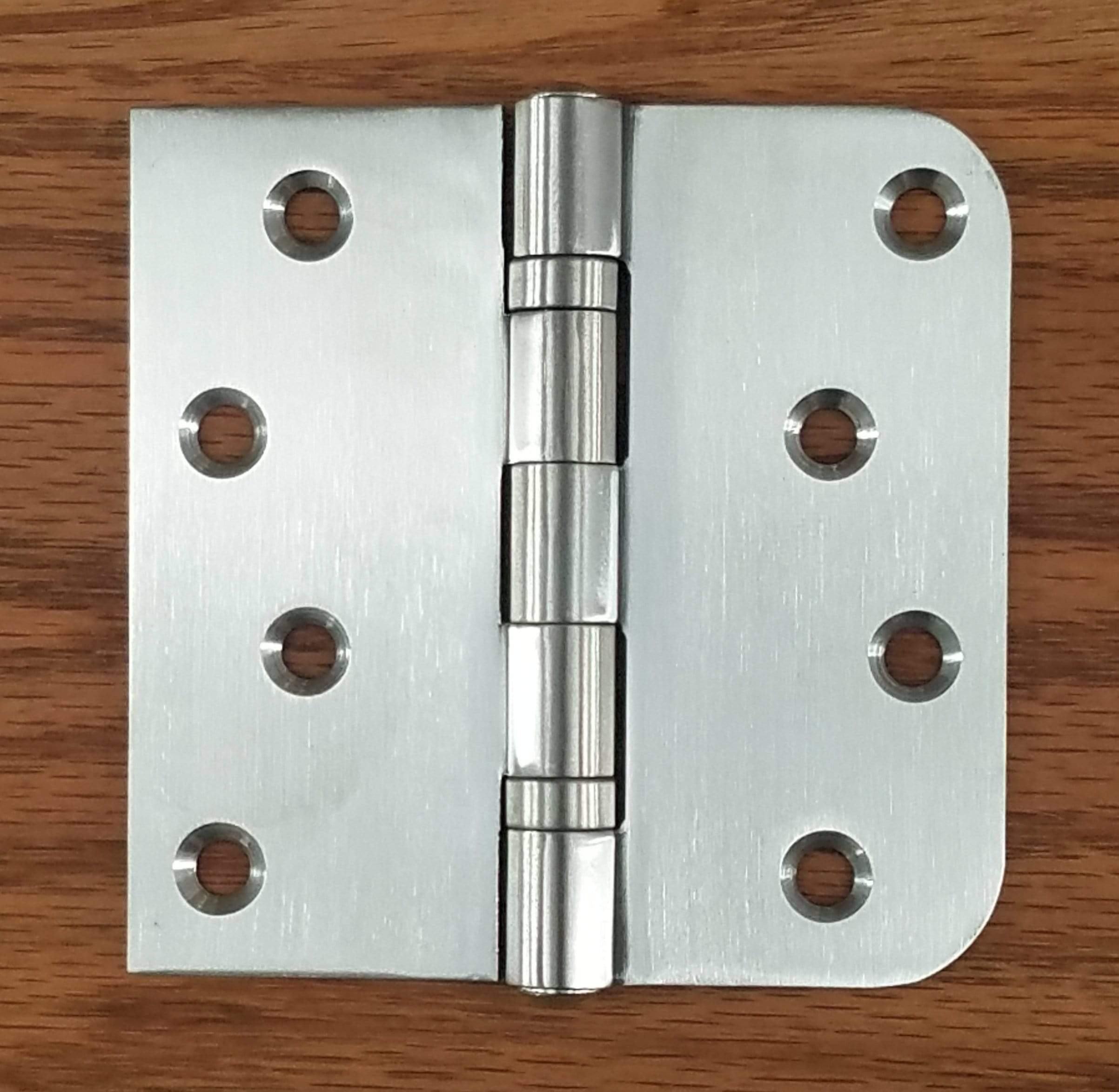
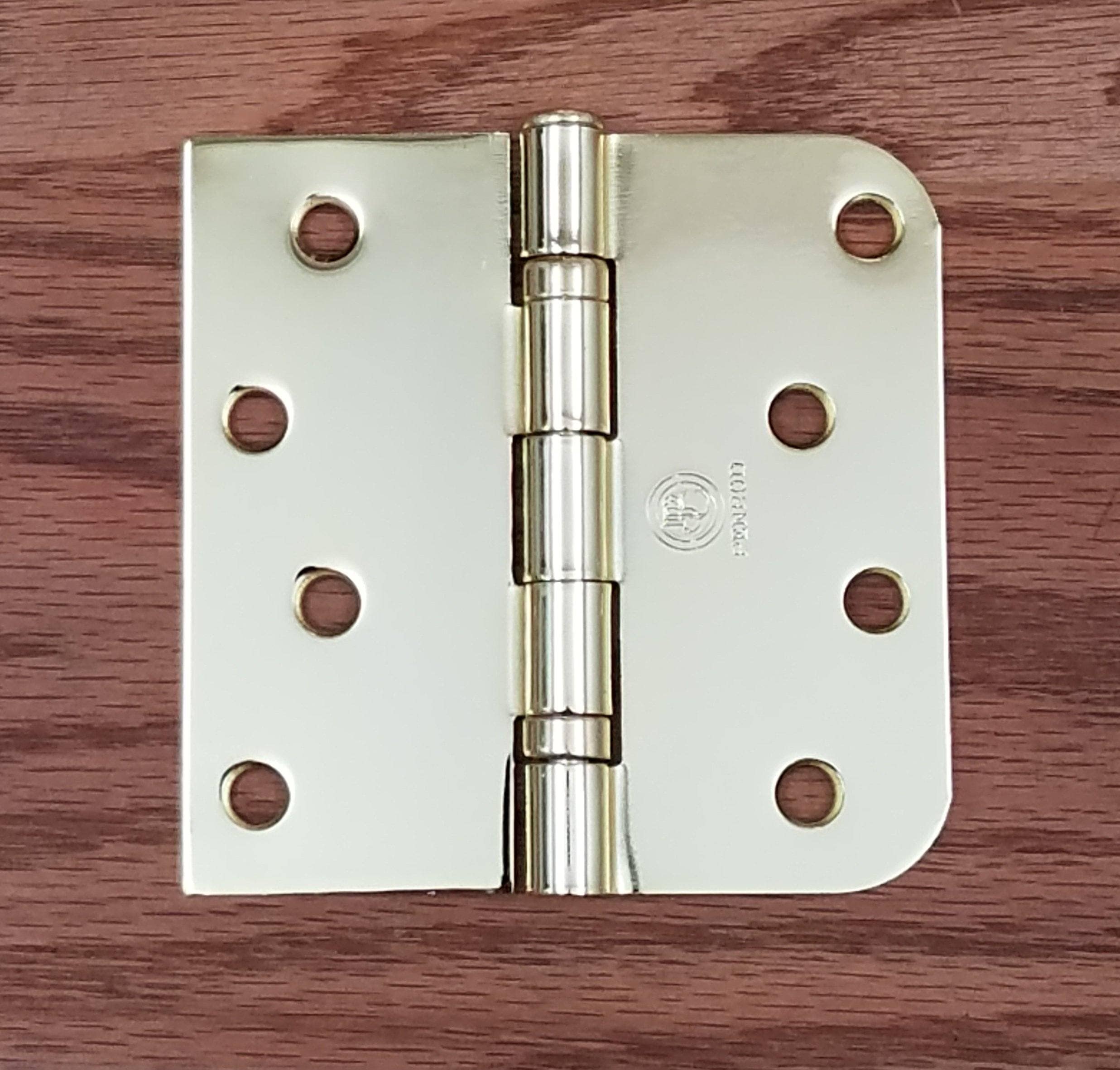
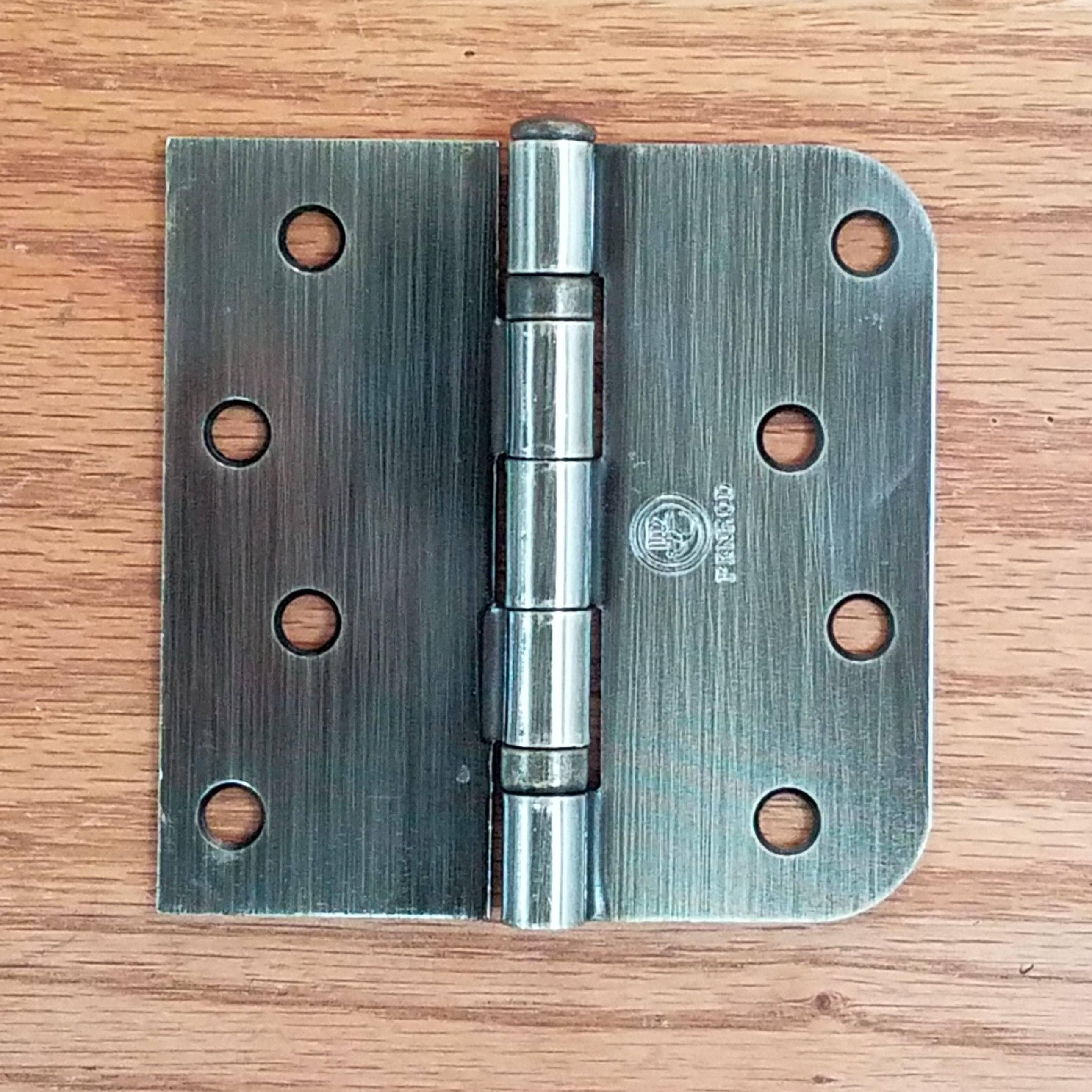
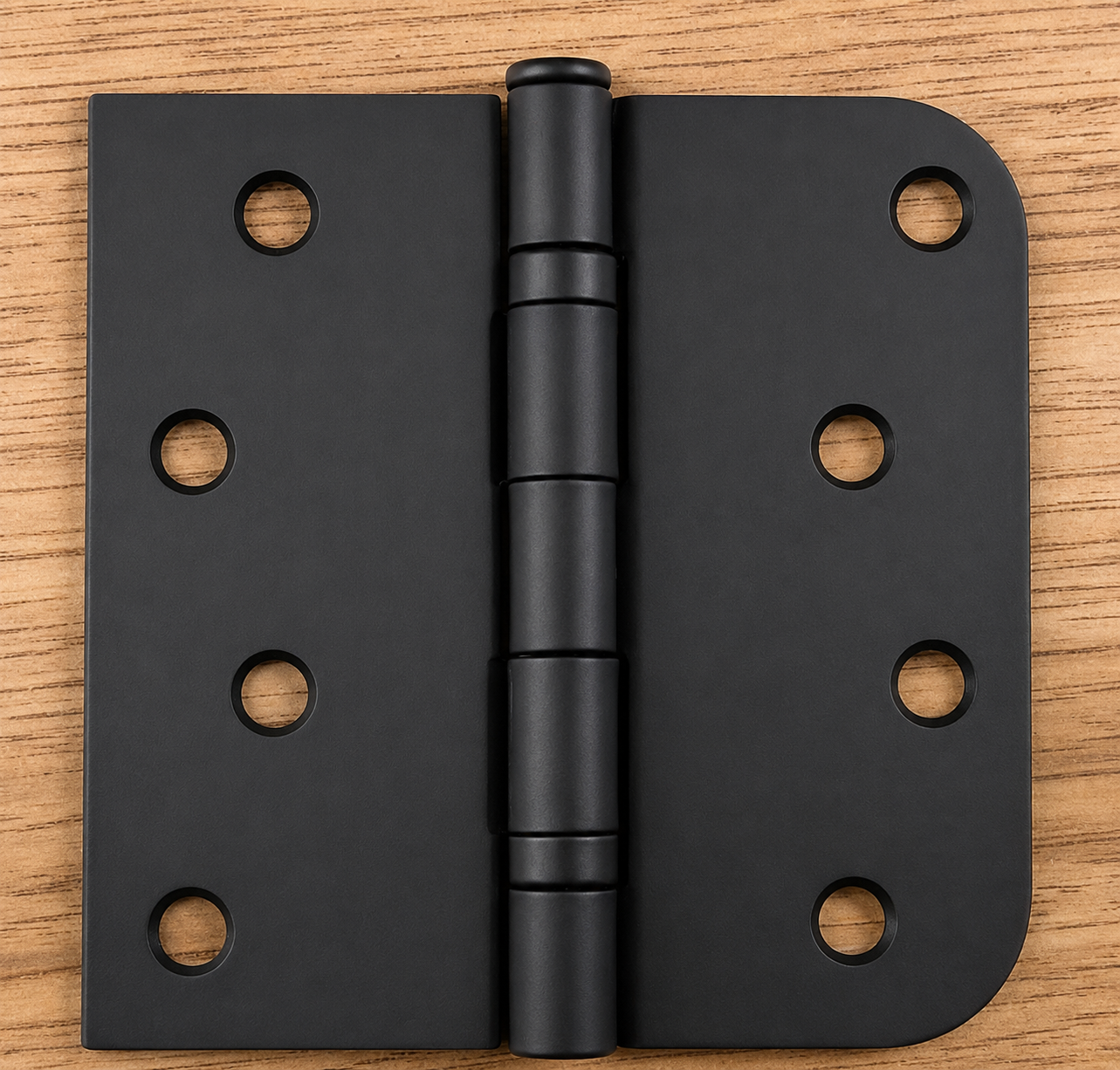
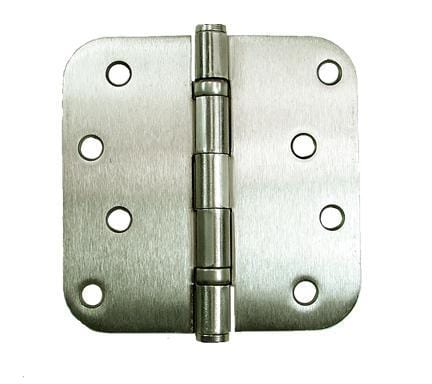
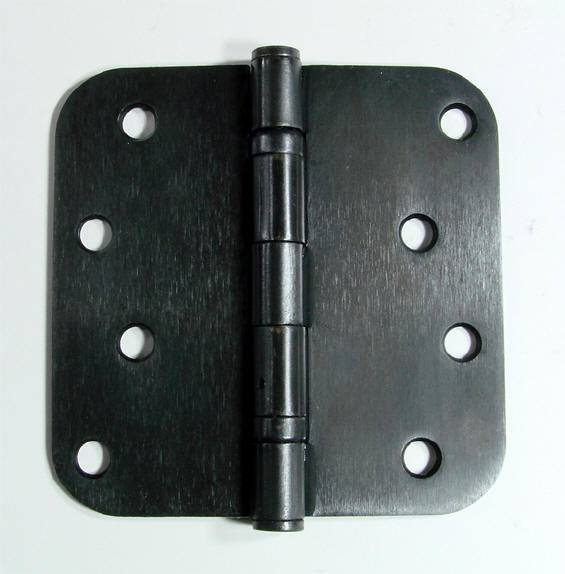
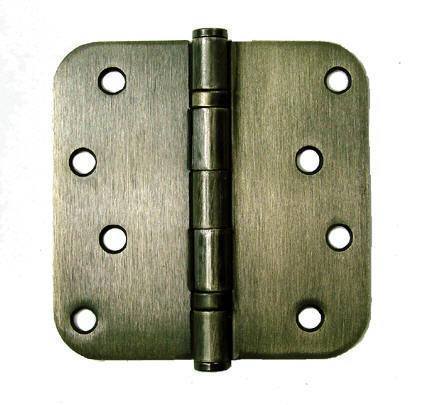
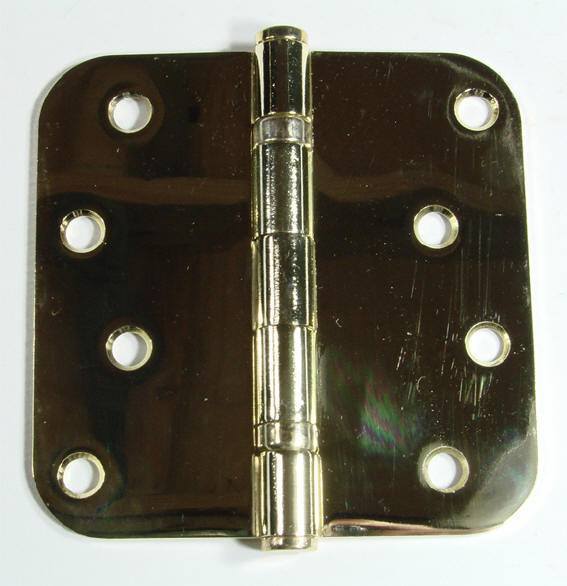
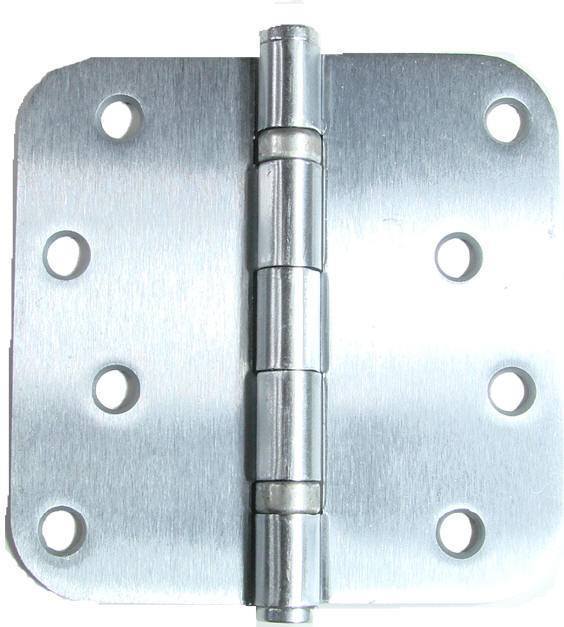
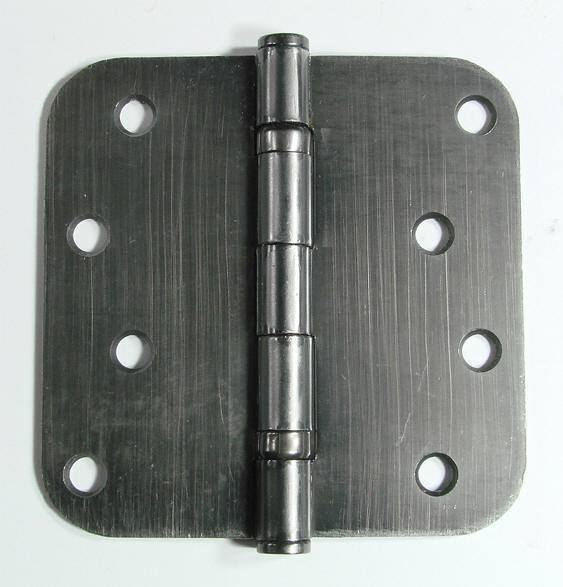
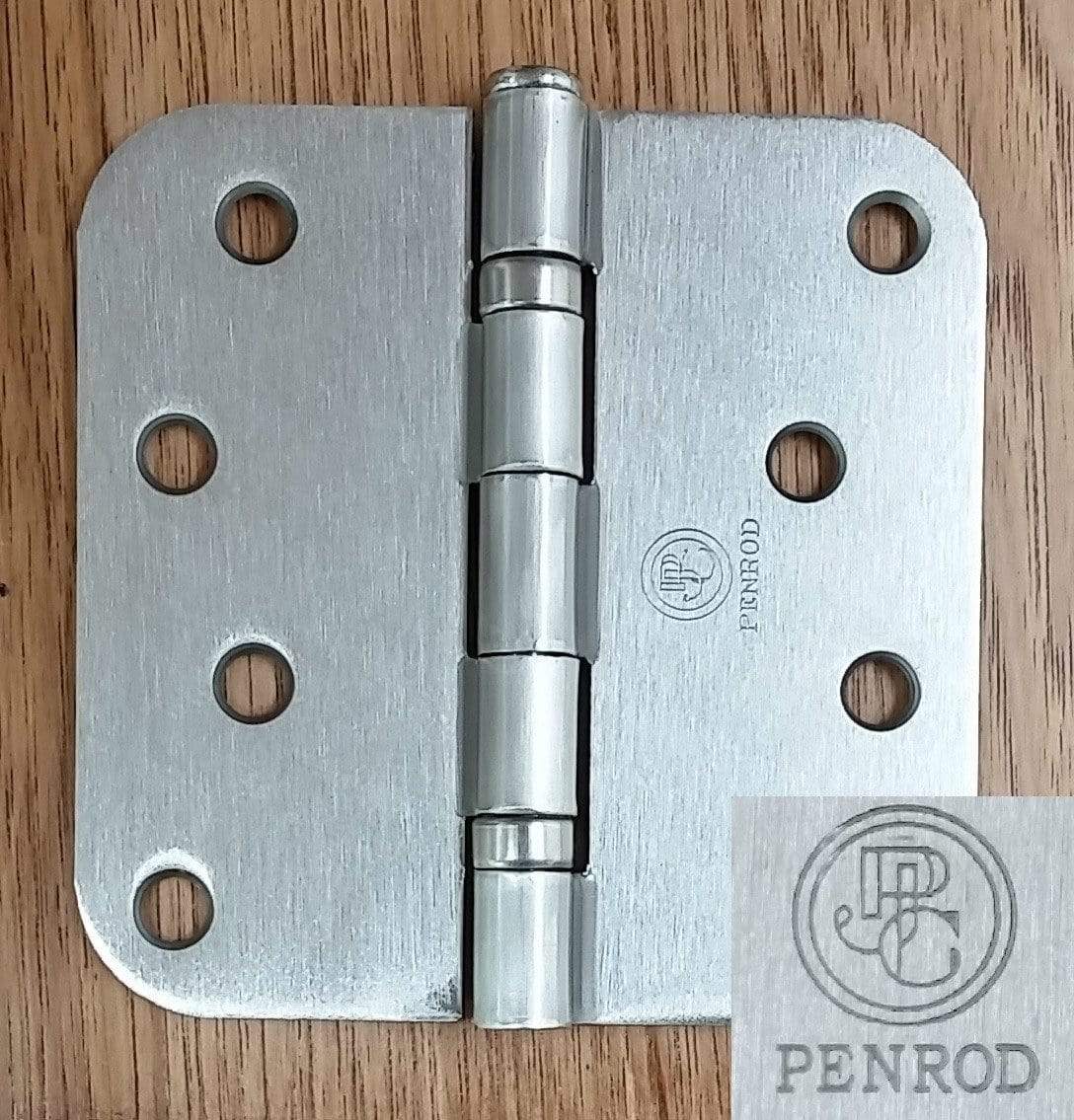
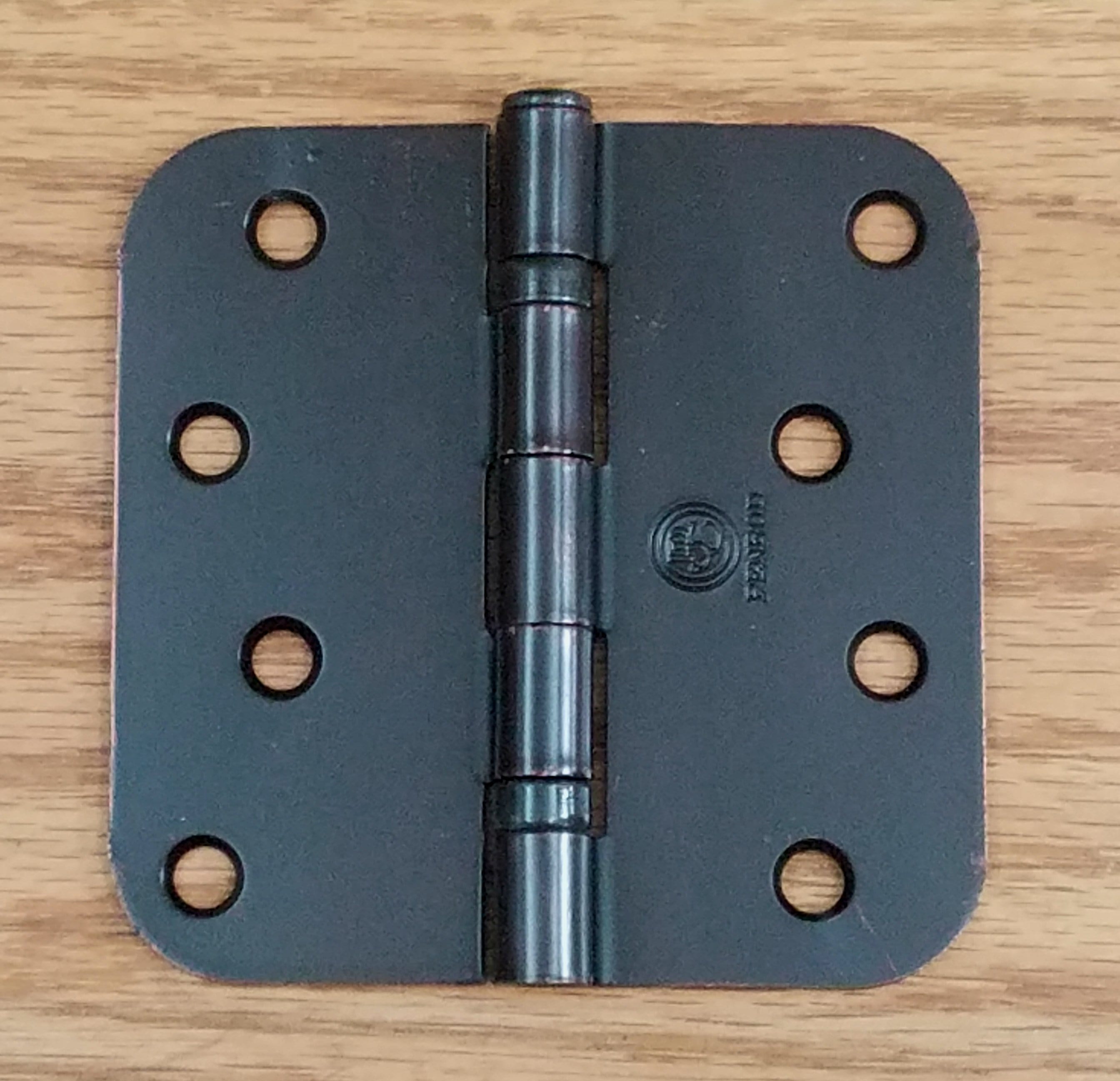
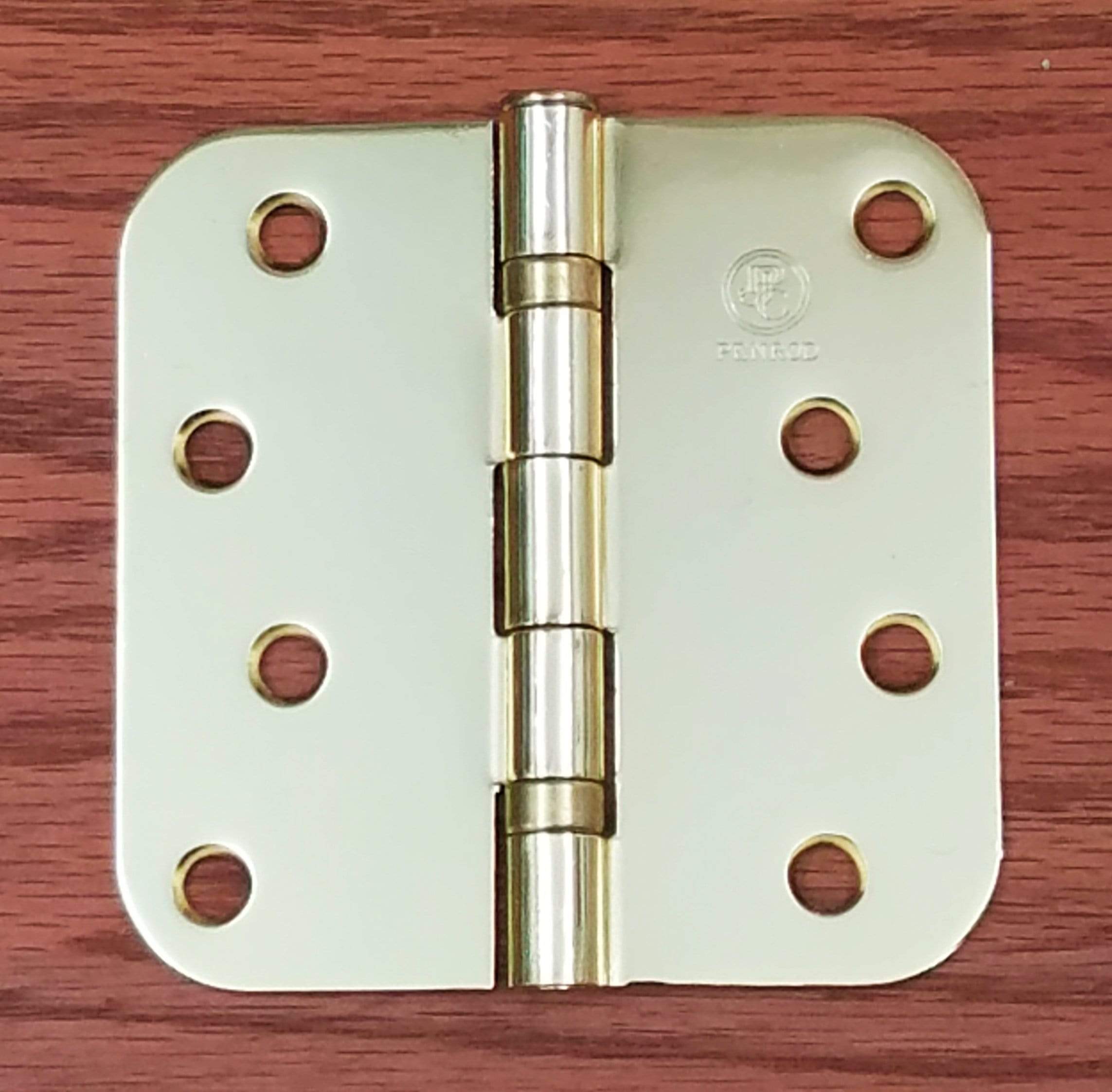
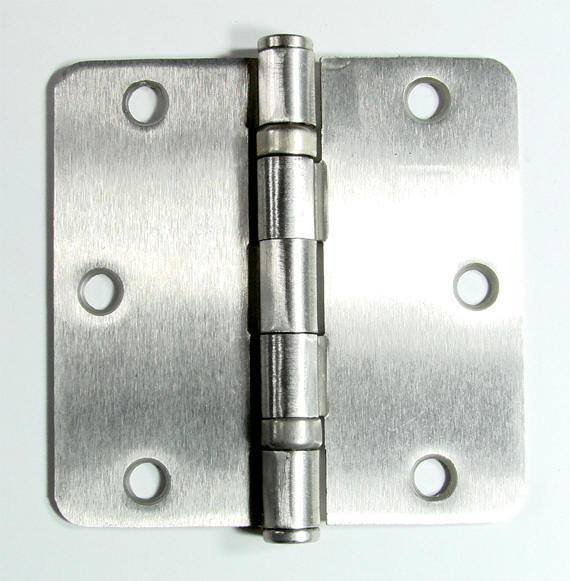
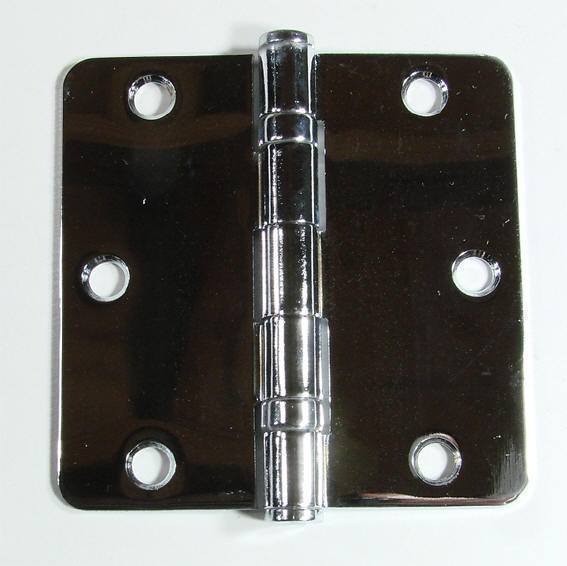
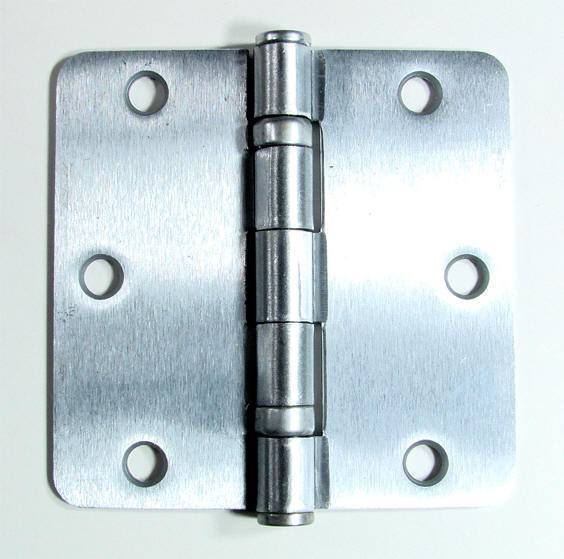
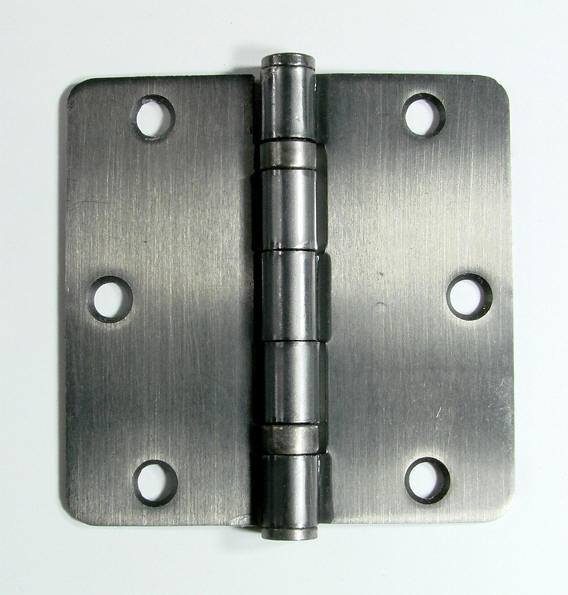
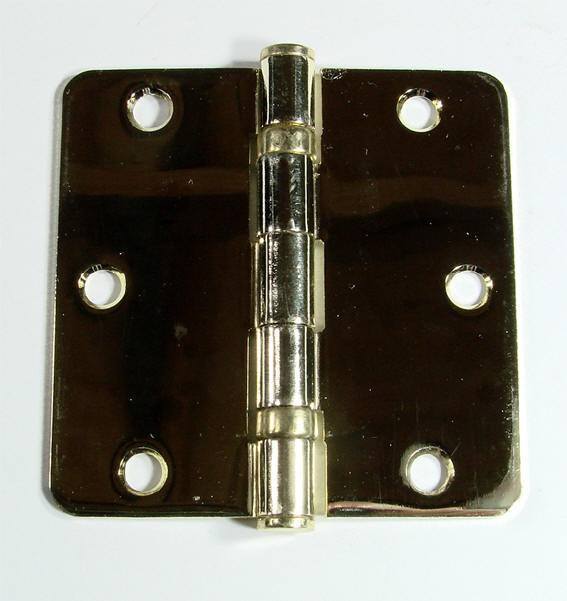
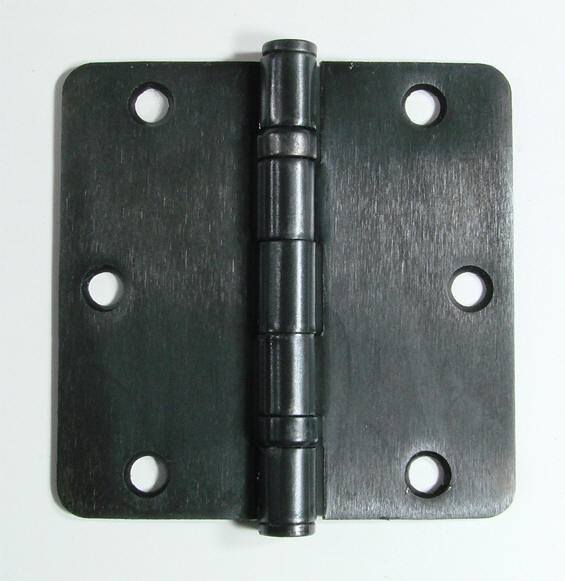
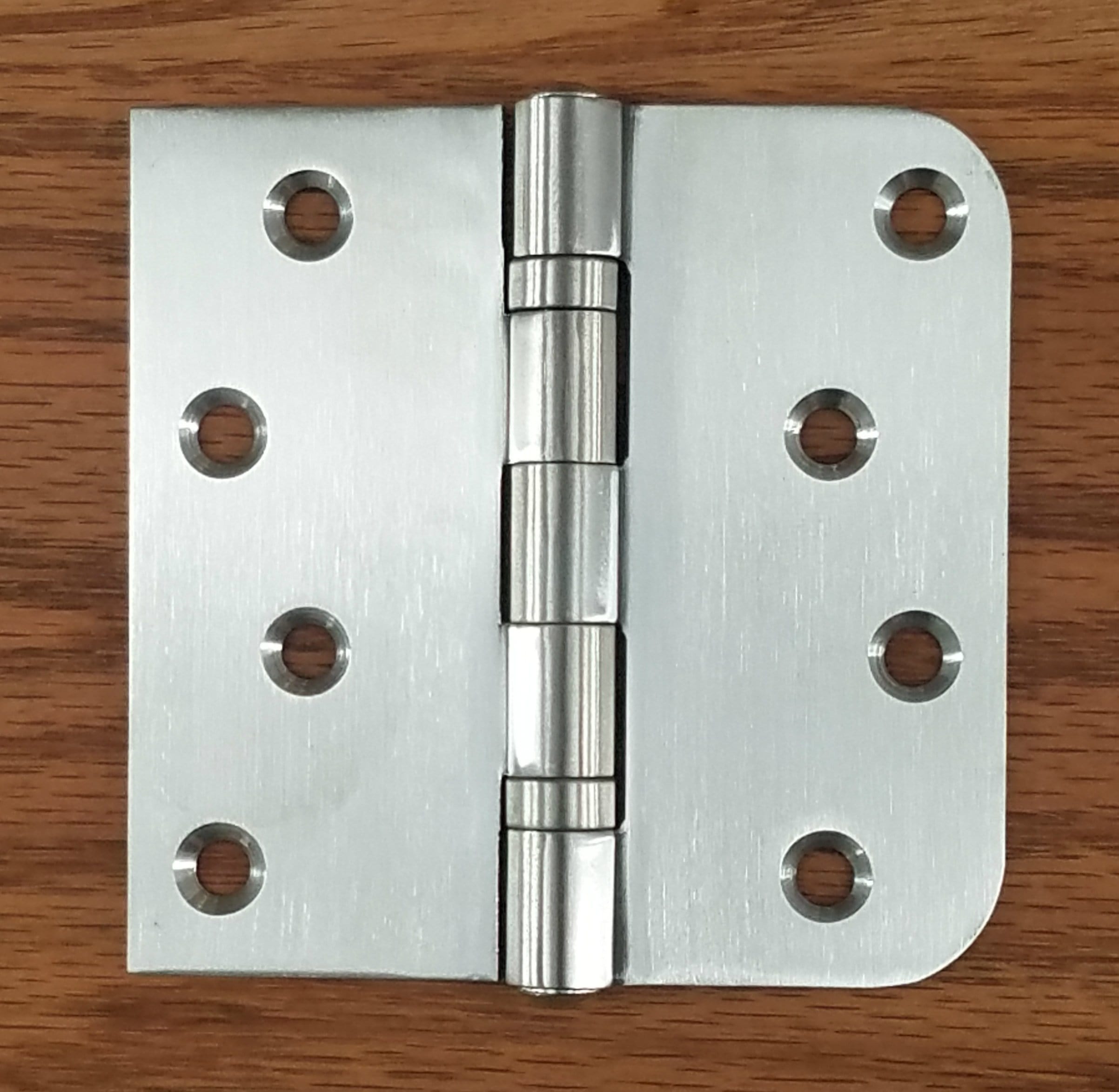
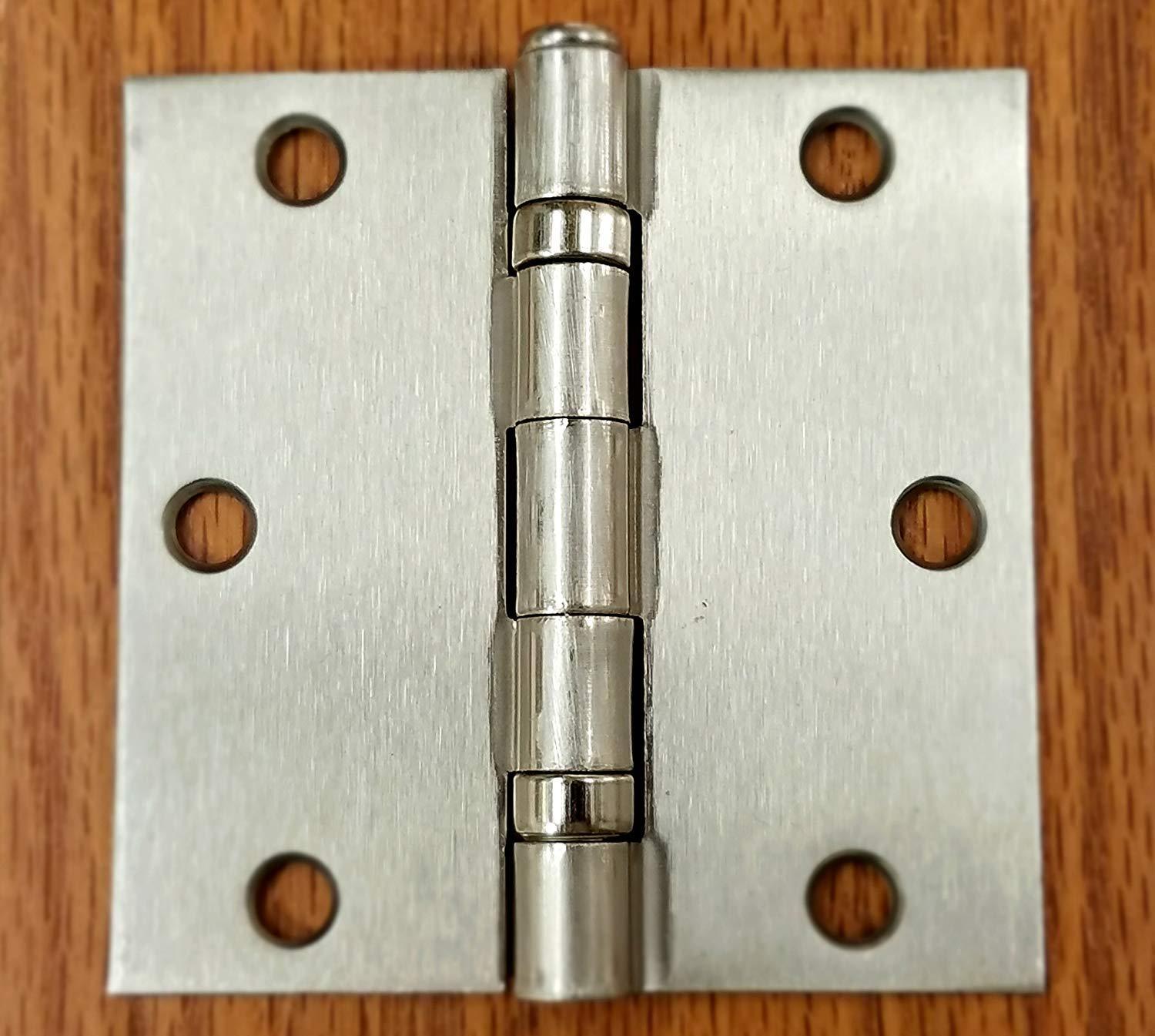
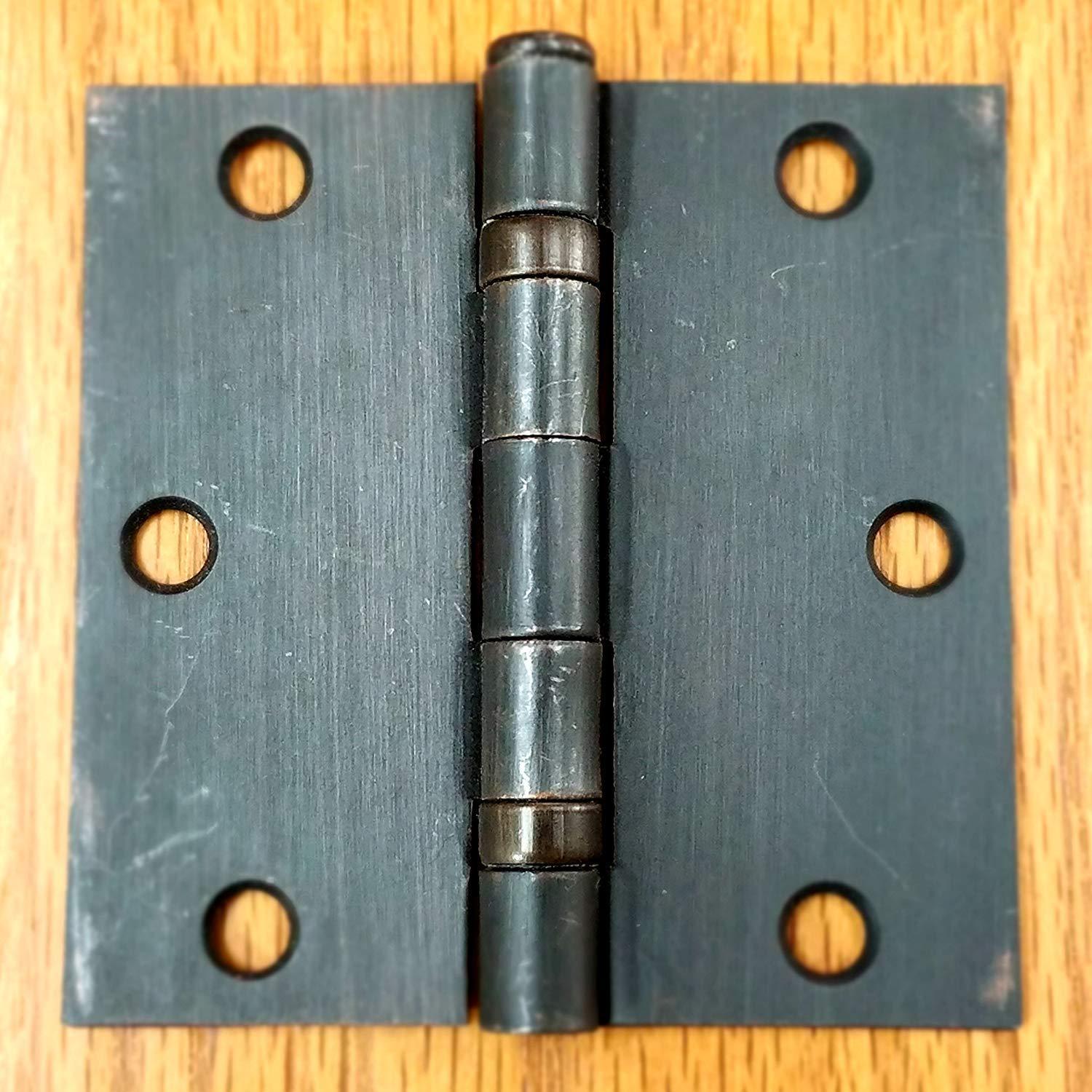
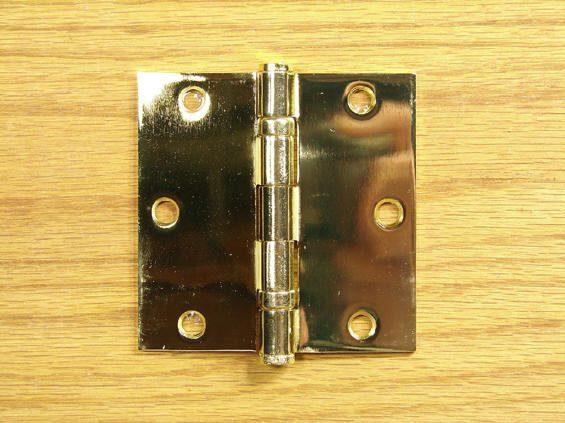
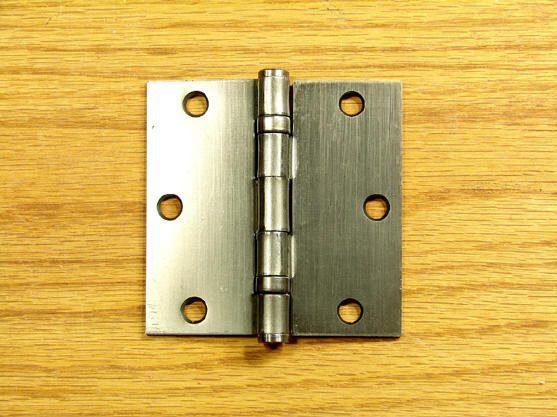
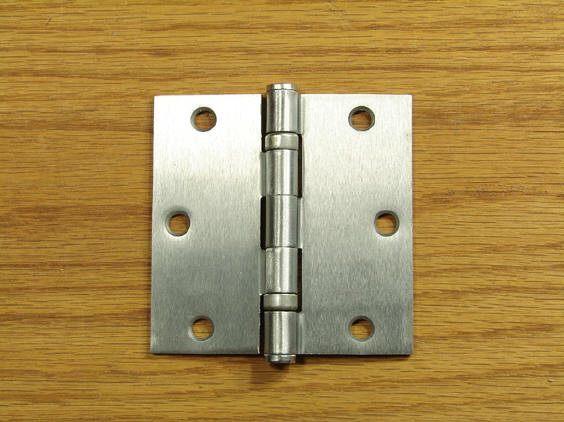
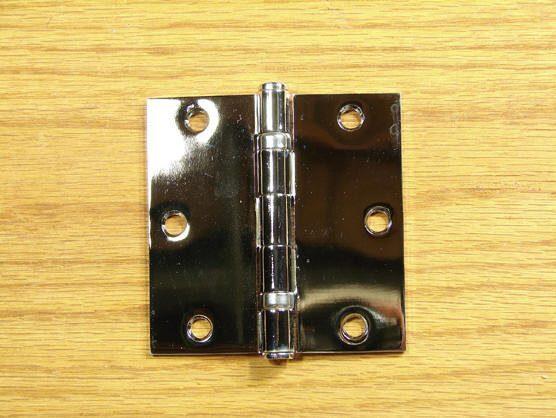
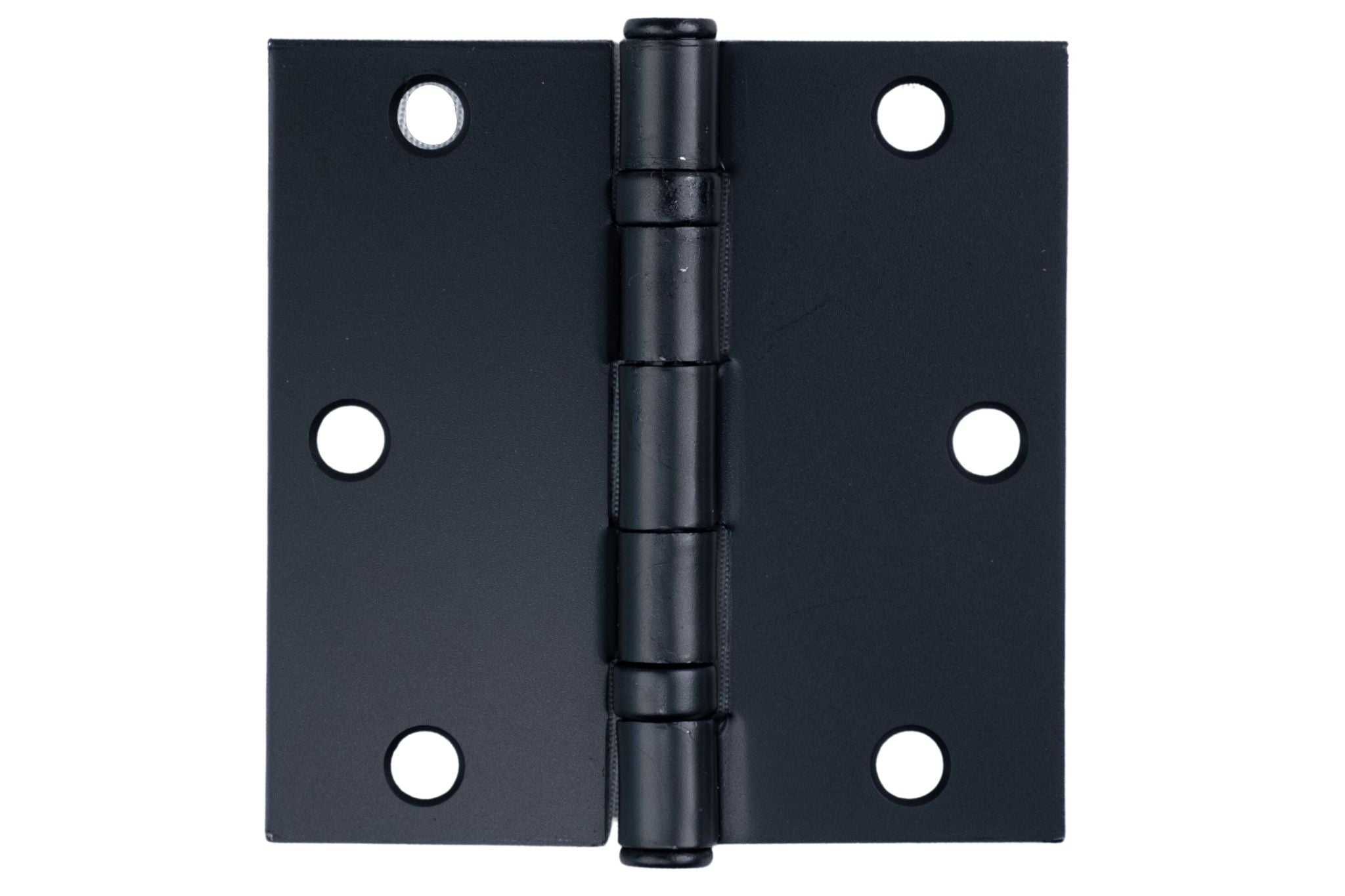
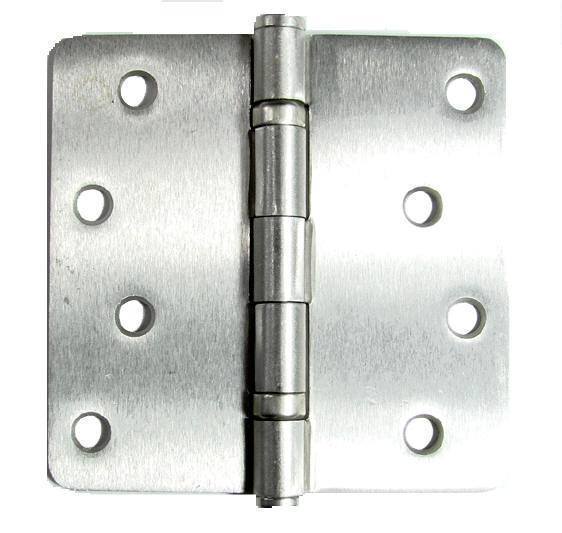
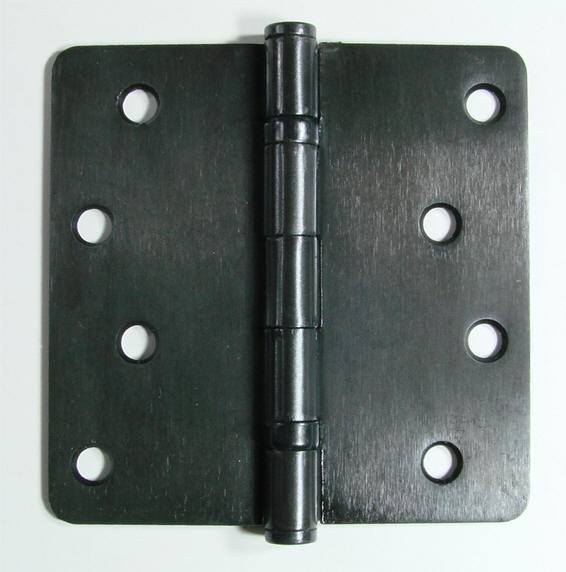
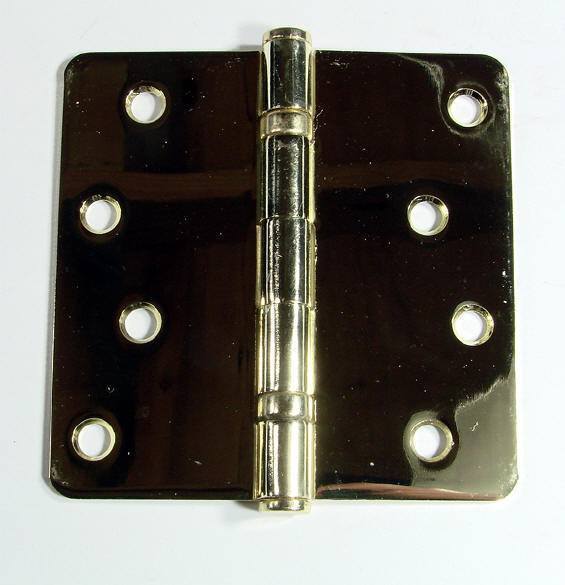
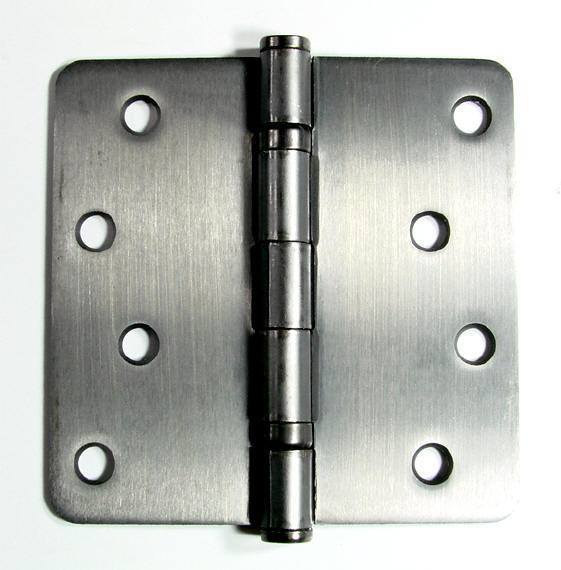
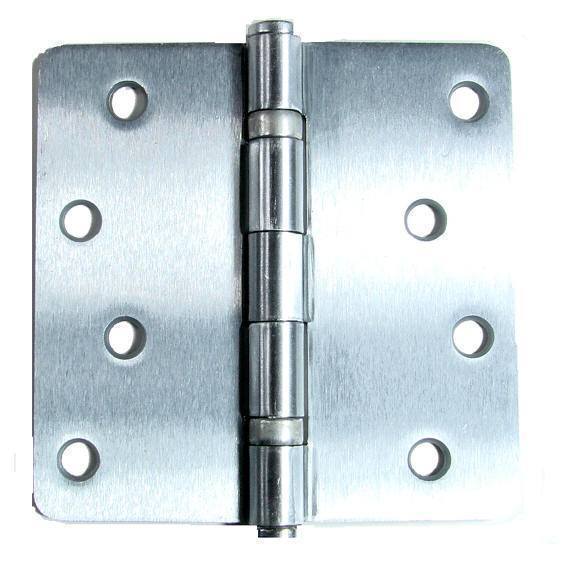
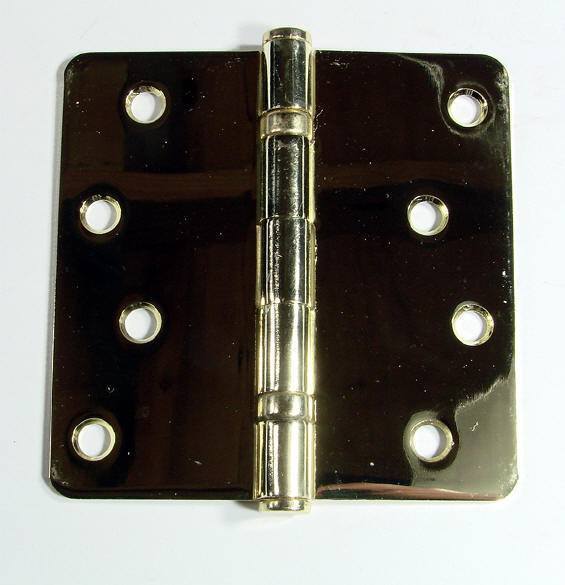
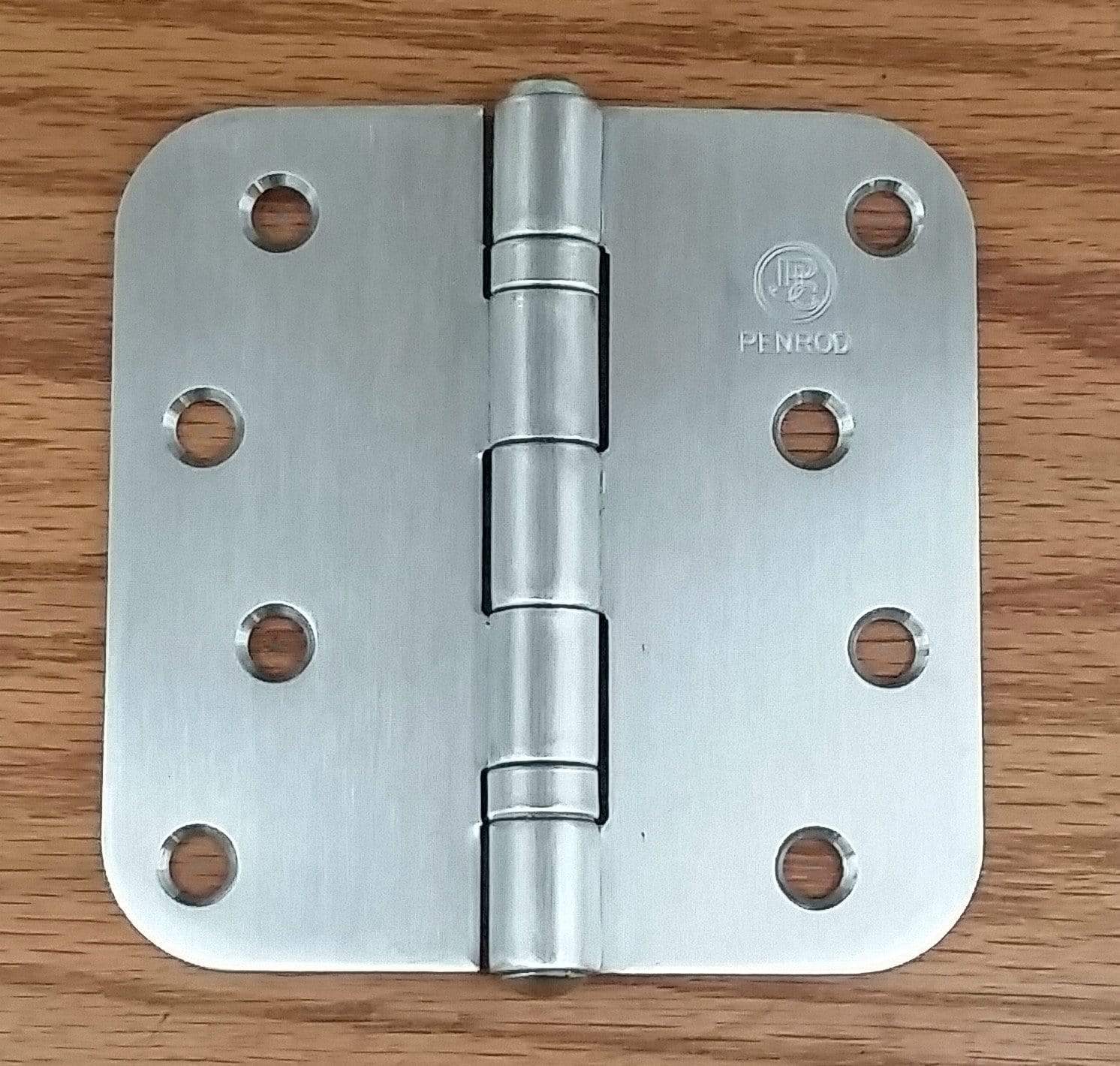
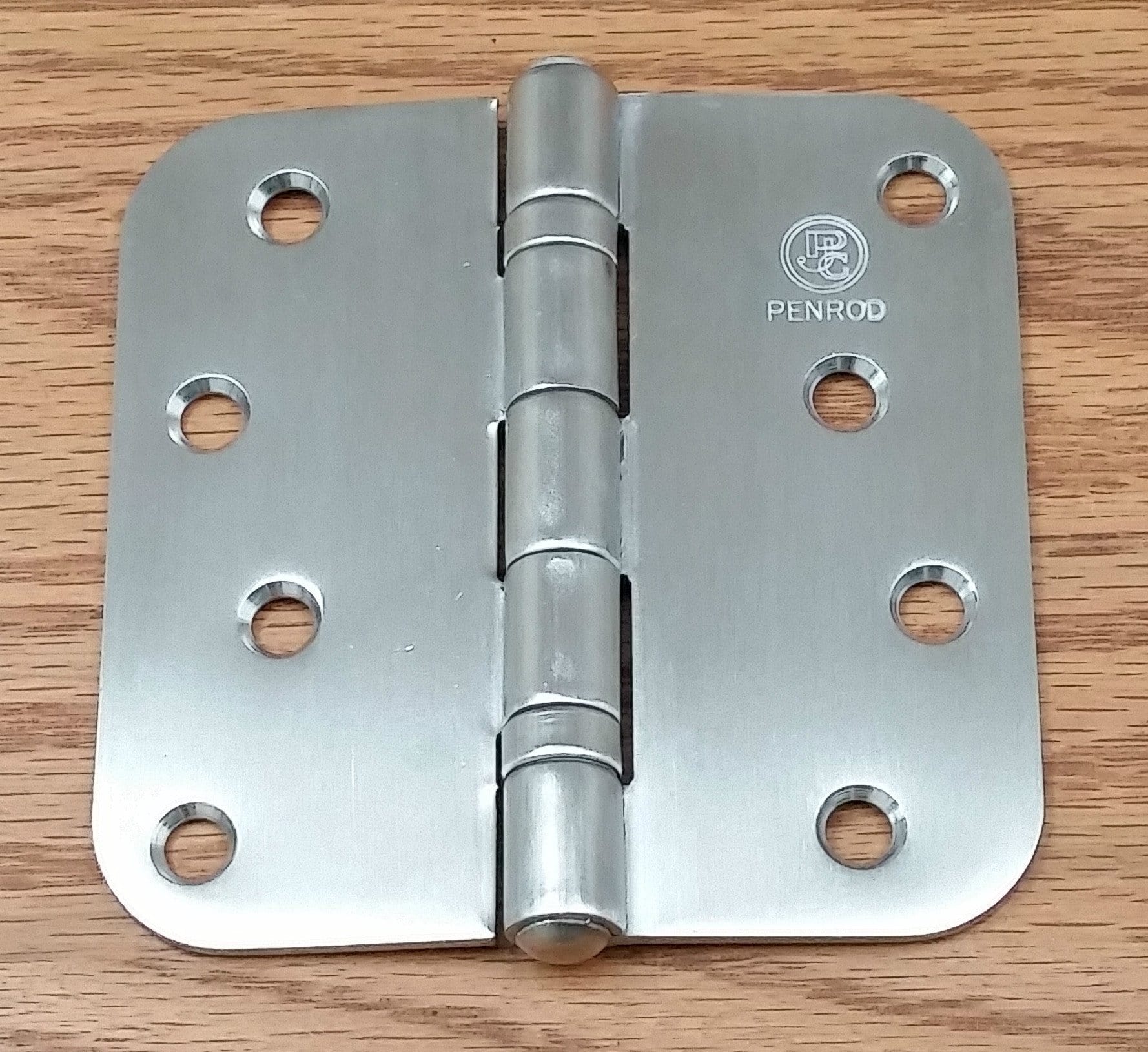
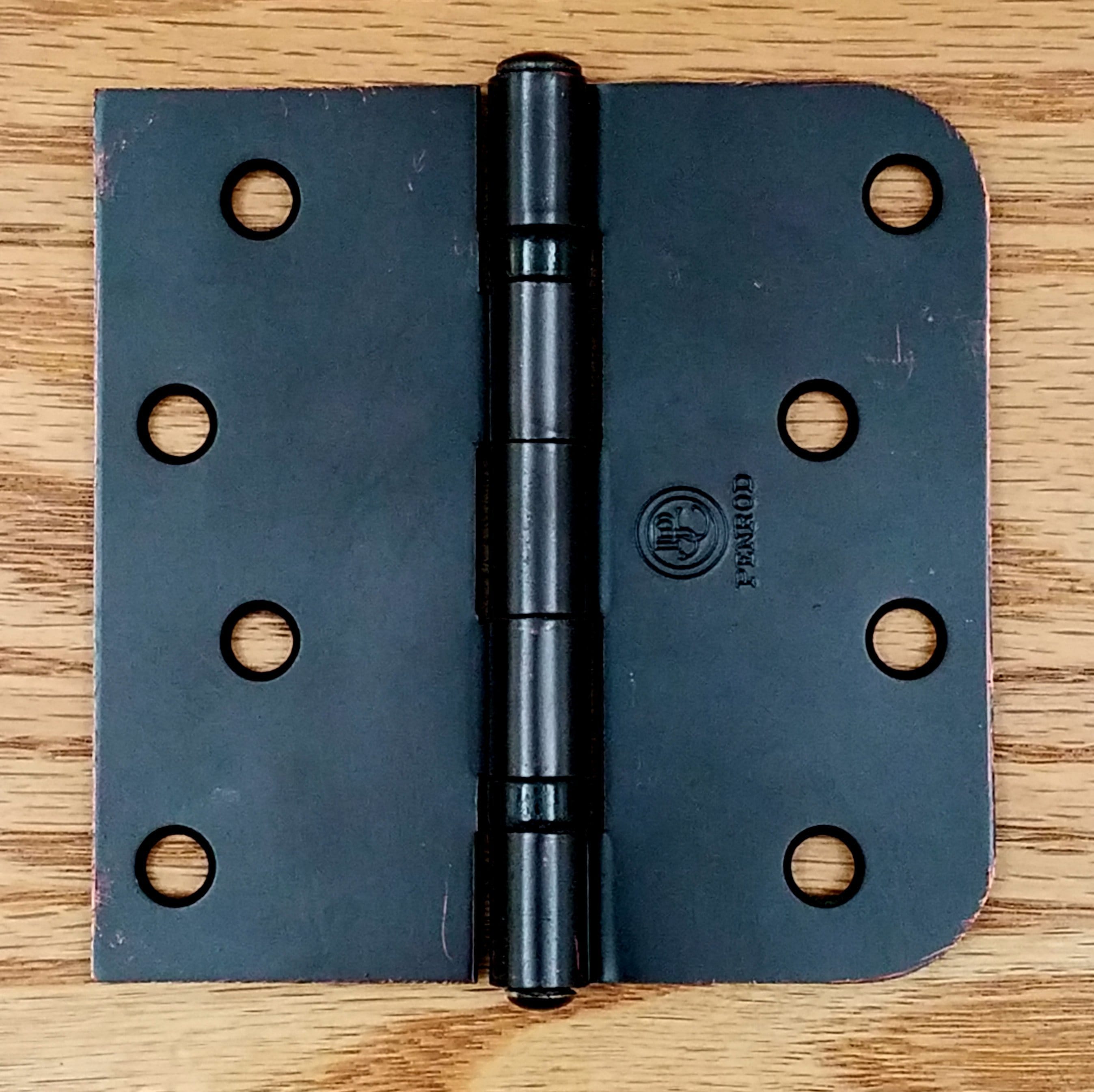
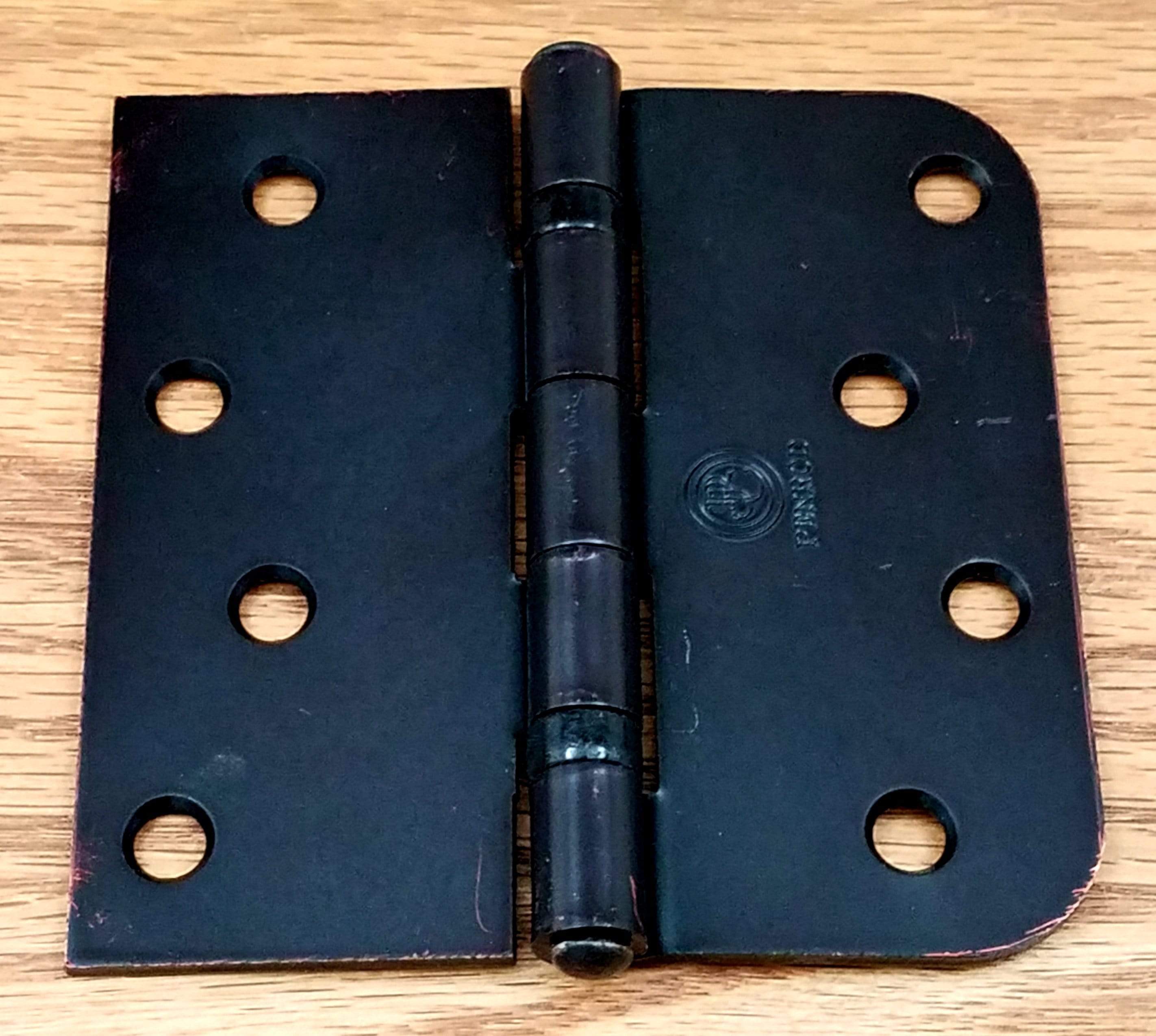
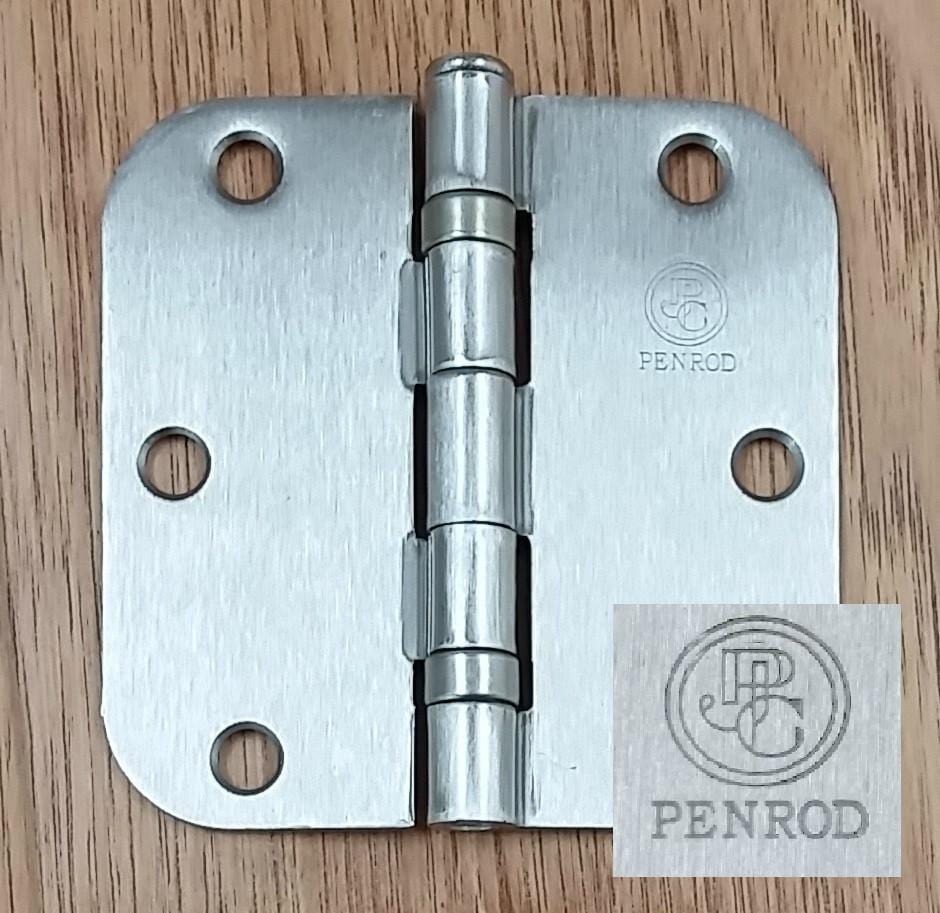
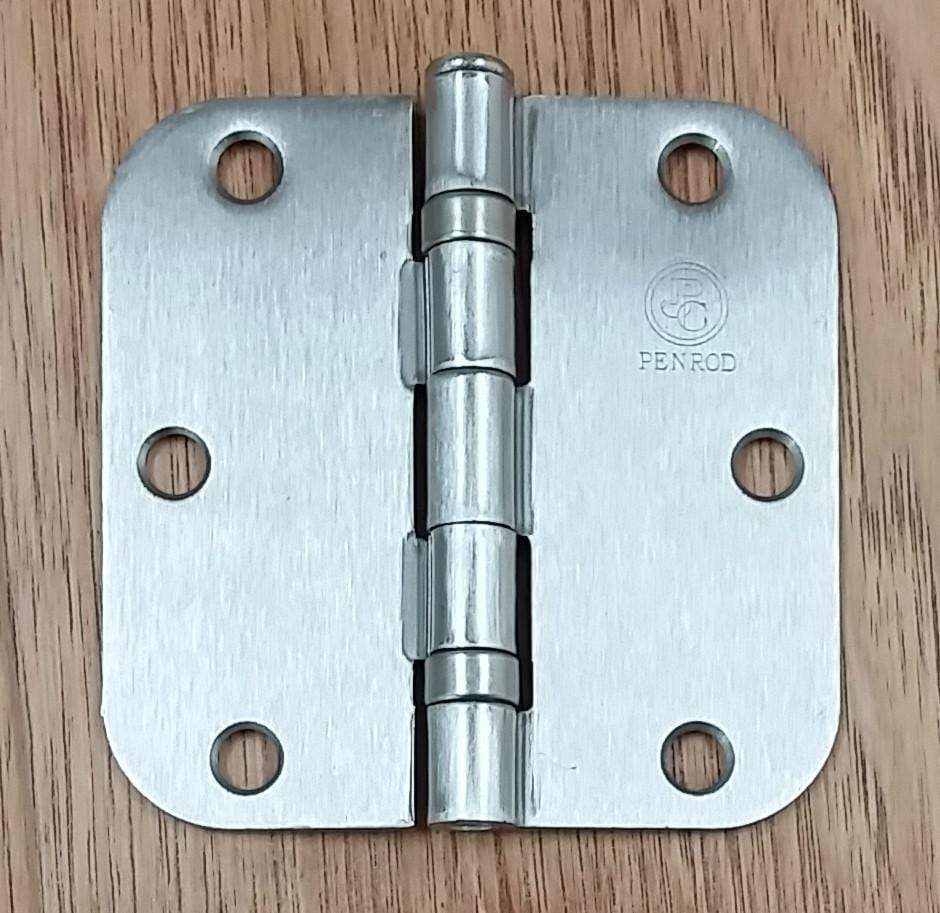
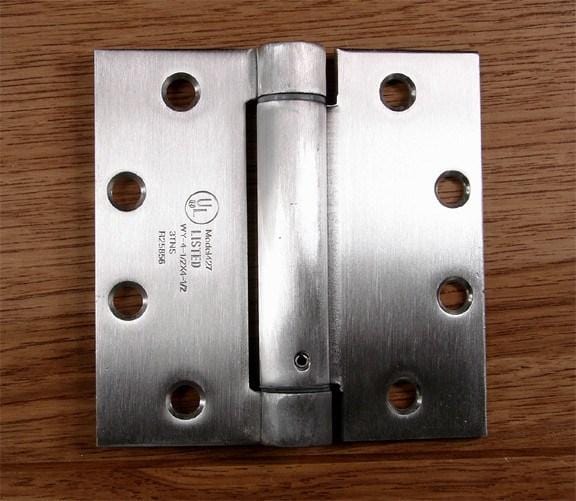
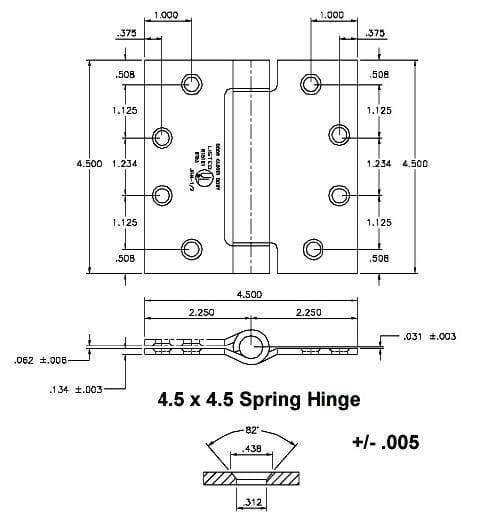
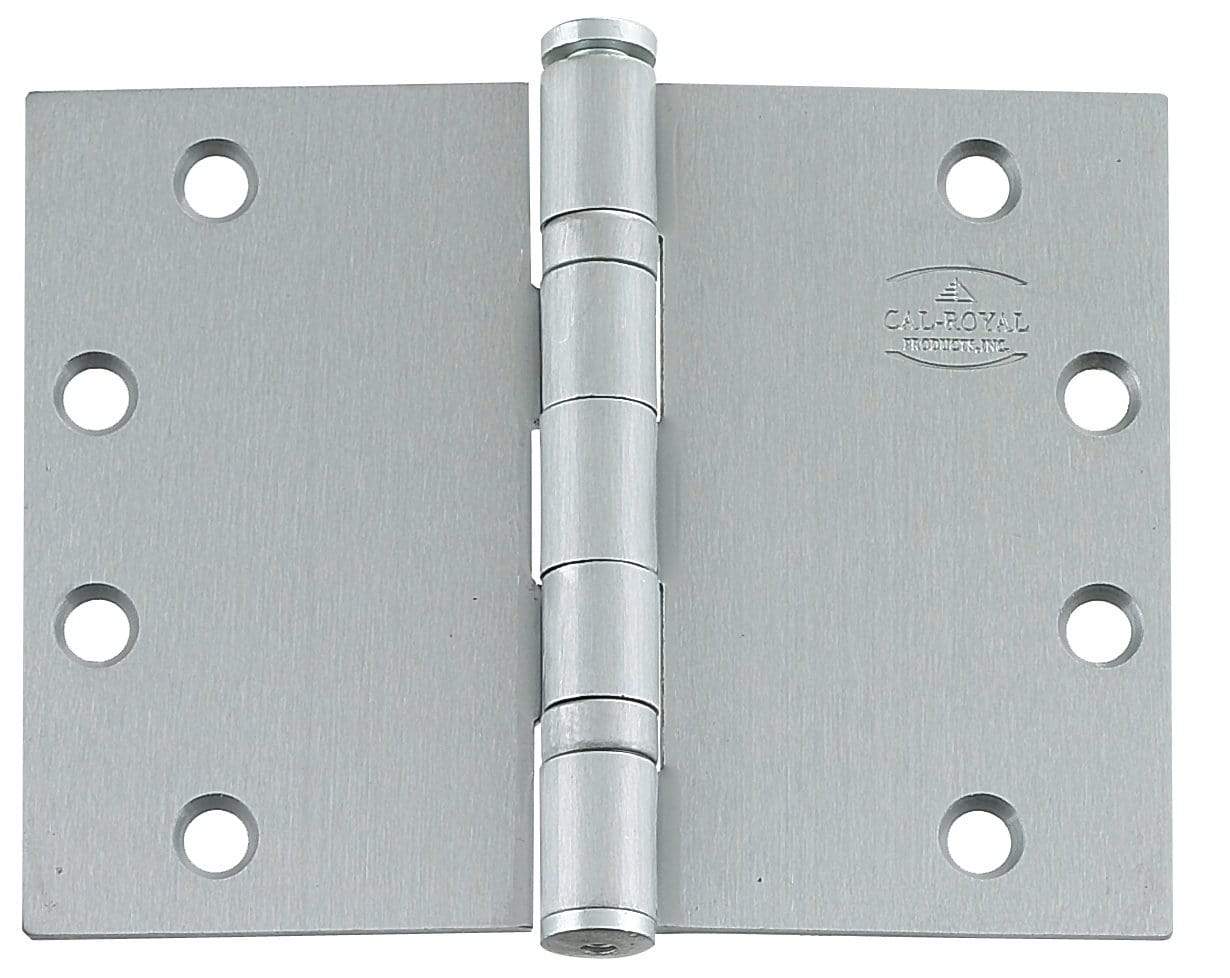
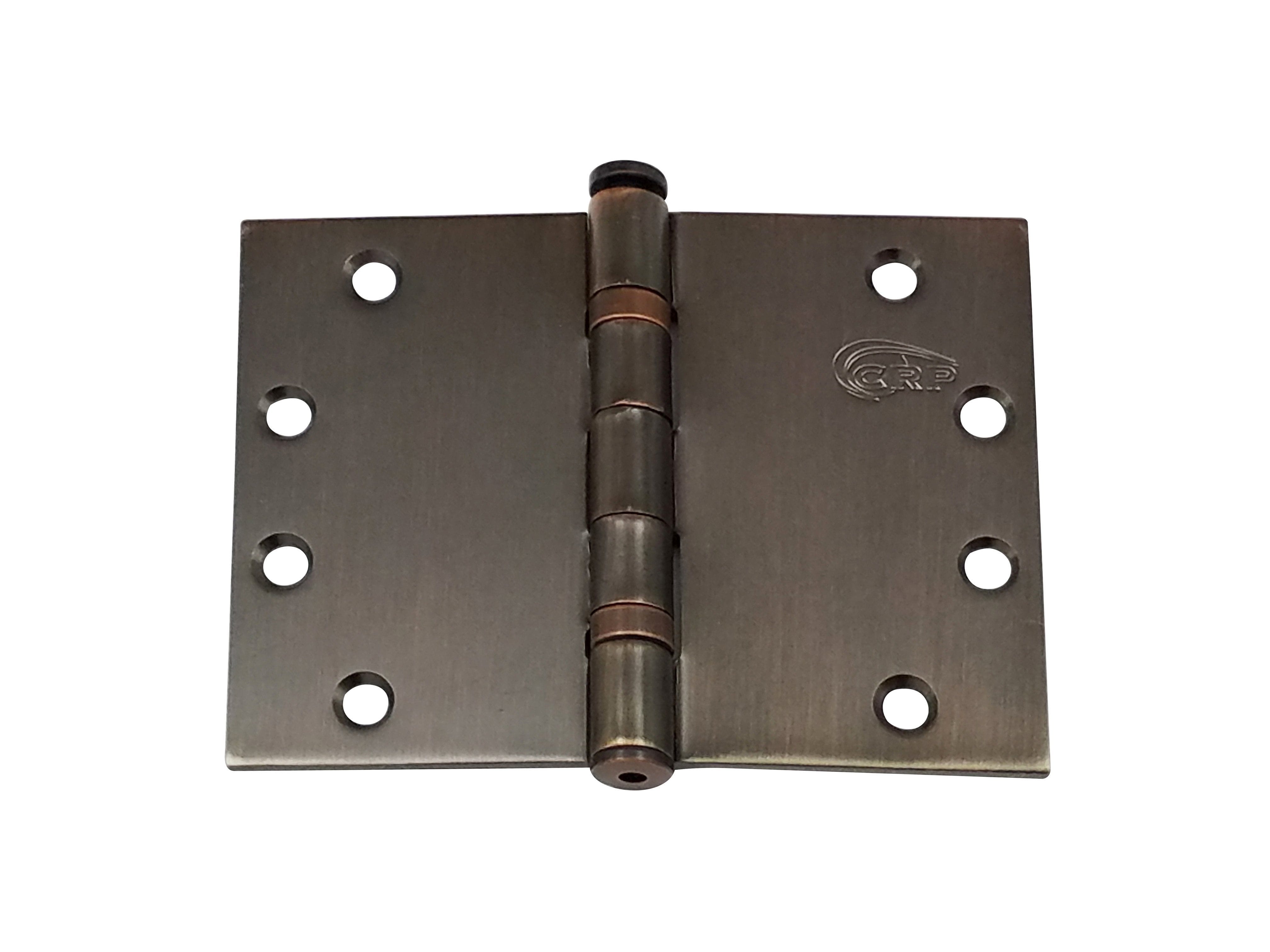
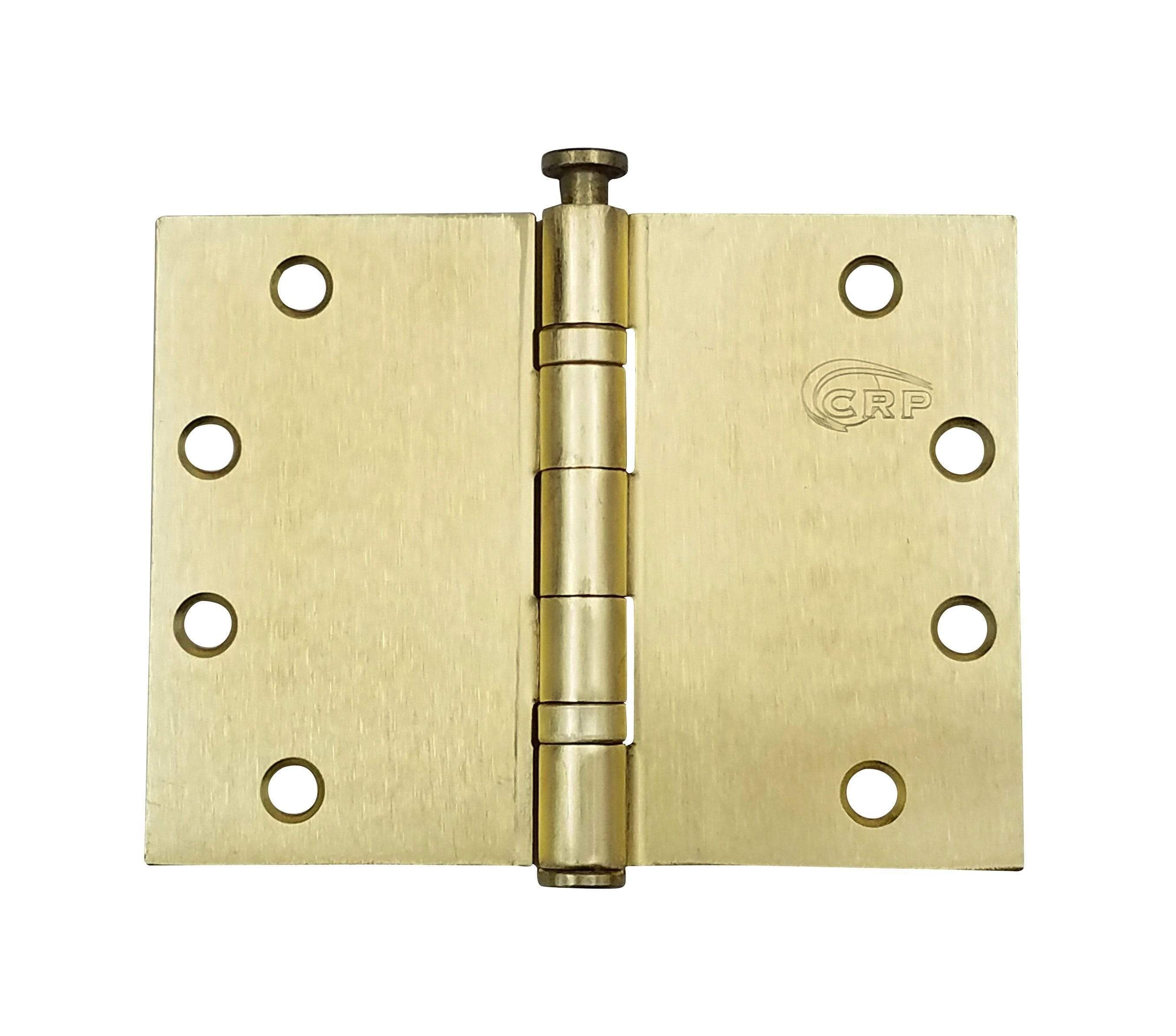
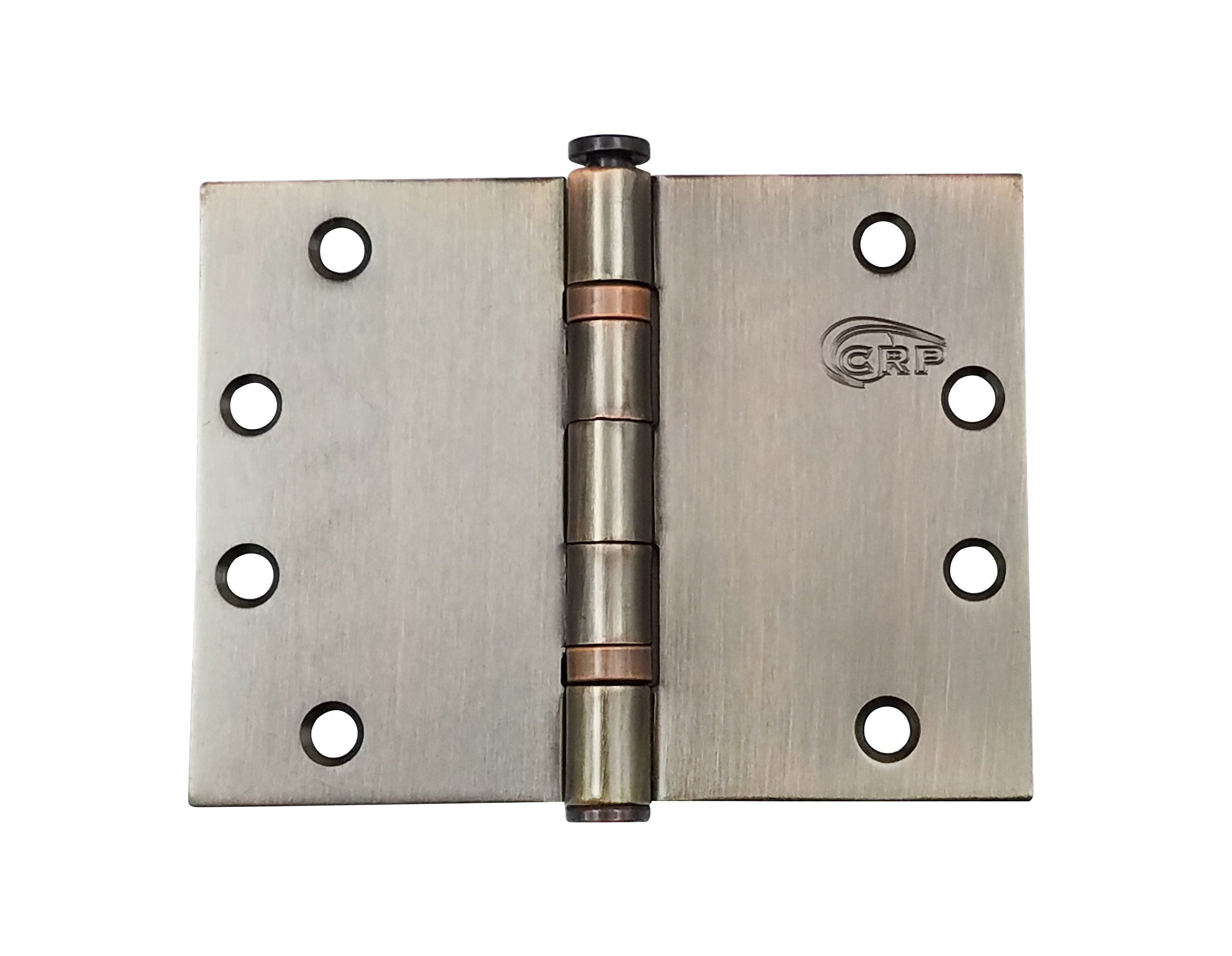
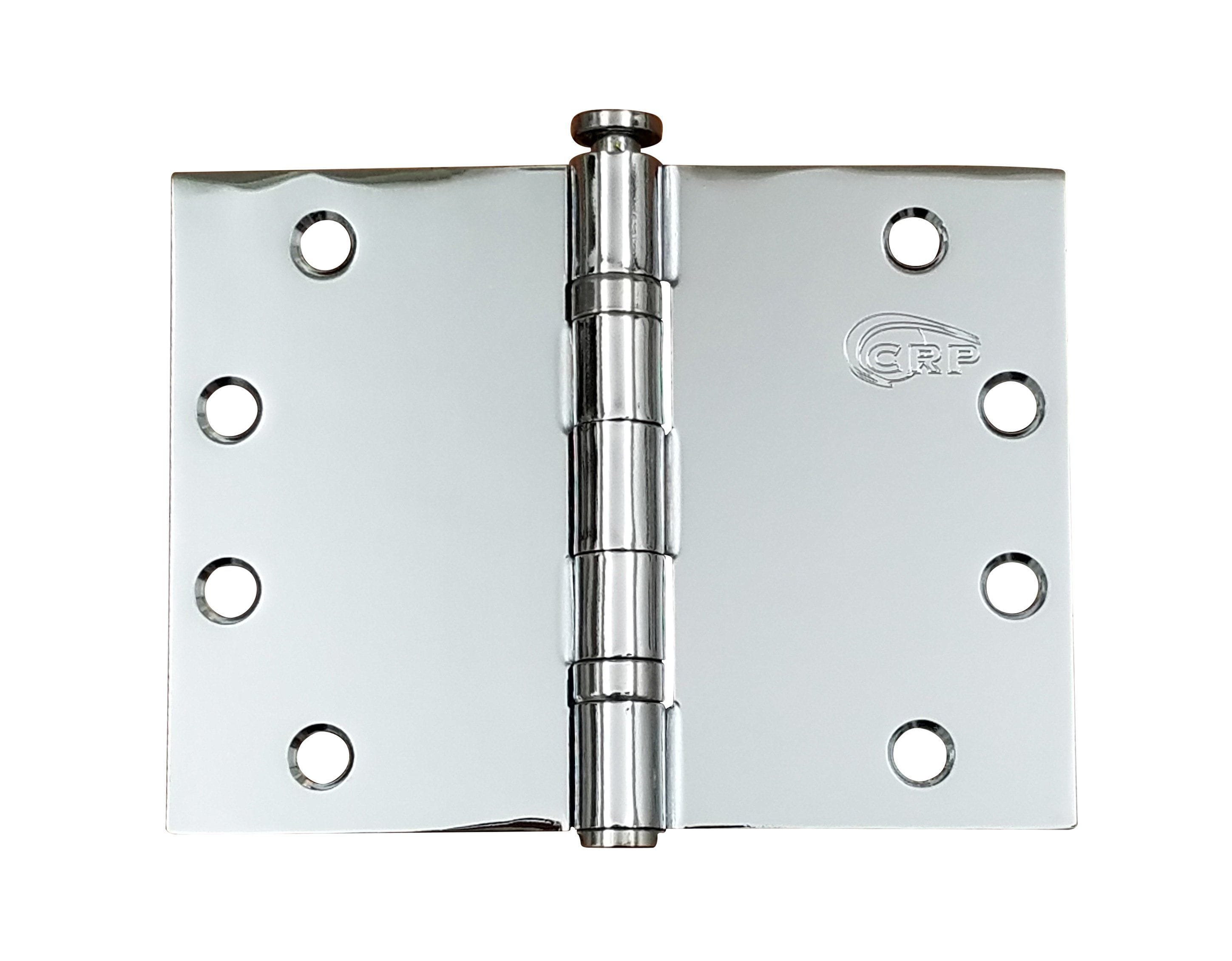
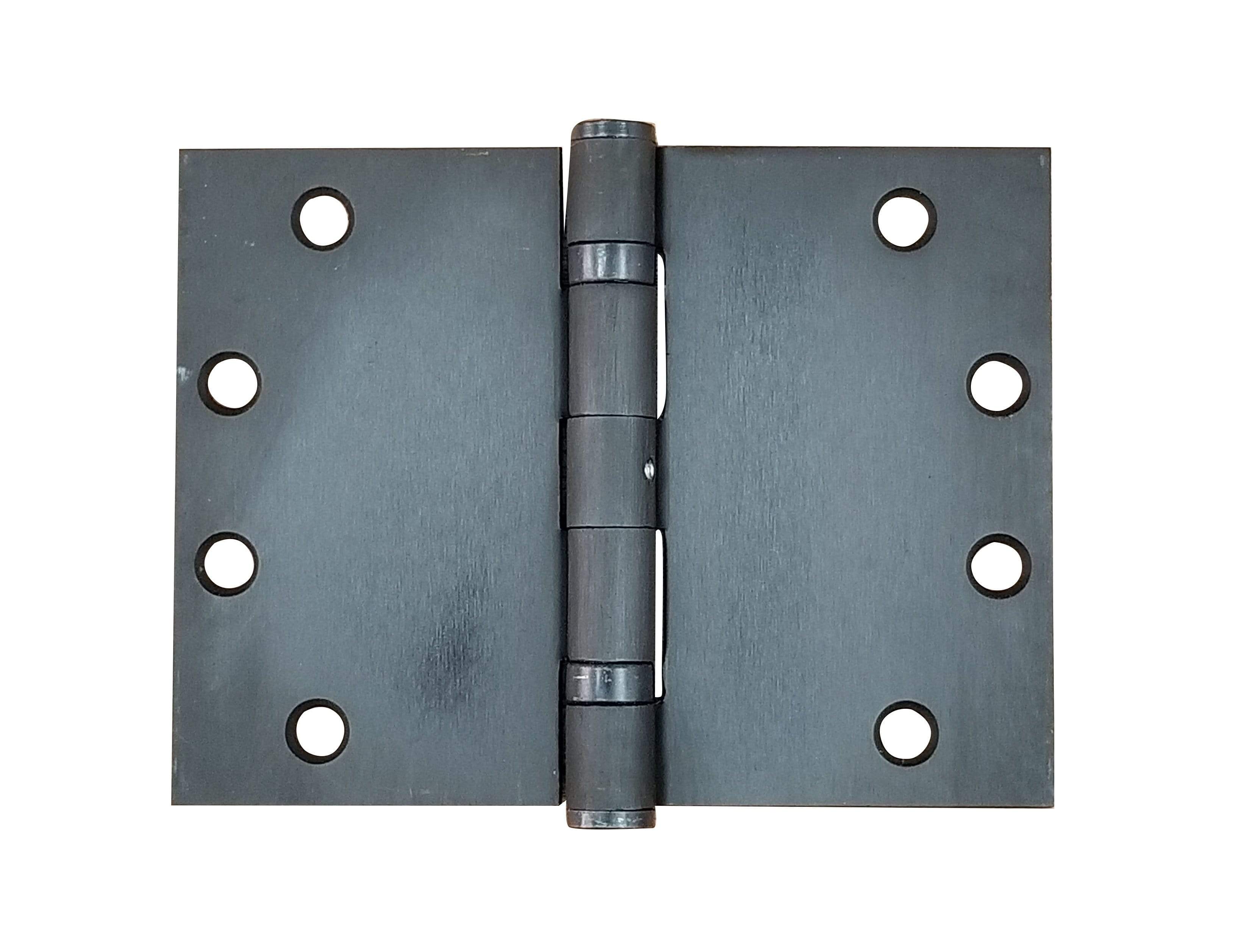
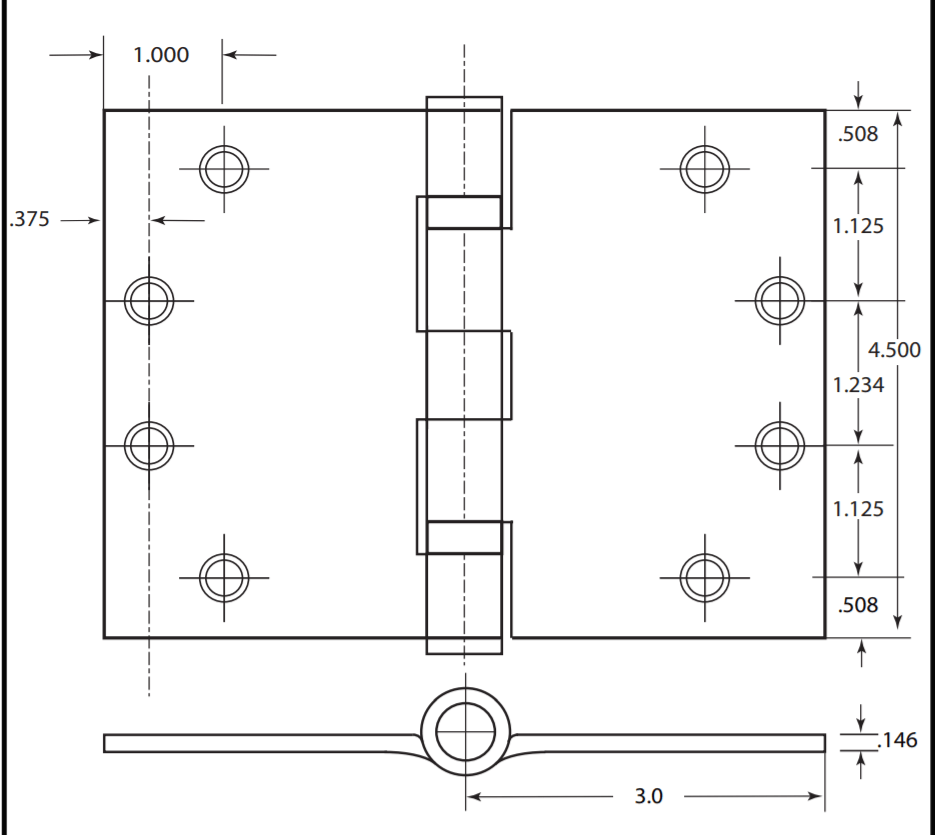
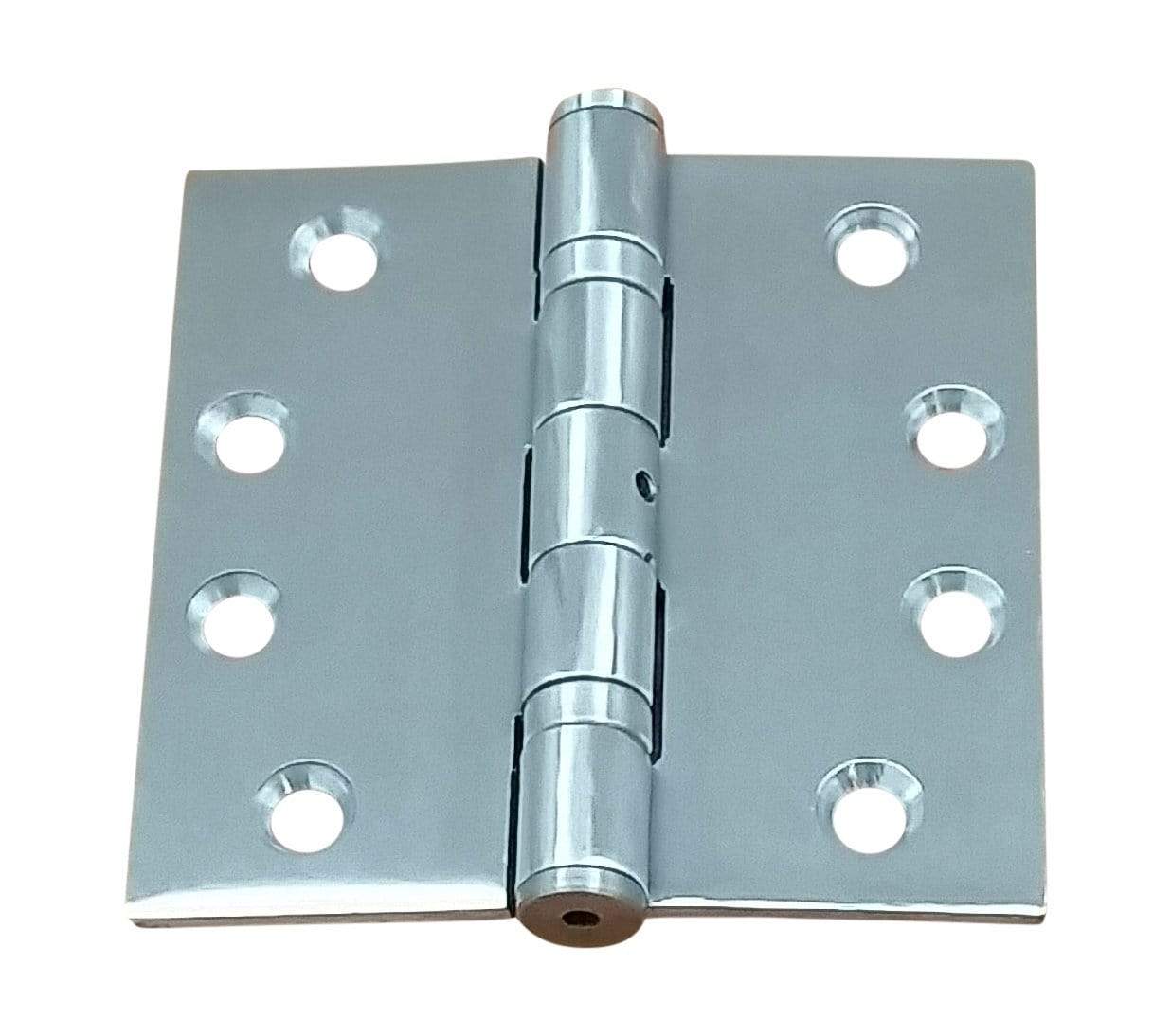
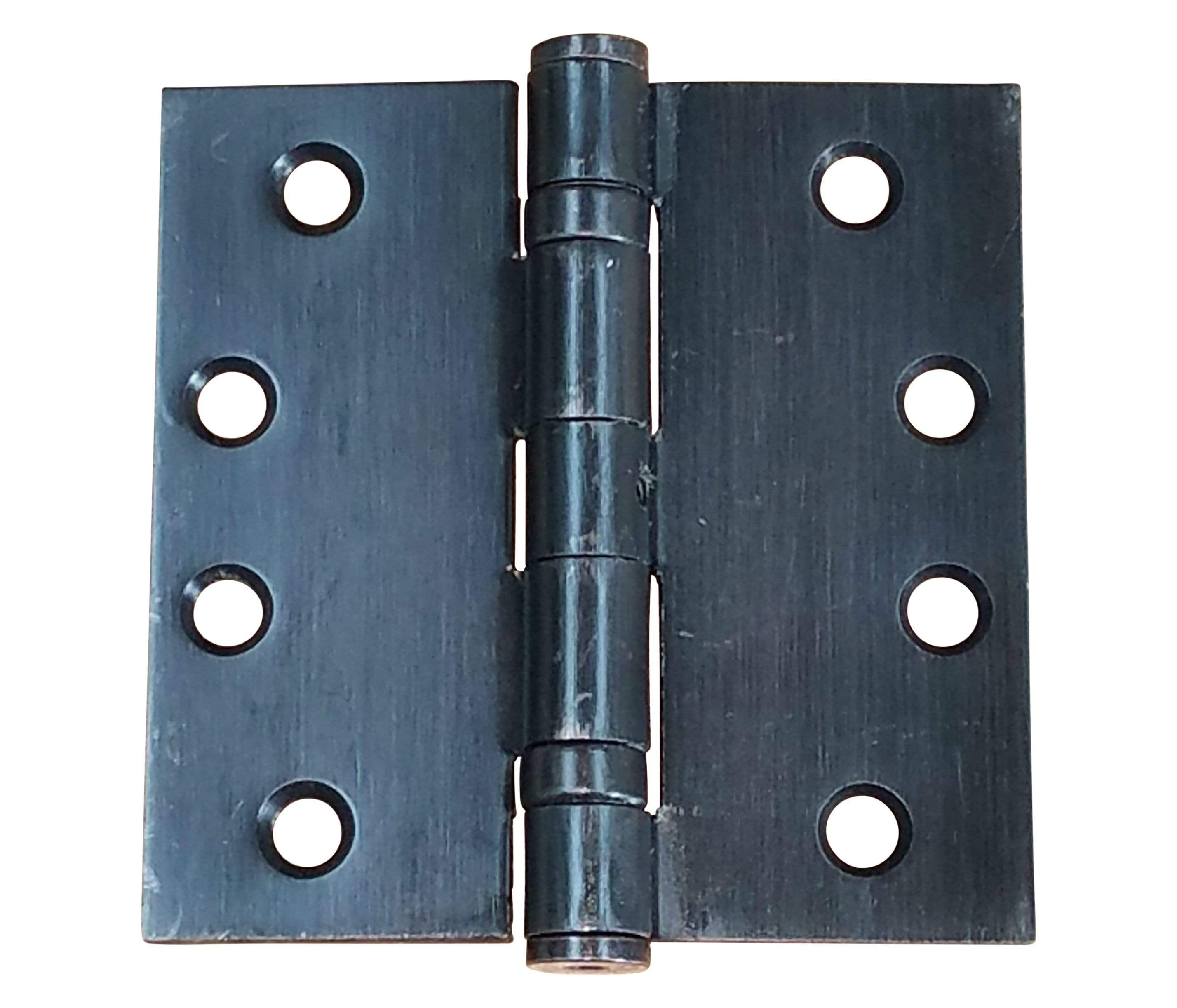
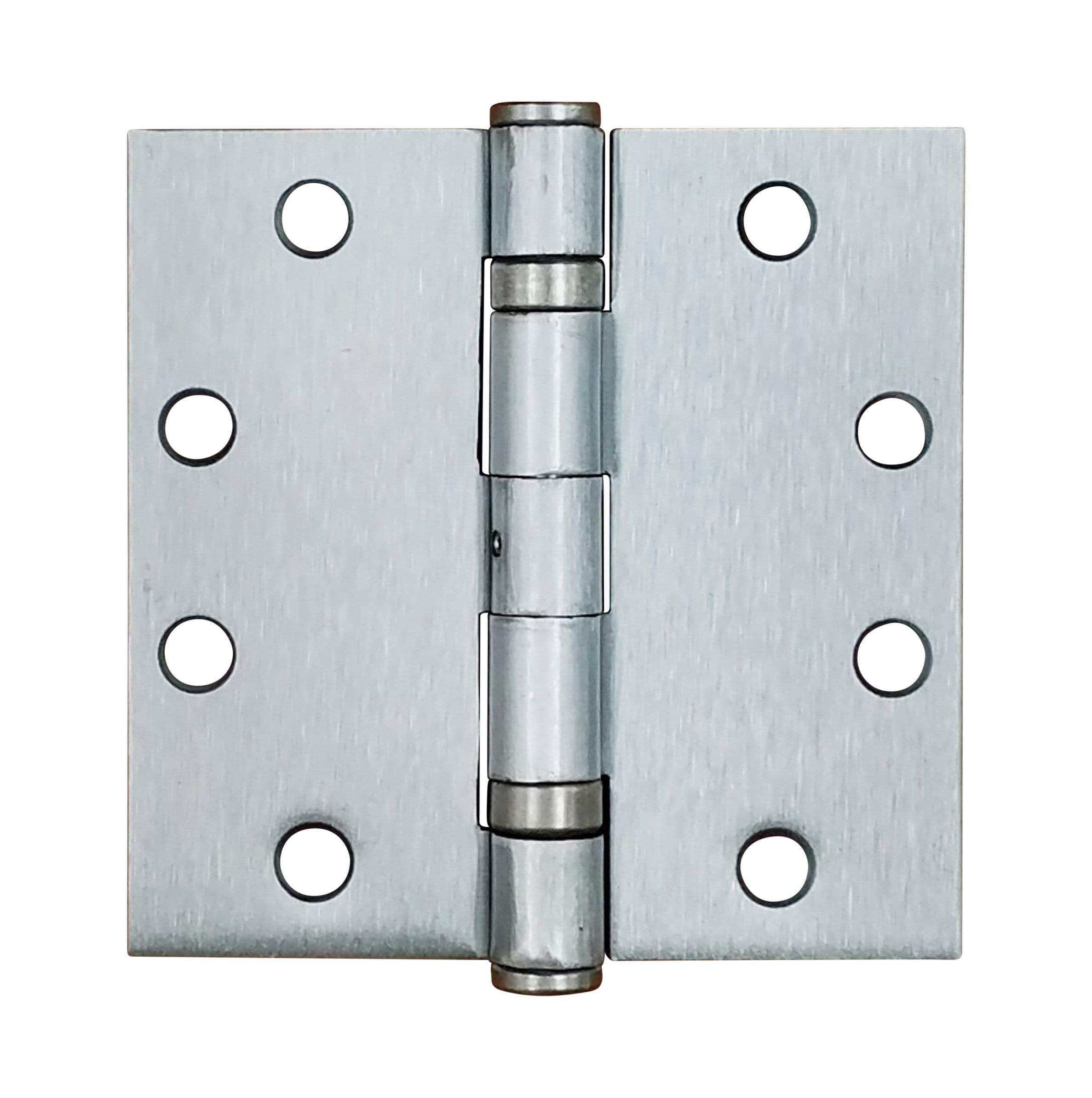
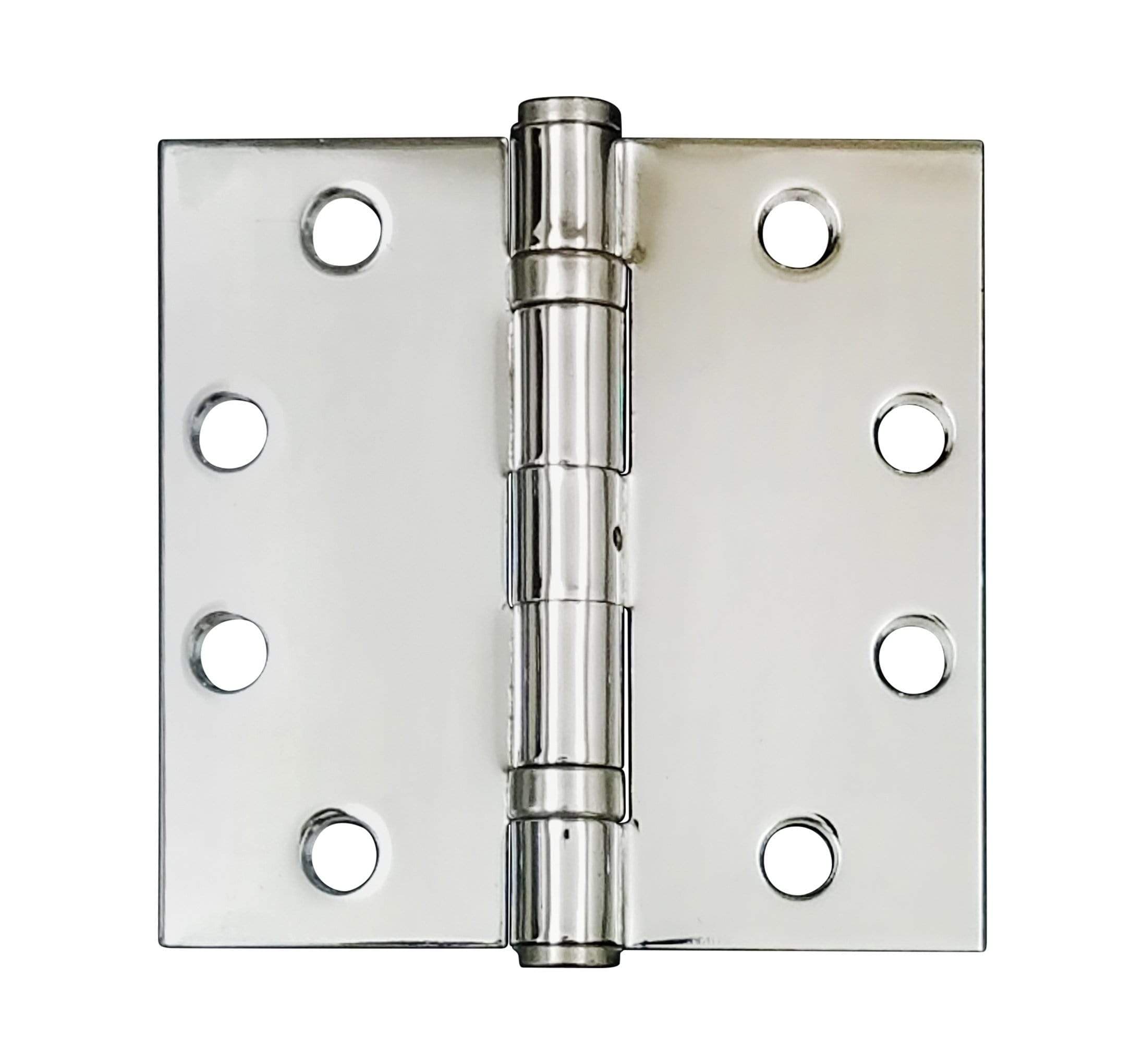
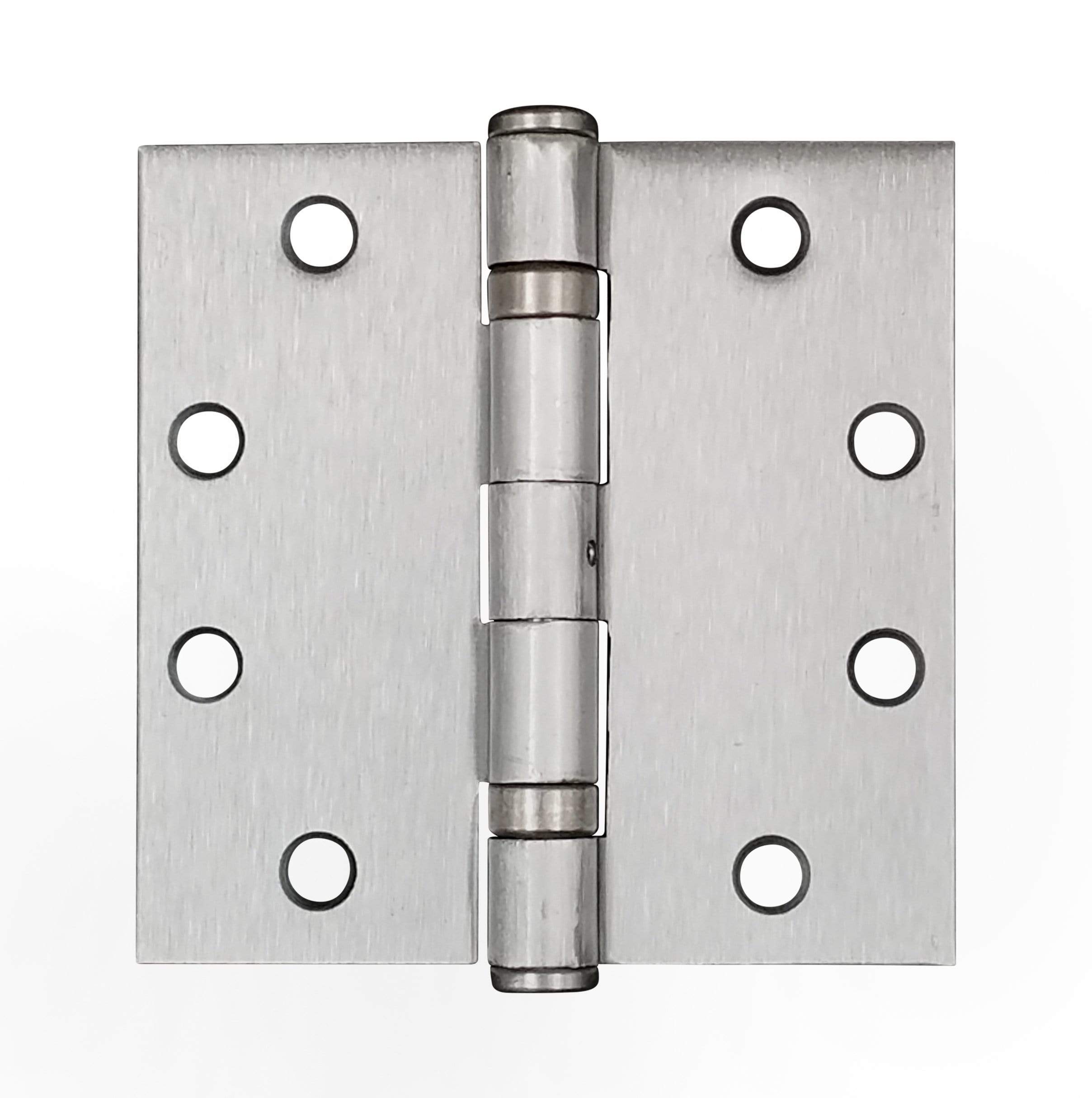
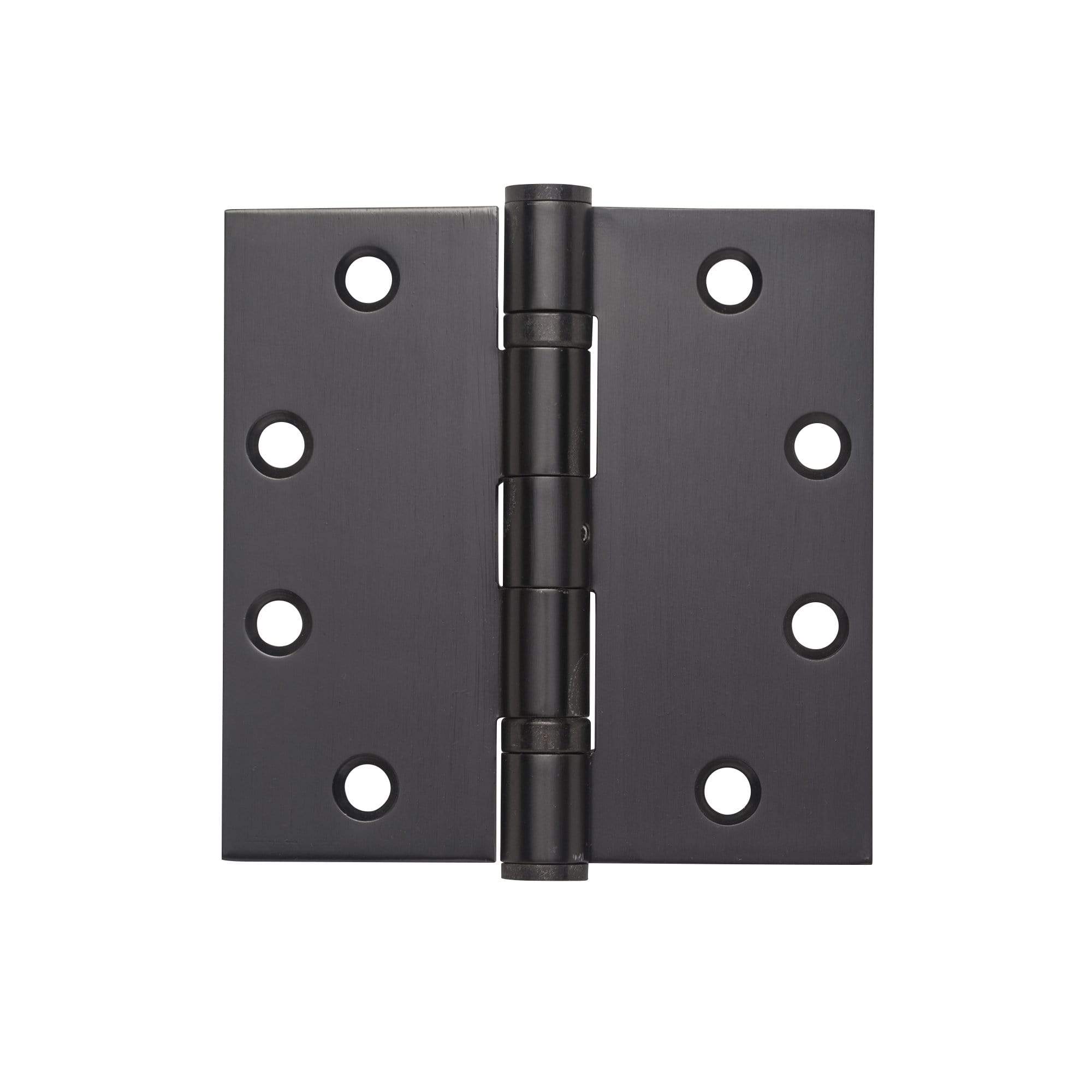
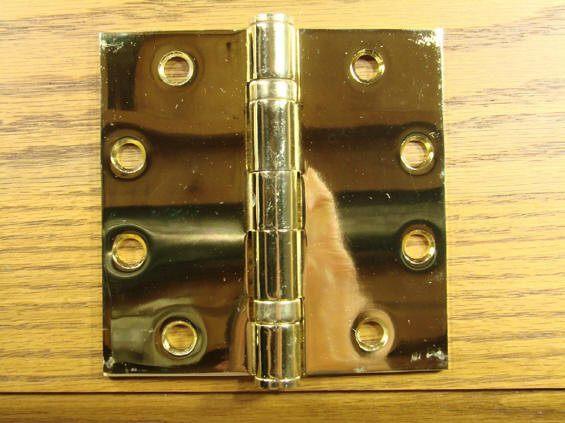
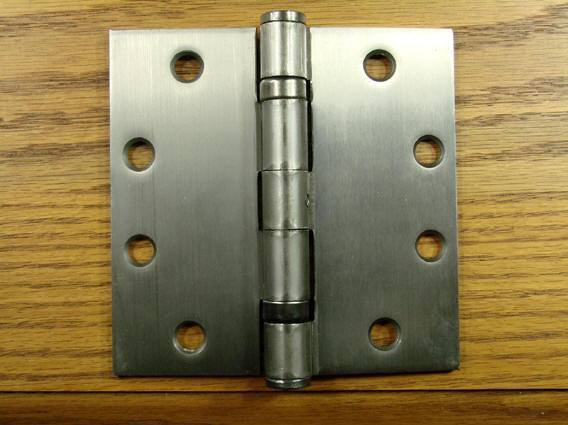
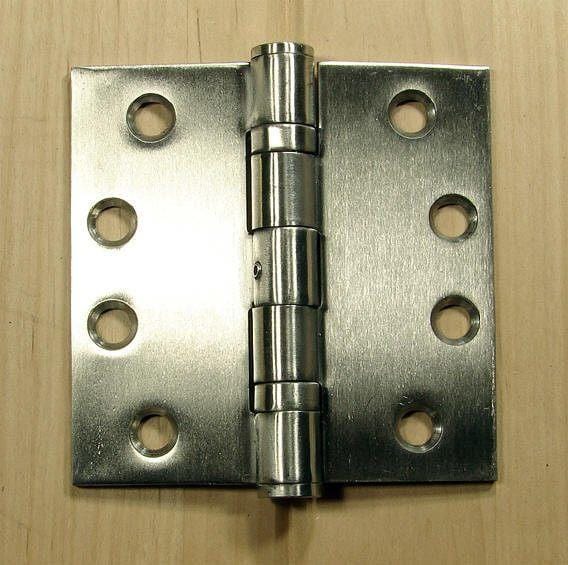
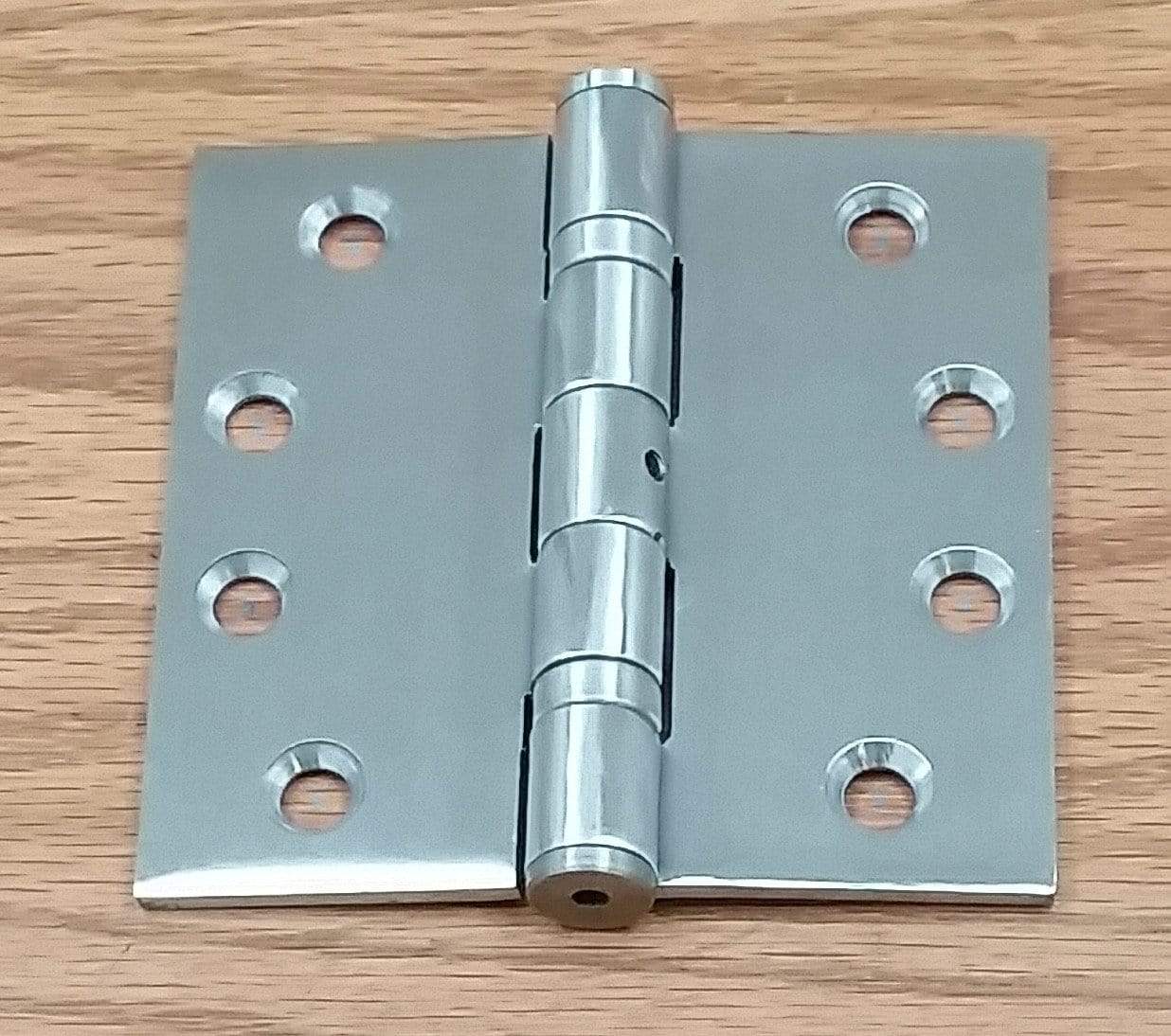
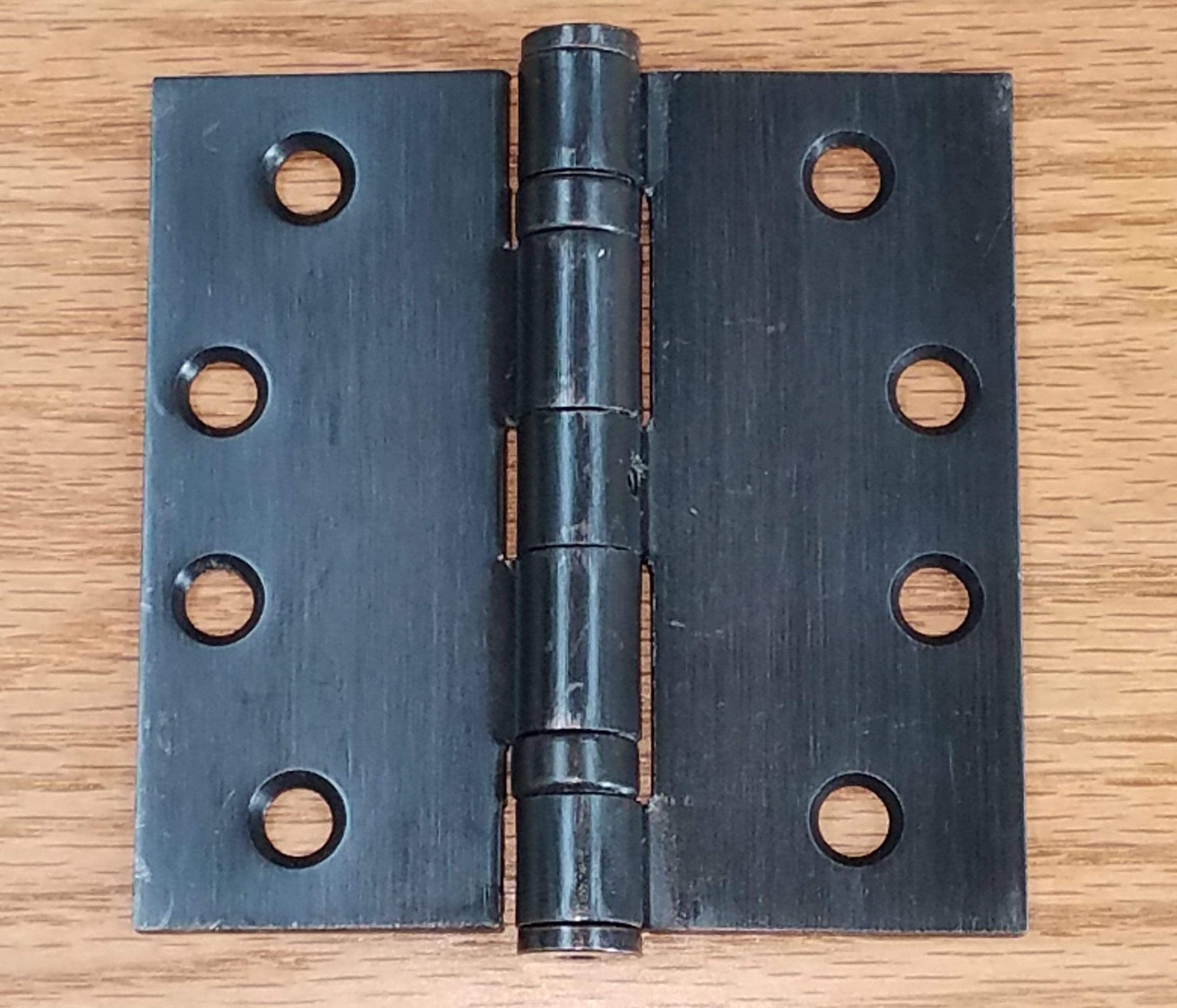
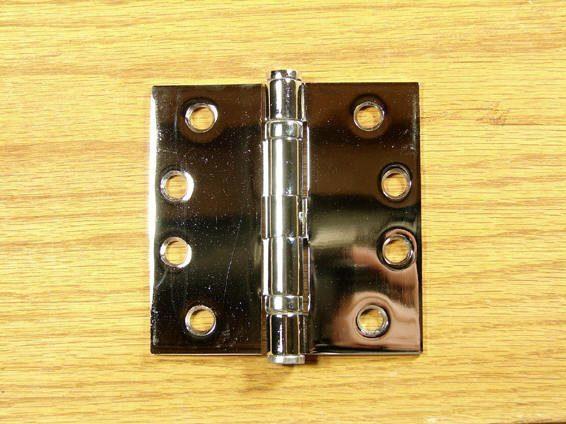
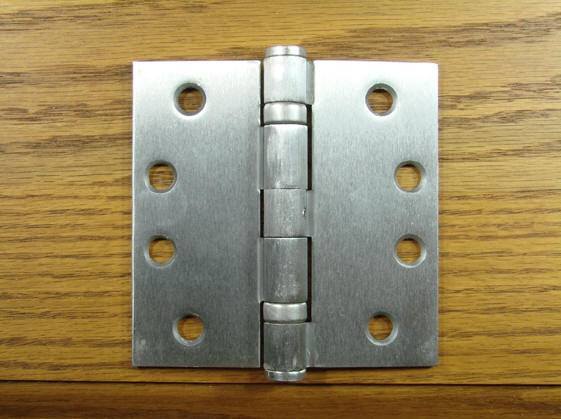
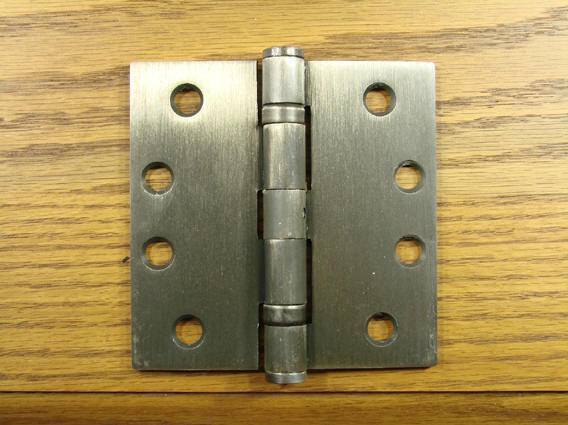
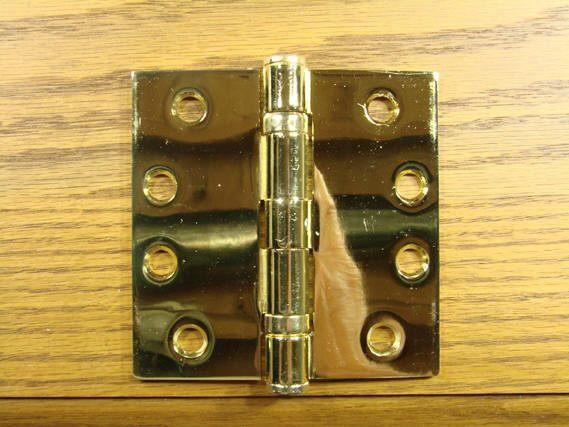
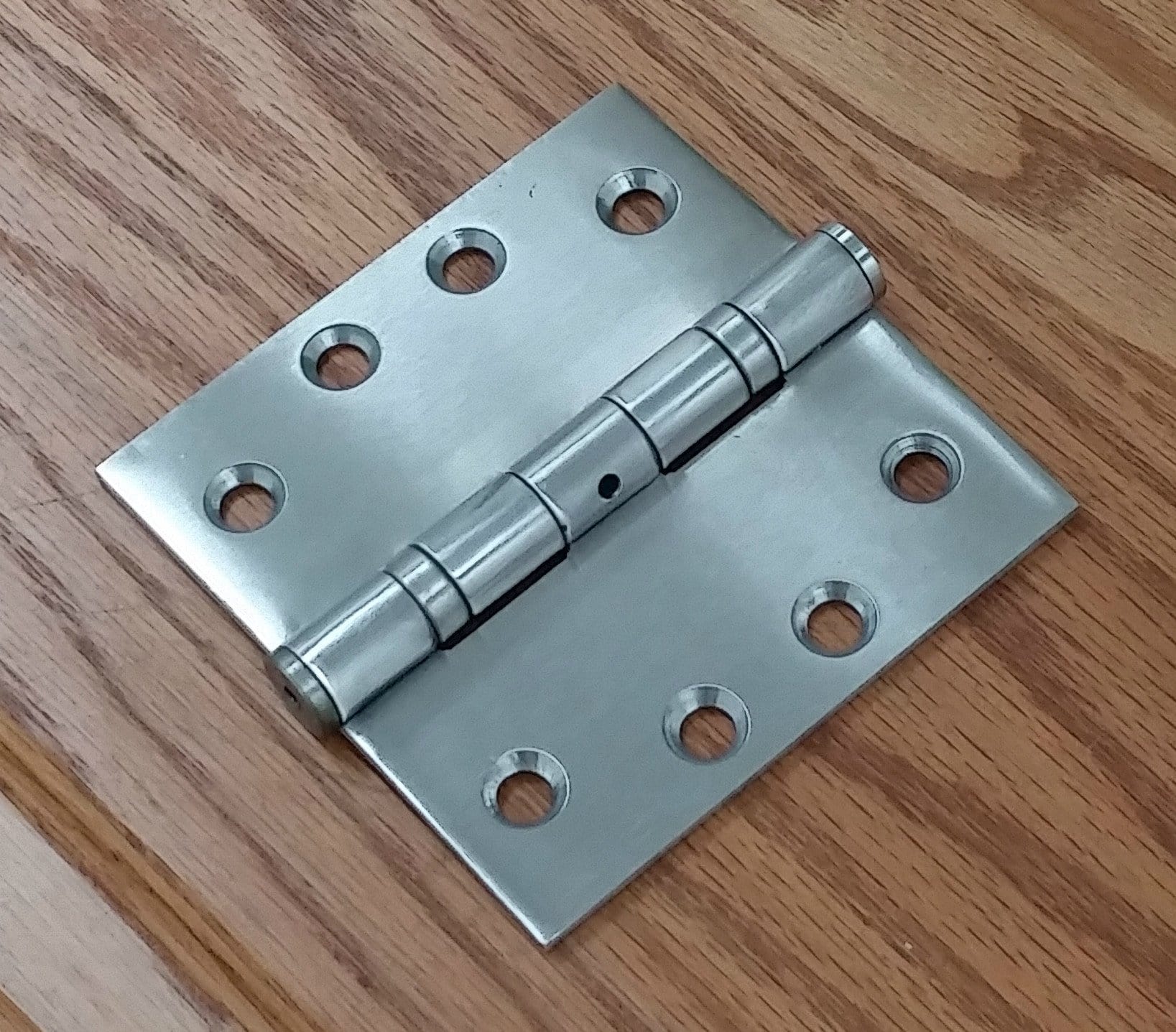
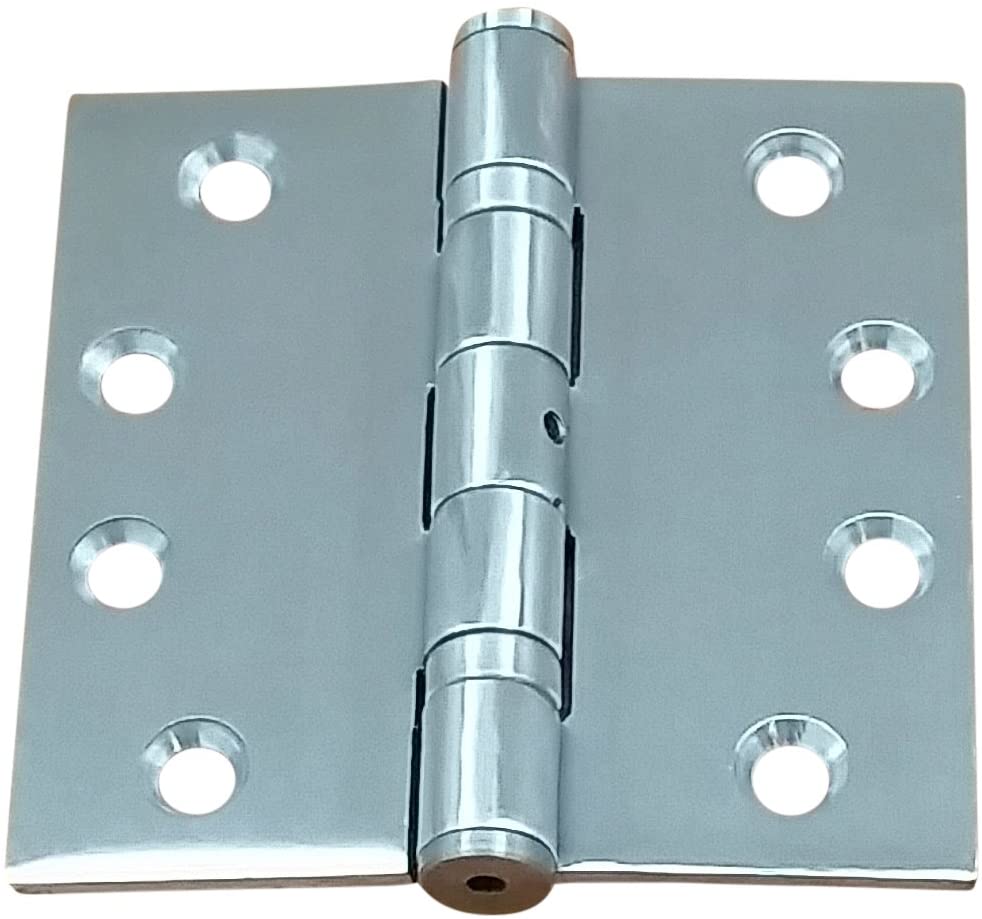
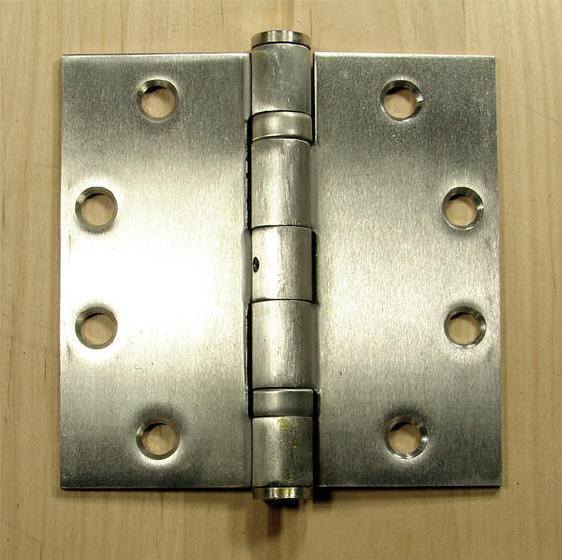
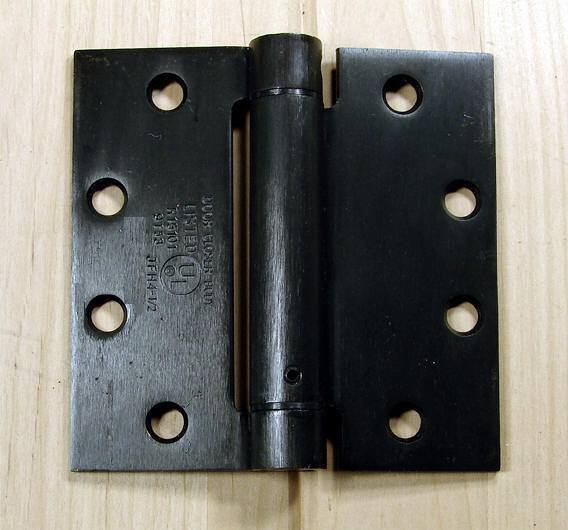
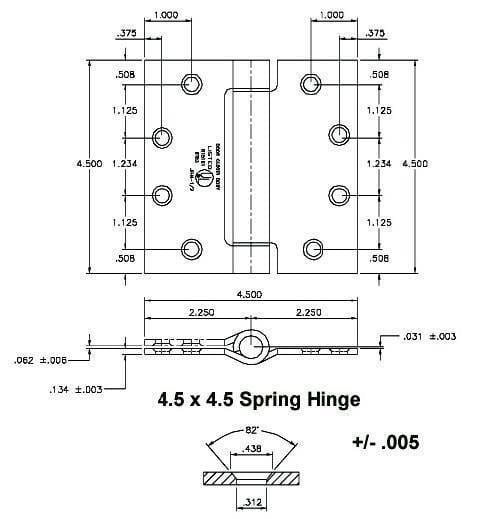
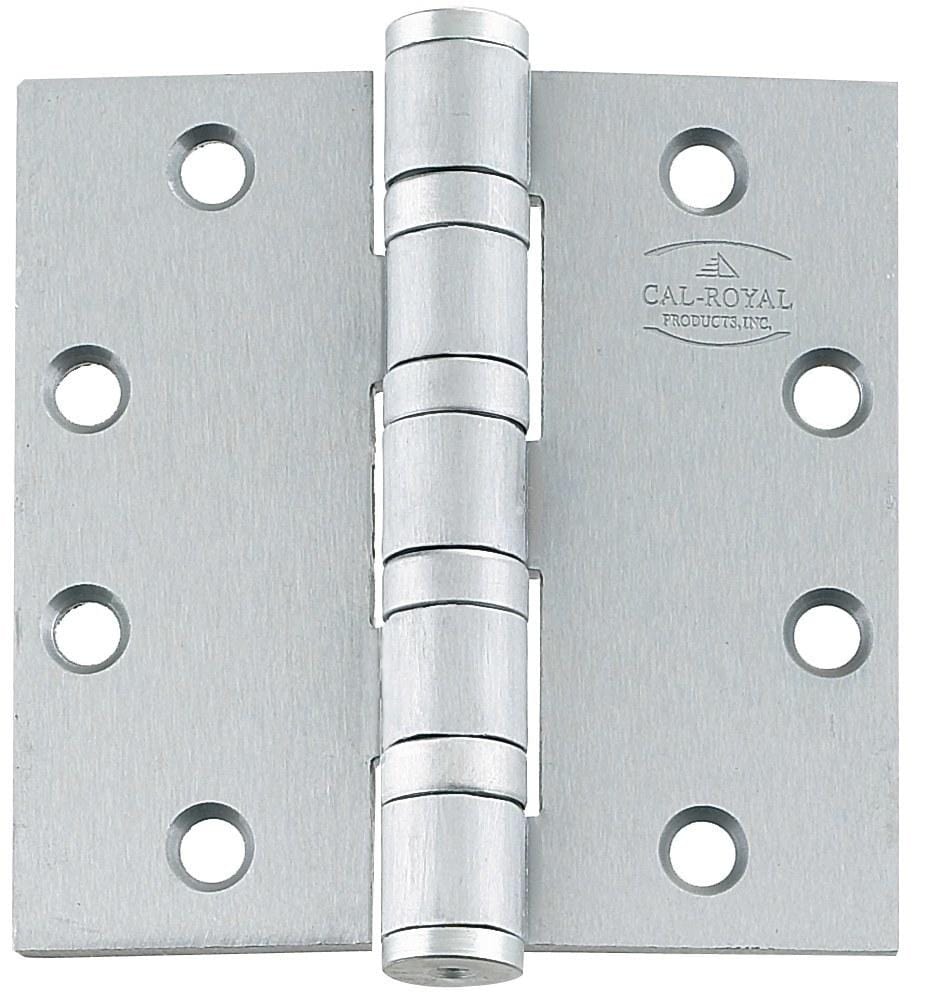
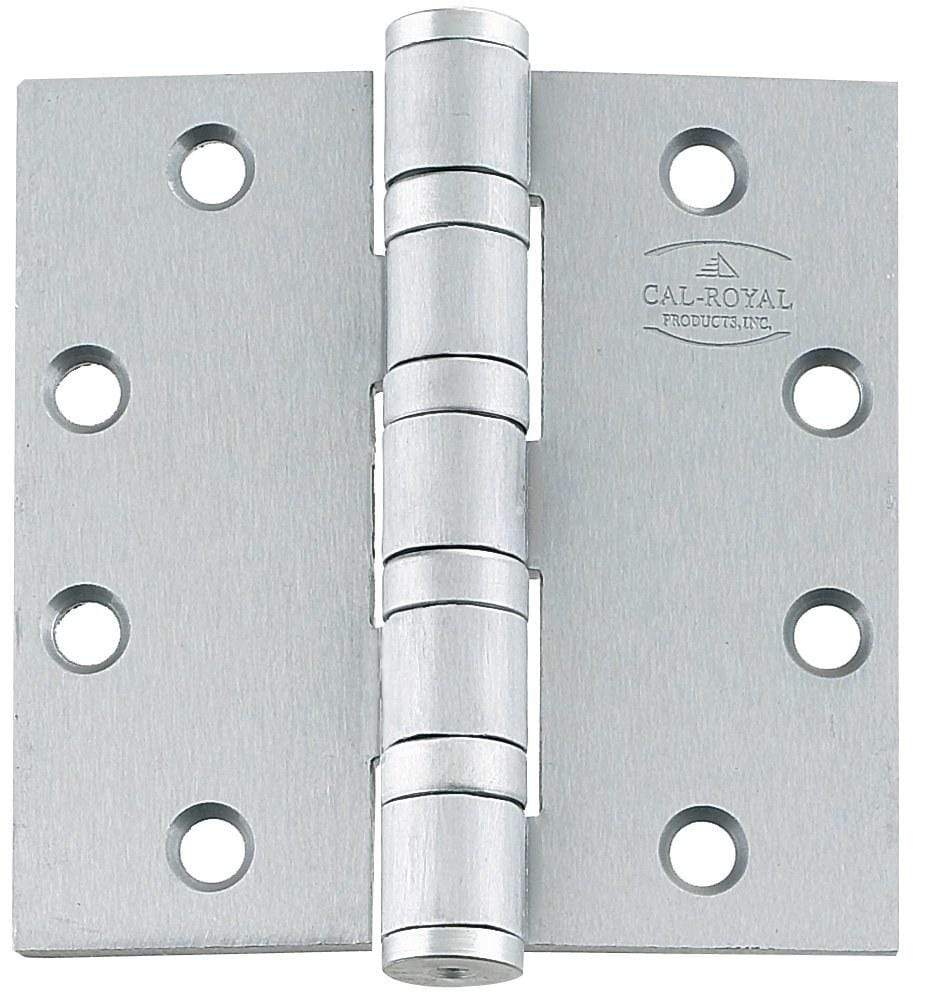
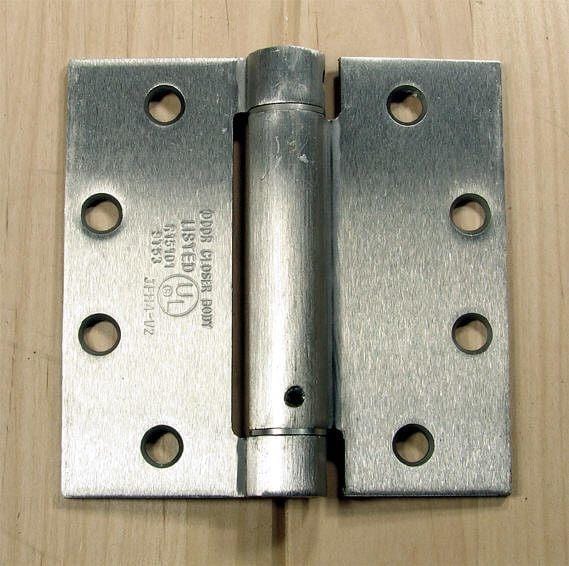
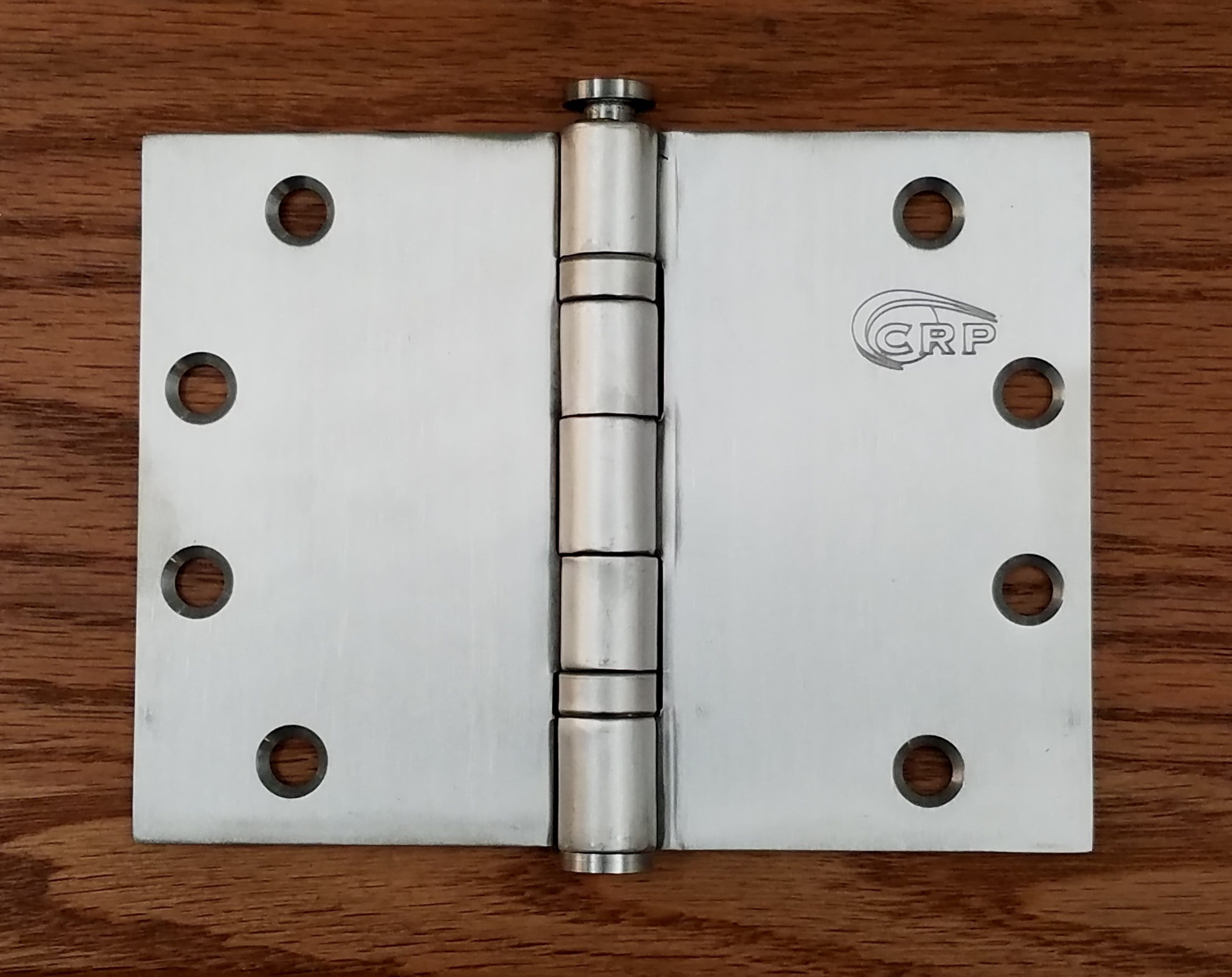
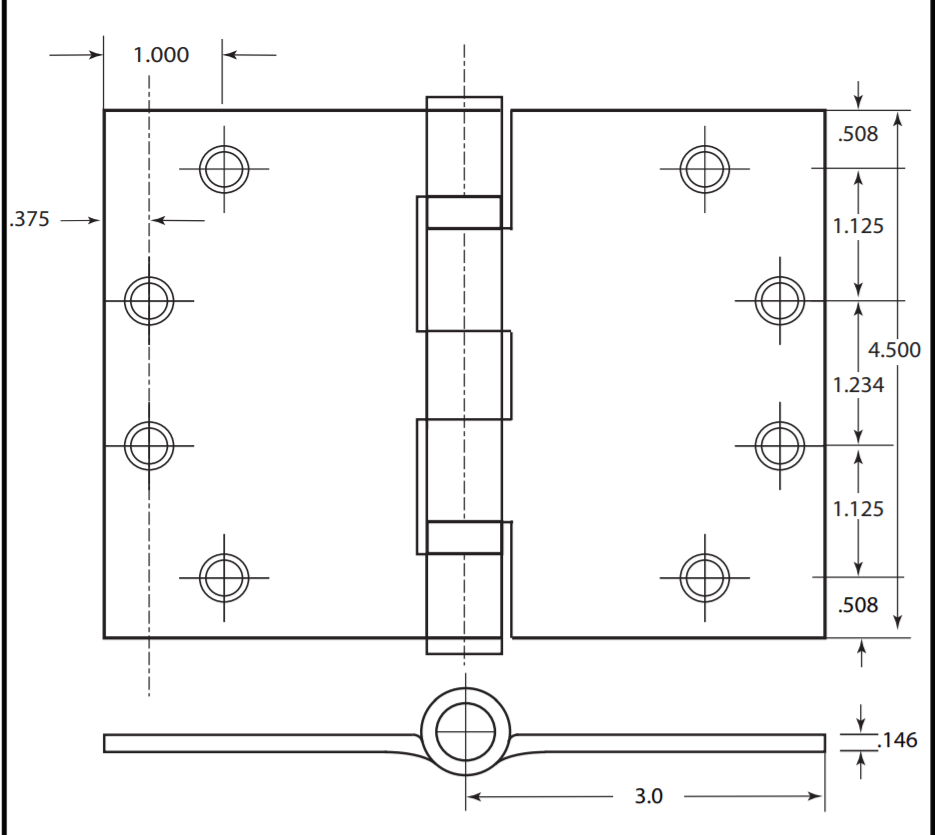
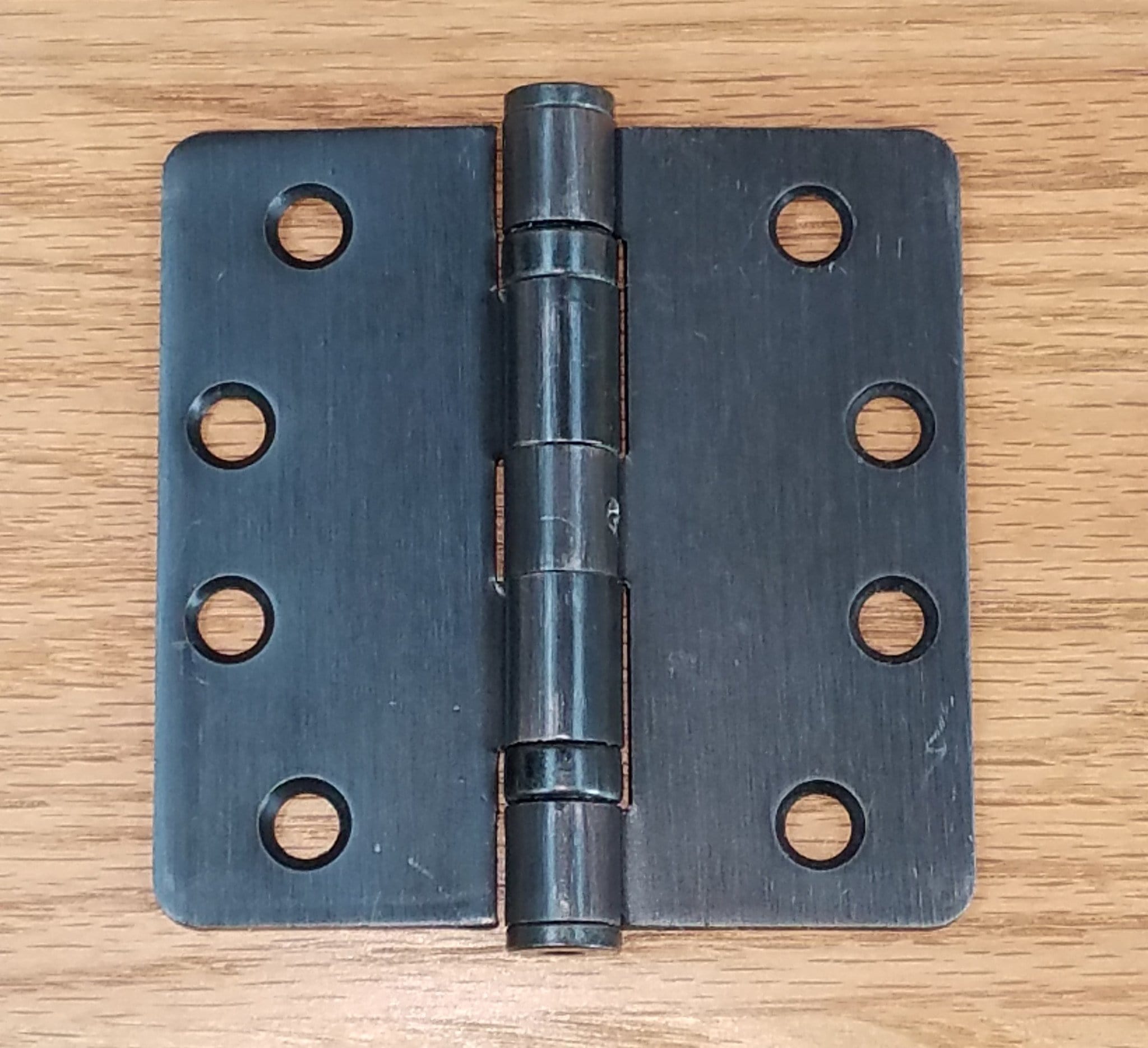
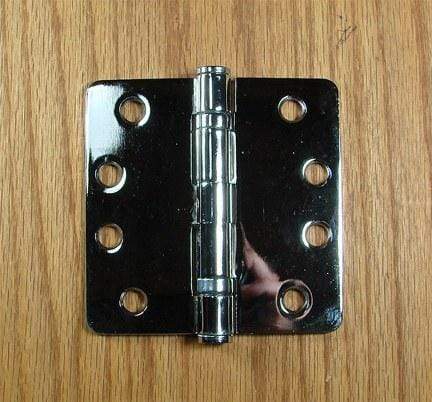
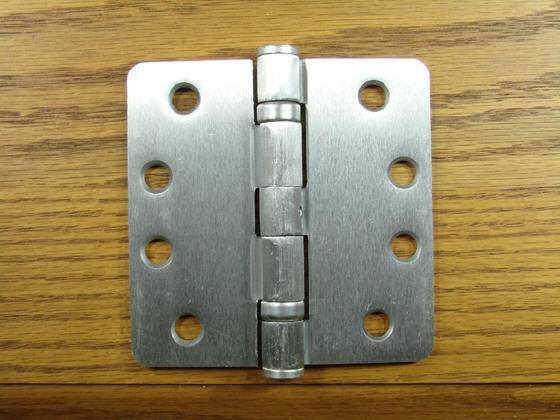
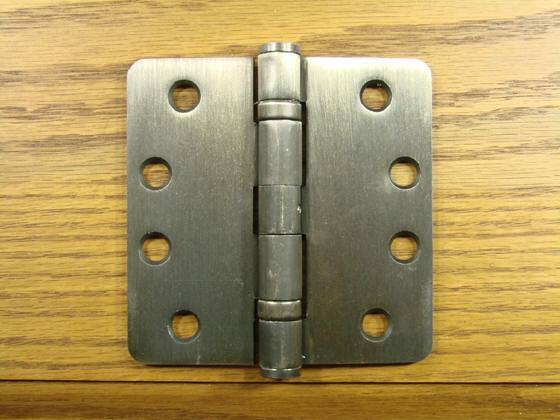
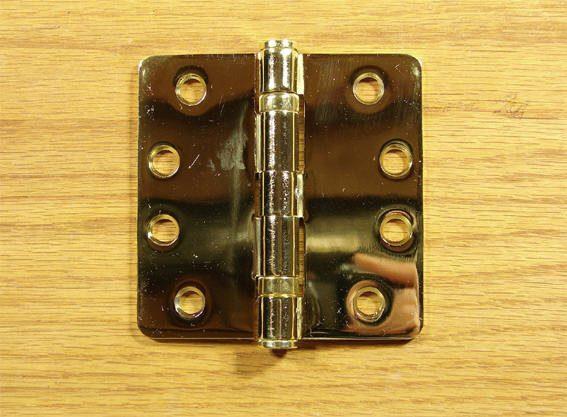
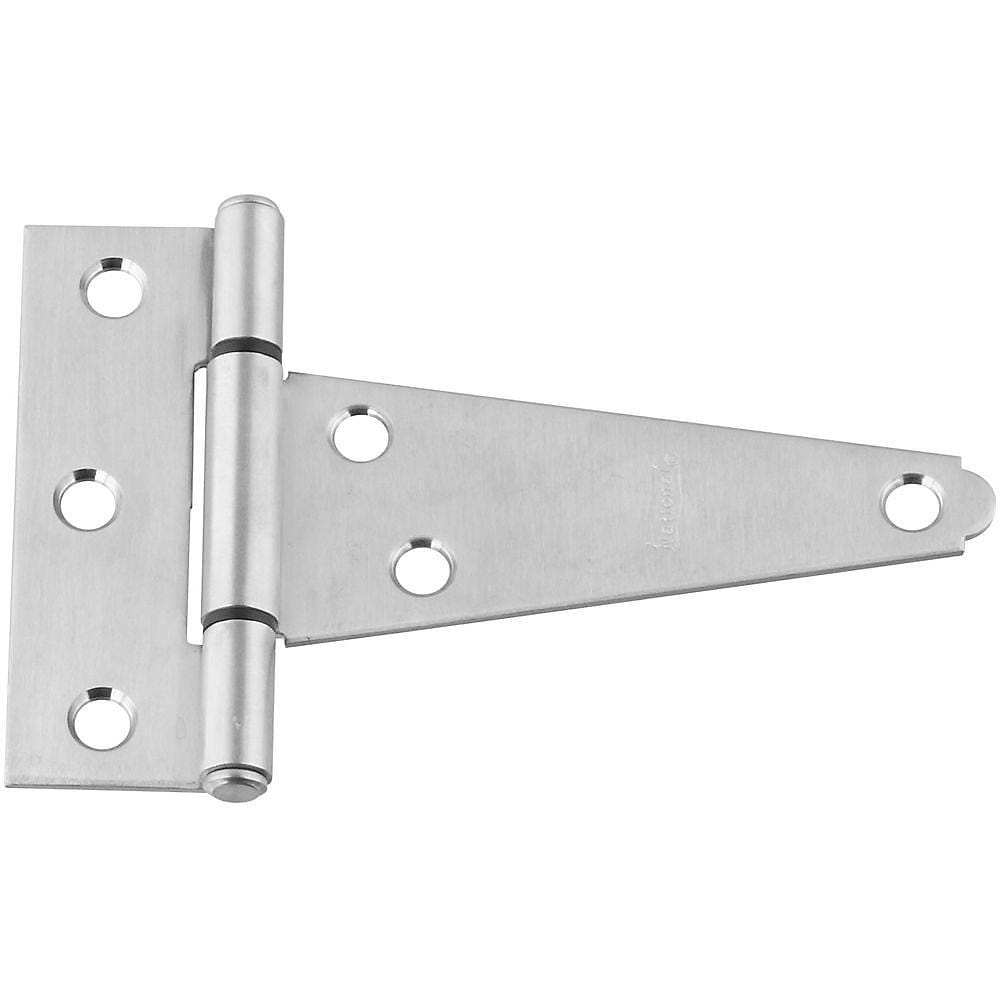
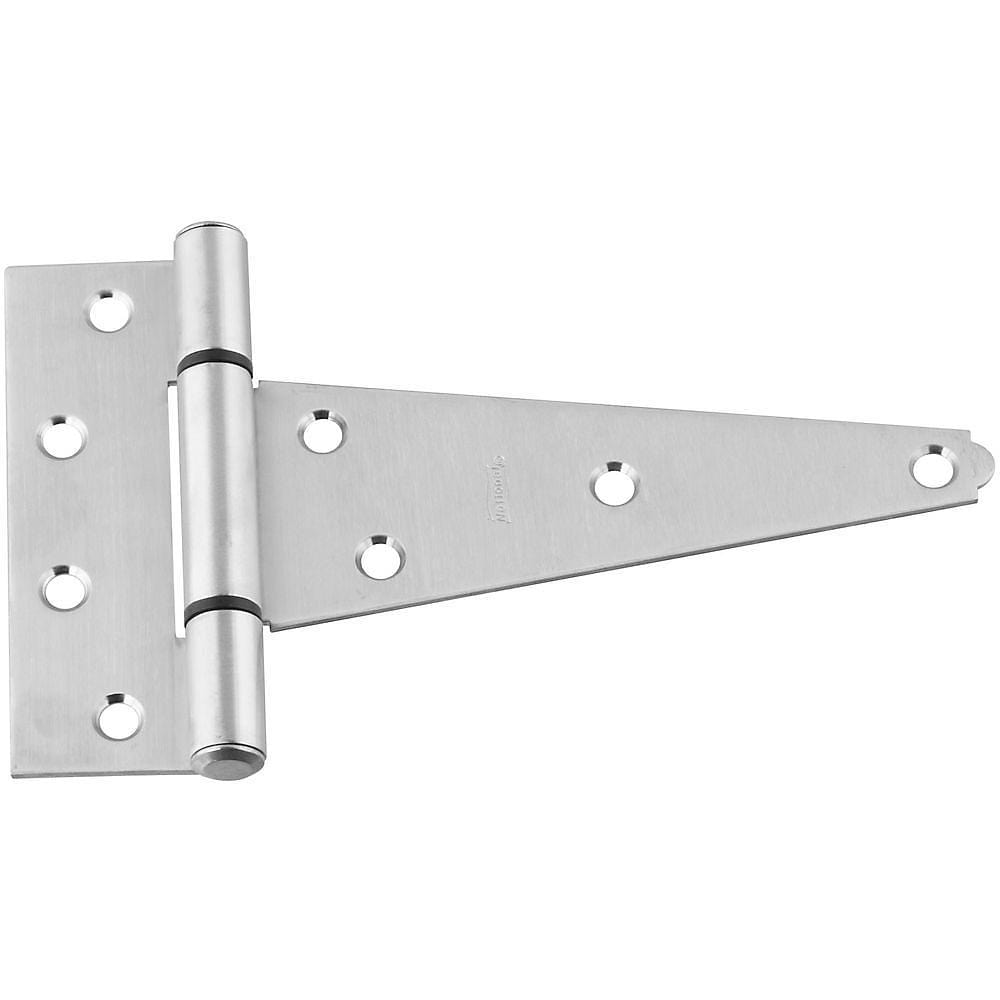
A door hinge pin is the metal rod that slides through the knuckles of a hinge, holding the two hinge leaves together while allowing the door to pivot smoothly. Most interior and exterior residential hinges have removable pins, making it easy to take down a door when needed.
You may need to remove a hinge pin when:
-
Replacing or upgrading hinges
-
Painting or refinishing a door
-
Fixing alignment issues
-
Eliminating squeaks
-
Adjusting a sagging door
Understanding the hinge pin’s role is key—removing it improperly can damage the hinge knuckles or dent the door jamb.
Common Mistakes When Removing Hinge Pins
Many people try to tap a hinge pin out using whatever is nearby: a screwdriver, a nail, or even a butter knife. While this might work occasionally, the wrong method can lead to:
-
Bent hinge pins
-
Damaged screw holes
-
Cracked or dented trim
-
Chipped paint around the hinge leaves
-
Misaligned hinges that cause door sagging
The safest results come from using the correct tools and proper angle of impact—especially when working on painted or tight hinges.

How to Remove Door Hinge Pins
1. Gather Tools
Tools needed to remove door hinge pins:
-
Hammer
-
Flat-head screwdriver (optional)
-
Penetrating lubricant (for stuck or painted-over pins)
-
Soft cloth or towel (to protect your floor)
2. Open and Support the Door
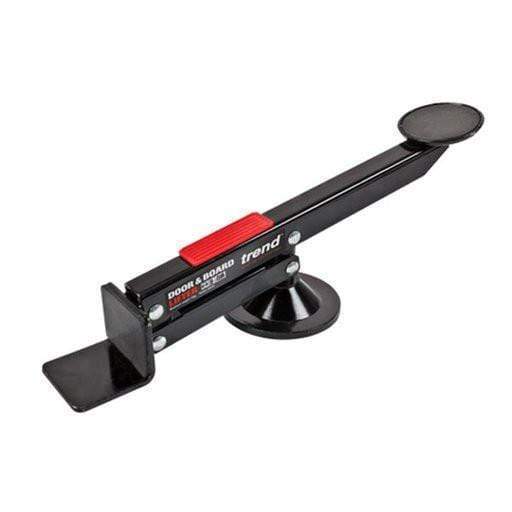
Fully open the door so the hinges are accessible. If the door is heavy, place a wedge or book under the door to prevent shifting once the pins are removed.
Be sure to lay a cloth beneath the hinge to catch the pin when it drops.
3. Lubricate the Hinge Pin
Spray a small amount of penetrating lubricant at the top of the pin.
Let it sit for 3–5 minutes.
This helps loosen dirt, rust, or dried paint that may be holding the pin in place.
4. Remove the Bottom Cap (If Your Hinge Has One)
Some hinges—especially decorative or exterior styles—have a small cap at the bottom.
Use a flat-head screwdriver to gently pry it off.
5. Position the Hinge Pin Removal Tool
Place the tool under the hinge pin. The pointed tip should align with the center of the pin.
Hold it steady with one hand.
6. Tap the Tool Gently With a Hammer
Give the top of the tool a few light taps. This pushes the hinge pin upward through the knuckles.
Once the pin rises enough to grab, stop tapping.
7. Pull the Pin Out
Use your fingers to pull it the rest of the way out. If it’s still tight, wiggle gently or tap the pin once from above to fully disengage it.
Set the pin aside somewhere clean—you’ll need it again unless you’re replacing it.
8. Clean and Reinstall (Optional)
If you’re putting the hinge pin back, wipe off debris and apply a thin layer of lubricant for smoother operation.
Slide it back down into the knuckles and tap lightly to secure.

Check out the hinge pin removal tool in action:
Troubleshooting Hinge Pin Removal
Sometimes hinge pins are stubborn—especially on older homes or painted hinges. Here’s how to handle common issues.
The pin won’t move at all:
-
Apply more penetrating oil
-
Tap lightly from above and below to break the seal
-
Ensure the hinge pin removal tool is centered correctly
The pin is painted over:
Use a utility knife to score around the hinge cap and break the paint bond before tapping.
The pin rises but bends:
This often means the hinge knuckles are misaligned. Remove the hinge entirely, straighten the pin, or replace the hinge if needed.
The door sags after removing one pin:
Support the door more securely and remove the remaining pins evenly.
When You Should Replace the Hinge—Not Just the Pin
Sometimes the hinge itself is the real problem. Consider replacing the entire hinge if:
-
Knuckles are visibly worn or oval-shaped
-
Screws are stripping or won’t stay tight
-
The hinge is bent from impact
-
The door rubs against the jamb even when the pins are secure
-
The pin is rusted beyond repair
A worn or damaged hinge can quickly cause alignment issues, making doors harder to open and close.
Post-Removal Maintenance Tips
Once you’ve removed and reinstalled your hinge pins, here’s how to keep your hinges in great condition:
-
Lubricate hinges every 6–12 months
-
Tighten hinge screws regularly
-
Wipe away dust buildup around hinge leaves
-
Replace hinges as a set to maintain alignment
A well-maintained hinge lasts longer, reduces squeaking, and preserves door alignment.
FAQs About Door Hinge Pin Removal
1. How to tell if a door hinge pin is removable?
You can tell if a door hinge pin is removable by checking whether the pin can slide upward through the hinge knuckles.
Removable hinges will have a visible pin head at the top and an open knuckle at the bottom where the pin can be tapped out.
If the hinge has a crimped knuckle, a sealed bottom, or no visible pin head, the pin is likely non-removable, and the entire hinge must be replaced.
2. Can I remove a hinge pin without a hinge pin removal tool?
Yes, you can remove a hinge pin without a hinge pin removal tool, but it can be risky.
A hinge pin removal tool is designed to apply controlled pressure to the bottom of the pin, preventing slip-outs and damage to the hinge or door frame. Without one, you have less control and a greater risk of damaging the hinge and the door frame.
3. Do I need to remove all door hinge pins?
You need to remove all door hinge pins if you are removing the door. In this case, work top to bottom while supporting the door. For maintenance purposes only, you can remove one pin at a time.
Get these and many other handy tools for removing hinges and doors at HingeOutlet.com. For more than a decade, HingeOutlet.com has delivered the highest quality door hinges and hardware at the best possible prices. We offer the largest selection of door hinges online, as well as door accessories like wood screws, door hinge stops, ball catches, flush bolts, and more. In addition to our premium product offering from the leading hinge manufacturers, HingeOutlet.com manufactures a custom line of door hinge products. Join our mailing list to be the first to learn about new product offerings and gain VIP access to sales and special offers.