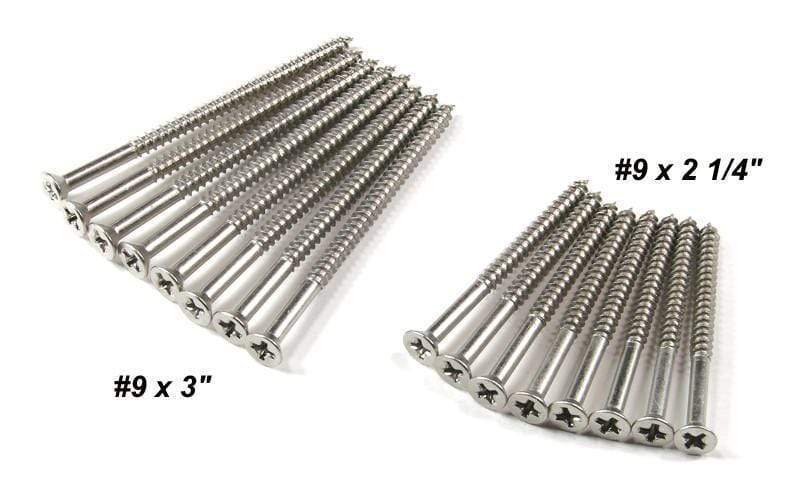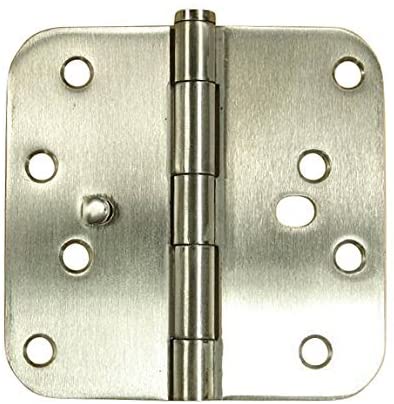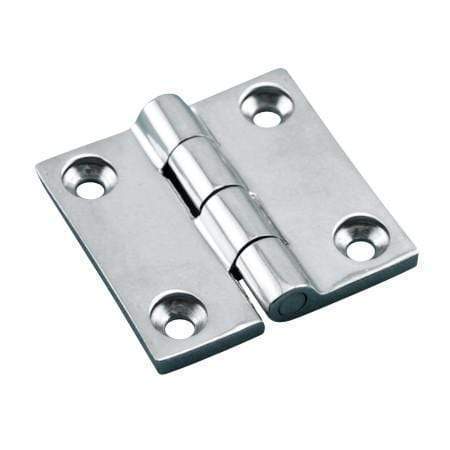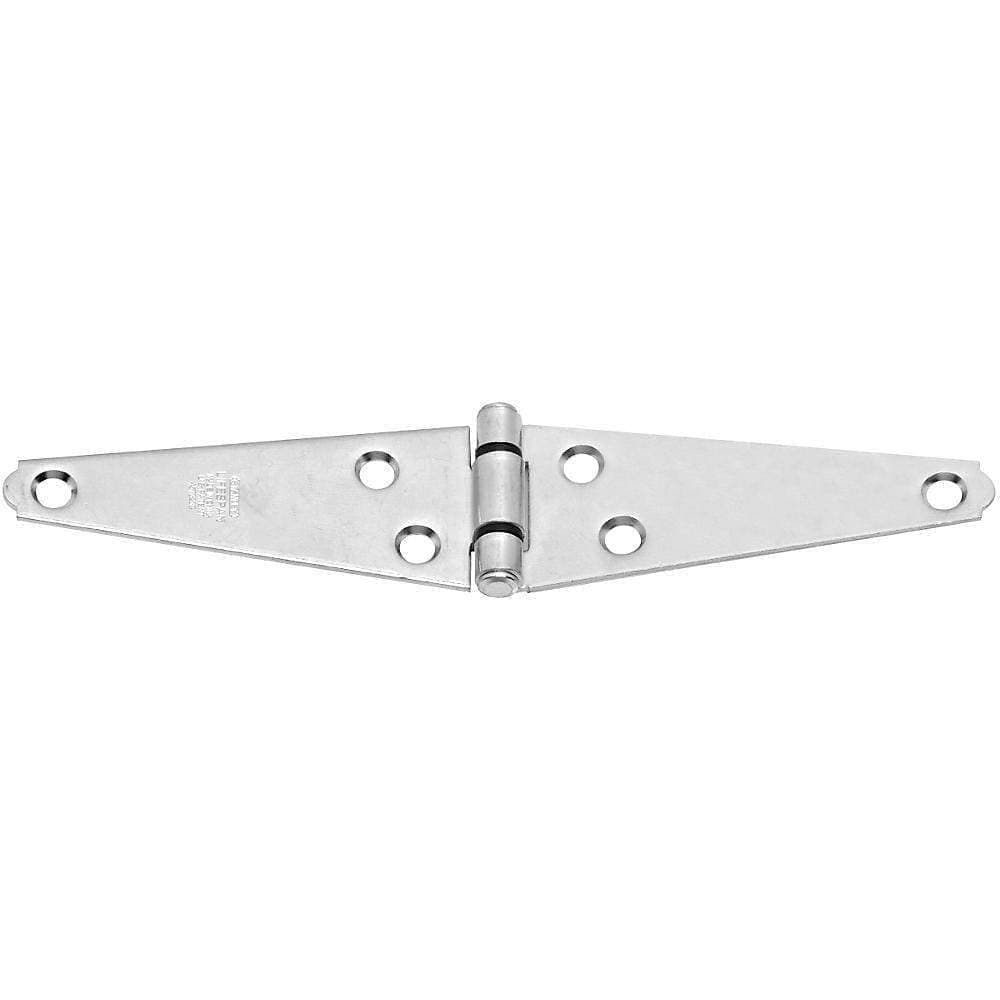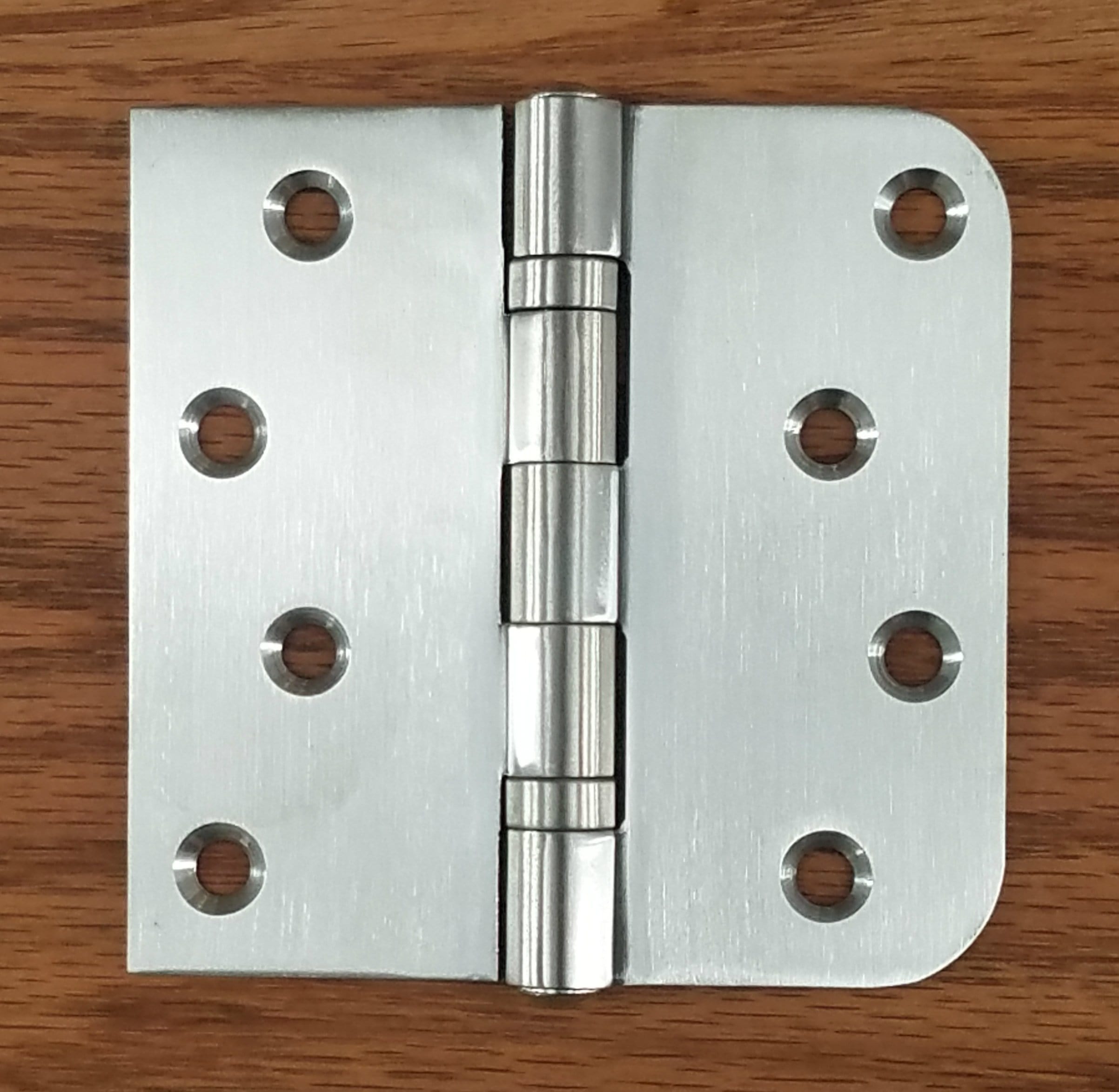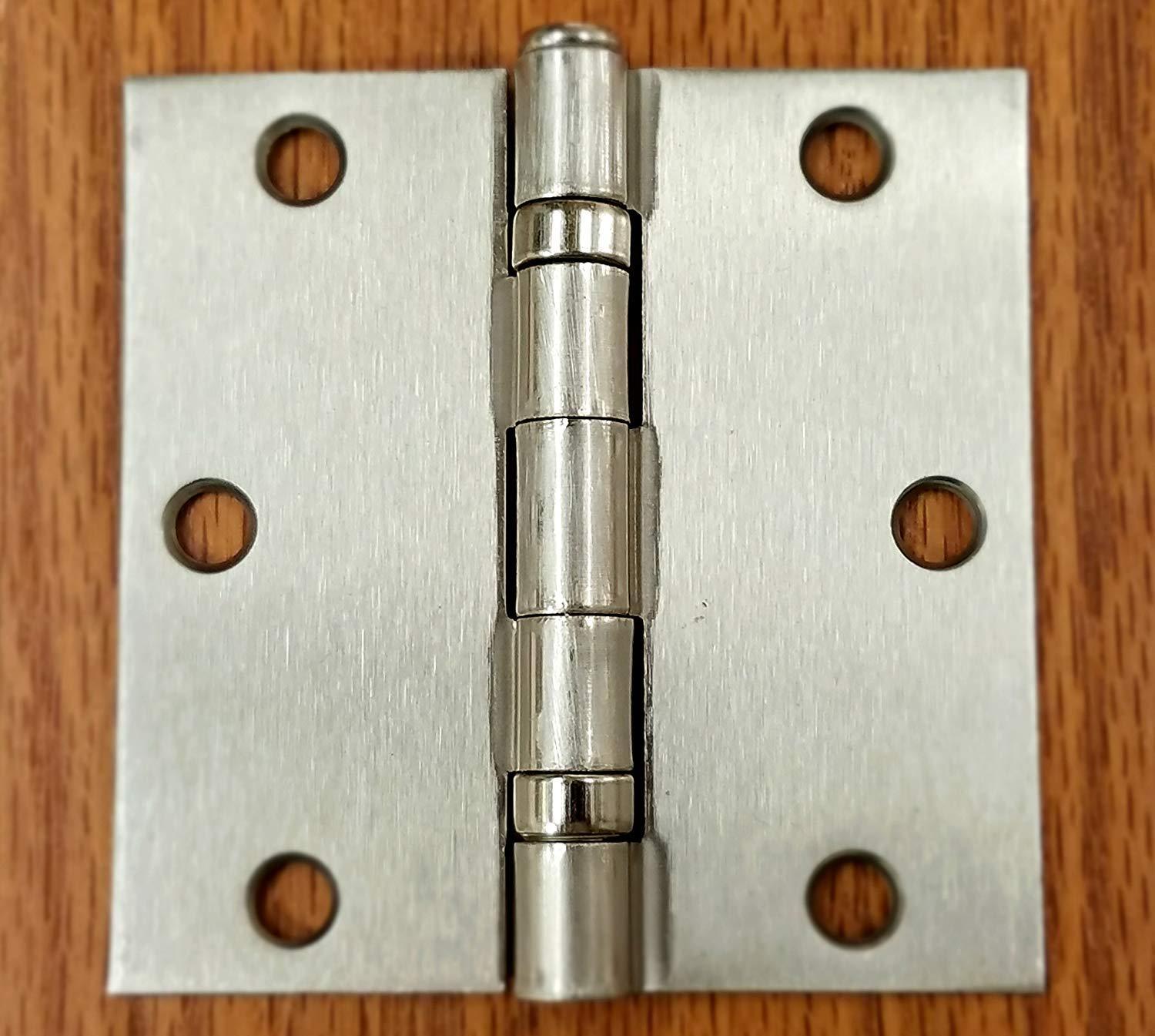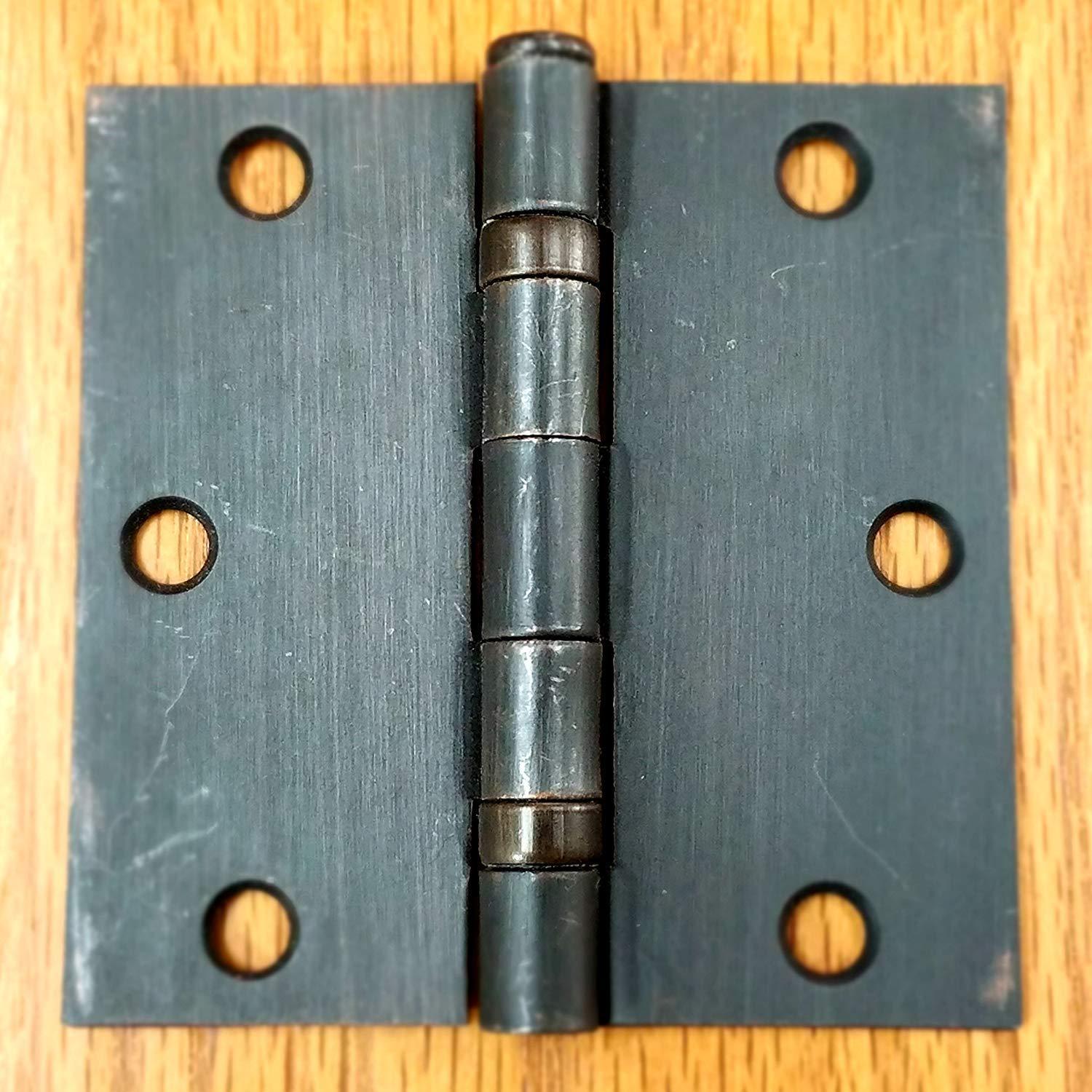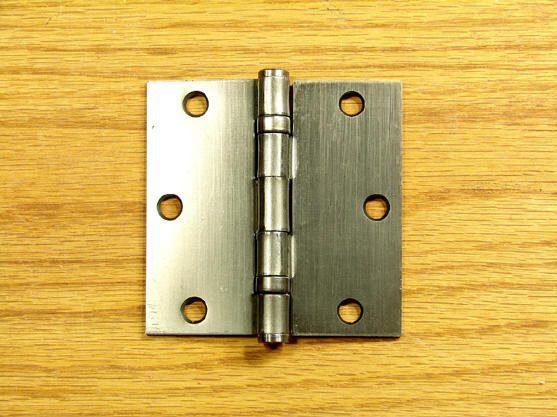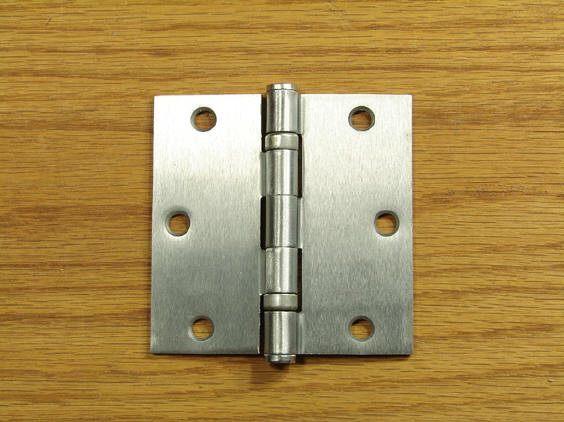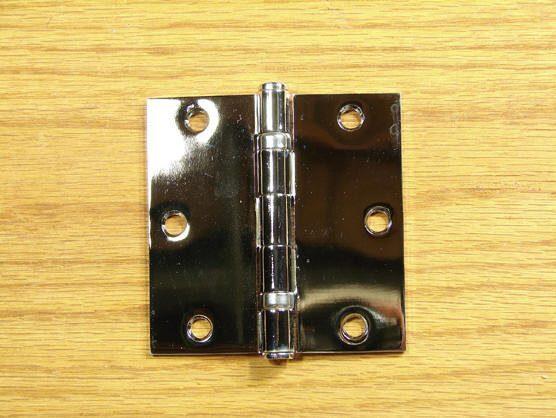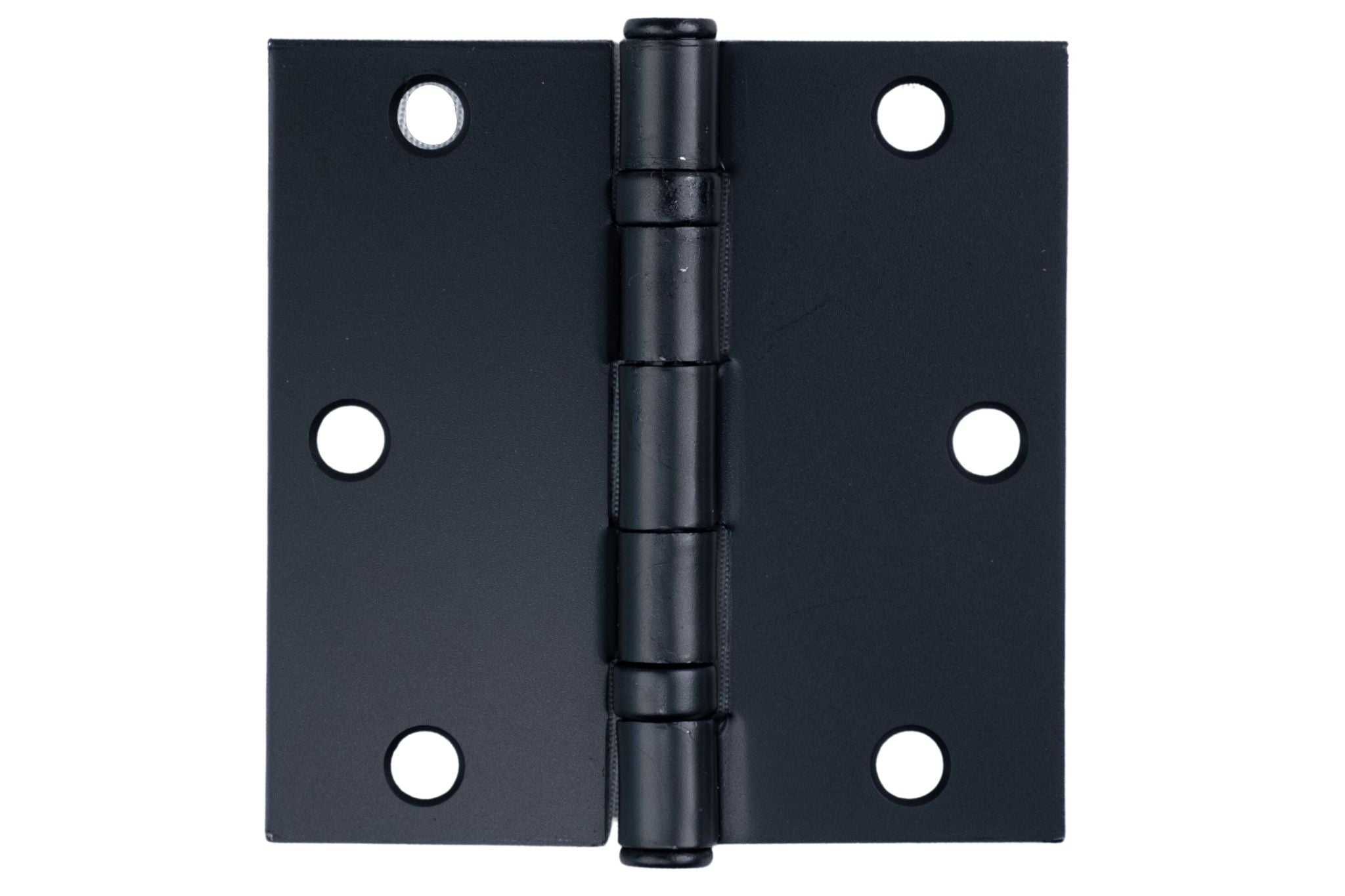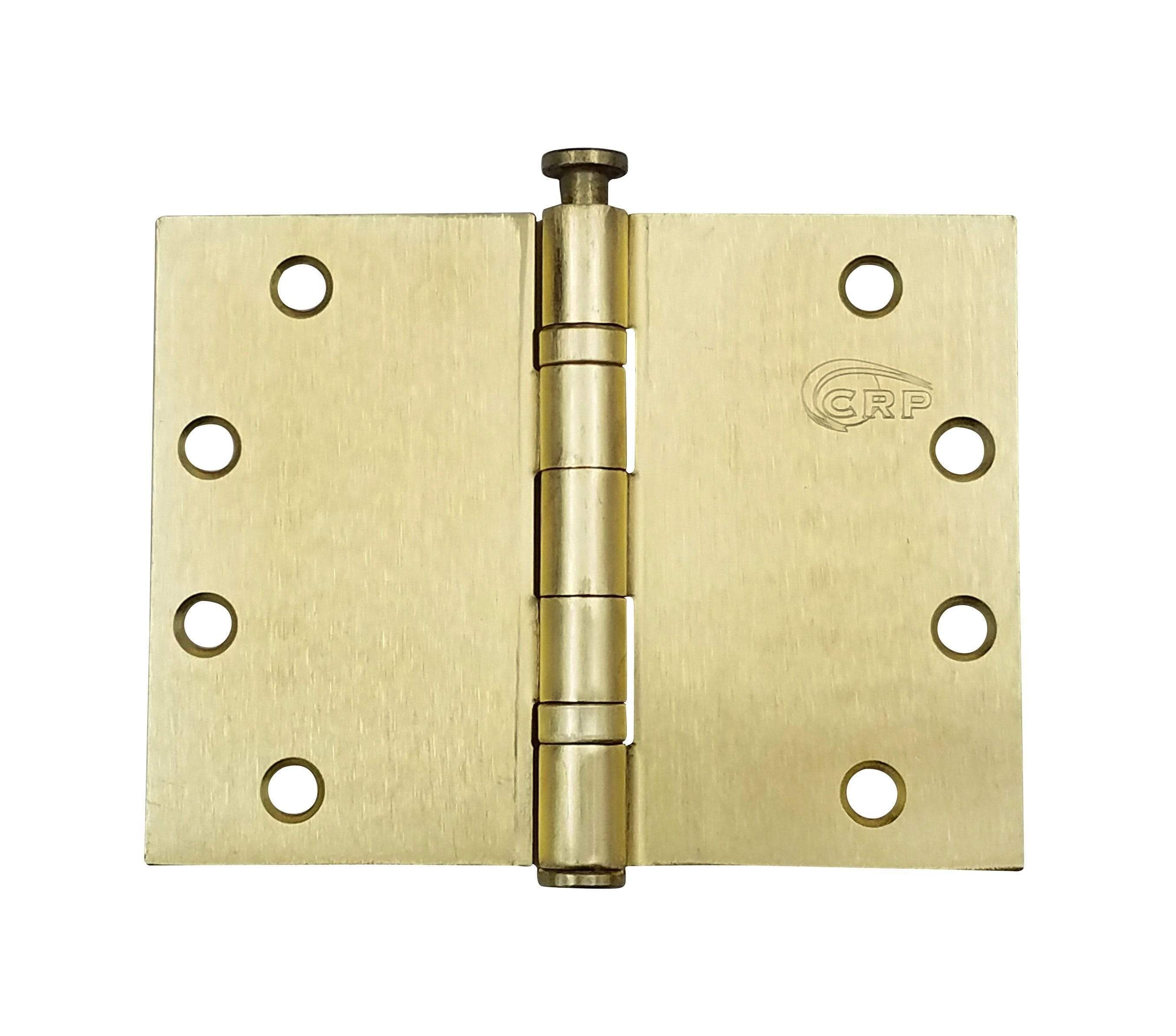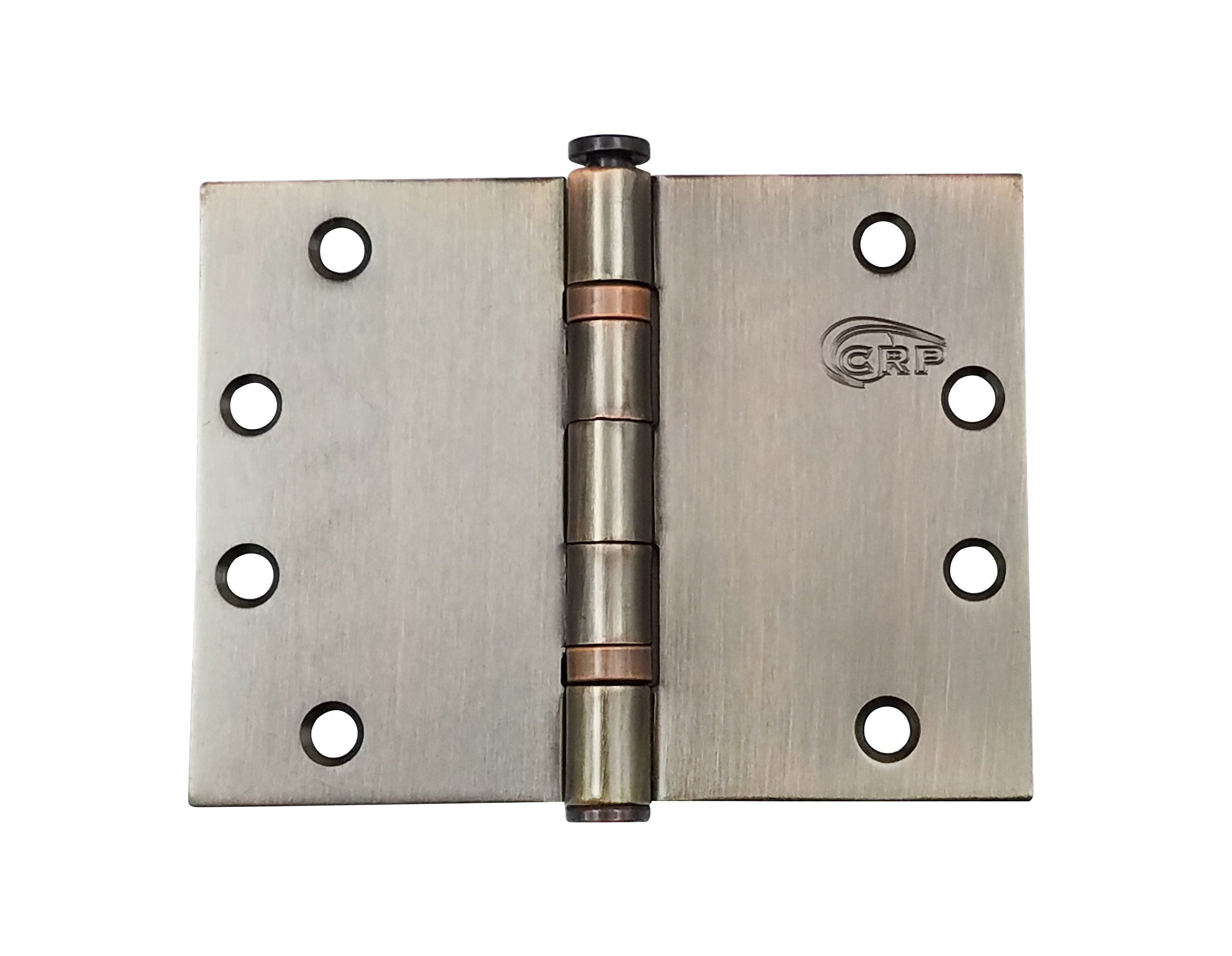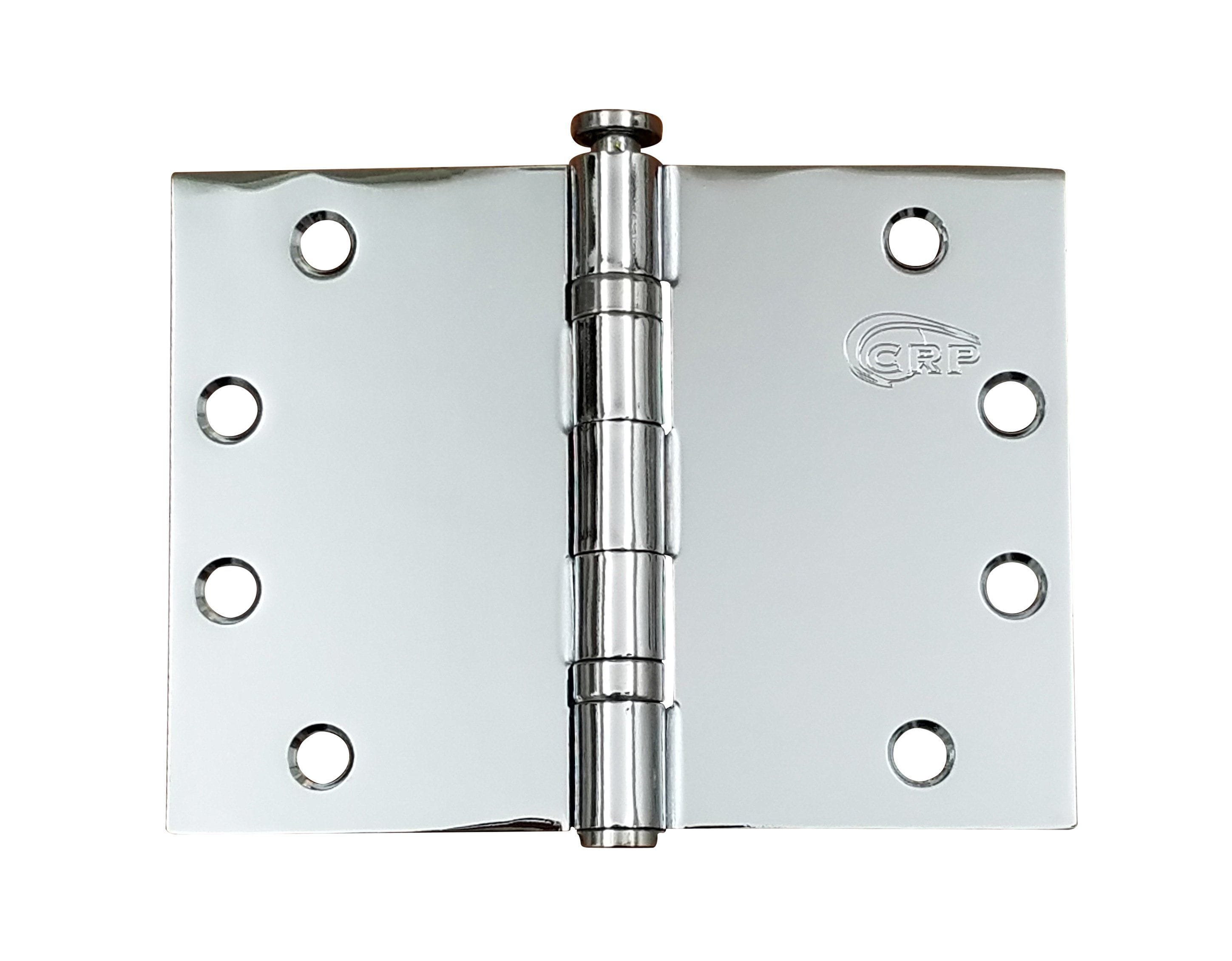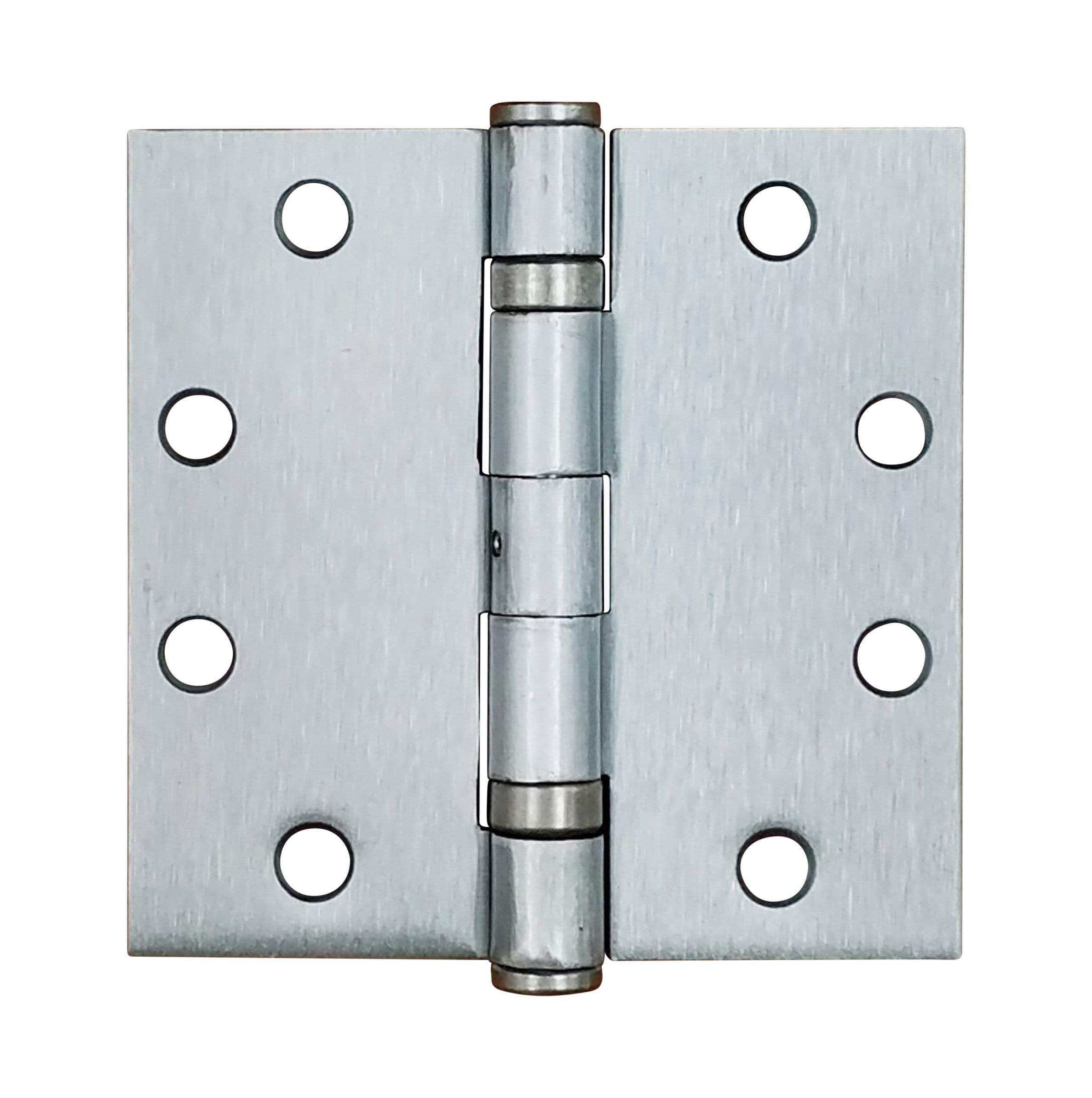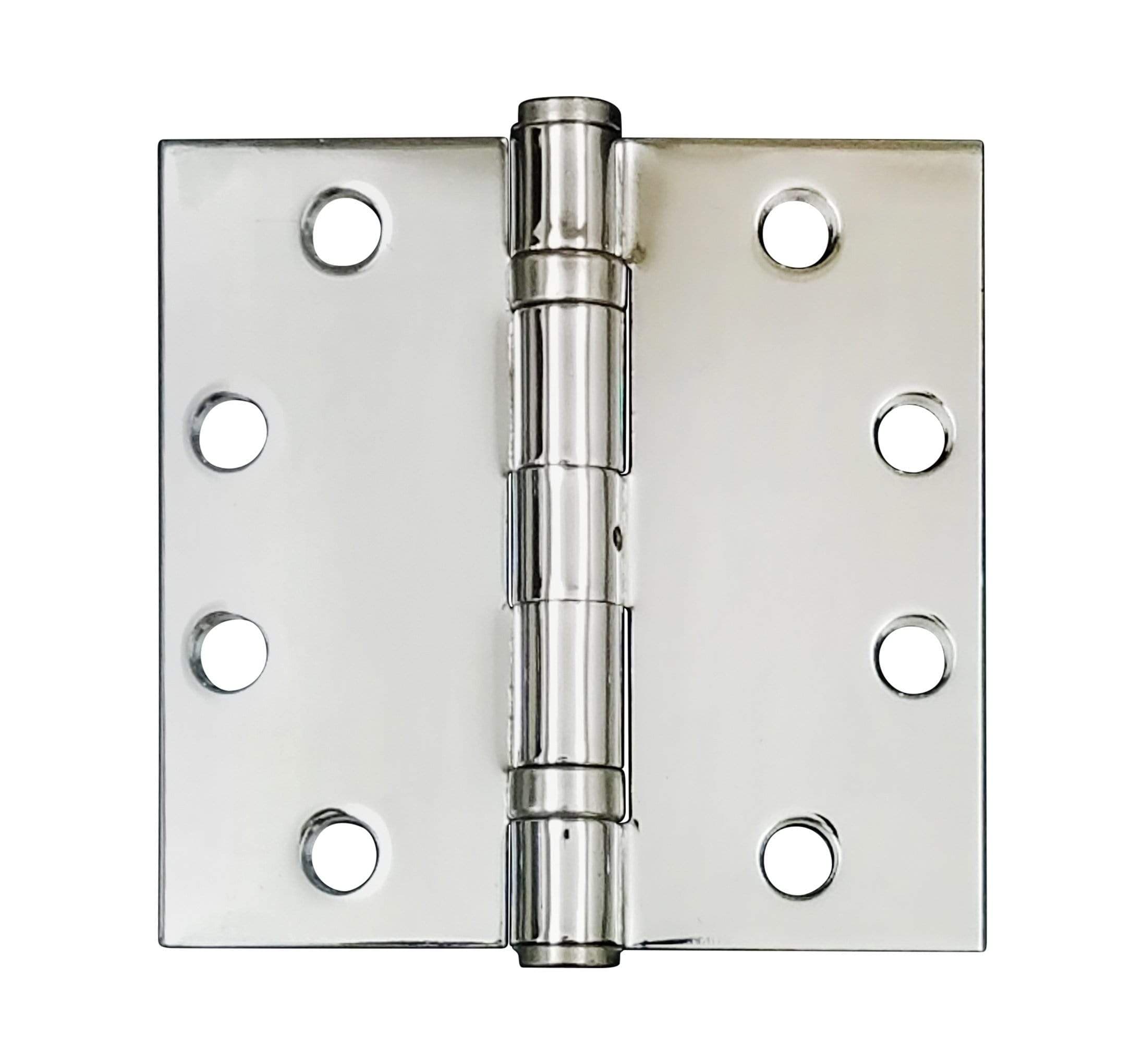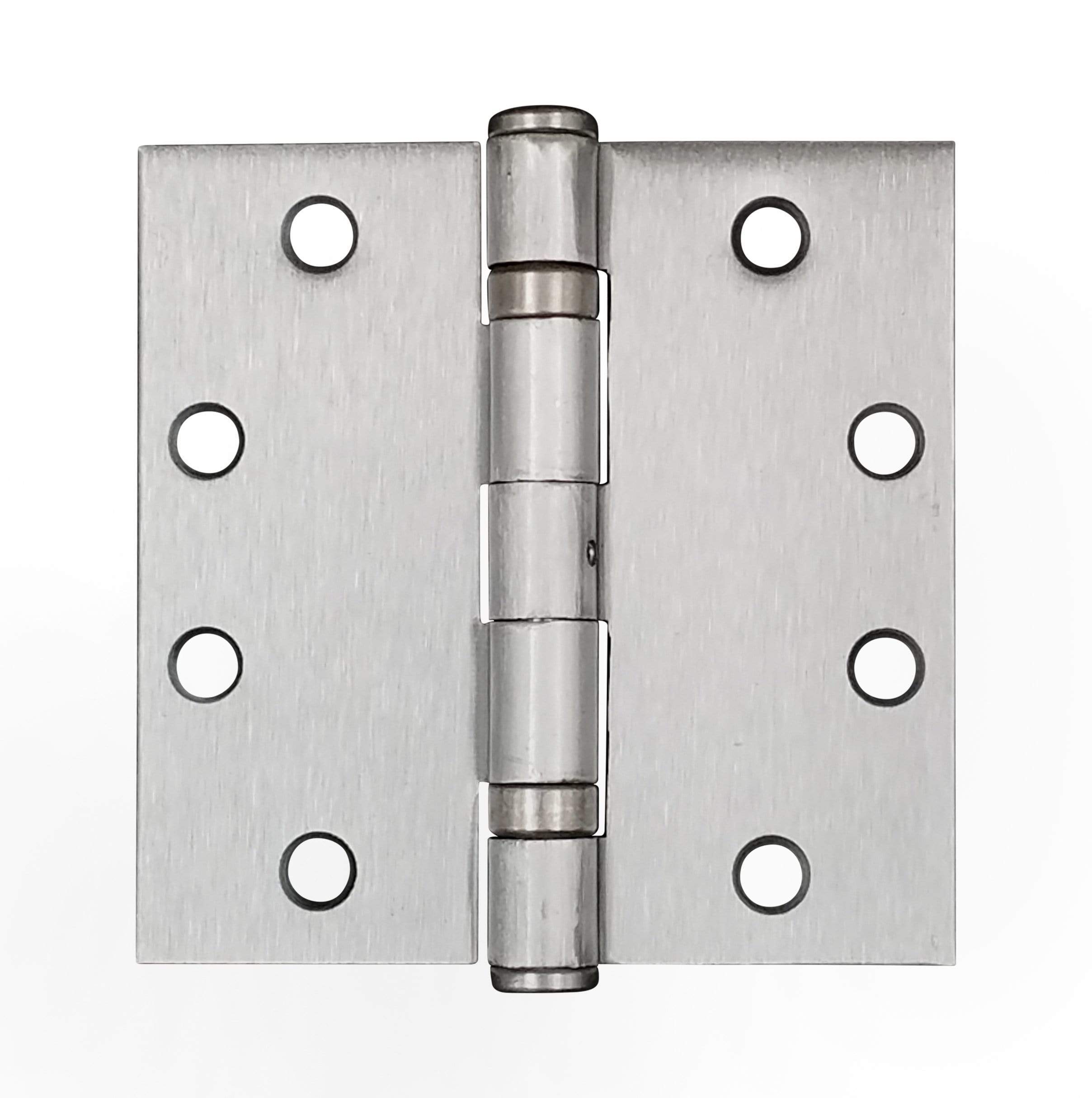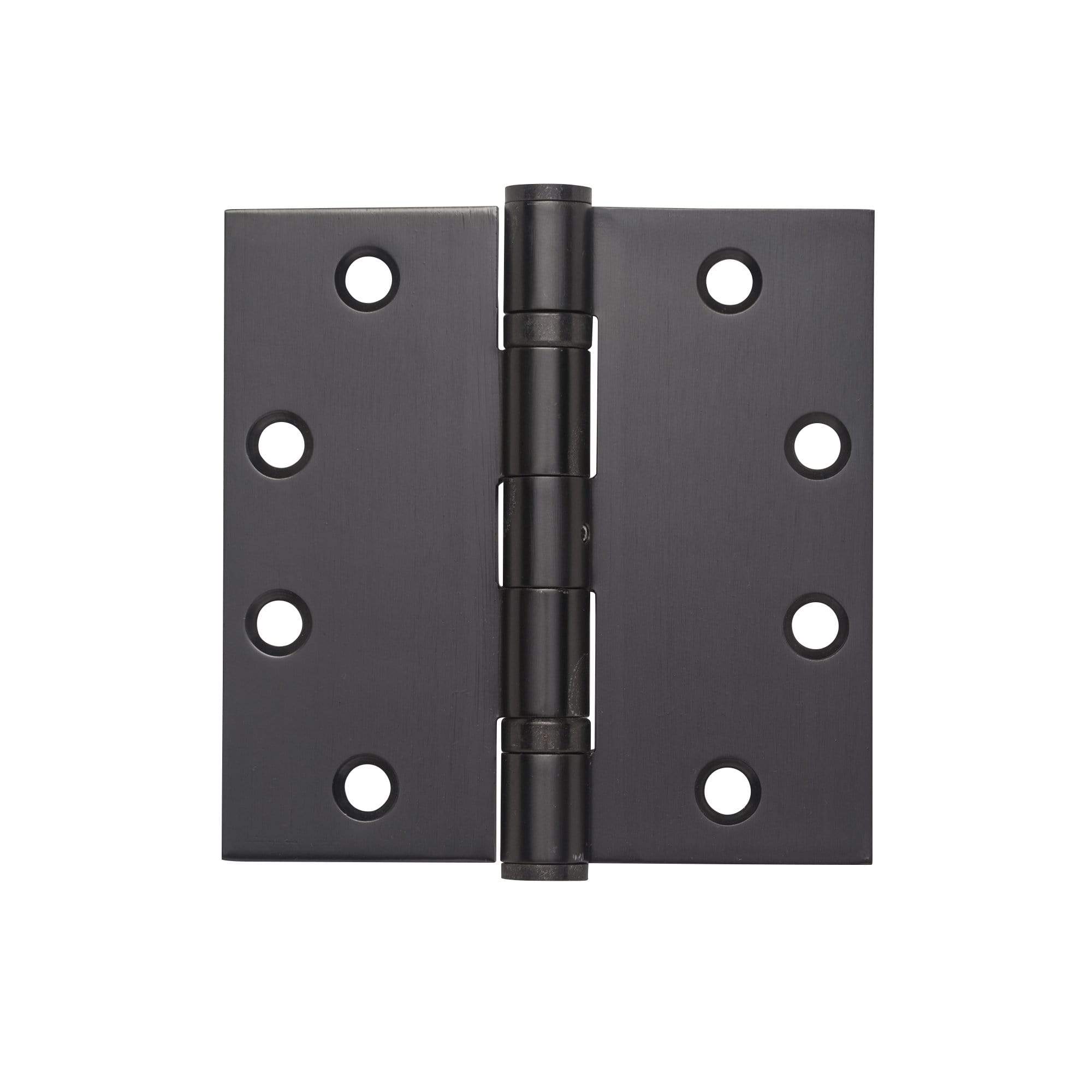


If you've ever installed a door hinge, assembled a piece of hardware, or worked on any kind of metal-to-metal fastening project, there's a good chance you've used a machine screw, even if you didn't know it by name.
Machine screws are one of the most commonly used fasteners in construction, manufacturing, and hardware installation due to their reliability and size range.
In this guide, we'll cover everything you need to know about machine screws, including what they are, what they're used for, how they're sized, and how to choose and install the right one for your project.
What Is a Machine Screw?

A machine screw is a threaded fastener built to join two or more parts together, specifically for metal, plastic, and other hard materials.
They either thread into a pre-cut hole or pass through a hole and get secured with a nut on the other side.
Machine screws have two main components: a head and a fully threaded shank.
The threaded shank is what locks the screw in place. They grip the matching threads in the hole or nut to hold everything together securely.
What Are Machine Screws Used For?
If a project involves metal fastening, a machine screw is likely involved. Below are a few specific instances where they are commonly used.
-
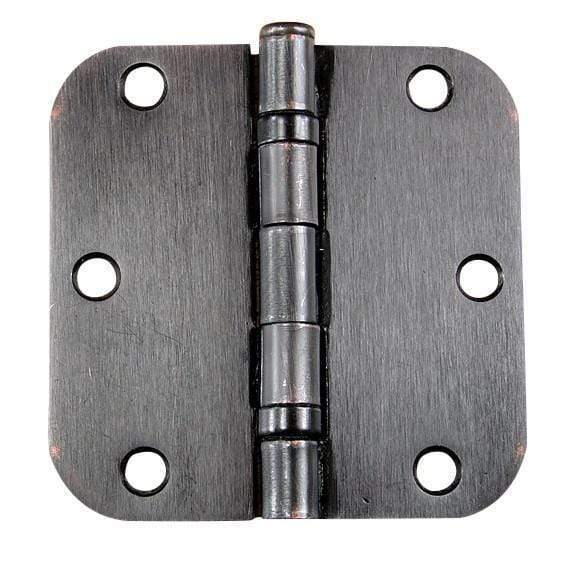
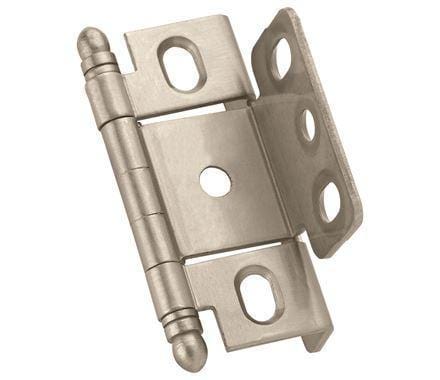
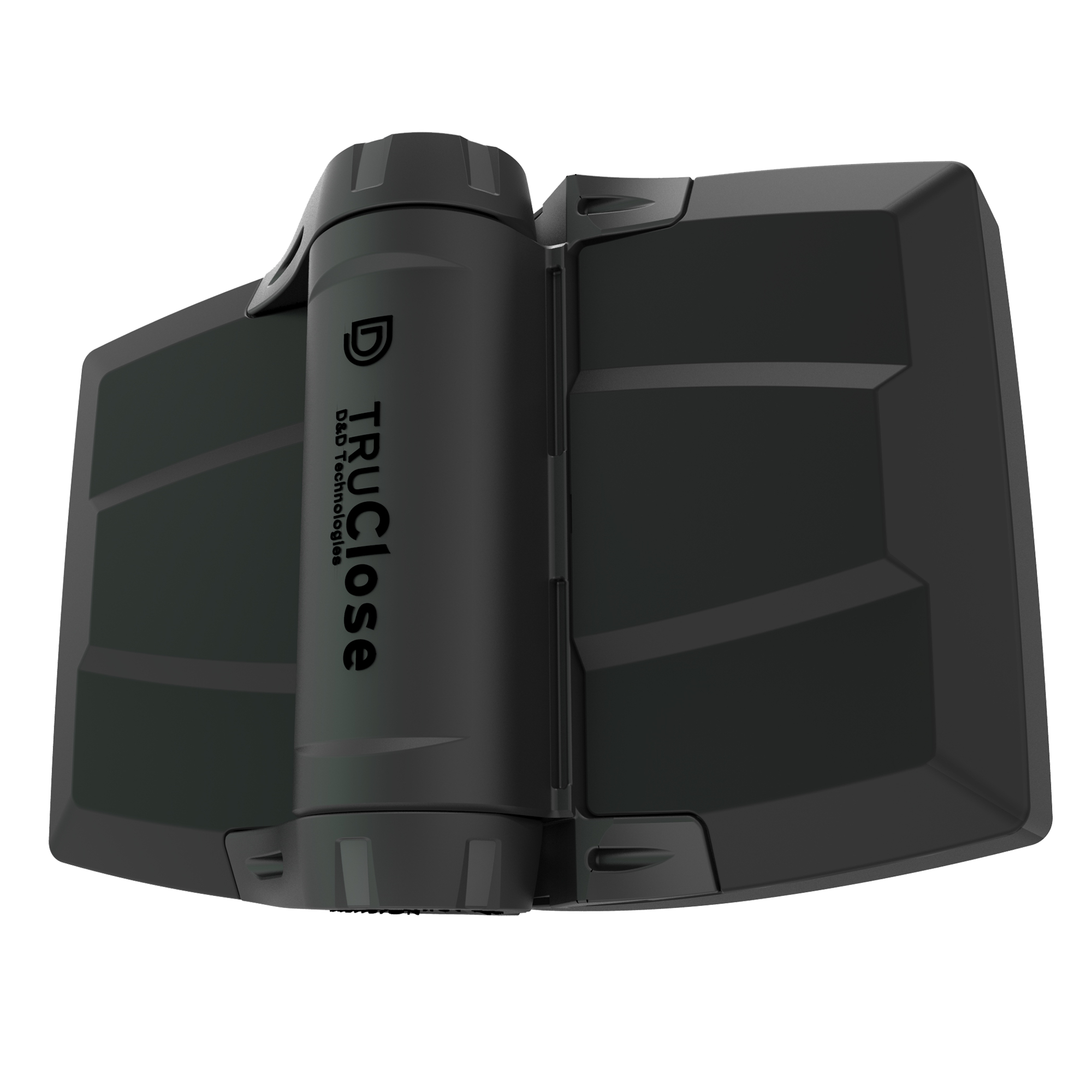
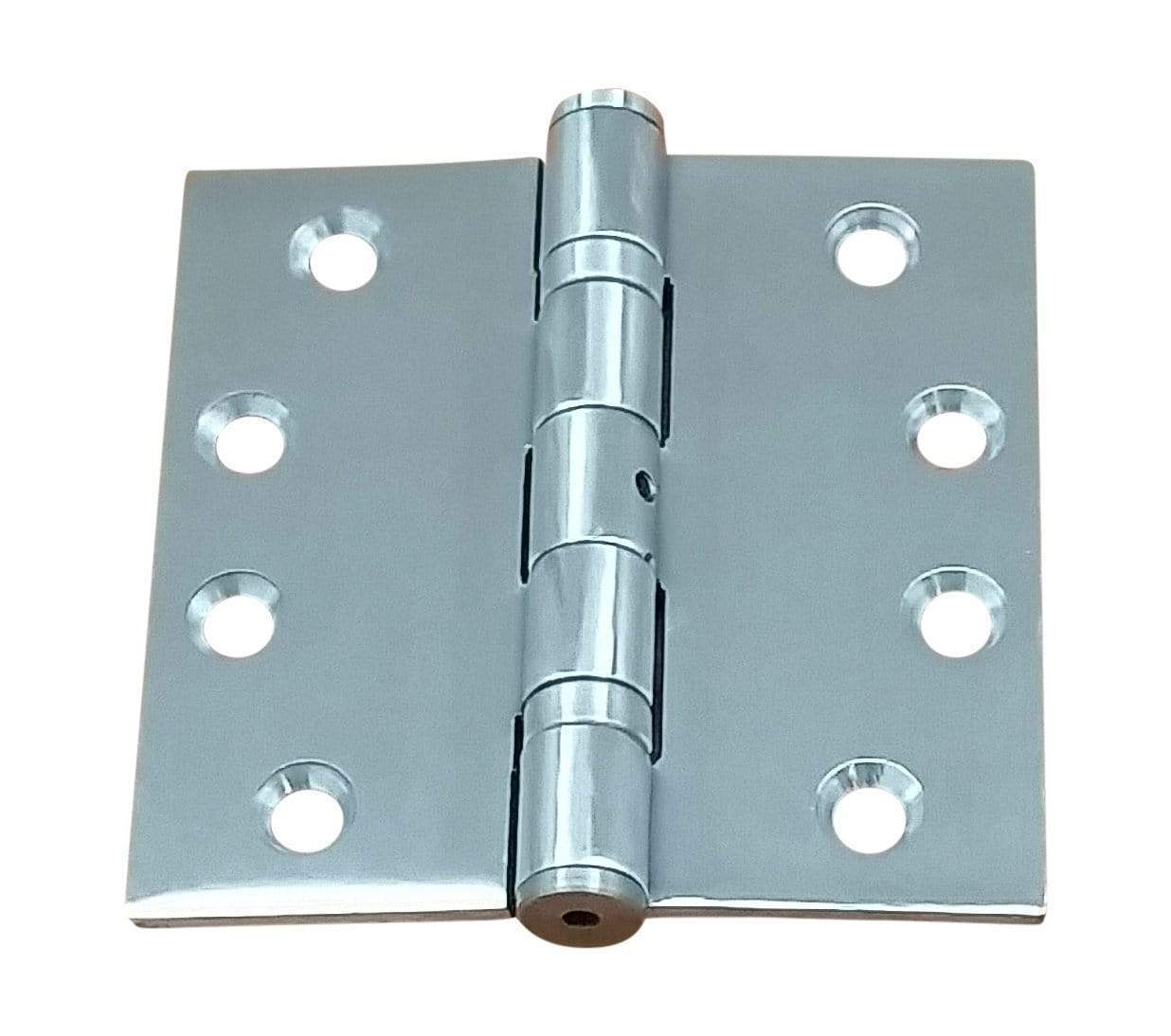
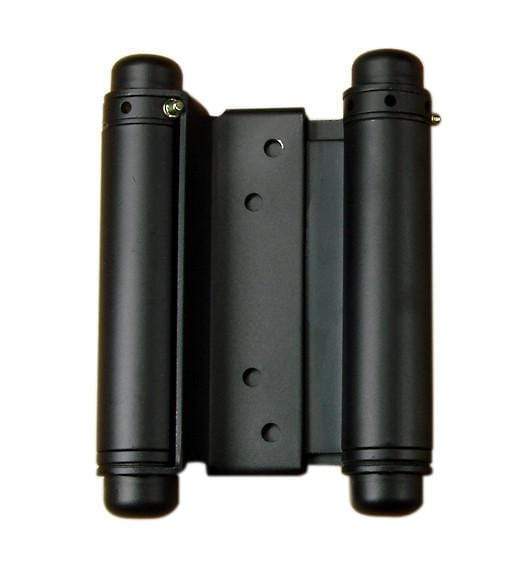
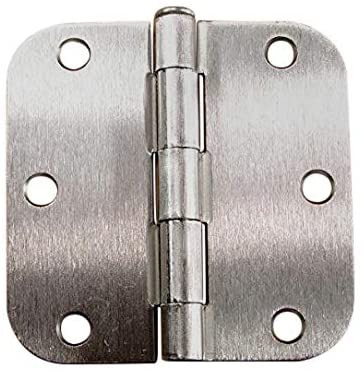
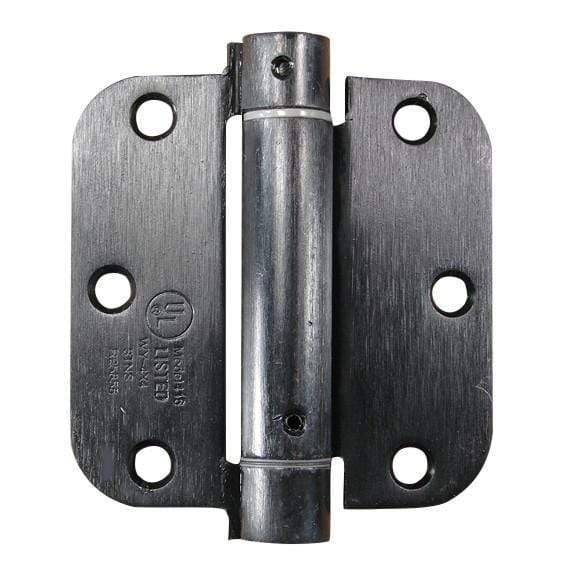
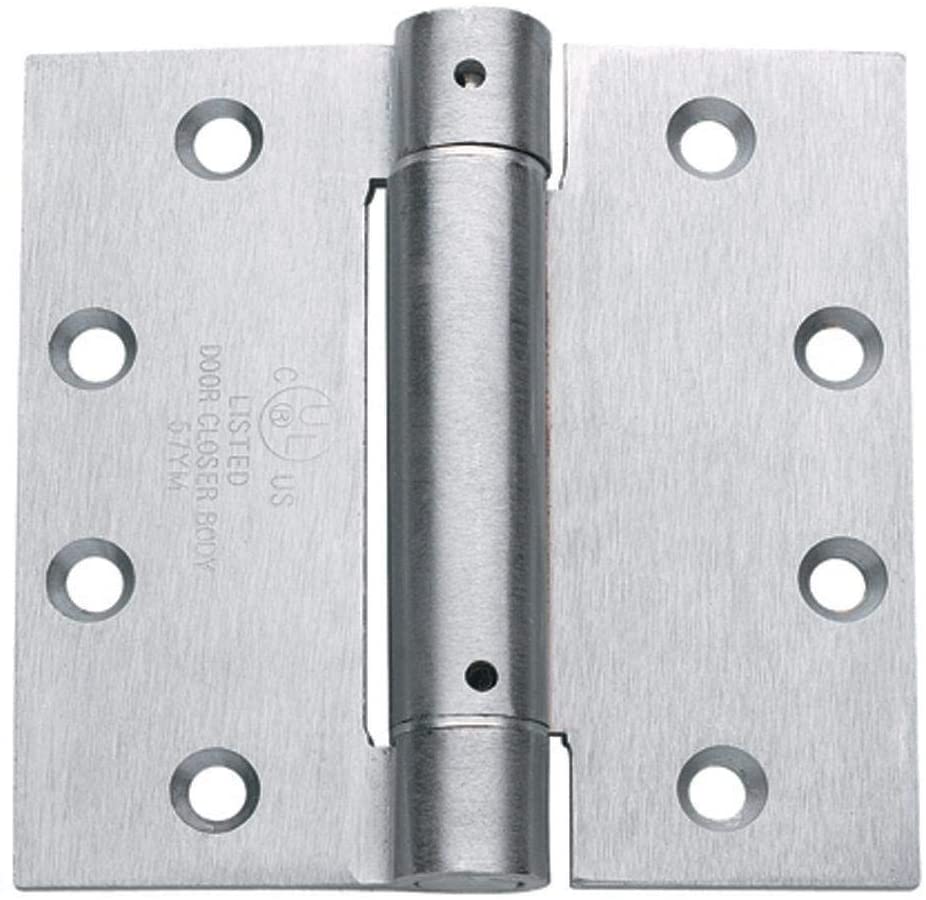
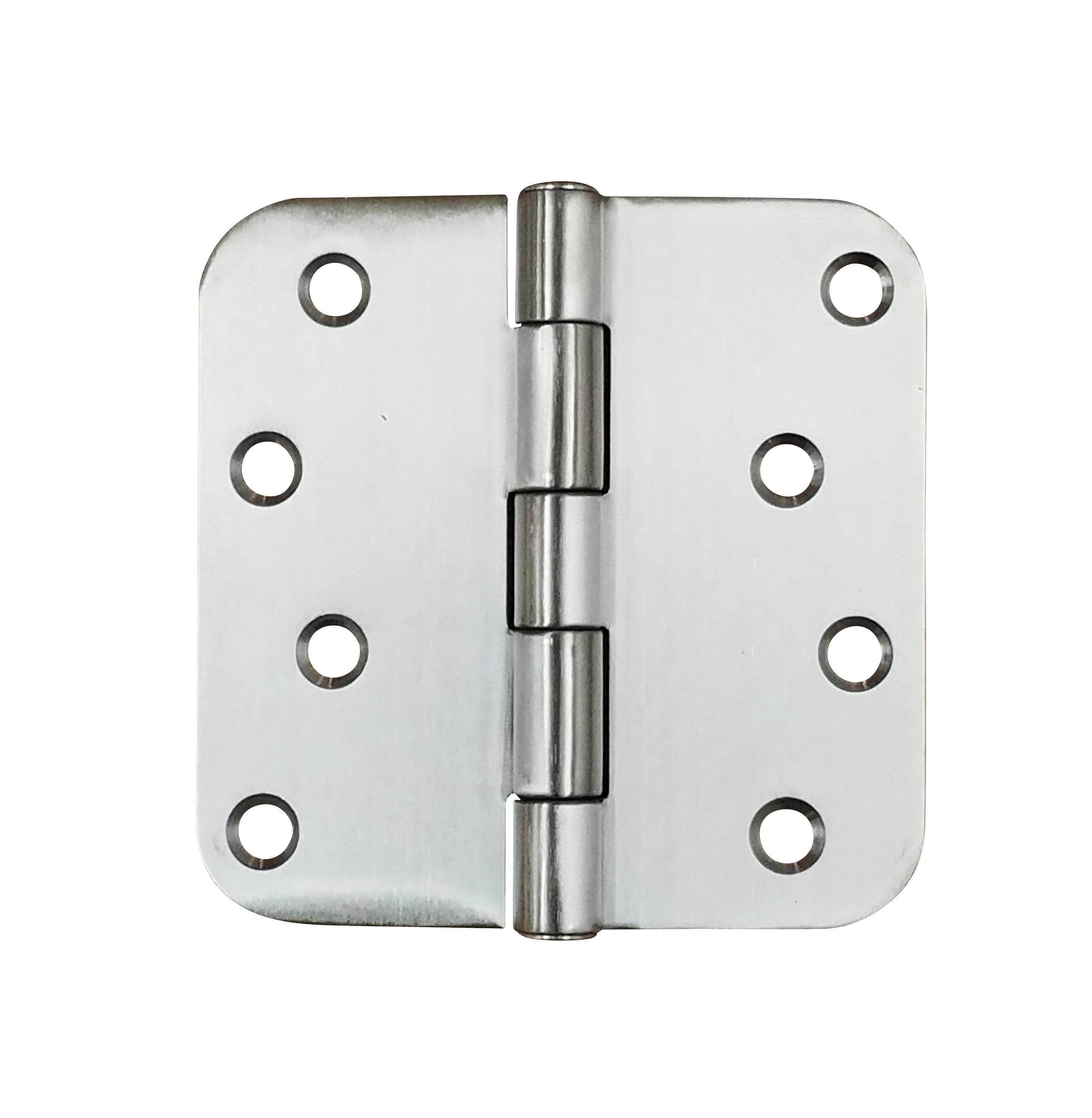
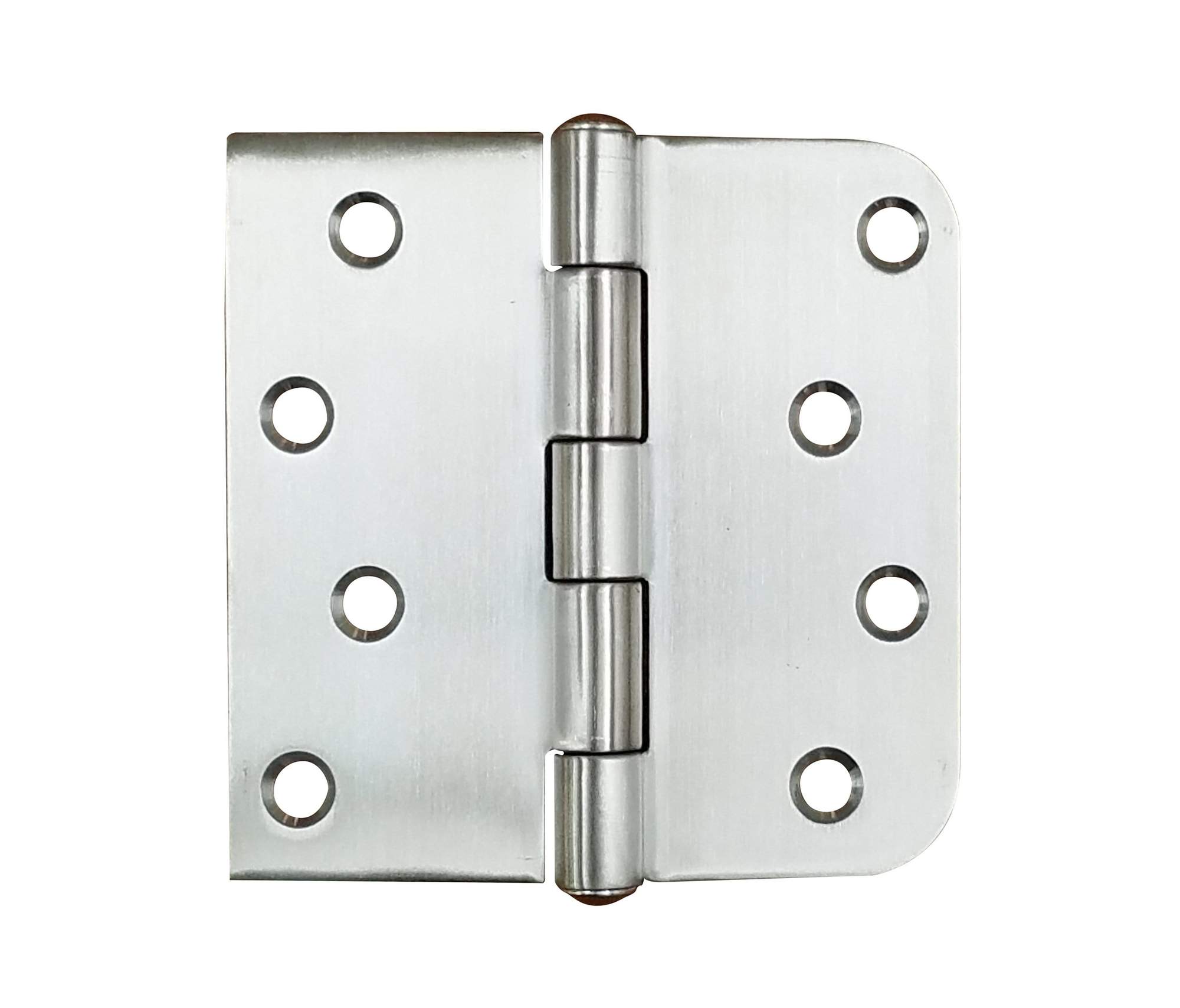
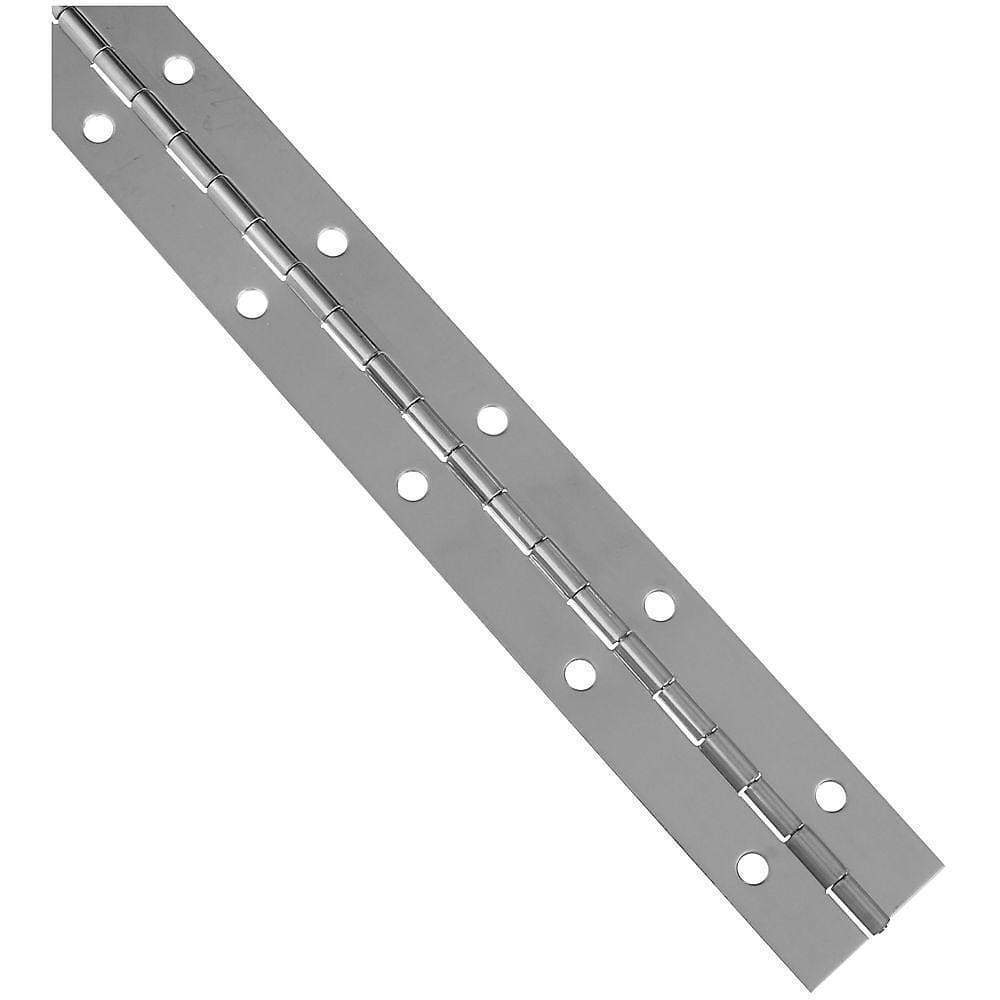
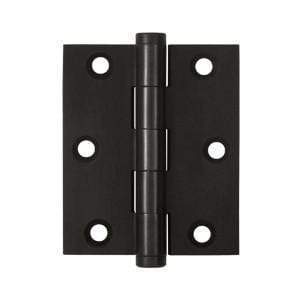
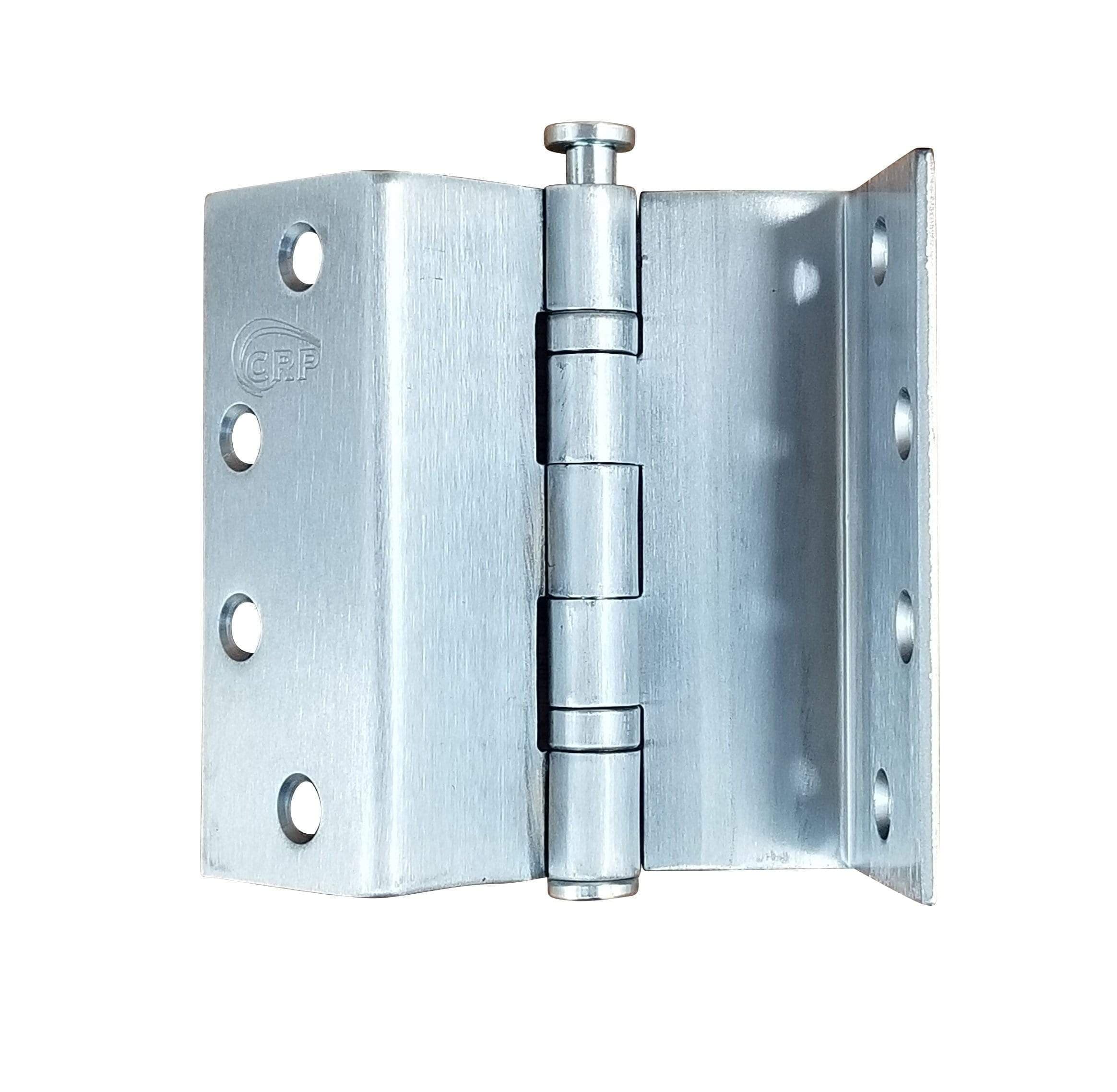
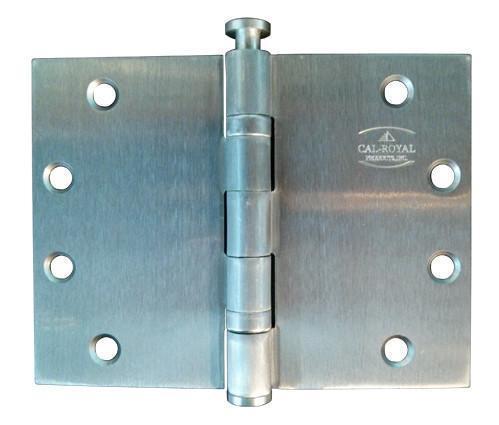
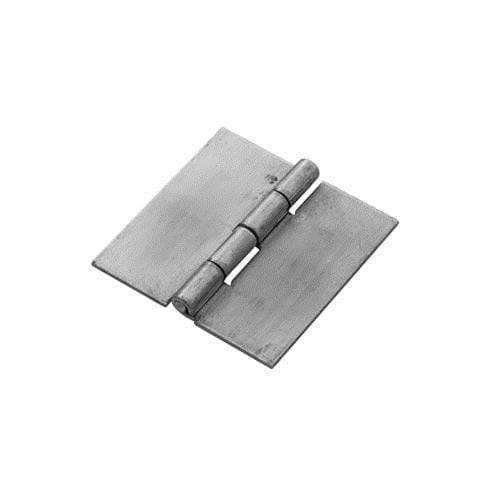
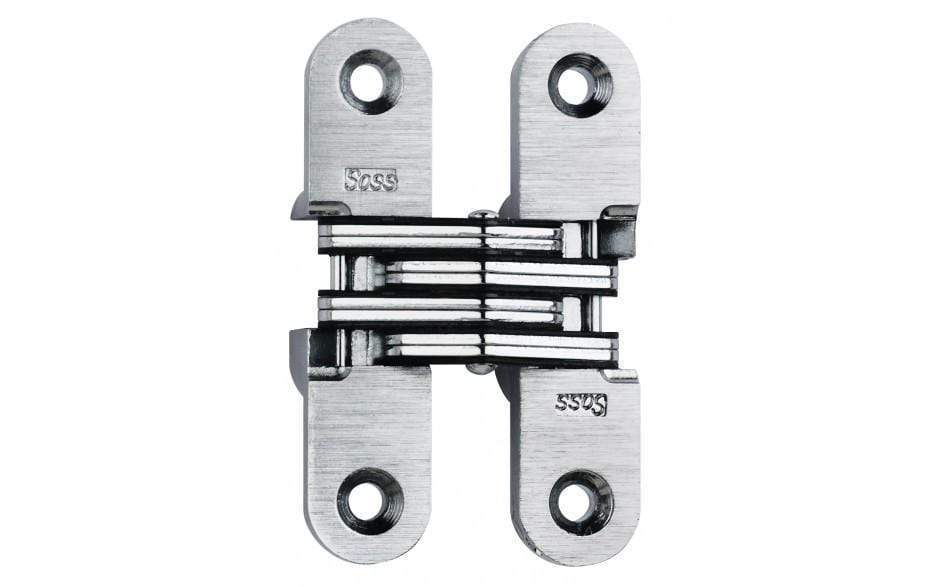
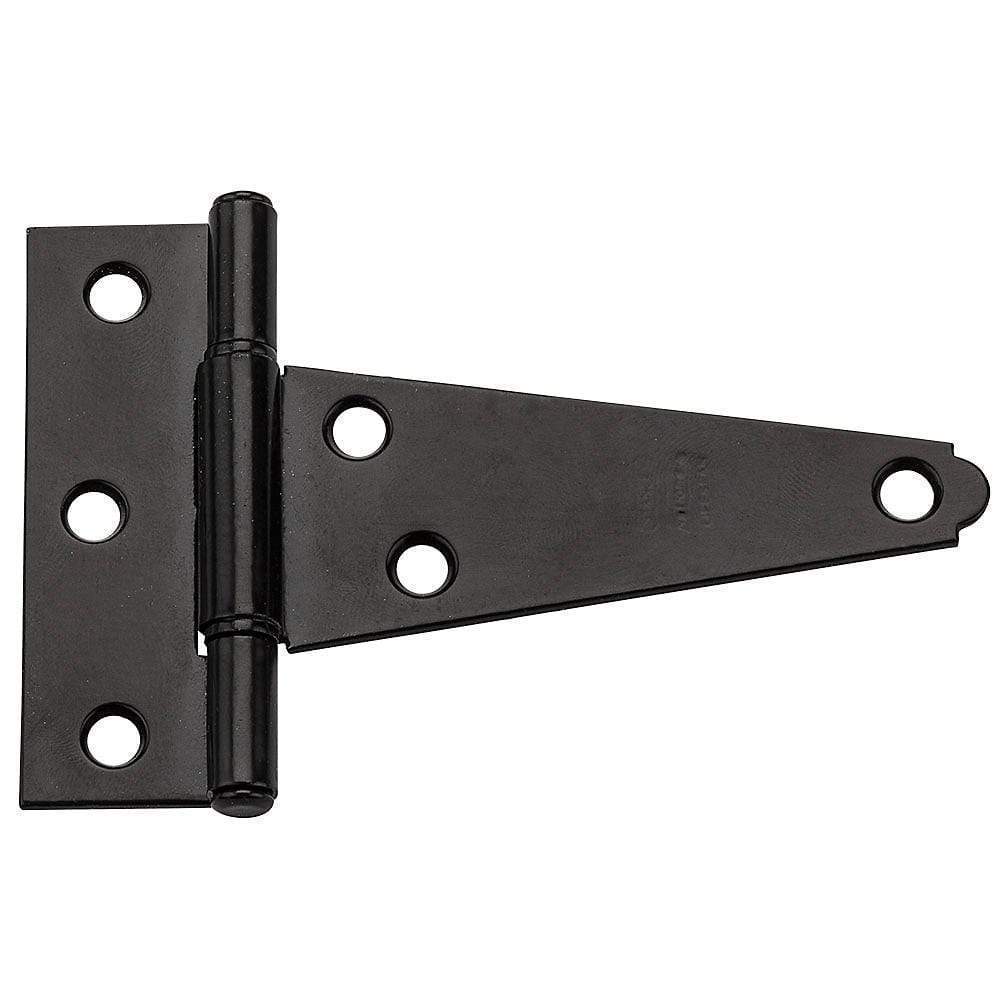
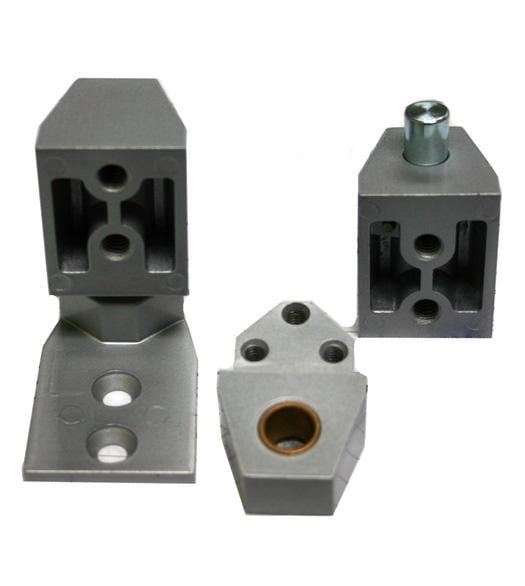
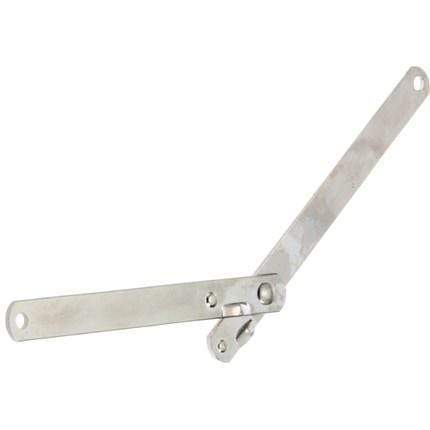
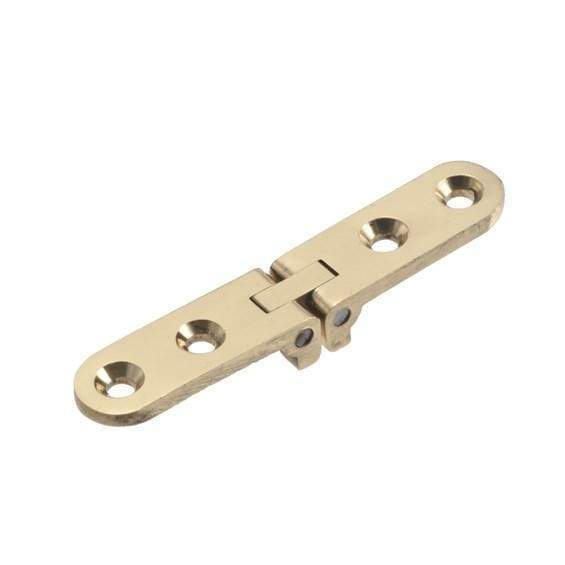
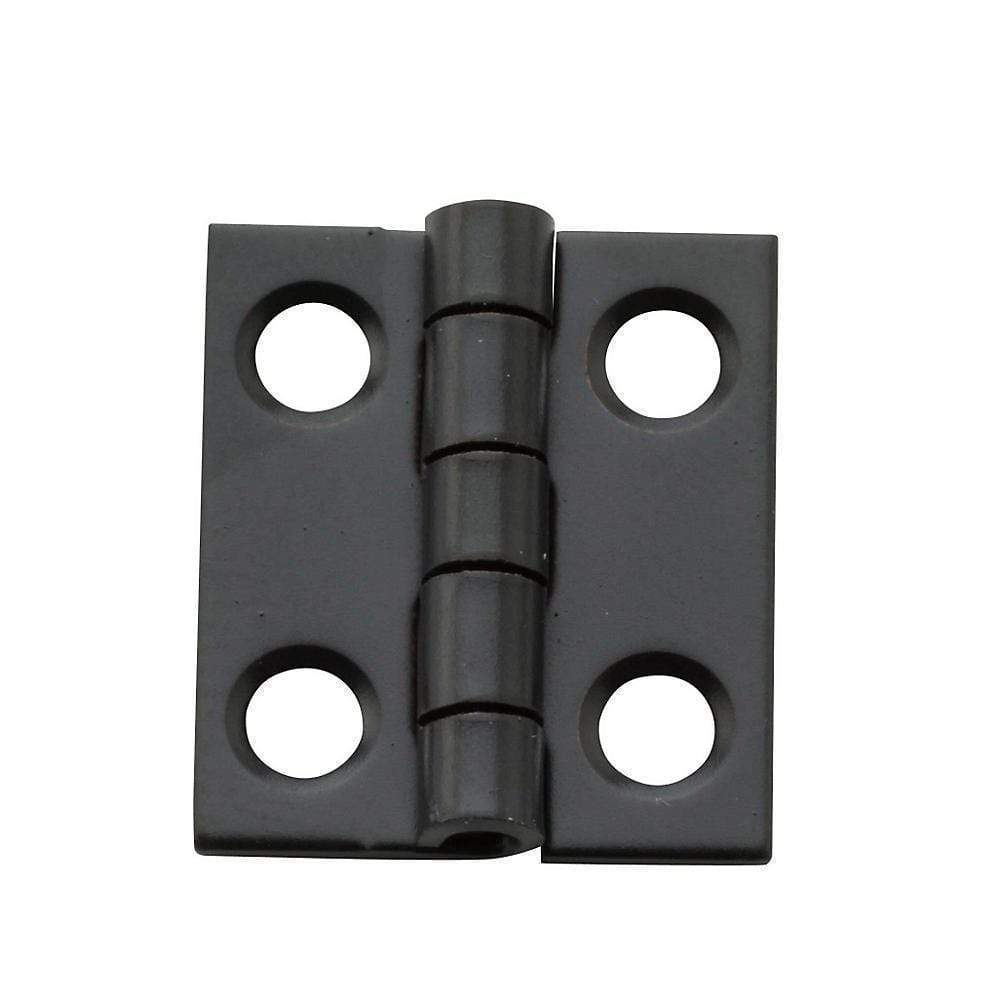
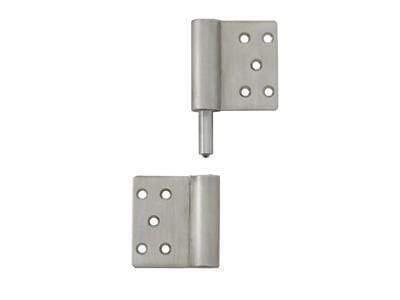
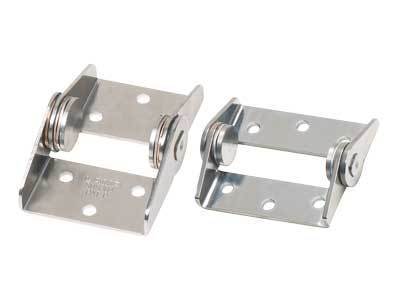
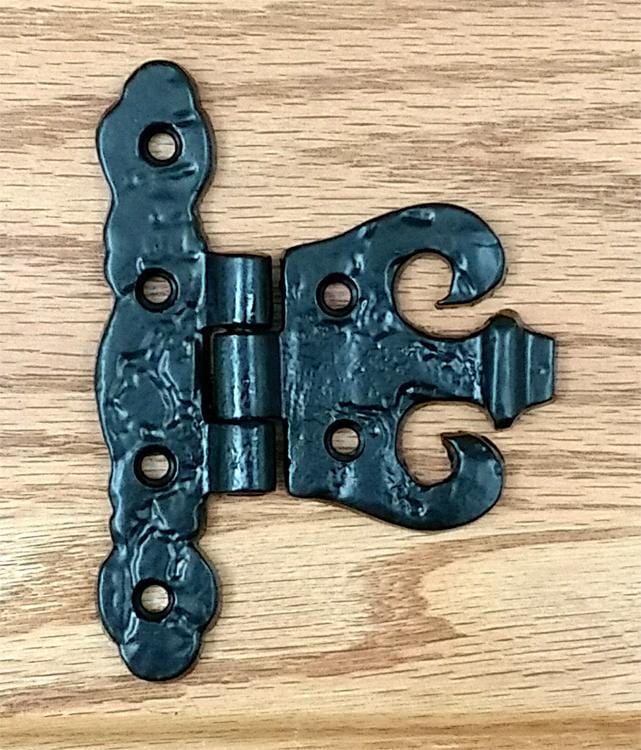
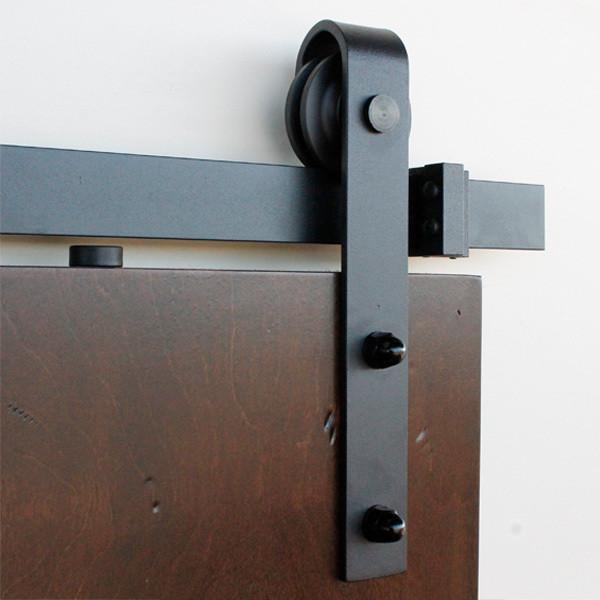
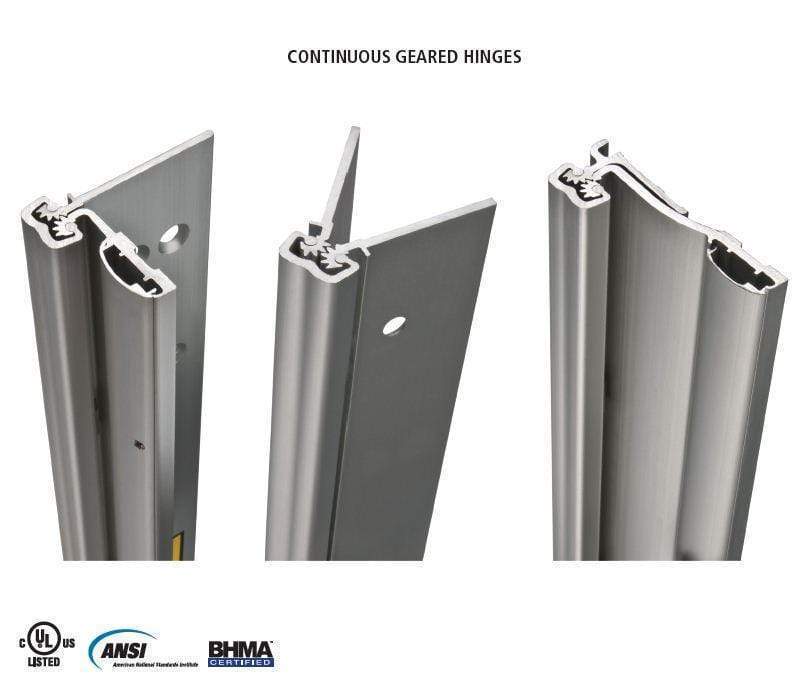
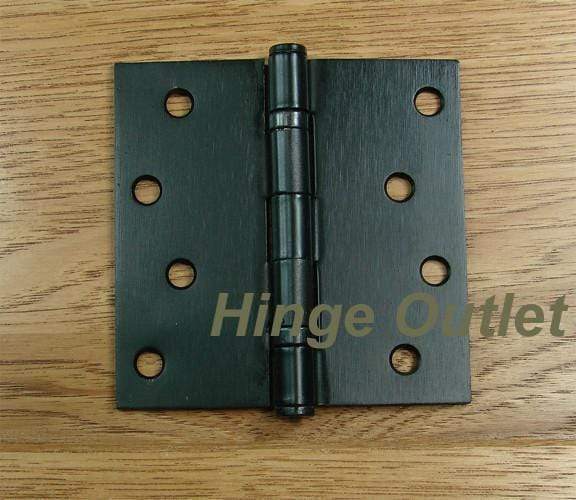
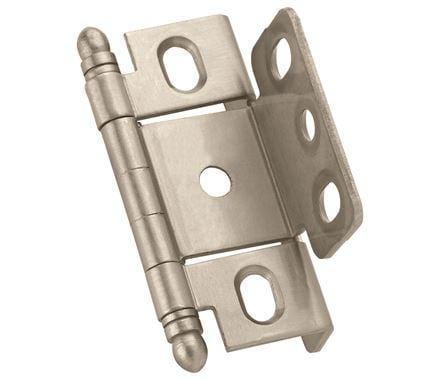
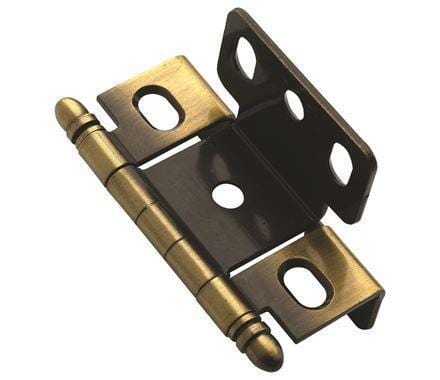
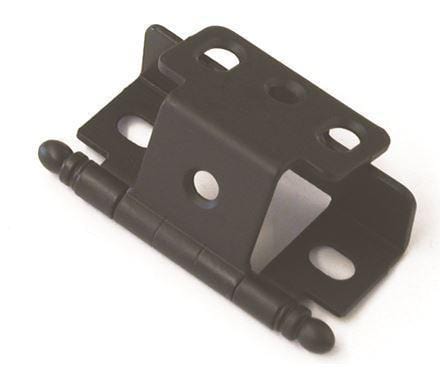
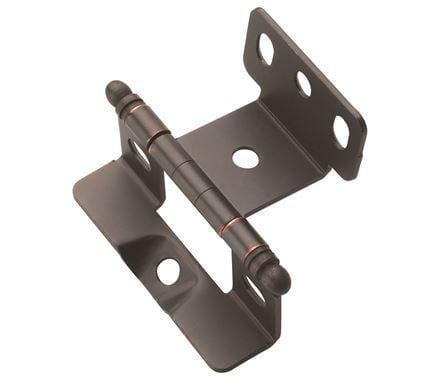
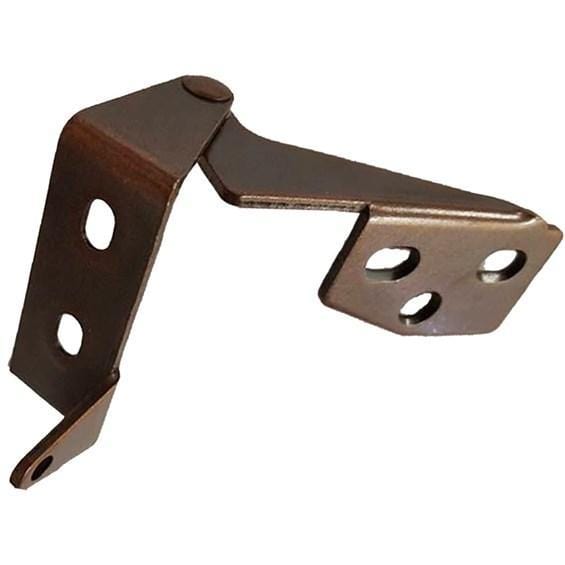
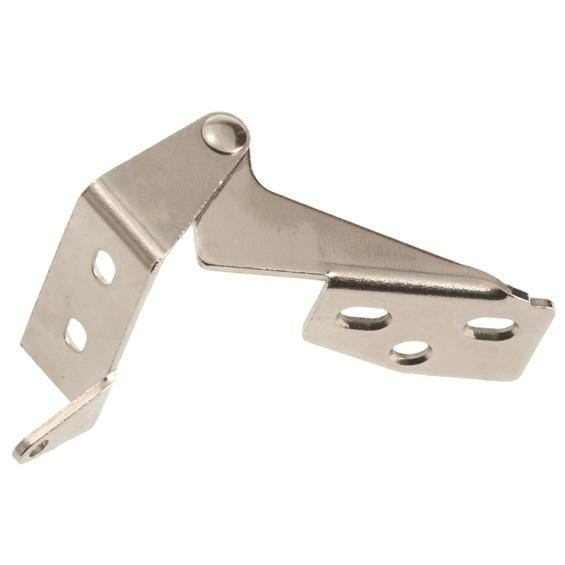
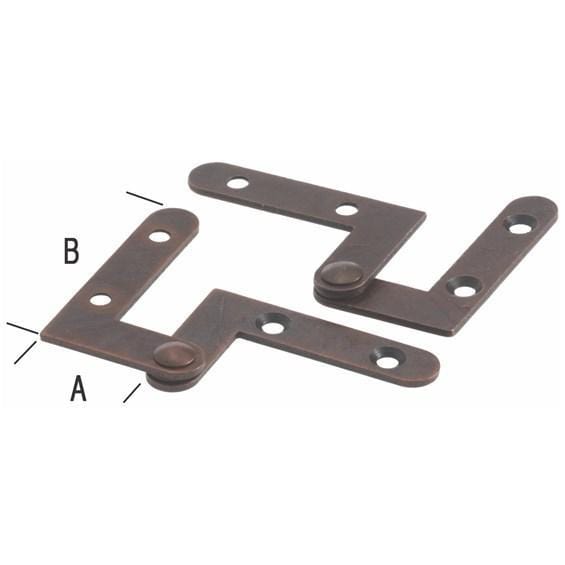
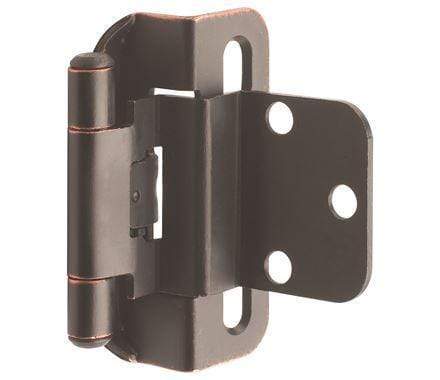
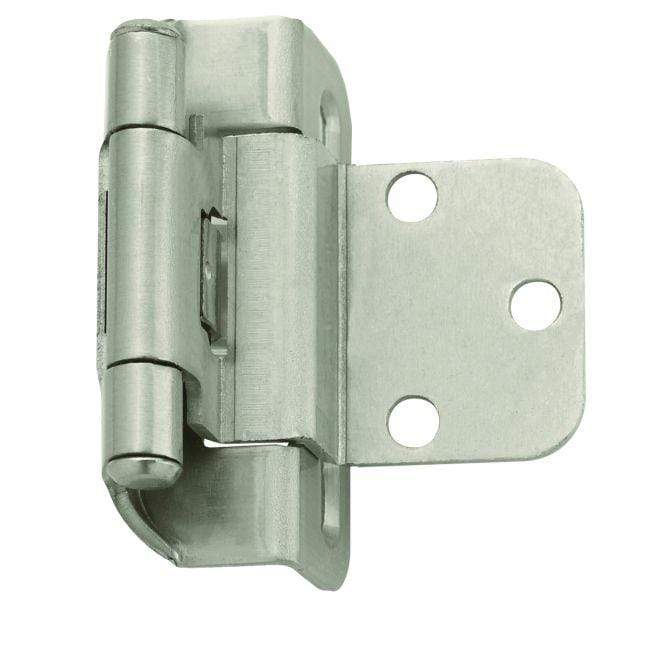
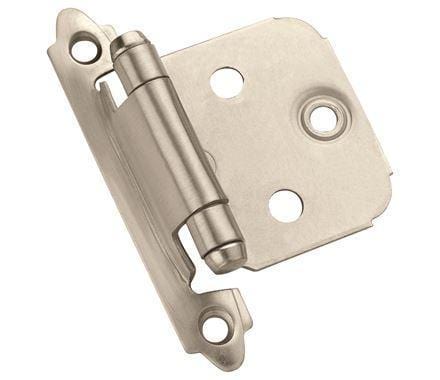
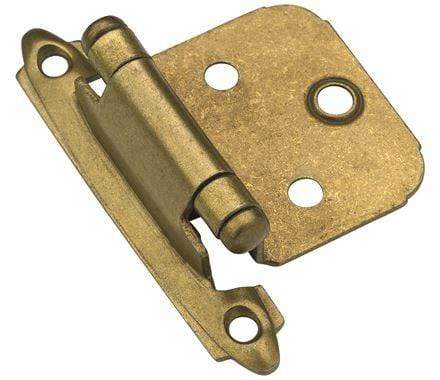
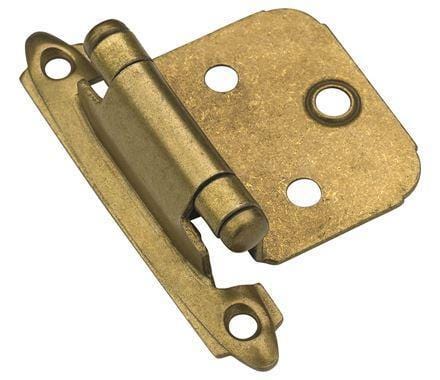
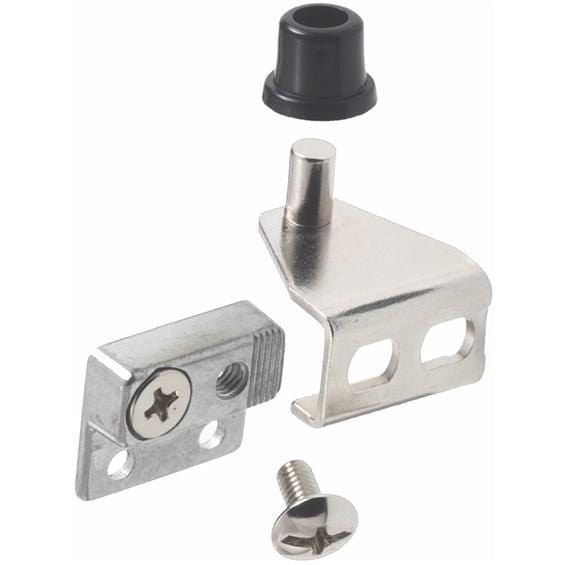
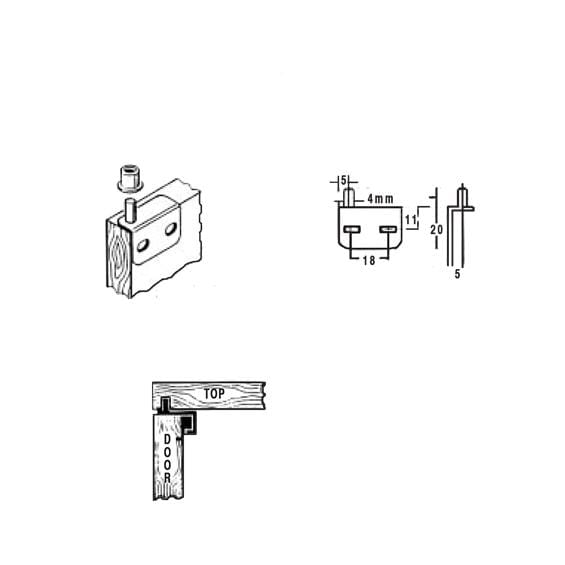
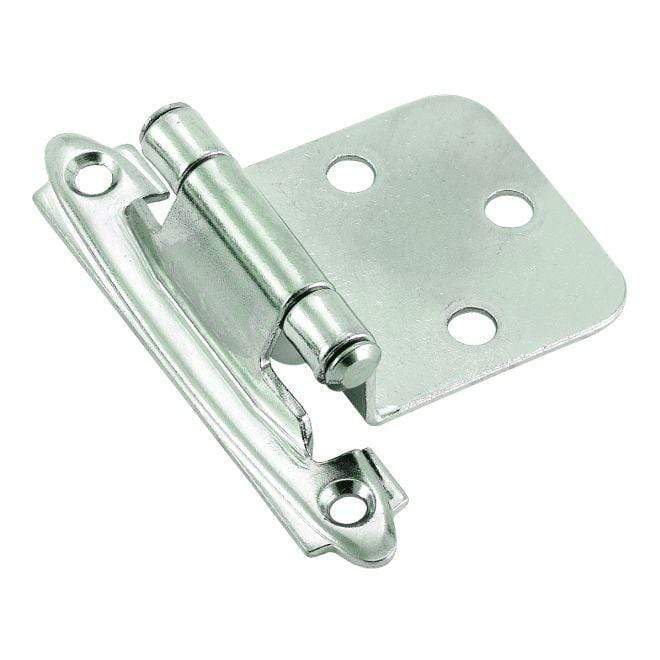
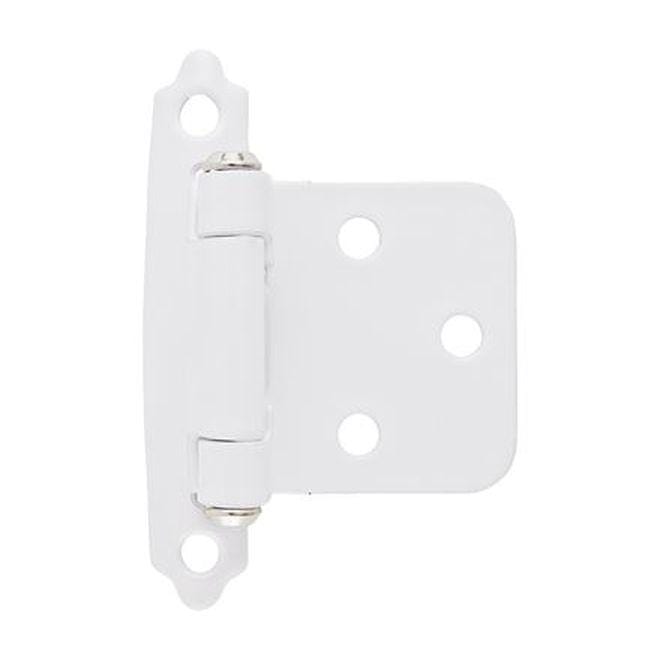
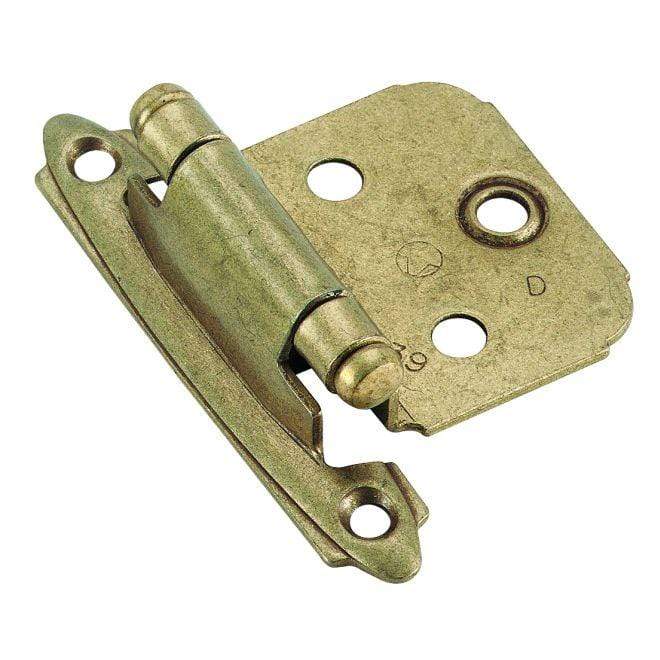
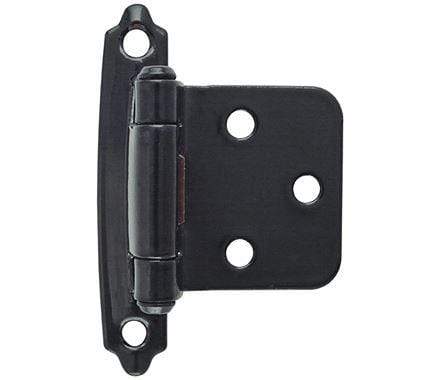
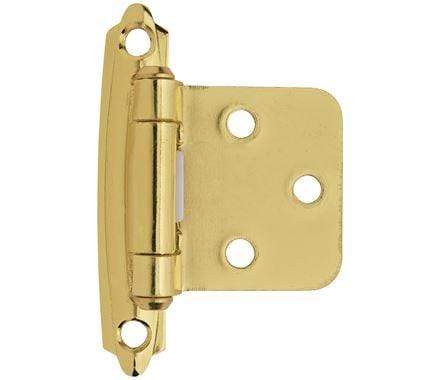
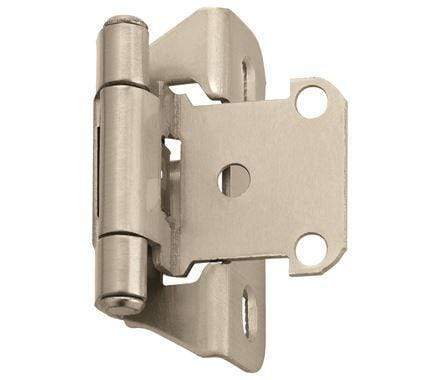
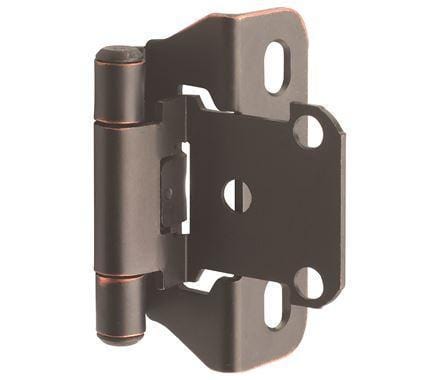
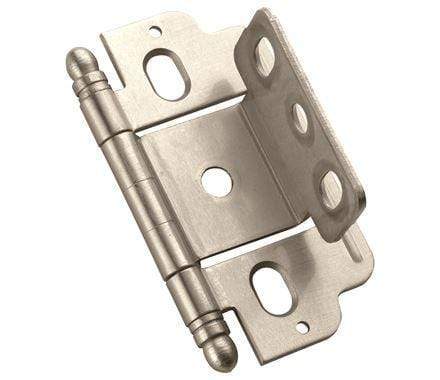
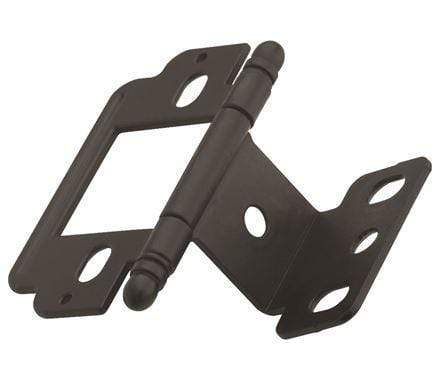
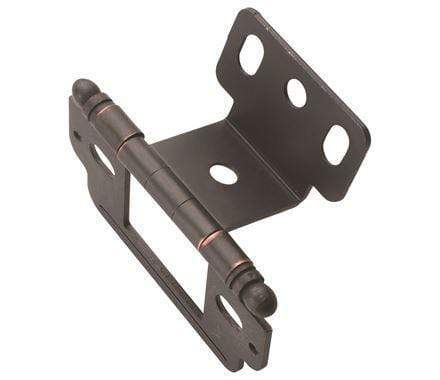
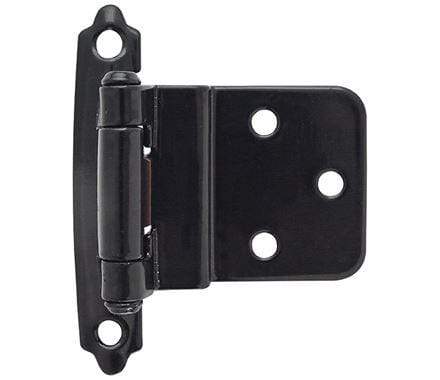
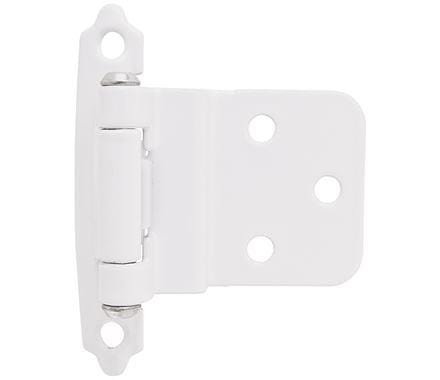
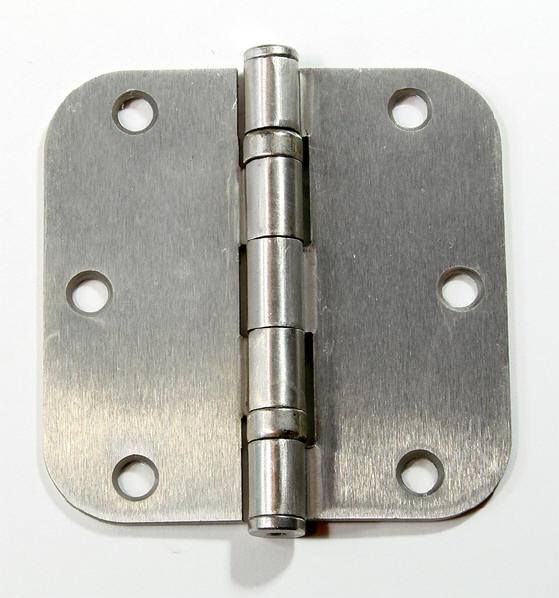
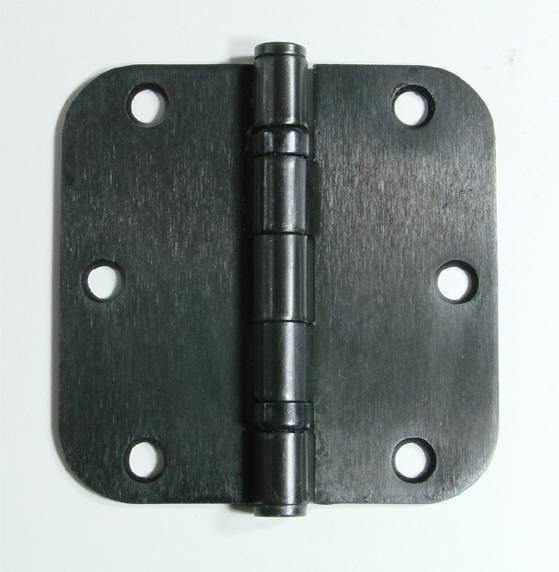
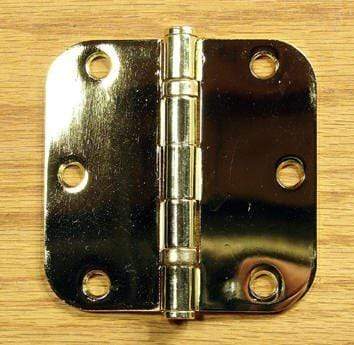
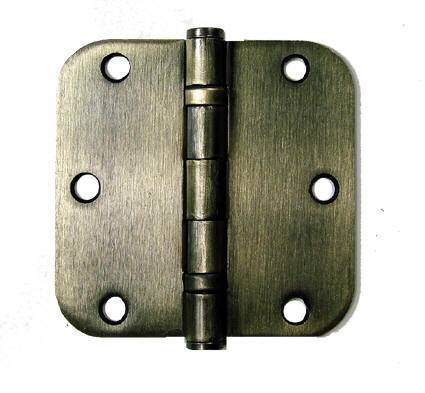
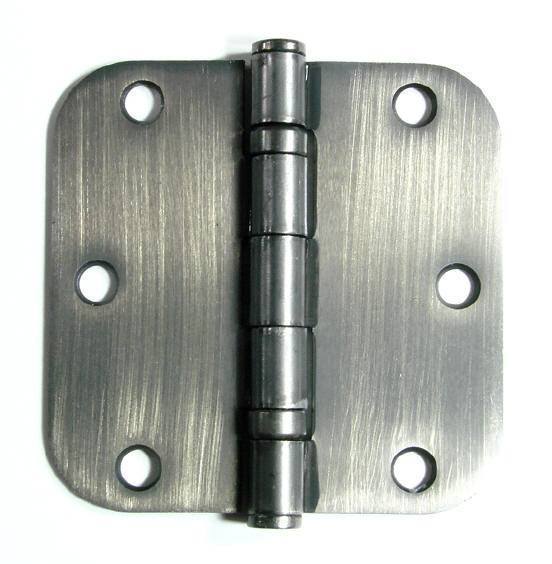
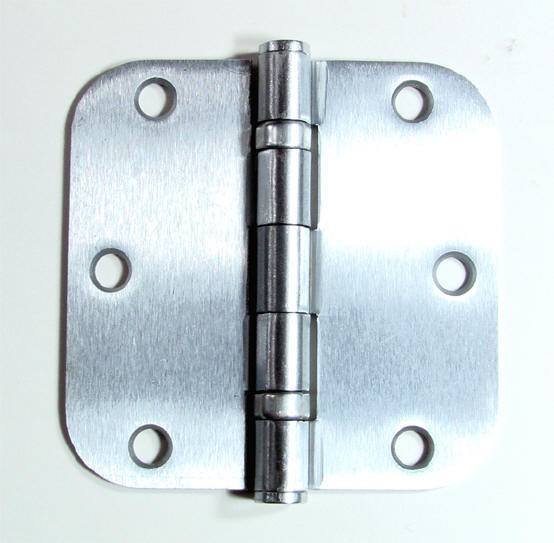
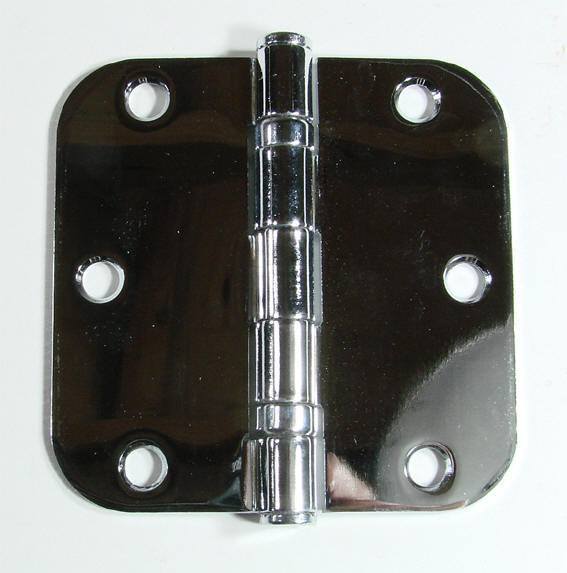
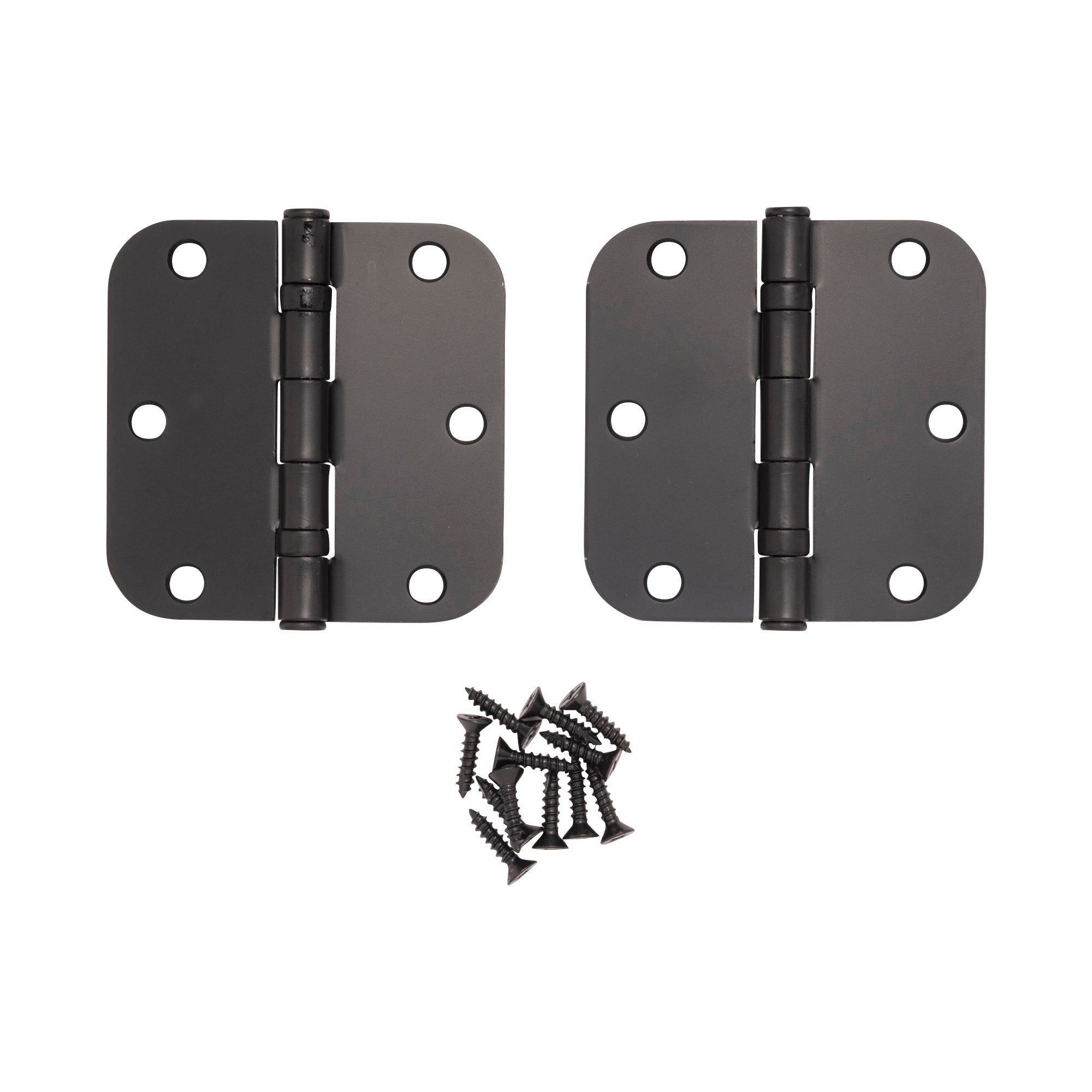
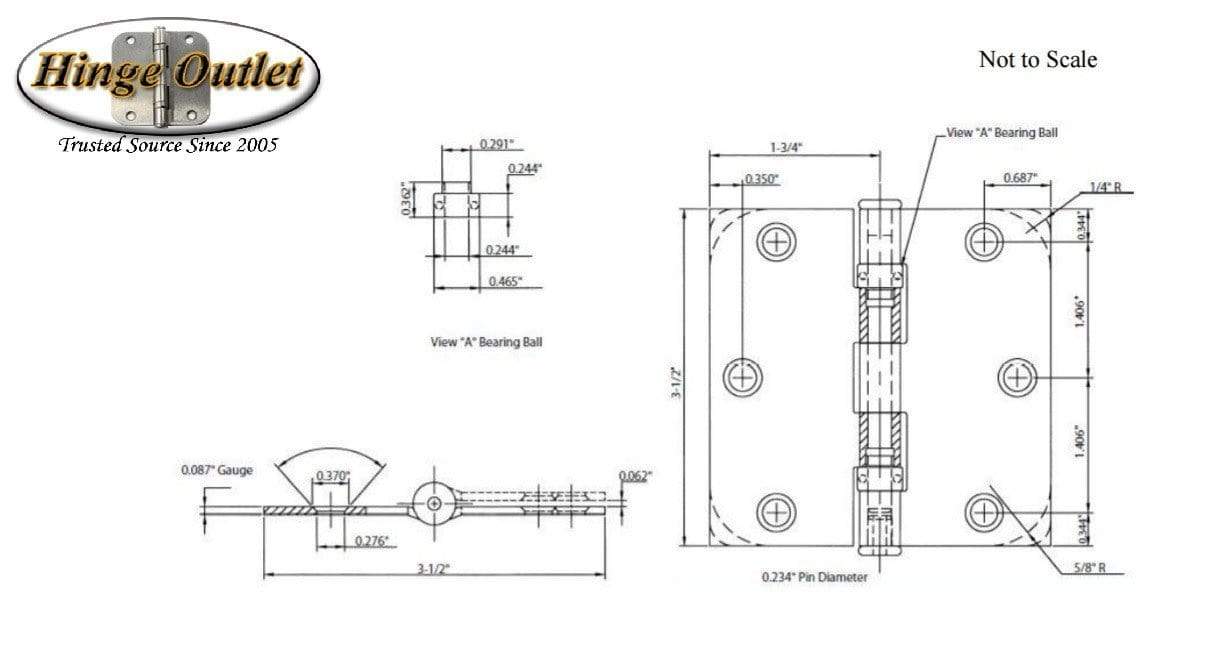
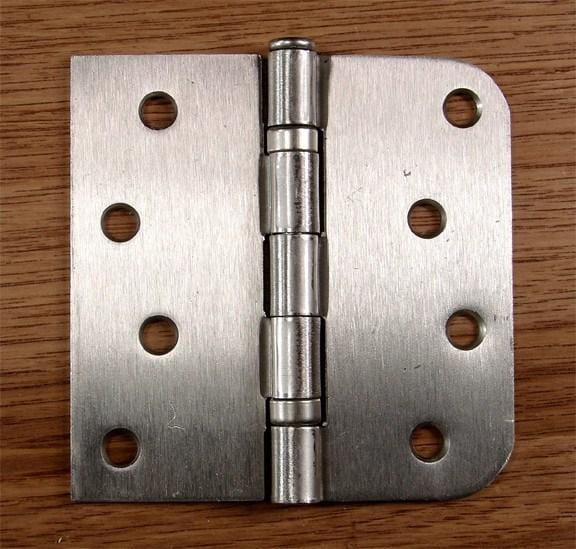
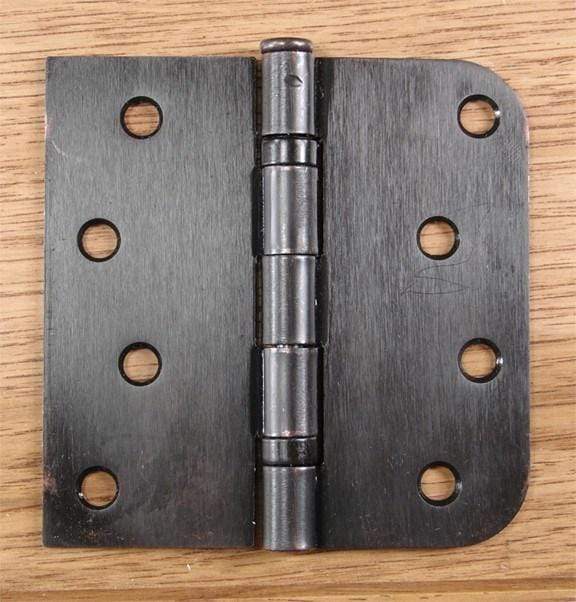
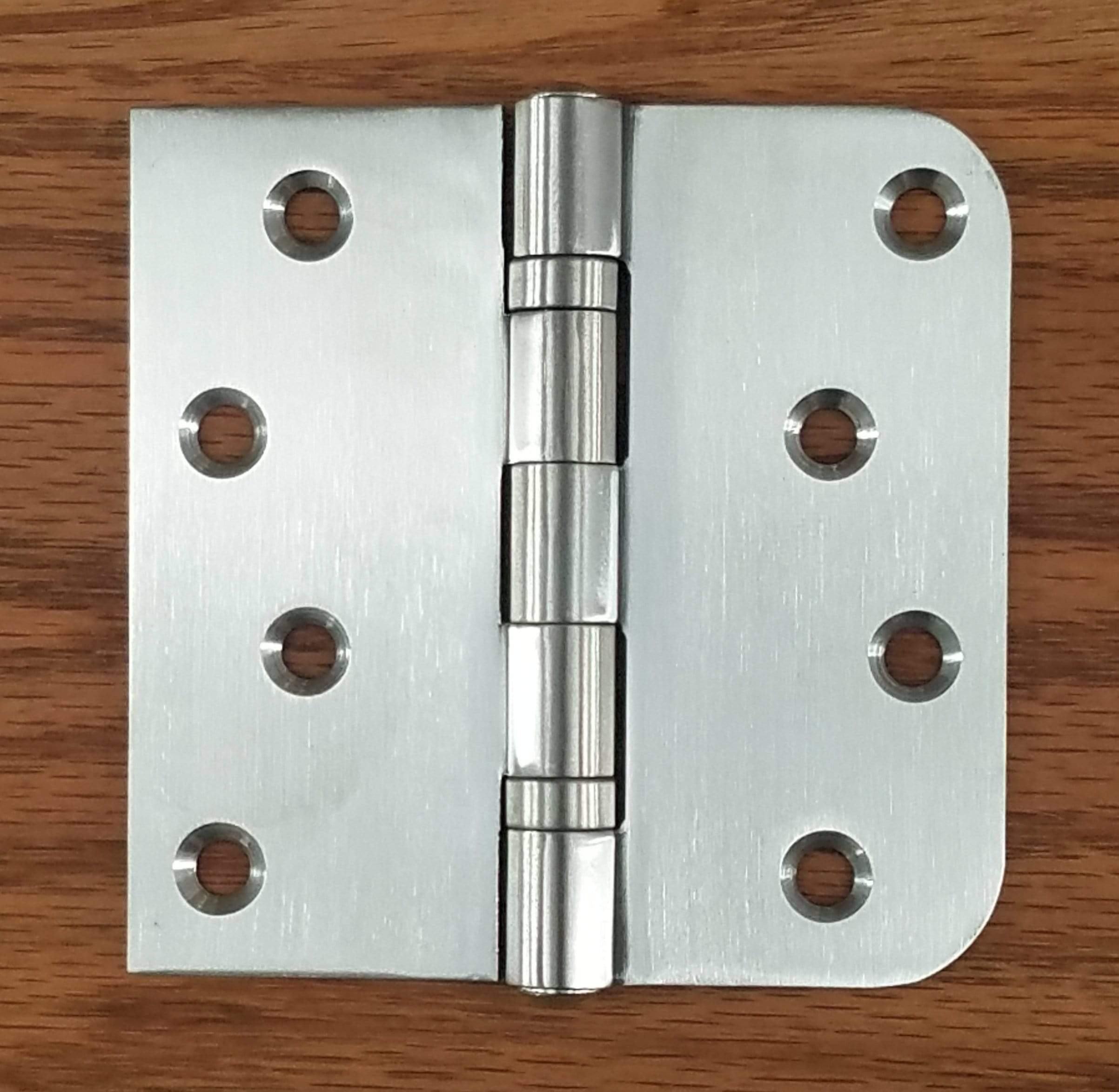
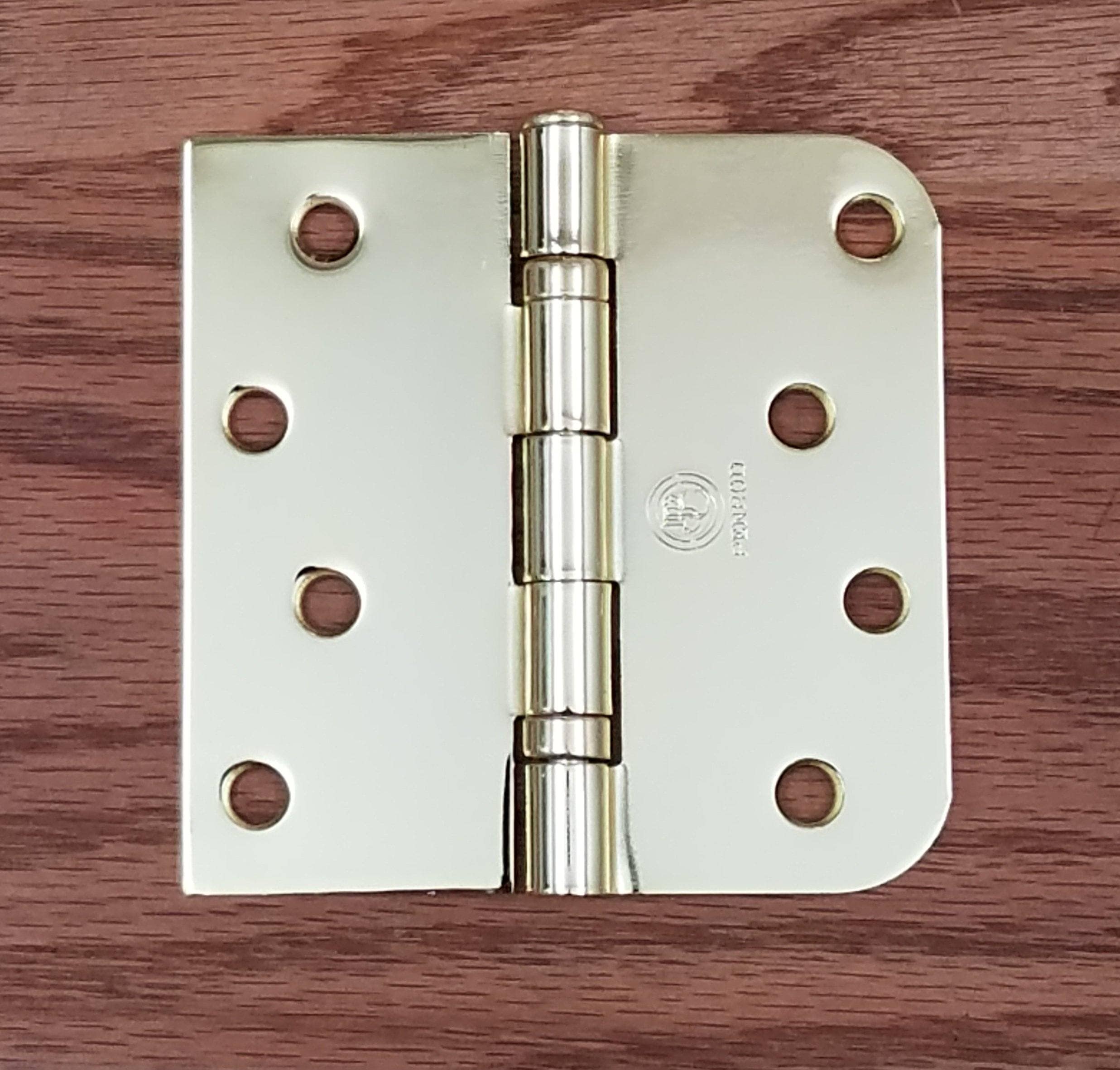
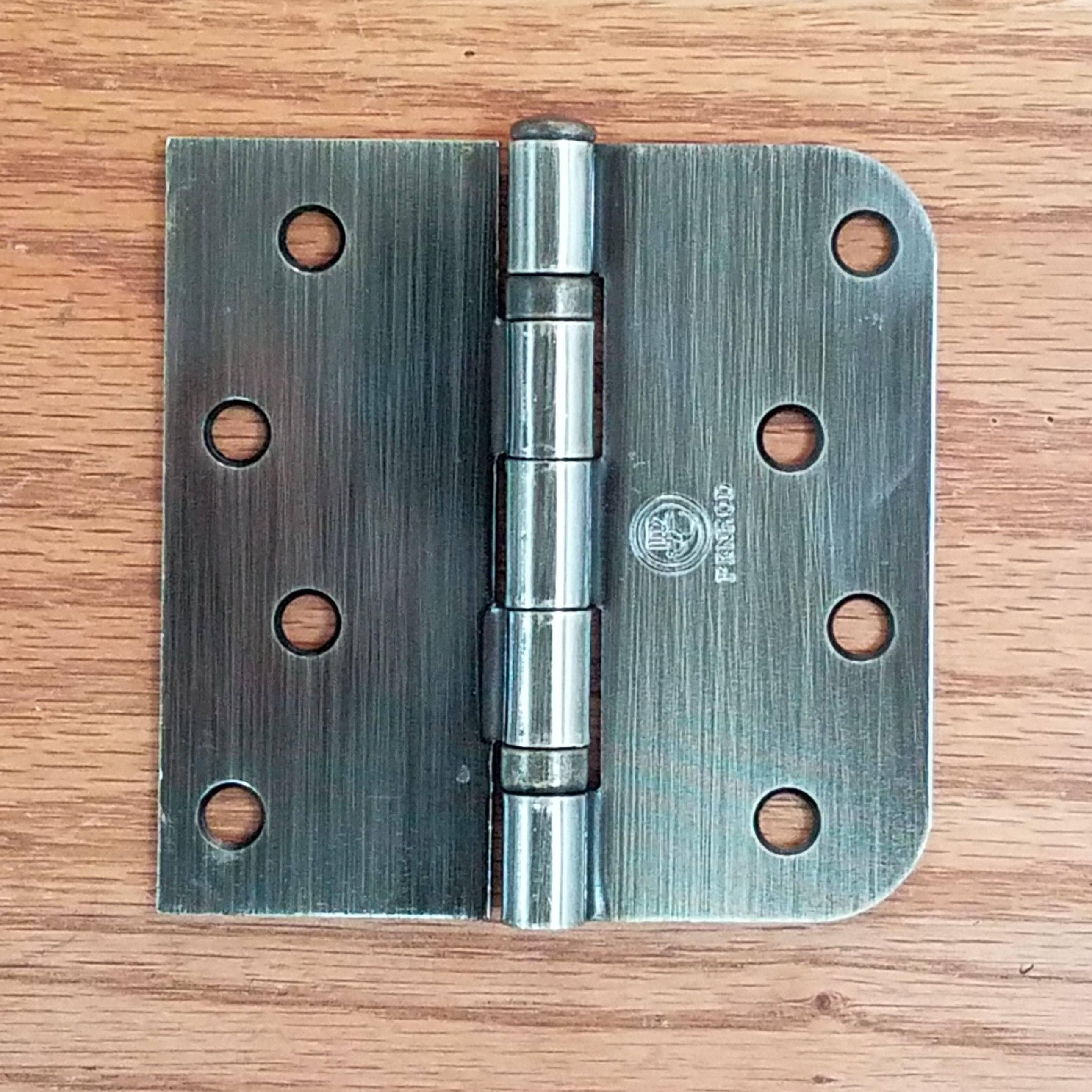
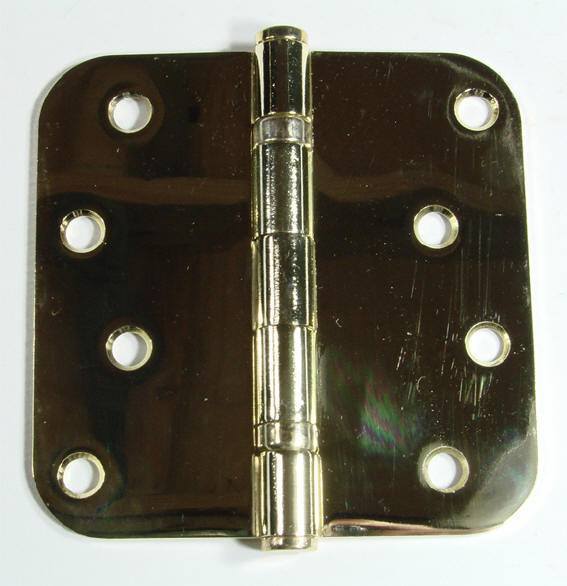
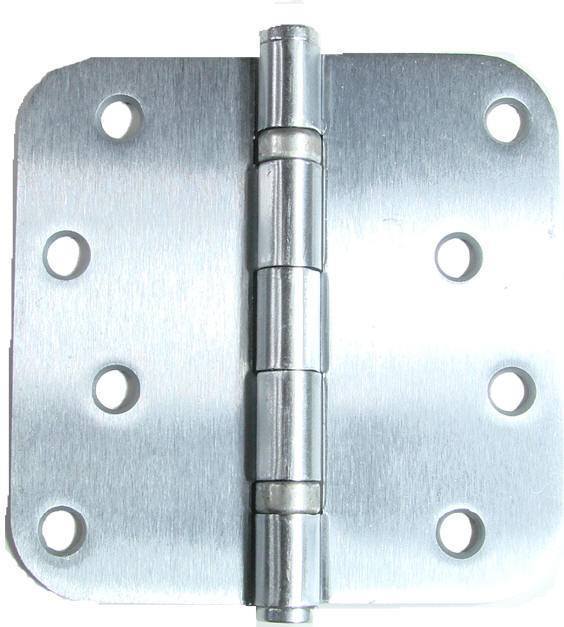
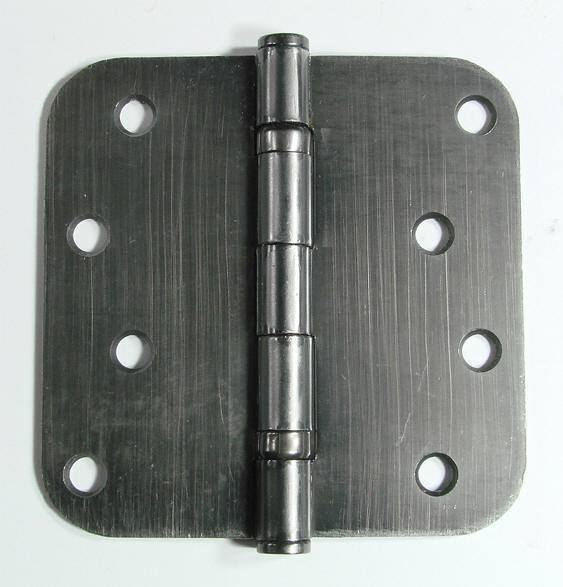
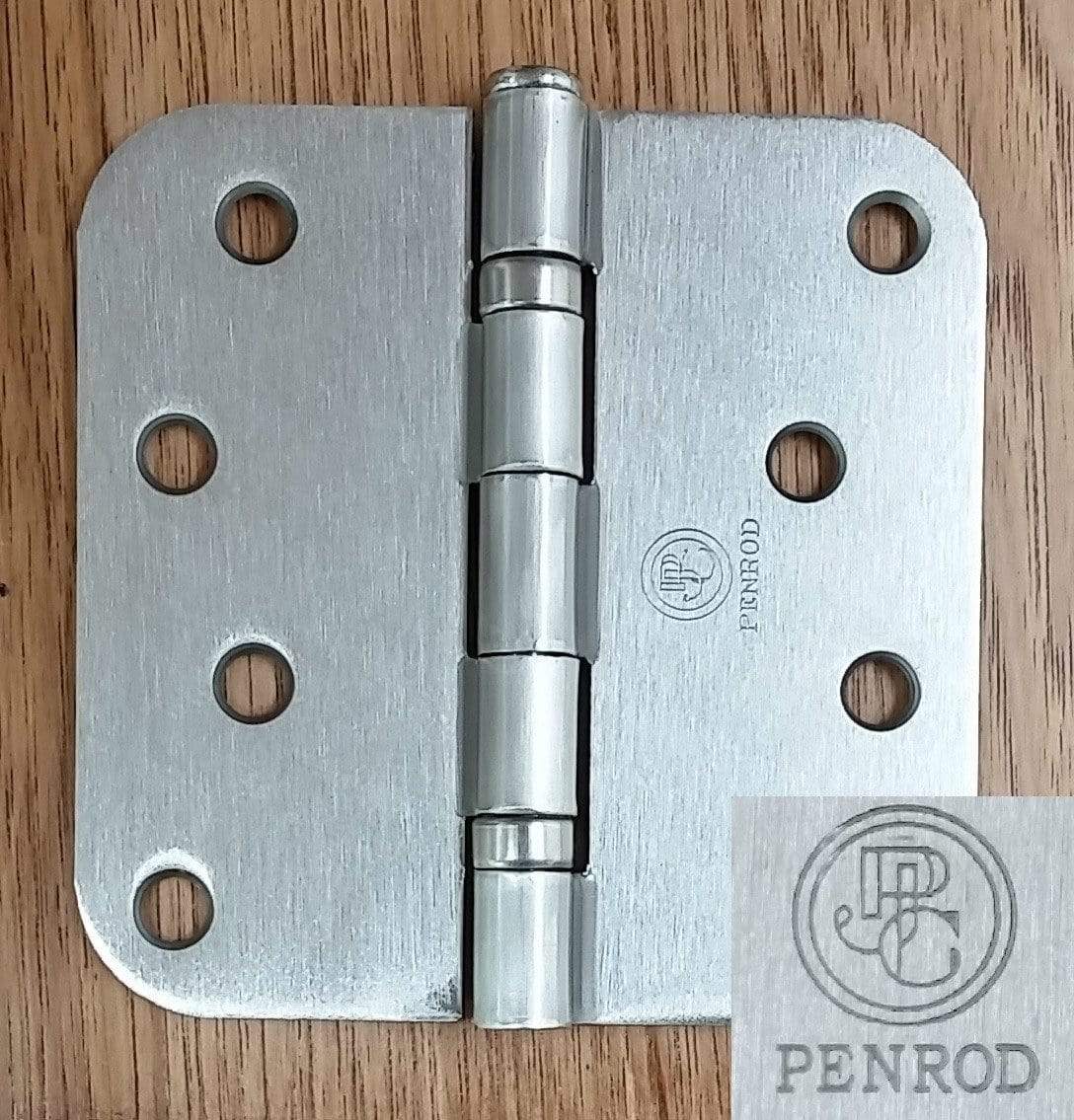
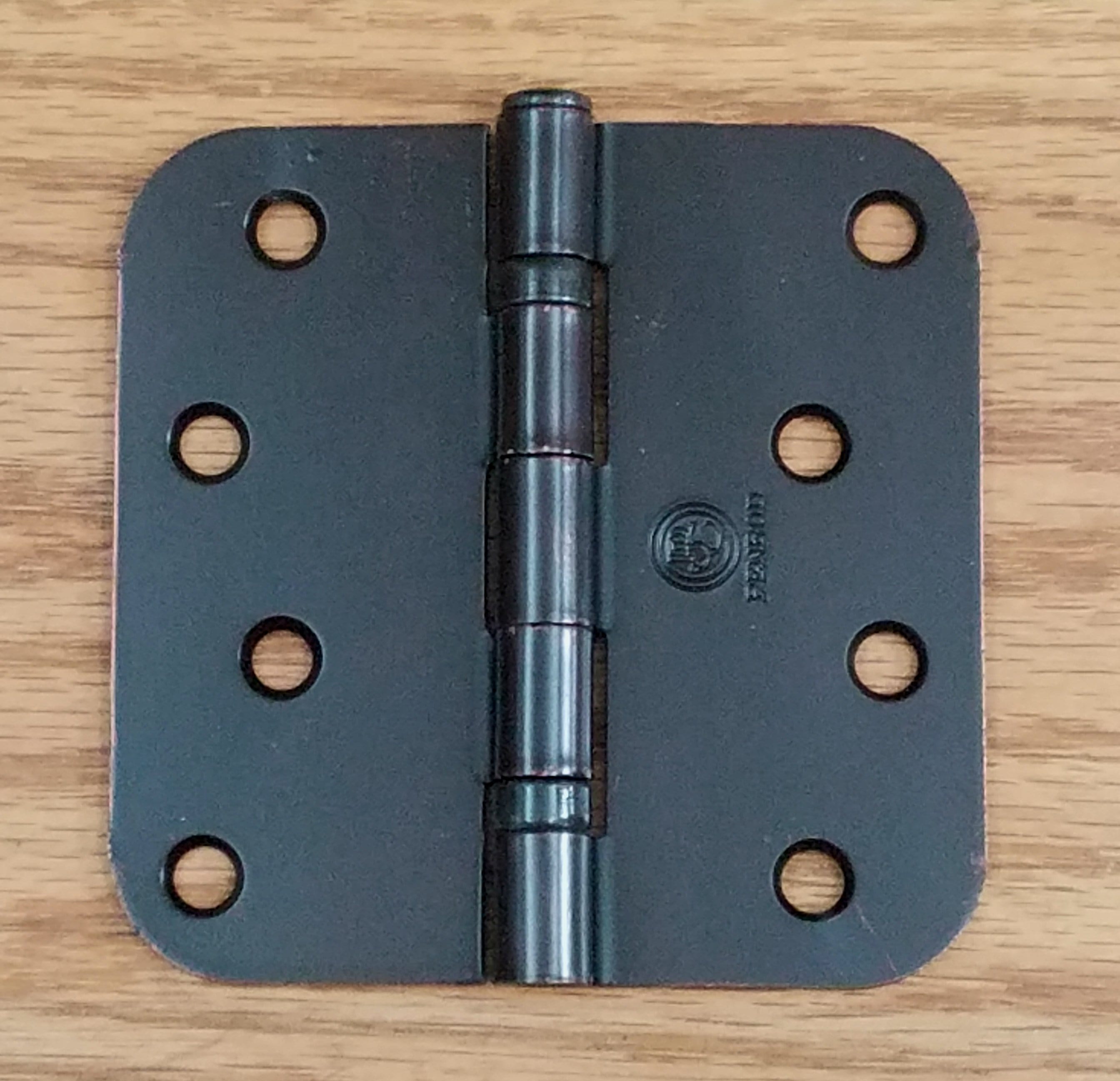
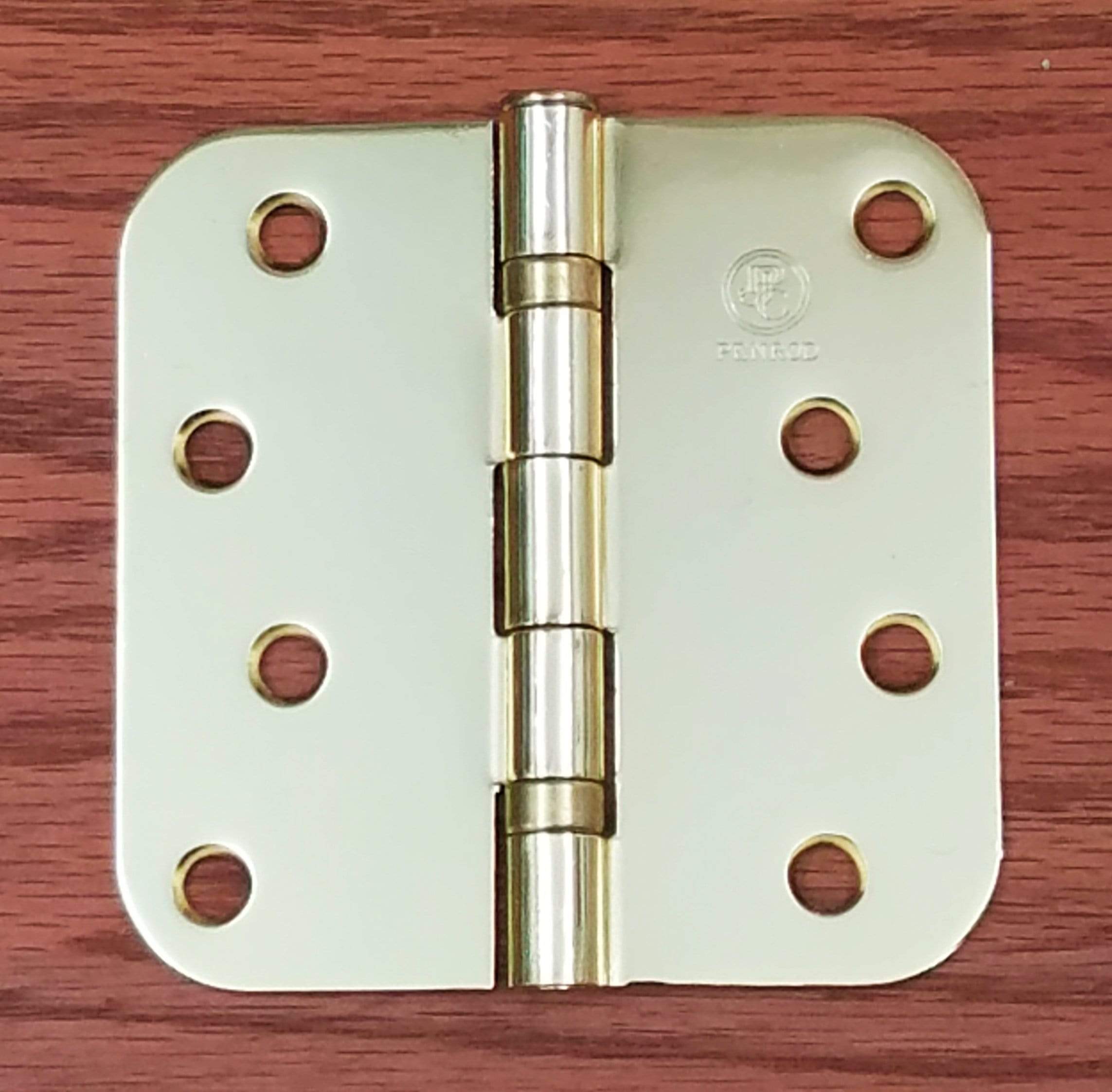
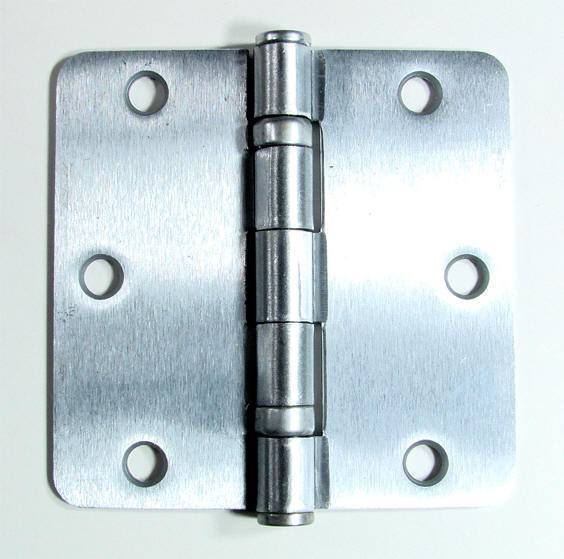
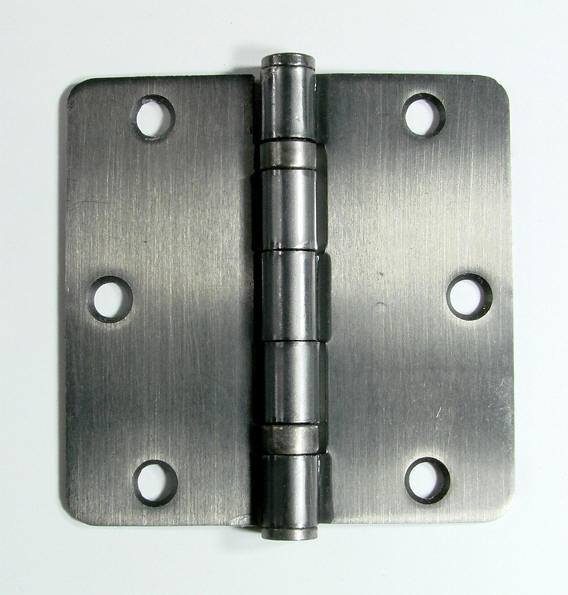
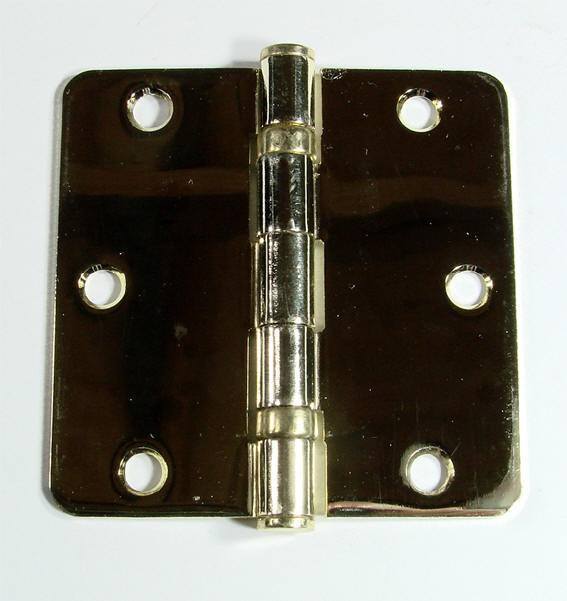
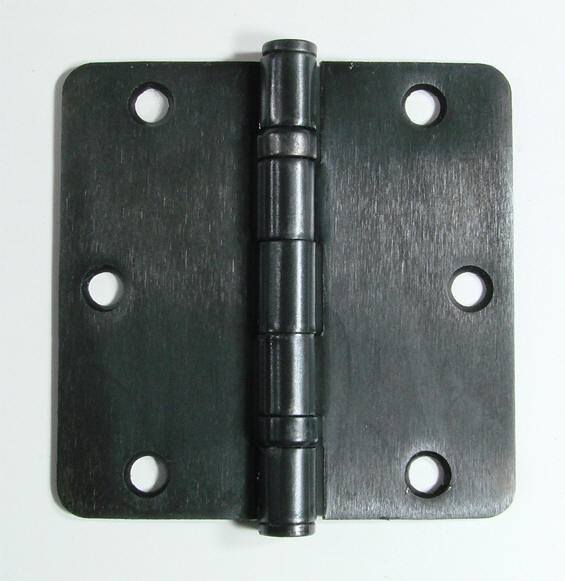
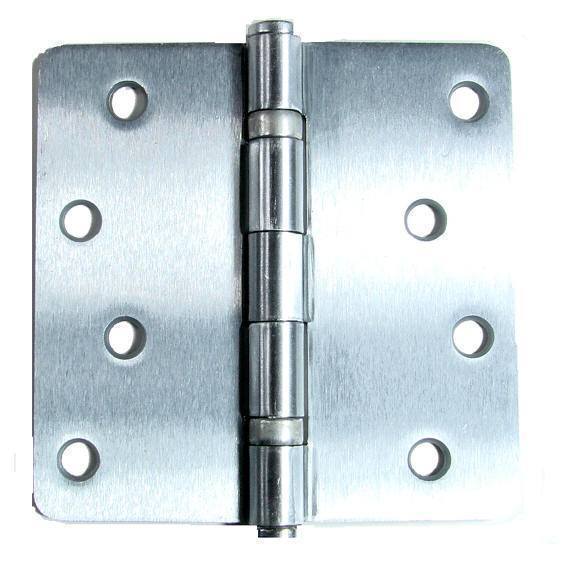
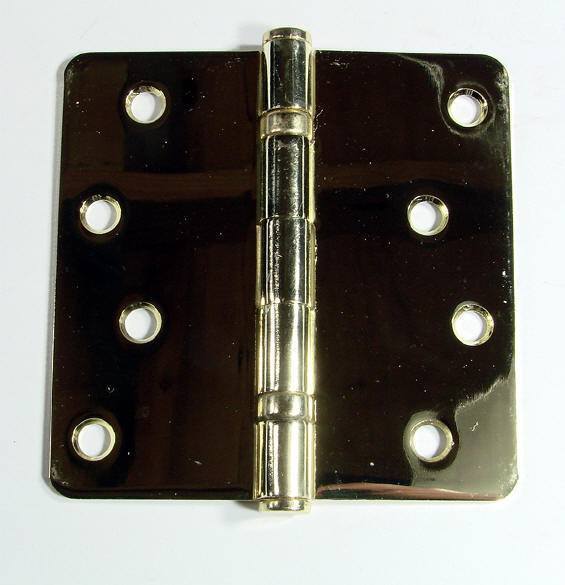
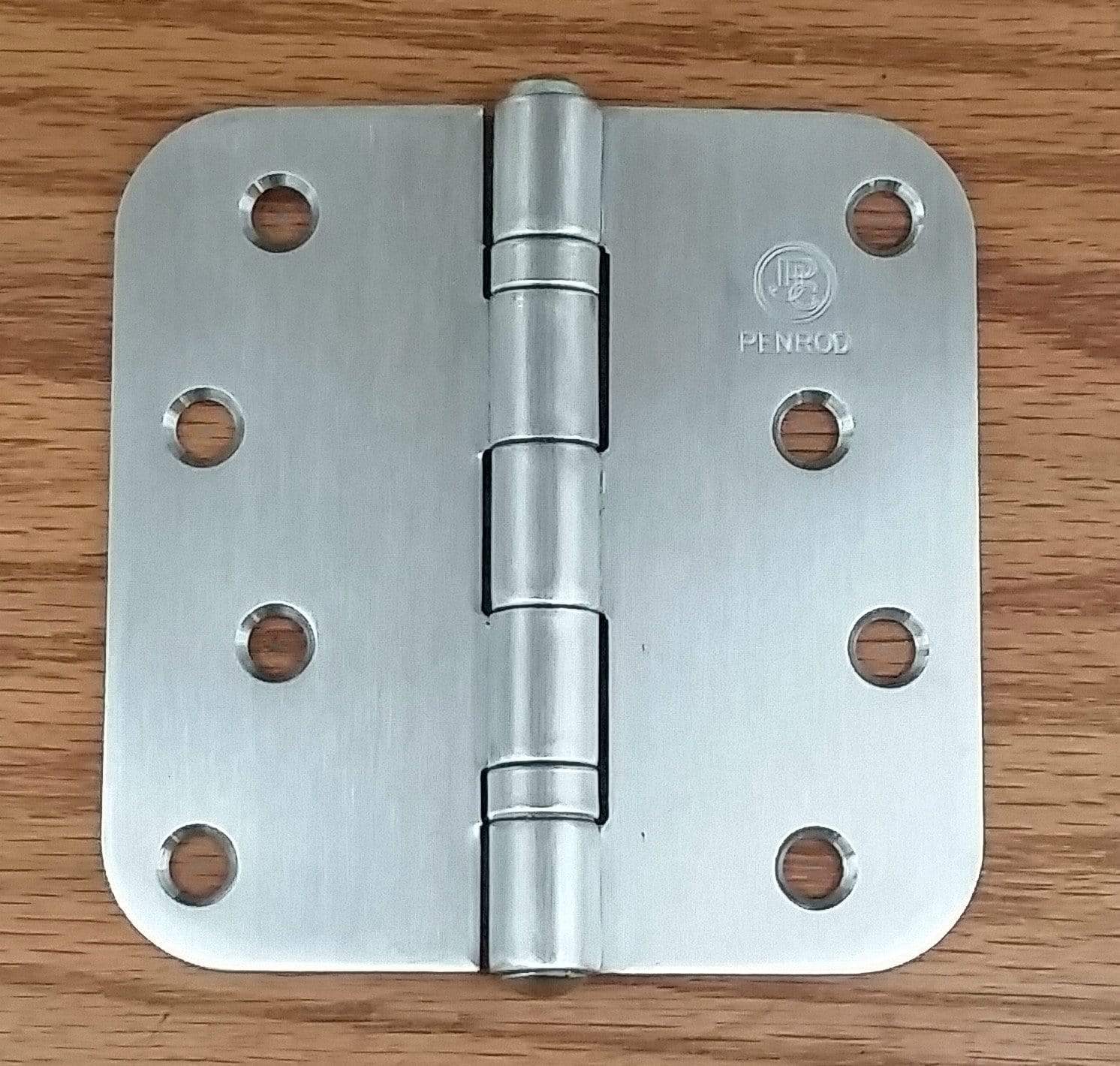
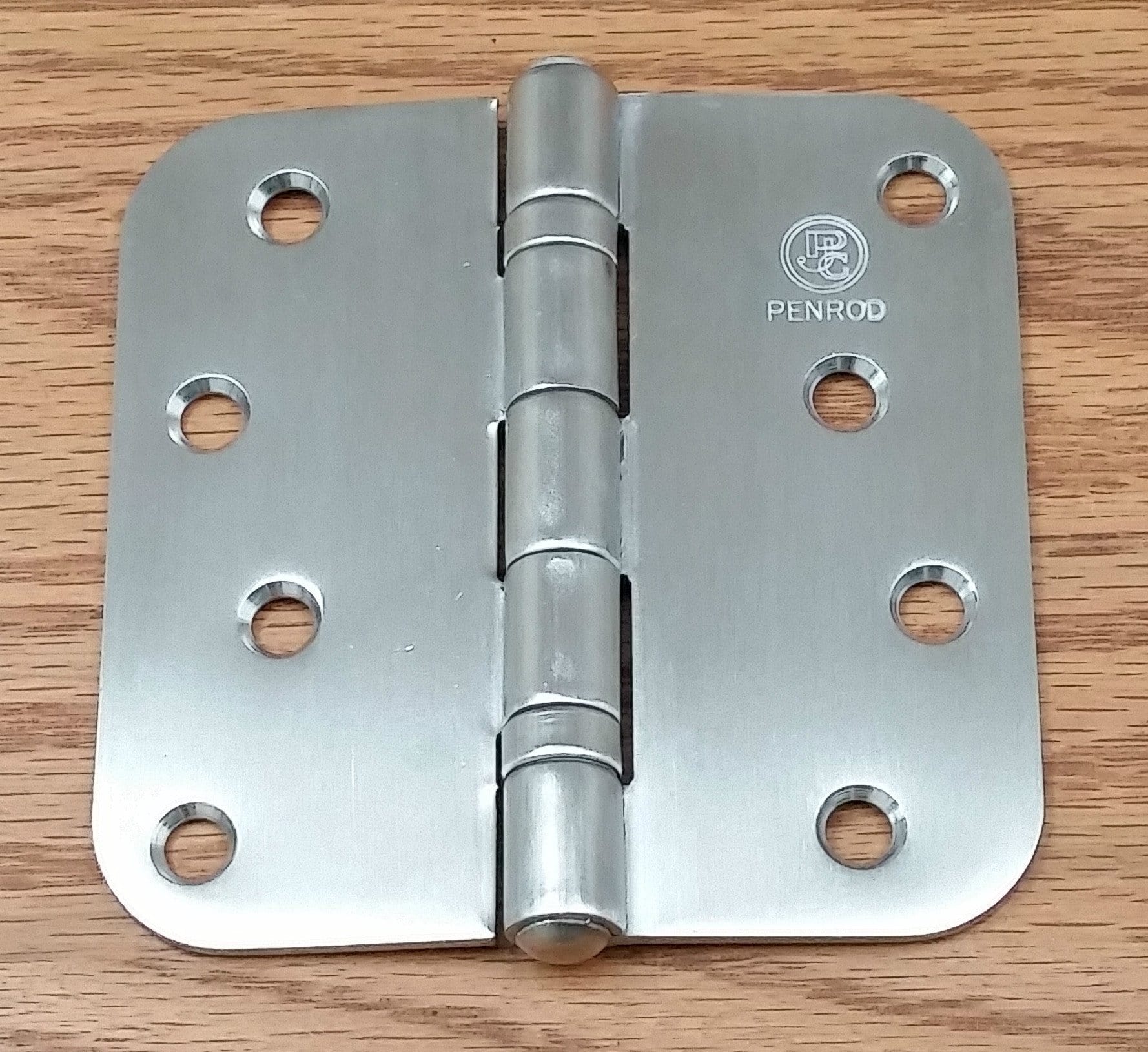
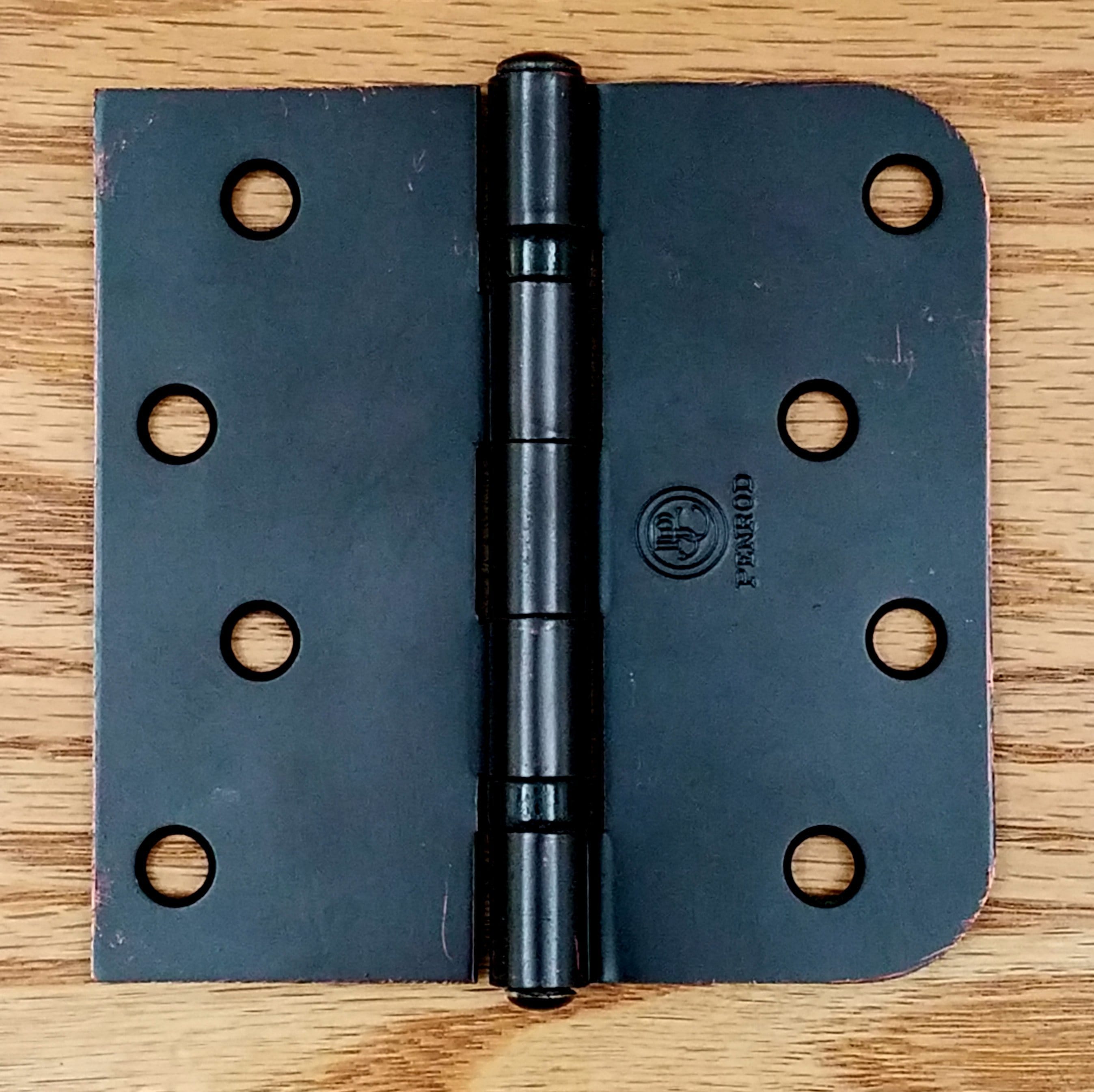
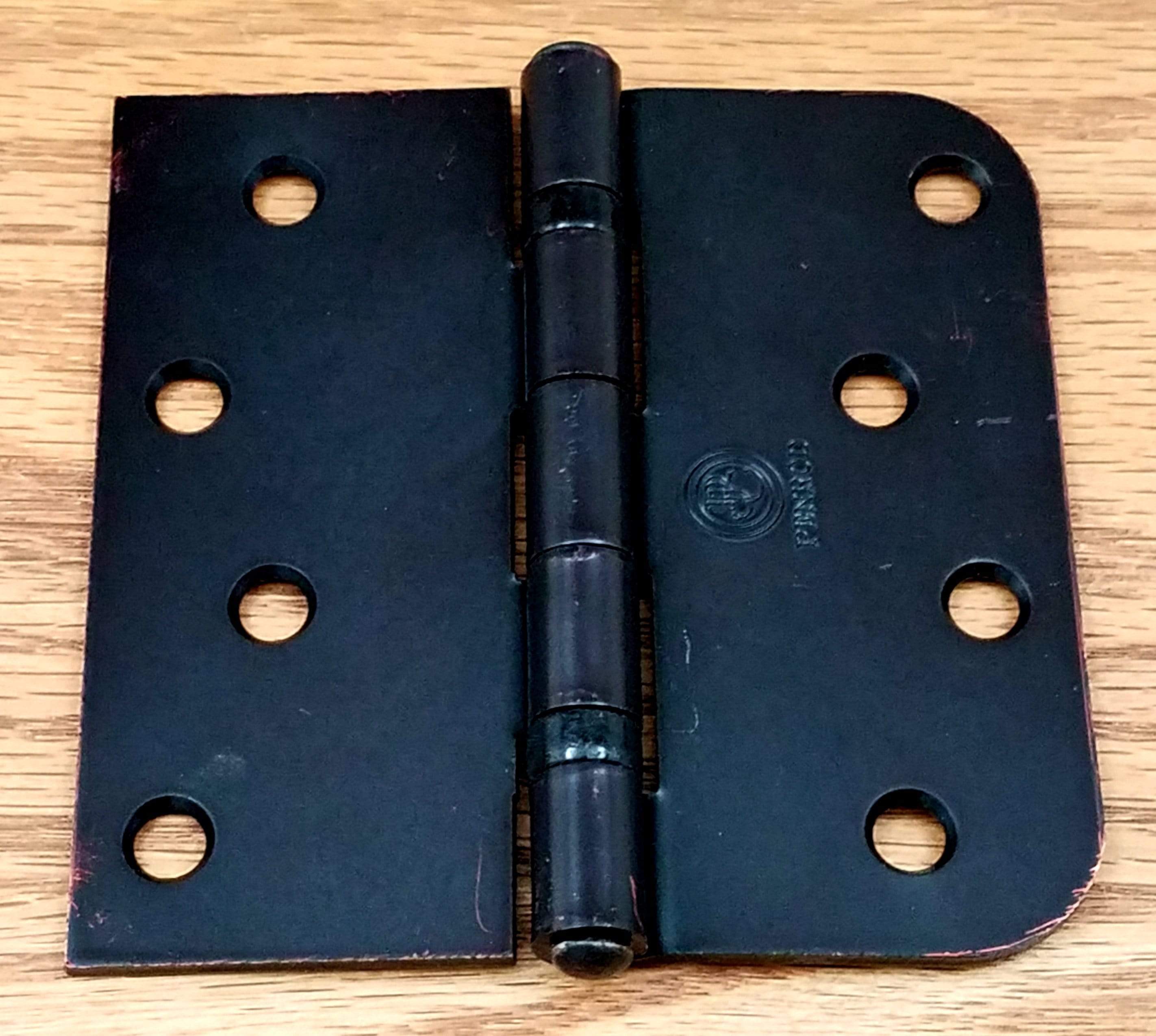
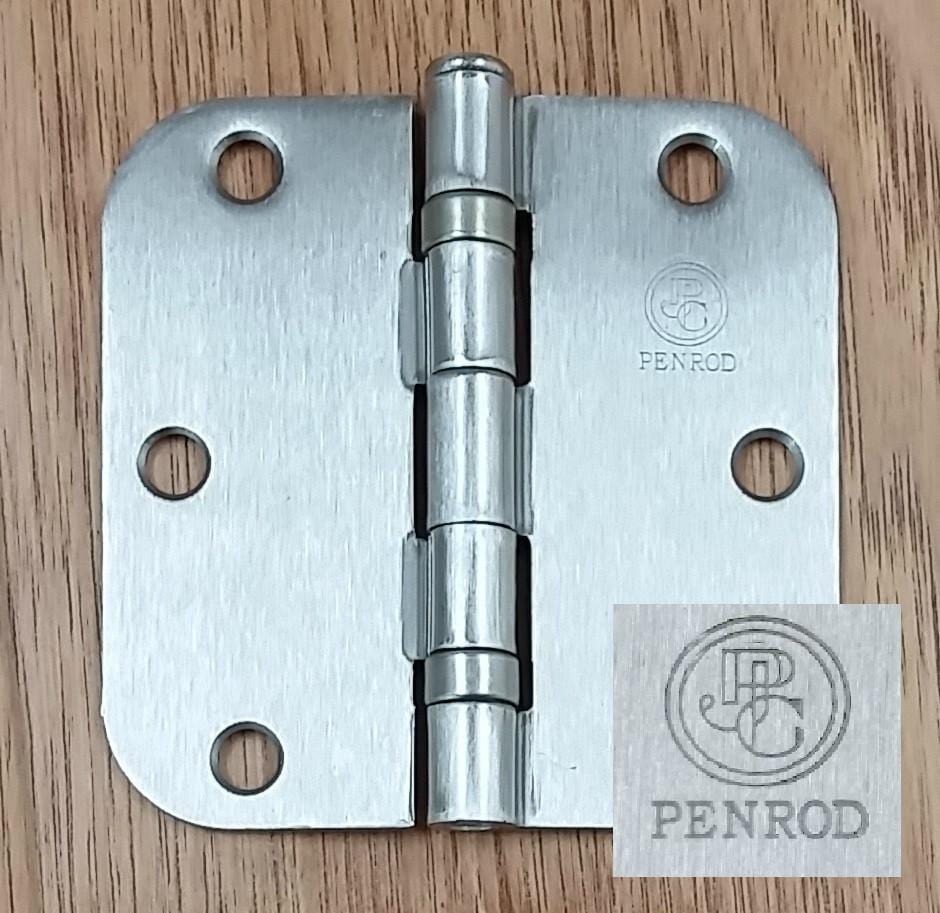
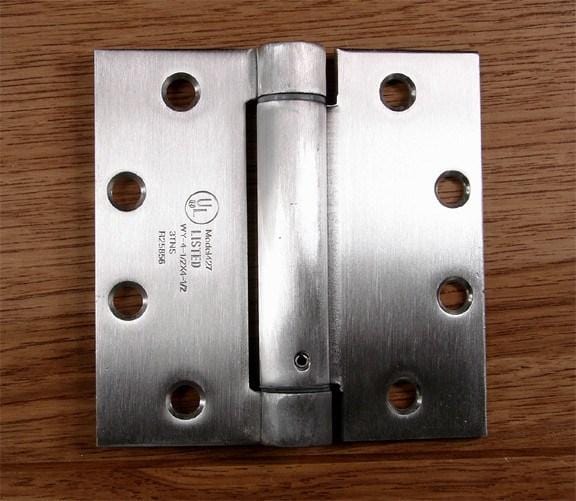
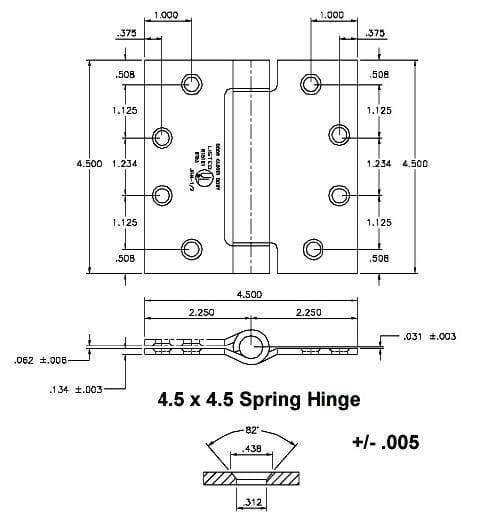
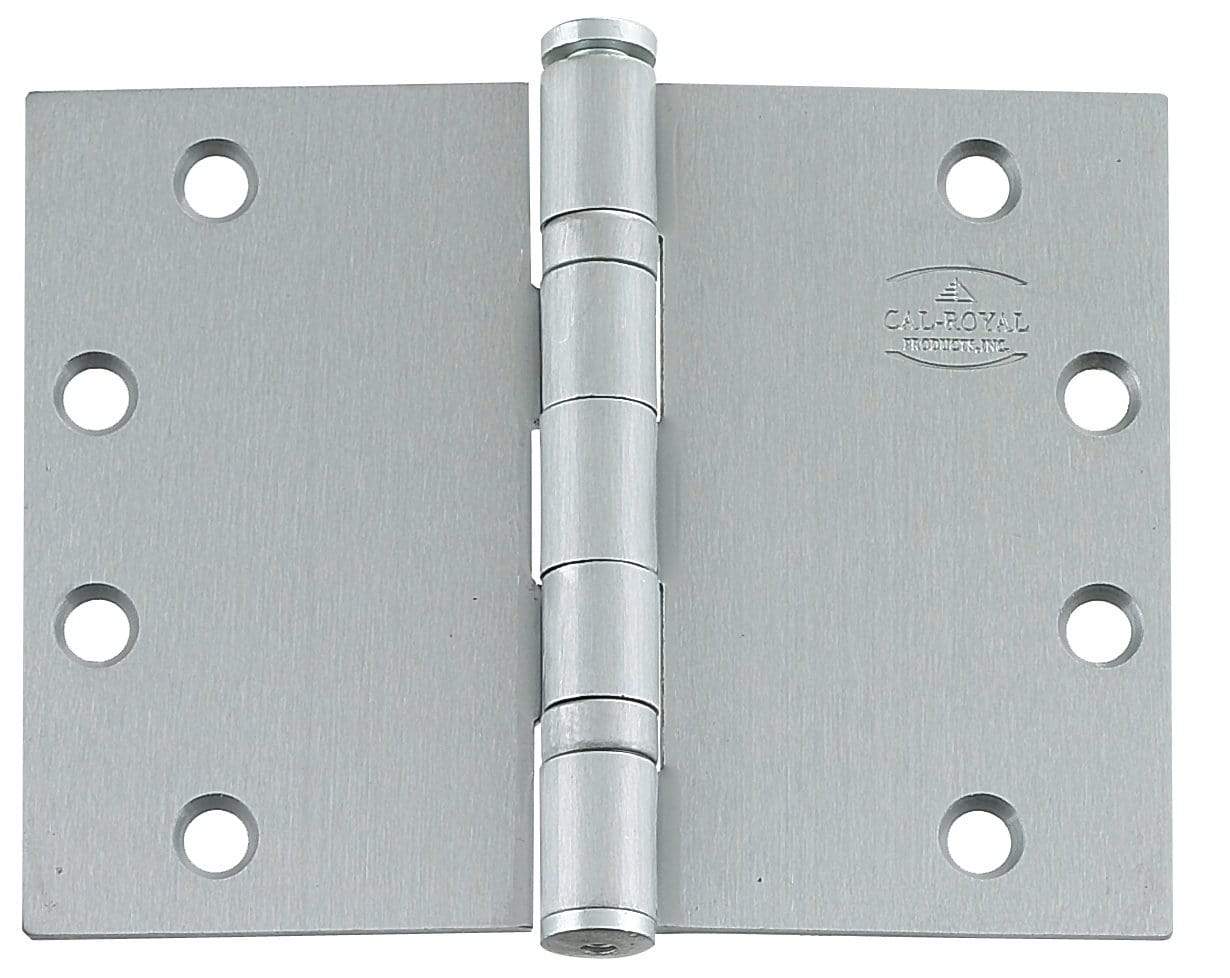
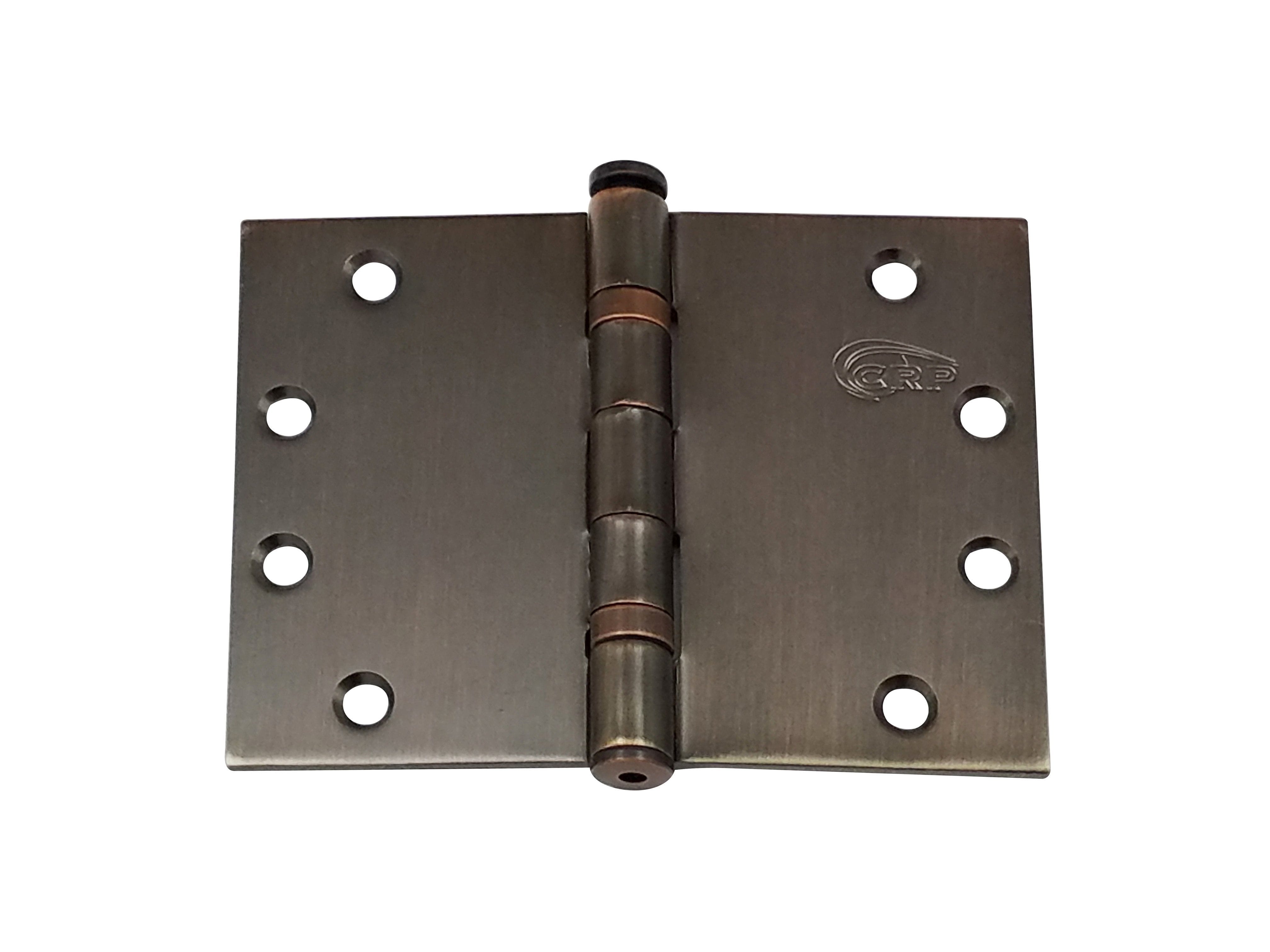
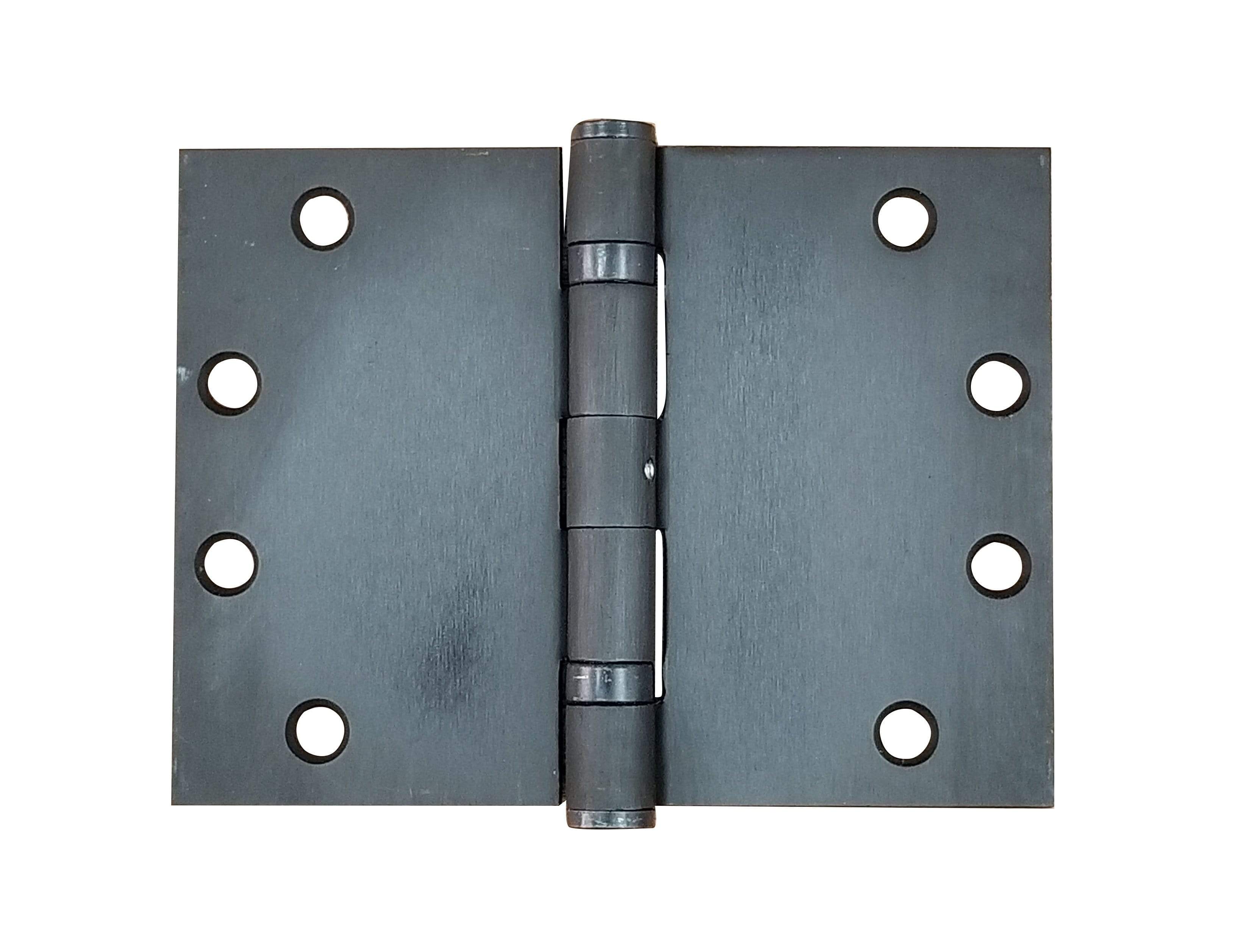
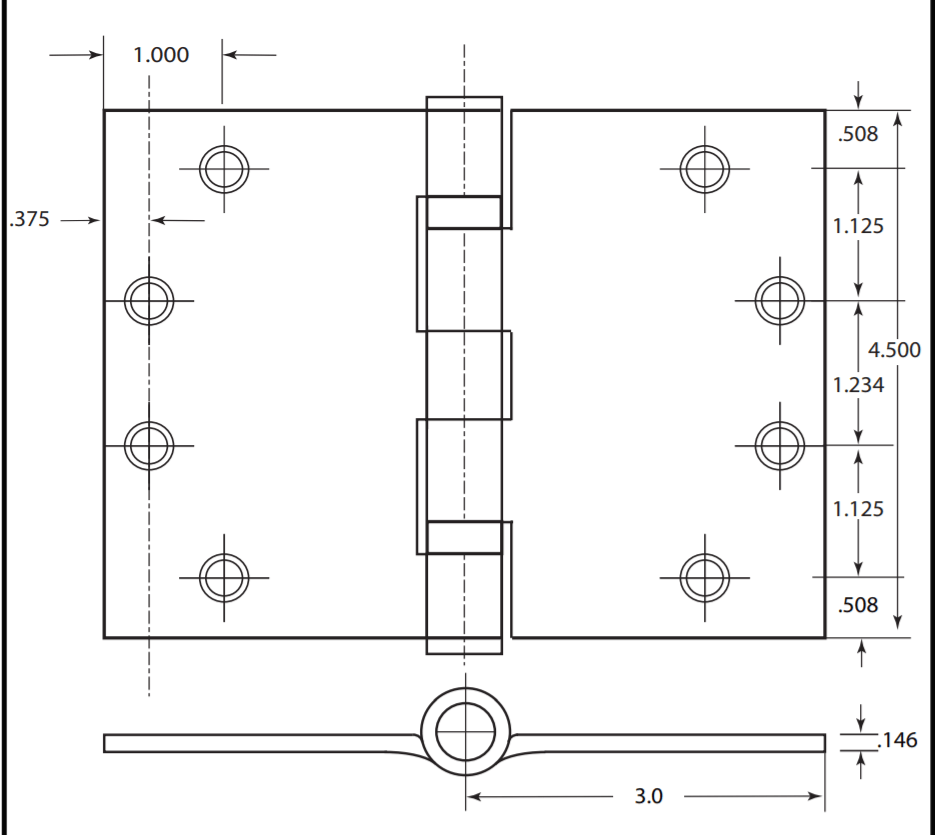
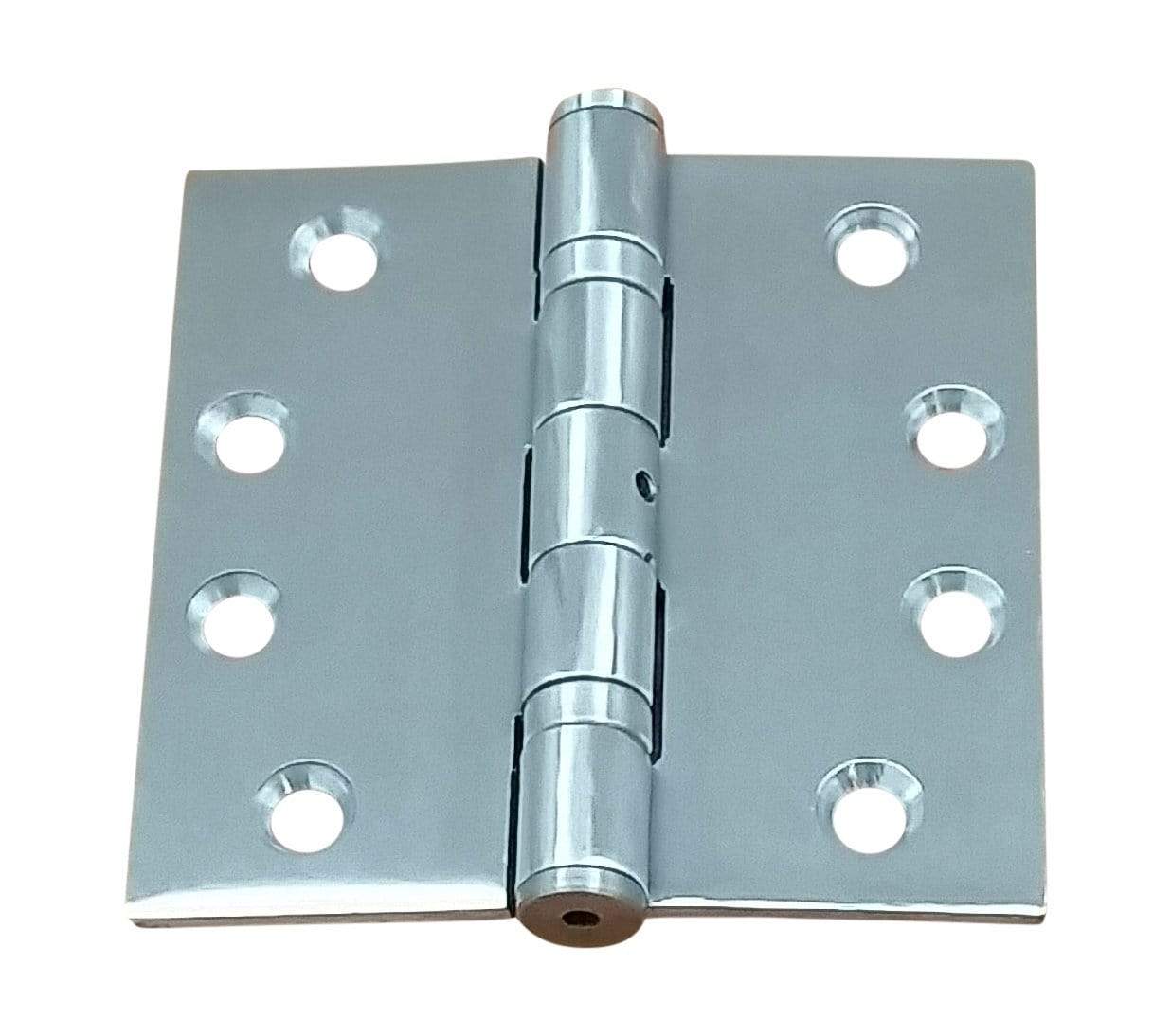
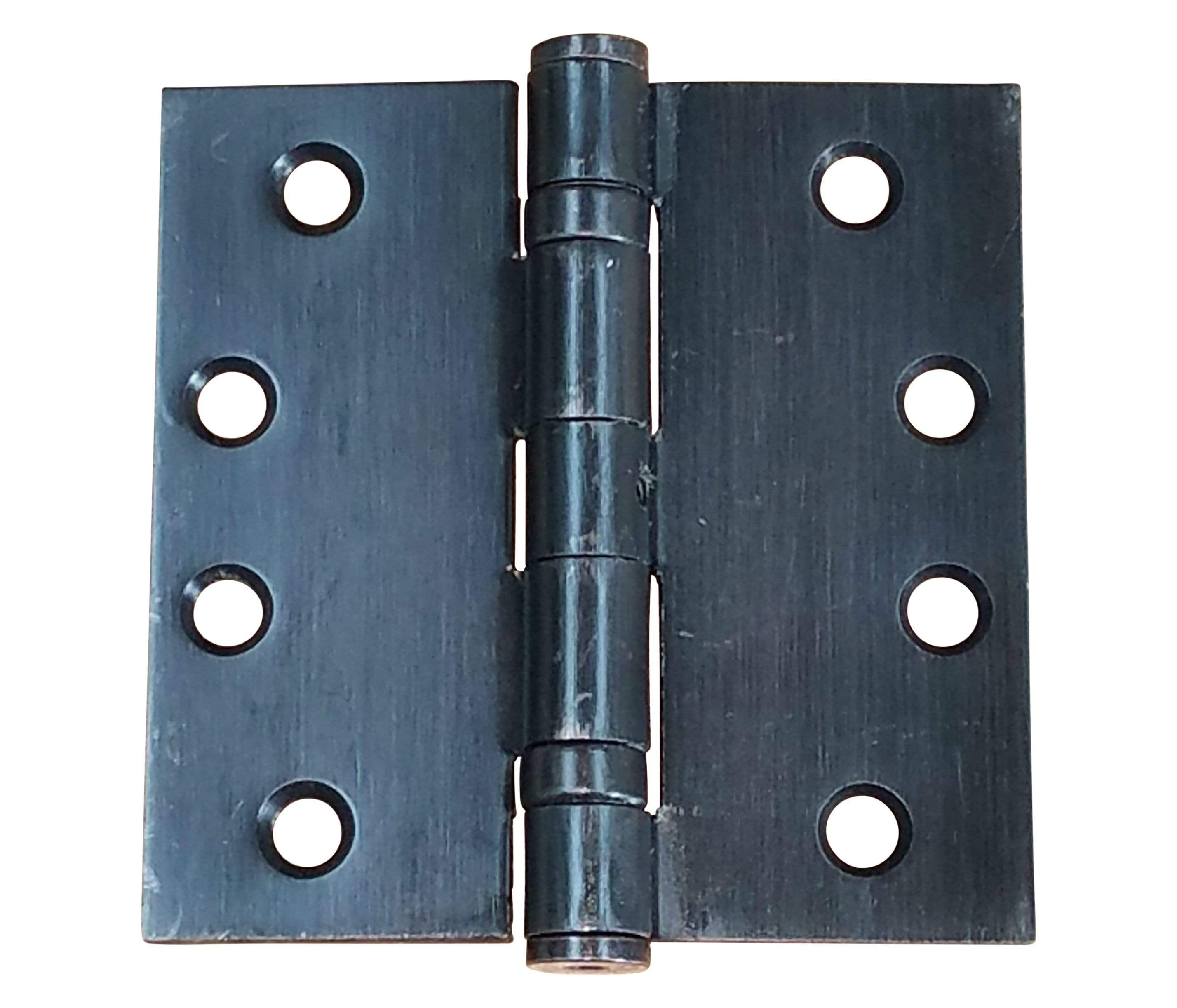
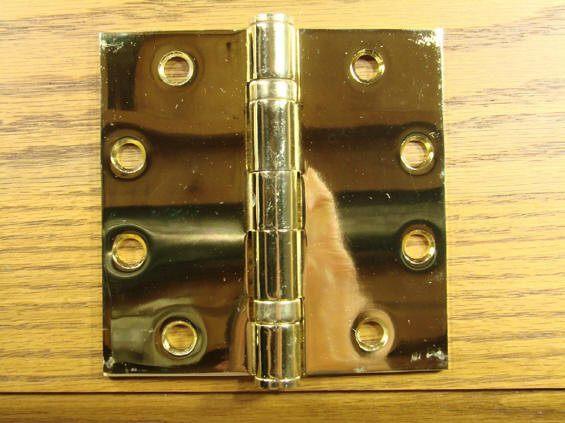
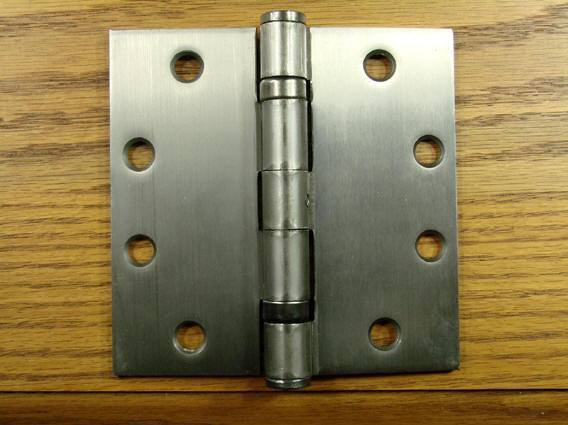
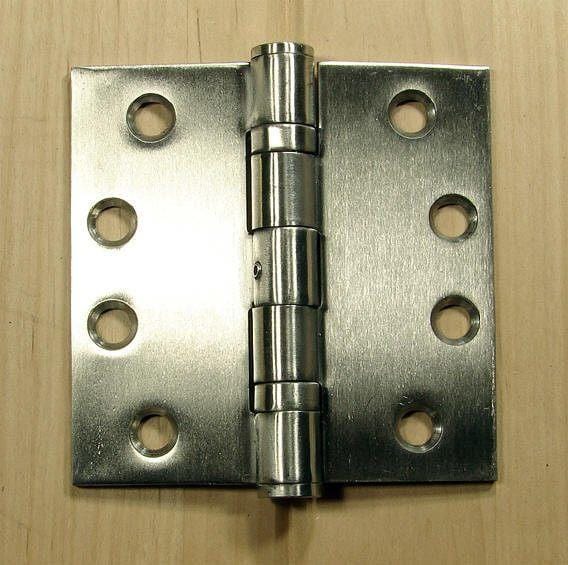
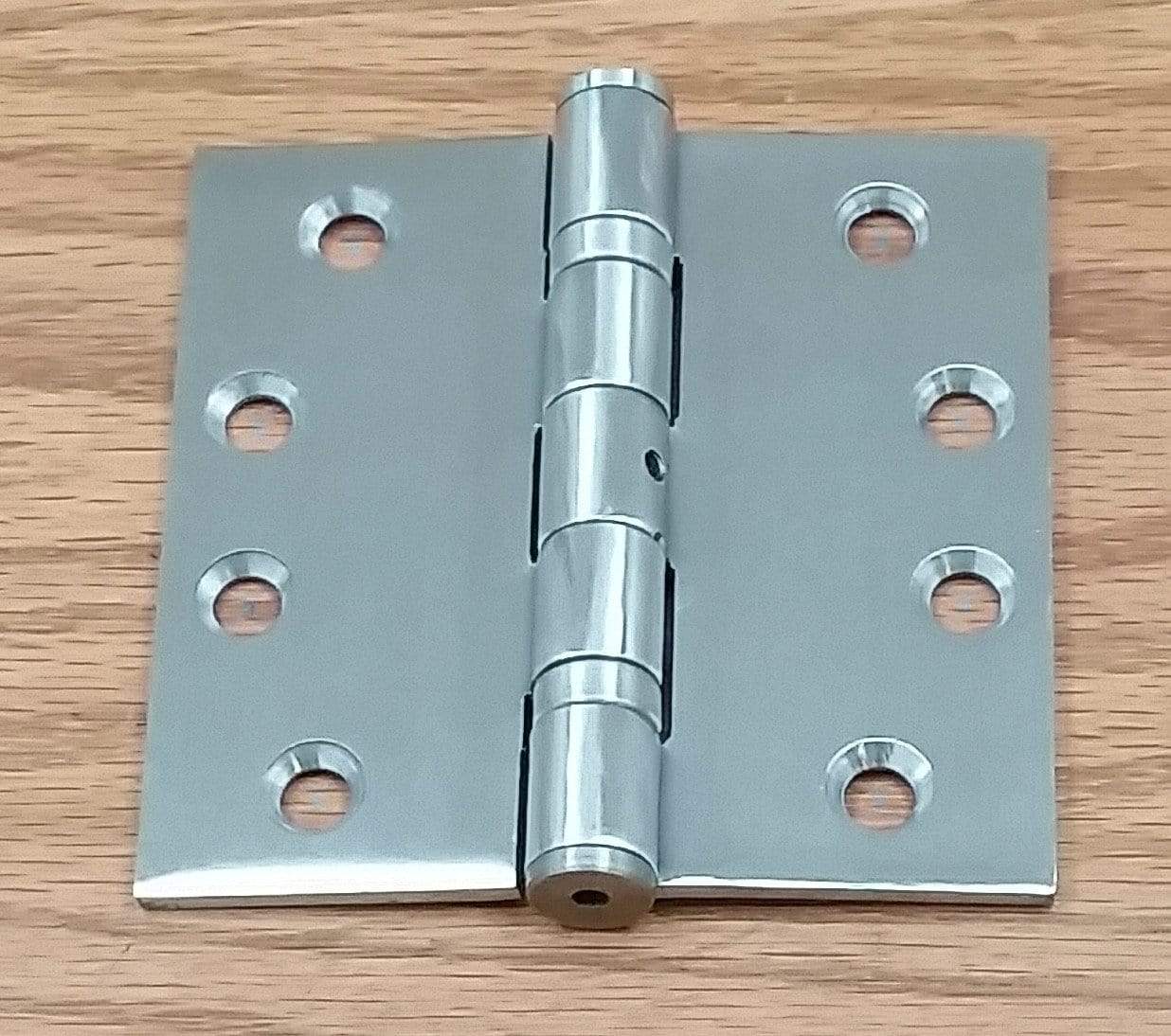
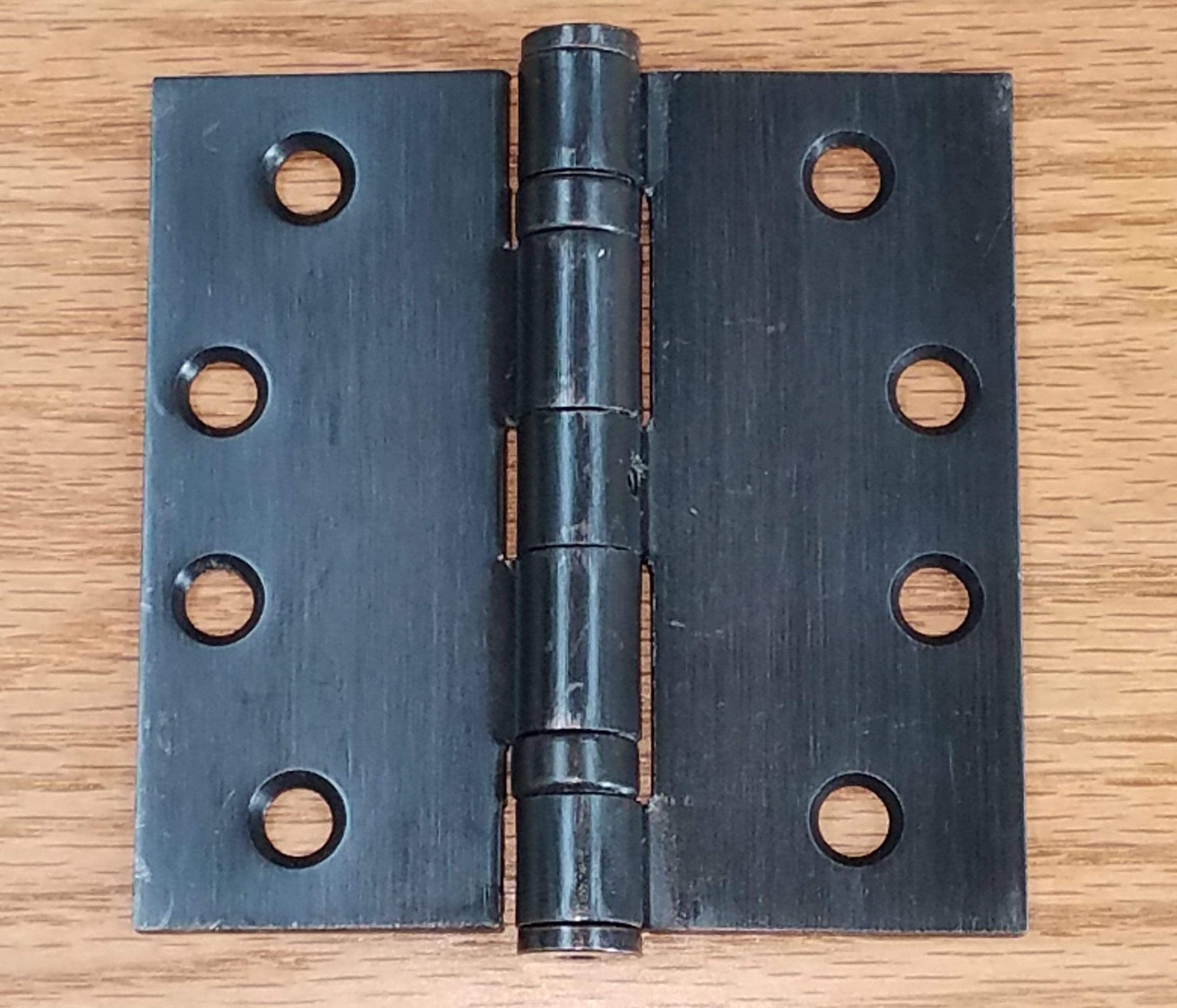
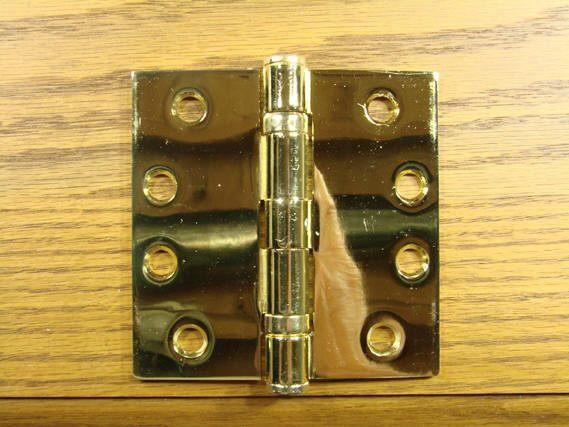
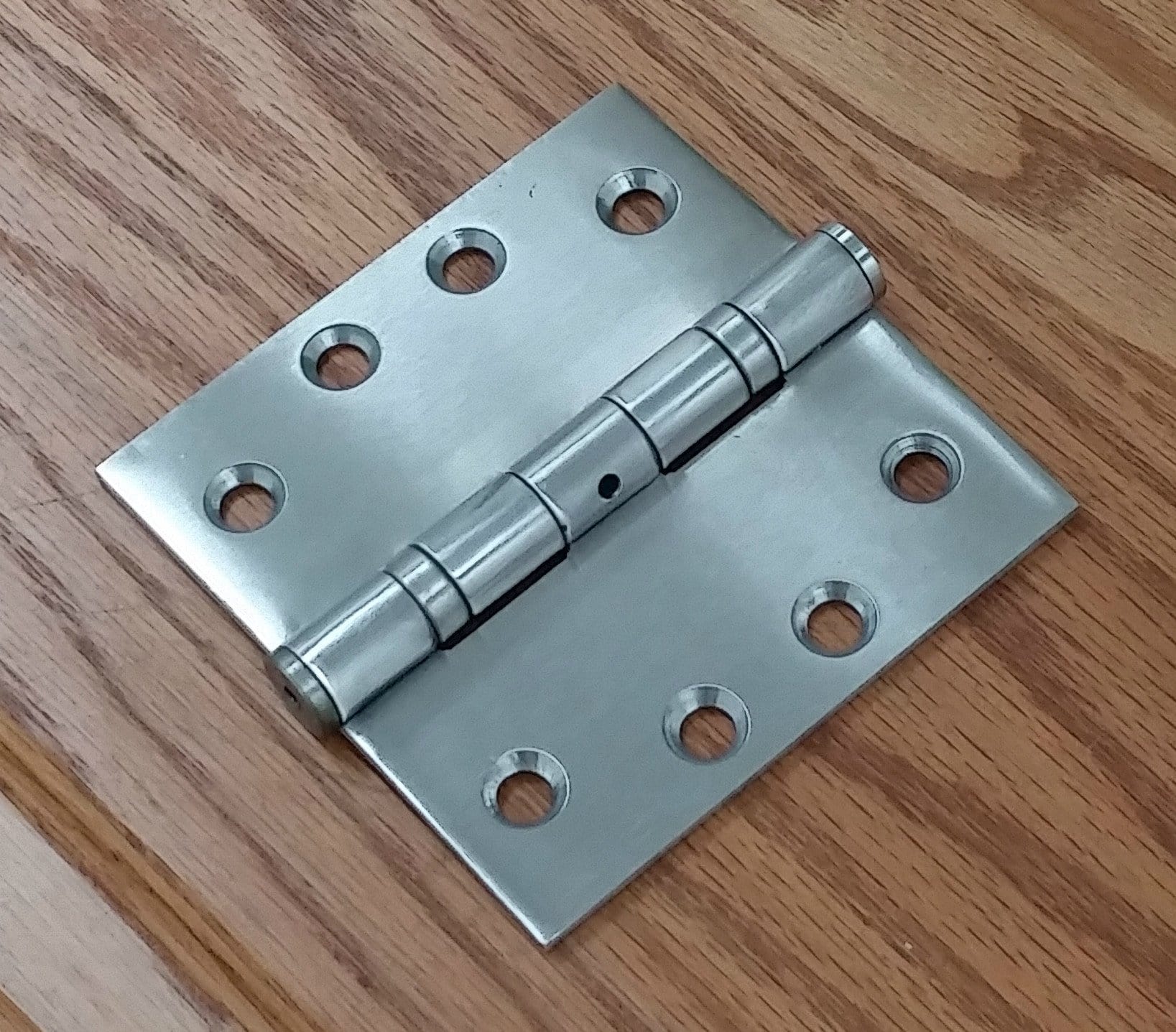
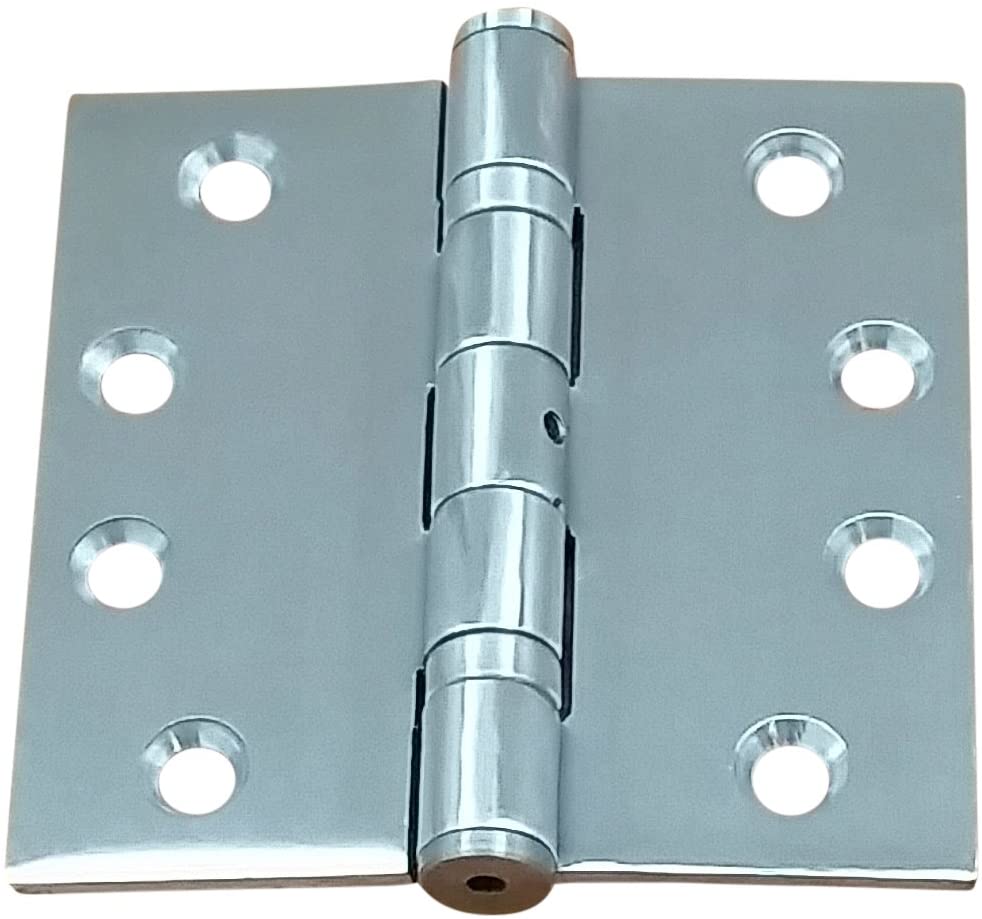
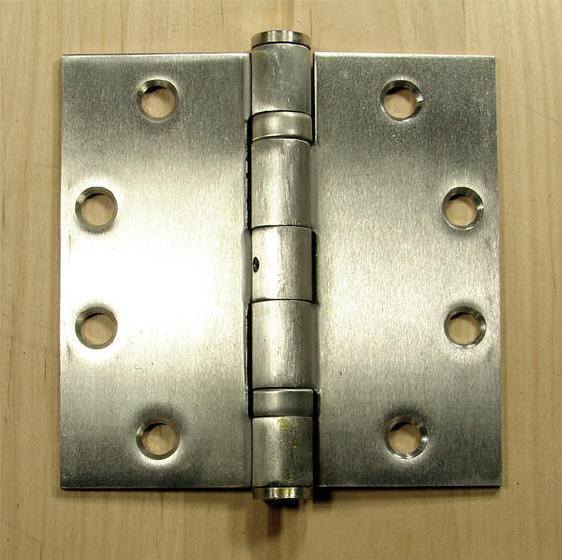
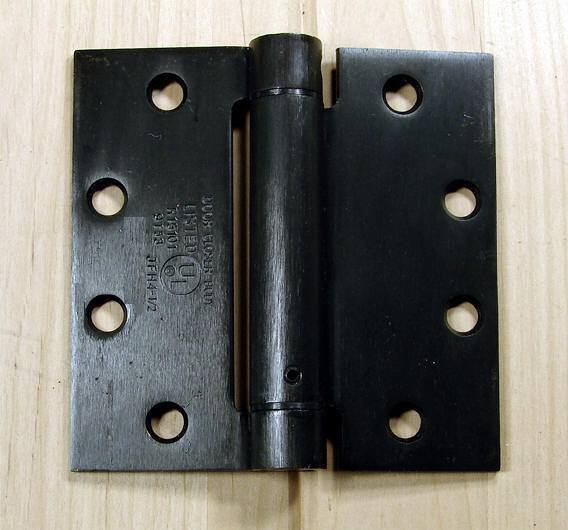
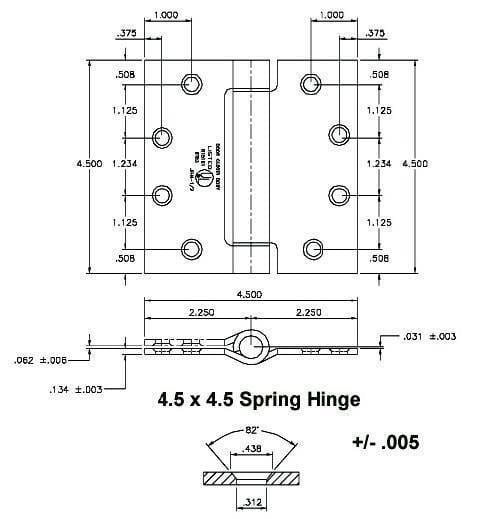
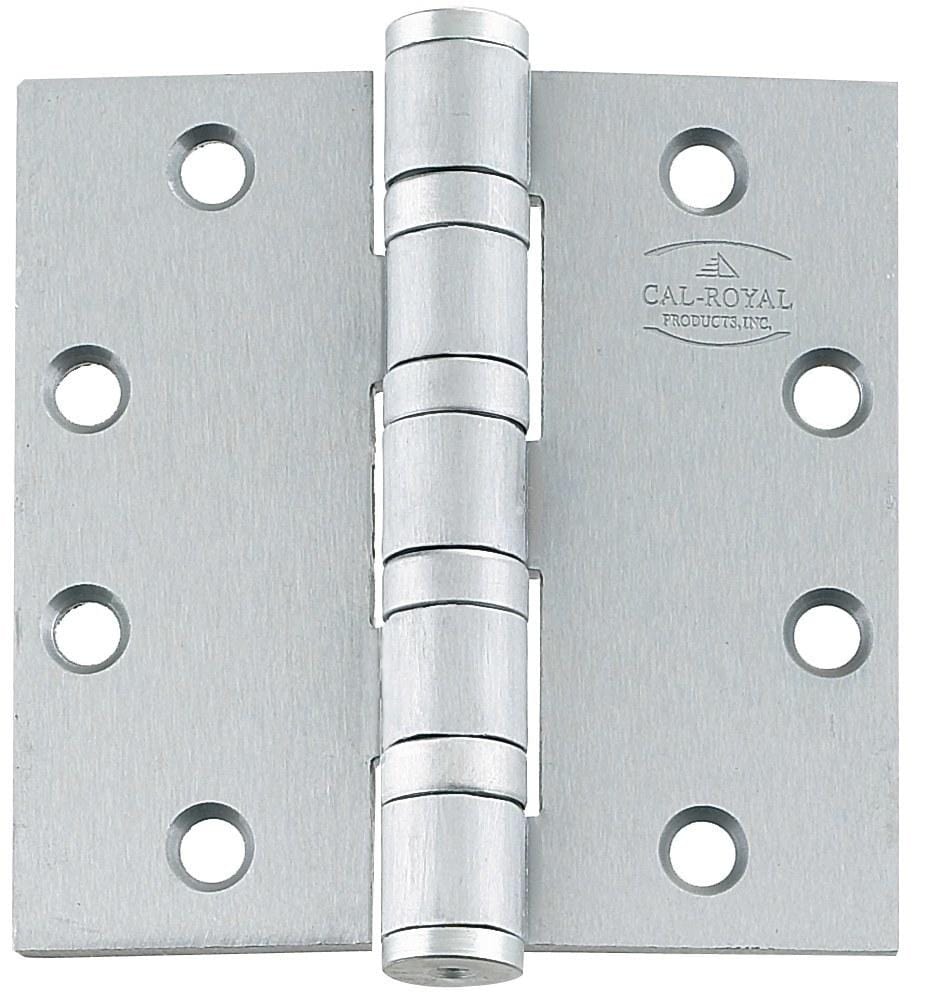
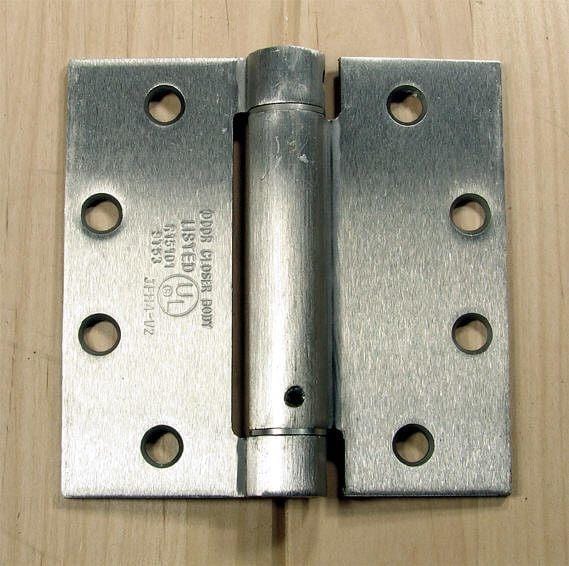
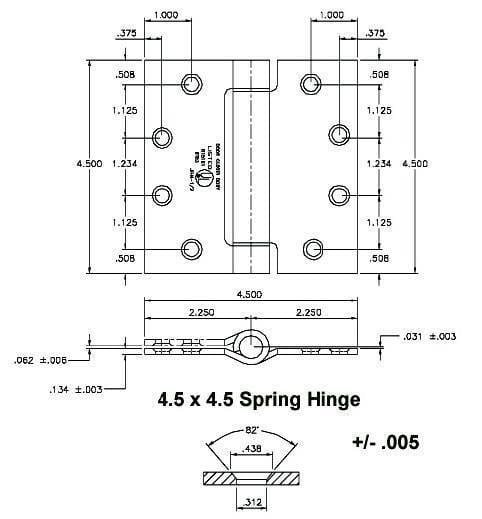
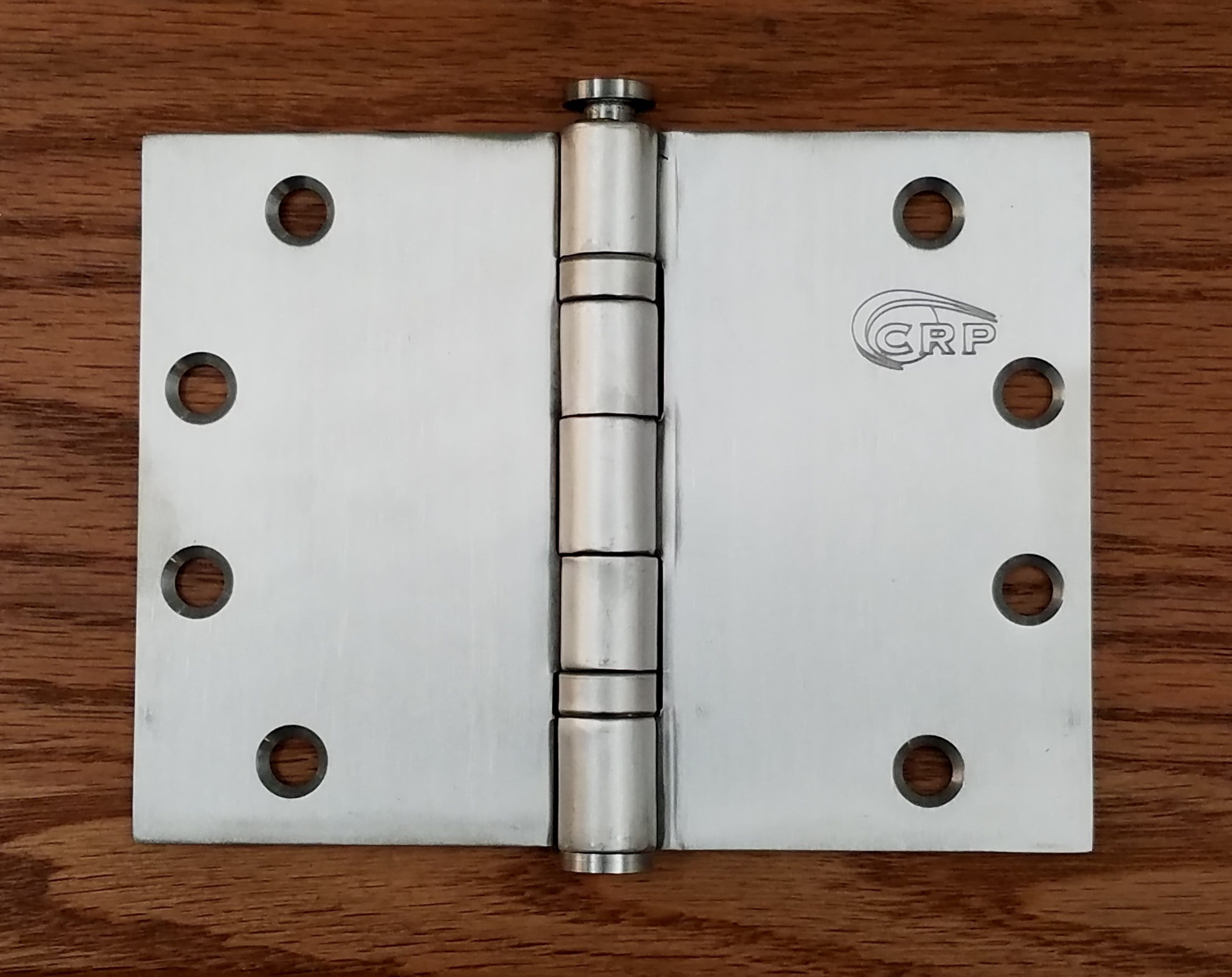
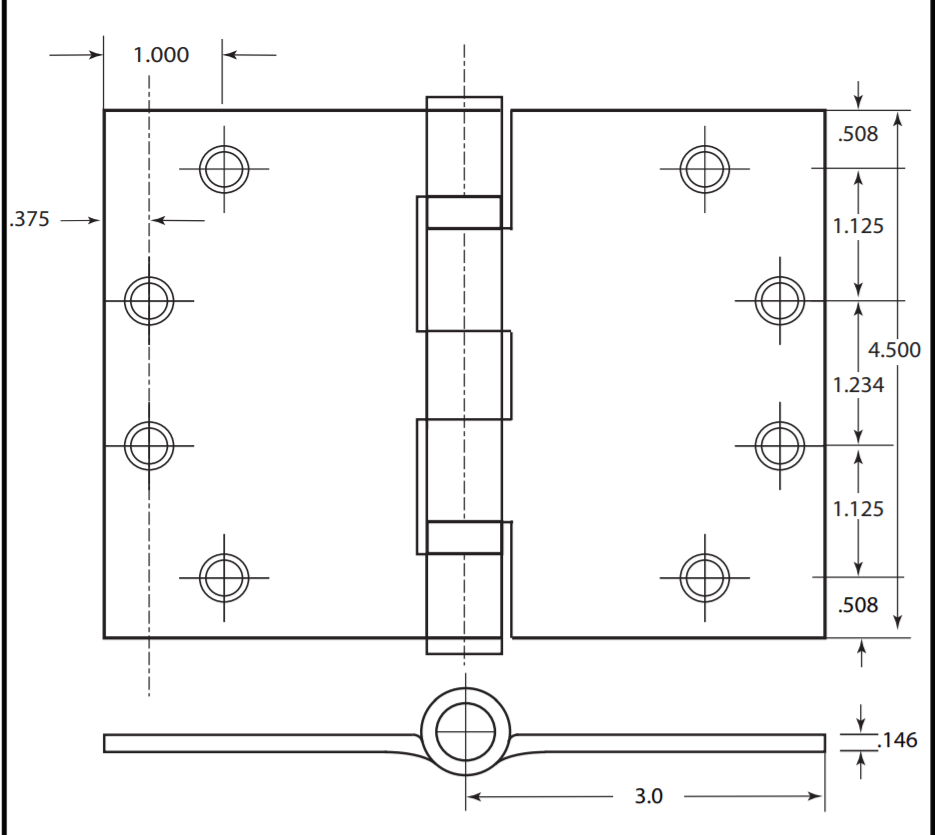
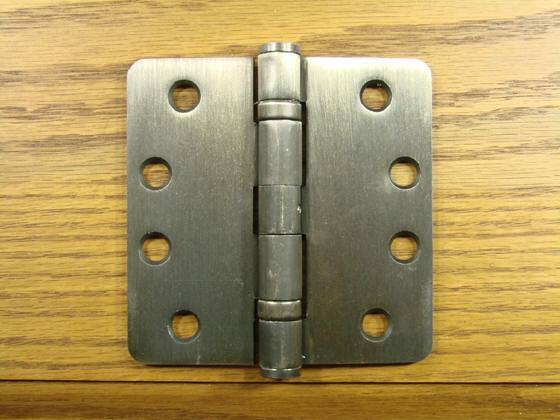
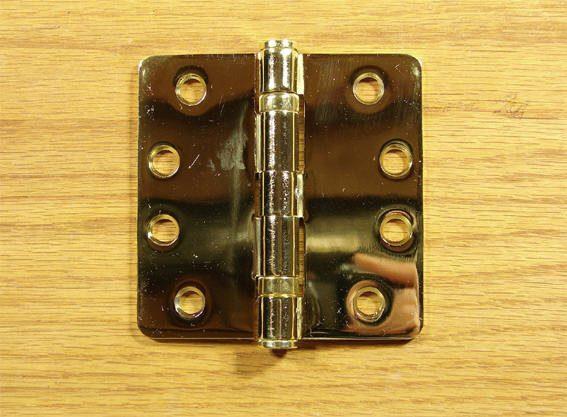
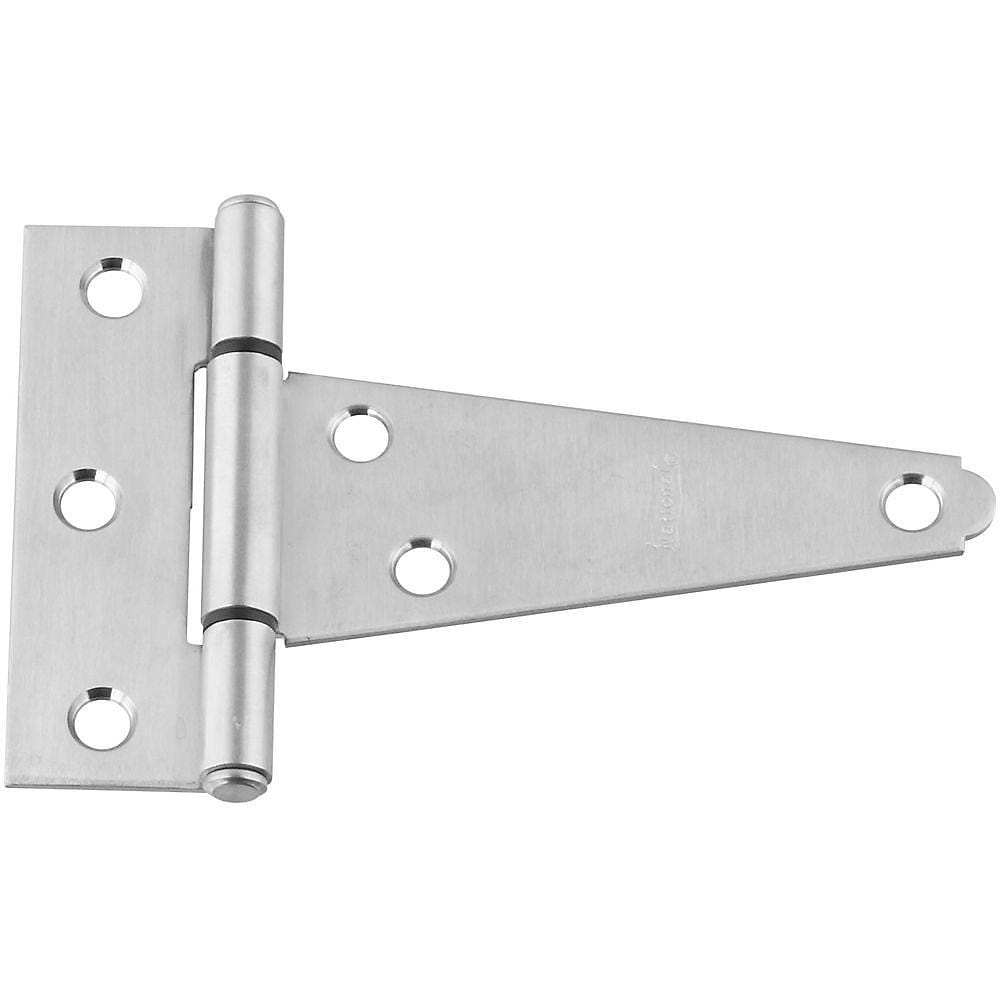
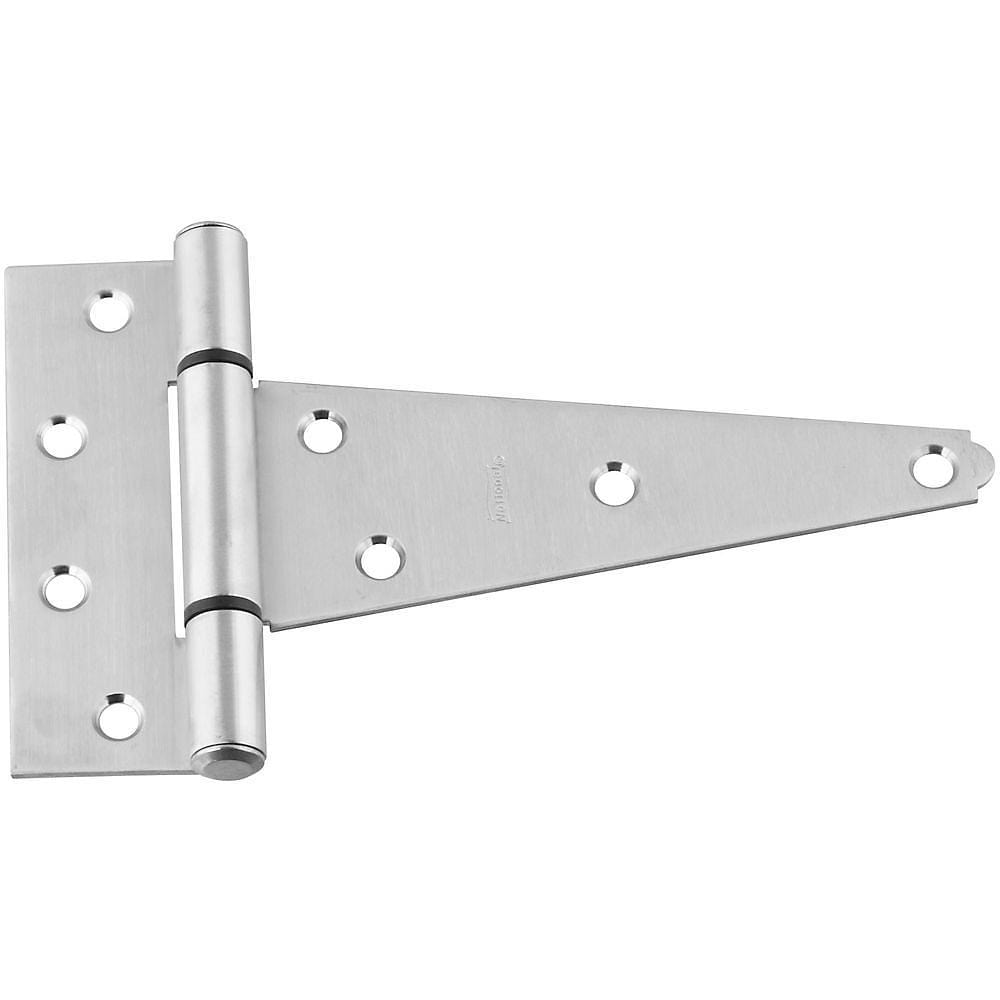
Door and Gate Hardware: Machine screws are frequently used to secure hinges, locks, and other hardware to metal doors, frames, and gates. Many commercial hinges are designed for installation with machine screws for the most secure fit.
-
Electronics and Appliances: The precision and range of sizes make these types of screws well-suited for assembling electronics, circuit boards, and home appliances.
-
Engines and Machinery: Machine screws are specifically designed to withstand the vibrations that come with motorized equipment, making them a staple in automotive, industrial, and manufacturing projects.
-
Furniture and Cabinetry: In metal-to-metal or metal-to-plastic furniture assembly, machine screws provide a stronger, more long-lasting connection than self-tapping alternatives.
-
HVAC and Building Systems: Panels, brackets, and mechanical components throughout commercial buildings are often fastened with machine screws.
Machine Screw Sizes Explained

Diameter/Gauge
In the imperial system, machine screw diameters are expressed either as a number gauge or as a fractional inch.
Number gauge examples:
-
#4
-
#6
-
#8
-
#10
-
#12
Fractional inch examples:
-
1/4"
-
5/16"
-
3/8"
-
1/2"
-
5/8"
For metric screws, the "M" is followed by the diameter in millimeters. For example:
-
M3
-
M4
-
M6
For both number gauges and metric sizes, the higher the number, the larger the diameter. As for fractional inch sizes, a larger fraction means a larger screw.
Thread Pitch
Machine screws come in coarse thread (UNC) and fine thread (UNF) options.
Coarse threads are easier to install and more resistant to cross-threading. Fine threads have more threads per inch, giving them better holding strength and higher vibration resistance.
Length
Screws are measured from the bottom of the head to the tip of the screw. The exception is flat head screws, where length is measured from the top of the head.
Machine Screws vs. Other Fasteners
Compare machine screws to other fasteners to make sure you’re purchasing the right hardware for your project.
Machine Screw vs. Wood Screw
Wood screws have a tapered shank and coarser threads designed to grip wood fibers.
Machine screws have a uniform thread and require a tapped hole or nut. As a result, they won't grip into wood on their own.
Use machine screws for metal-to-metal fastening. Use wood screws for wood-based projects.
Machine Screw vs. Bolt
The line between machine screws and bolts can be blurry, but generally, machine screws are smaller (under 1/4" diameter) and designed to thread into a tapped hole, while bolts are larger and typically used with a nut.
They function similarly, but the best choice comes down to size and your specific project.
Machine Screw vs. Self-tapping Screw
Self-tapping screws cut their own threads as they're driven in, making them faster to install.
Machine screws require a pre-tapped hole but provide a more precise and consistent thread, which is important in installations where the connection will be repeatedly assembled and disassembled.
How to Install a Machine Screw

1. Gather Tools
-
Drill
-
Correct tap for your screw size
-
Screwdriver or driver bit
-
Torque driver for precision (optional)
2. Tap a Hole OR Use a Nut
Note: A tap is a tool that cuts the spiral grooves a screw needs to grip.
-
Tapping a Hole: If you're creating a new threaded hole, drill a pilot hole at the correct diameter for your screw size, then use a tap to cut threads into the hole. Always use cutting fluid when tapping metal to extend the life of the tap and get cleaner threads.
-
Using a Nut: If tapping isn't an option, you can run the machine screw through an unthreaded hole and secure it with a nut on the other side — optionally with a washer for added surface area and load distribution.
3. Drive The Screw
Start the screw by hand to avoid cross-threading, then drive it with your screwdriver or drill. For hardware that will be used extensively or under very high weight, use a torque driver to avoid overtightening.
If the screw is overtightened, it can strip the threads in a tapped hole, snap the screw shank, or distort the materials you're joining. Once resistance increases noticeably, stop driving.
Installation Tip: If you want extra insurance against stripping, apply a small amount of fastener lubricant to the threads before driving to make installation smoother and help protect the screw head.
Final Thoughts
Whether you're hanging a commercial door hinge, assembling an electrical panel, or upgrading your appliance hardware, using the right machine screw makes the difference between a reliable install and one that fails under load.
If you're working with hinges that require high-quality machine screws, check out our selection. At Hinge Outlet, we carry these screws in #10-24 and #12-24 to fit your needs.
FAQs About Machine Screws
1. How to tell if a screw is a machine screw?
You can tell if a screw is a machine screw by looking at the threads.
If the threads are uniform, run the full length of the shank, and are a consistent diameter from top to bottom, it’s a machine screw. Also, if the screw requires a pre-tapped hole or nut to fasten, and won’t grip on its own, it’s a machine screw.
By contrast, wood screws have a tapered tip and partially unthreaded shank.
2. What screws should I use to go through aluminum?
When working with aluminum, stainless steel machine screws are the most reliable choice. They're corrosion-resistant and won't react with aluminum the way regular steel can over time.
If the aluminum is thin or soft, self-tapping screws are another option since they can cut their own threads without needing a pre-tapped hole.