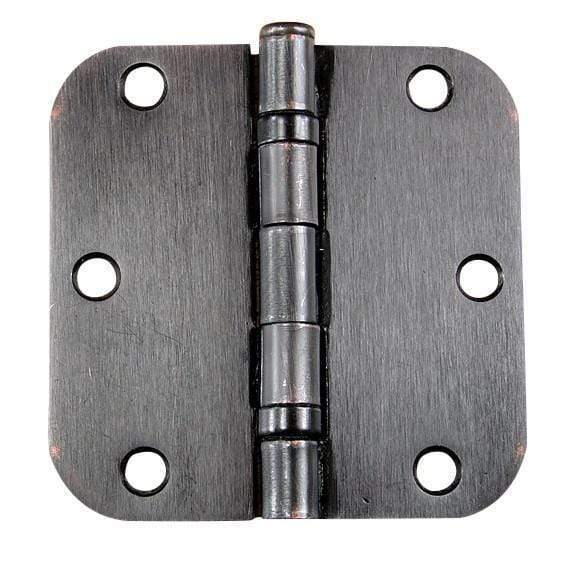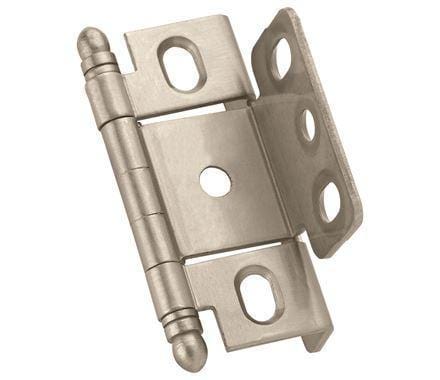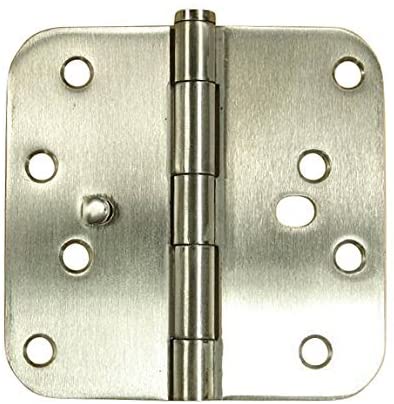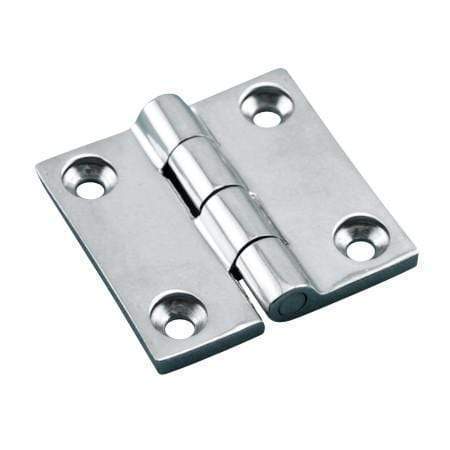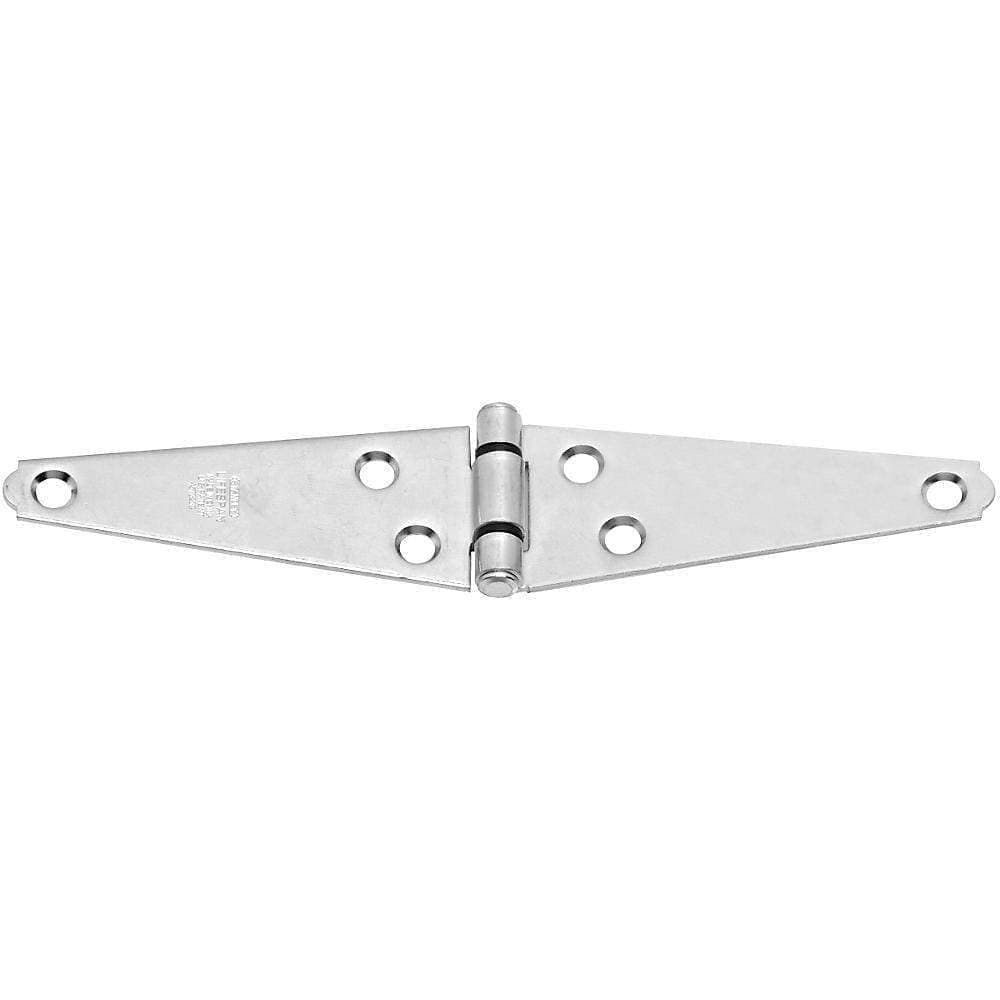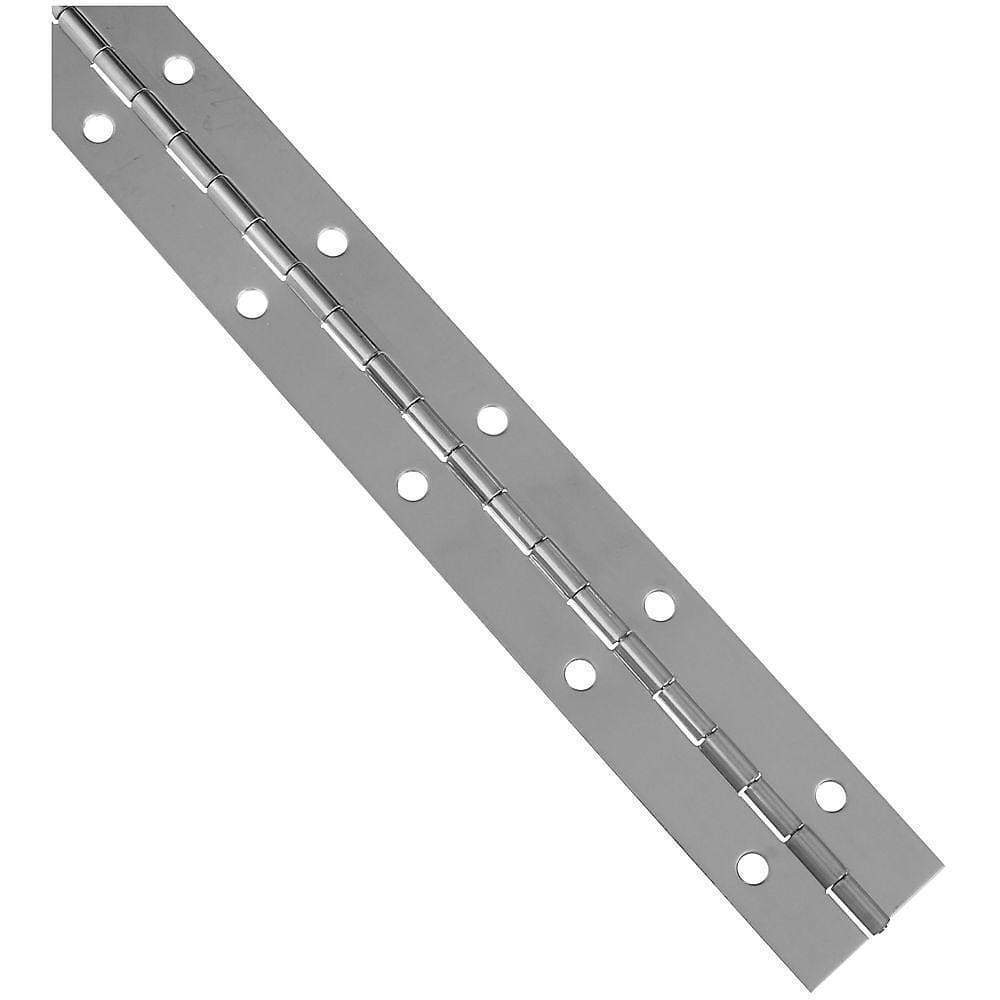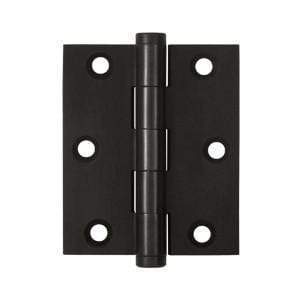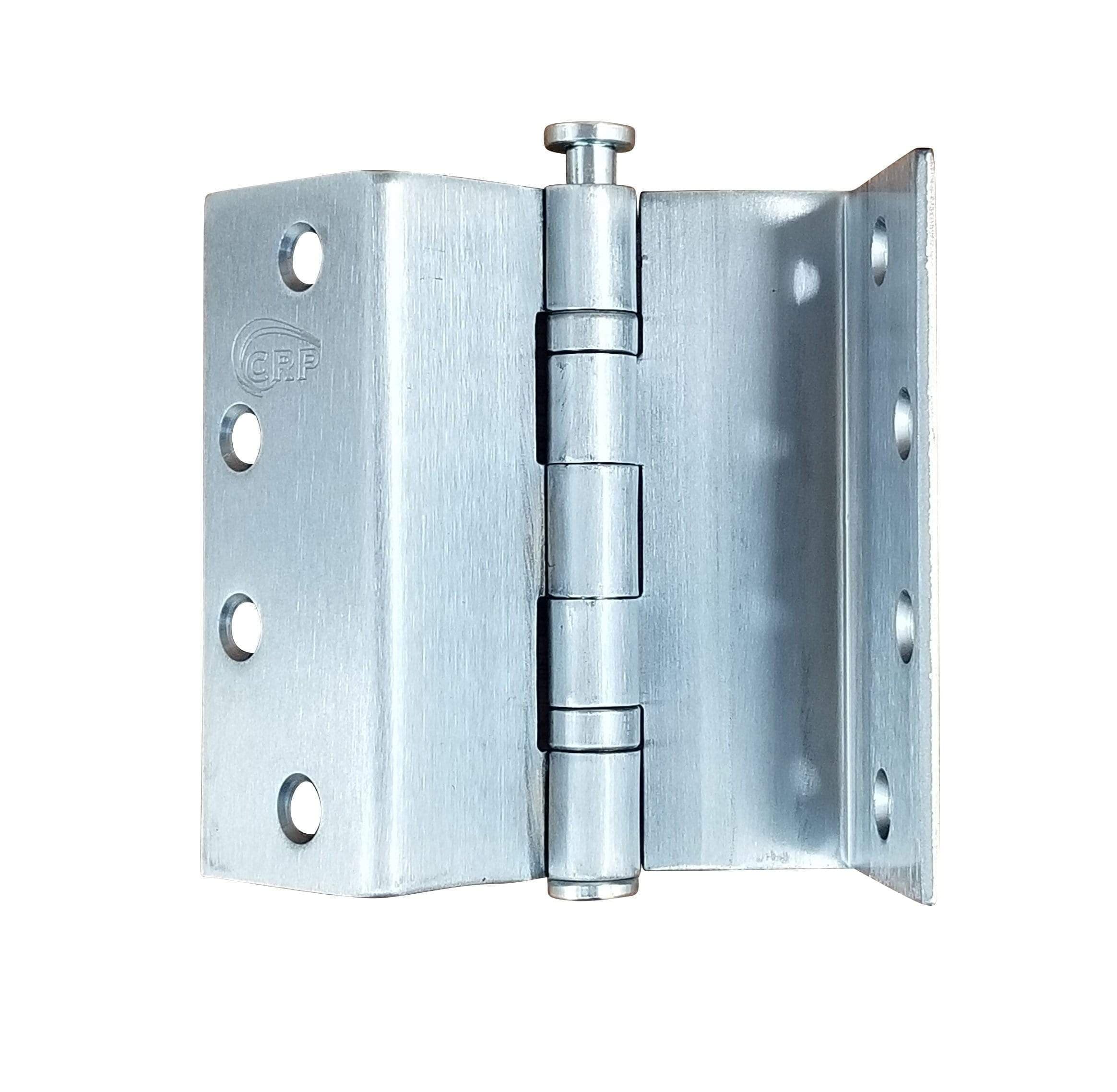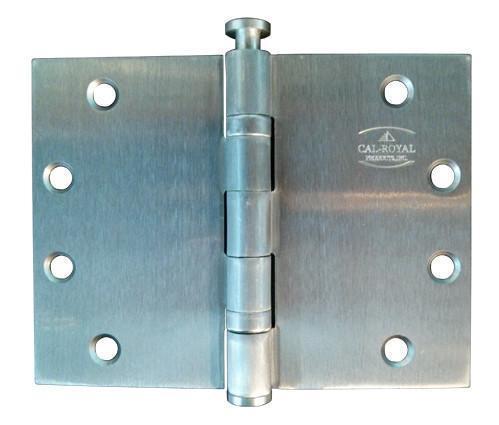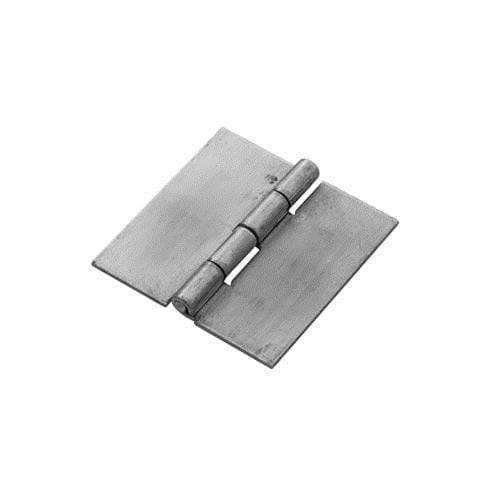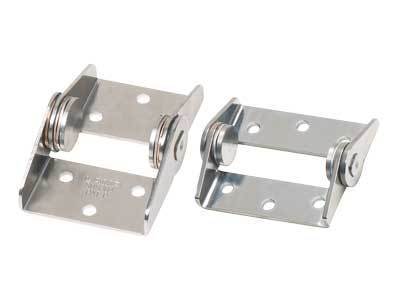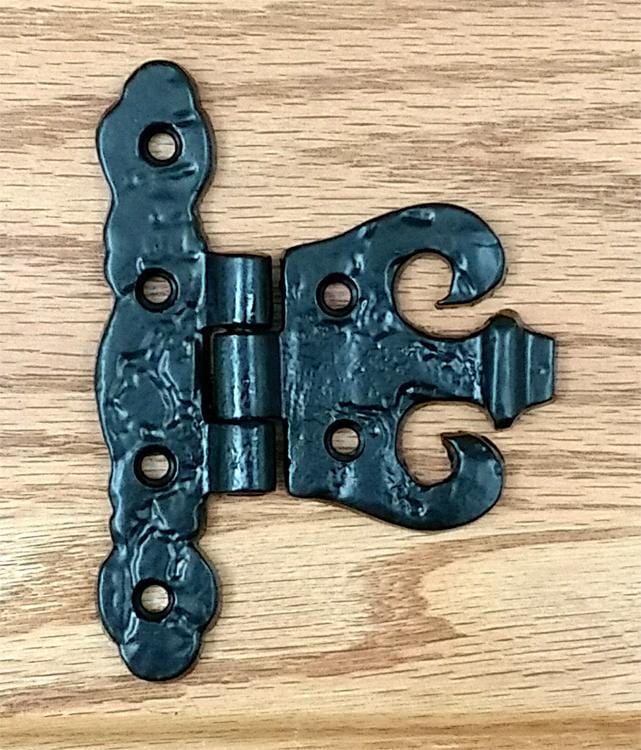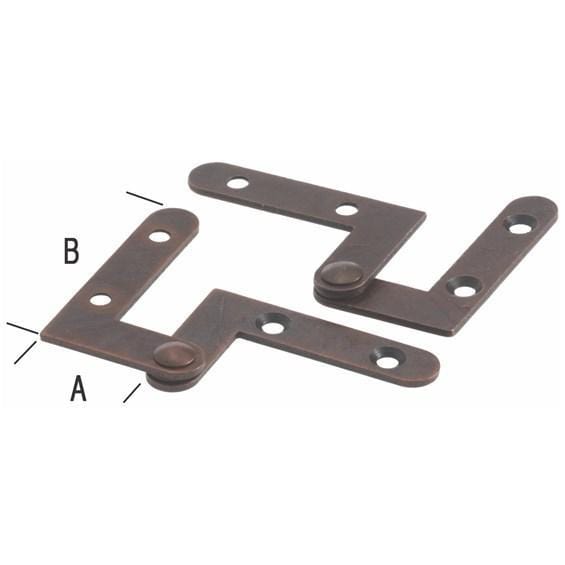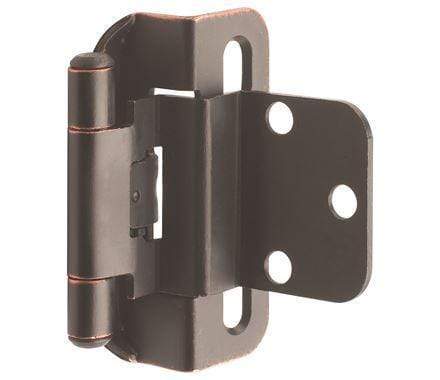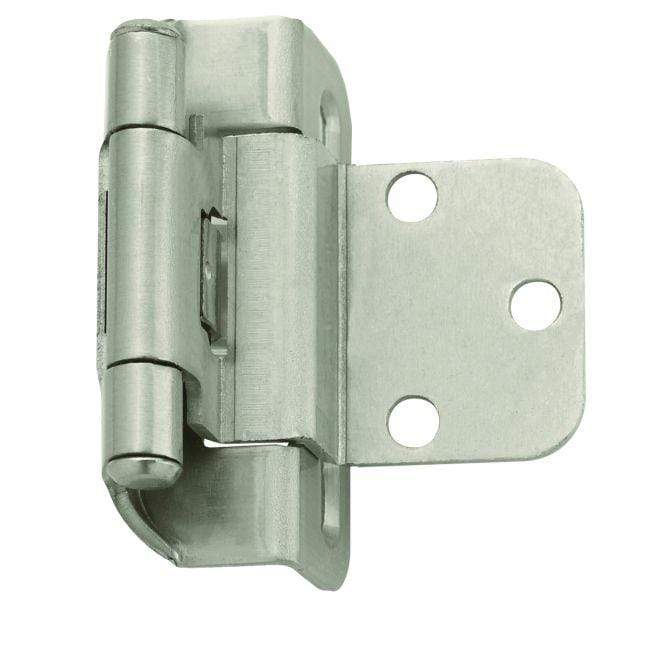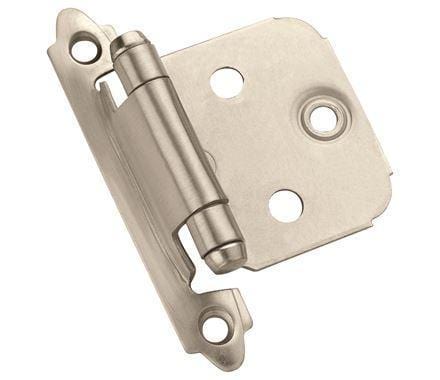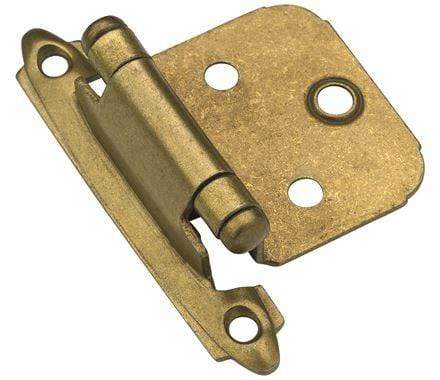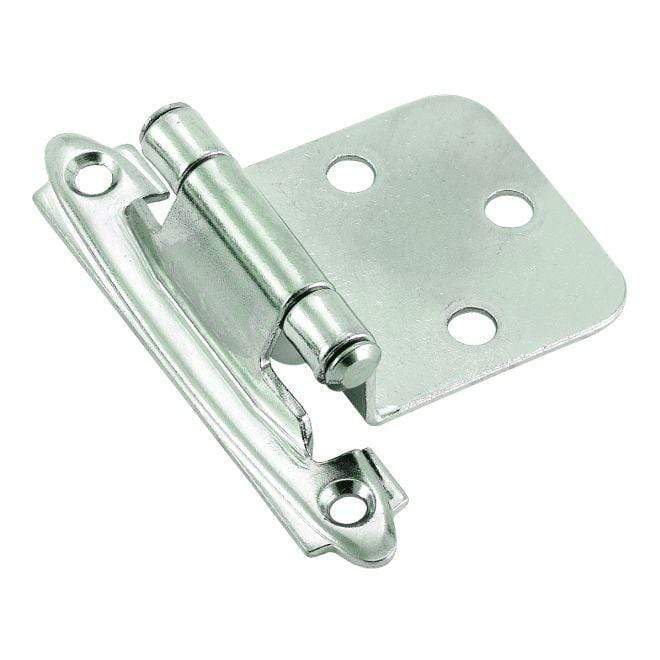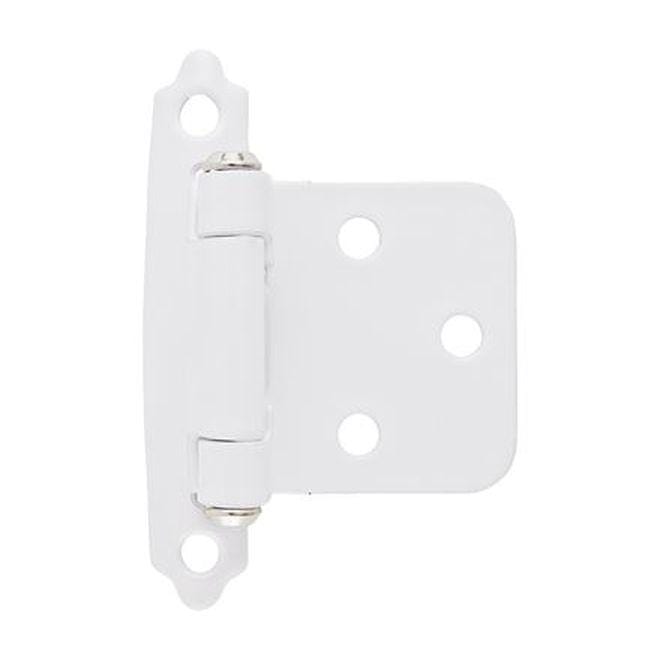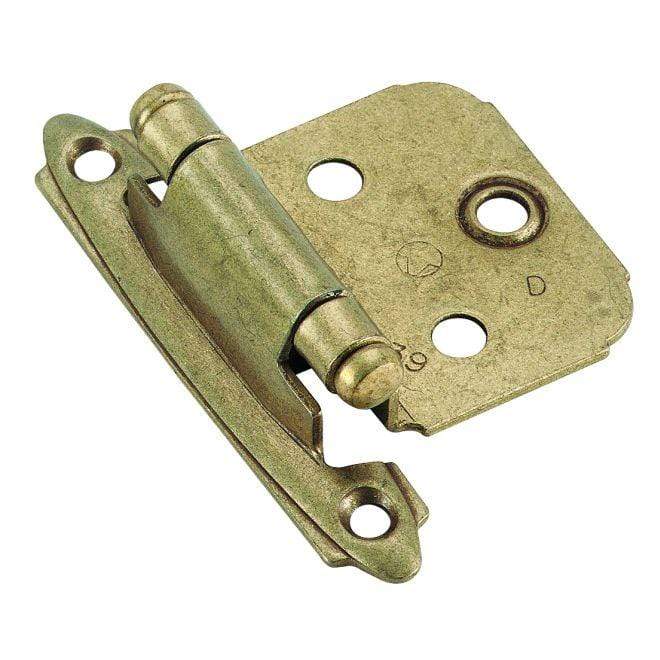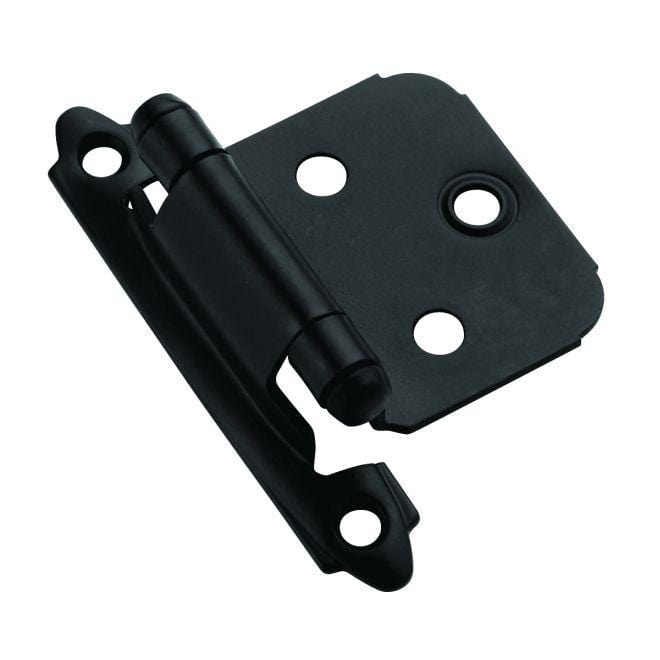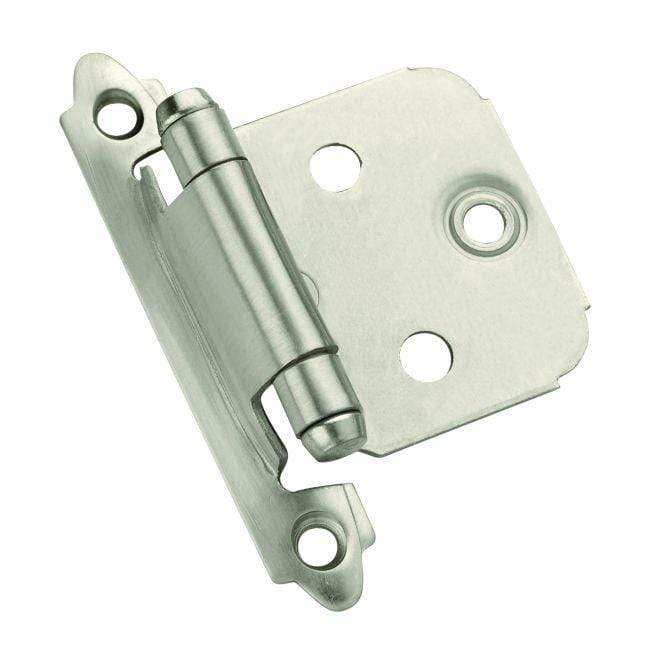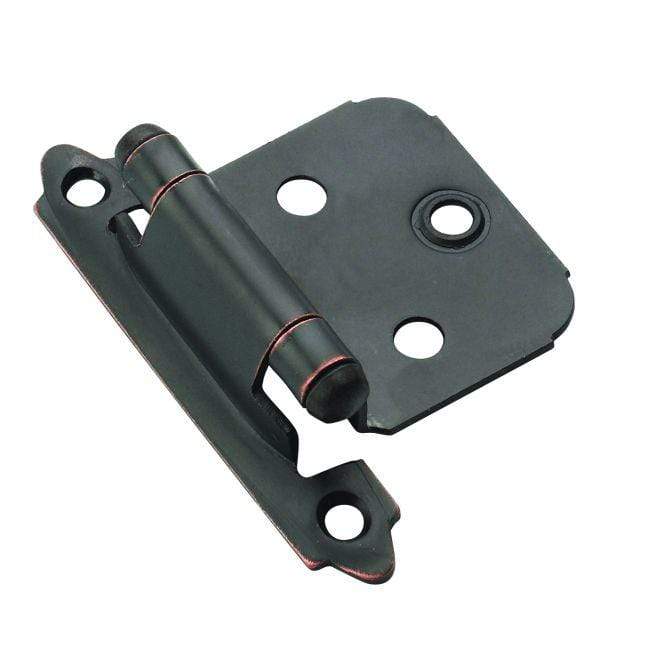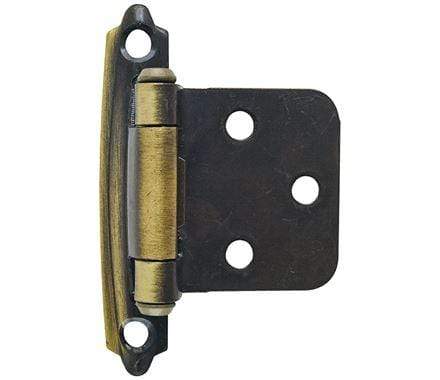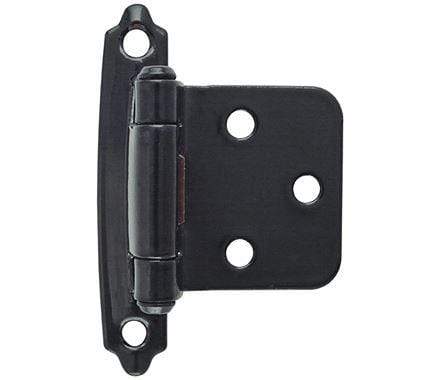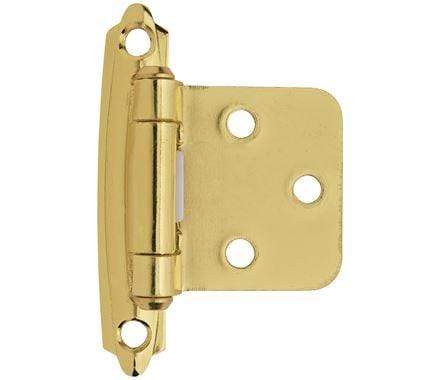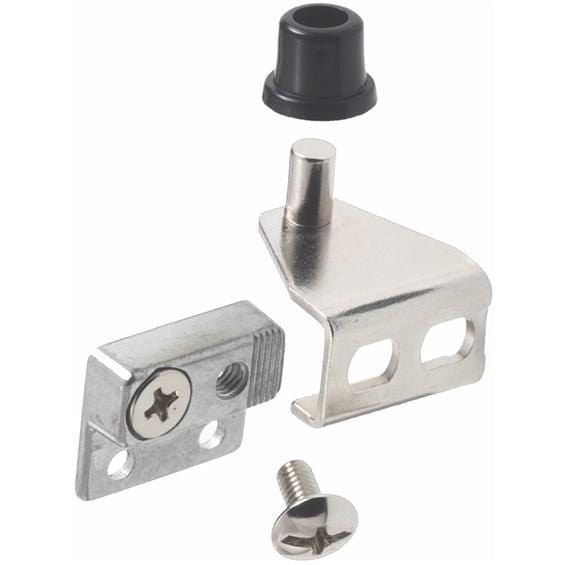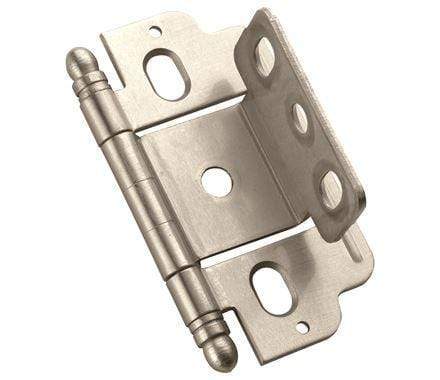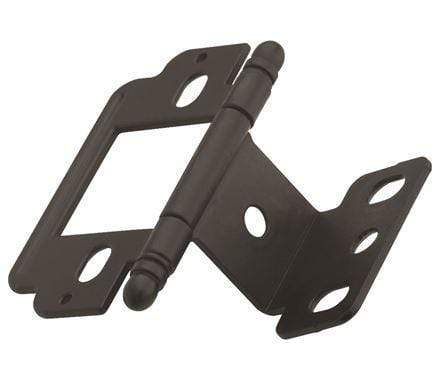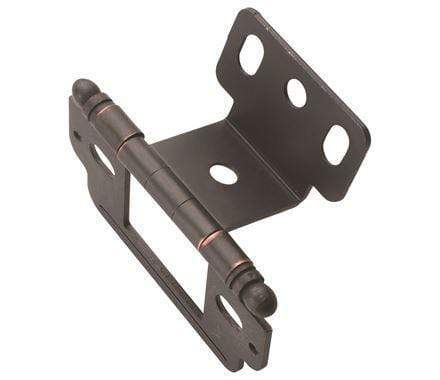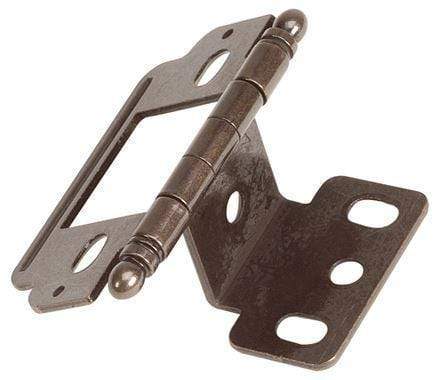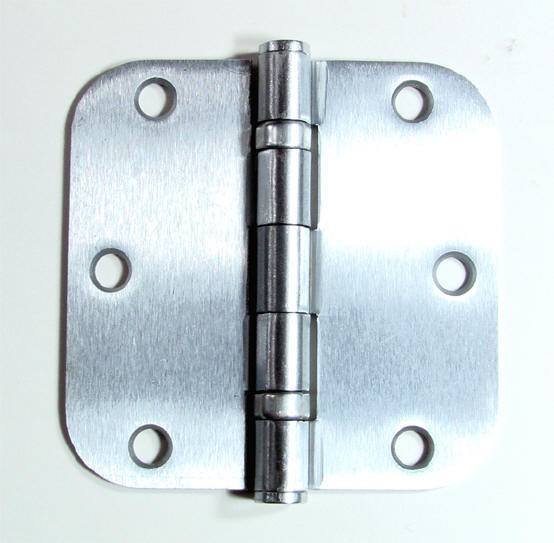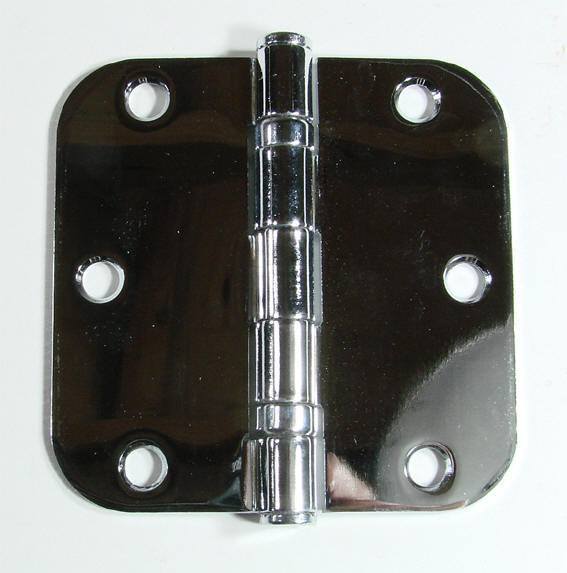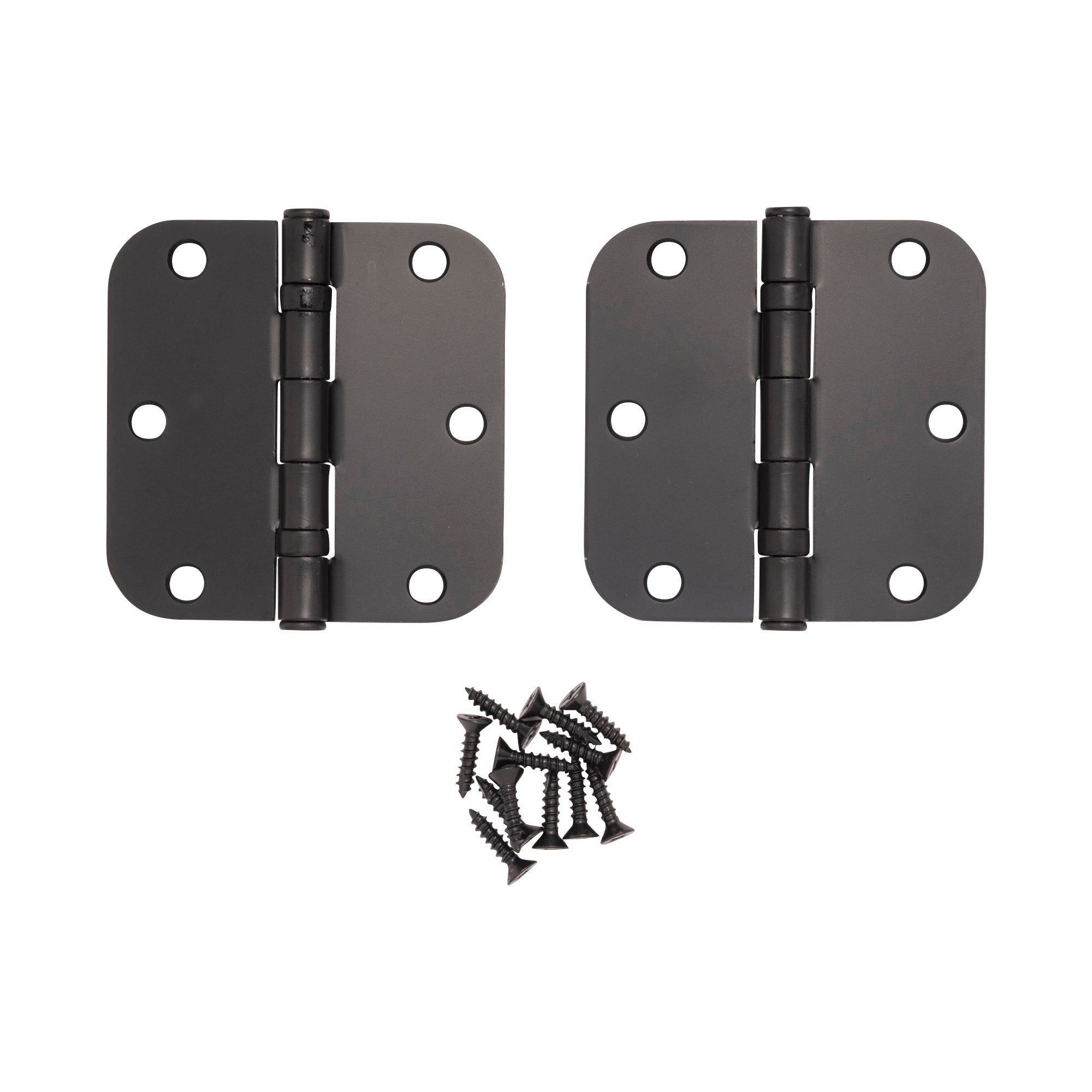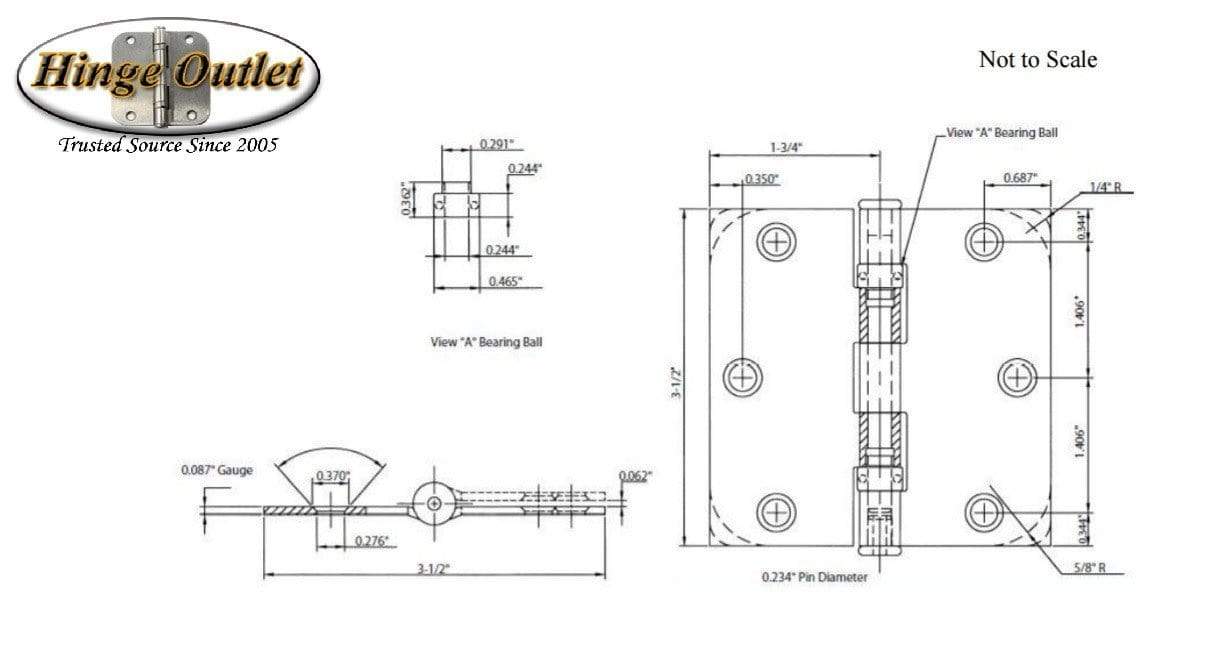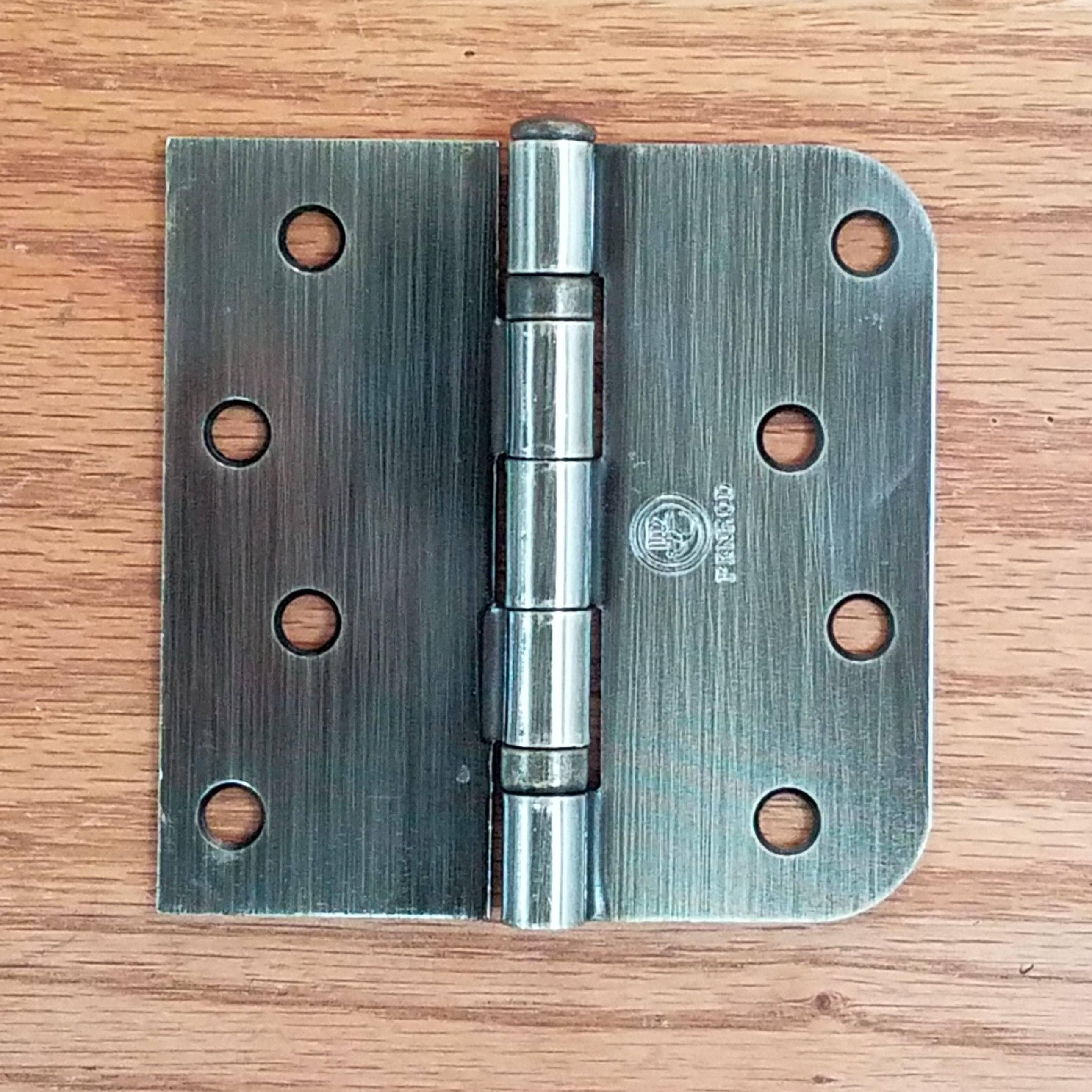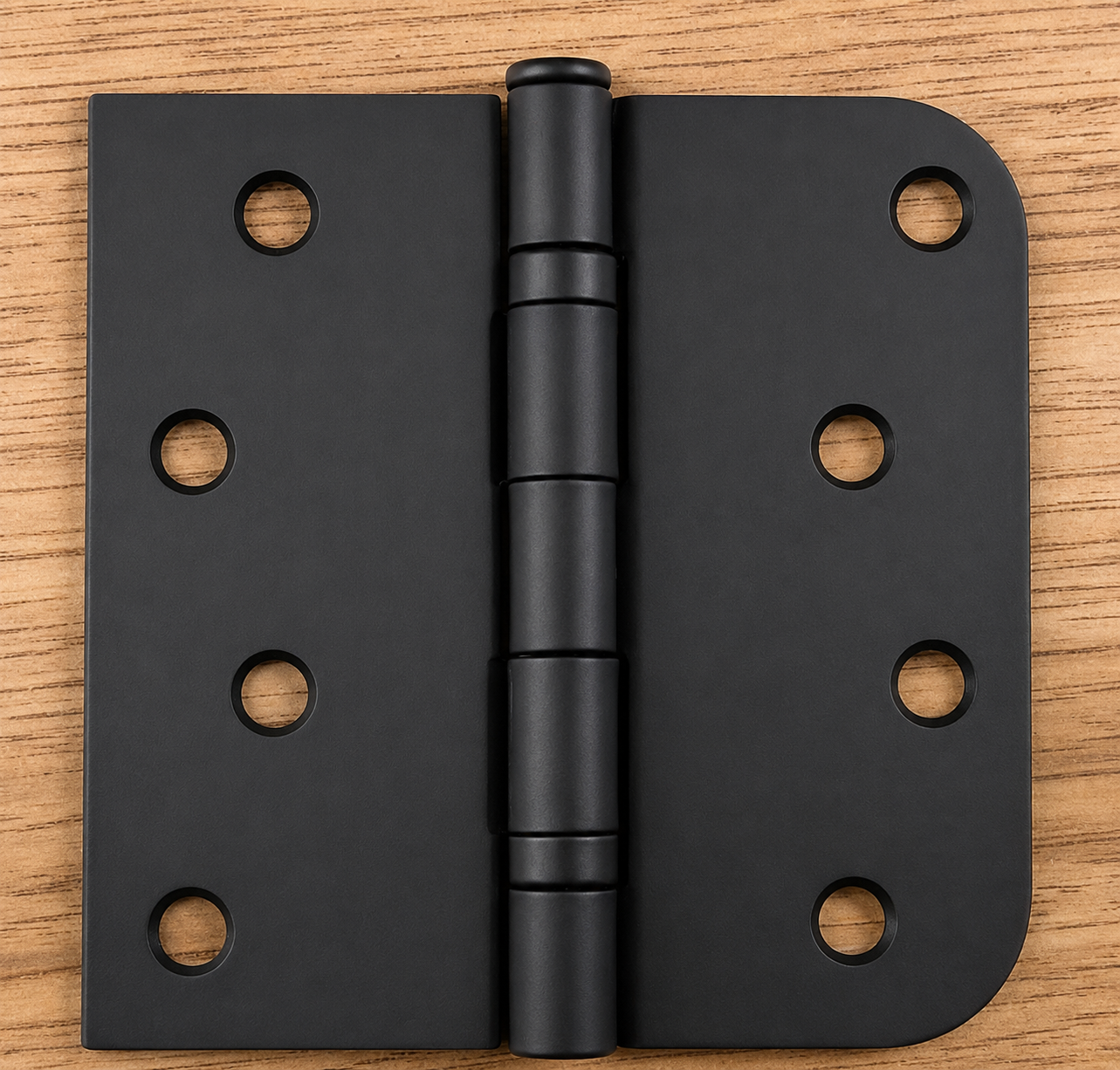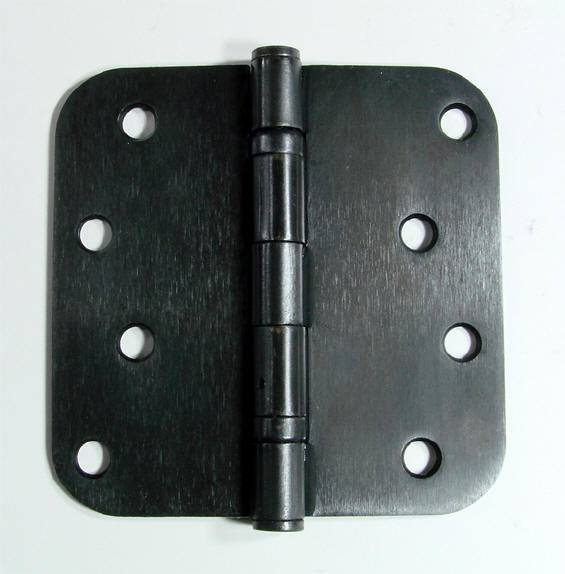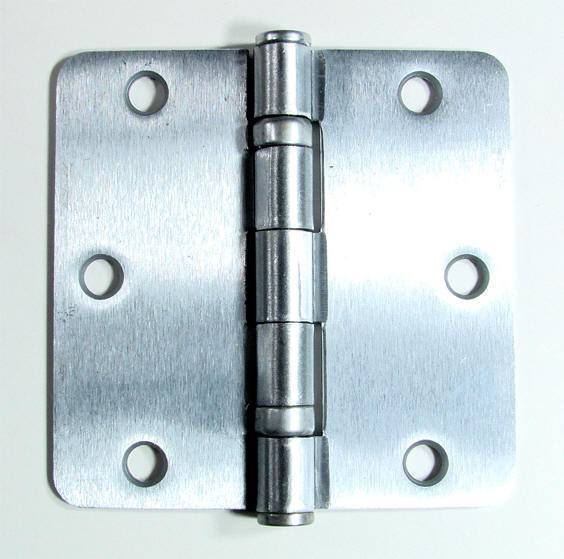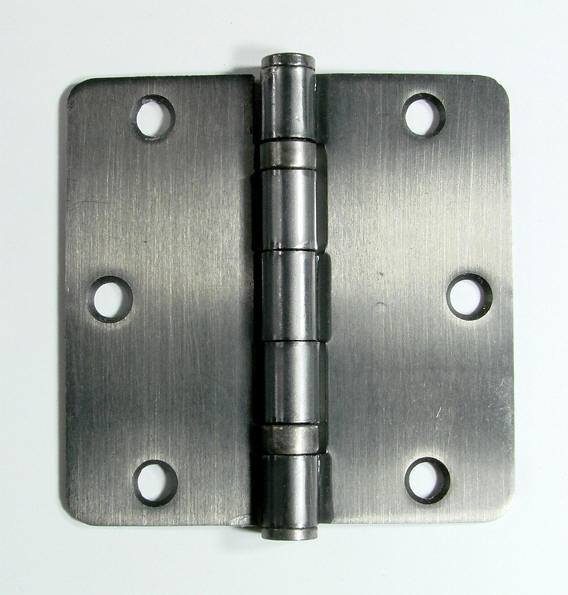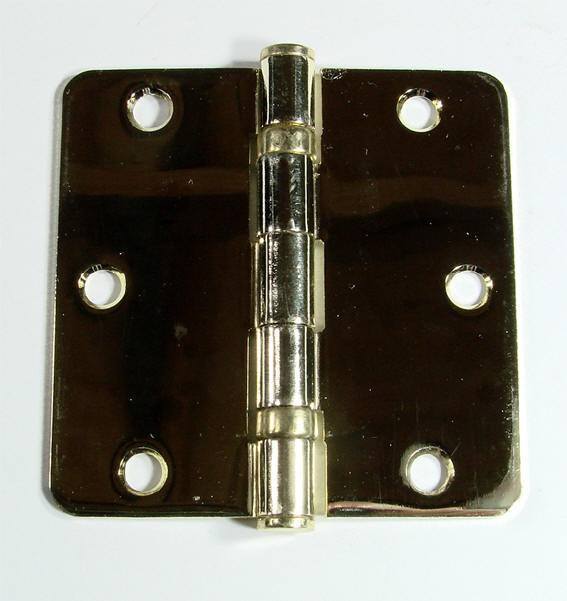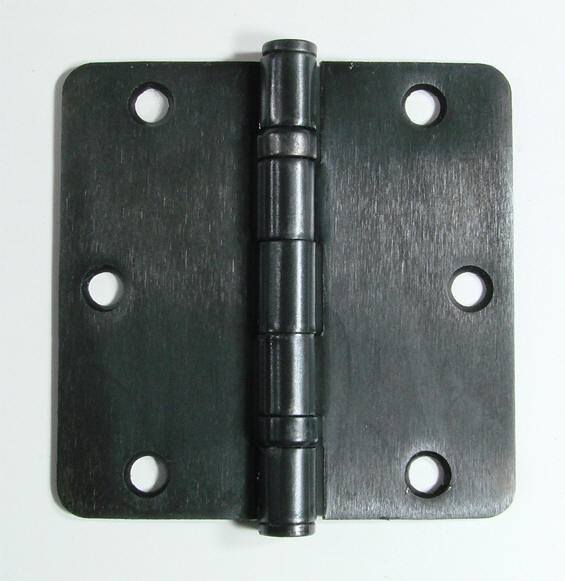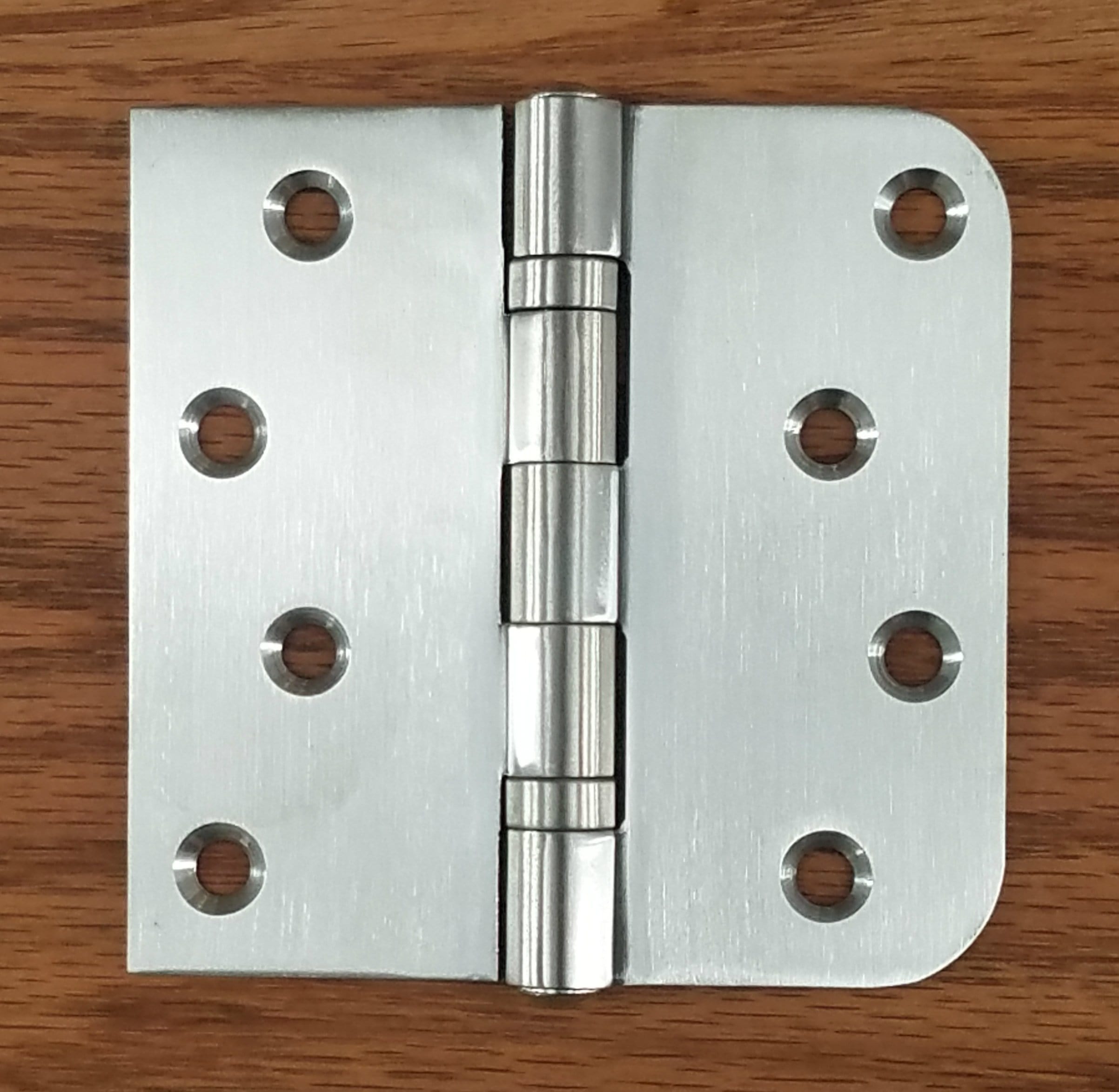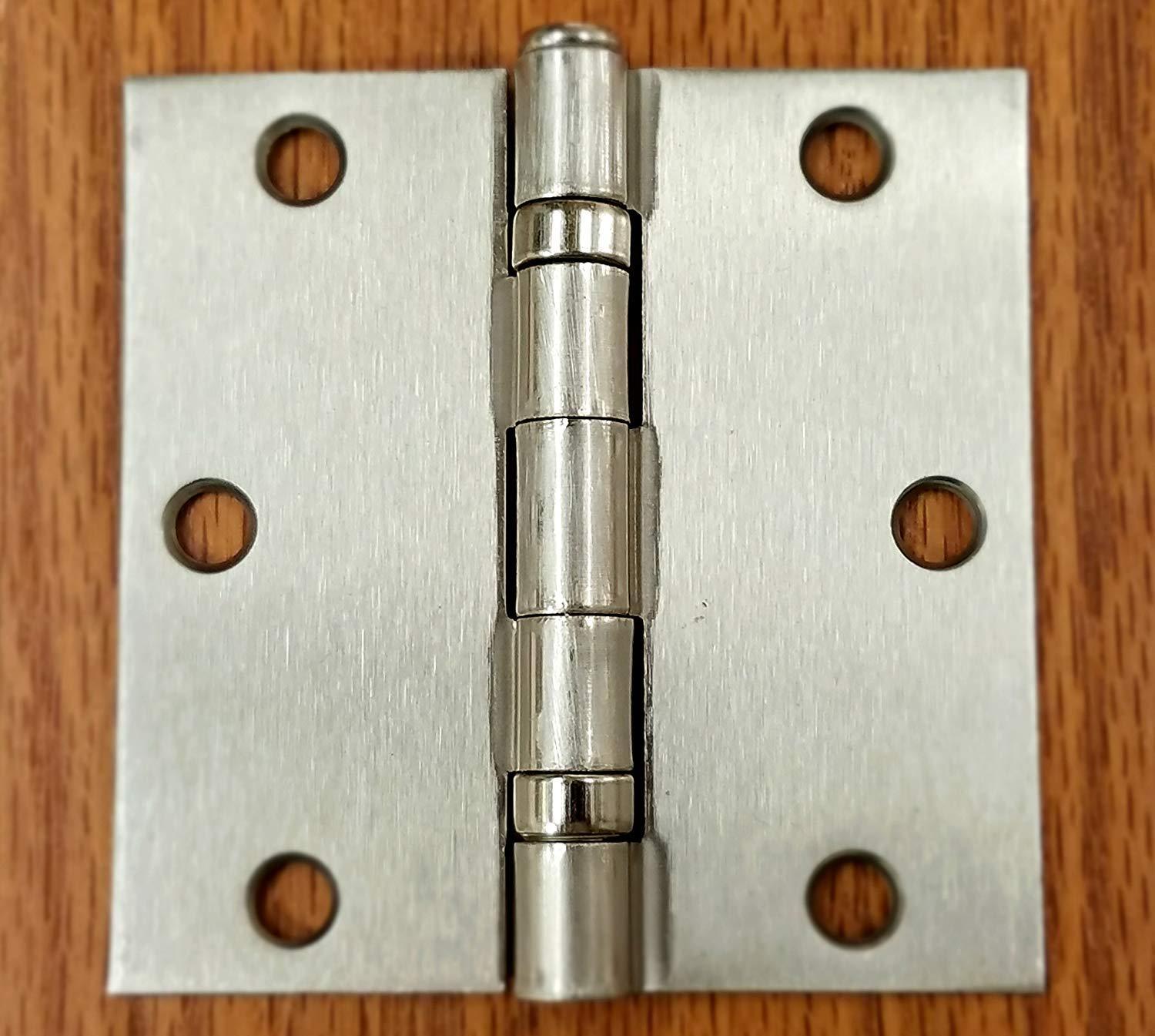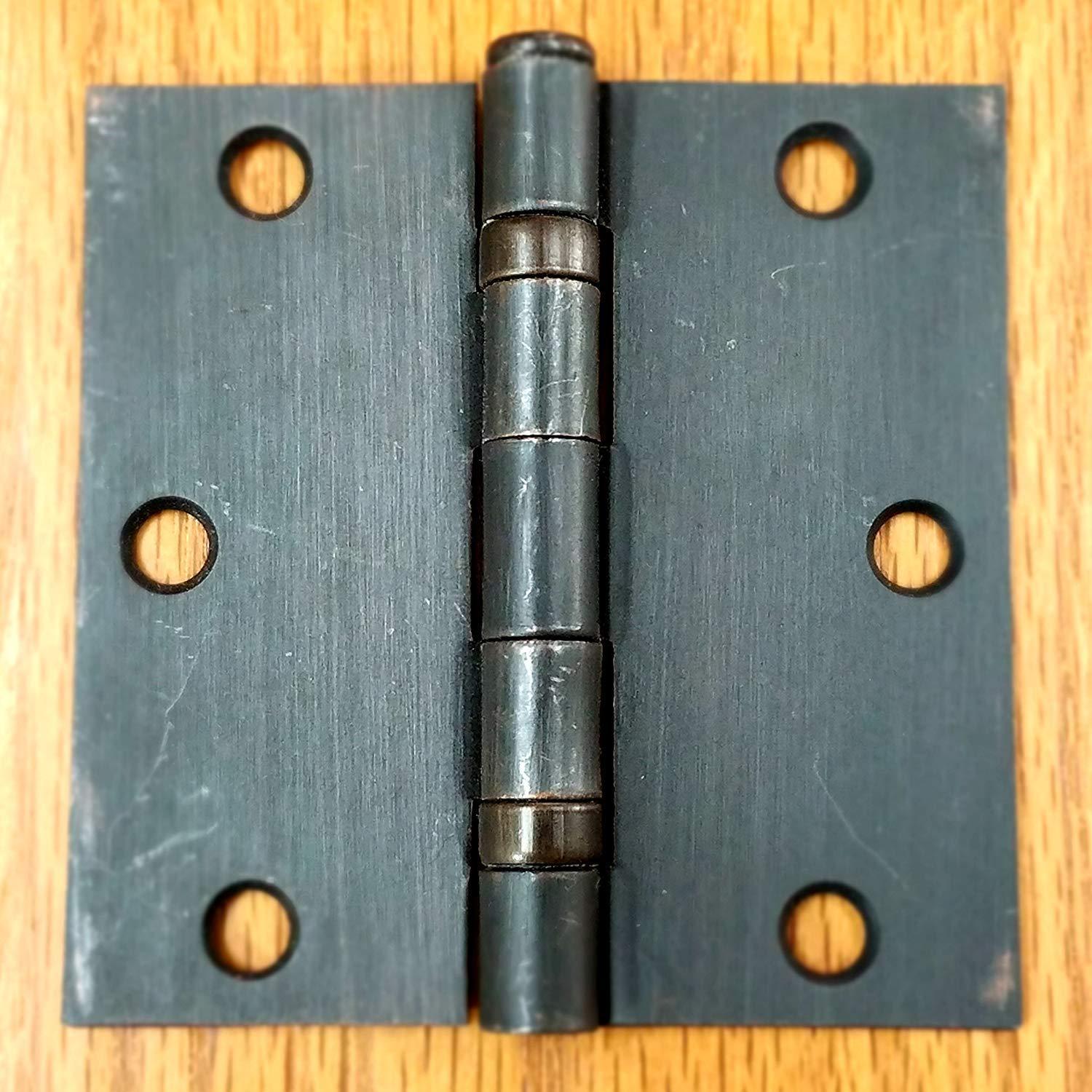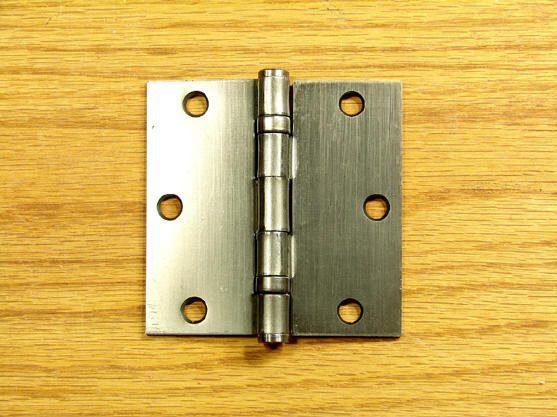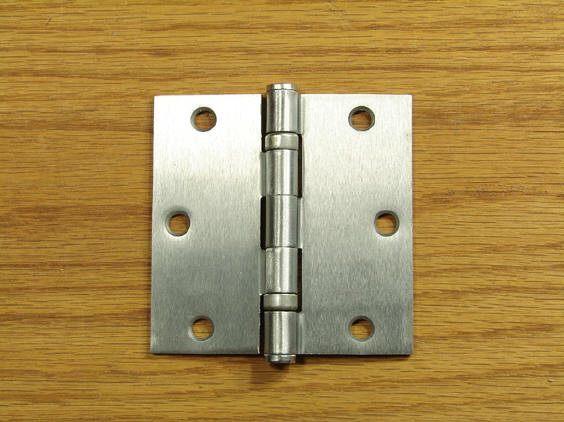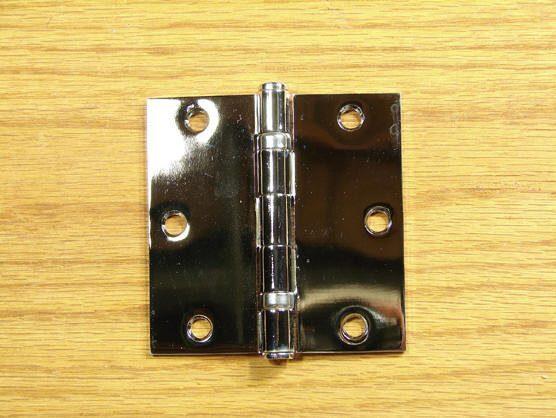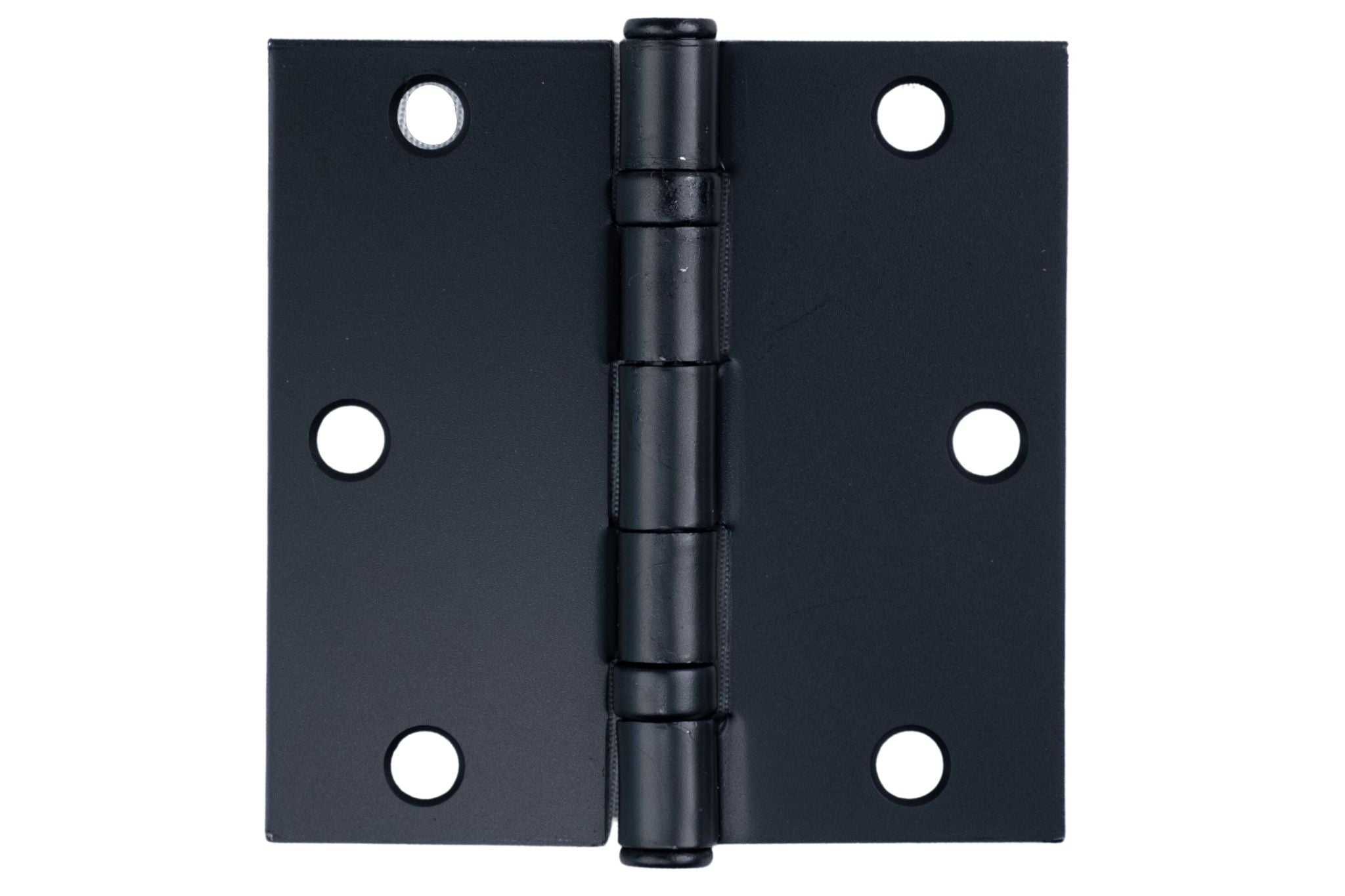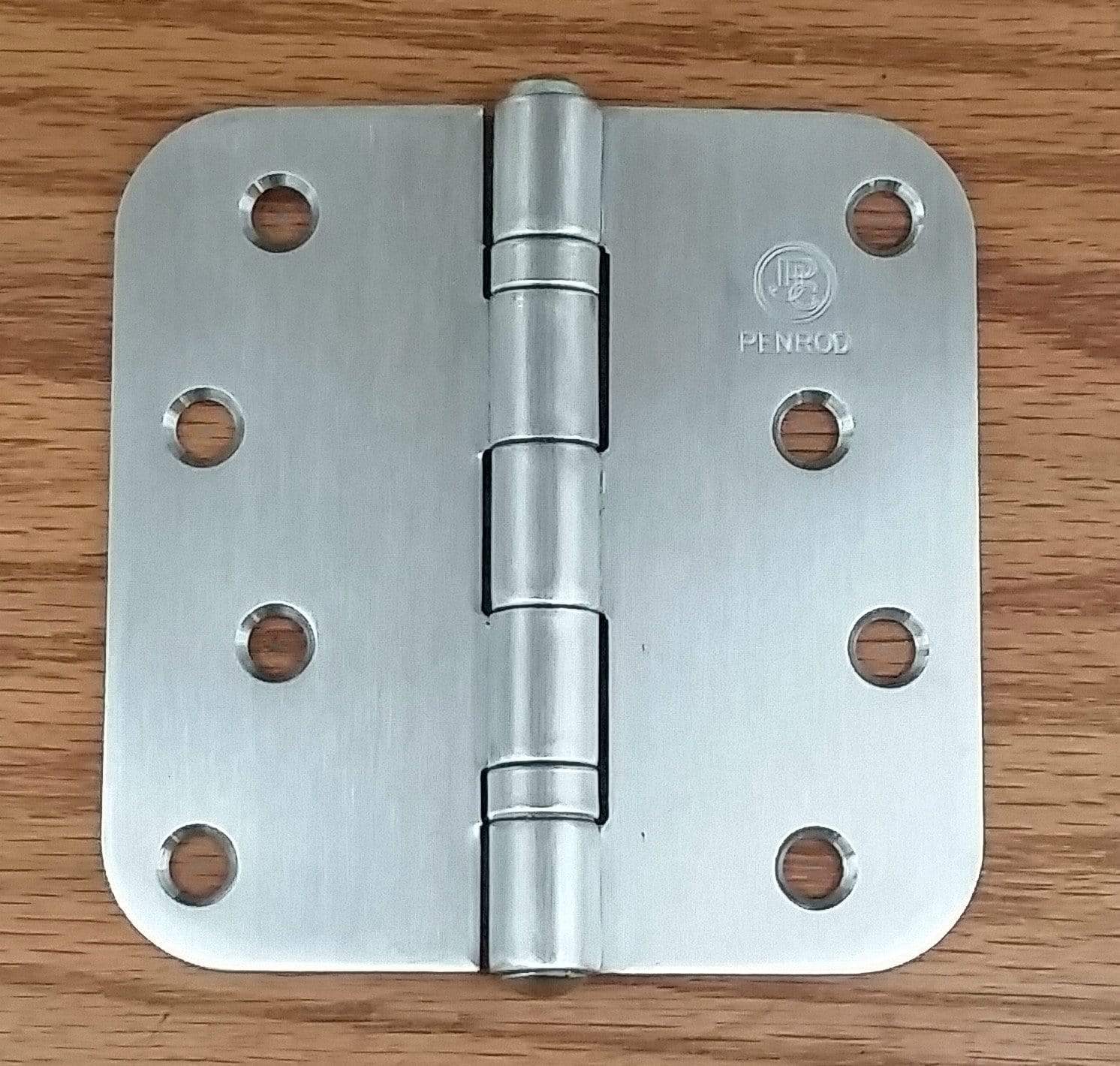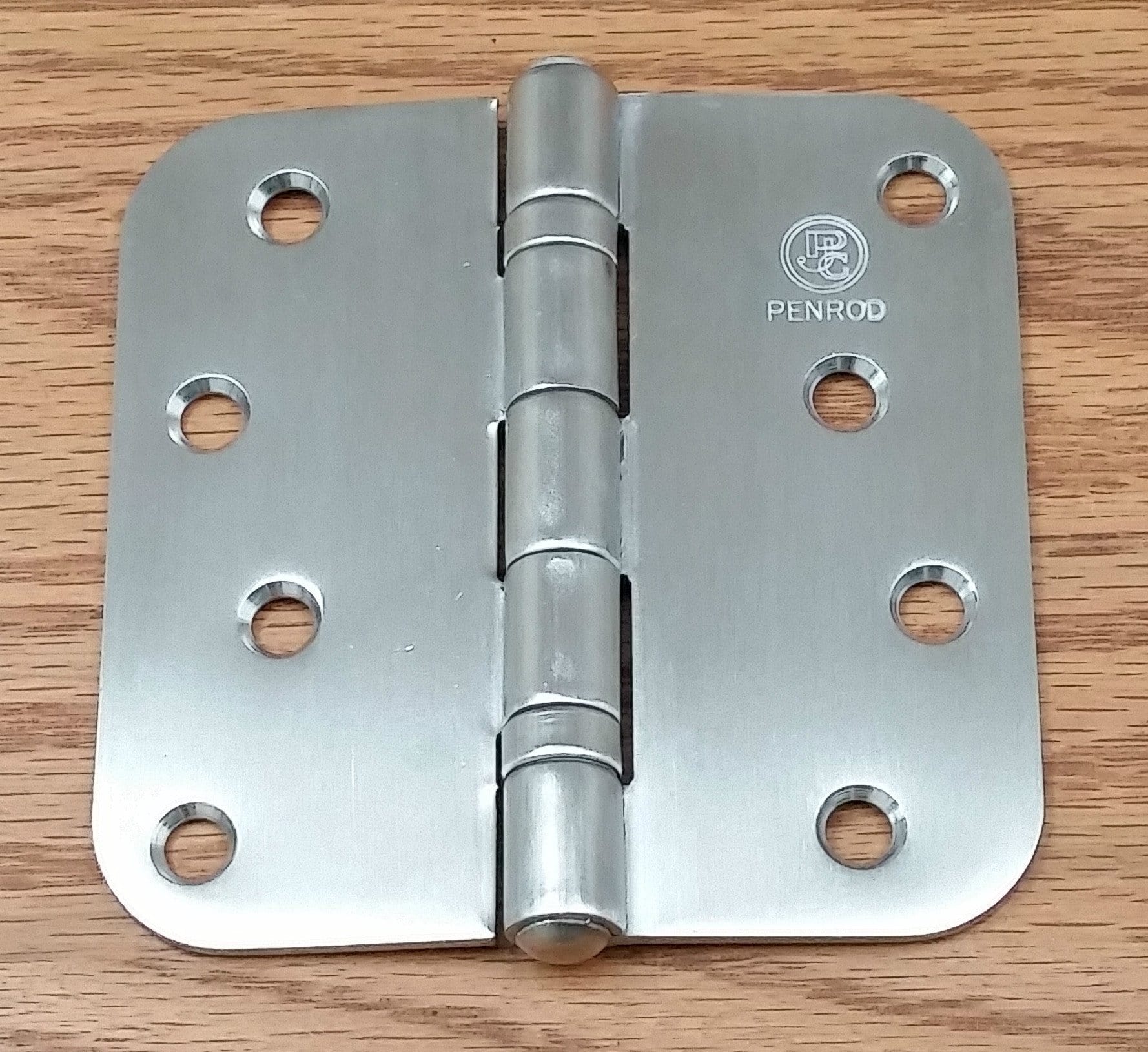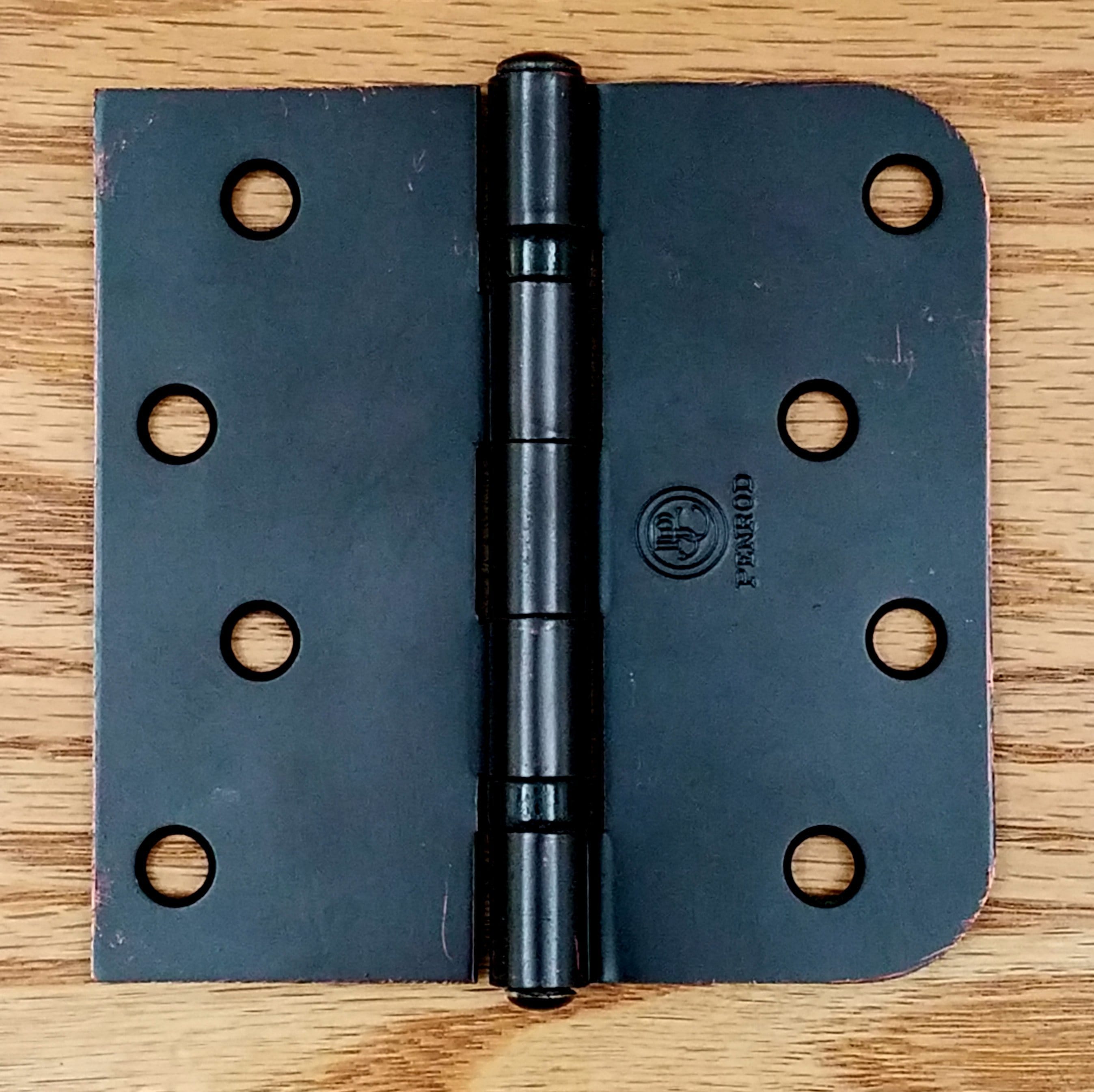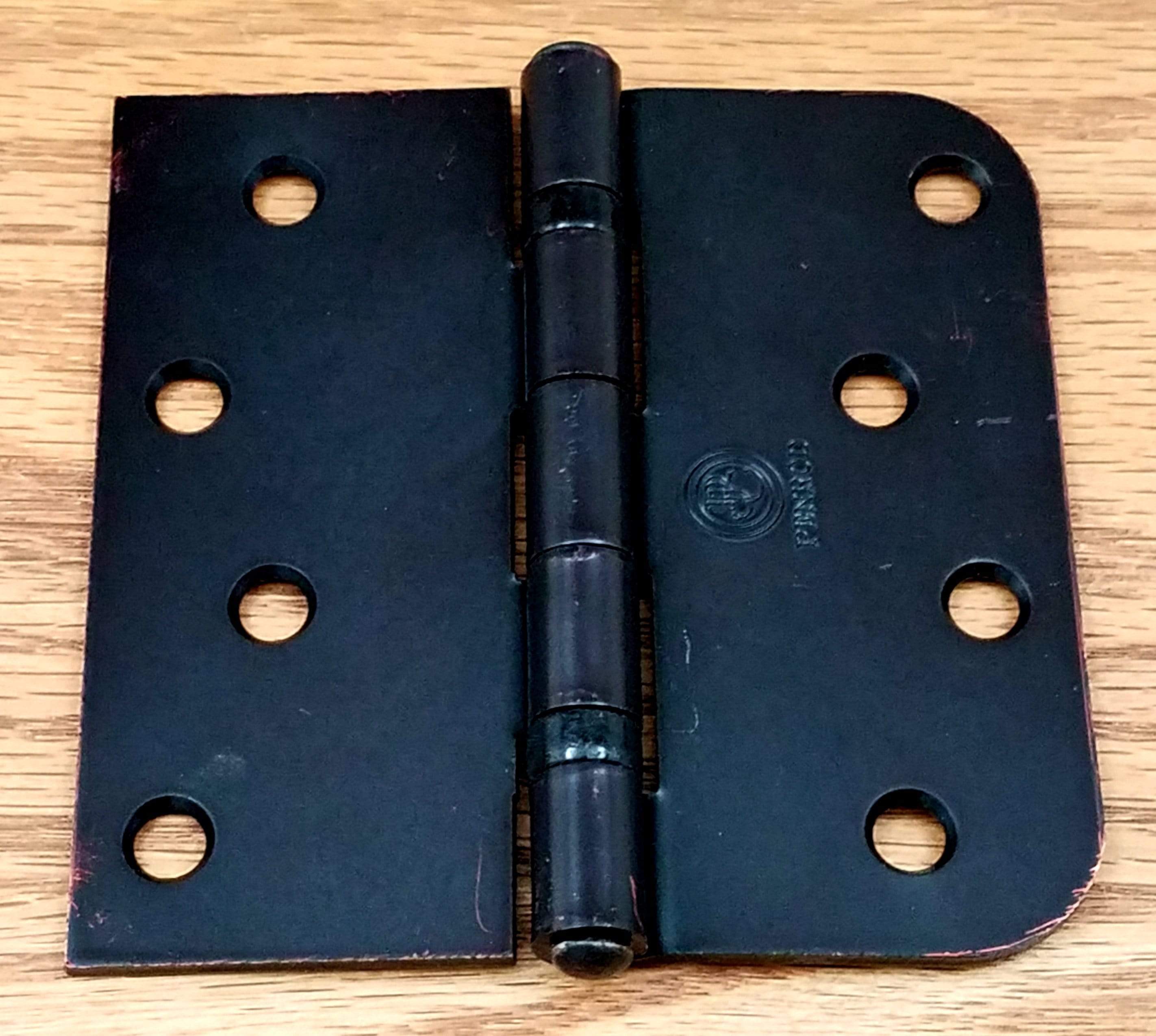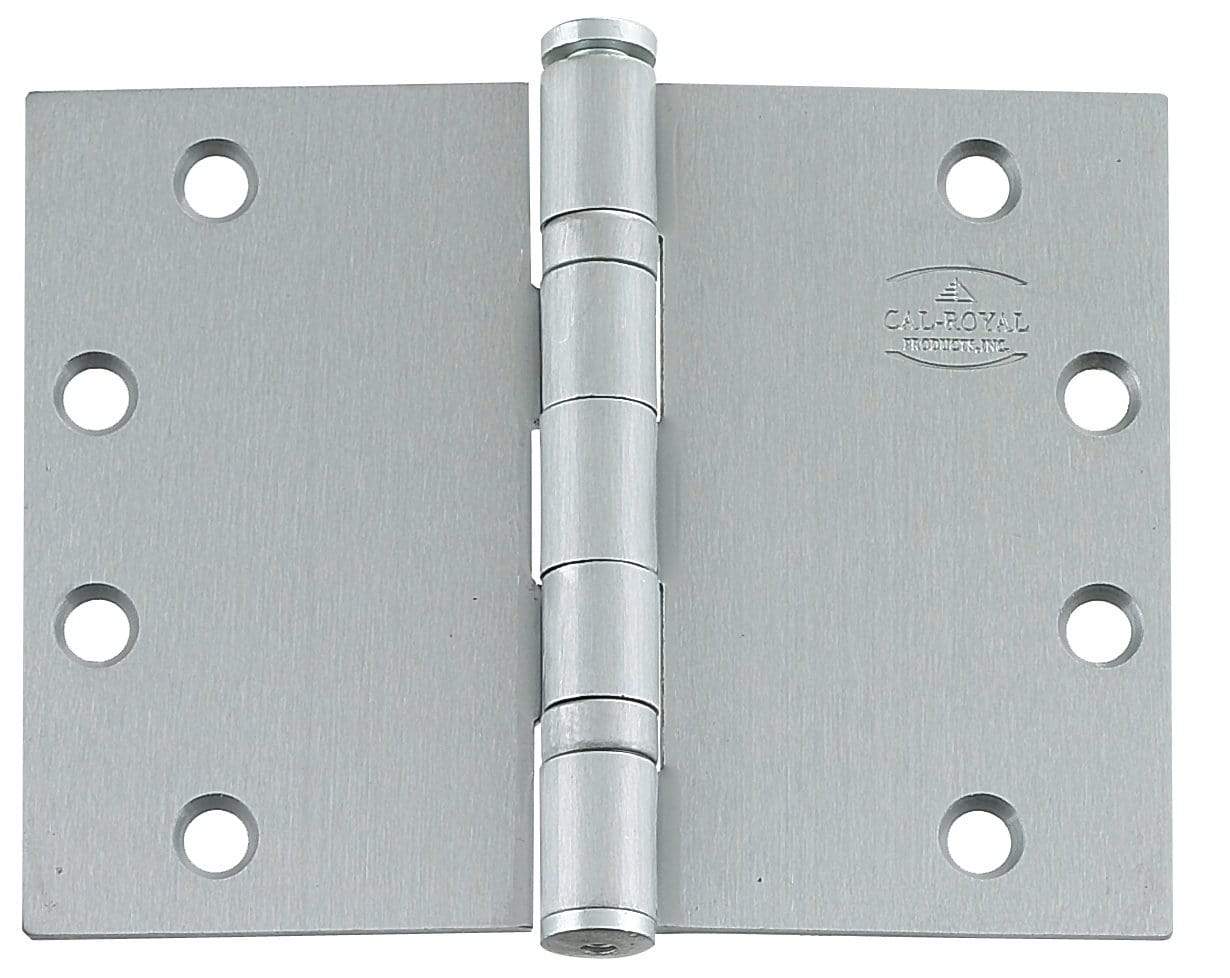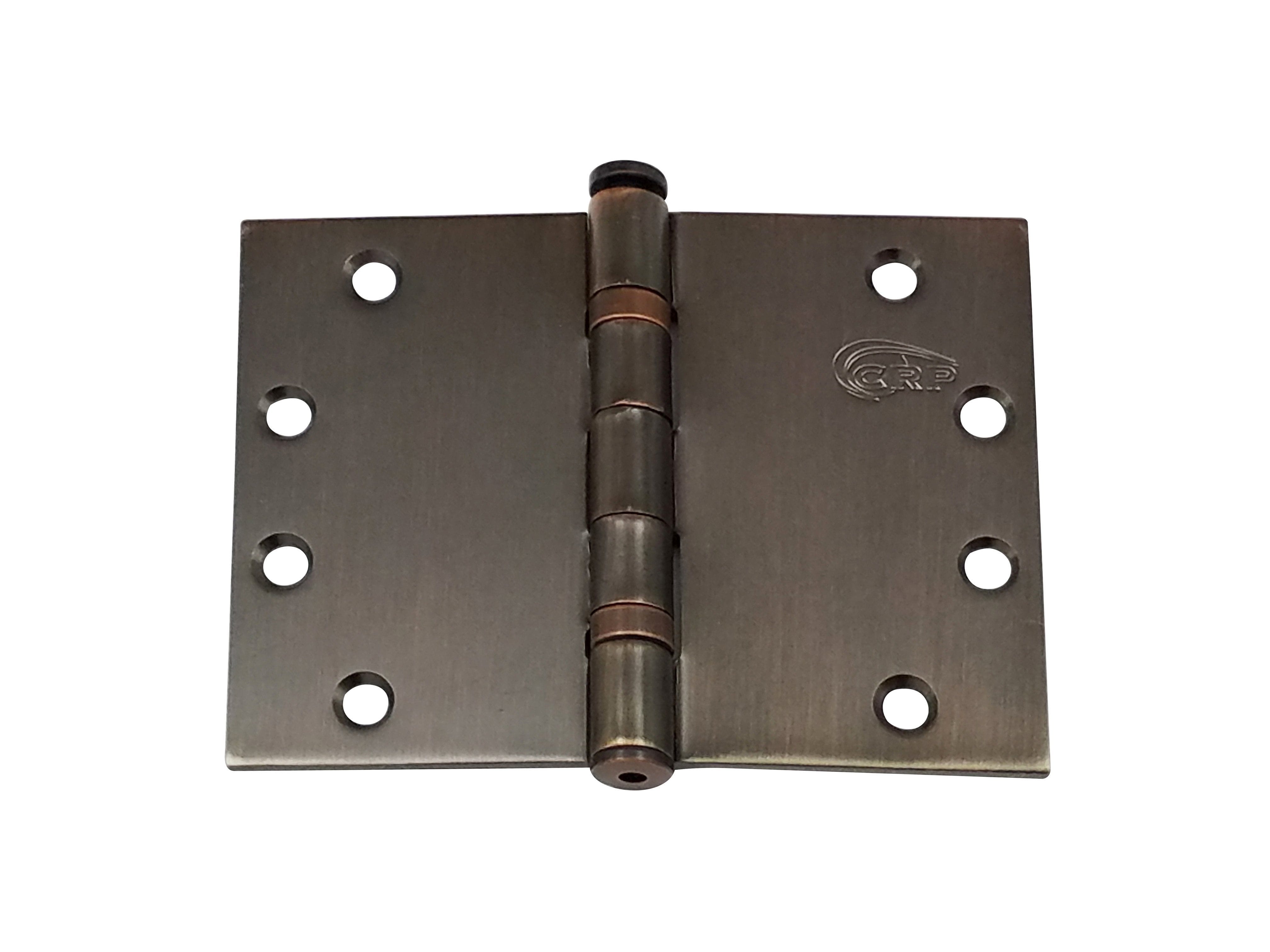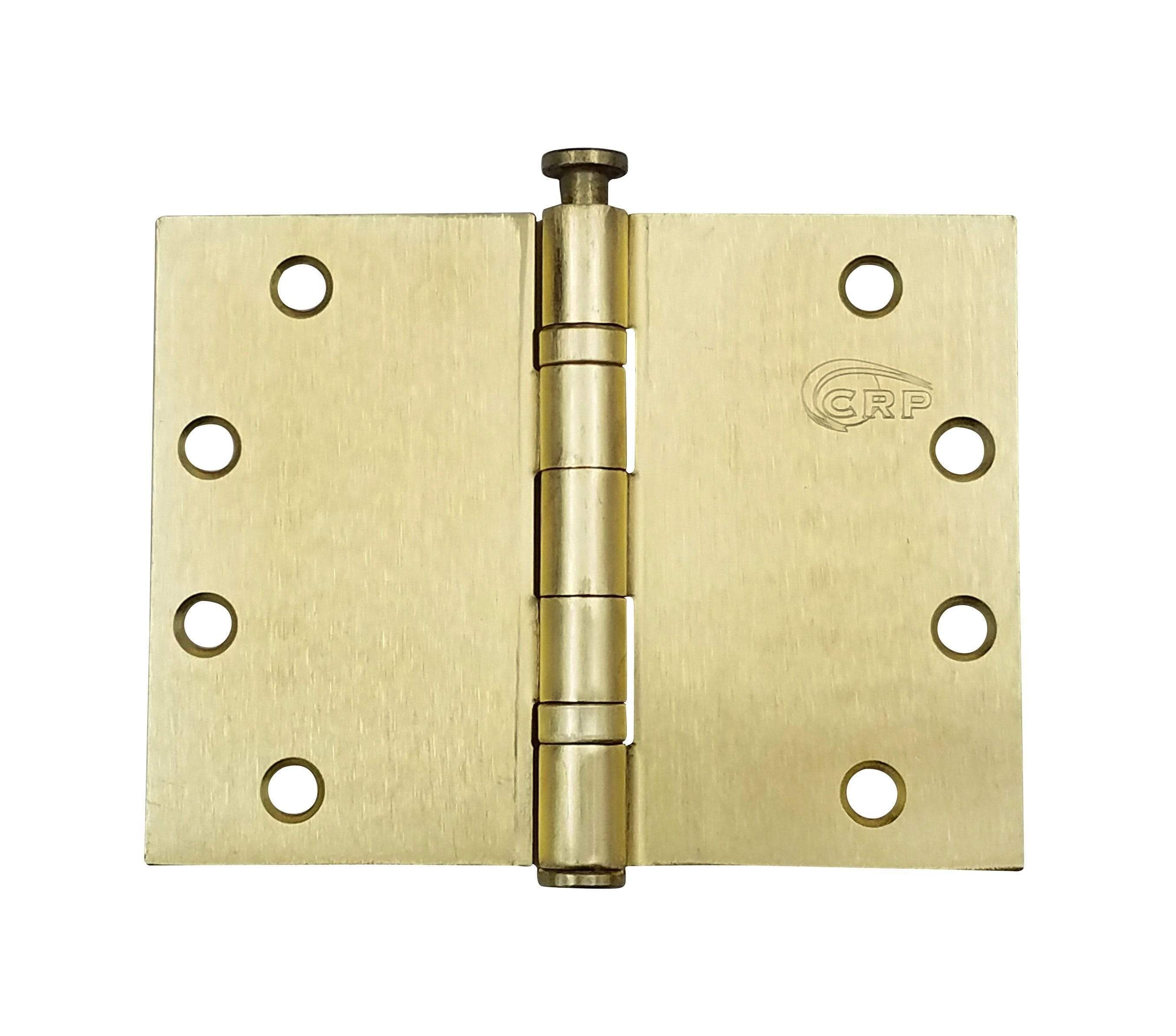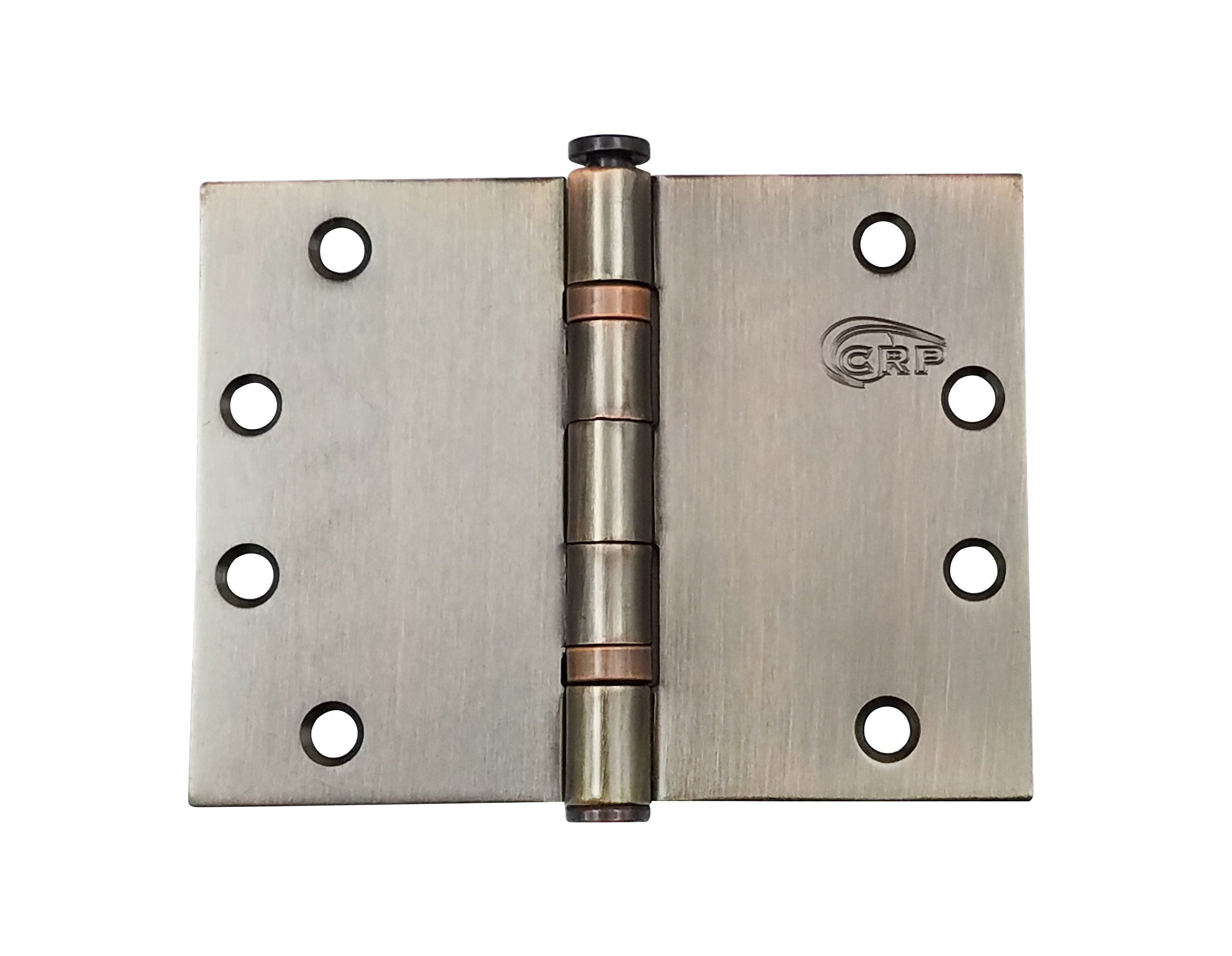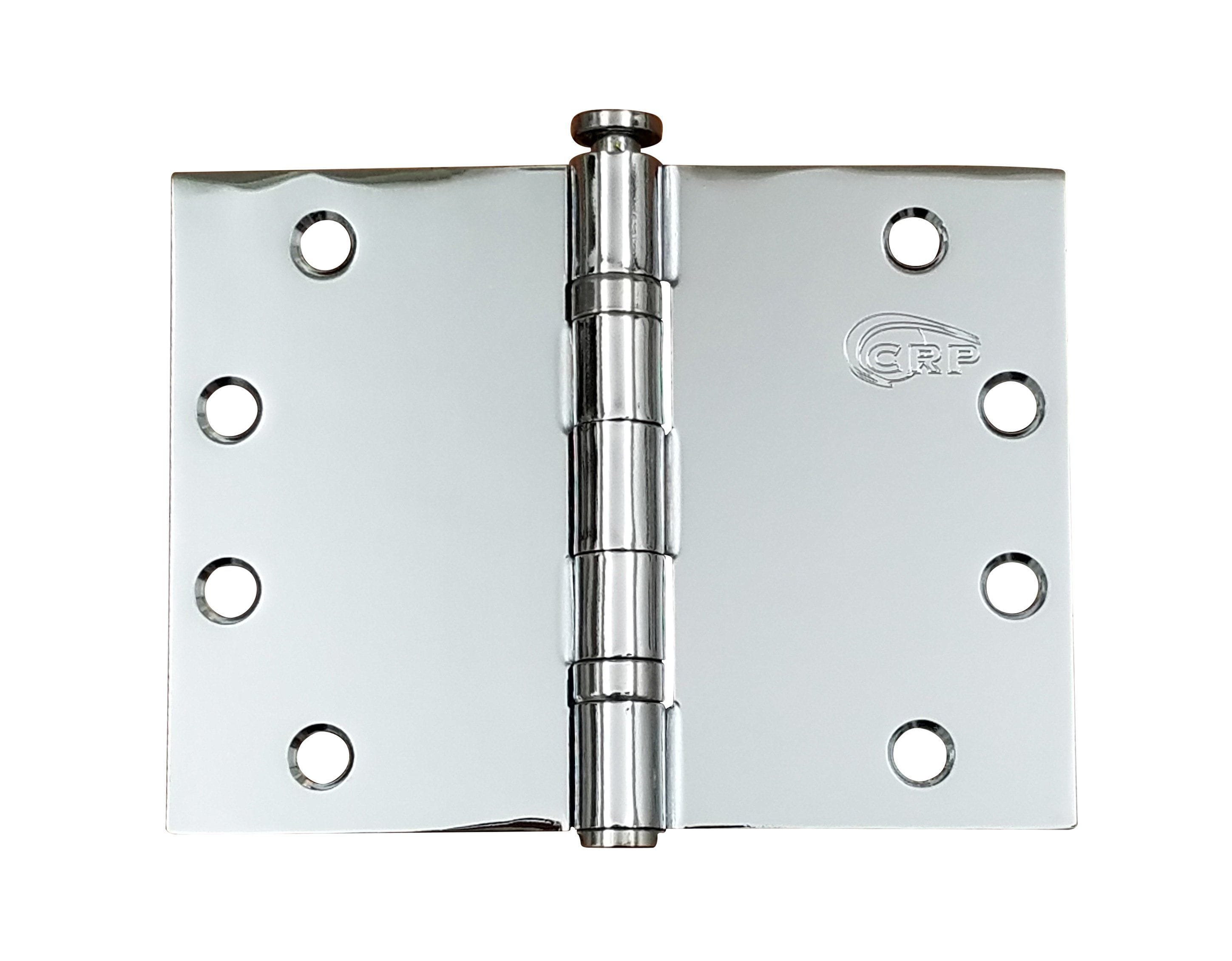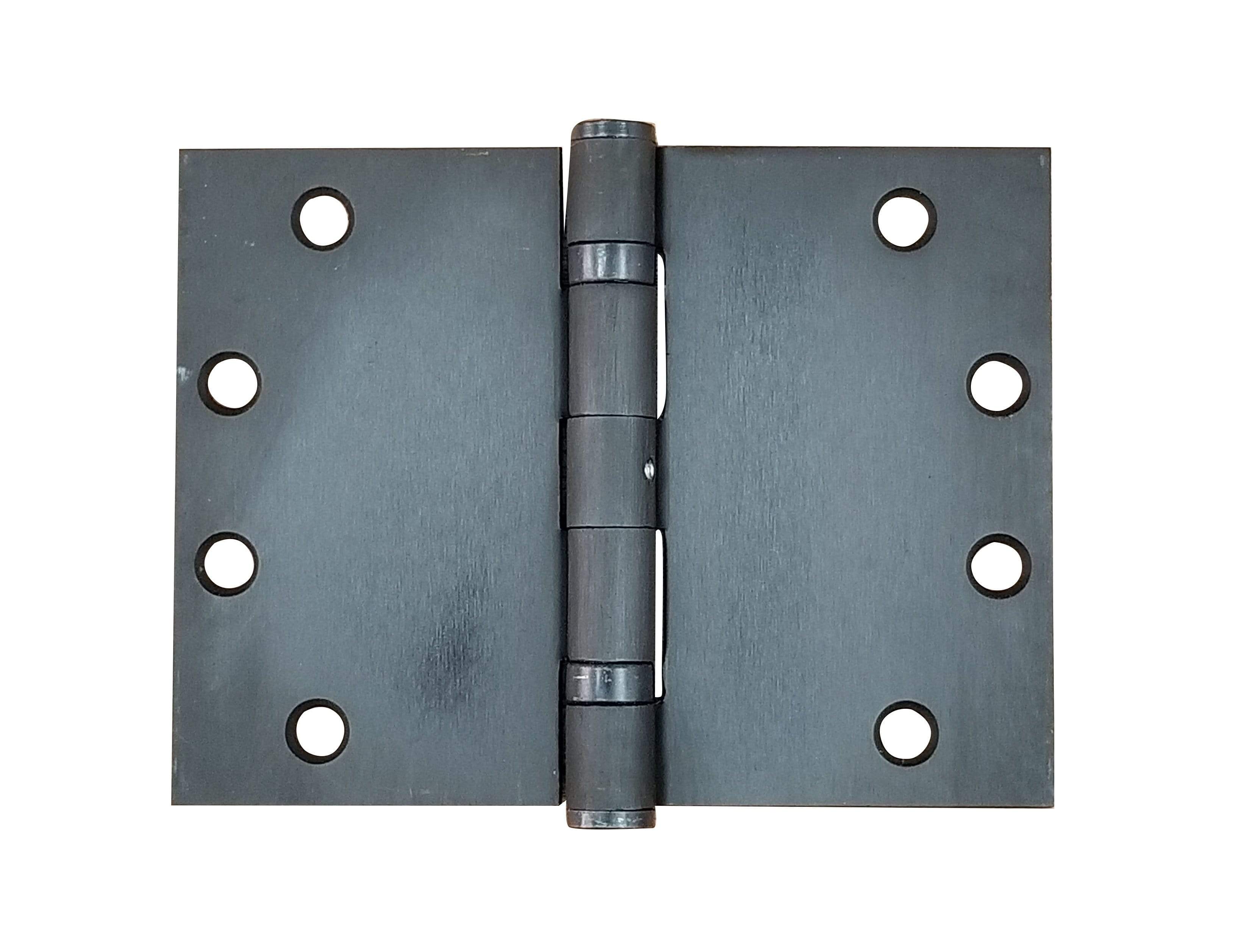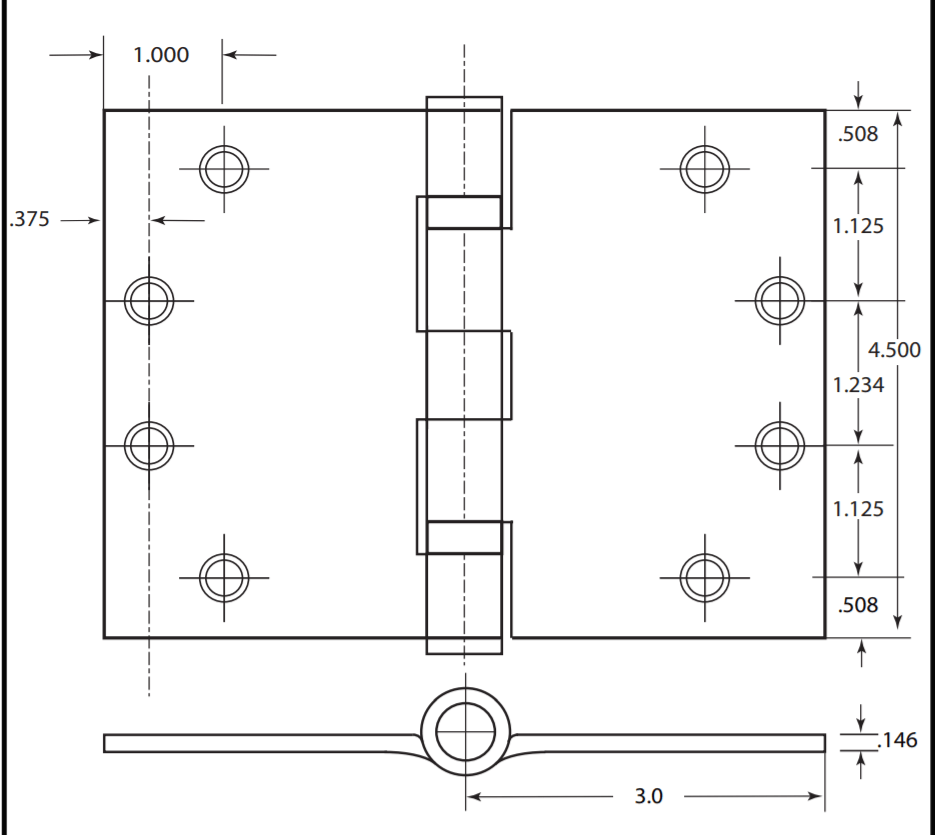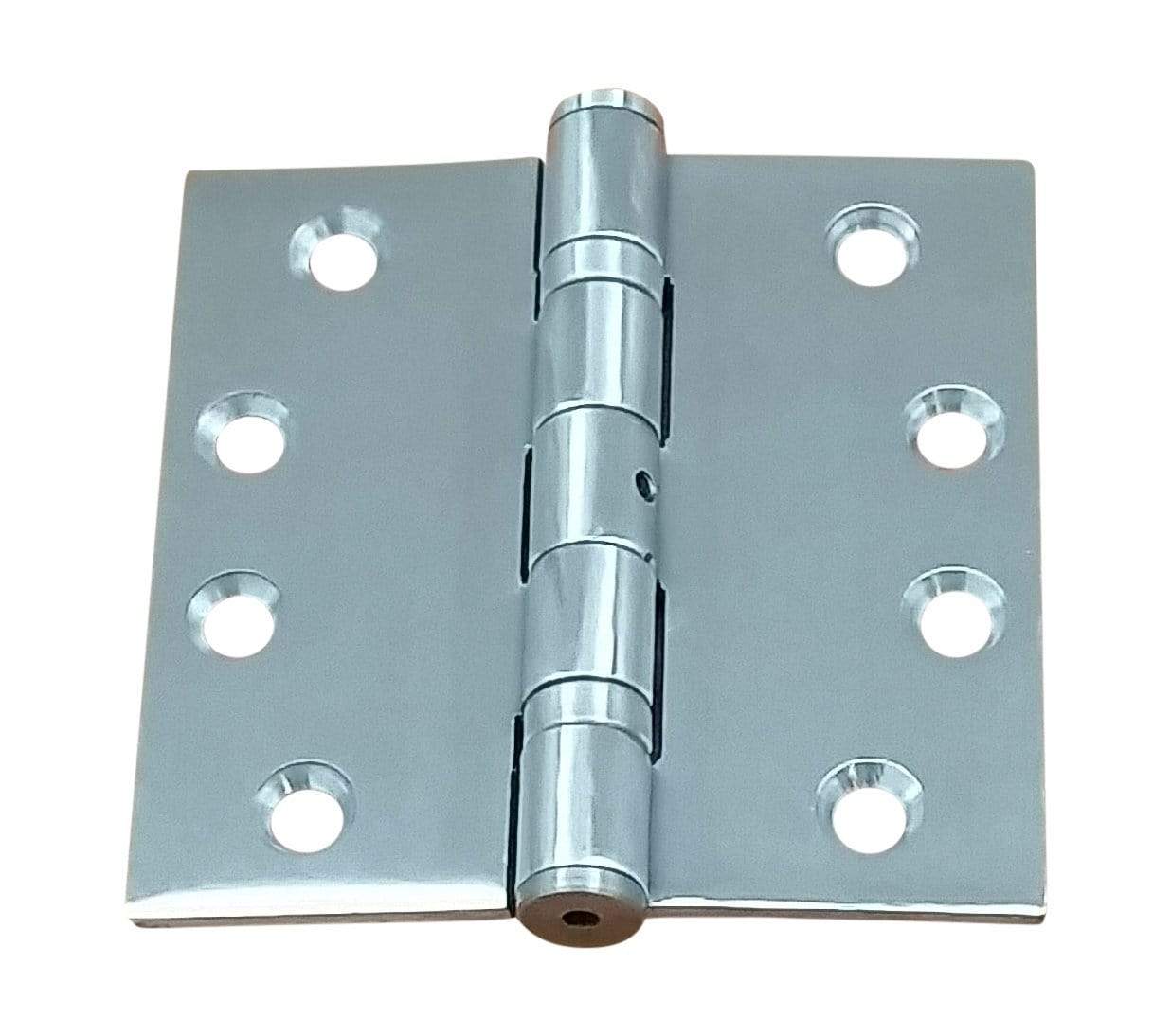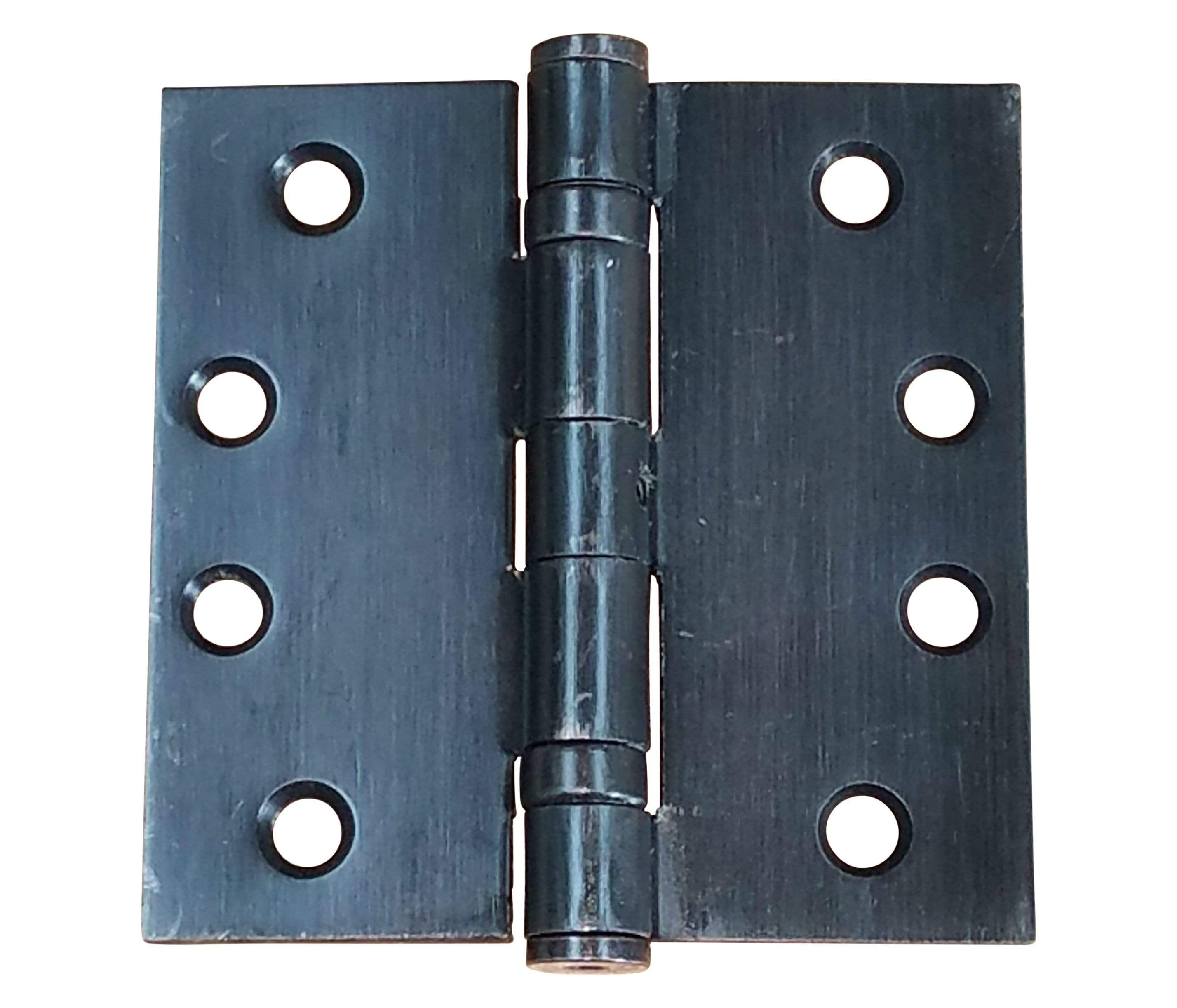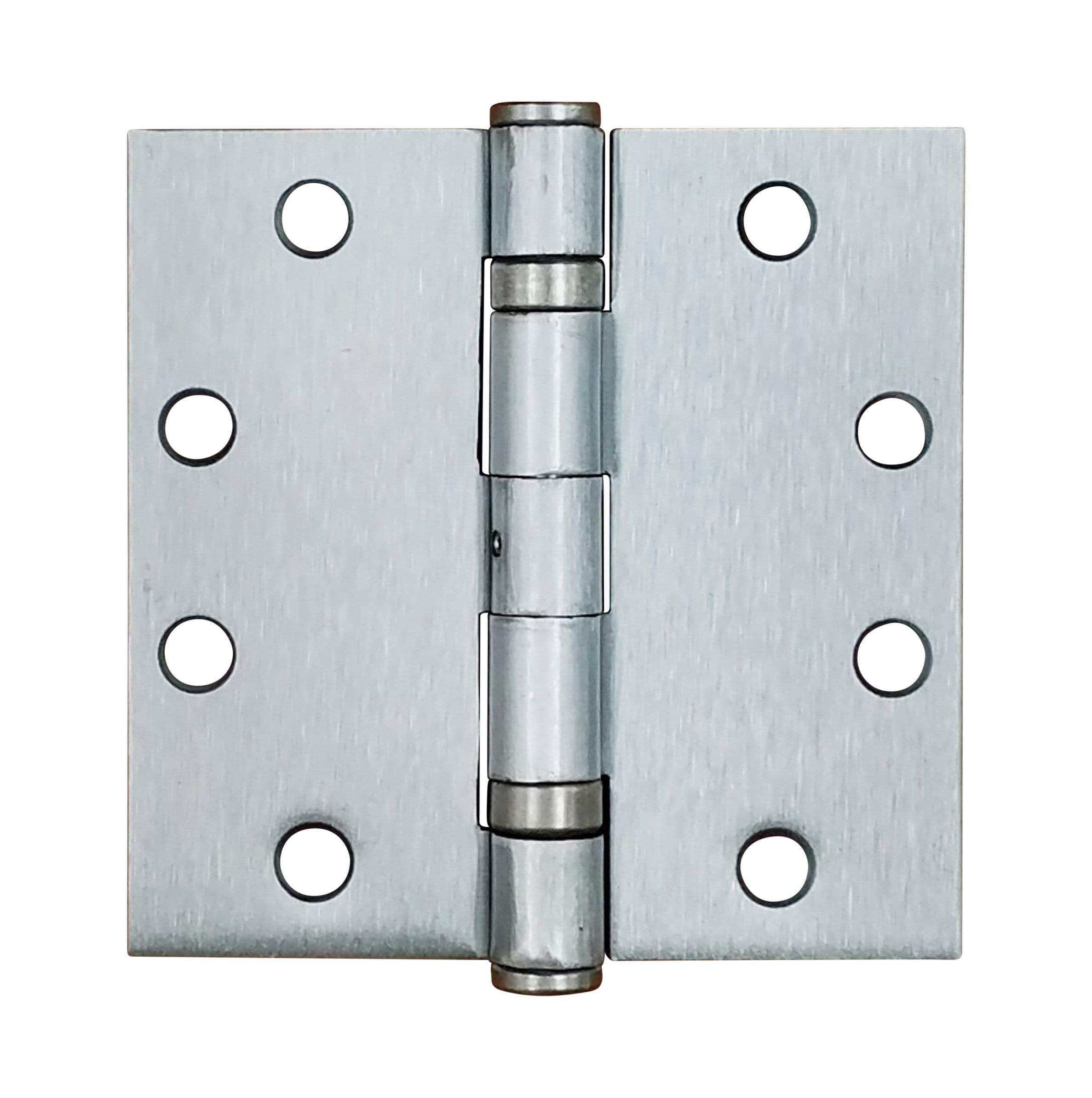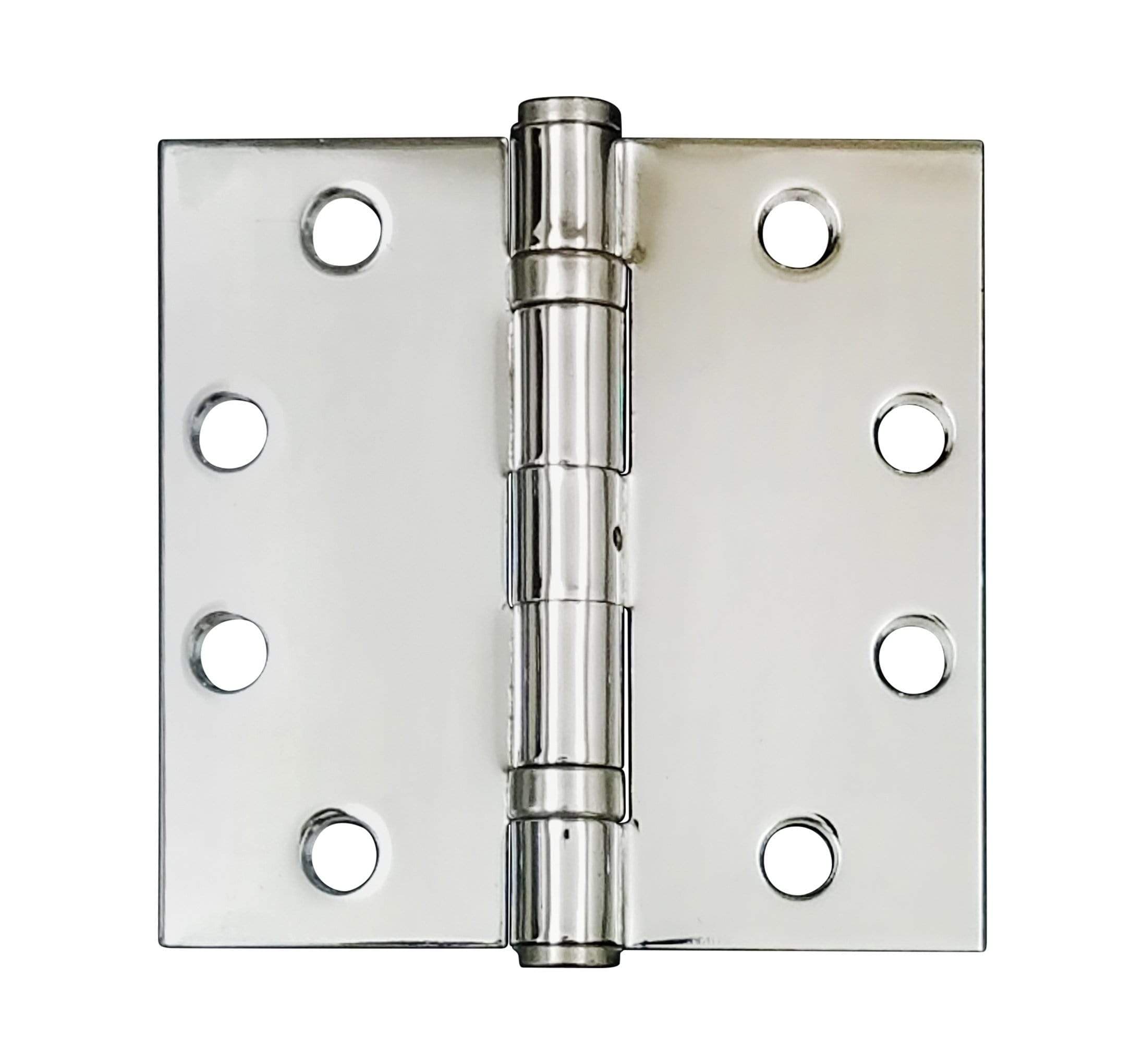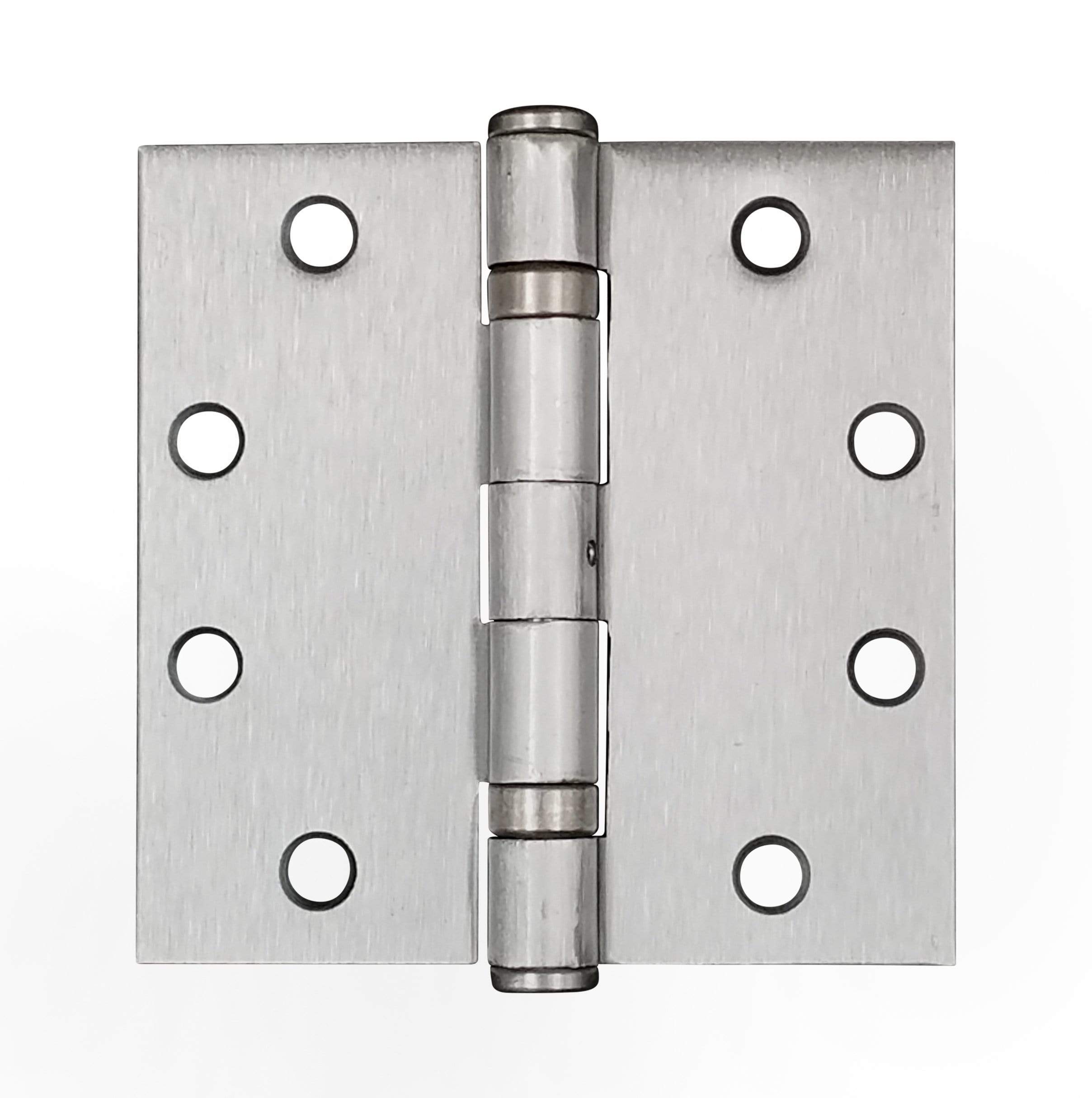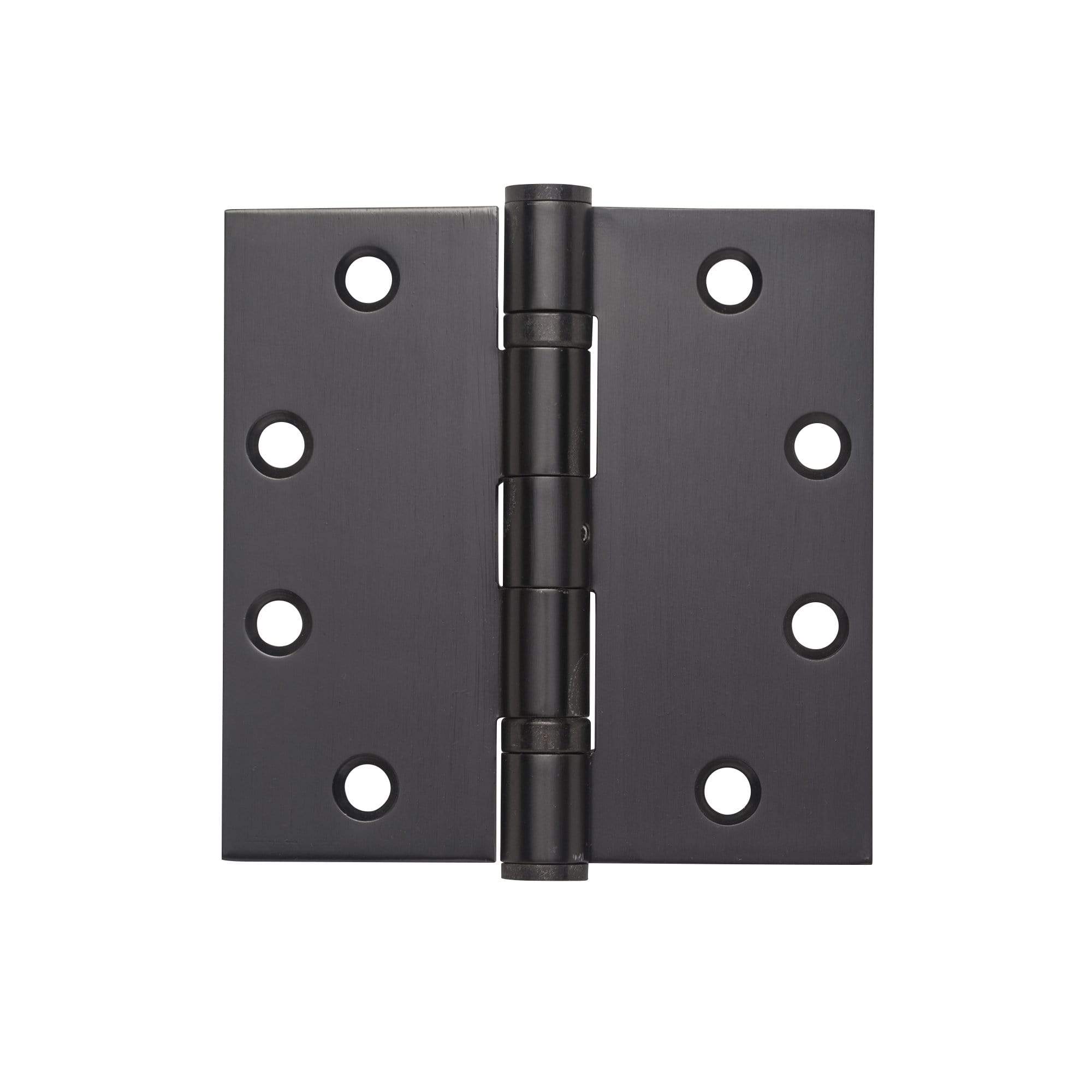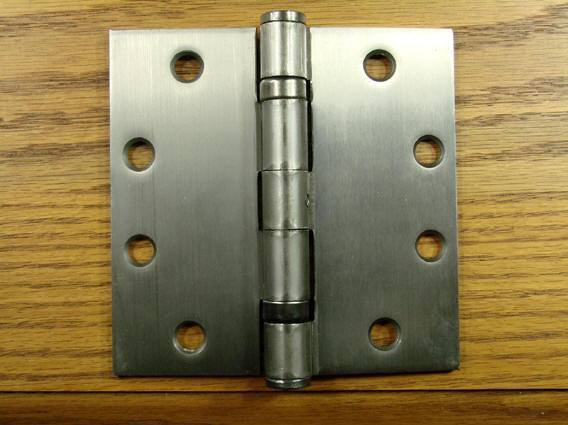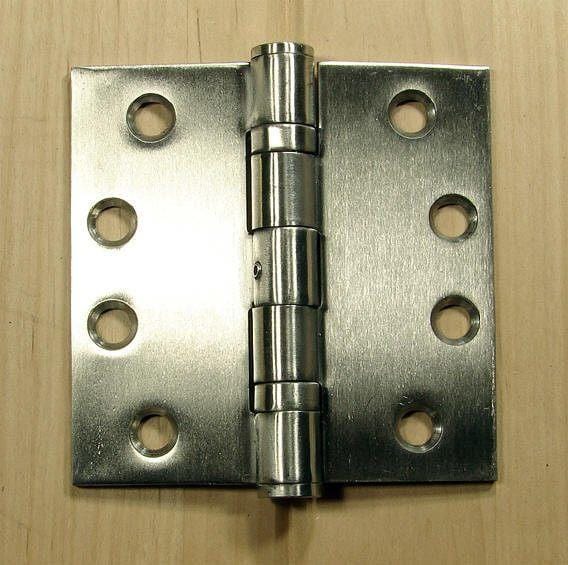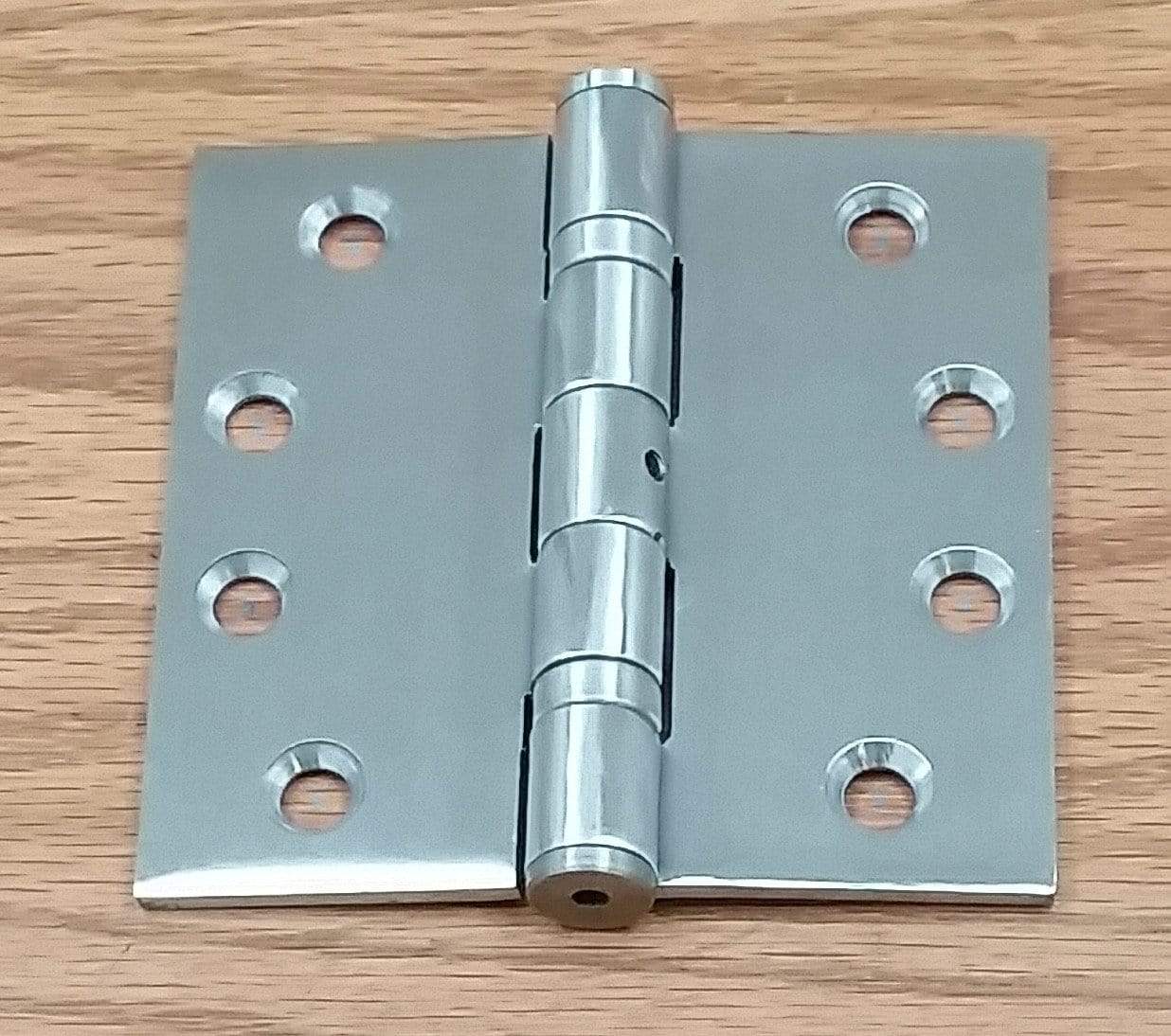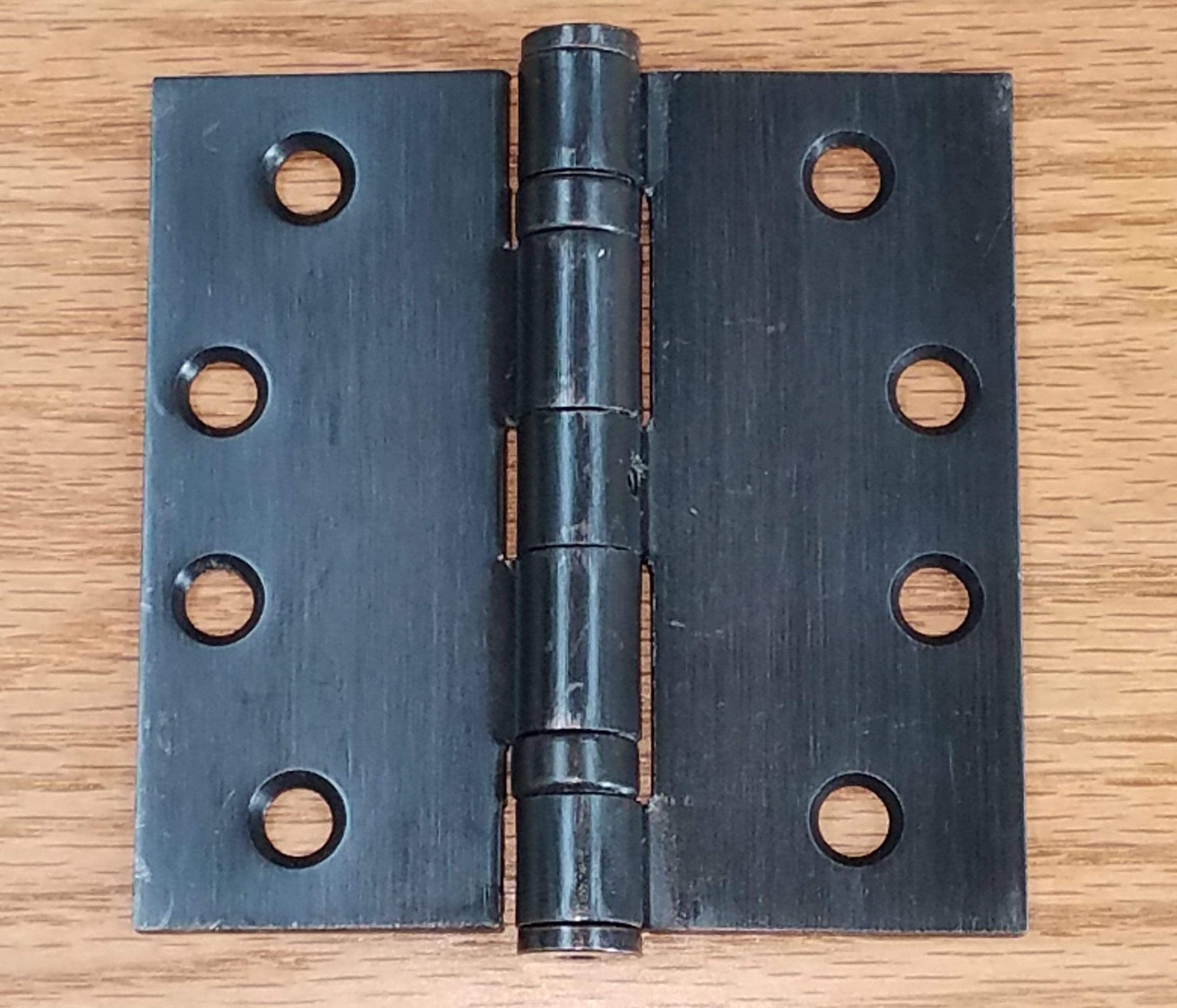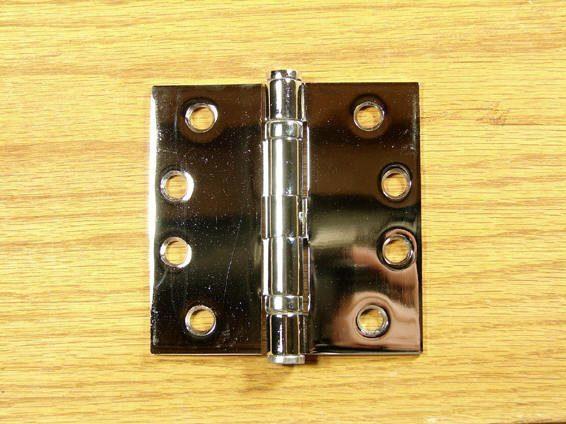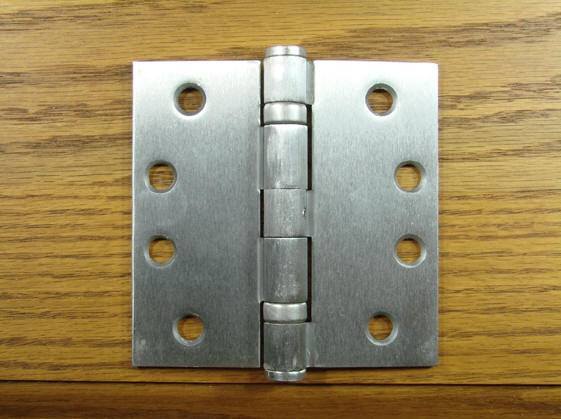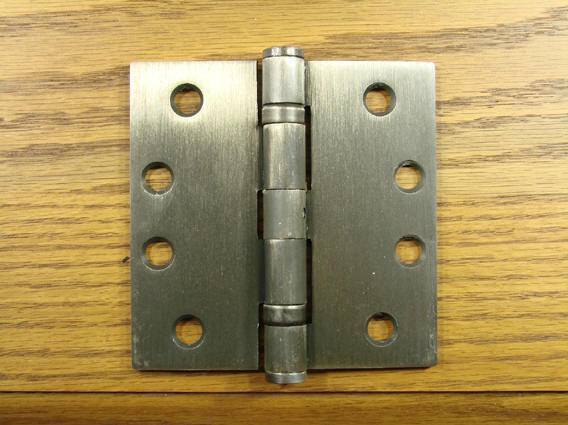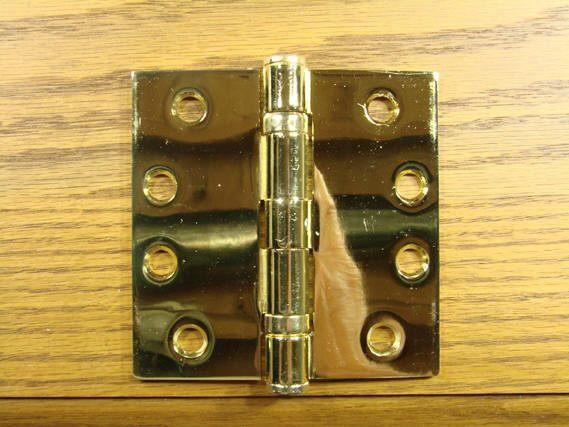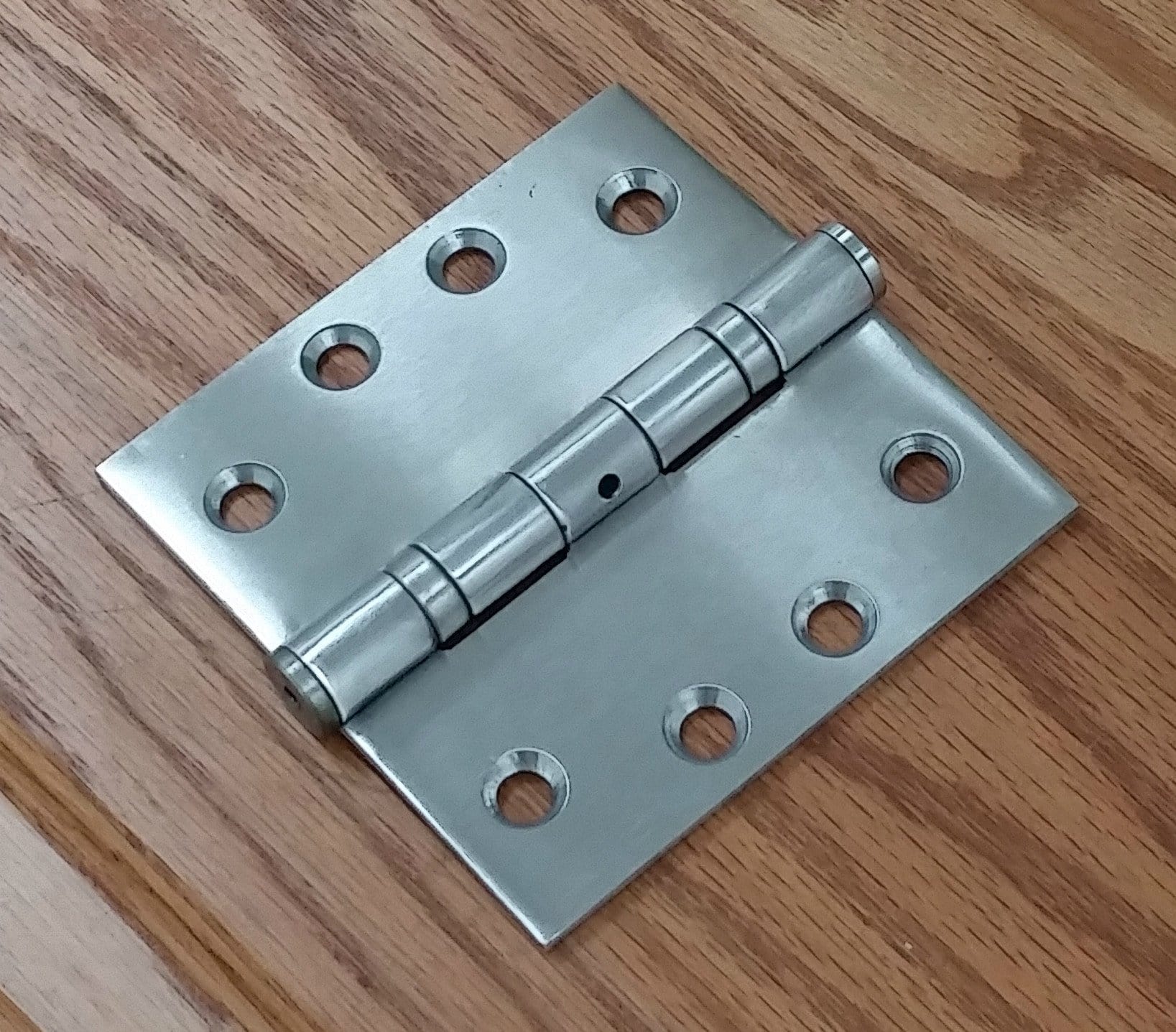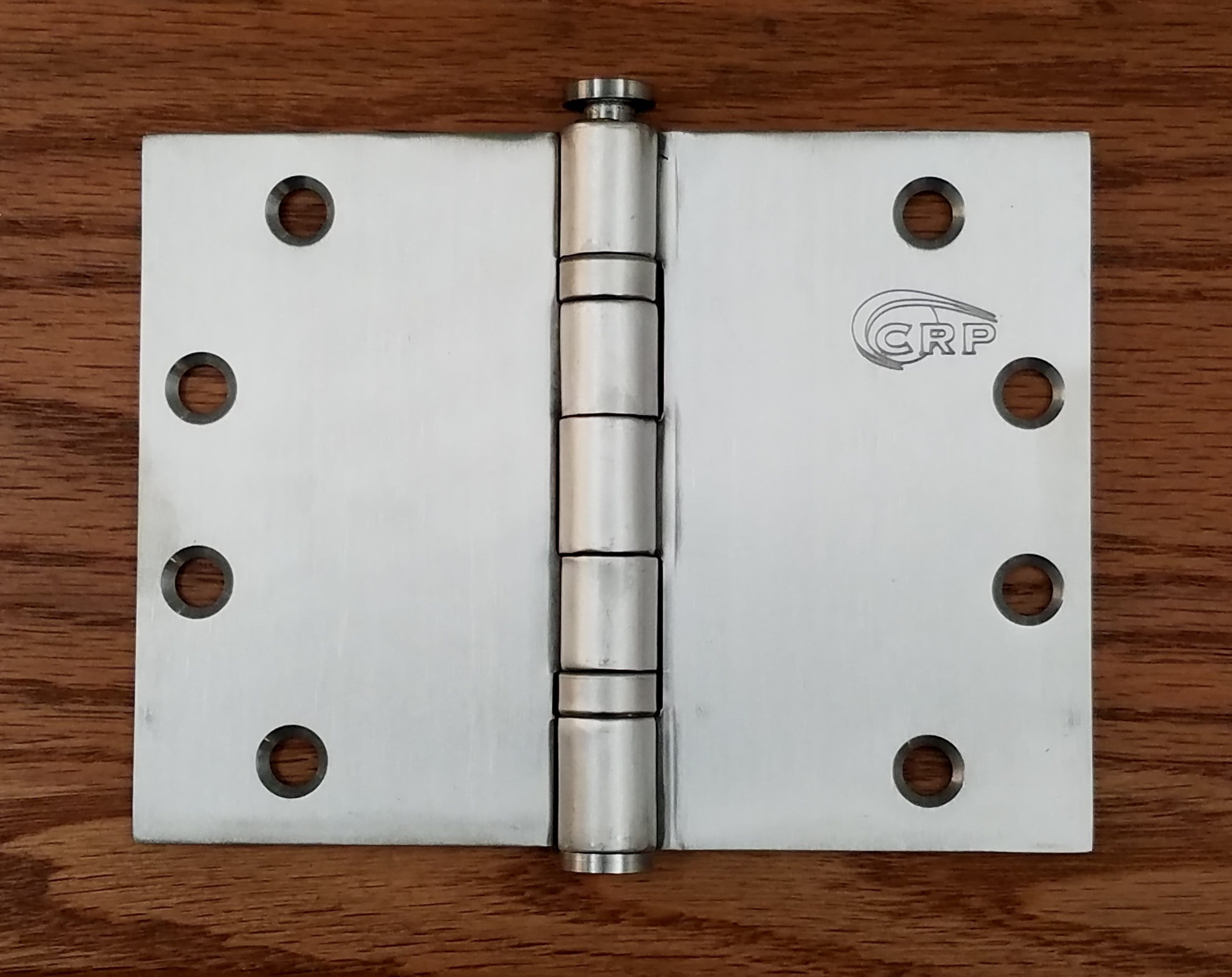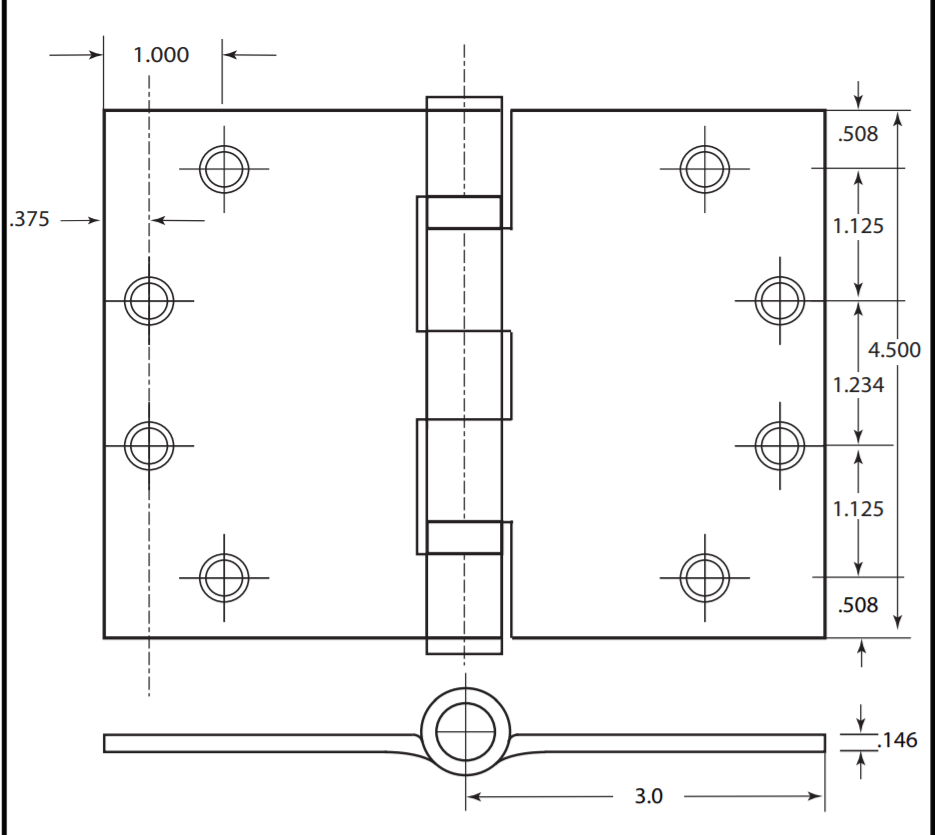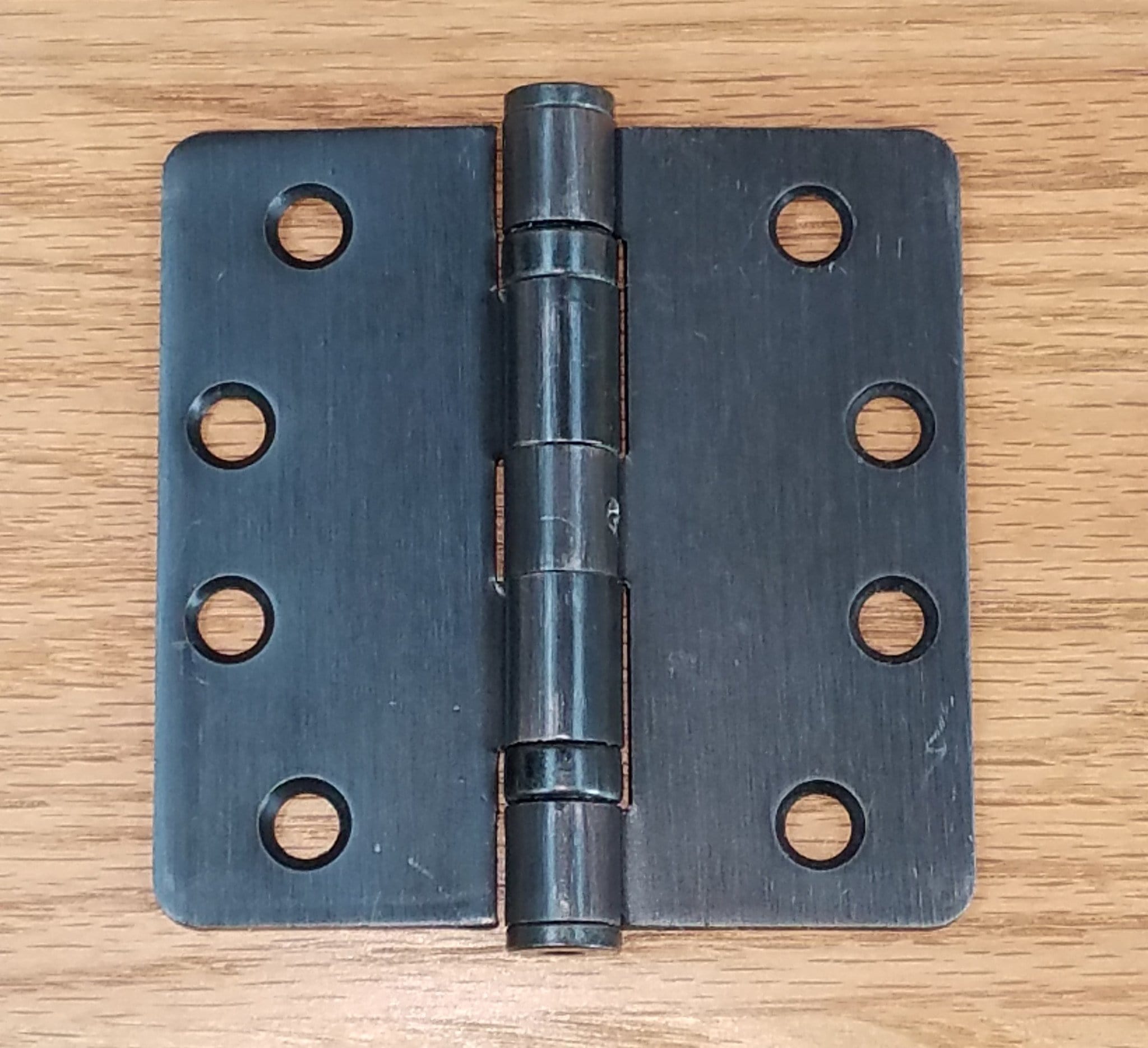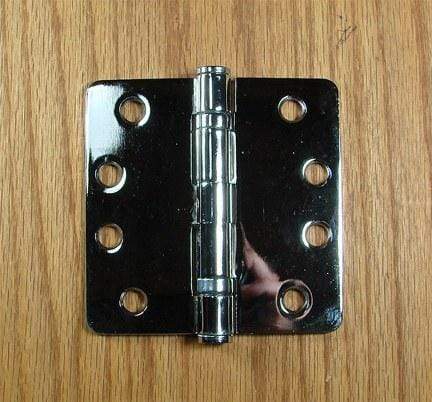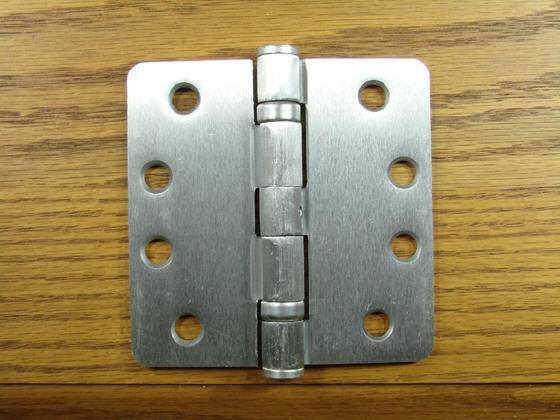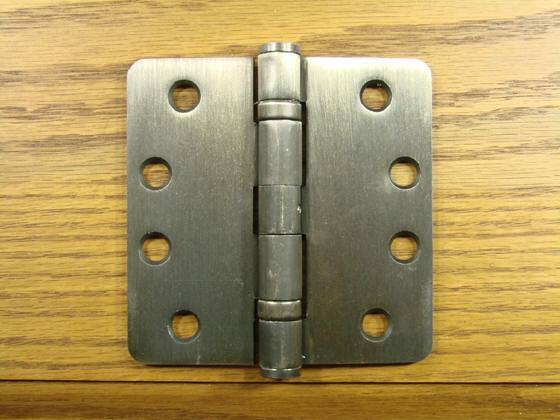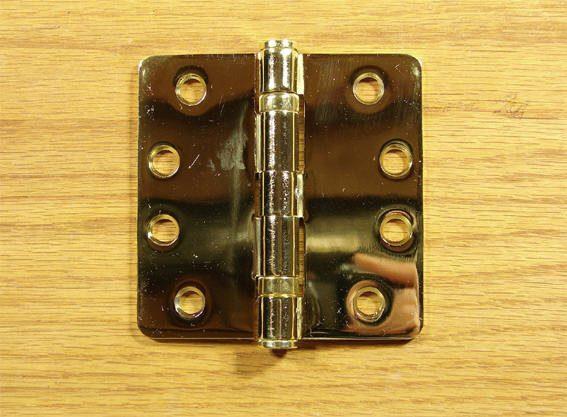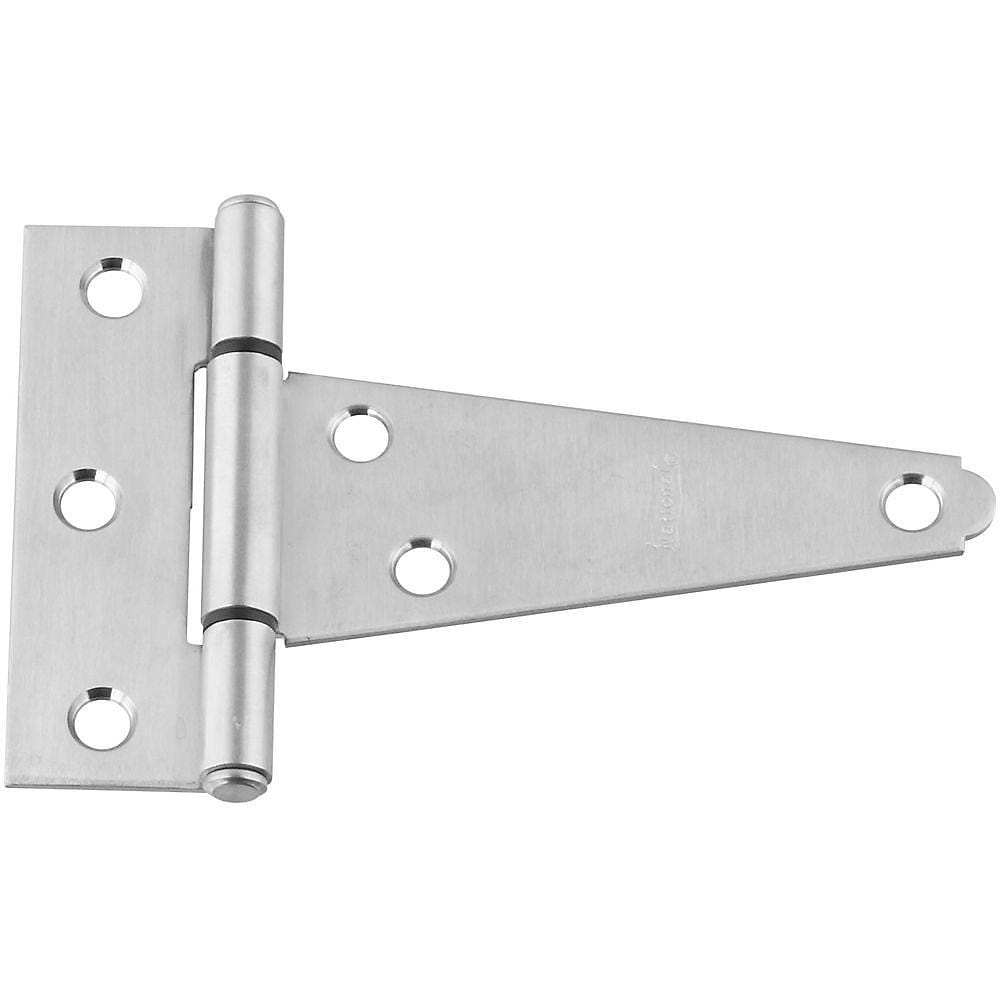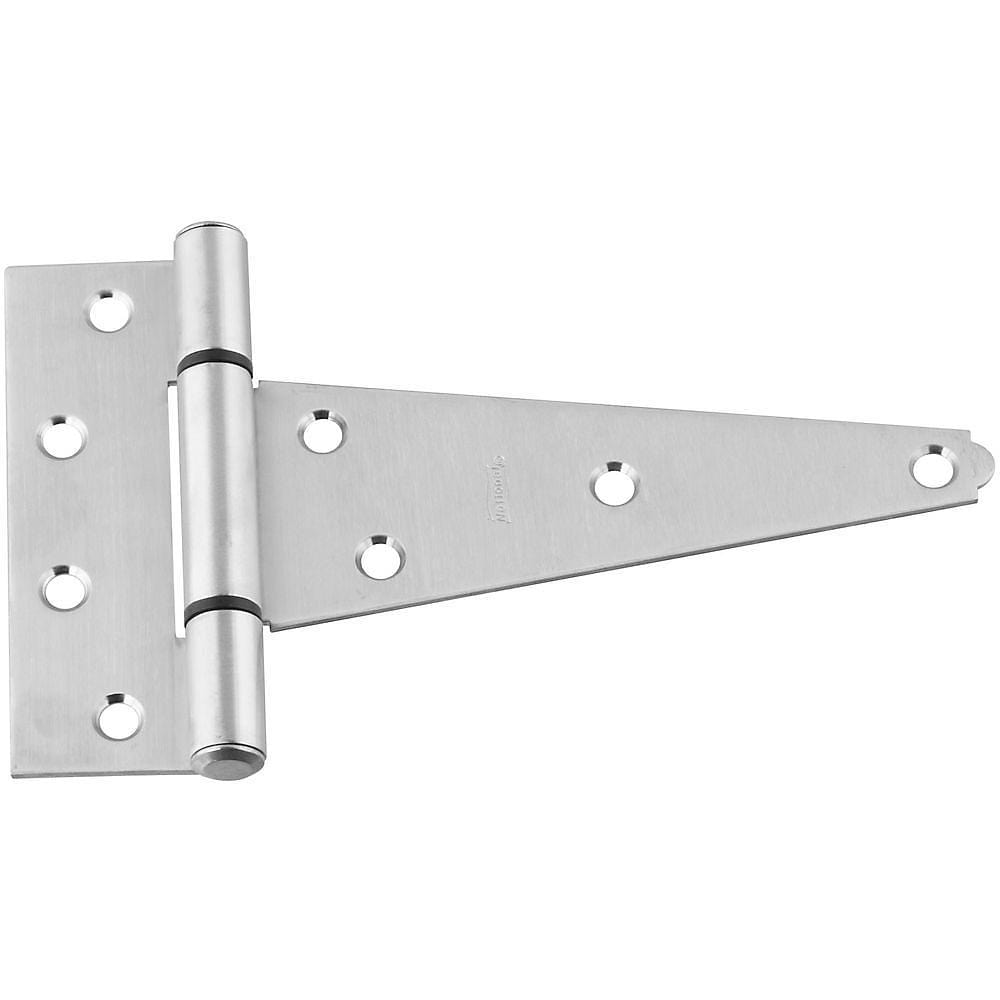


When installing or adjusting cabinet doors, even a few millimeters can make a big difference in alignment. Cabinet hinge spacers provide a simple, reliable way to correct uneven gaps, ensure smooth door movement, and achieve pro-level results without replacing your hinges or re-drilling holes.
In this guide, you’ll learn what hinge spacers do, when to use them, and how to install them properly for a perfect cabinet fit.
What Are Cabinet Hinge Spacers?

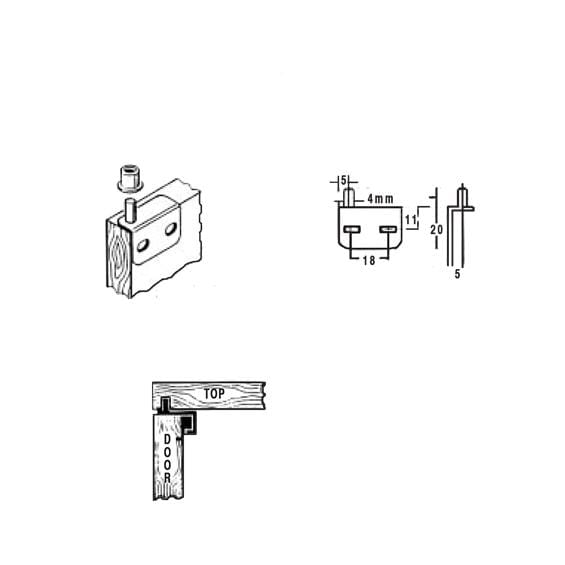
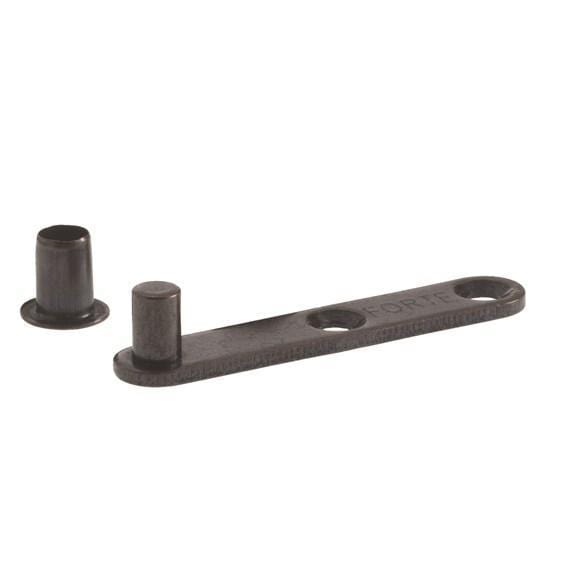
Cabinet hinge spacers are thin, durable plates—often made from plastic, metal, or composite materials—designed to fit behind a hinge plate. By adding a small amount of thickness between the hinge and the cabinet frame, hinge spacers allow you to fine-tune door alignment and correct spacing issues caused by uneven surfaces, warped wood, or hinge wear.
You can find hinge spacers in various thicknesses (commonly 1mm to 5mm) to help make incremental adjustments without compromising hinge strength or appearance.
When to Use Cabinet Hinge Spacers
Use cabinet hinge spacers when:
-
Doors rub or bind against the frame or adjacent doors.
-
Gaps are uneven, causing doors to appear crooked or misaligned.
-
You’ve installed new doors or hinges, and the hinge cup depth doesn’t match the original setup.
-
Older cabinets have settled or shifted, changing the original hinge alignment.
Rather than replacing hinges or sanding door edges, hinge spacers offer a quick, non-invasive solution to correct minor alignment problems.
Additional benefits include:
-
Cost-effective alternative to new hinges or carpentry work
-
Clean, professional results that maintain original hardware placement
-
Reversible—you can remove or change spacers anytime
How to Install Cabinet Hinge Spacers

-
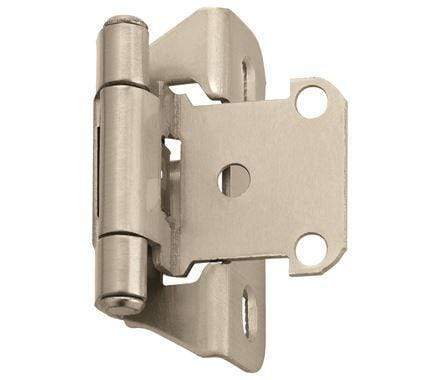
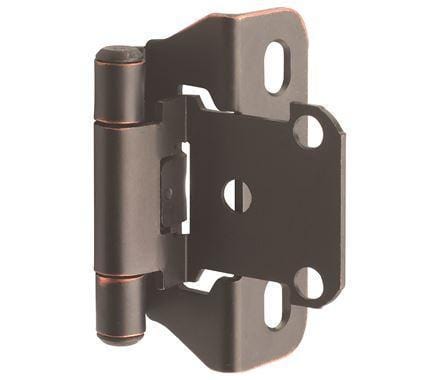
Remove the hinge screws securing the hinge plate to the cabinet frame or carcass.
-
Slide or place the hinge spacer between the hinge plate and the mounting surface.
-
Align the screw holes in the spacer with those in the hinge and frame.
-
Reinsert and tighten the screws until secure, ensuring the hinge plate sits flush.
-
Test the door movement and check the gap around the door. Add or remove spacers as needed for perfect alignment.
Installation Tip: Start with the thinnest spacer and build up gradually. It’s easier to add thickness than to start over after over-spacing the hinge.
Final Thoughts
Cabinet hinge spacers are a small detail, but they are a big help when ensuring properly working cabinetry. Whether you’re adjusting a single misaligned door or refitting an entire kitchen, hinge spacers are a simple, effective tool for getting the job done right.
Not sure which hinge spacer is best for your cabinets? Chat with our team today for expert recommendations.
FAQs About Cabinet Hinge Spacers
1. Can hinge spacers be used for door hinges?
Yes, hinge spacers can be used for door hinges. However, the door should be lightweight, as spacers can only help correct minor alignment issues. Hinge spacers are most commonly used on cabinet or cupboard doors rather than on full-sized entry doors.
2. What is the difference between hinge spacers and hinge shims?
The difference between hinge spacers and hinge shims is their construction and intended use.
Hinge spacers are solid, uniform plates used to maintain precise spacing behind a cabinet hinge. On the other hand, hinge shims are flexible or tapered materials designed for fine-tuning alignment or supporting heavier doors where additional strength or angular adjustment is needed.