

If you're responsible for a commercial building, multi-family property, or any space open to the public, chances are you've run into the term "ADA compliant" more than once. Be it right before an inspection, after a tenant complaint, or during a renovation.
Door hardware is one of the most commonly cited accessibility issues, and it's also one of the easiest to fix once you understand what the code actually requires.
This guide breaks down what makes door hardware ADA compliant, walks through the specific requirements you need to meet, and covers the hardware types that solve the most common compliance problems.
ADA Door Hardware Requirements
The ADA lays out specific, measurable requirements for door hardware. These standards come from the ADA Standards for Accessible Design, primarily Section 404, and they apply to nearly every door on an accessible route in a commercial or public building..
Operable Parts
Under ADA Section 309.4, operable parts such as handles, locks, and latches must be usable with one hand and must not require forceful use or excessive twisting of hands and wrists.
This is why round doorknobs don't pass compliance regulations. They require a twisting grip that many people with limited hand strength or dexterity are unable to manage.
Lever handles, push-pull bars, U-shaped pulls, and panic hardware all satisfy this requirement because they can be operated with a closed fist or a loose, open palm.
If your building still has knob-style hardware on any door along an accessible route, that's a compliance gap that needs fixing.
ADA Door Hardware Height
ADA door hardware height requirements are straightforward: all operable hardware, like those listed above, must be mounted between 34 and 48 inches above the floor. This range was determined specifically to be reachable by both standing users and those using mobility devices.
Maximum Operating Force
Interior hinged doors on an accessible route can't require more than 5 pounds of force to open. This applies to the hardware itself as well as the door overall once any latch or lock has been released.
Exterior doors don't have a specific ADA-mandated maximum, though it is recommended to stay close to that same range to be safe. Fire-rated doors are generally exempt since they need enough closing force to latch reliably.
This is also where a lot of buildings quietly fail inspection. A door closer that's been cranked up to compensate for wind, drafts, or a door that doesn't sit quite right can easily push opening force well past the 5-pound threshold, even if the hardware itself is technically ADA-rated.
Clear Opening Width
Once the door is open to 90 degrees, the clear opening is measured from the face of the door to the door stop, and it must be at least 32 inches.
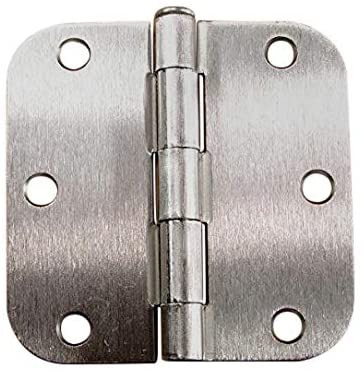
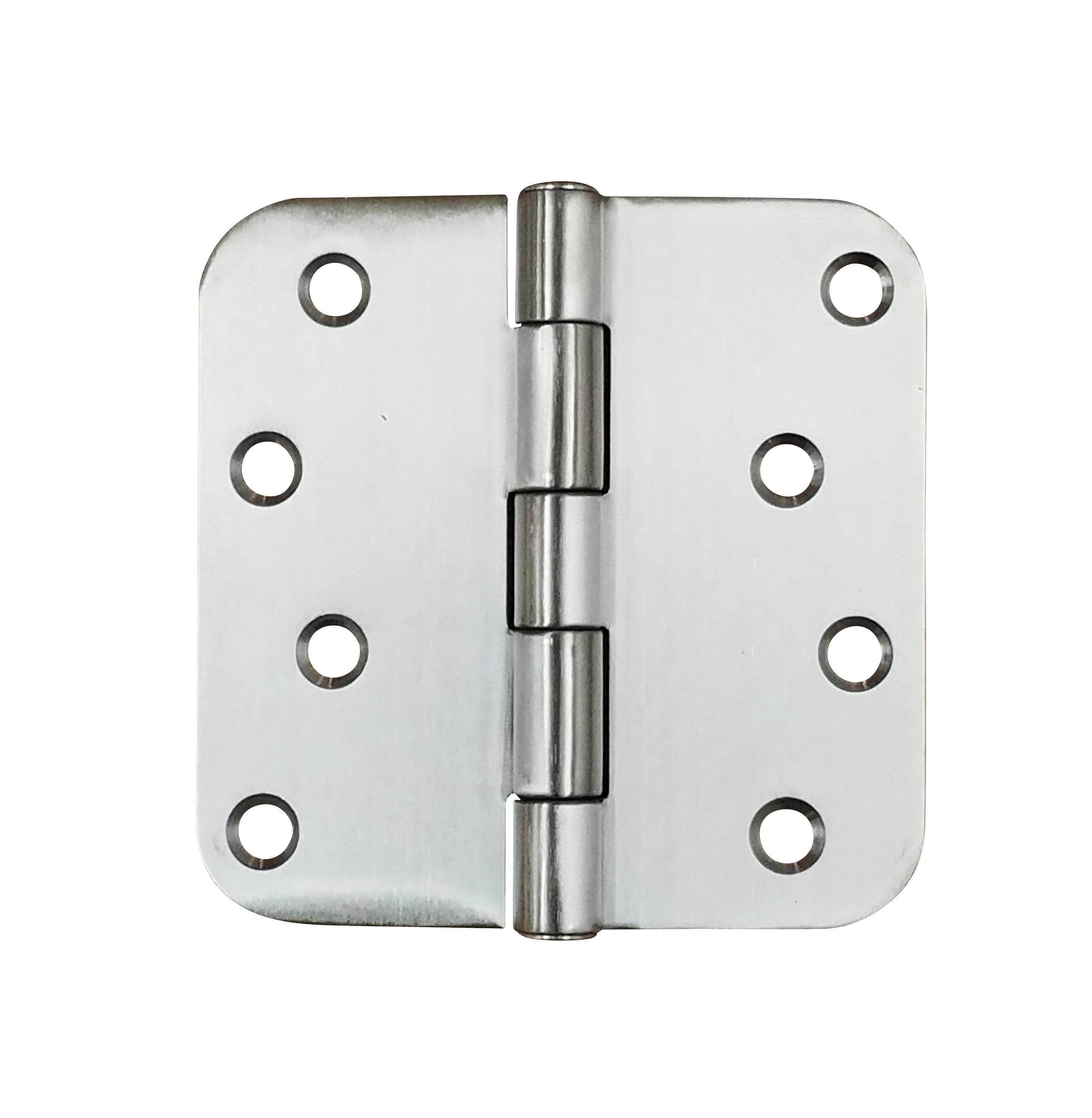
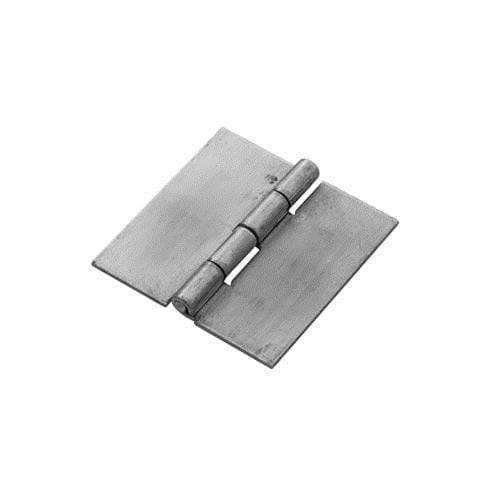
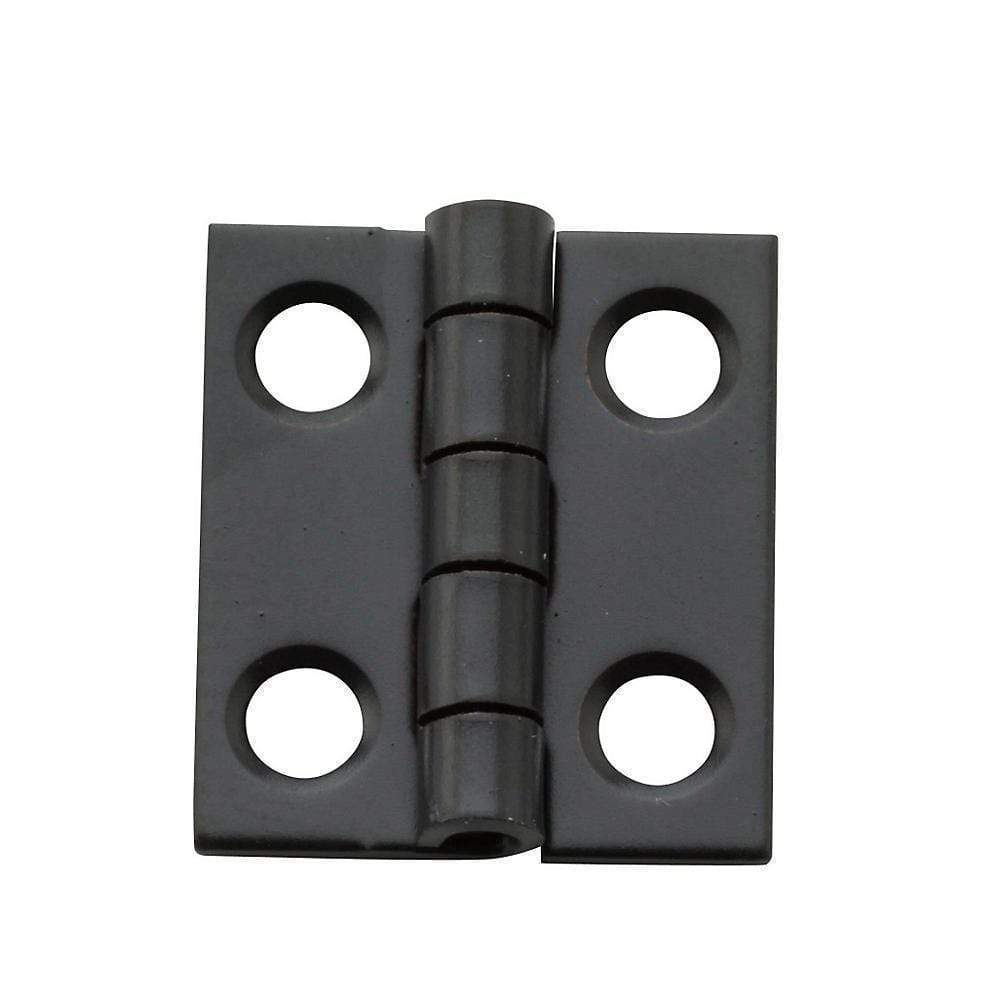
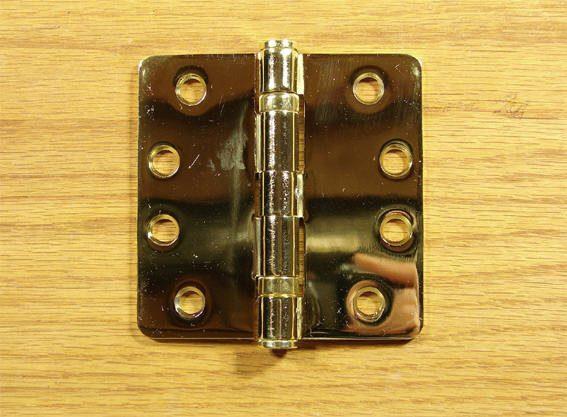
For most standard 36-inch doors, that sounds like plenty of margin. However, a standard butt hinge mounted flush with the frame can eat into that clearance, since the door leaf and hinge barrel both project into the opening at 90 degrees. On some doors, that's enough to drop the usable clear width below the 32-inch minimum.
This is one of the most overlooked ADA hardware issues, but fortunately it's also one of the simplest to fix.
To Summarize What Makes Door Hardware ADA Compliant
Door hardware is ADA compliant when it meets four core requirements:
-
It can be operated using one hand without tight grasping, pinching, or twisting.
-
It's mounted within the correct height range.
-
It opens with no more than 5 pounds of force.
-
It doesn't obstruct the required clear opening width of the doorway.
In practice, ADA compliant door hardware usually means:
-
Lever handles instead of round knobs.
-
Hardware mounted between 34 and 48 inches above the floor.
-
Closers adjusted to open easily but still close at a controlled speed.
-
Hinges that let the door swing fully clear of the opening.
Get these elements right, and most of your door hardware compliance work is done.
Common ADA Compliant Door Hardware Types
Once you know the requirements, choosing the right ADA hardware comes down to matching the product to the specific problem it needs to solve.
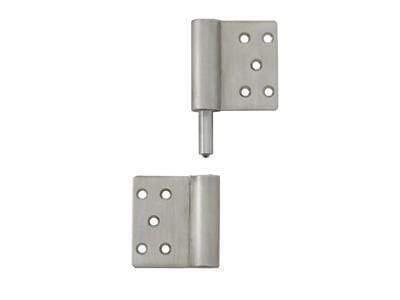
Swing Clear Hinges

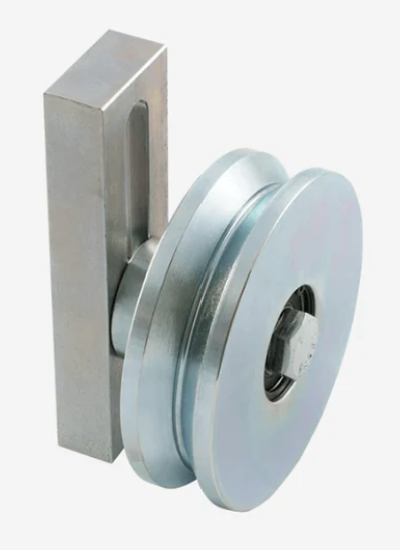
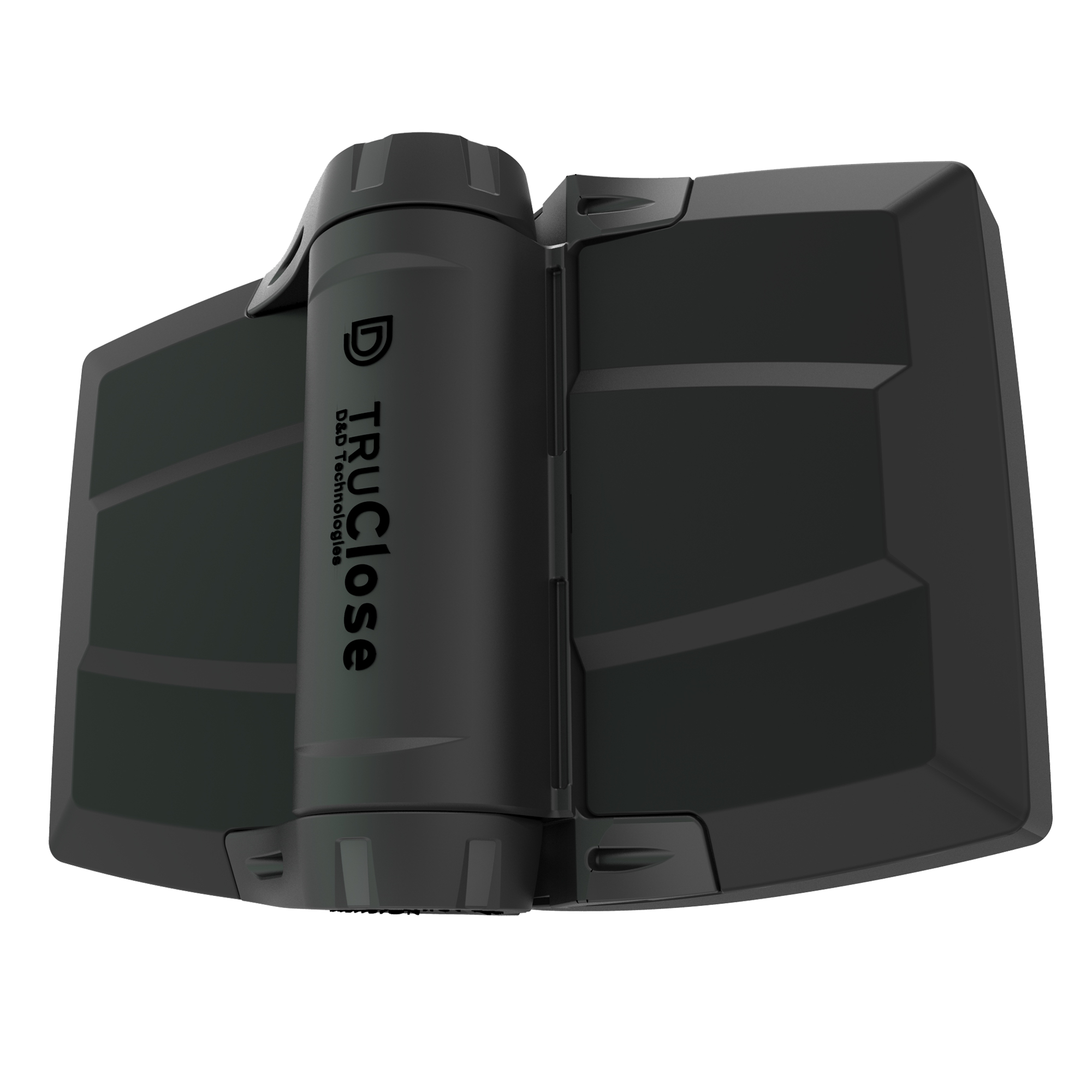
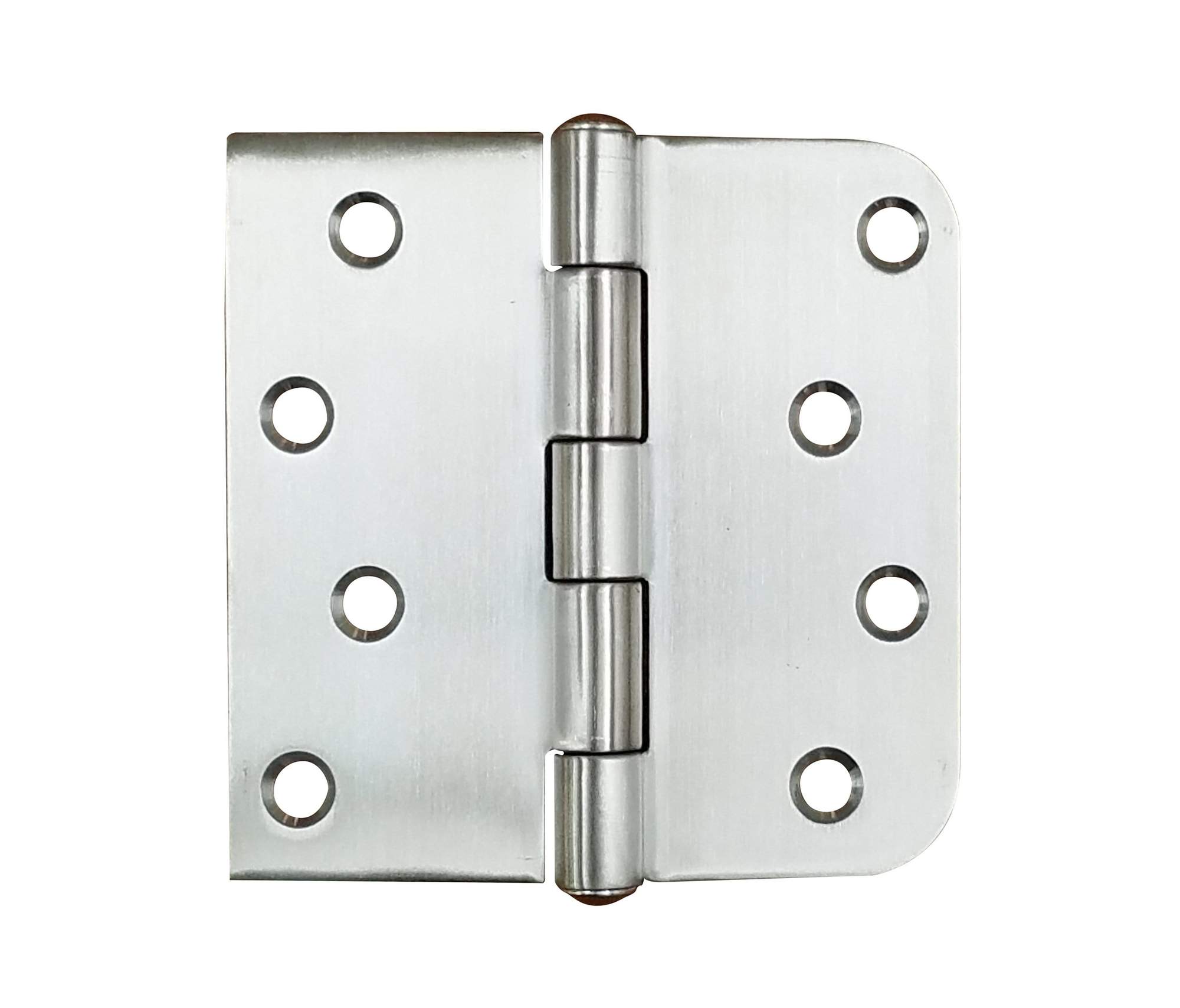
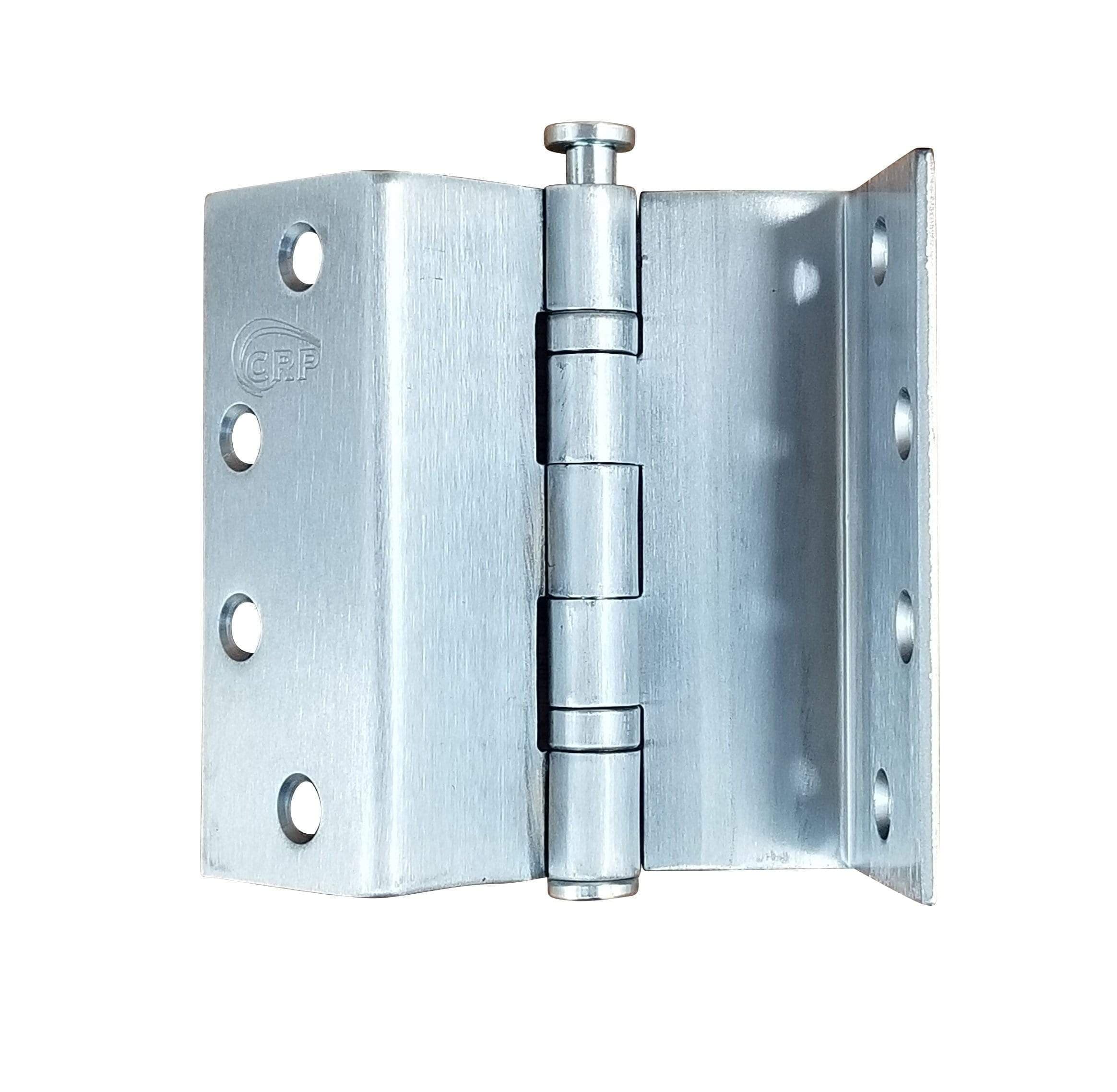
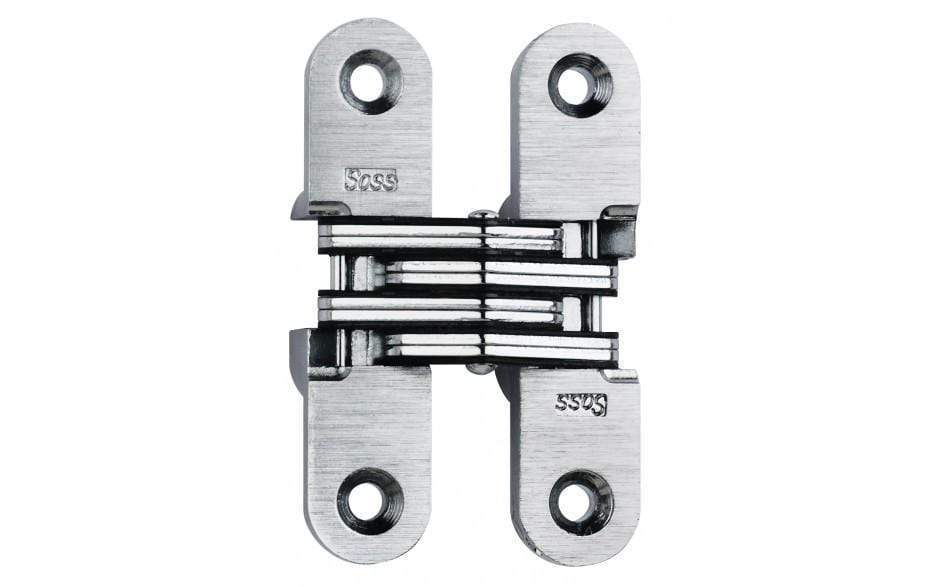
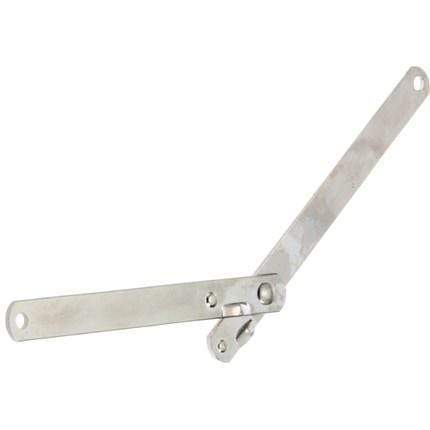
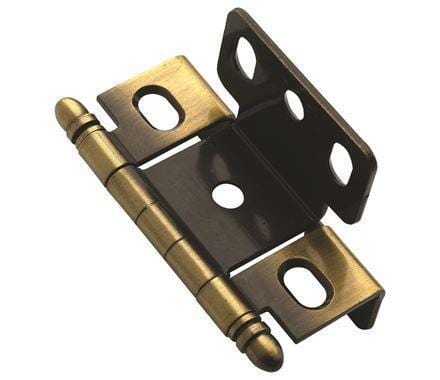
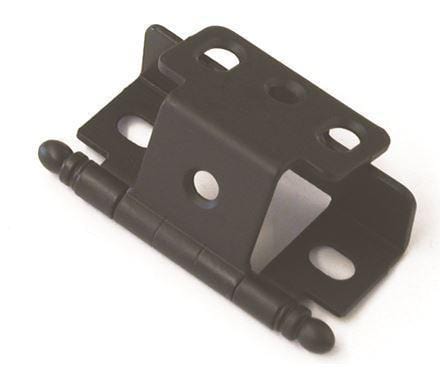
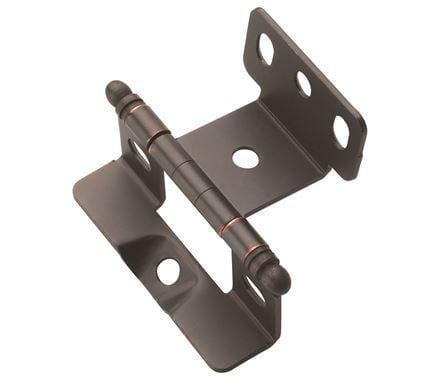
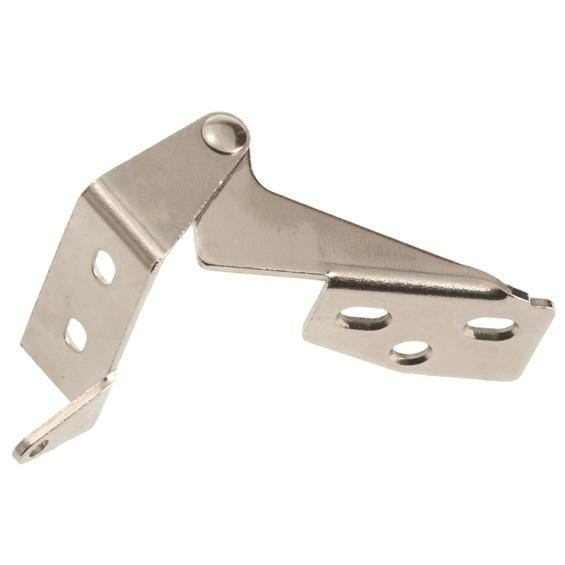
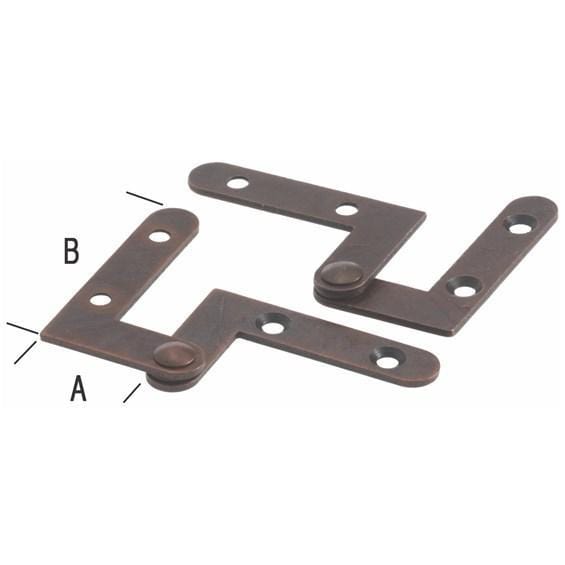
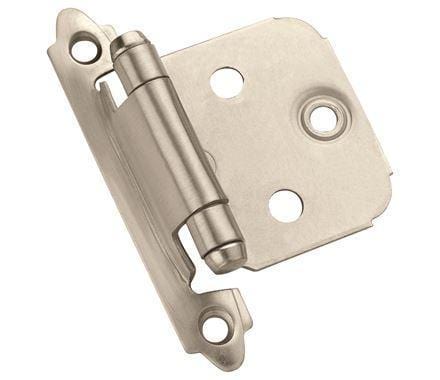
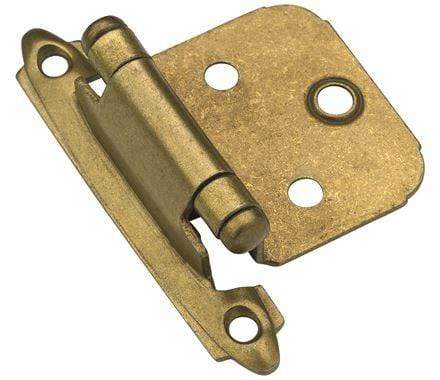
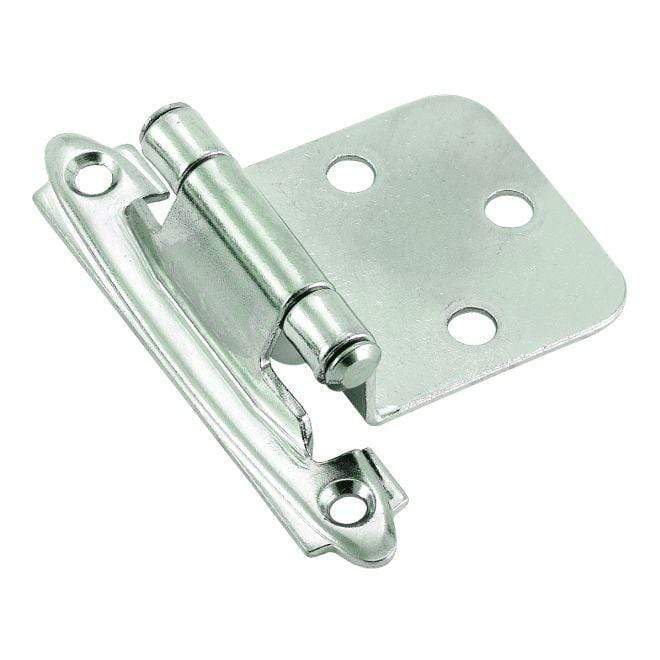
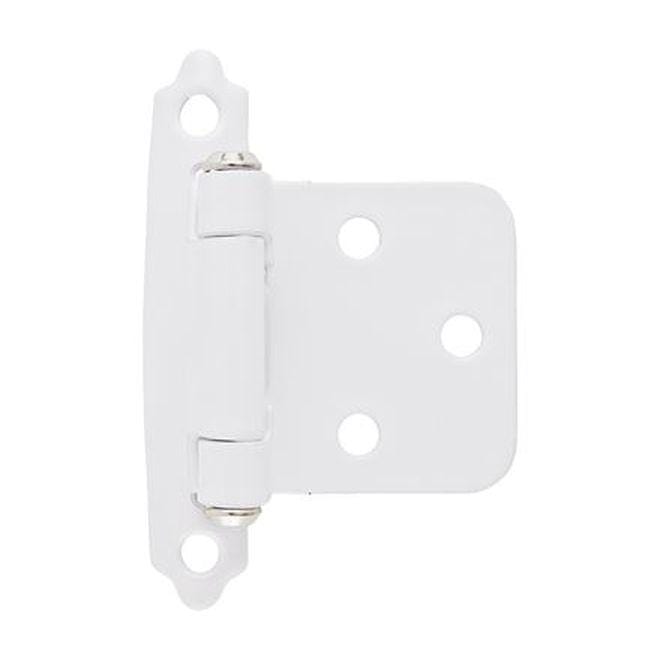
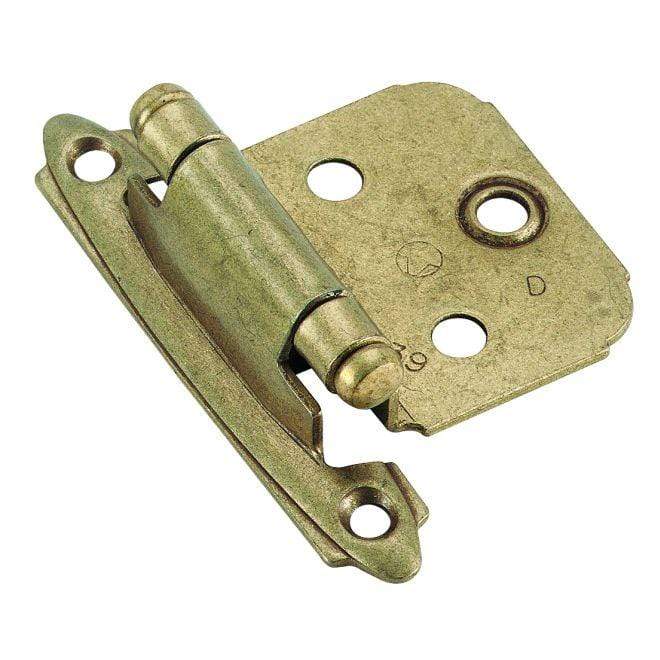
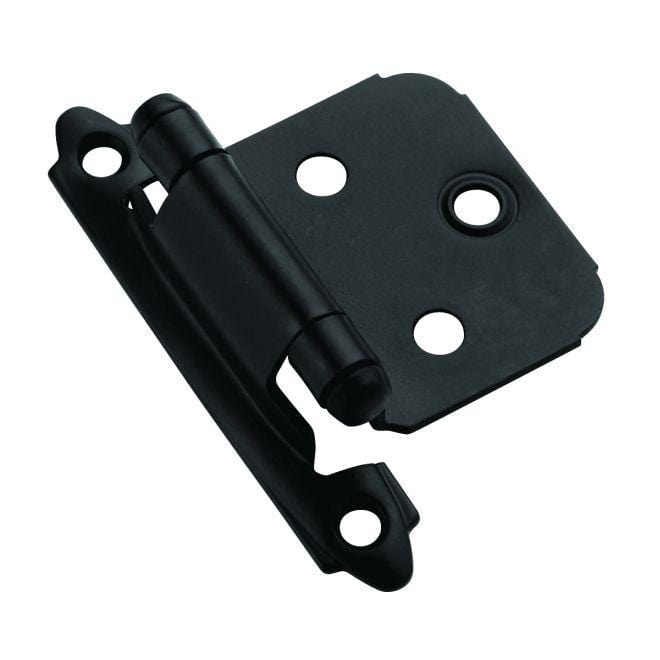
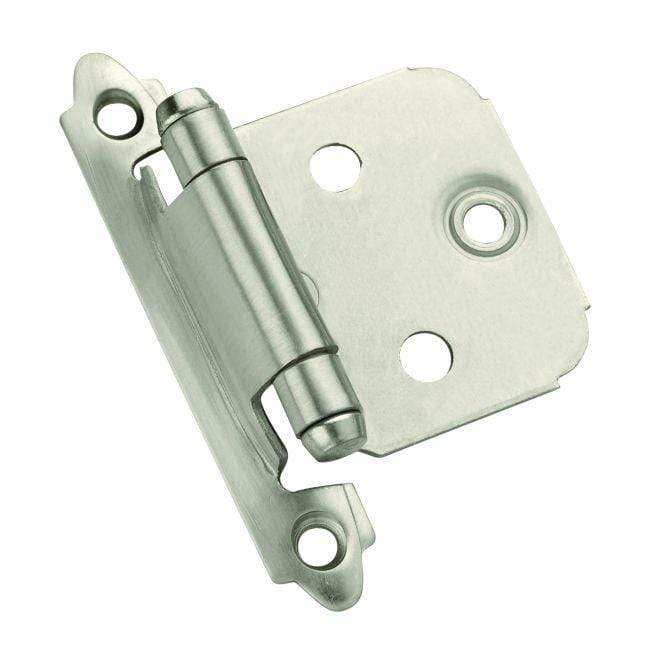
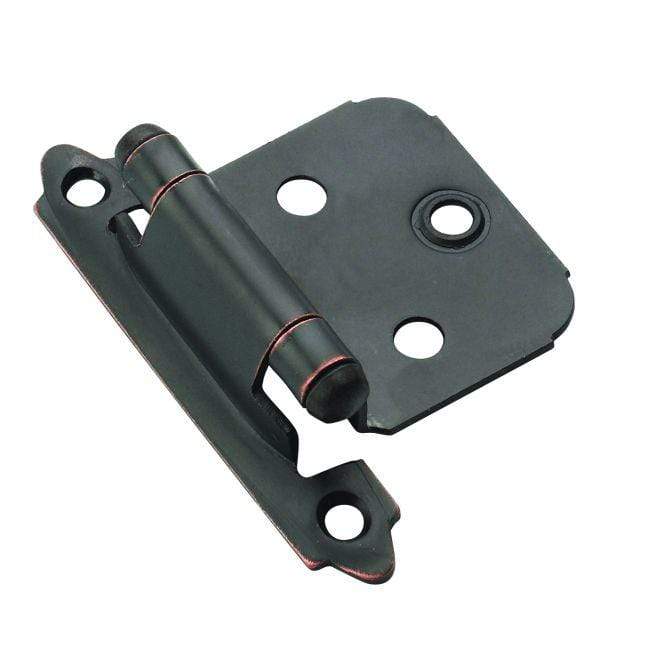
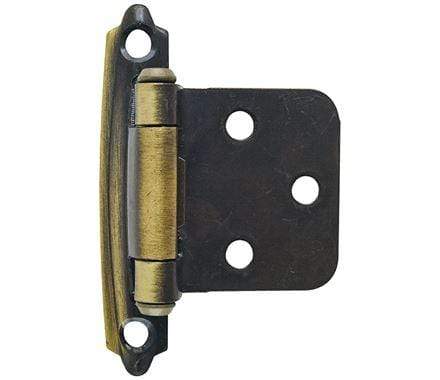
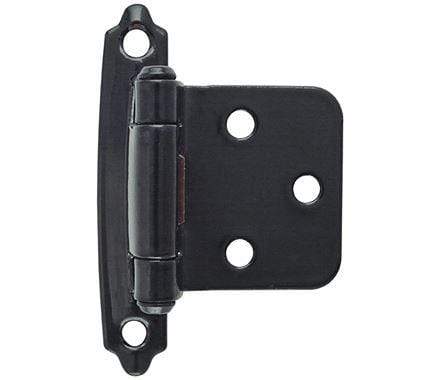
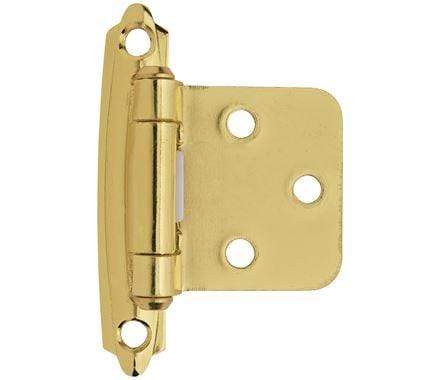
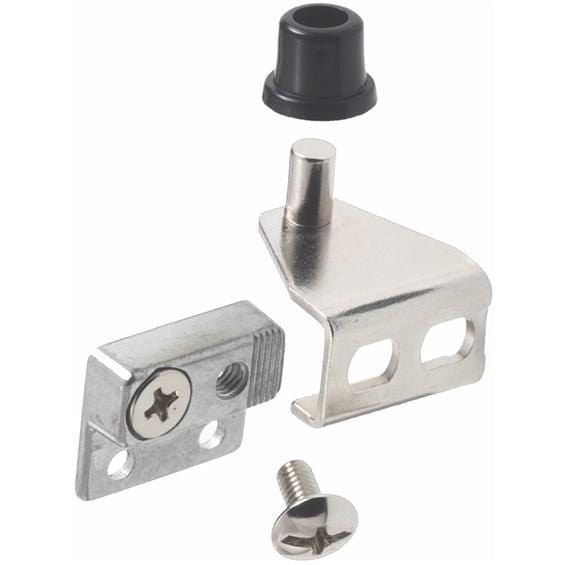
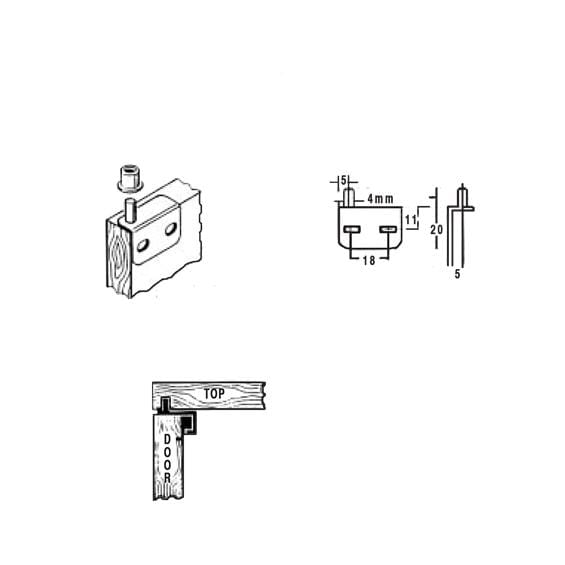
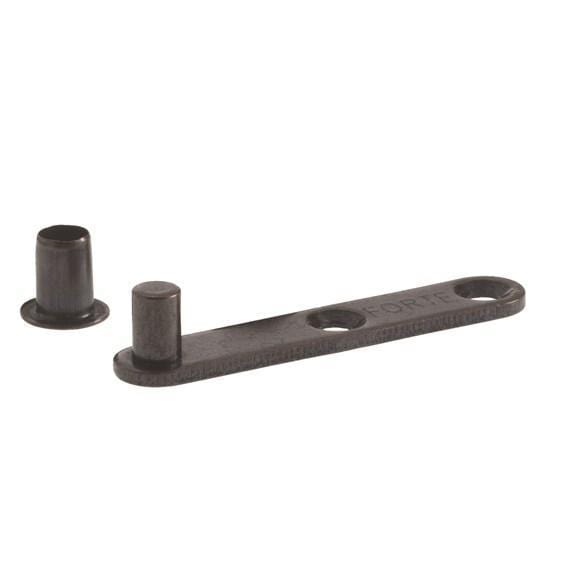
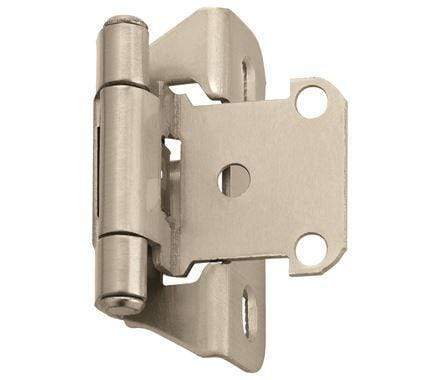
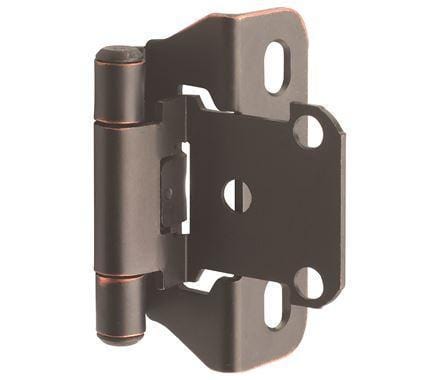
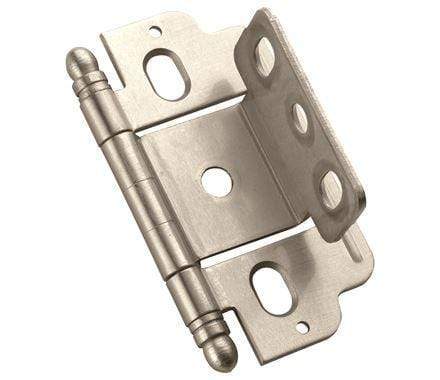
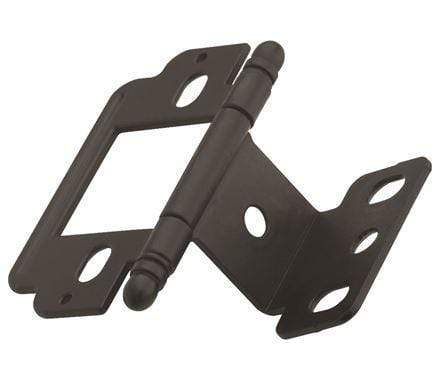
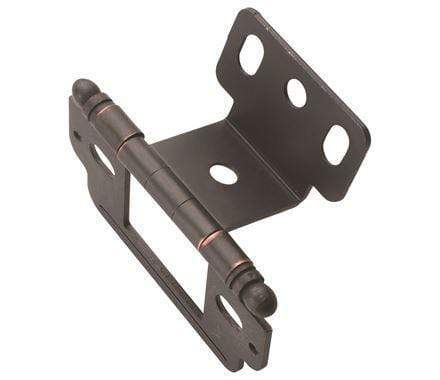
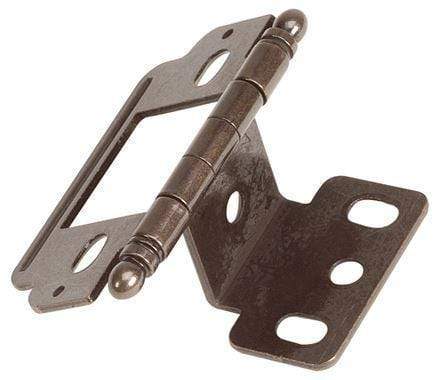
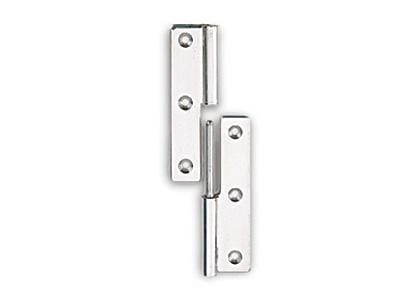
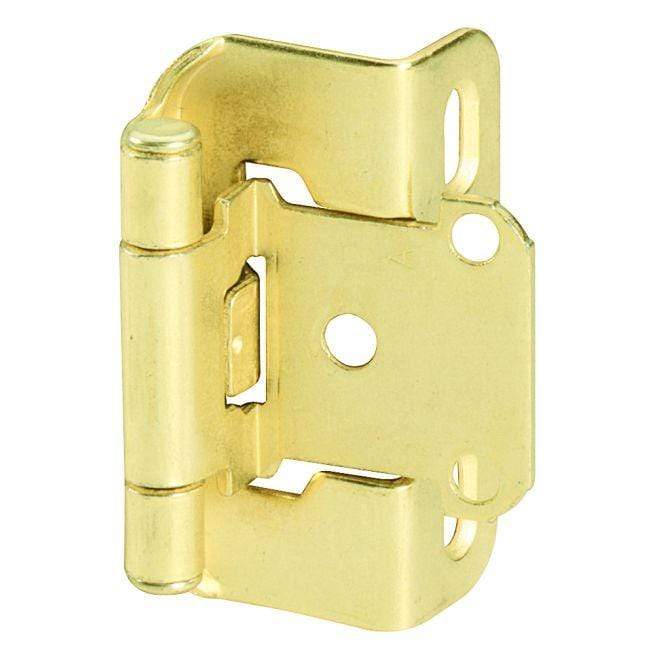
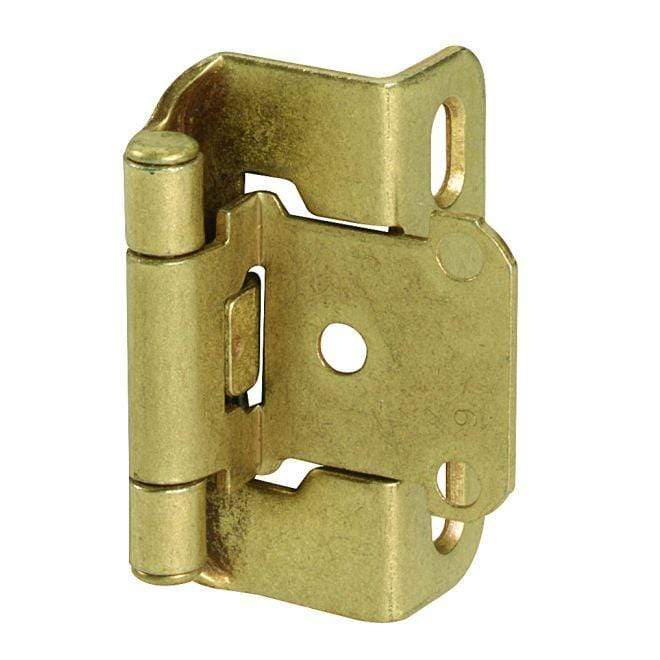
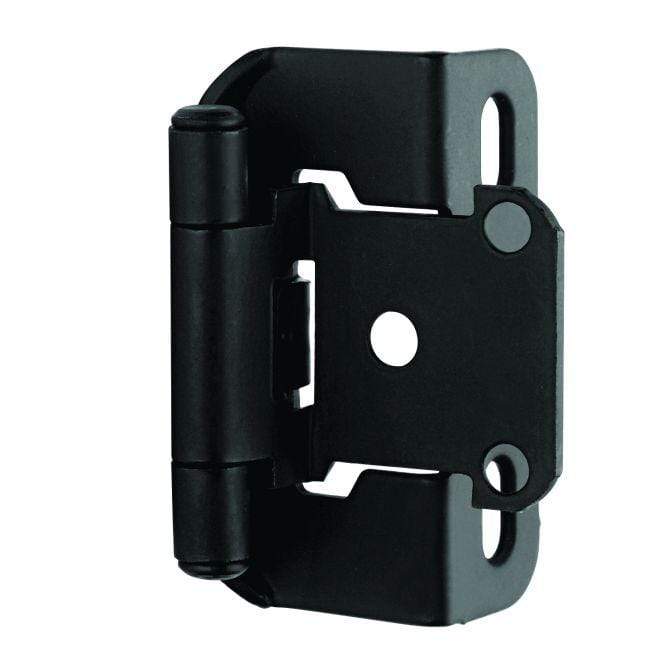
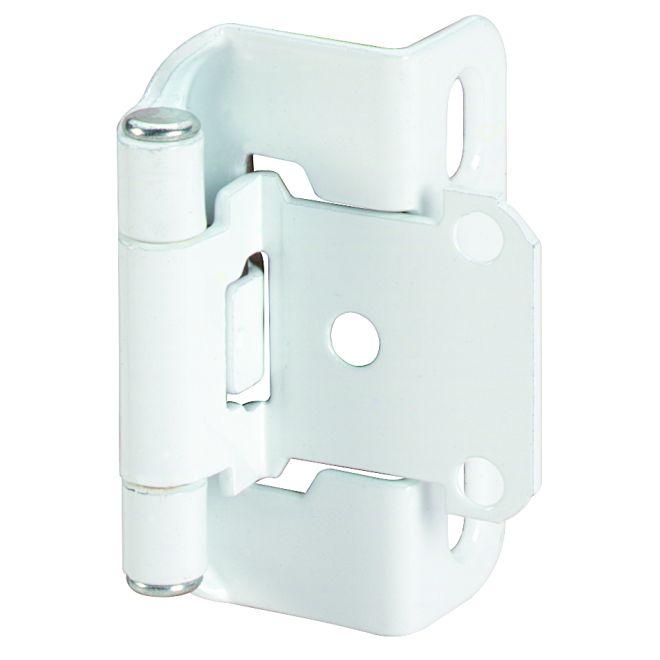
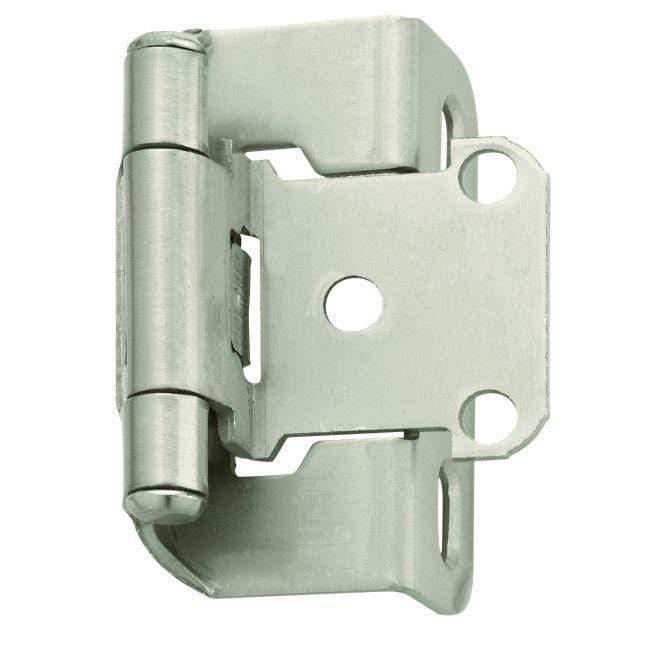
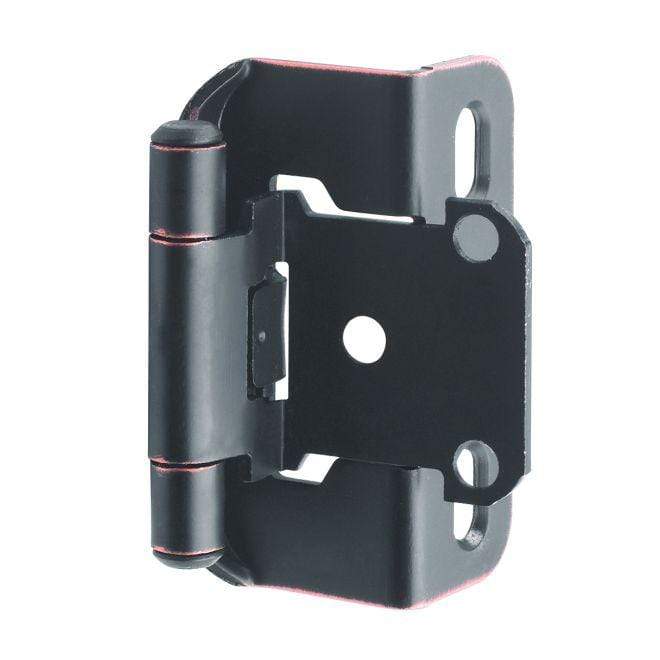
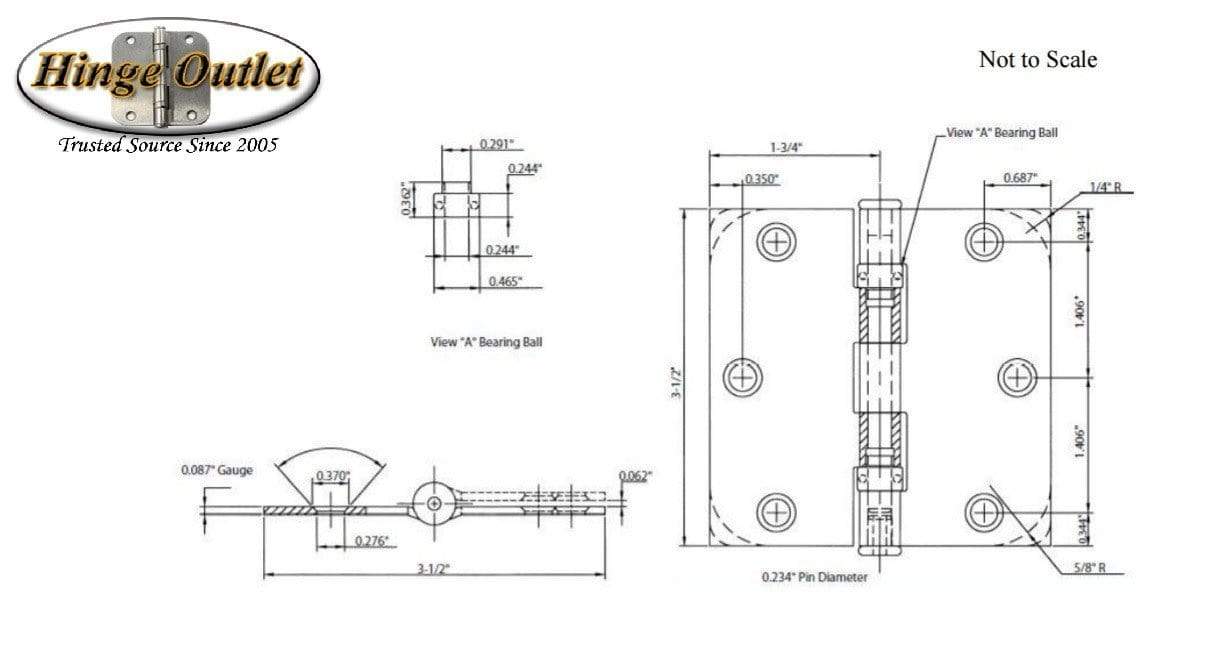
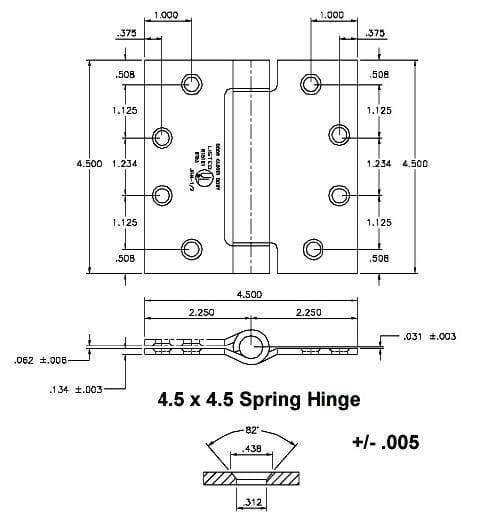
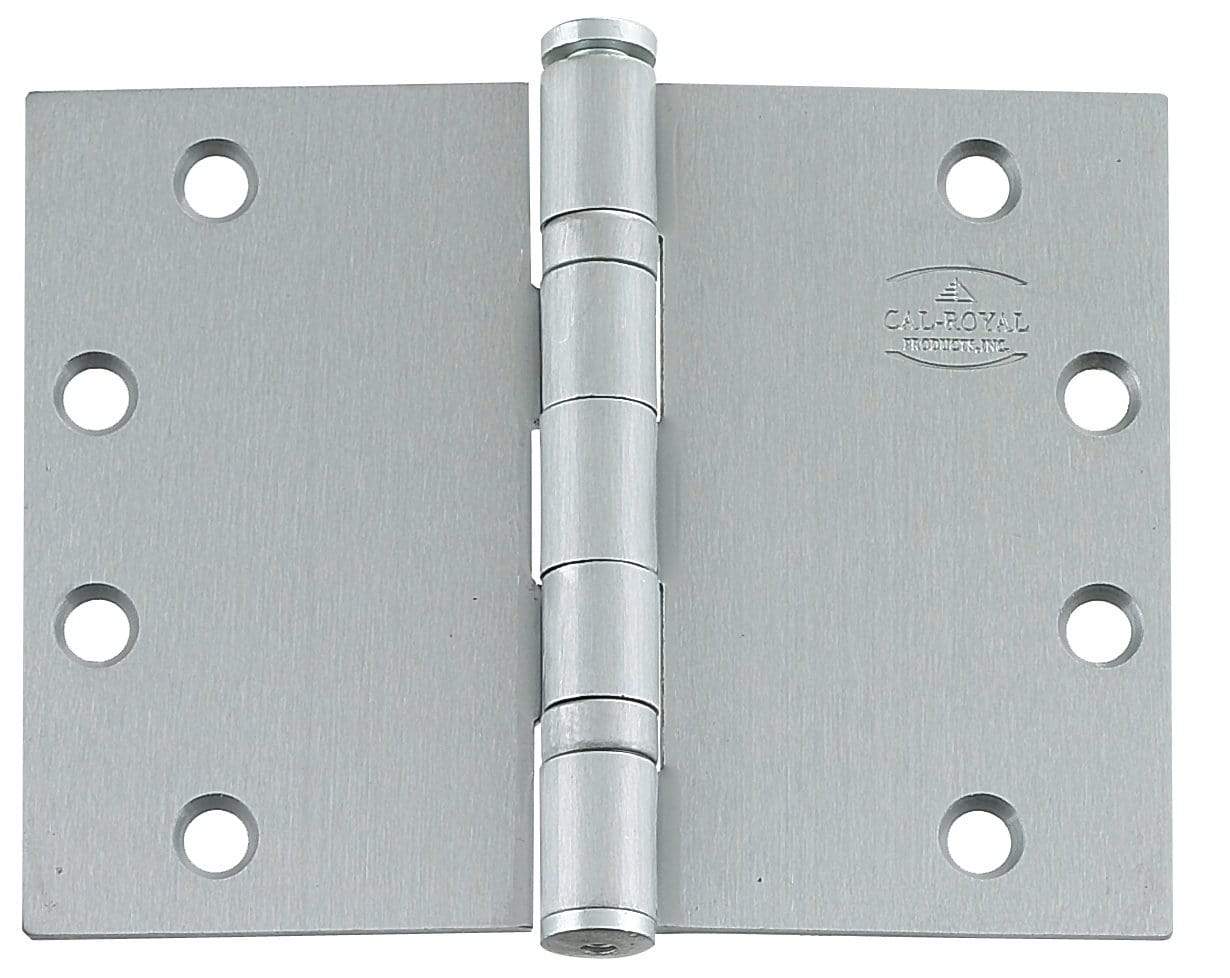
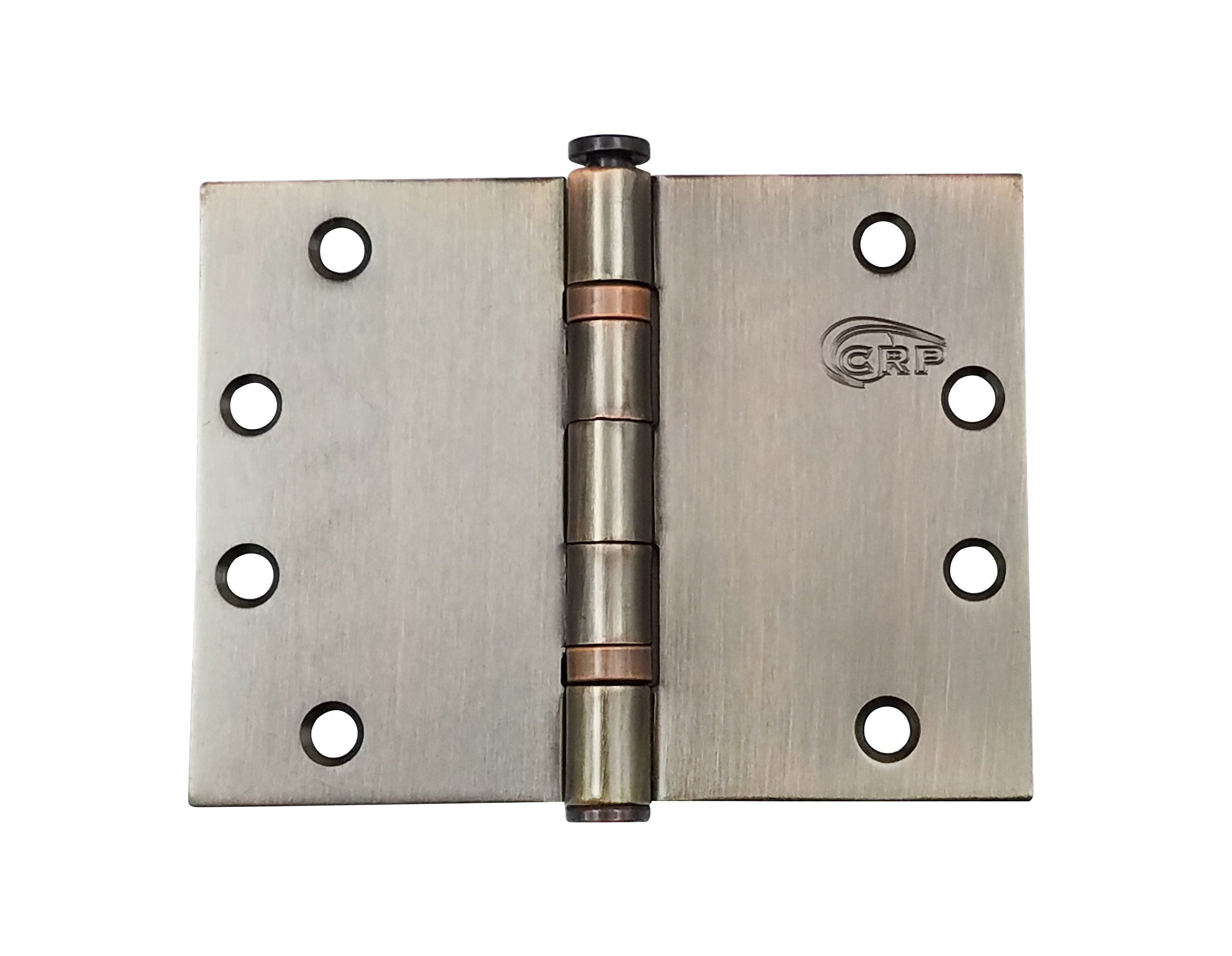
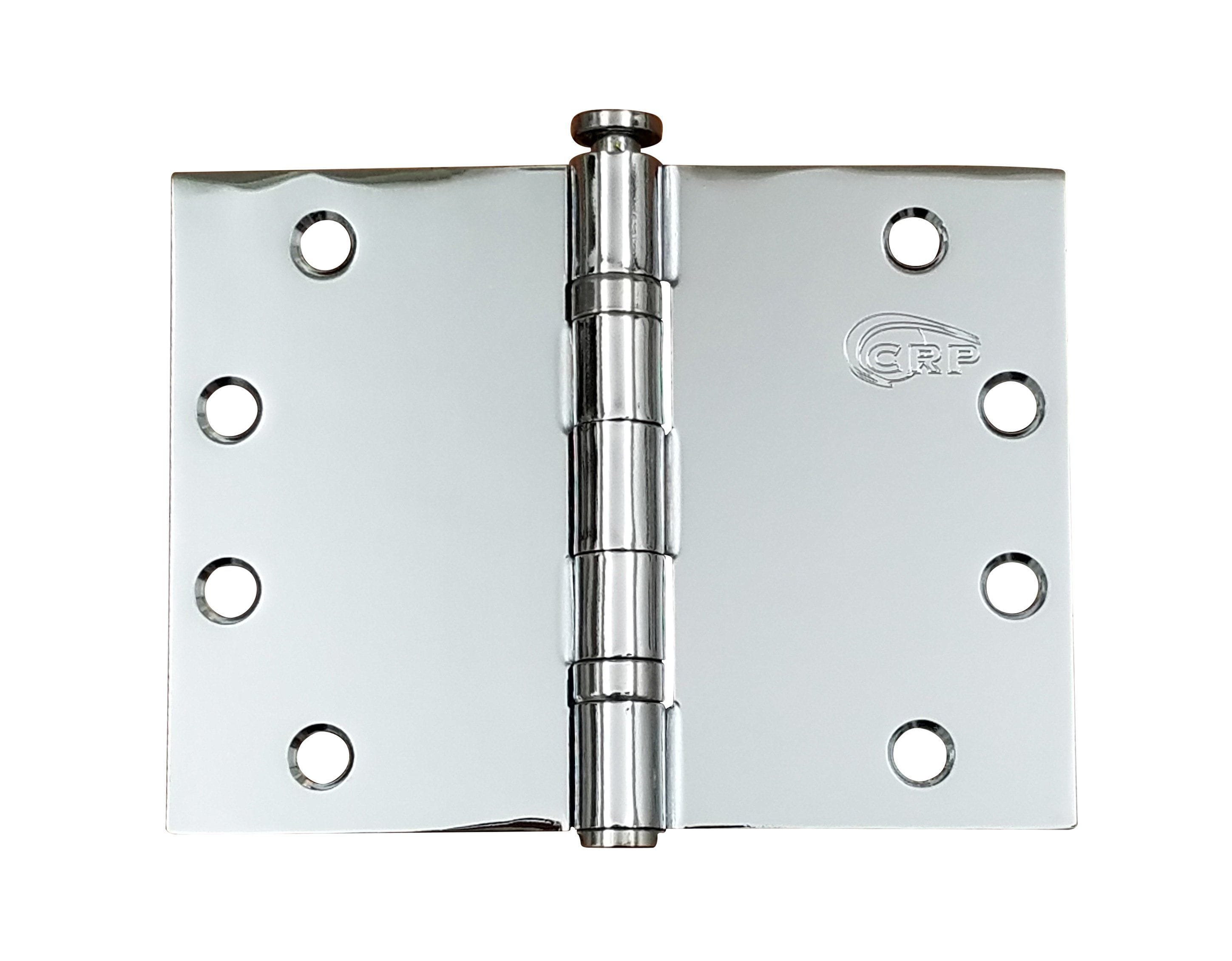
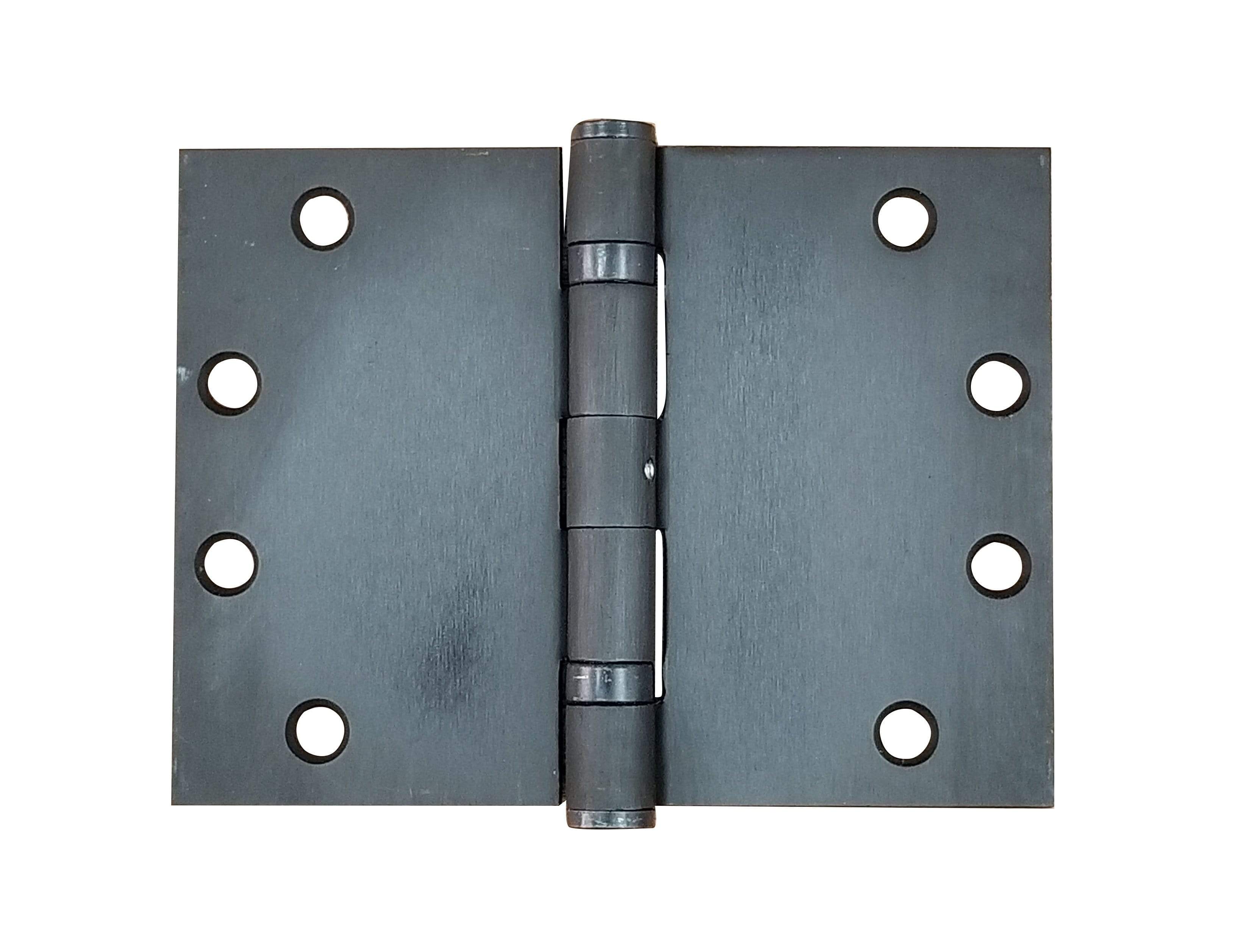
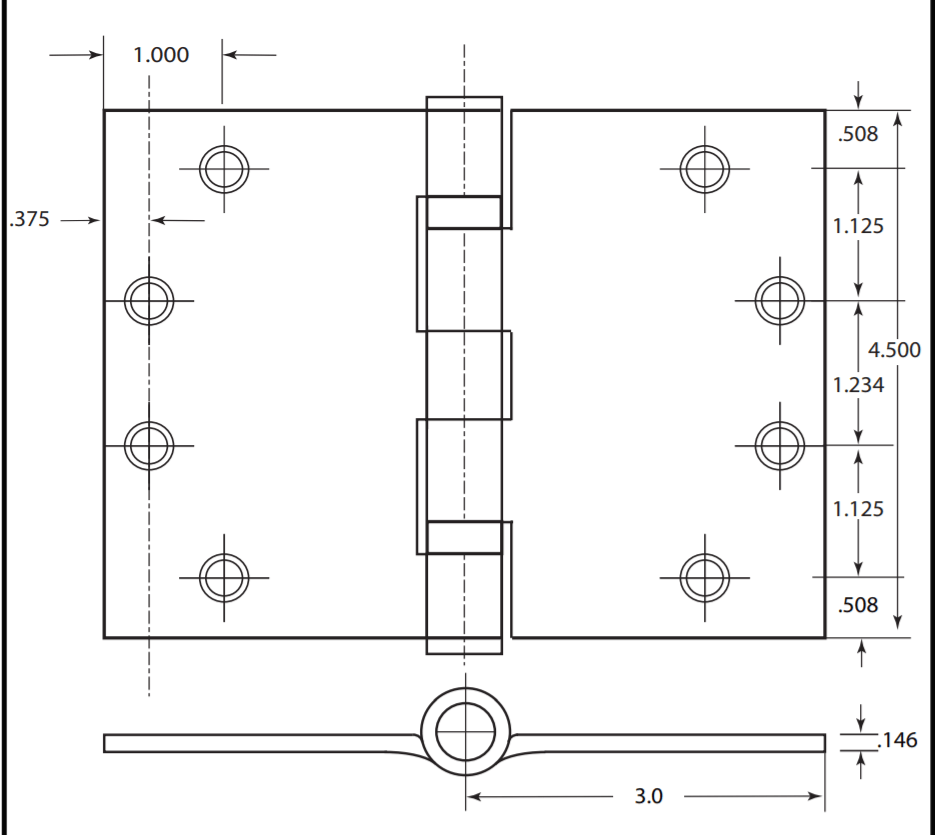
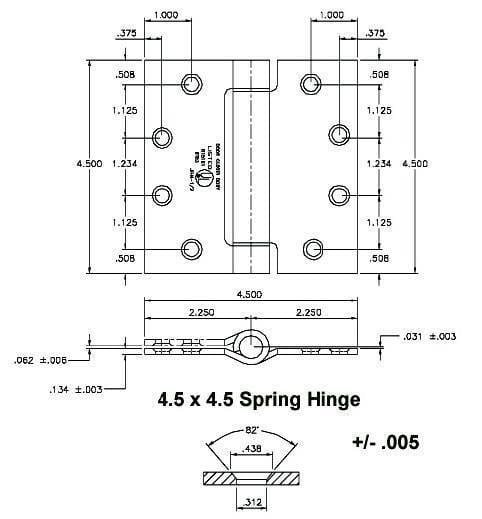
Butt hinges cause issues with a door’s usable clear width, and swing clear hinges solve this problem by repositioning the hinge barrel so the door swings completely clear of the frame, adding several inches of usable clearance without replacing the door or frame.
They're one of the most cost-effective fixes for a doorway that's falling just short of the clear width requirement.
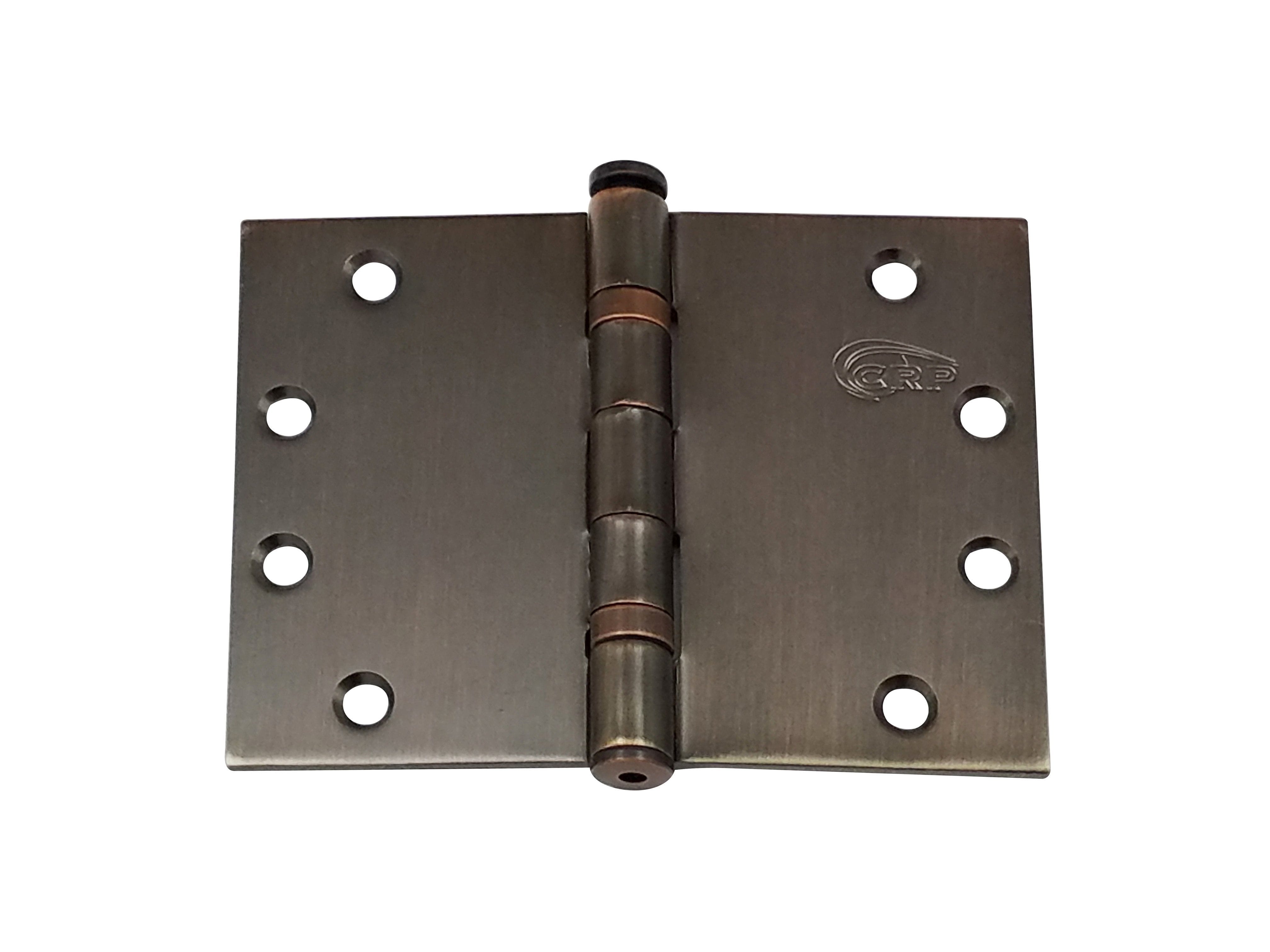
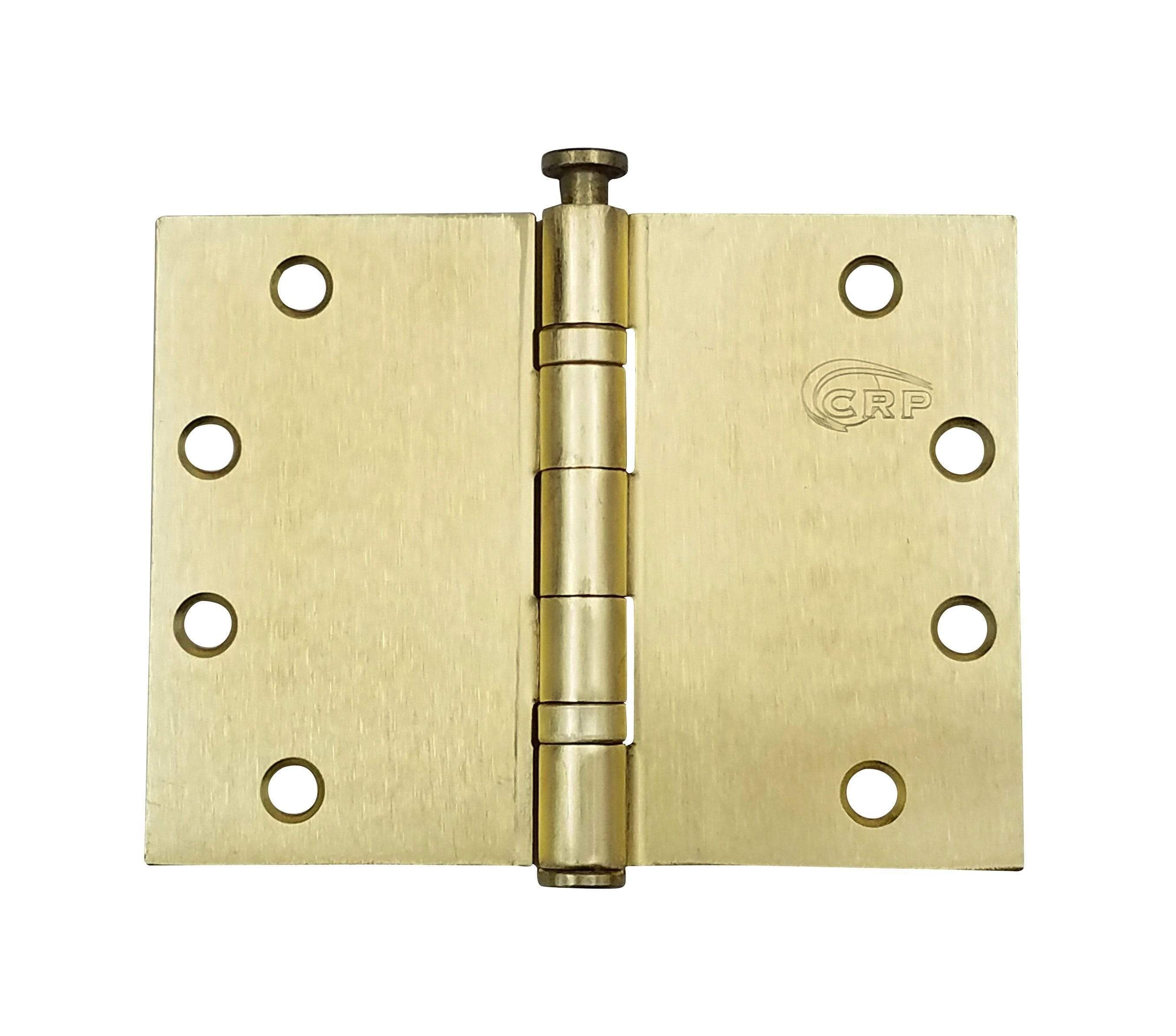
Offset & Wide Throw Hinges

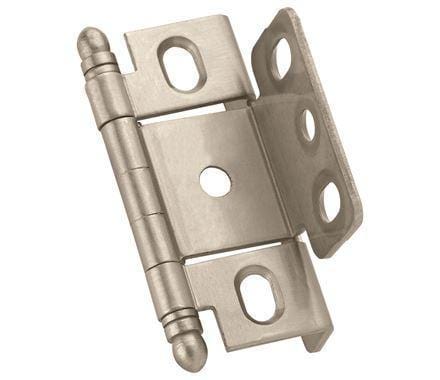
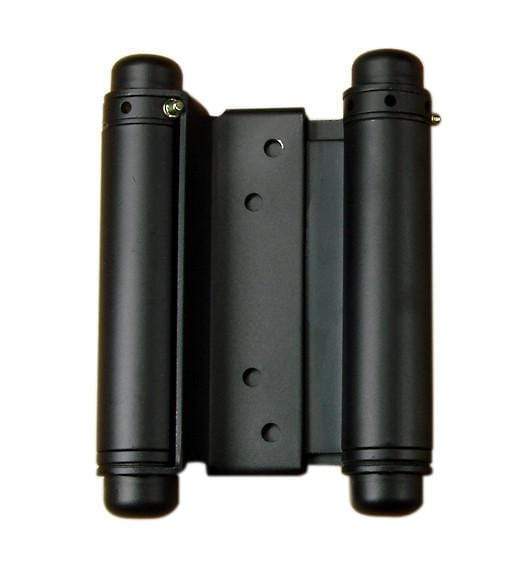
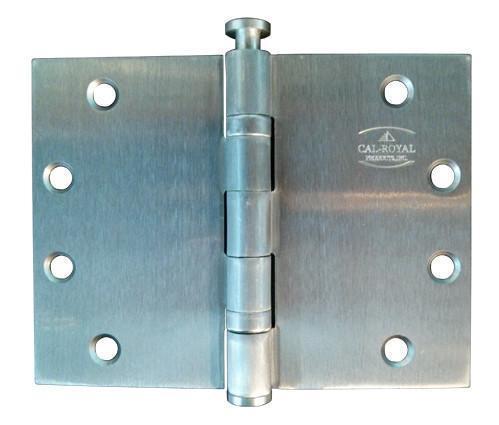
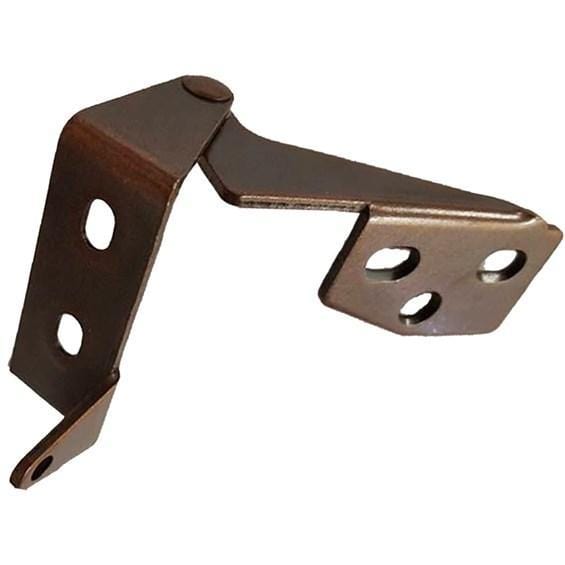
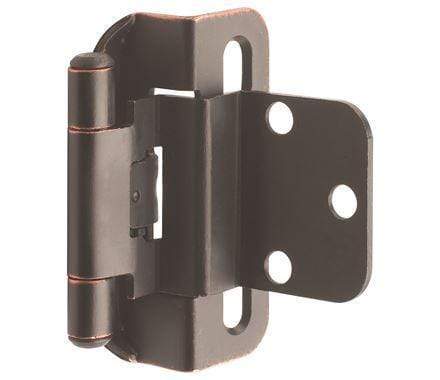
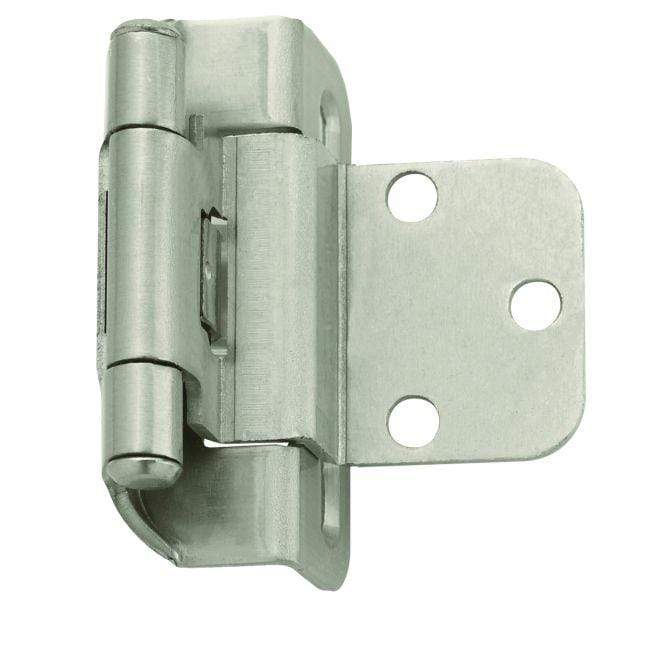
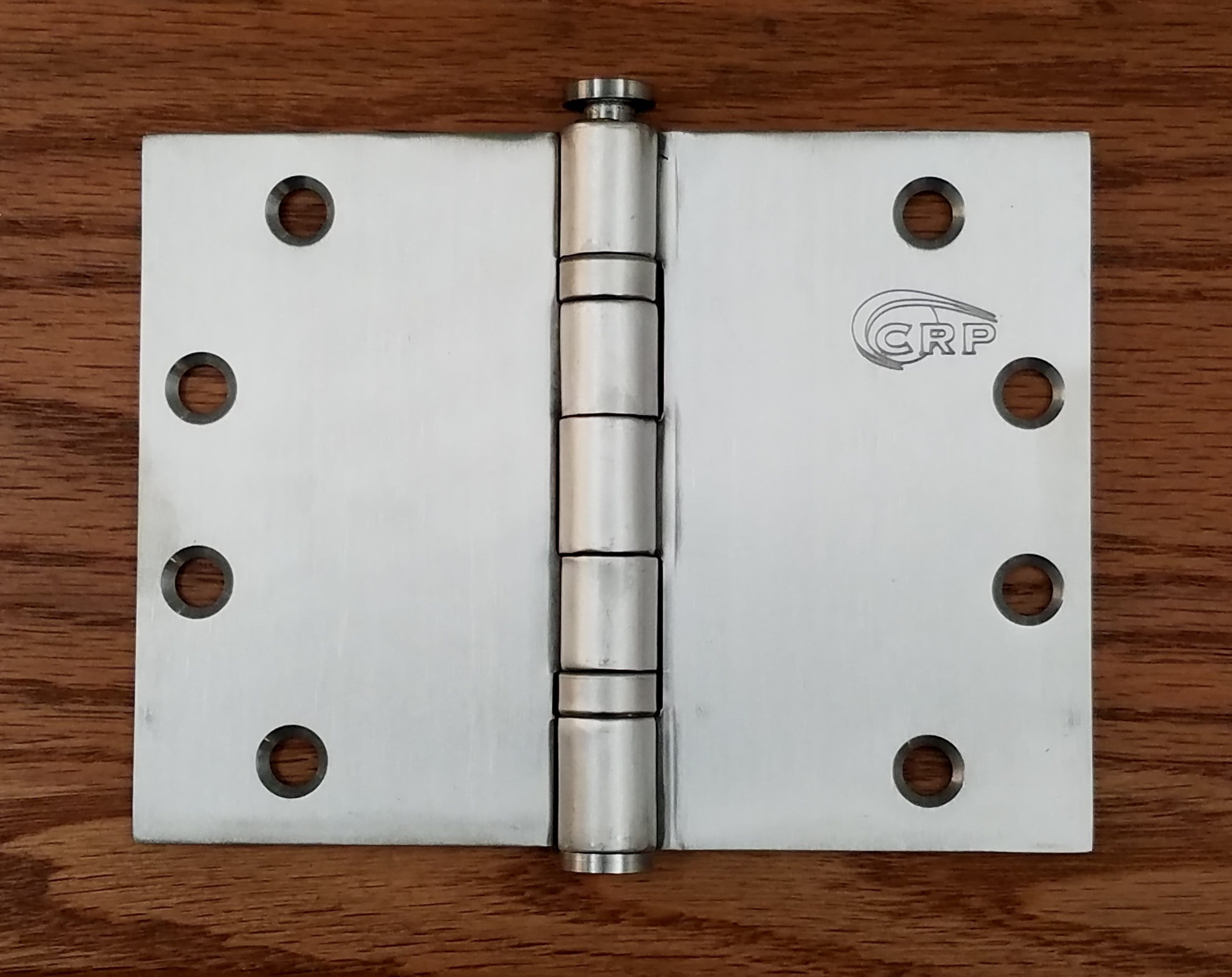
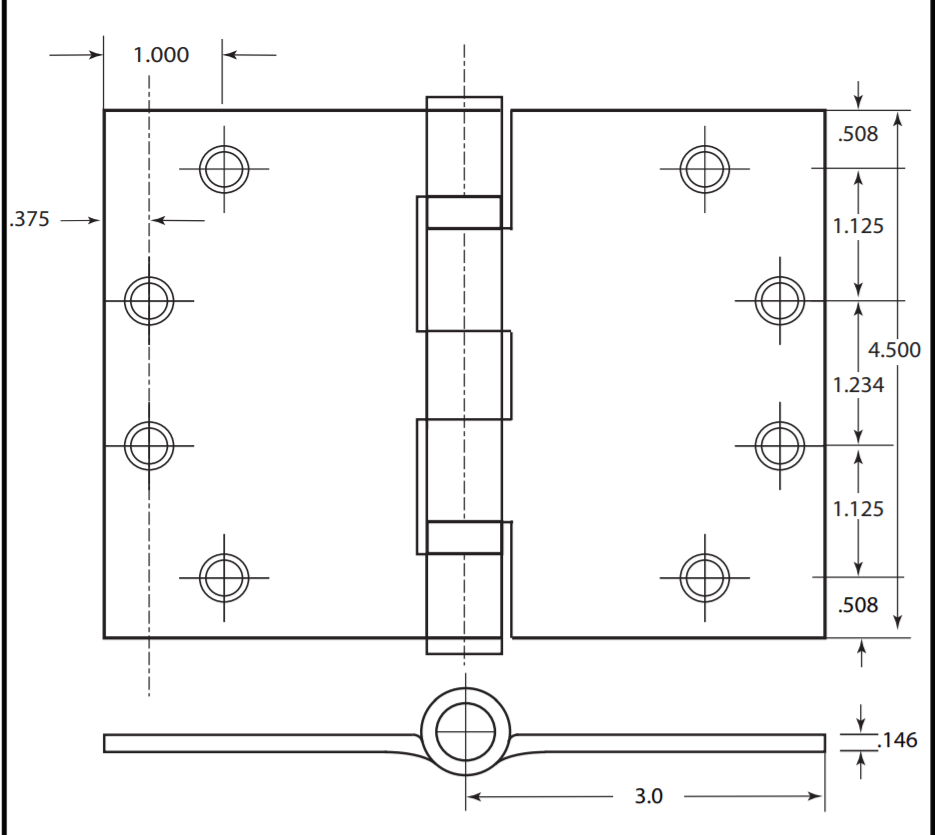
Offset and wide throw hinges shift the door's pivot point further from the frame, which is especially useful on doors with added trim, thicker walls, or existing obstructions that narrow the opening.
Like swing clear hinges, they address clear width compliance, but they're often the better choice when a door needs to clear projections like door stops or added moldings rather than just the frame.
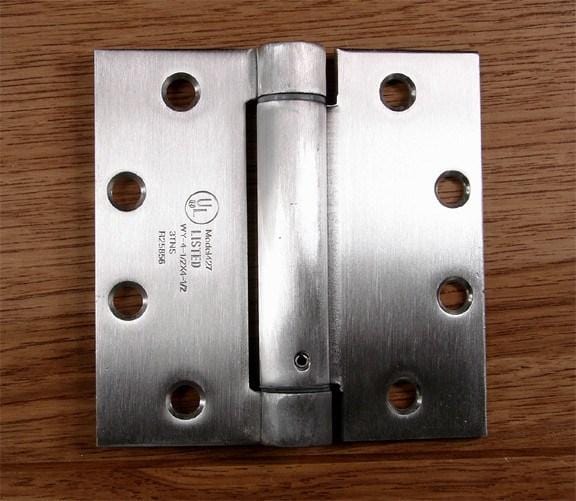
ADA-Compliant Door Closers

Door closers control how a door moves after it's opened, and ADA sets specific requirements for both closing speed and opening force:
-
A compliant closer should let the door open with 5 pounds of force or less.
-
It should take at least 5 seconds to swing from fully open to about 12 degrees from the latch to give users enough time to pass through safely.
The right closer, properly adjusted, resolves most opening-force violations without any other hardware changes.
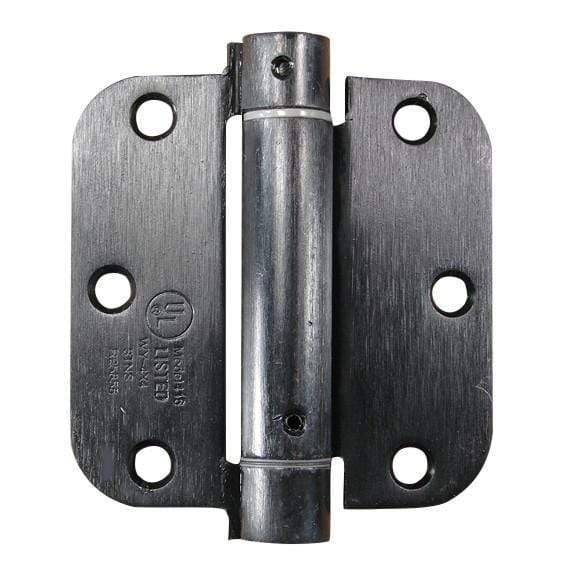
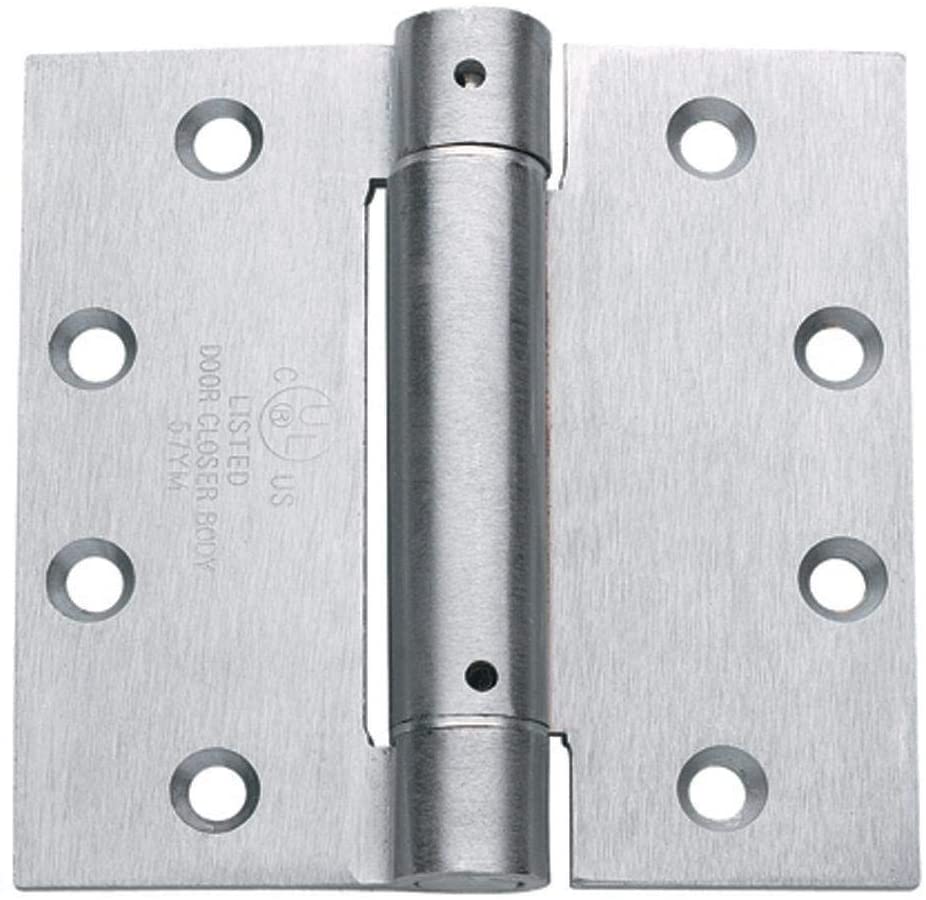
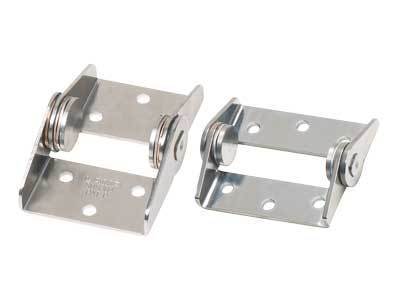
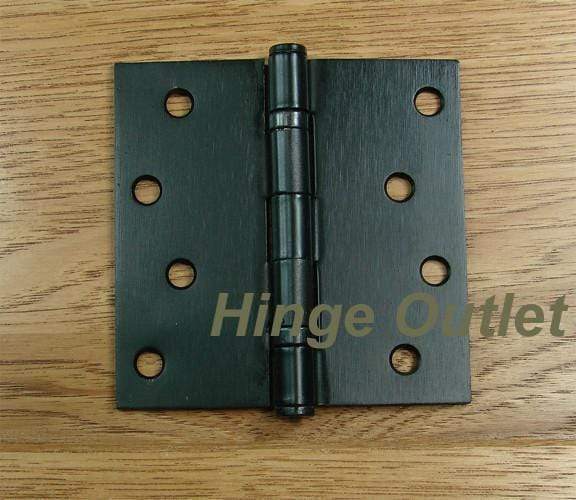
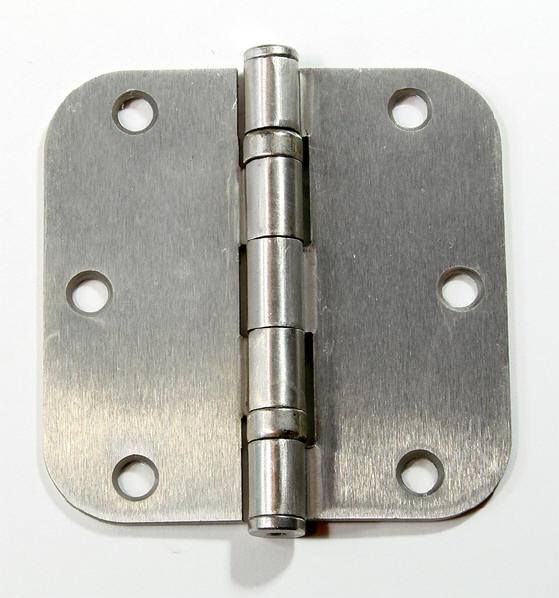
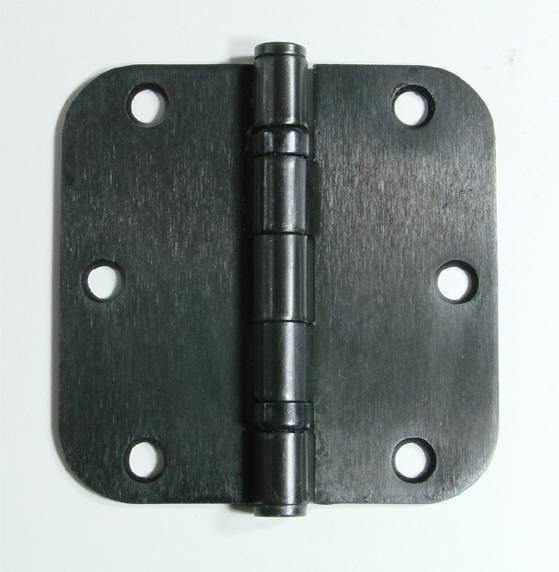
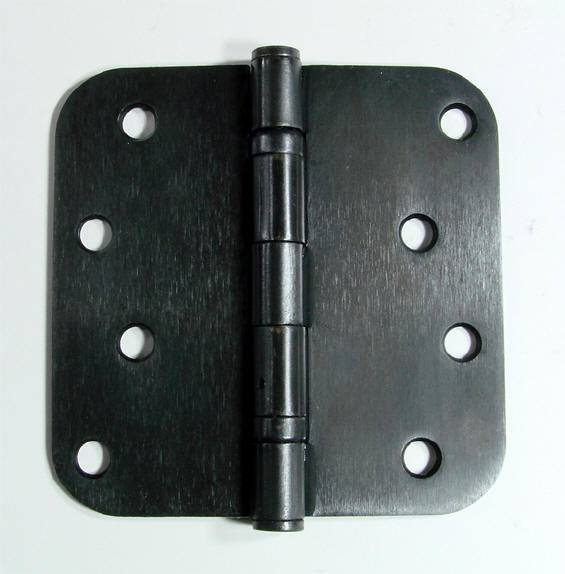
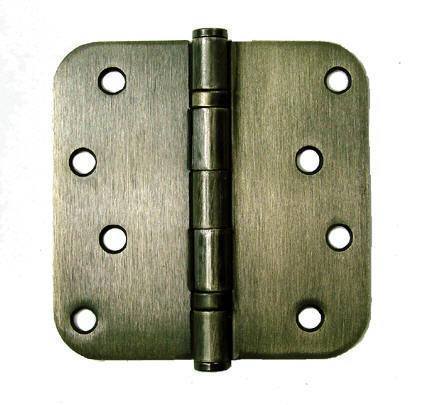
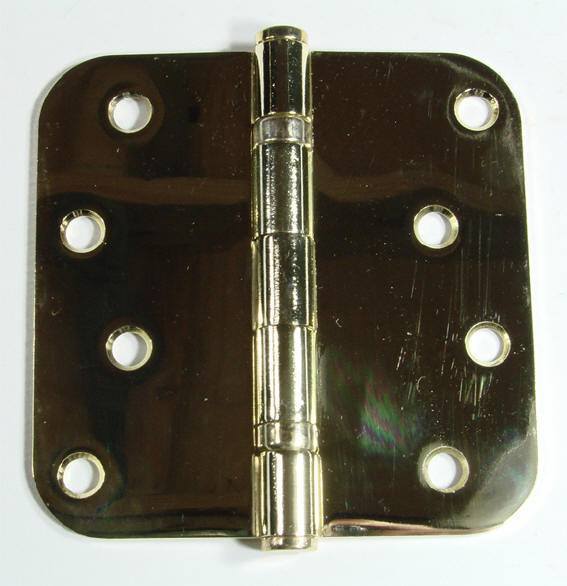
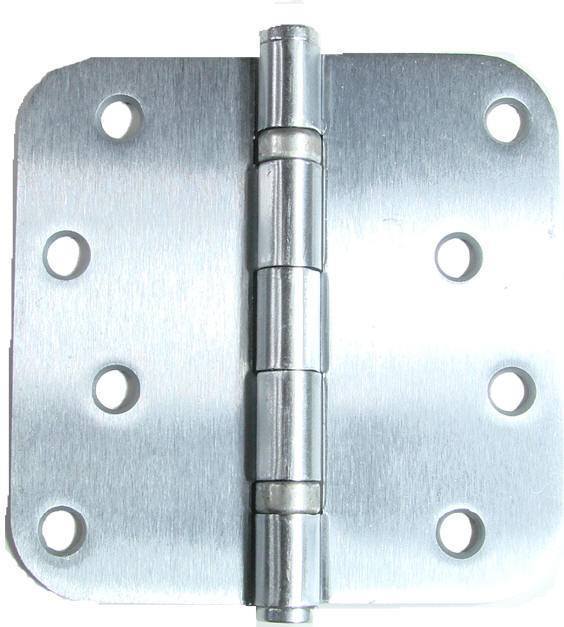
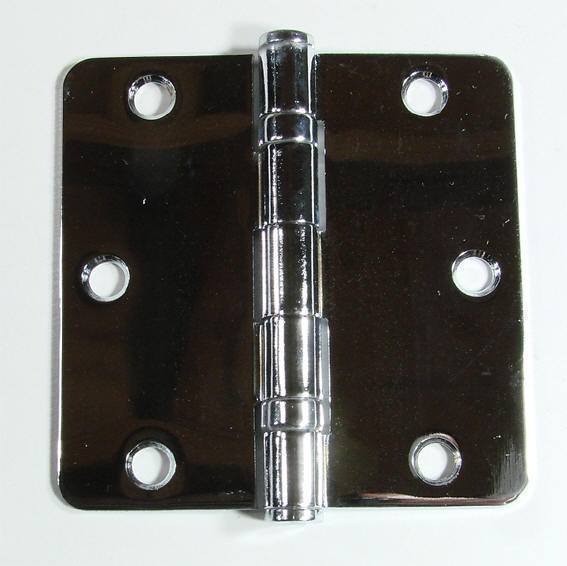
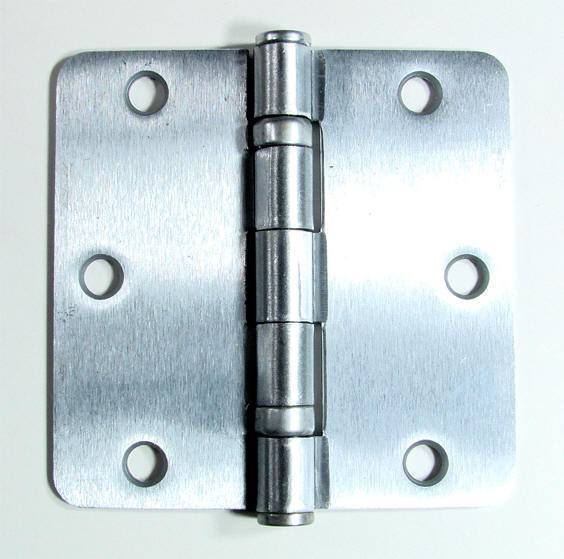
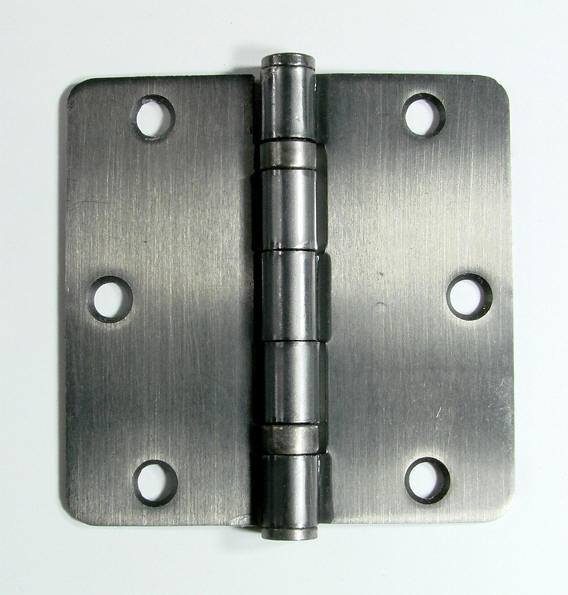
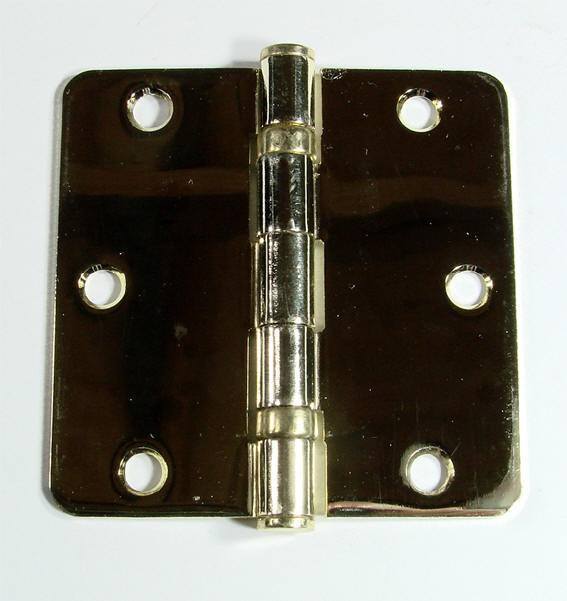
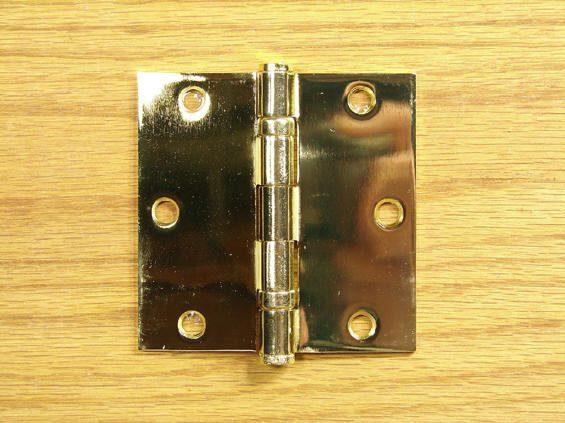
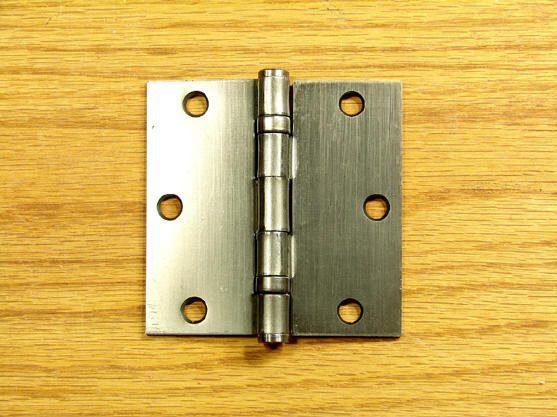
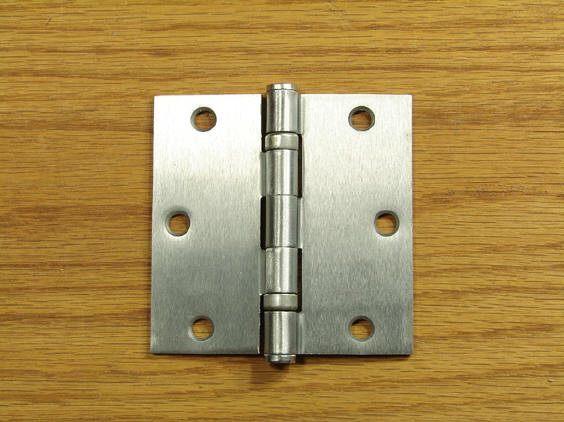
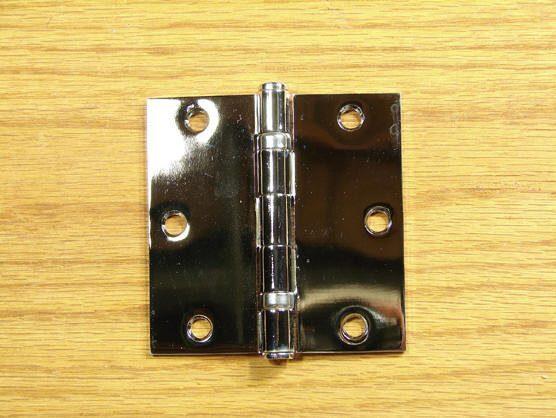
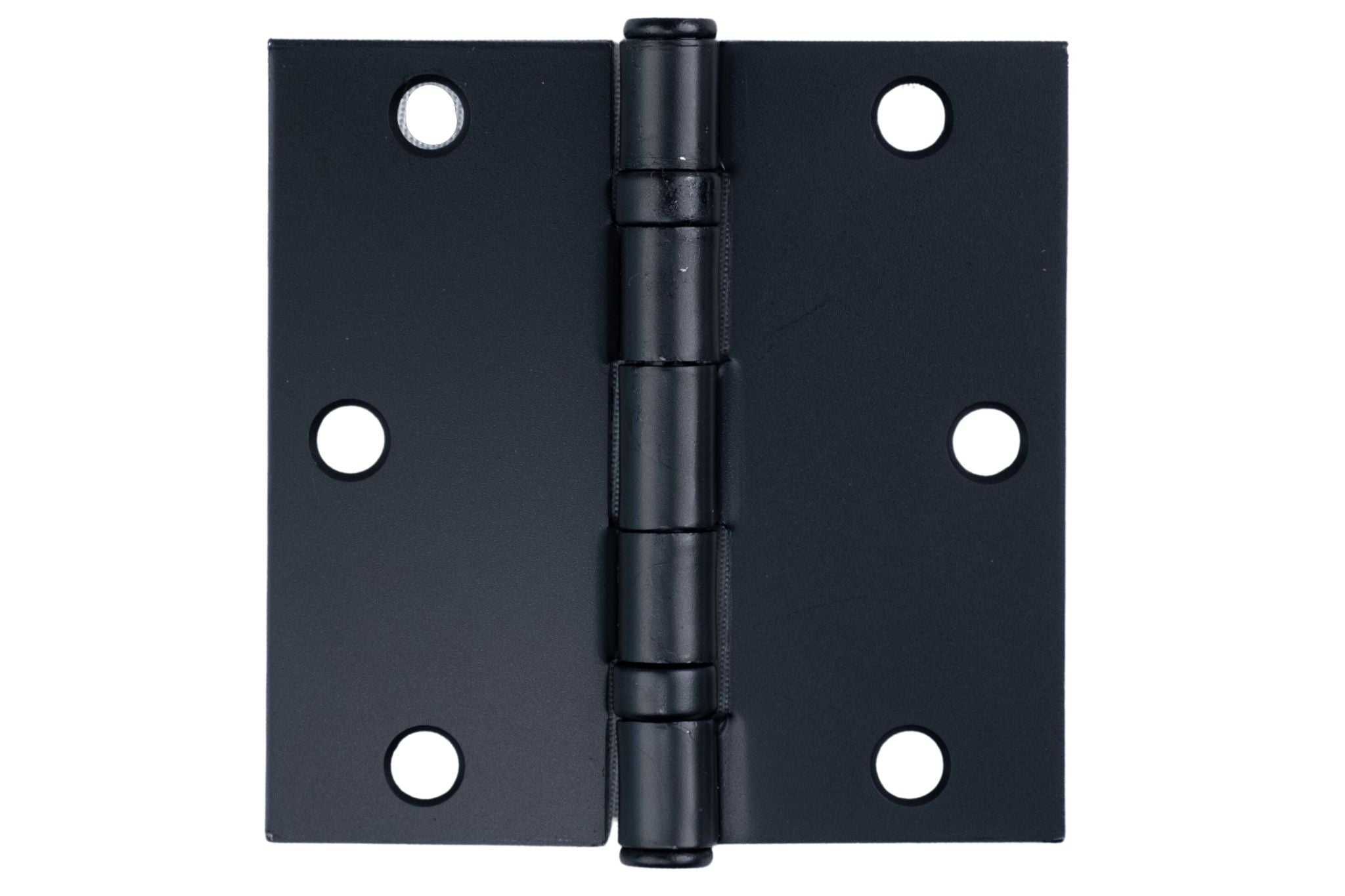
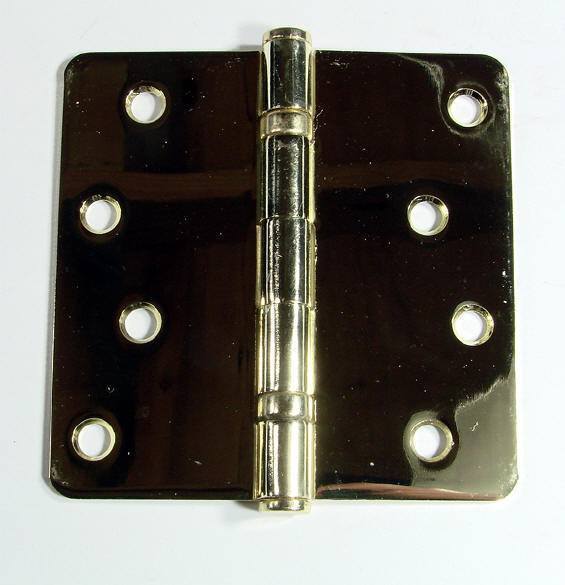
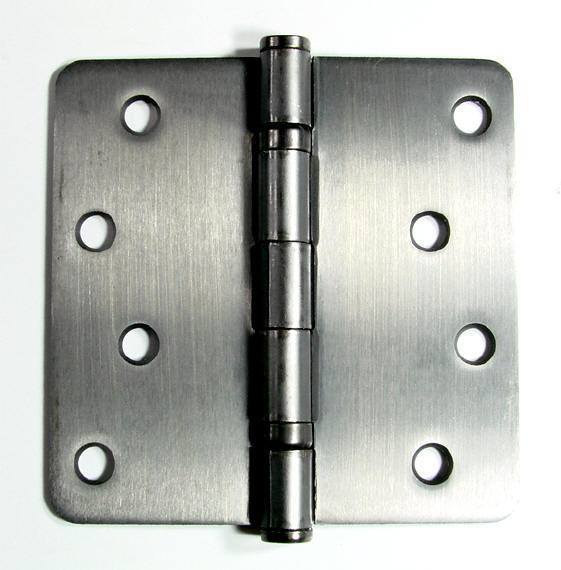
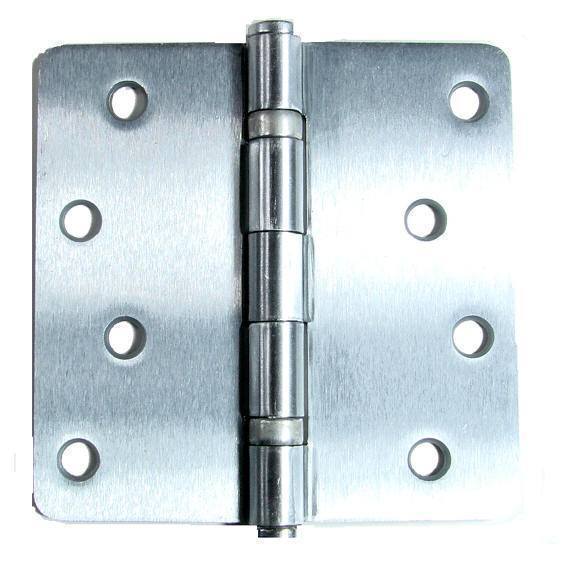
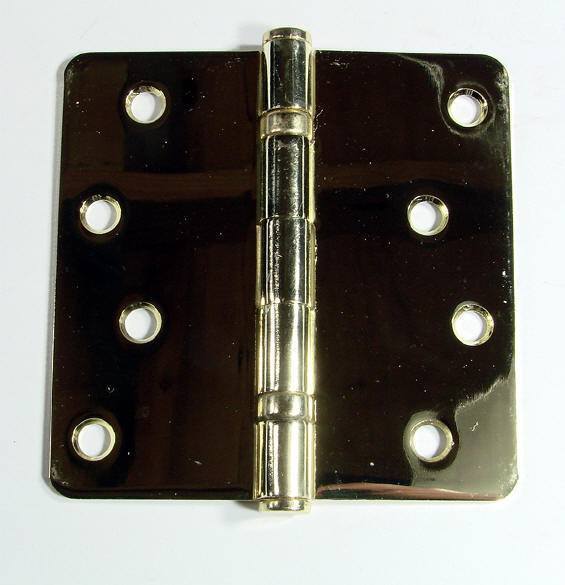
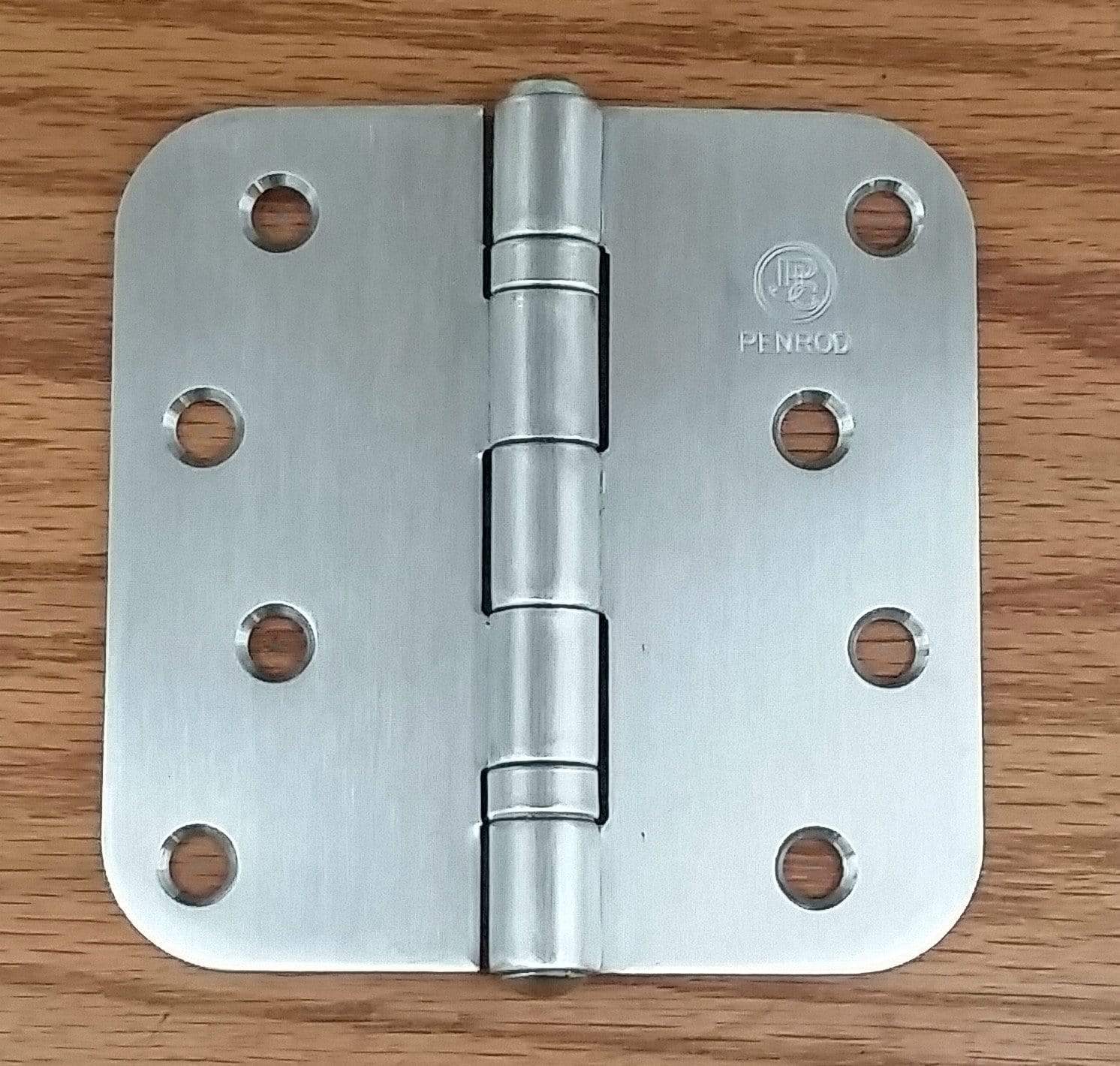
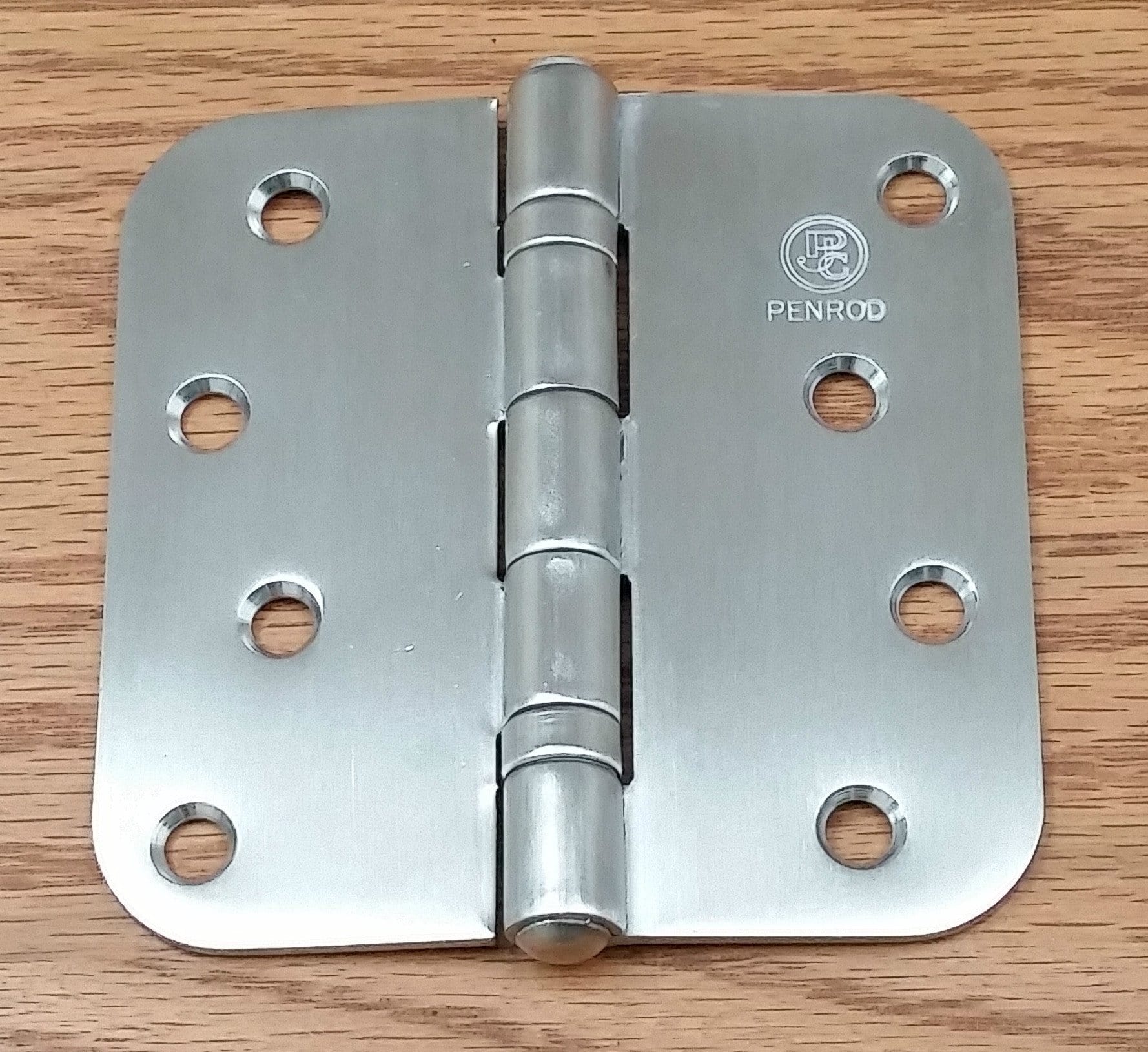
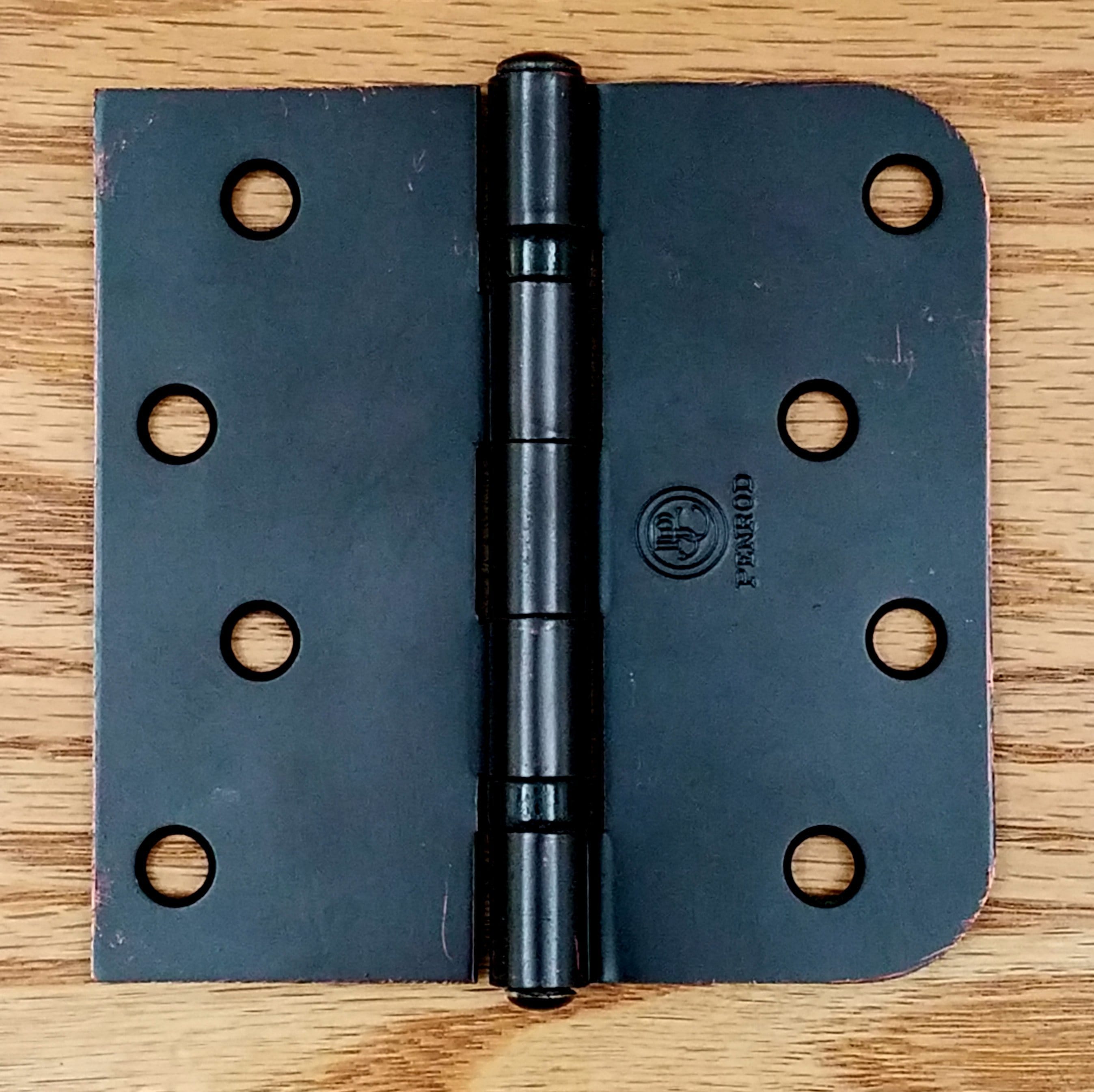
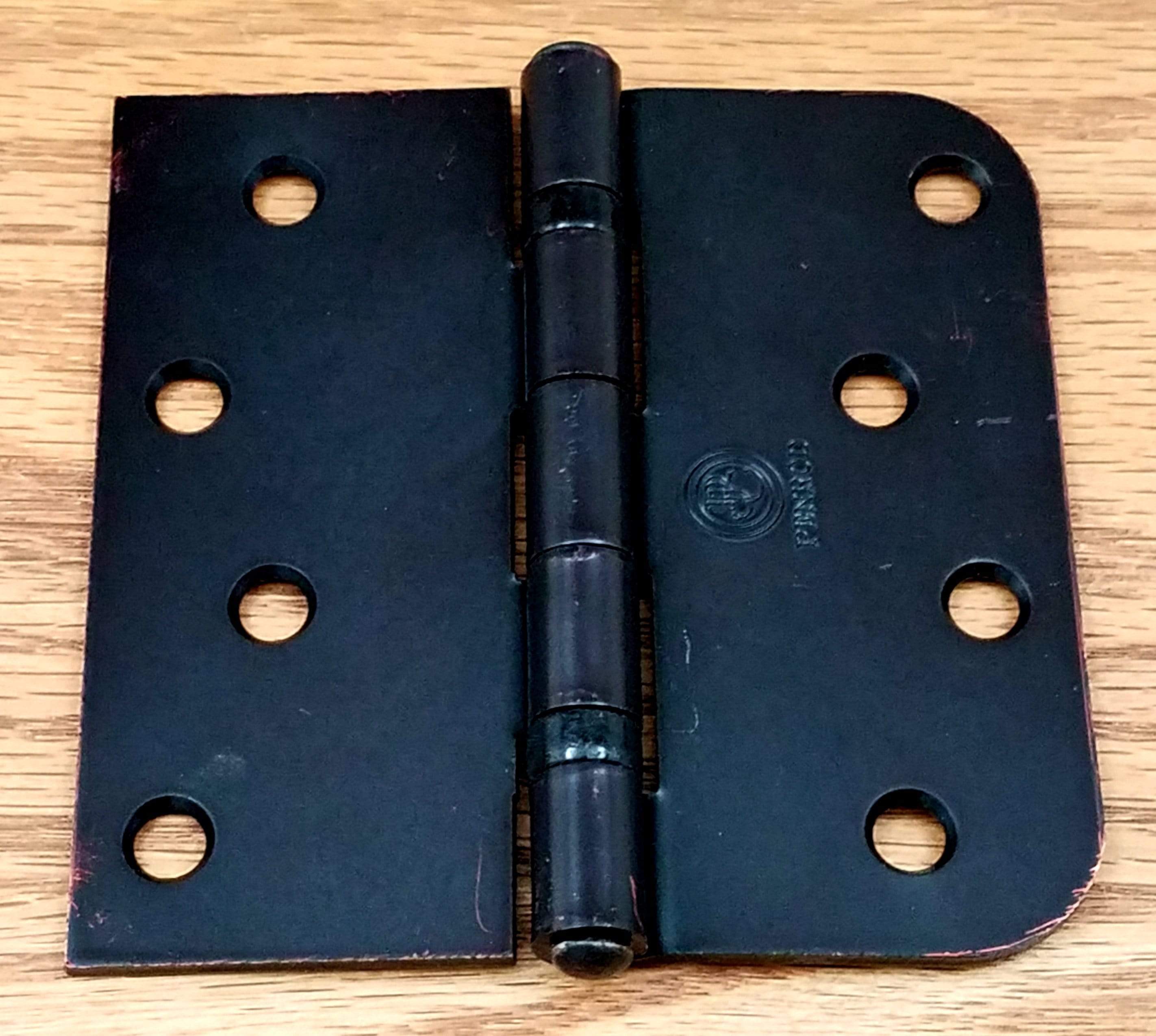
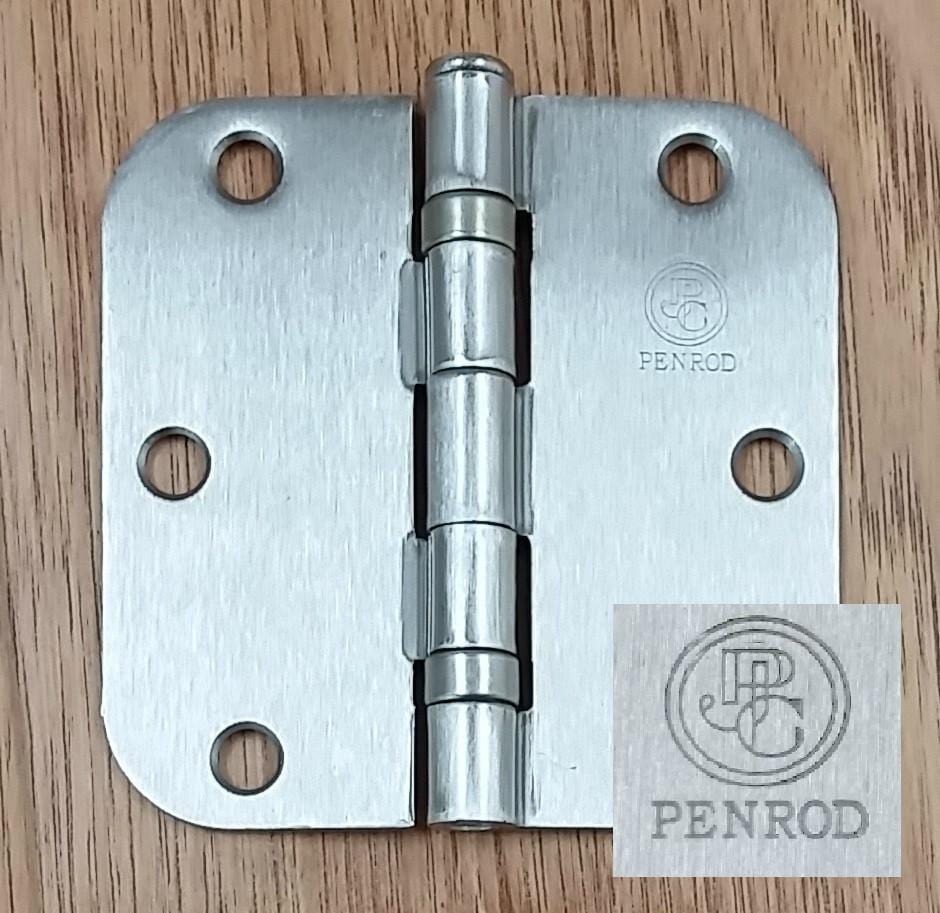
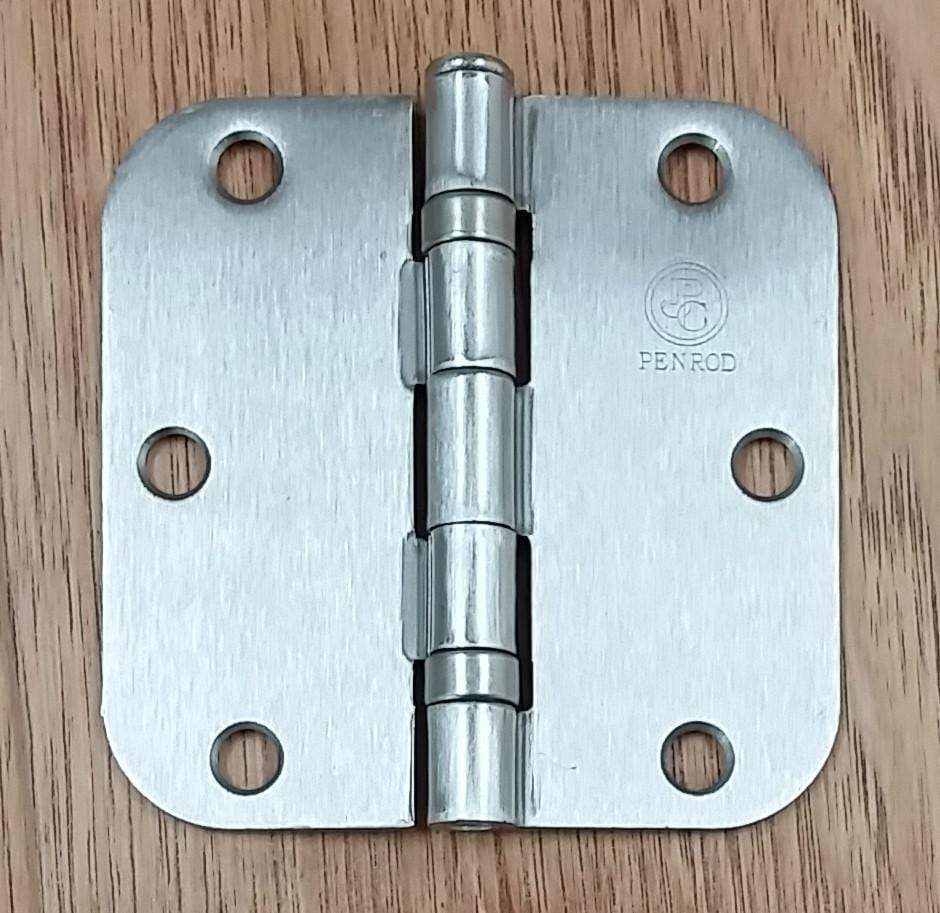
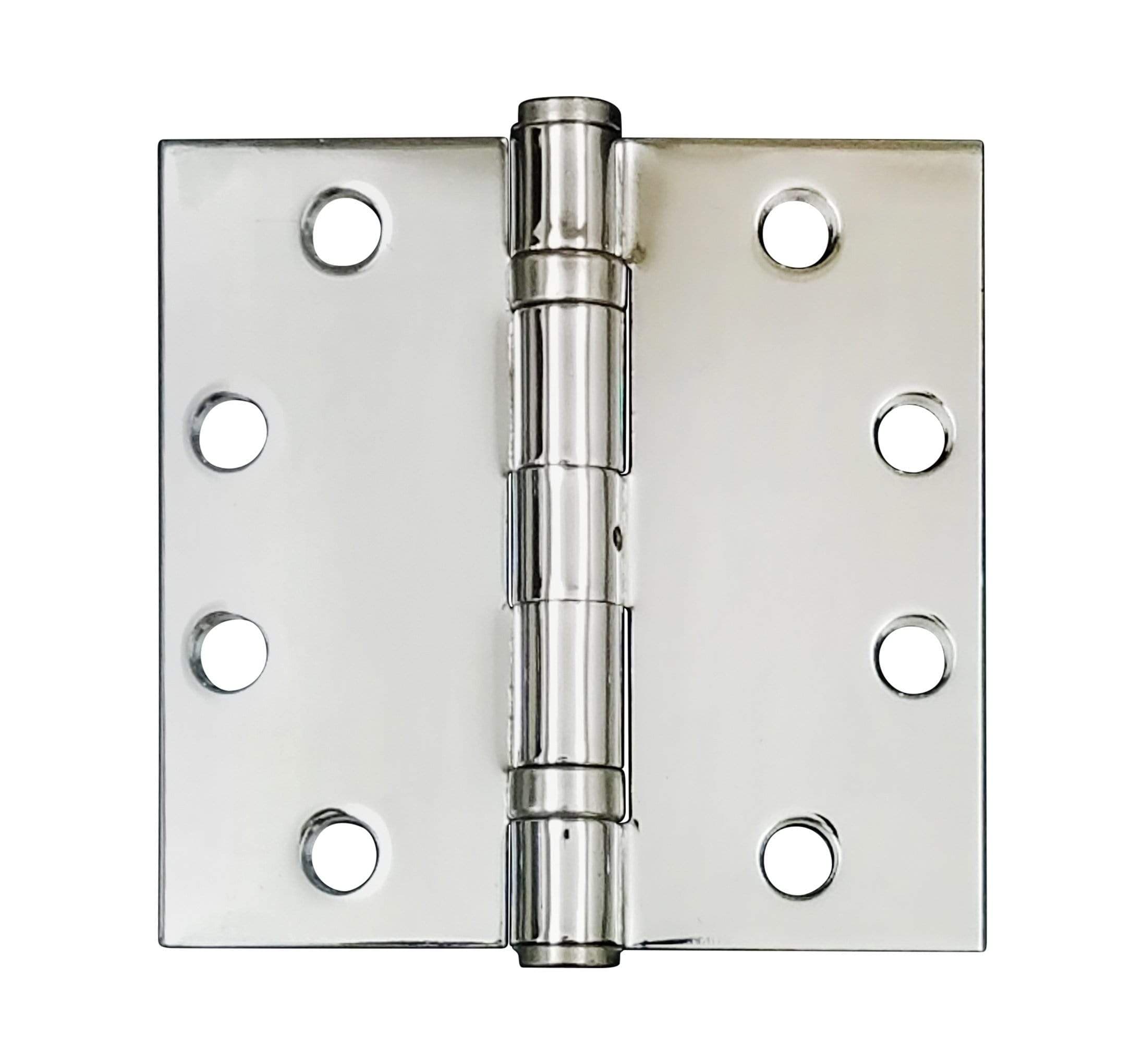
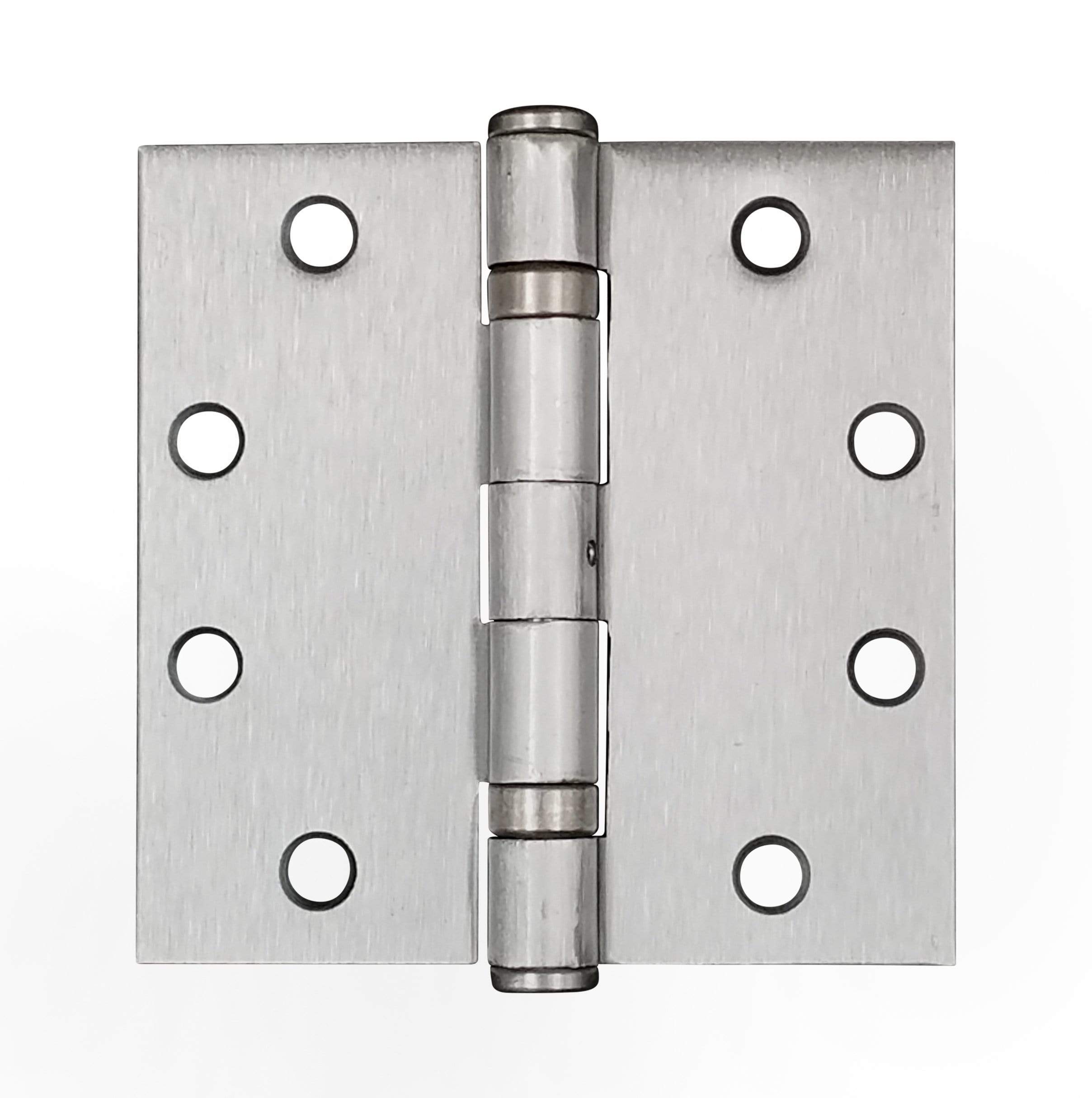
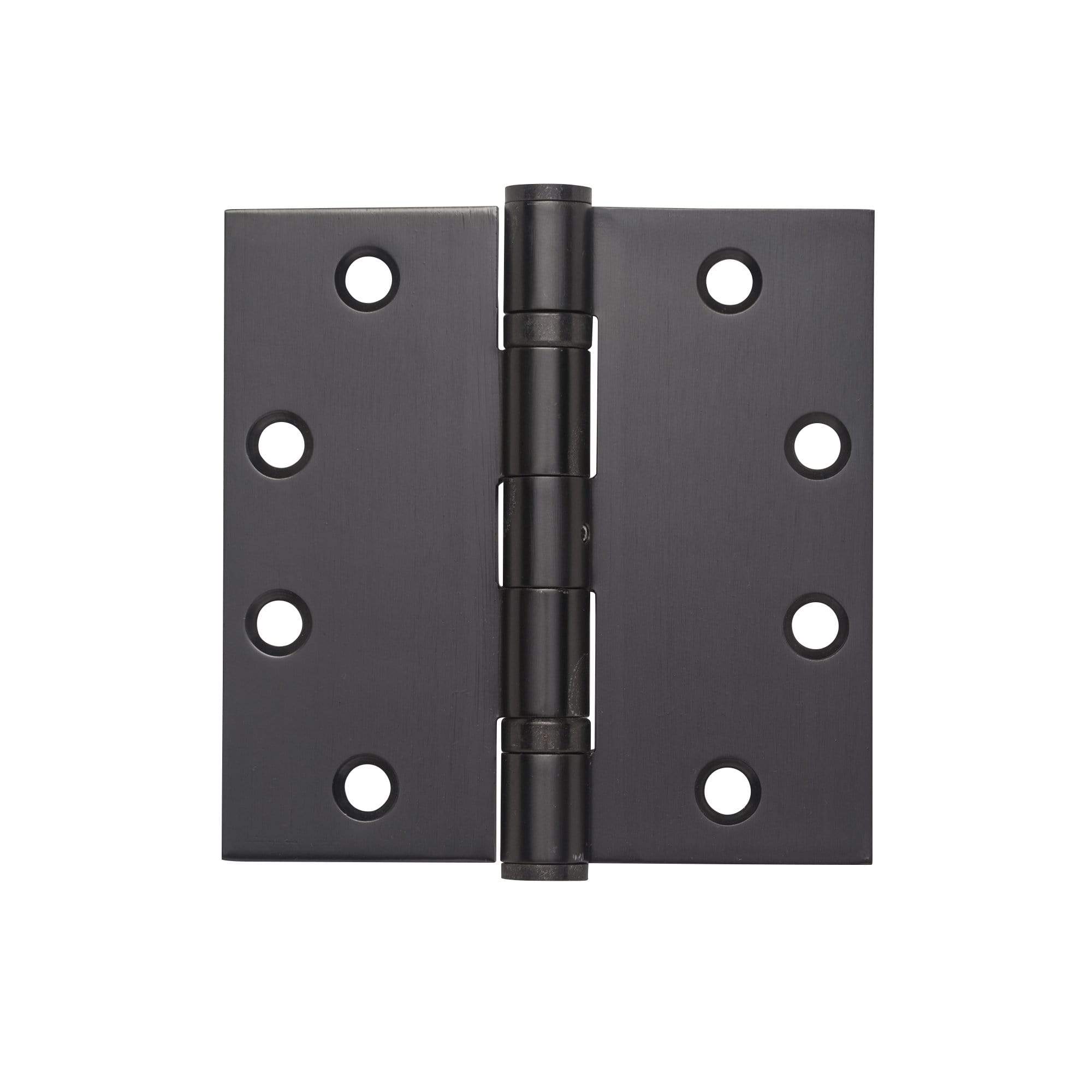
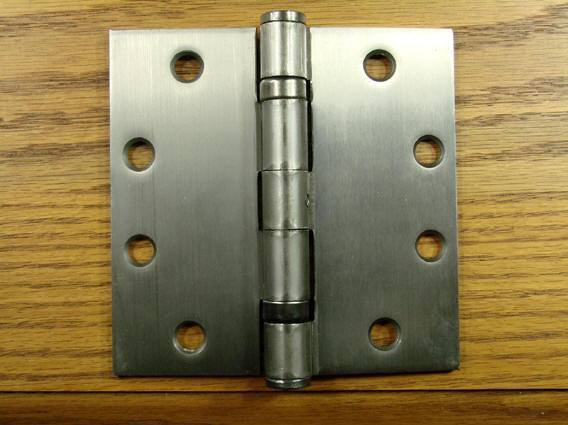
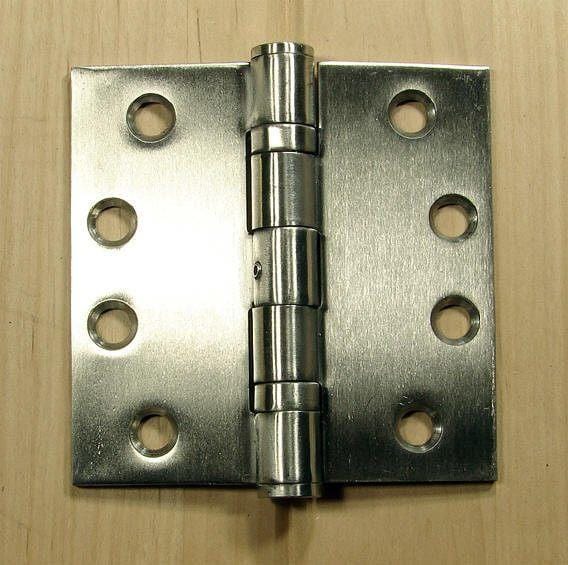
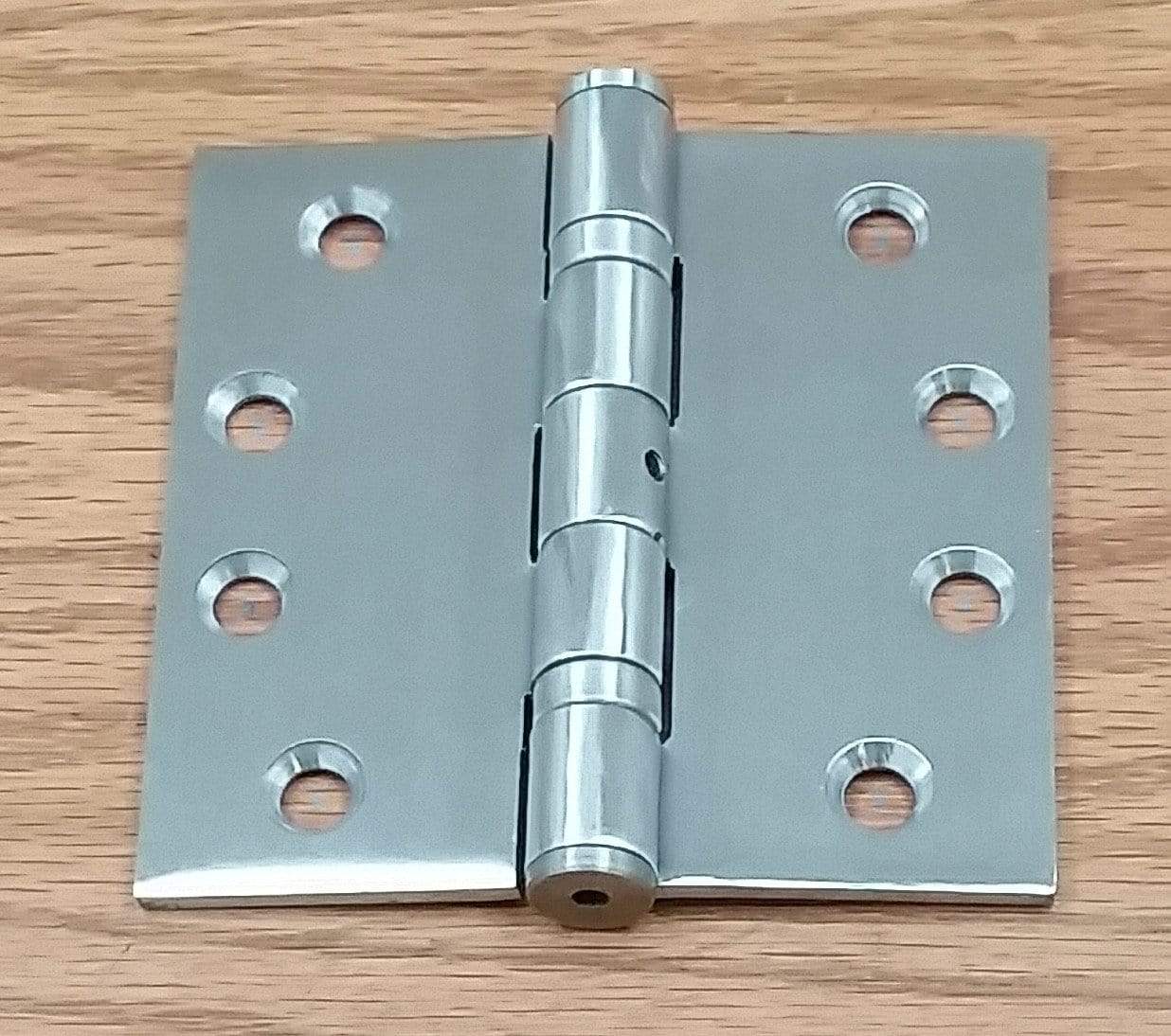
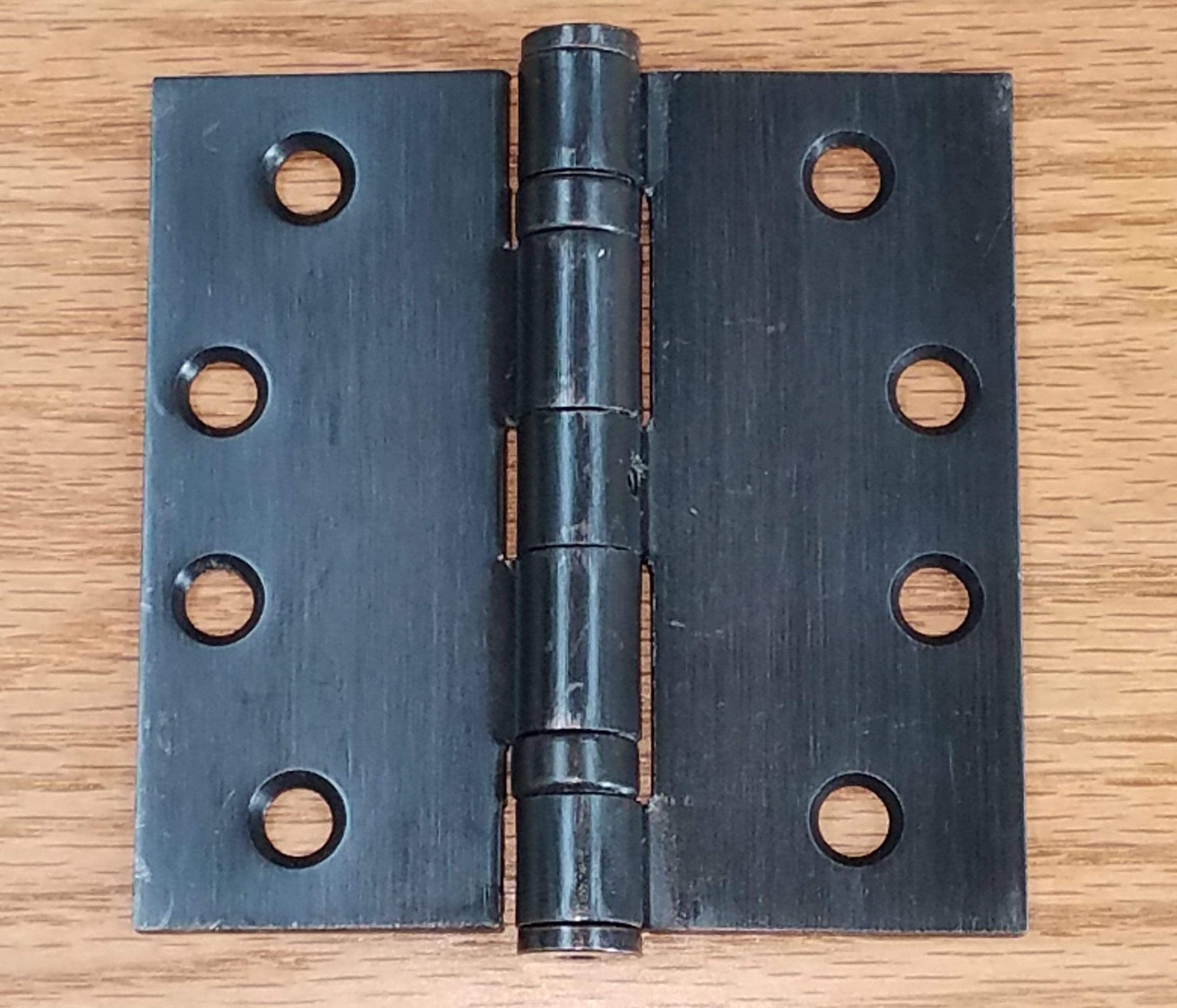
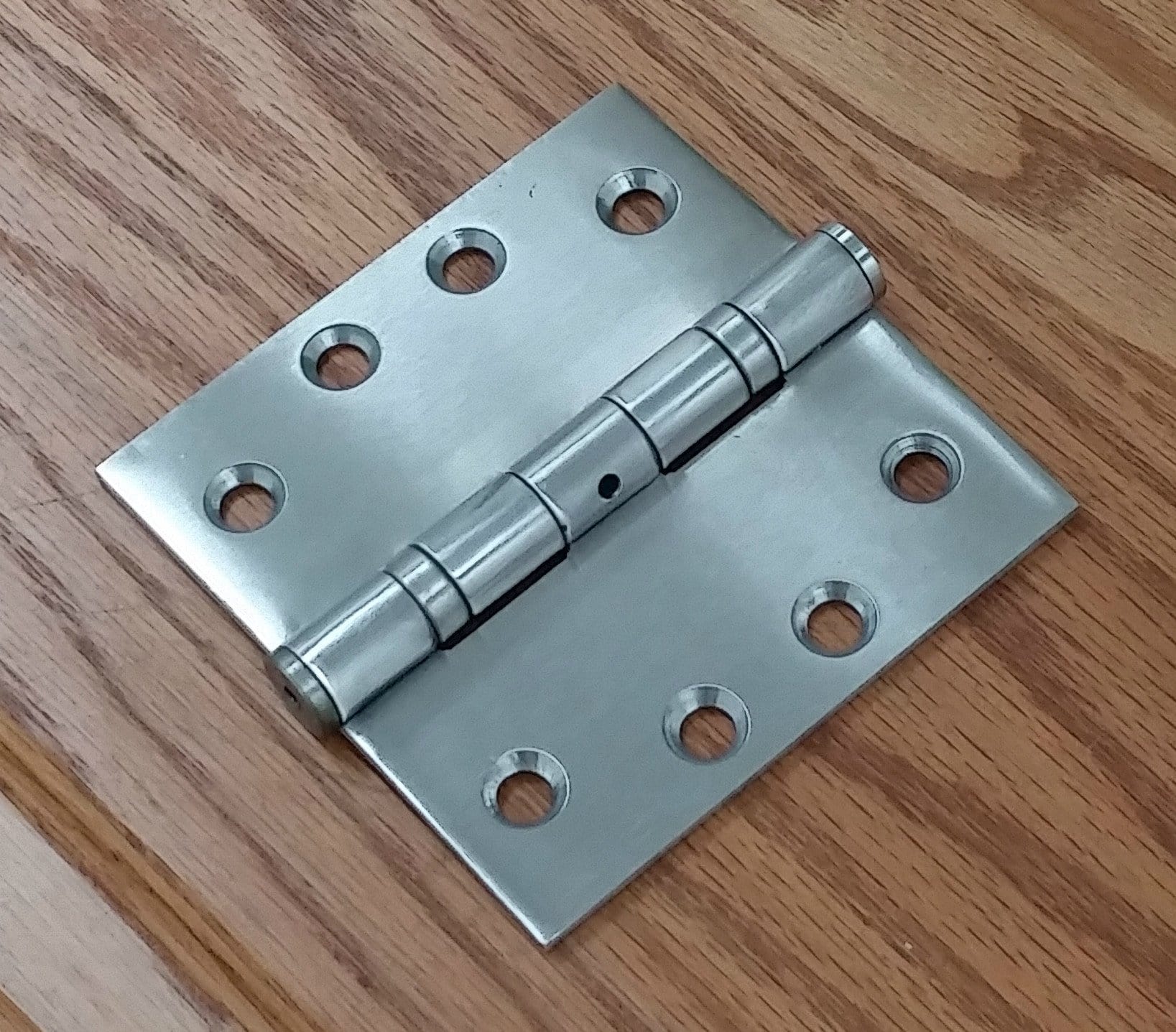
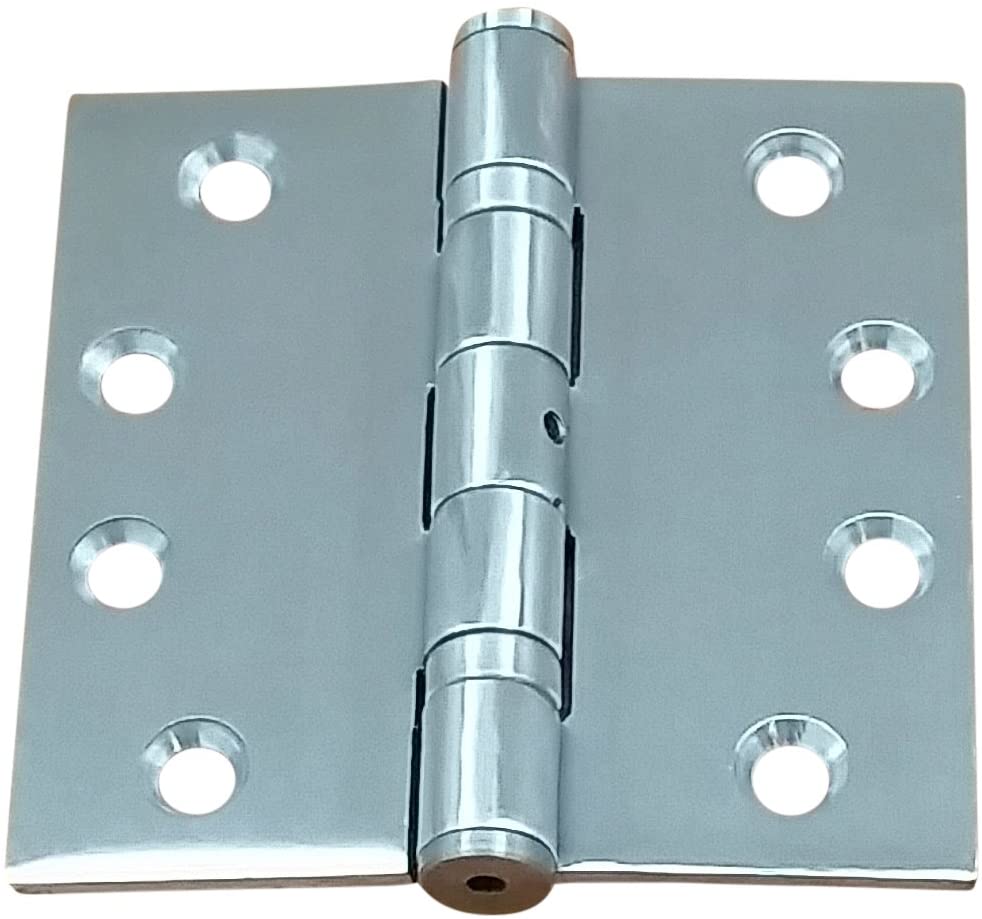
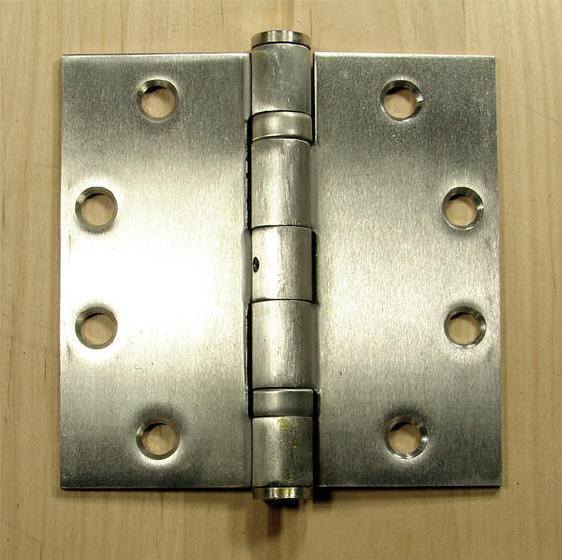
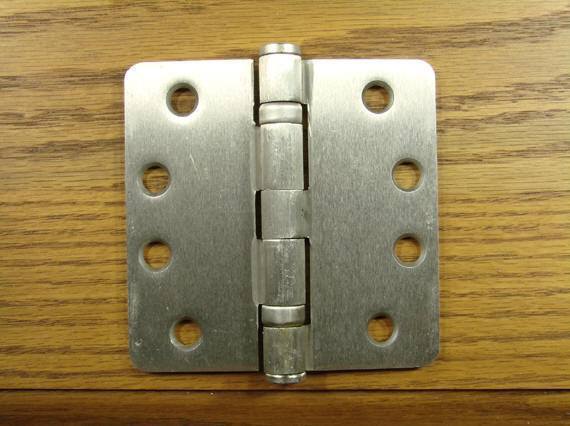
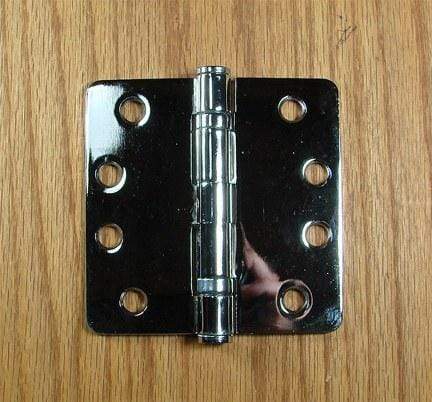
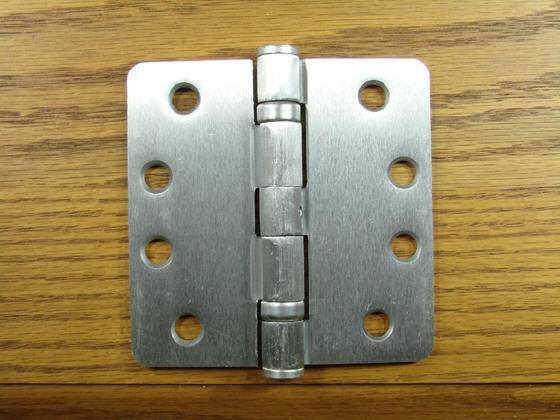
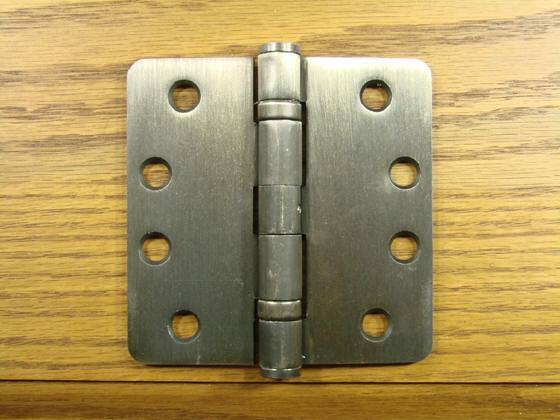
Commercial Ball Bearing Hinges

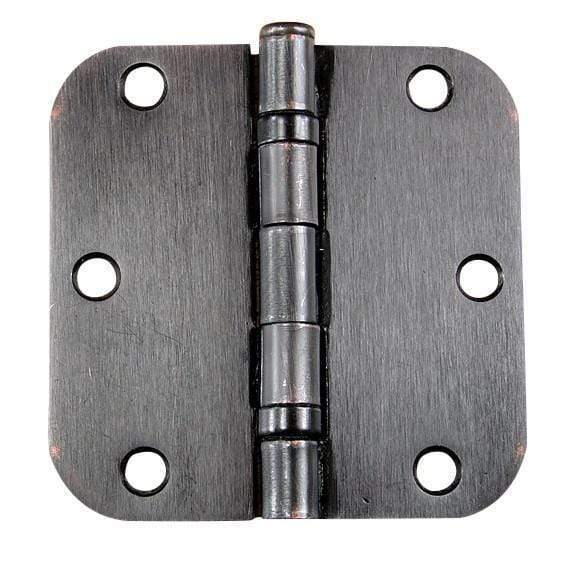
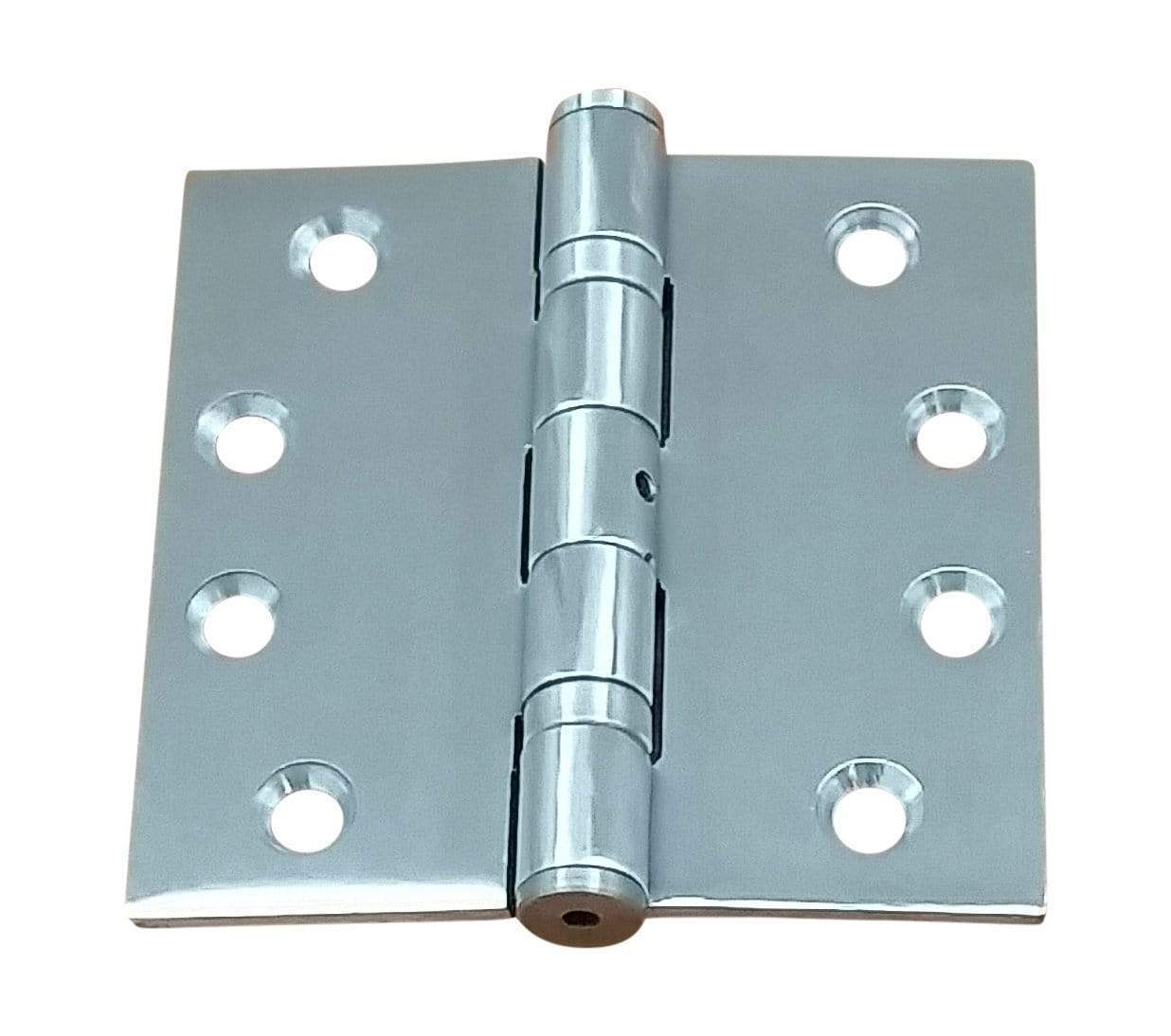
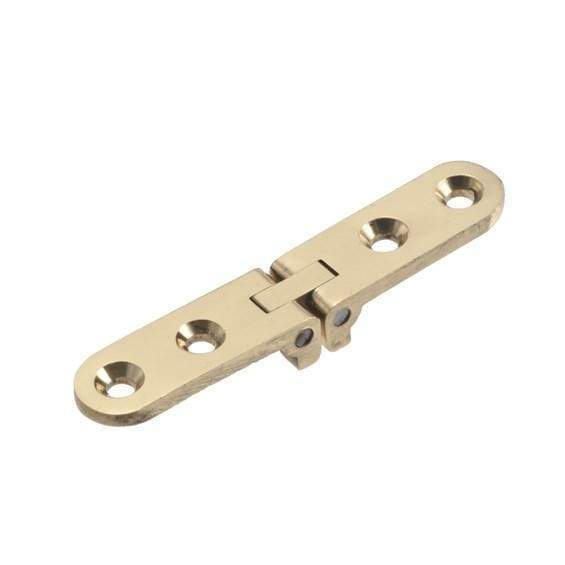
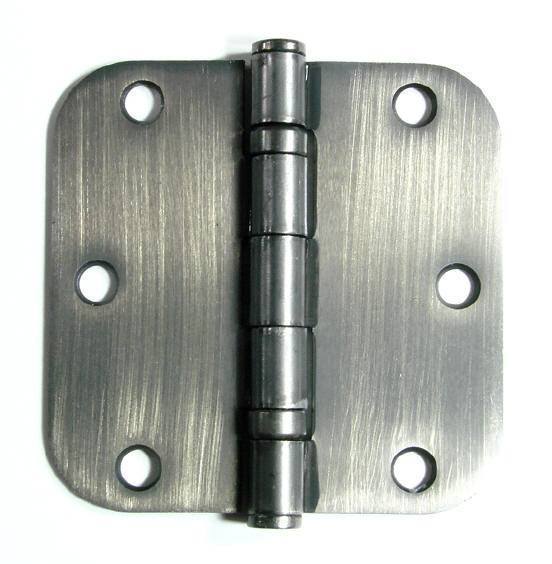
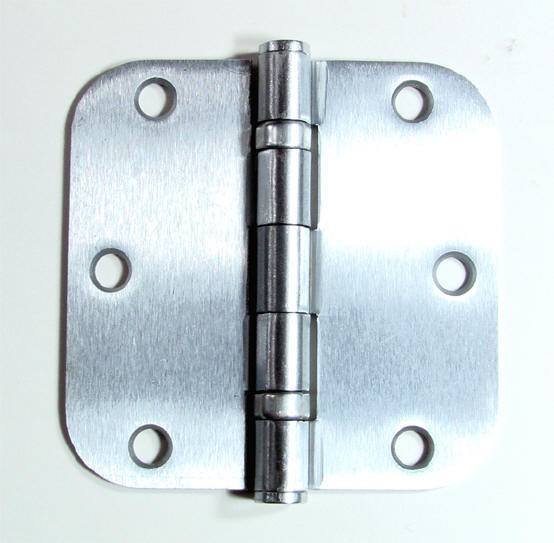
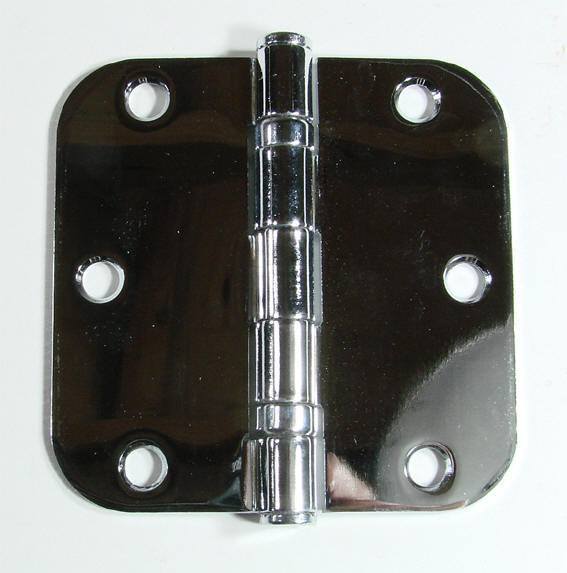
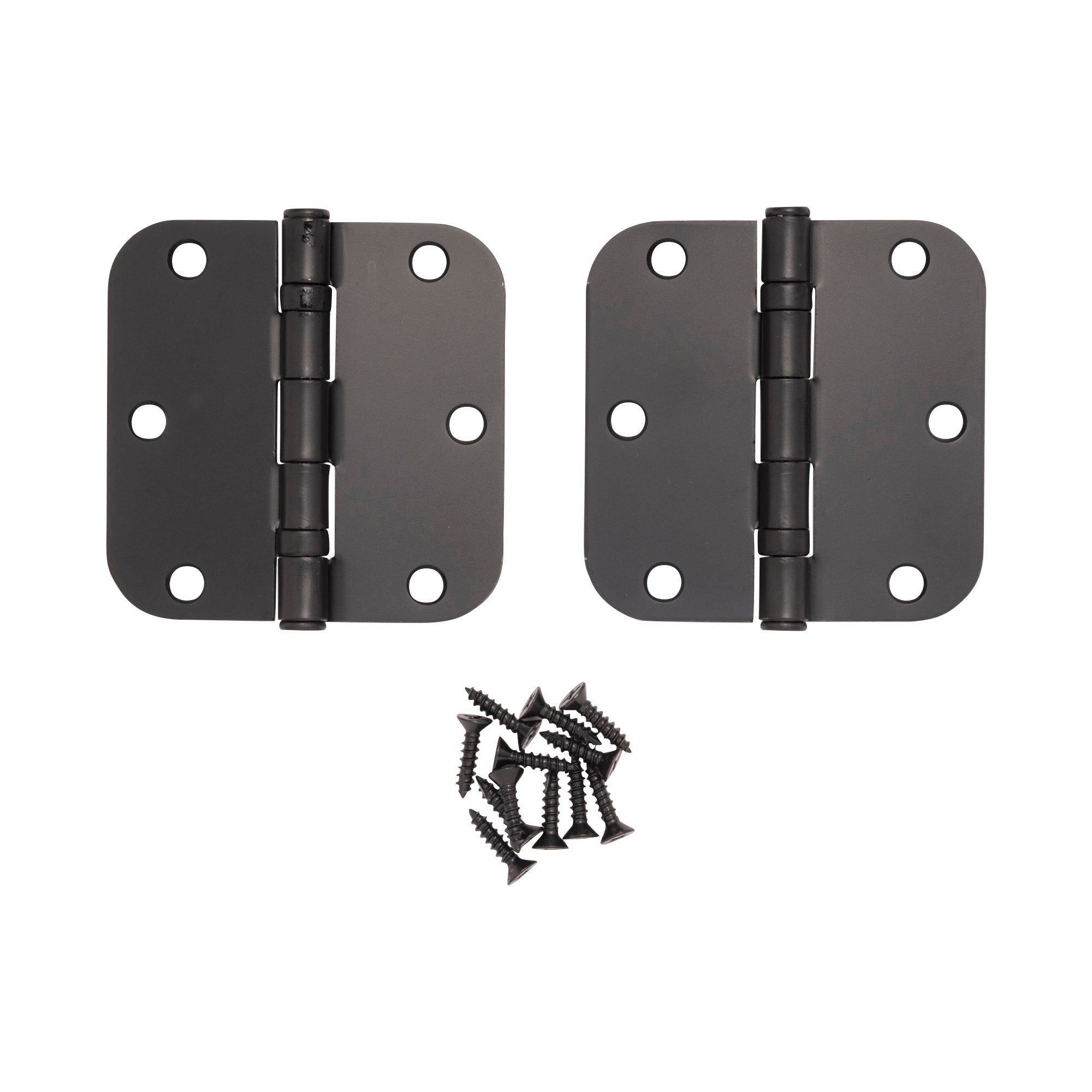
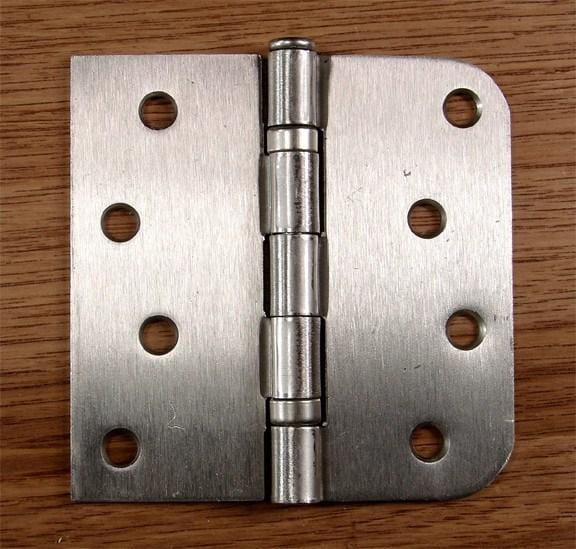
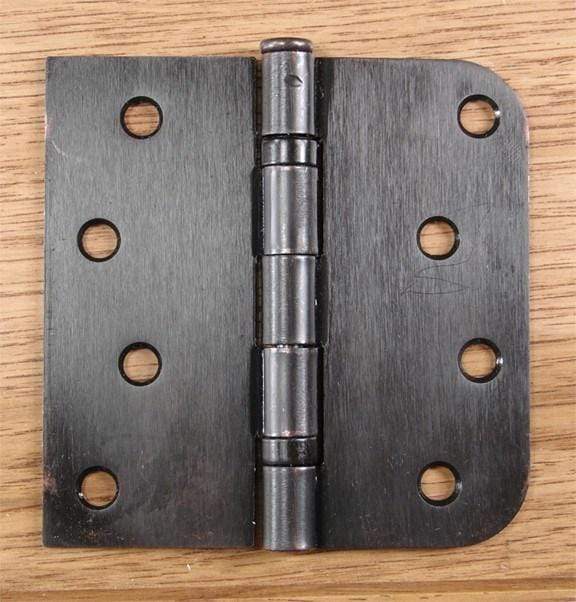
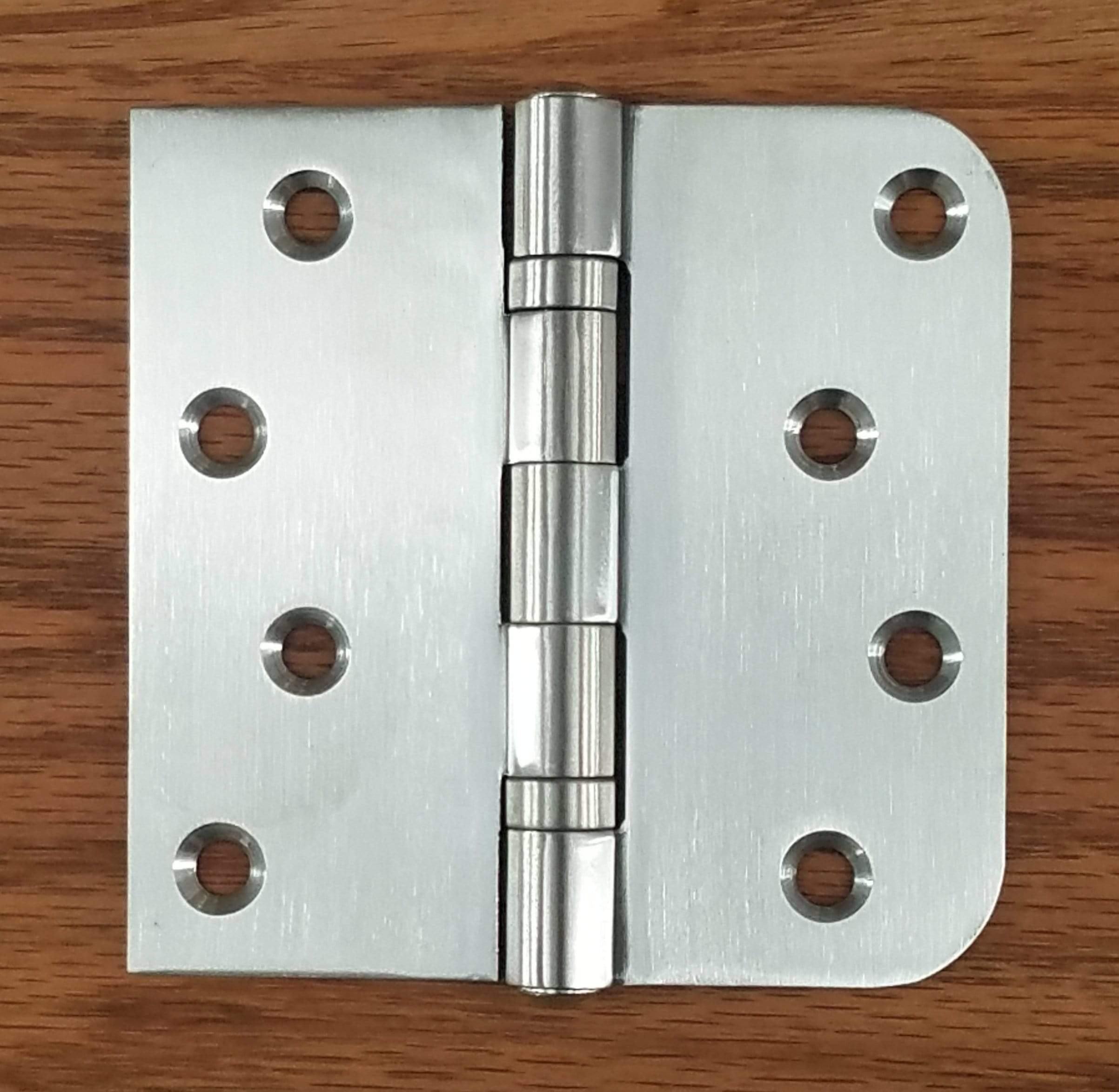
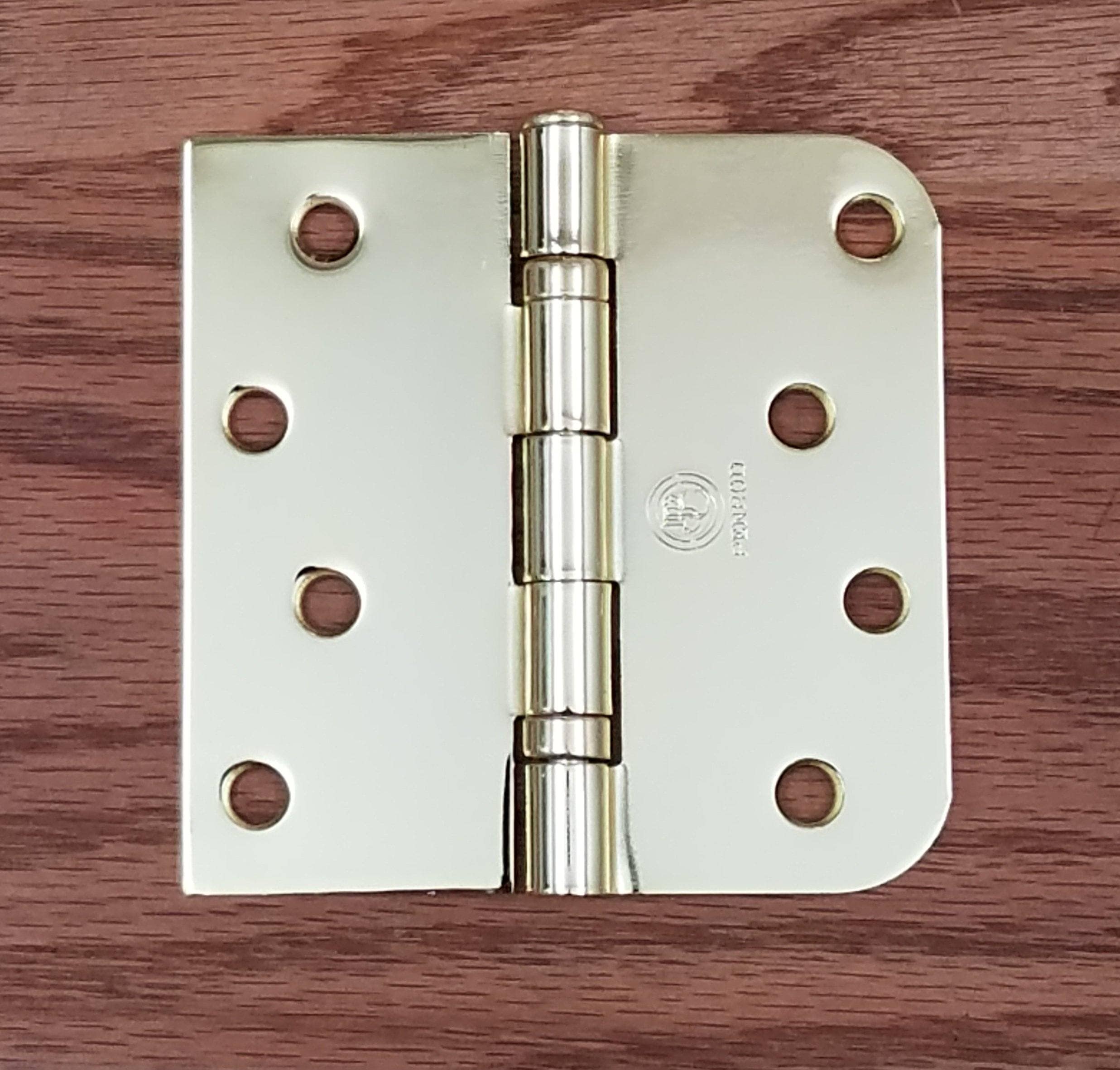
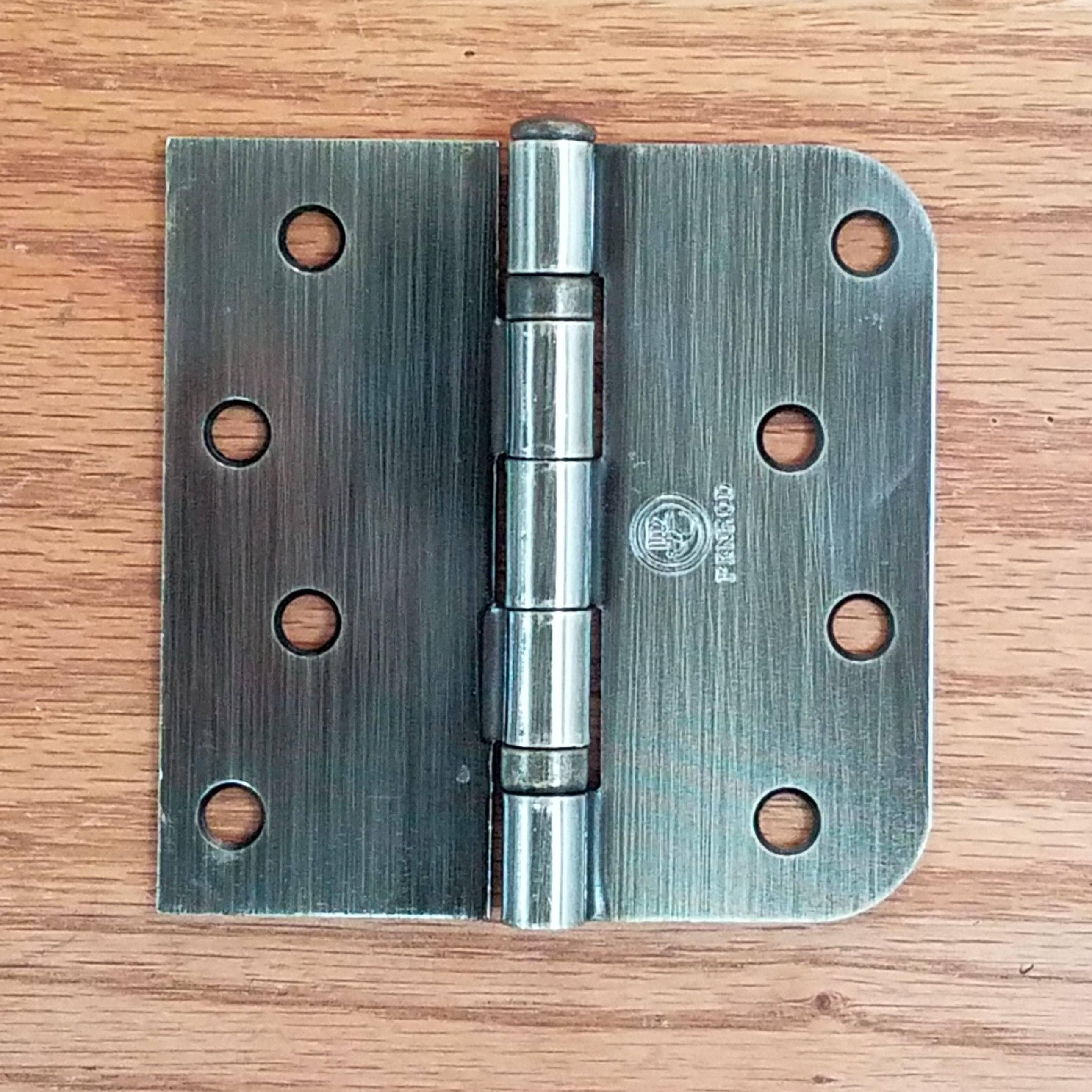
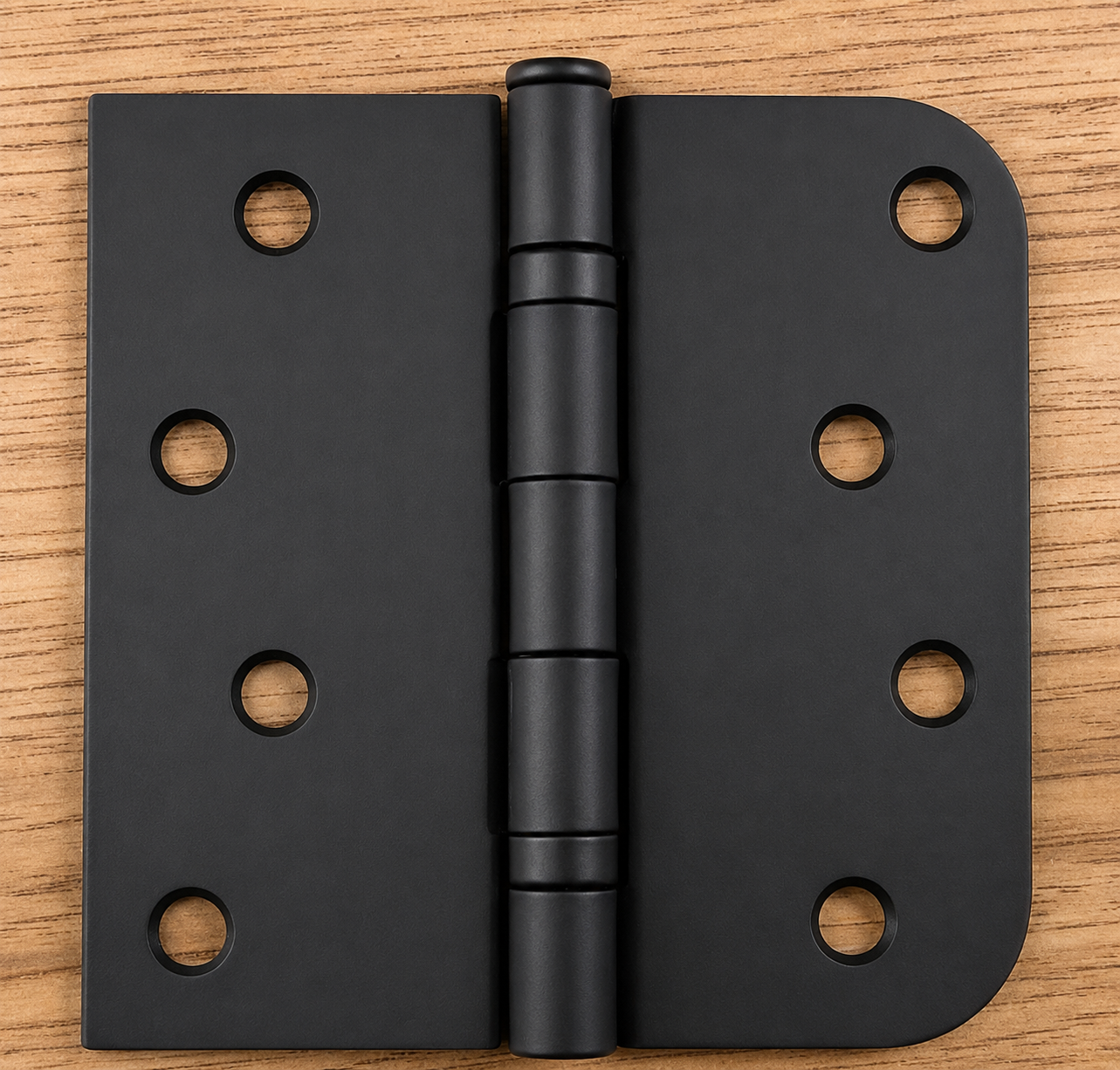
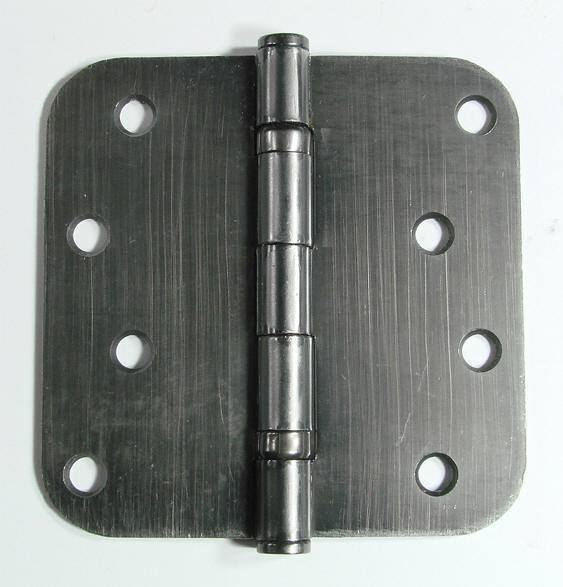
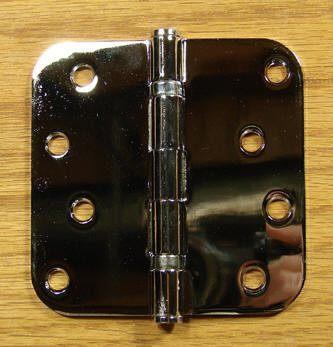
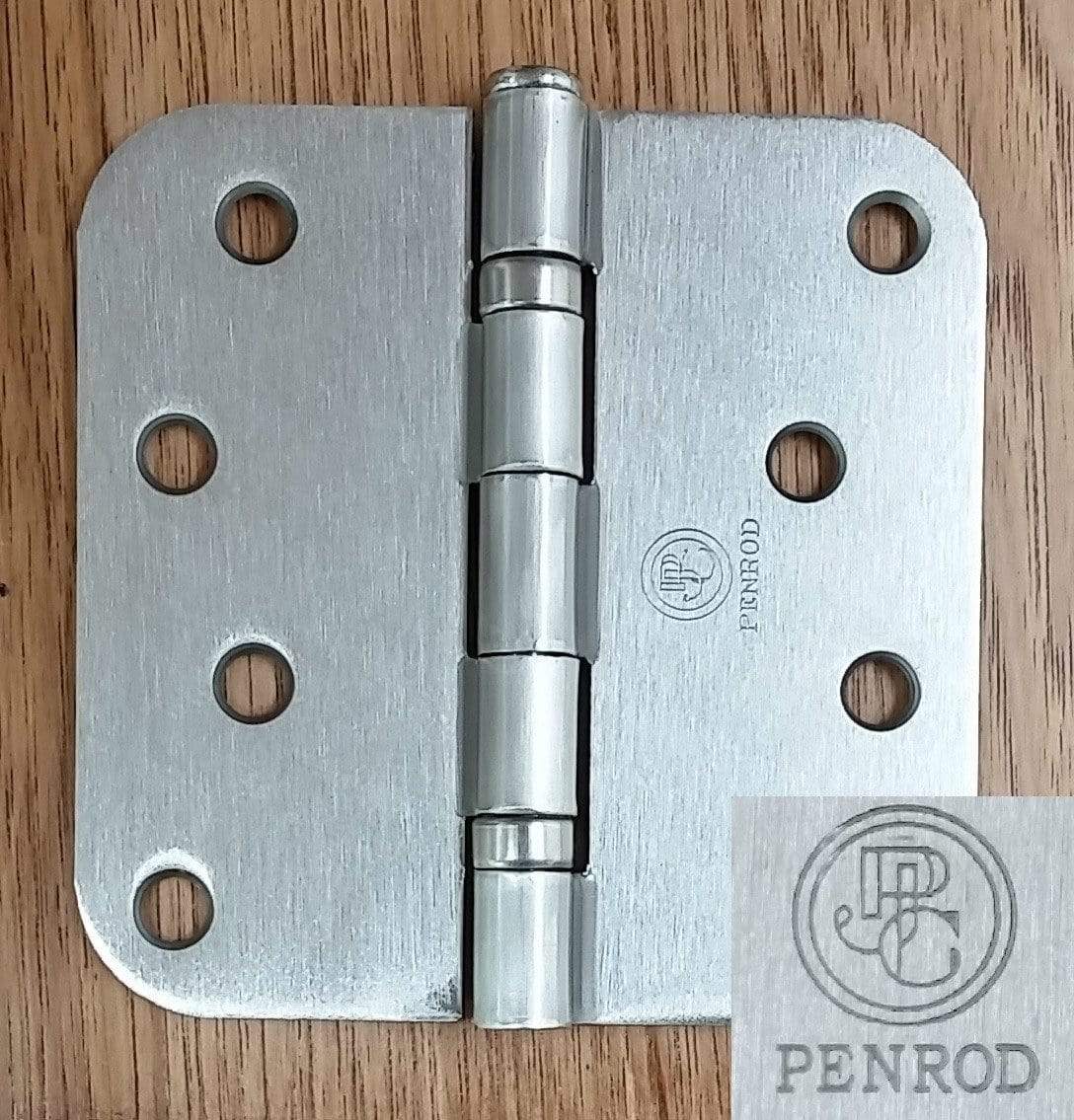
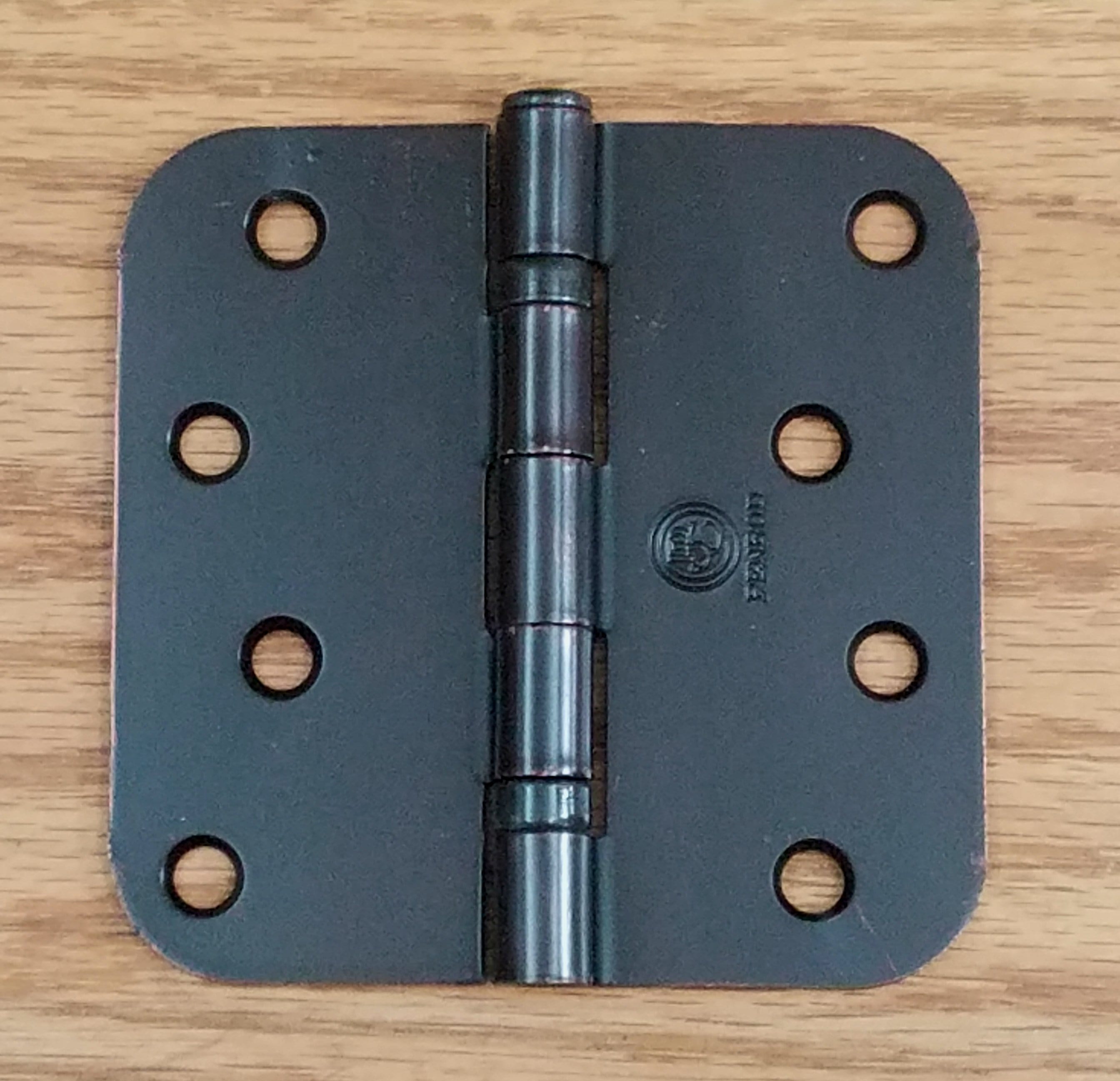
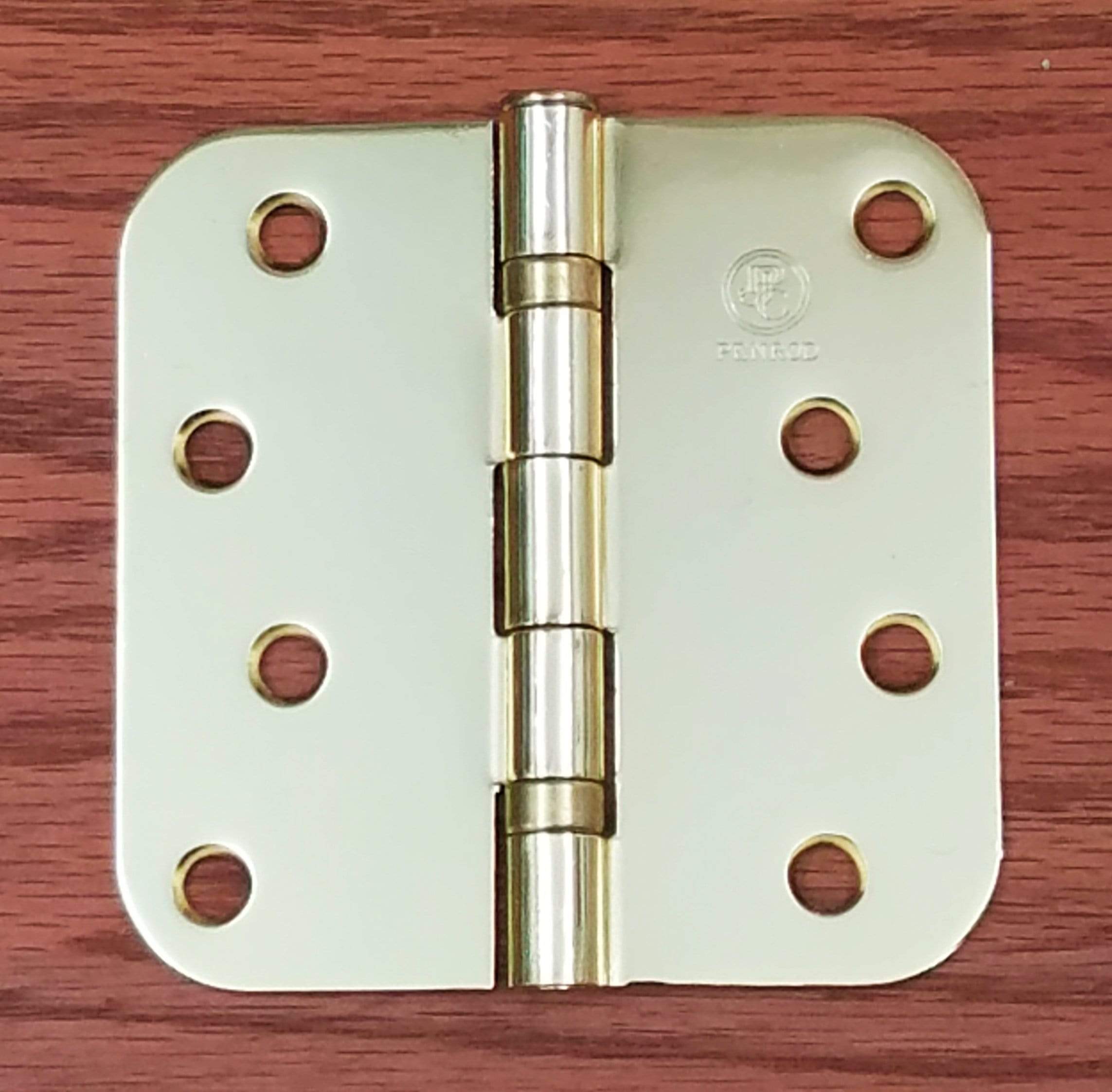
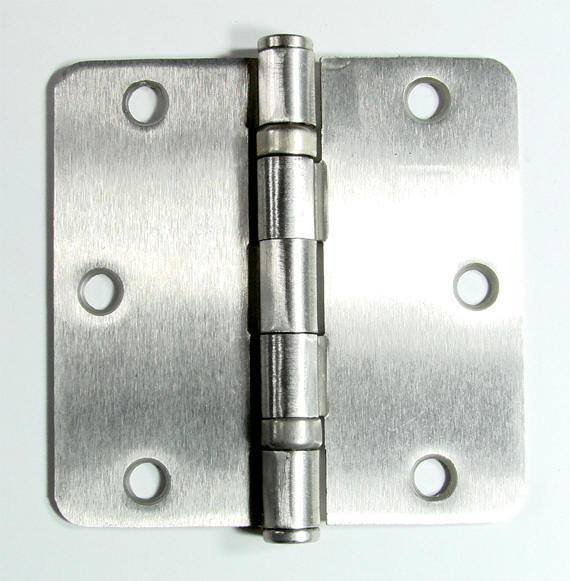
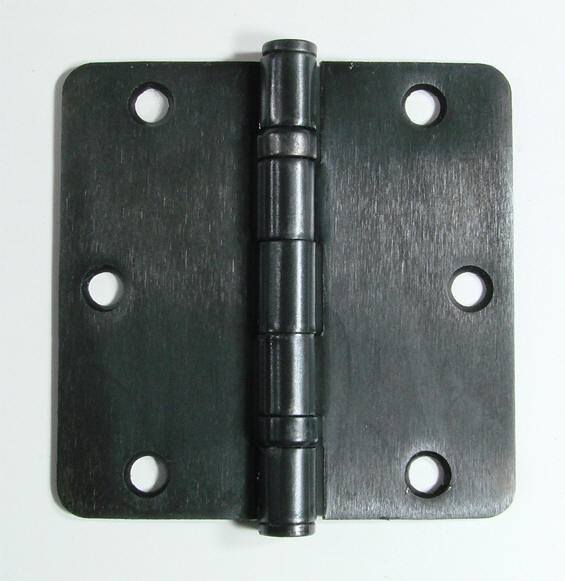
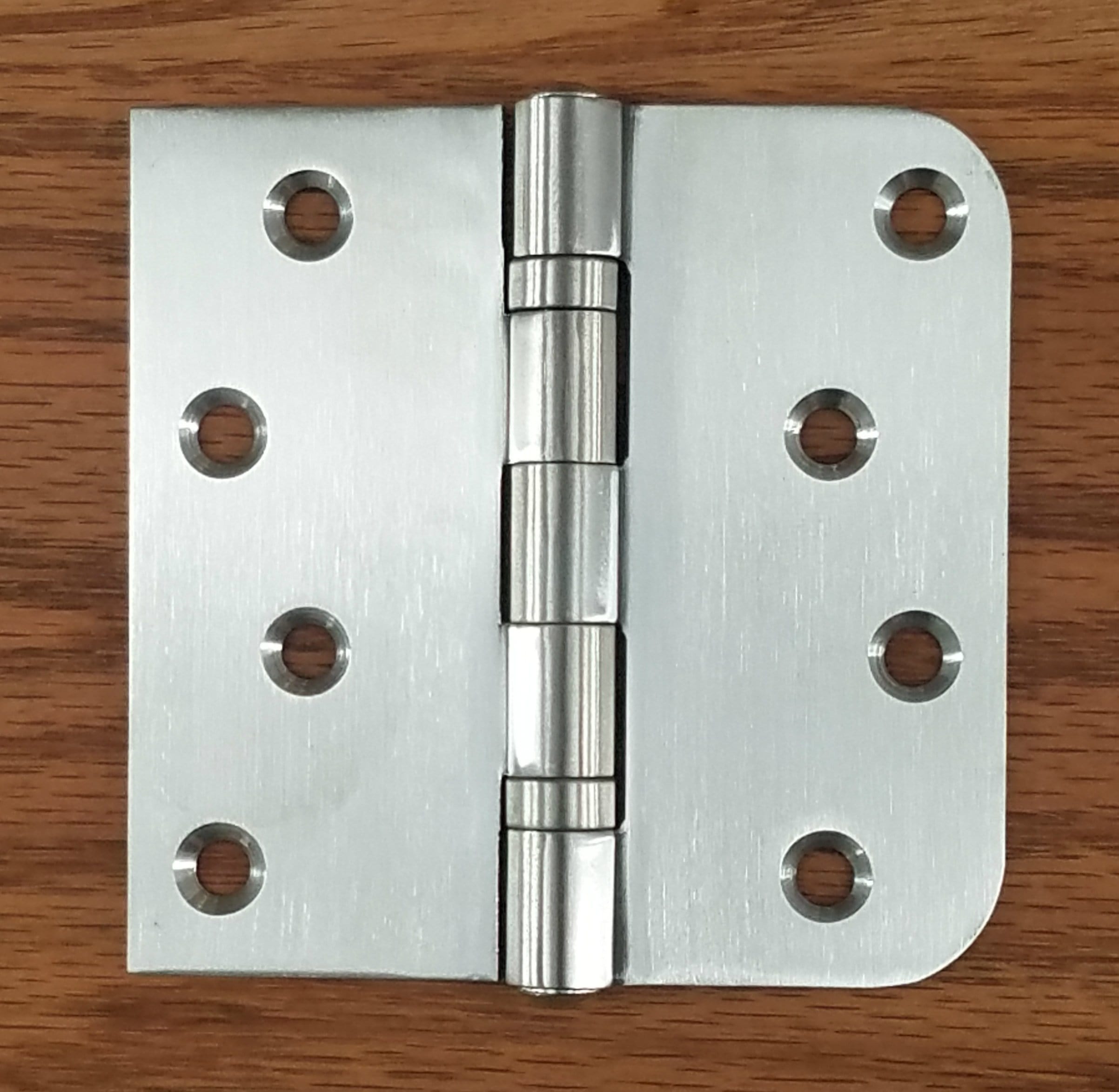
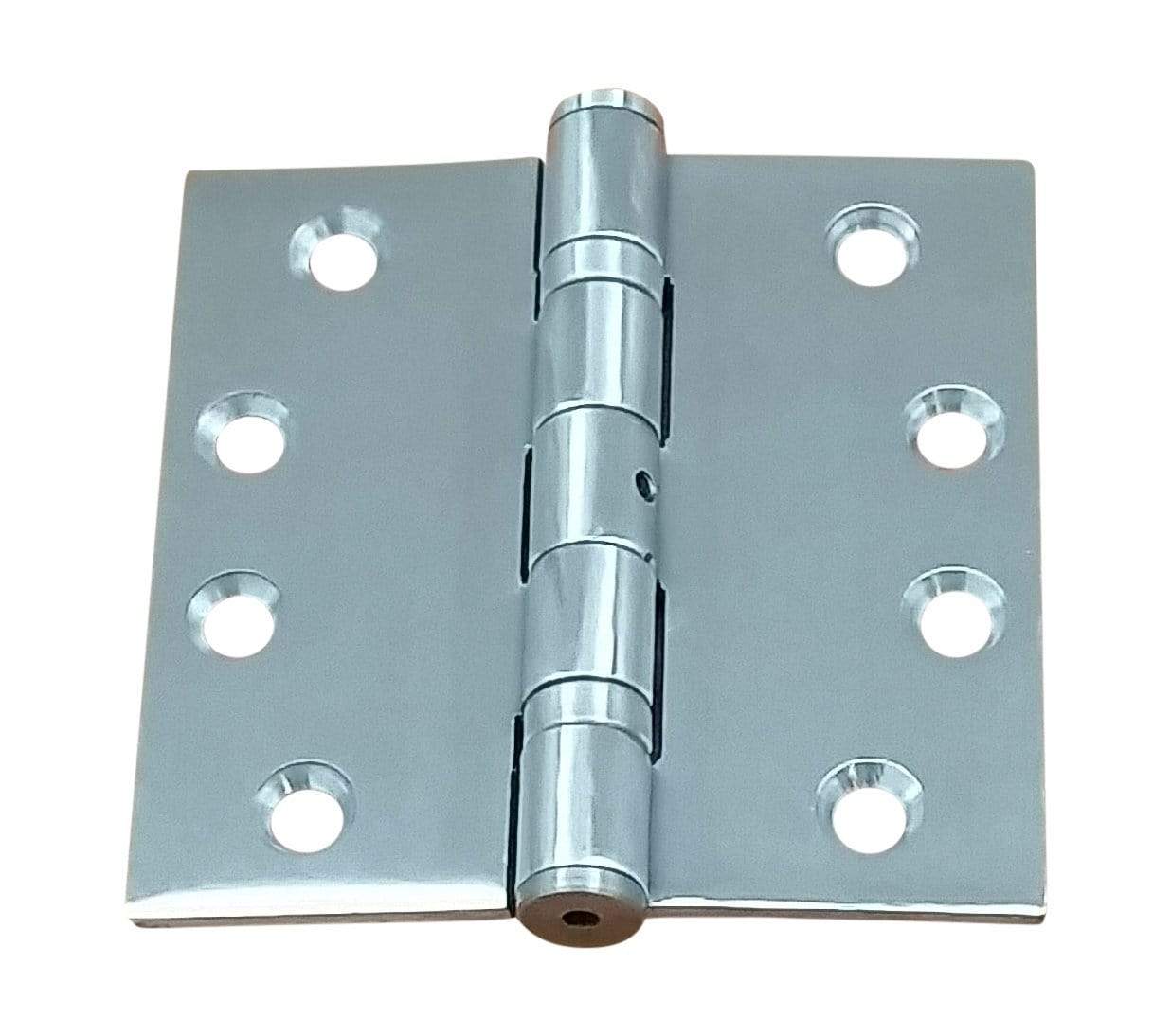
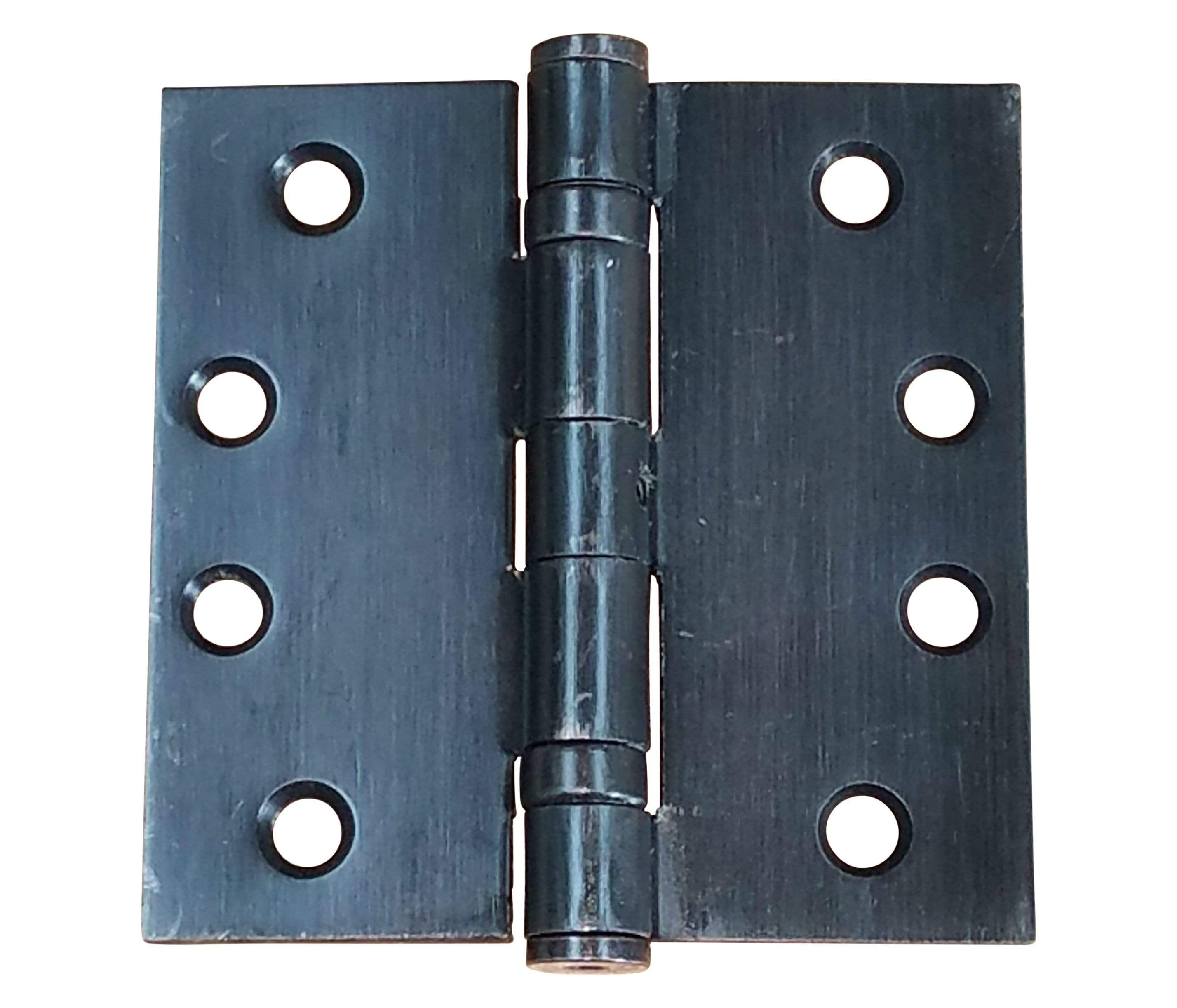
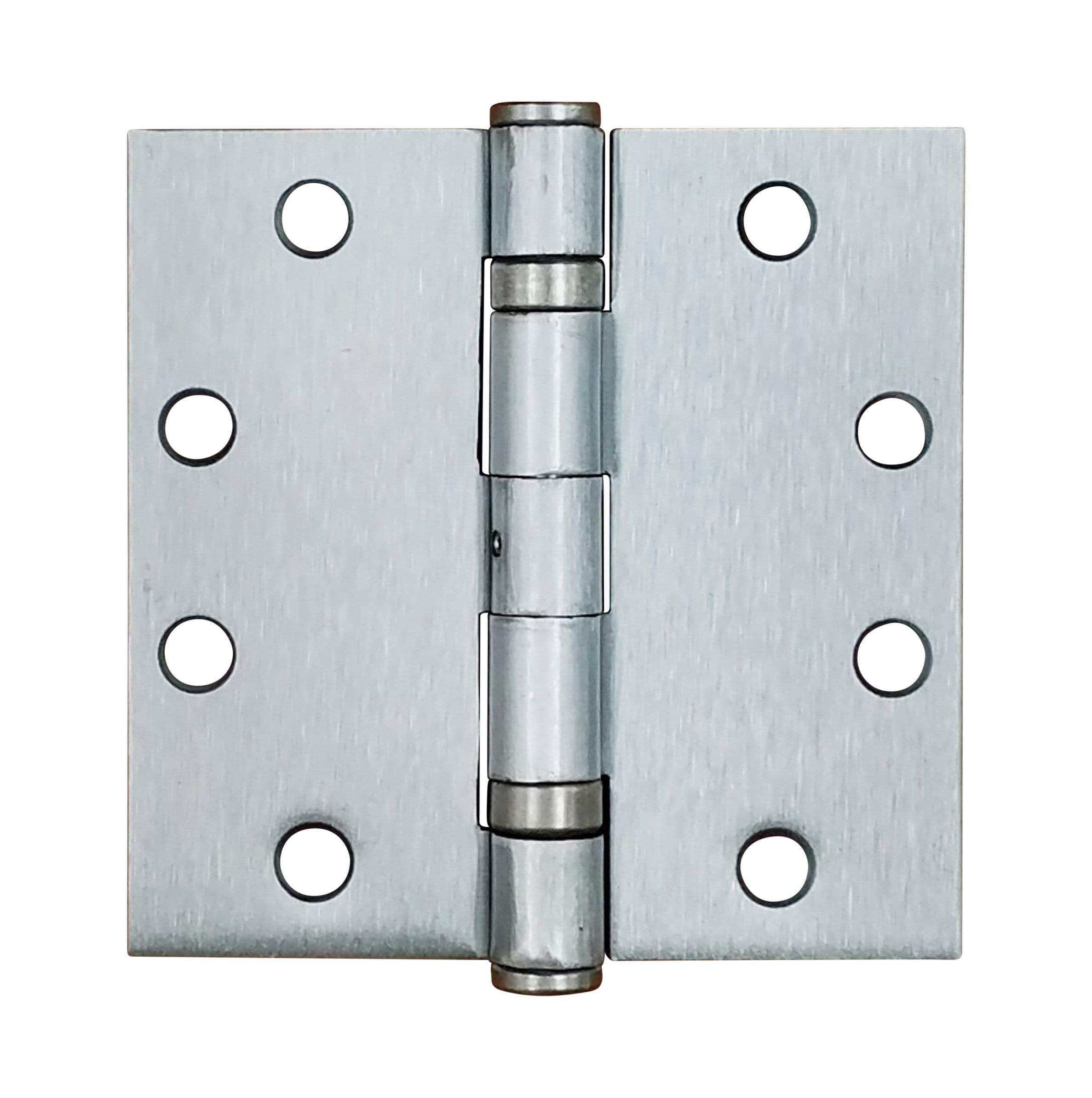
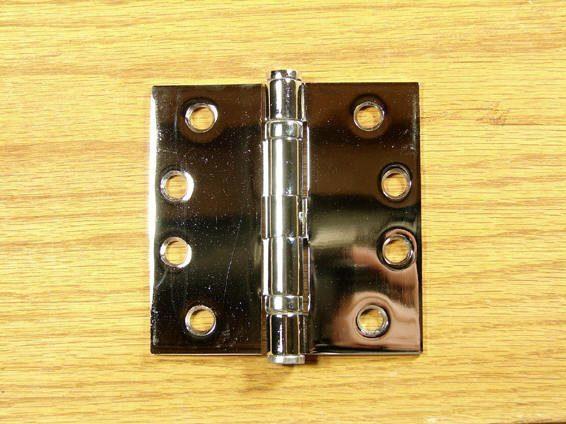
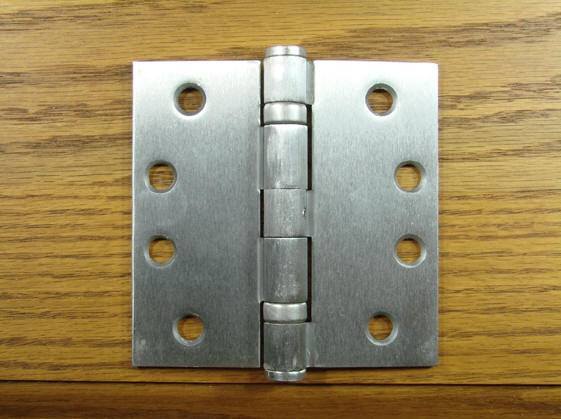
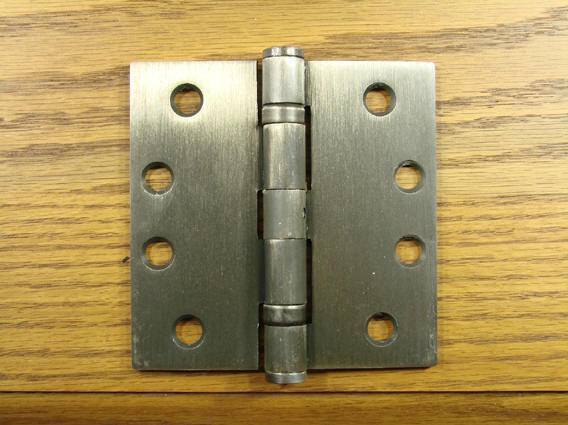
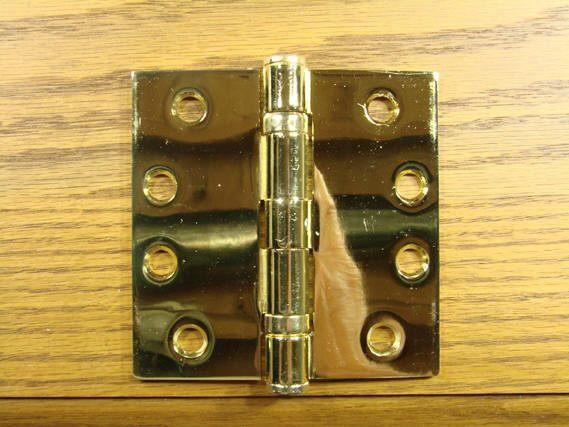
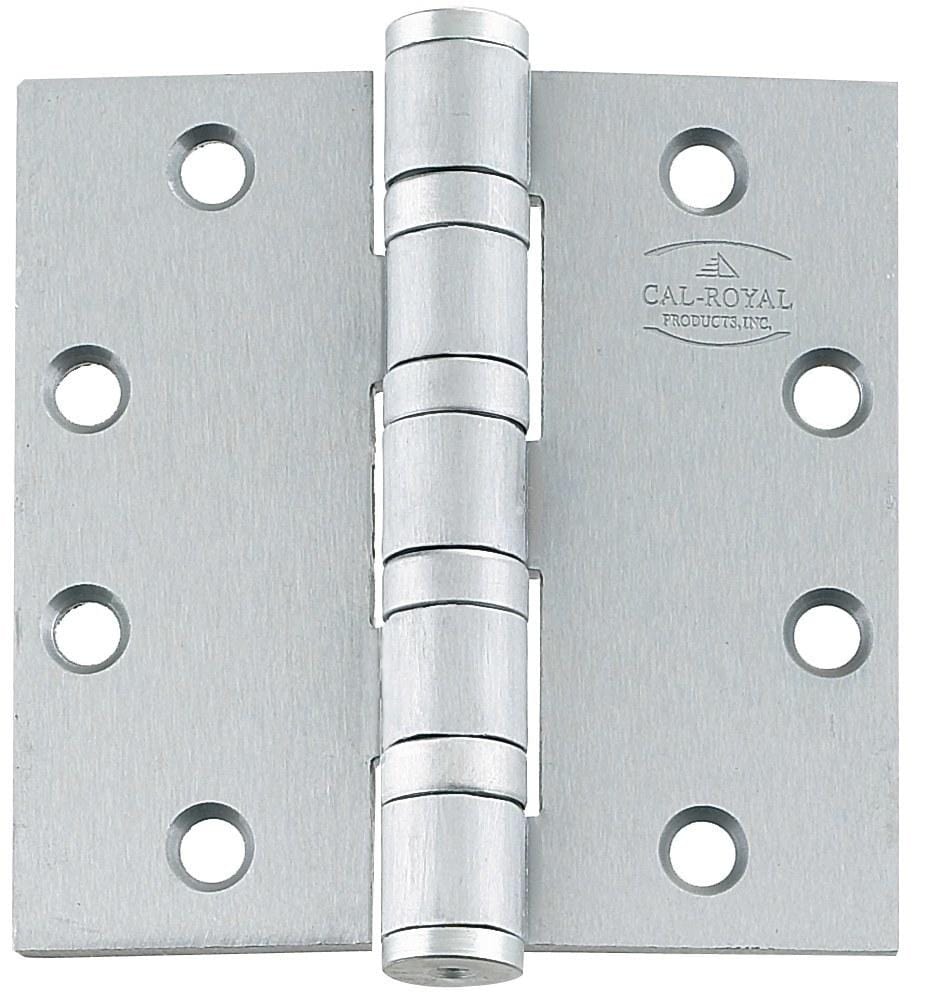
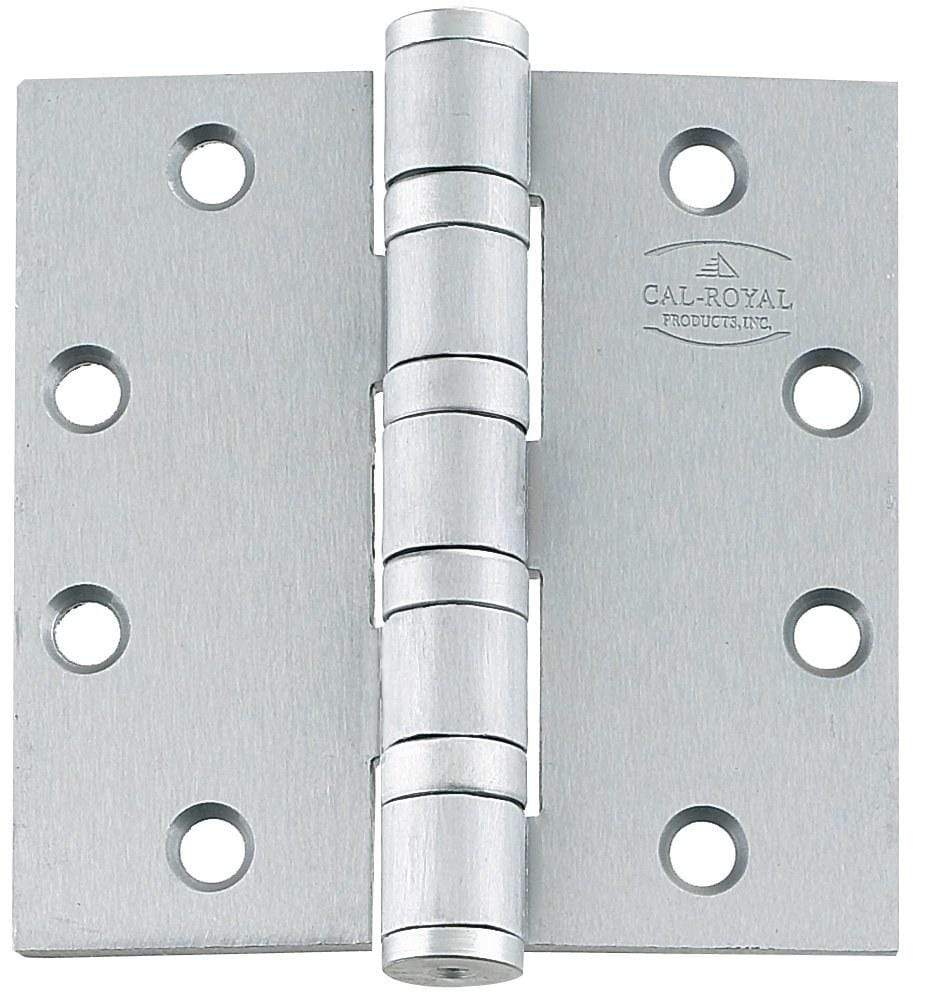
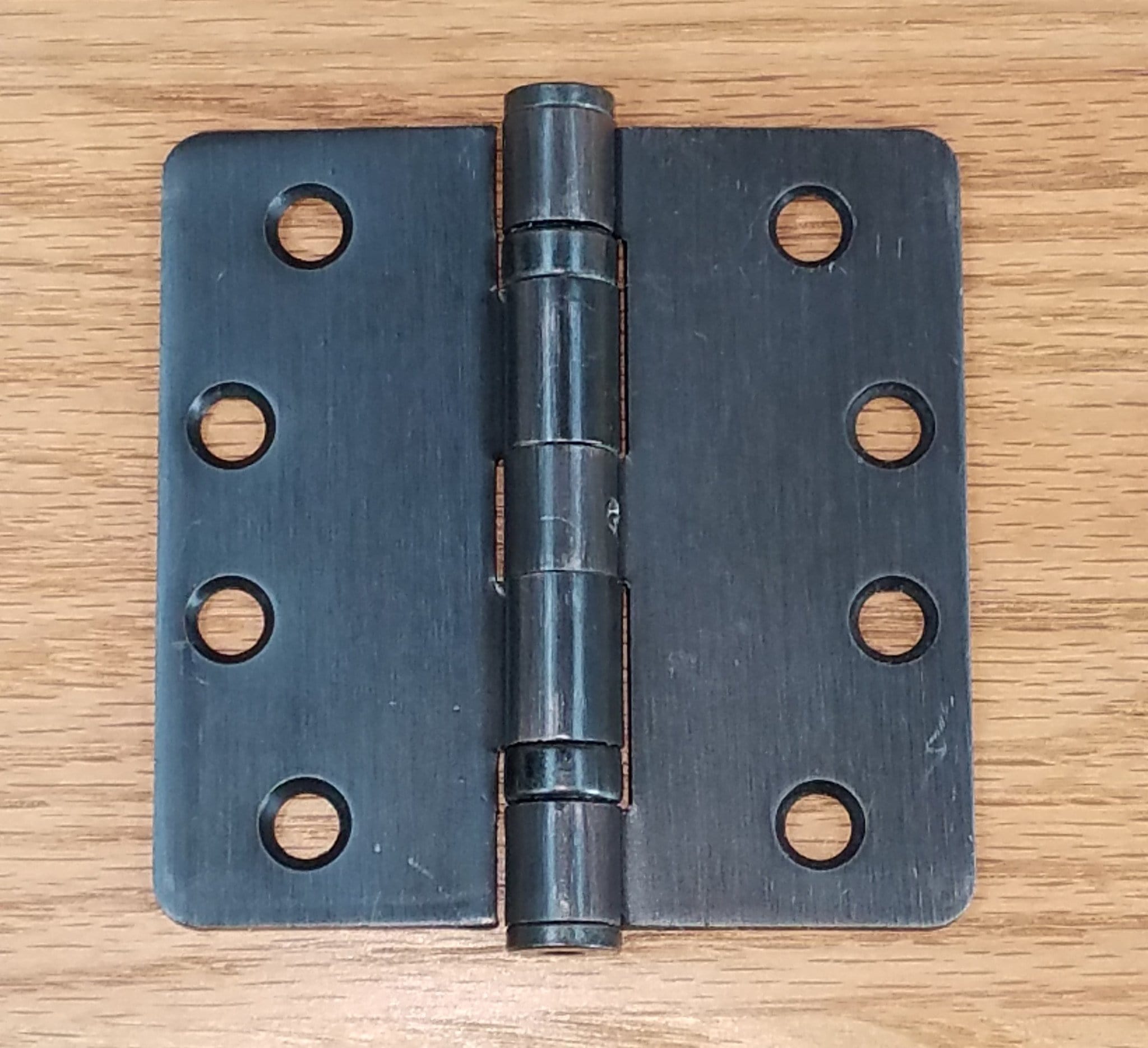
Commercial ball bearing hinges reduce friction at the pivot point, which helps keep opening force low and consistent. While these hinges are not a fix for clear width or mounting height, they're a practical upgrade for doors that have started to stick, sag, or require more force to open than they did when they were new.
ADA Compliant Bathroom Door Hardware
Bathroom doors, especially in commercial and public buildings, come with a few extra considerations layered onto the standard requirements.
Along with meeting the same 32-inch clear width, 34 inch to 48 inch mounting height, and 5-pound operating force rules as any other accessible door, bathroom doors need at least 30 by 48 inches of clear maneuvering space in front of them to accommodate a wheelchair turning or approaching the door.
Privacy locks are also worth a closer look. Many traditional bathroom privacy sets use a small twist-turn button that technically violates the no-twisting requirement.
ADA compliant bathroom door hardware typically swaps that for a lever-actuated or push-button privacy lock that can still be operated with a closed fist.
If you're auditing restroom doors specifically, hardware and lock type are usually the first two things to check, since they're the most commonly missed issues in an otherwise compliant bathroom.
How to Choose ADA Door Hardware for Your Project
With the requirements and hardware types covered, choosing the right combination comes down to a few practical questions:
-
What's actually failing? If clear width is the issue, look at hinges first. If opening force is the problem, start with the closer. If it's a knob on the door, that's a hardware swap.
-
New construction or retrofit? Retrofits often benefit from swing clear or offset hinges since they solve clearance issues without touching the frame. New construction gives you more flexibility to spec the door and hardware together from the start.
-
Interior or exterior? Exterior doors have different force and threshold considerations, and fire-rated doors have their own exceptions for closing force.
-
Is it a bathroom door? If so, check both the lever and the privacy lock mechanism.
Matching ADA door hardware to the specific compliance gap, rather than swapping out everything at once, is usually the faster and more cost-effective path to a fully accessible door.
Final Thoughts
ADA compliant door hardware comes down to four measurable requirements, with many compliance issues tracing back to just one or two of these. If you're ready to bring your doors up to code, shop Hinge Outlet’s ADA compliant door hardware for a proper fix.
FAQs About ADA Door Hardware
1. What is the ADA code for door hardware?
The ADA code for door hardware is found in the 2010 ADA Standards for Accessible Design, primarily under Section 404 (door and gate specifications) and Section 309.4 (operable parts).
2. What are the most common ADA door hardware violations?
The most common ADA door hardware violations are round doorknobs that require a twisting grip, hardware mounted outside the 34 inch to 48 inch height range, closers adjusted with too much opening force, and standard hinges that reduce clear opening width below 32 inches.