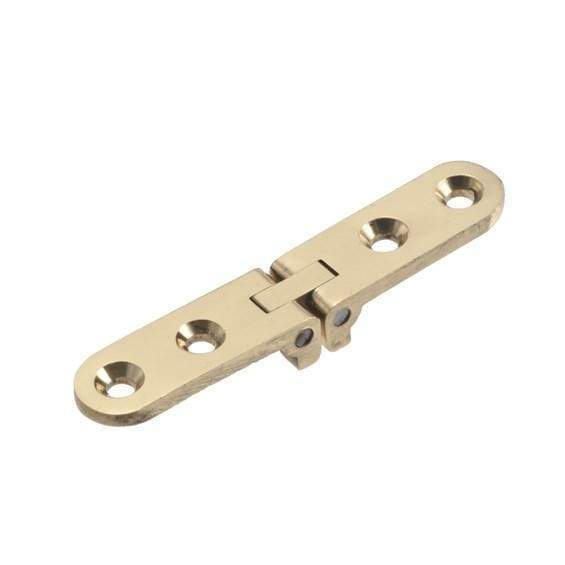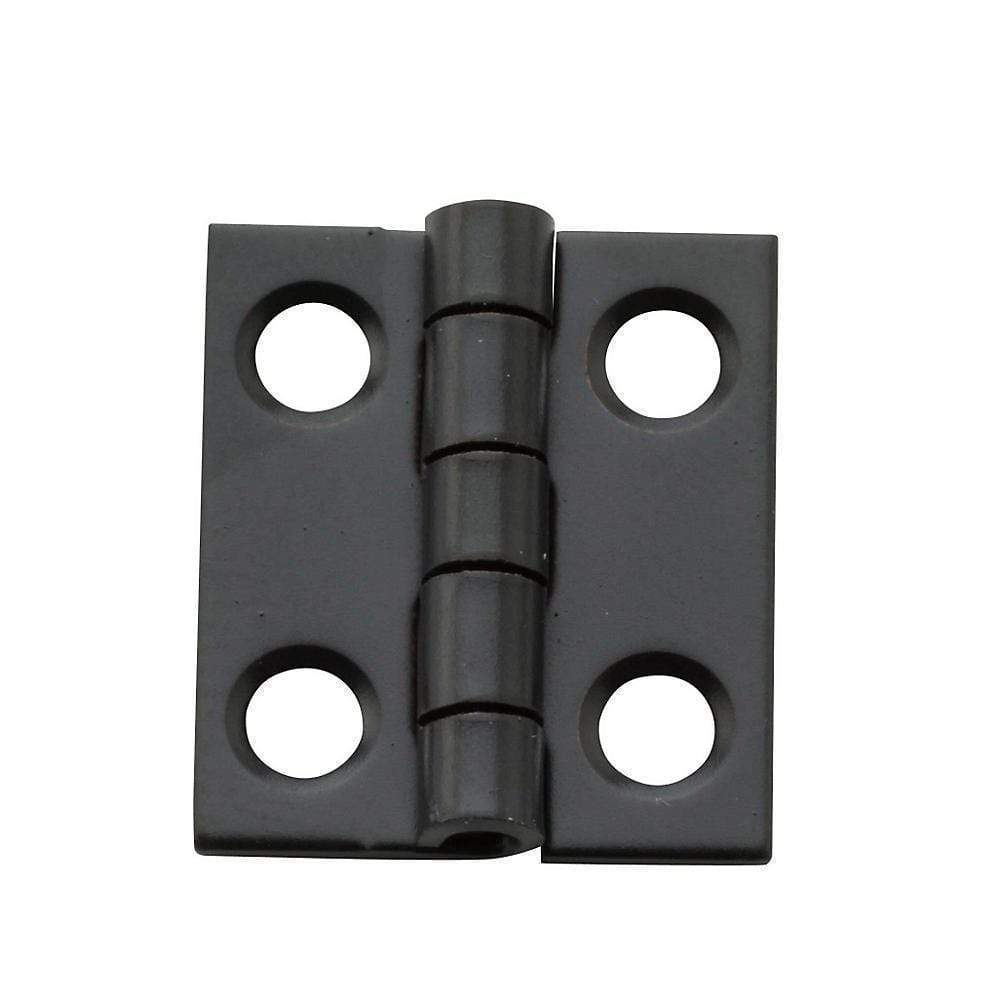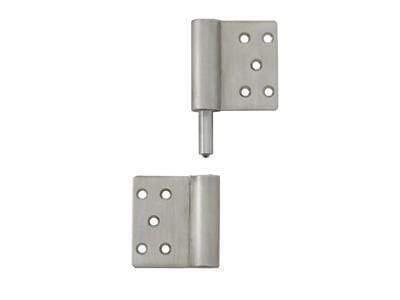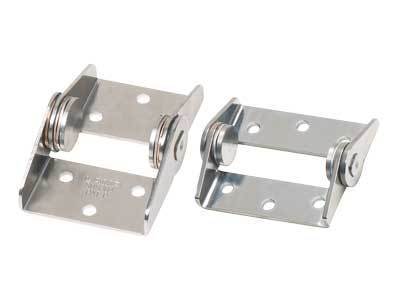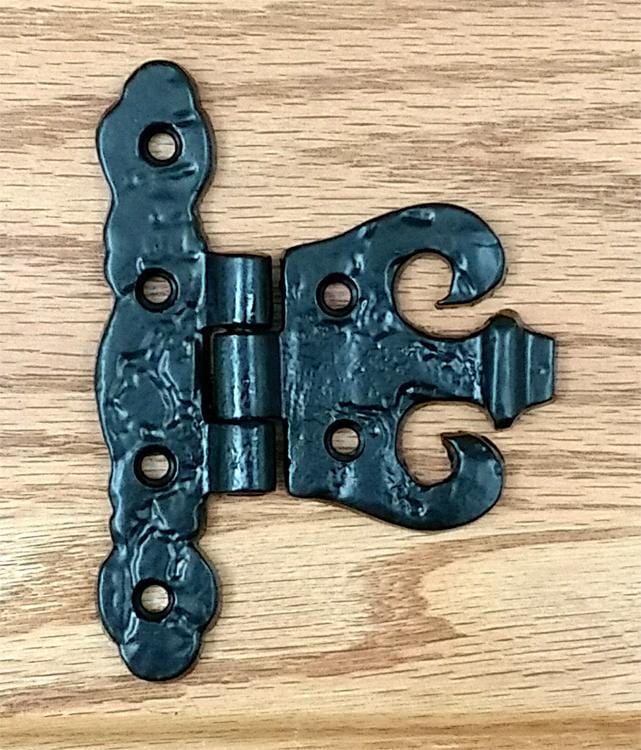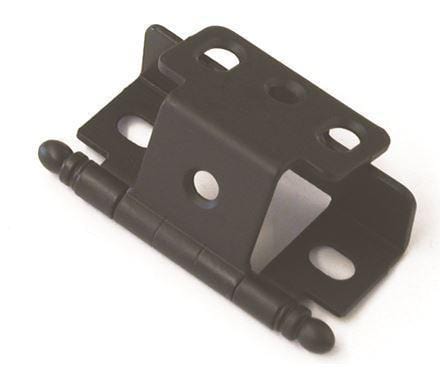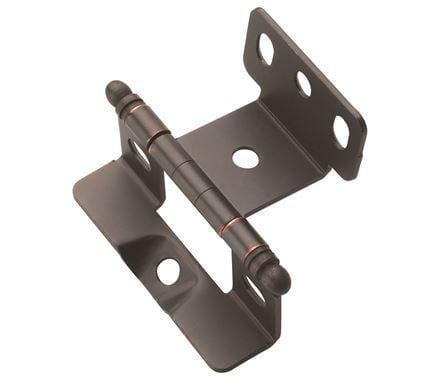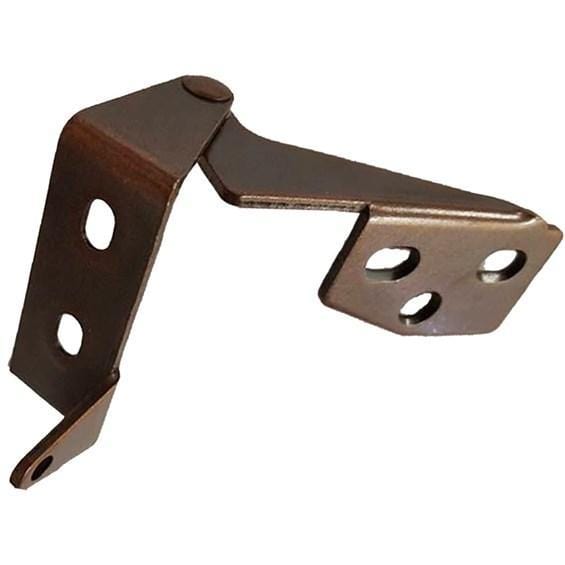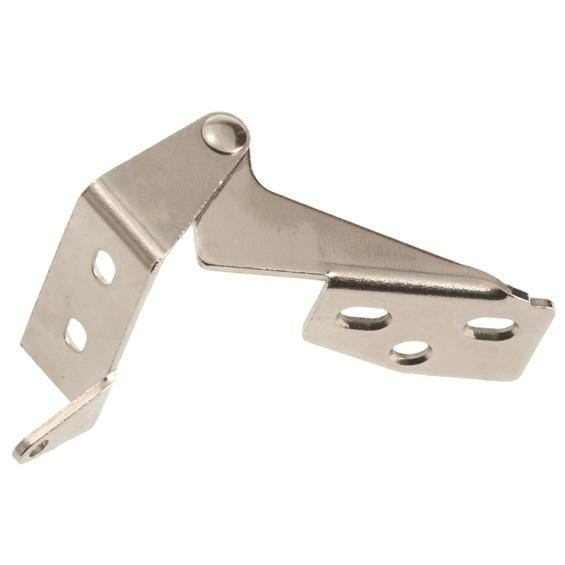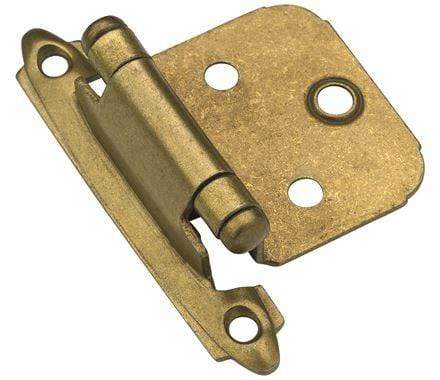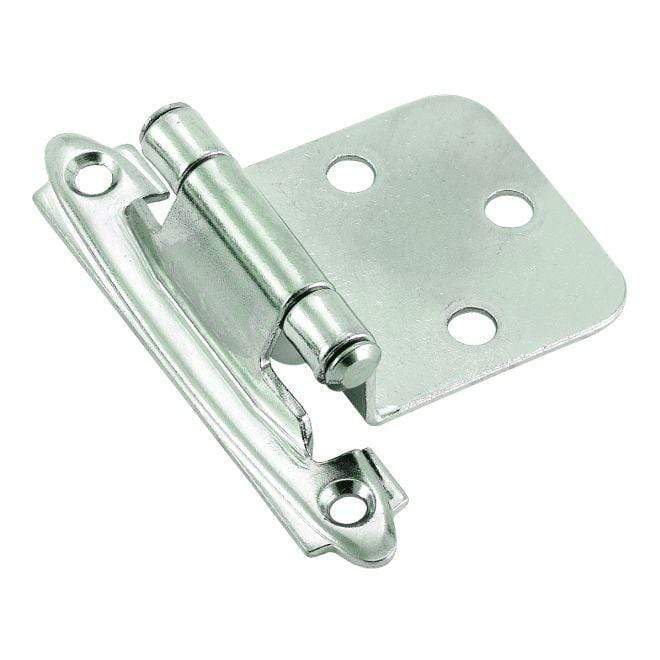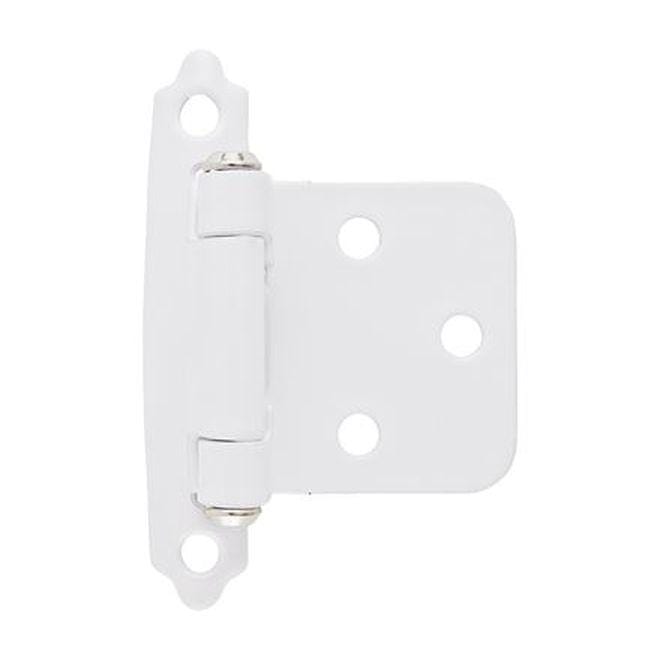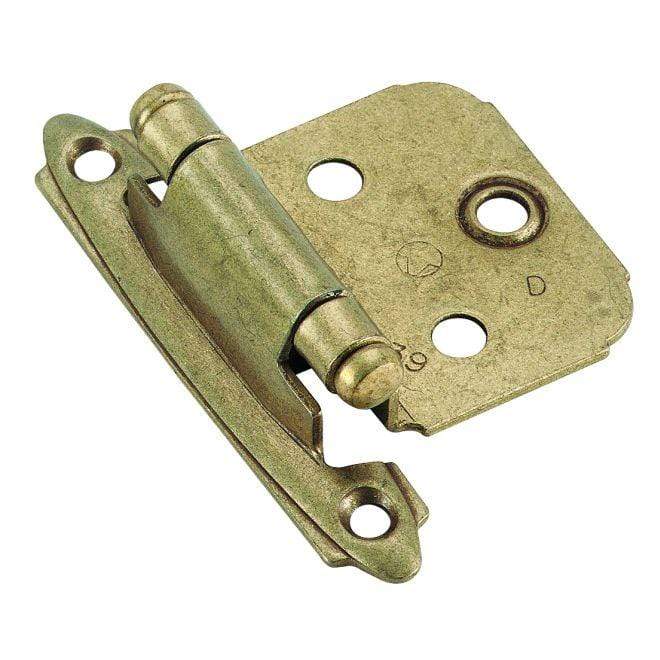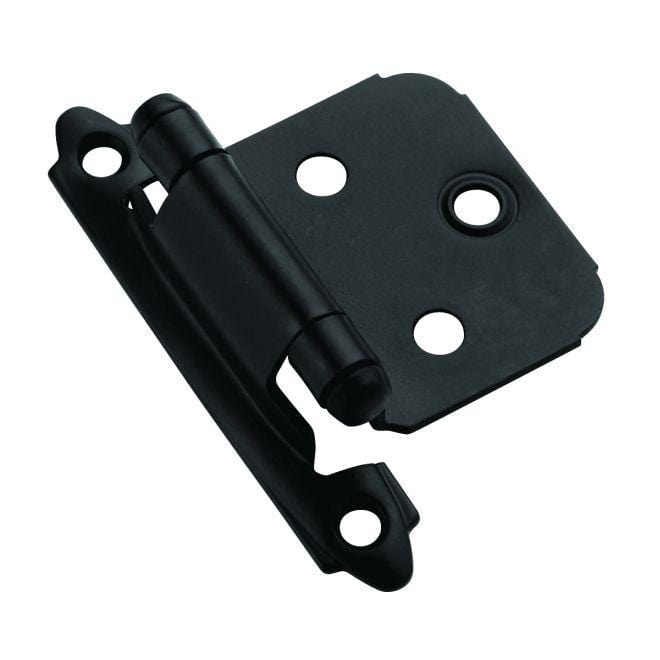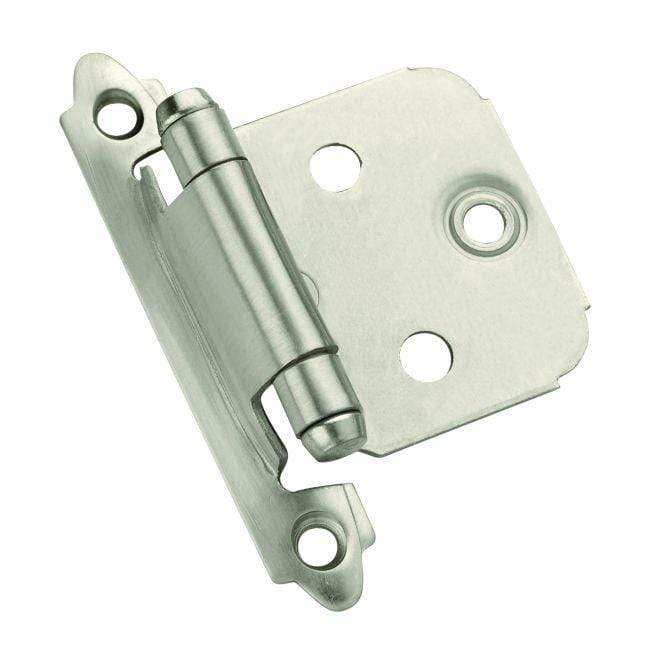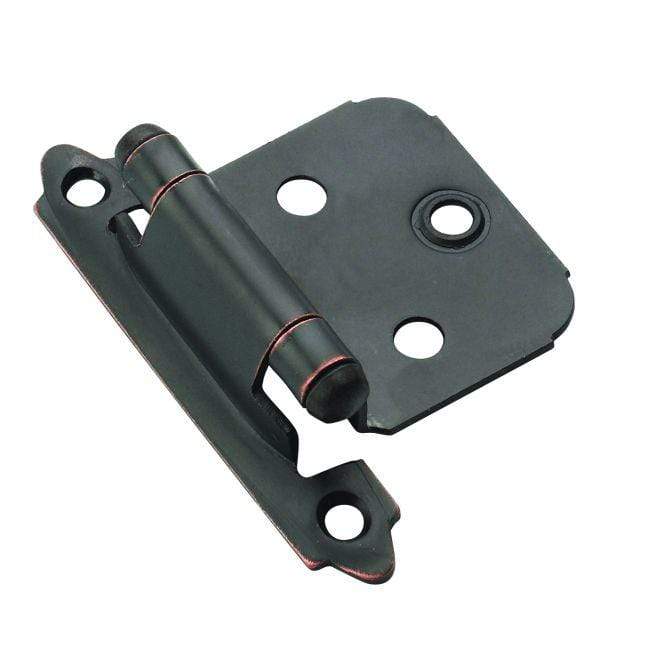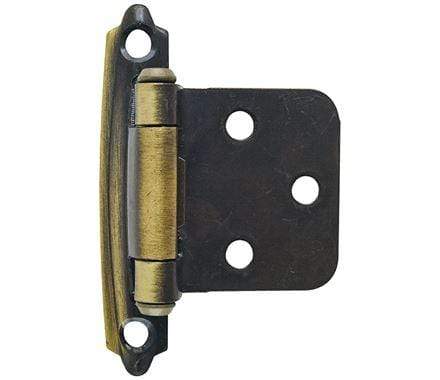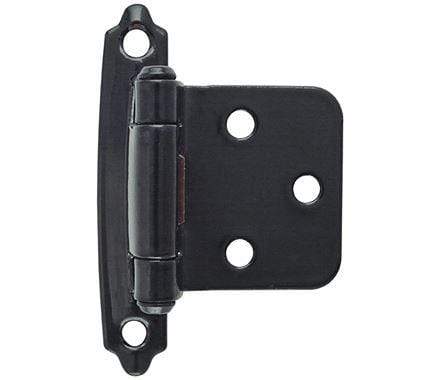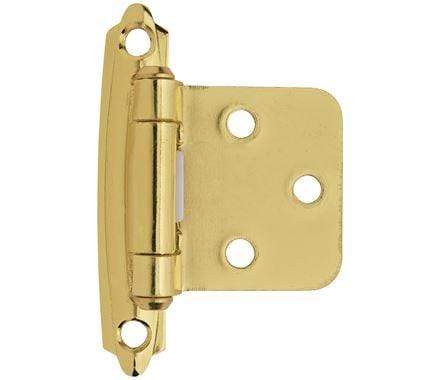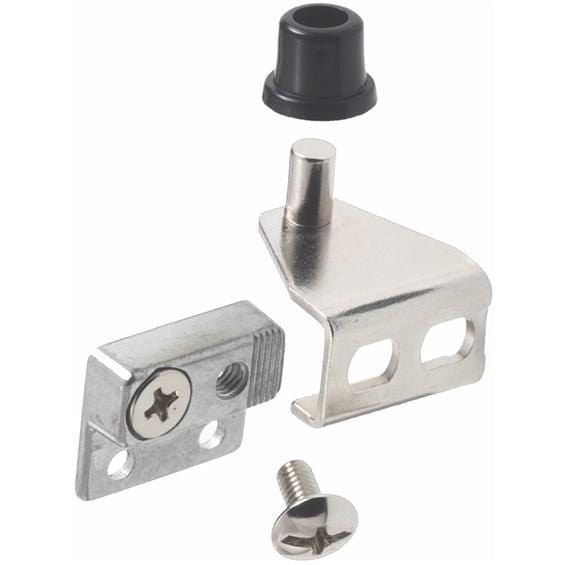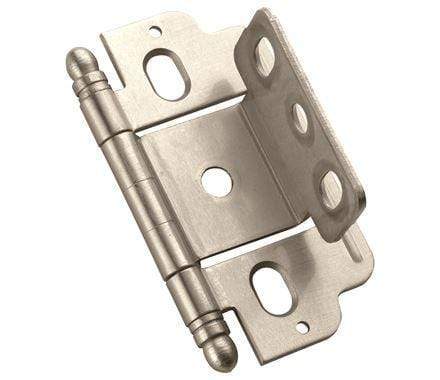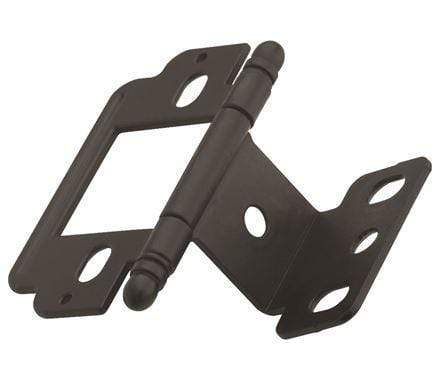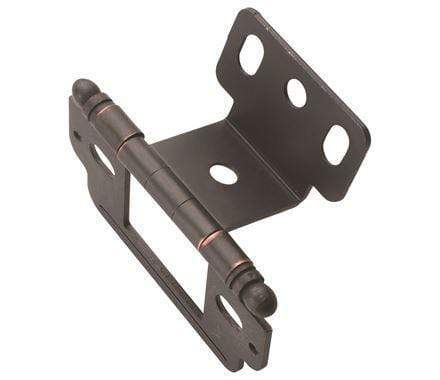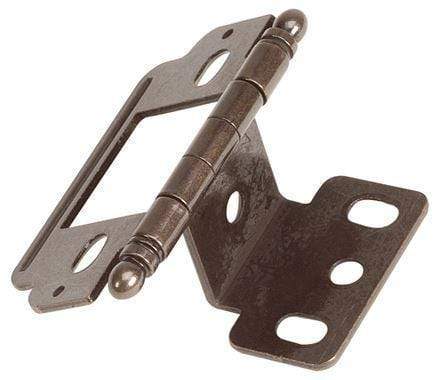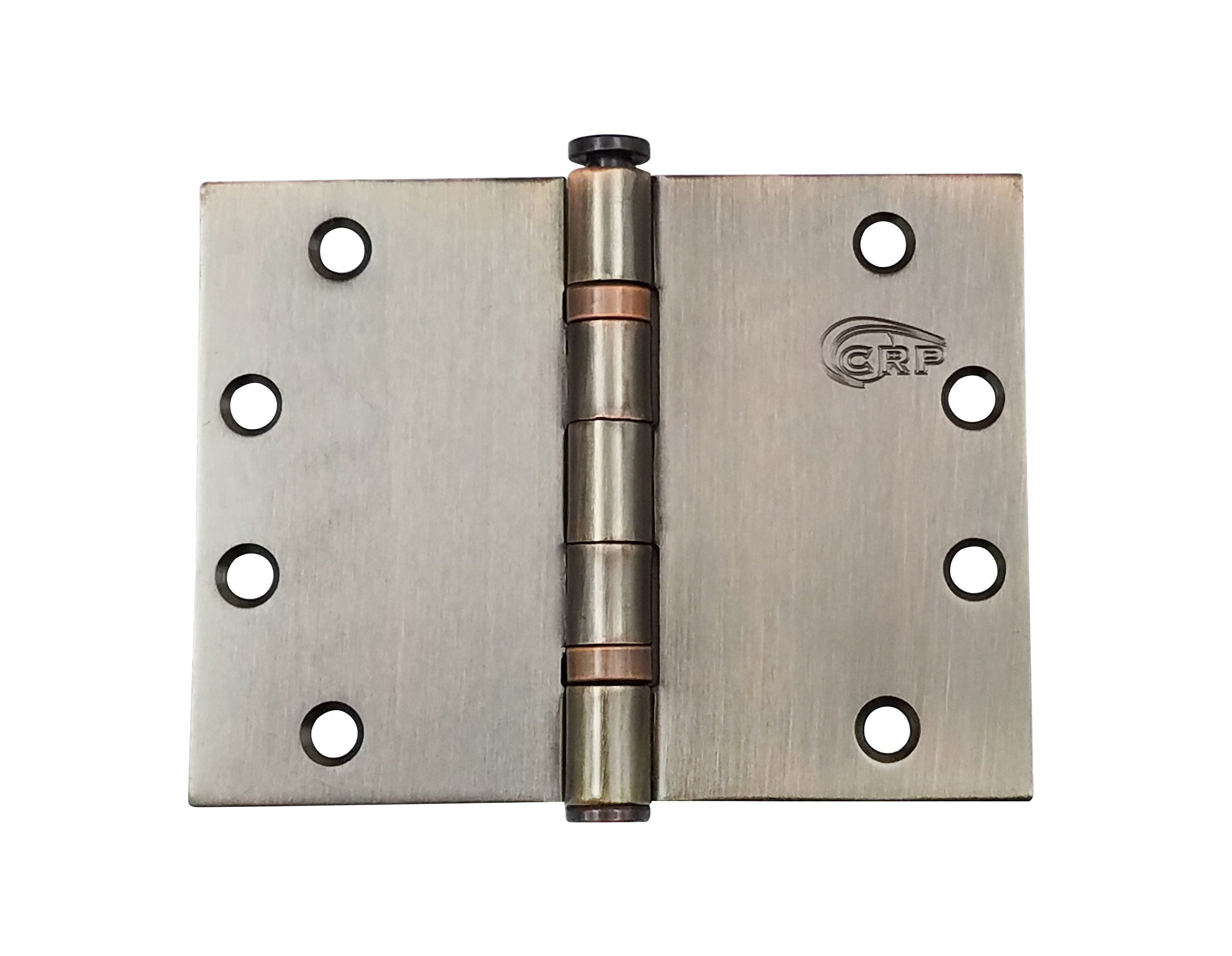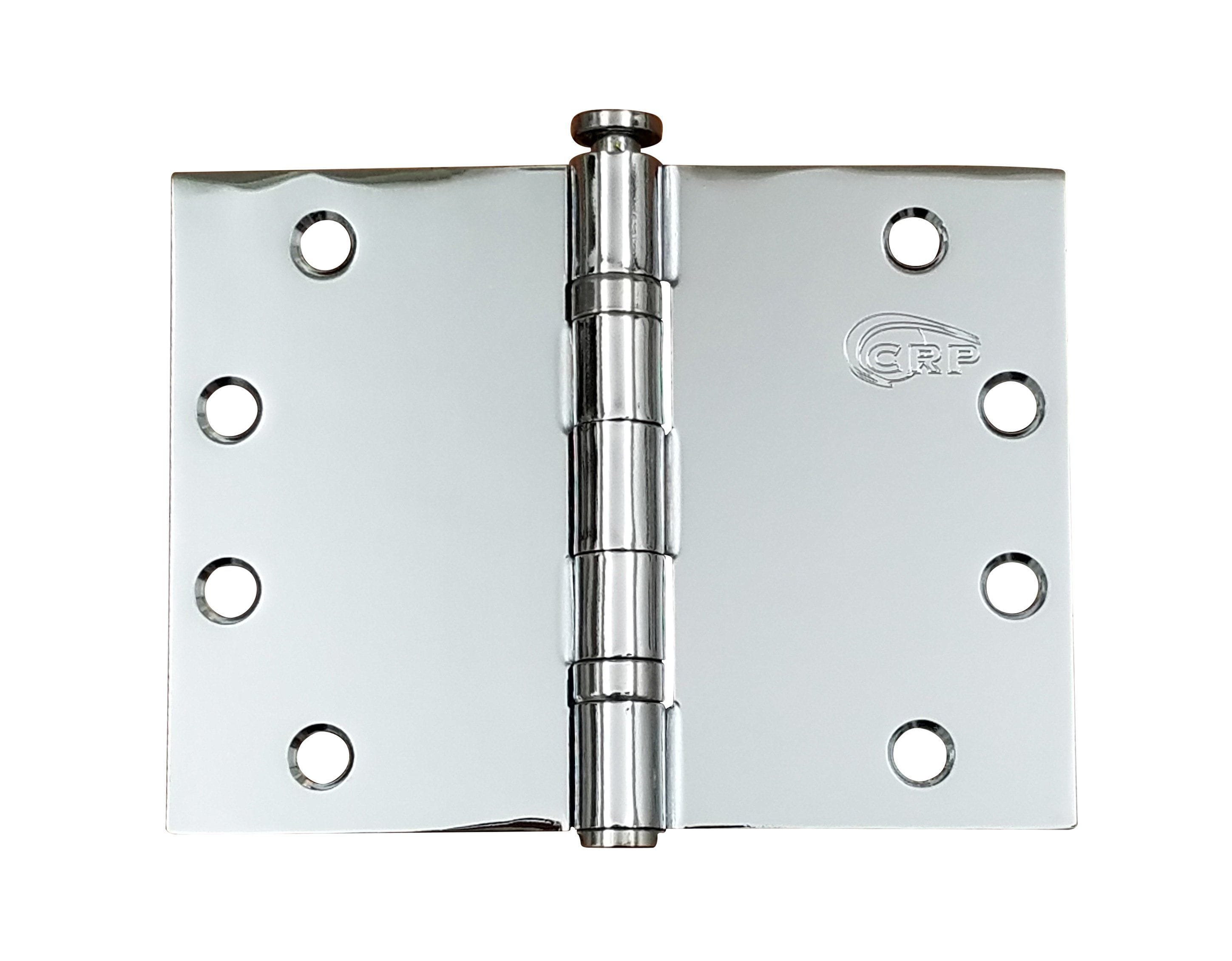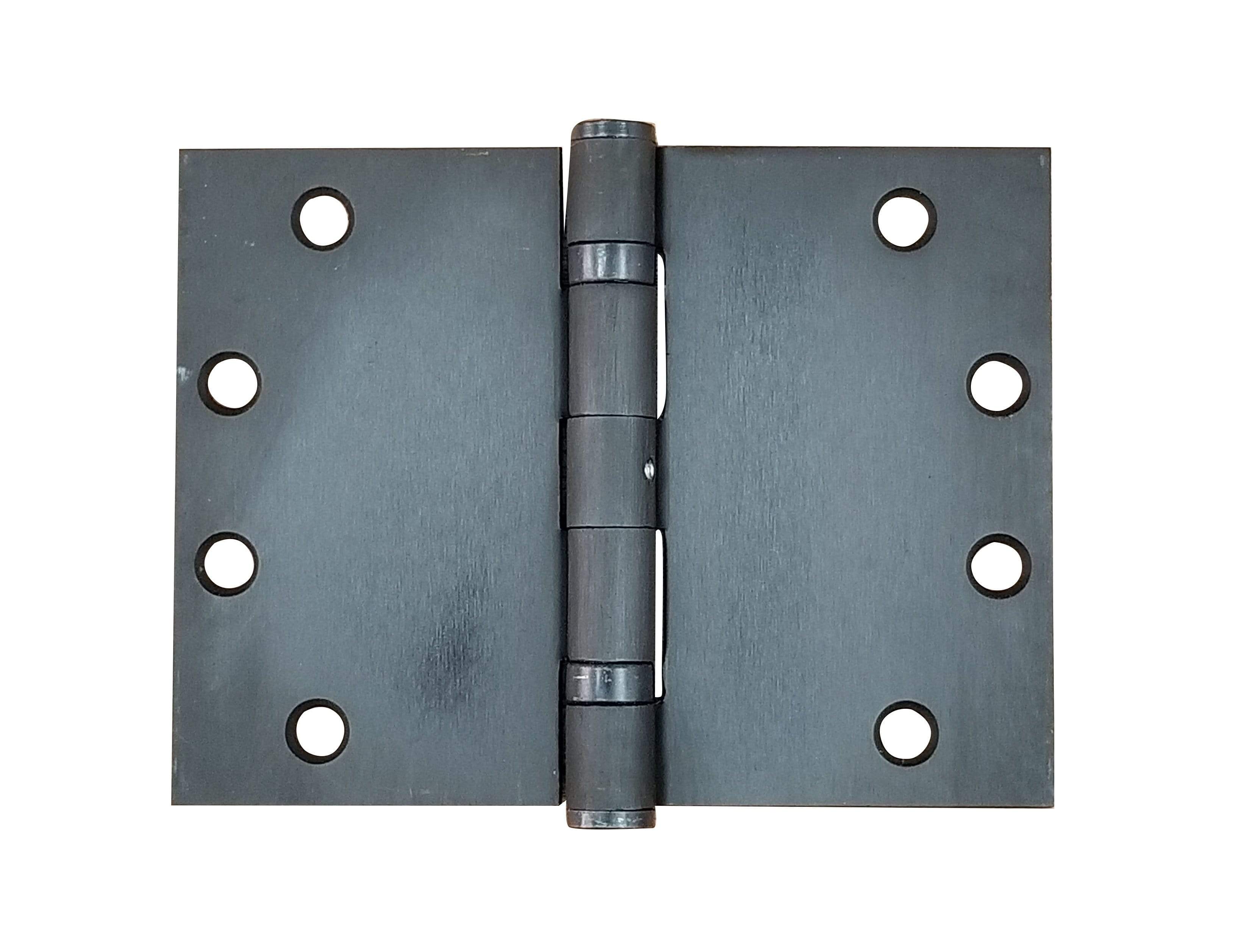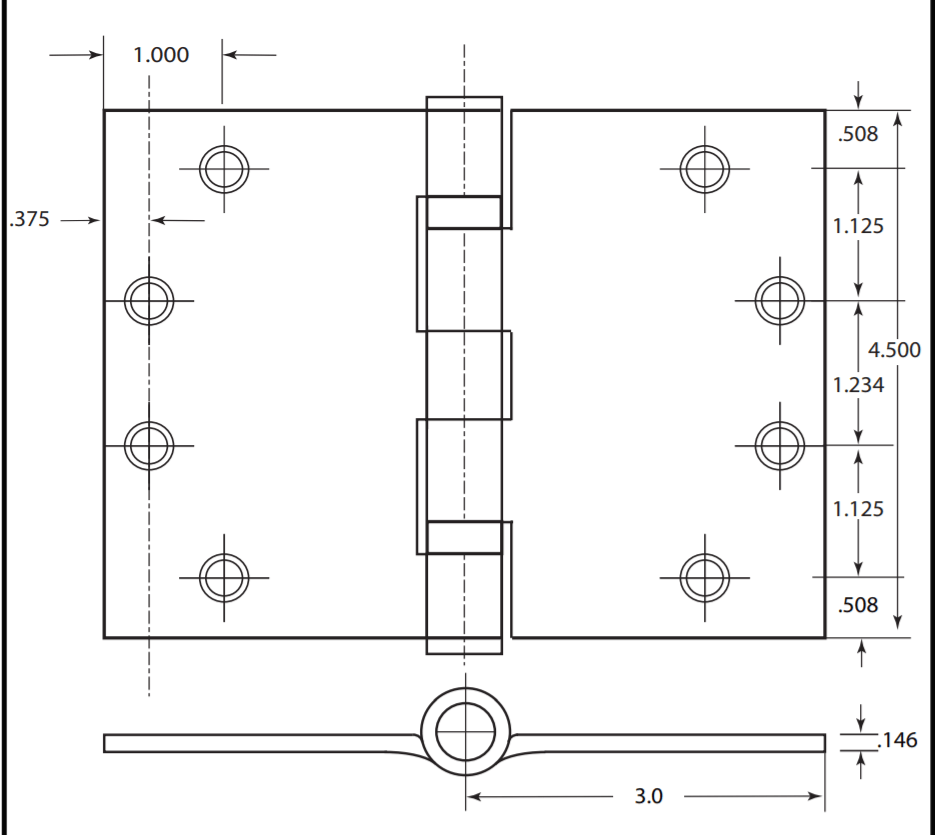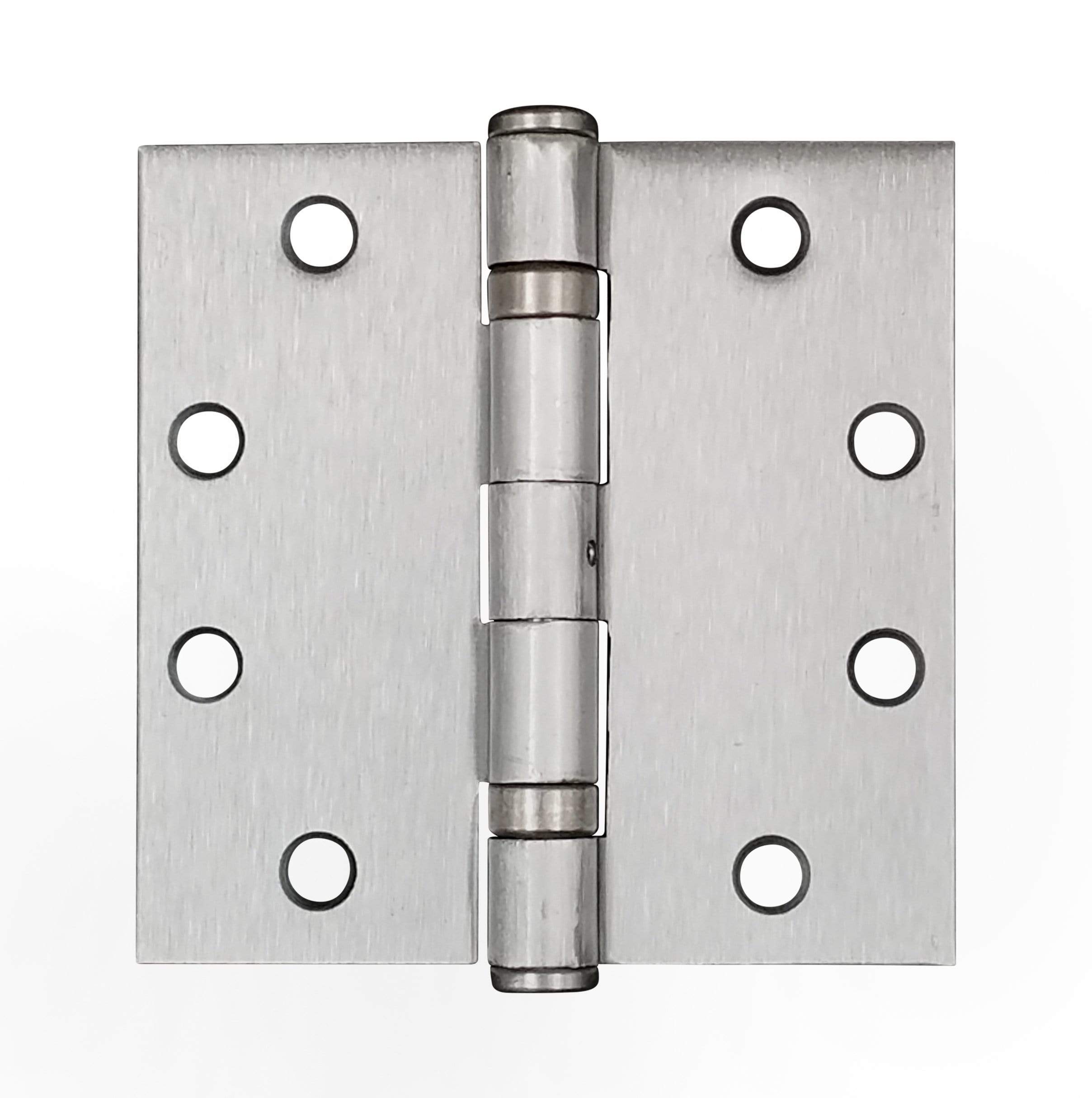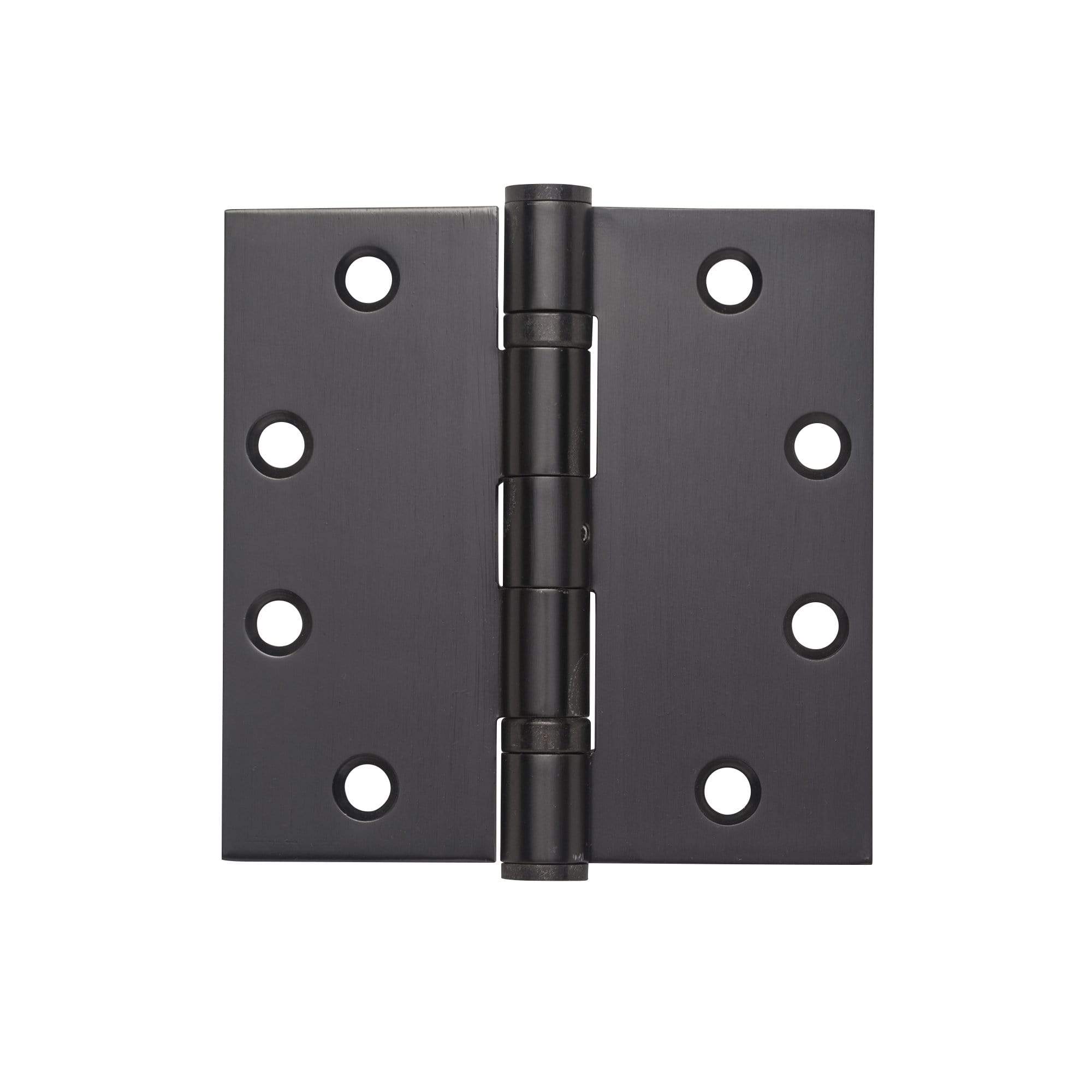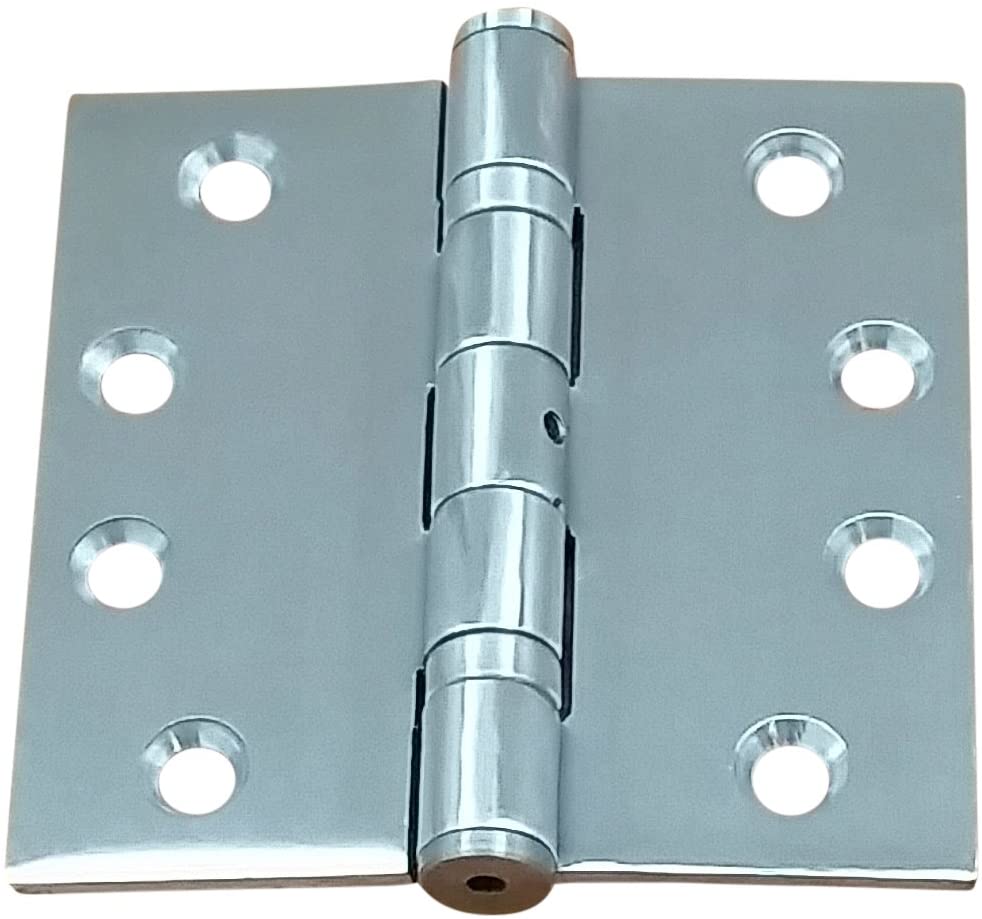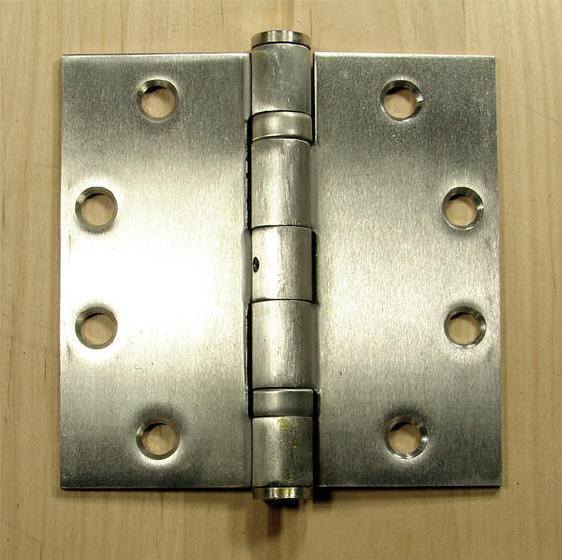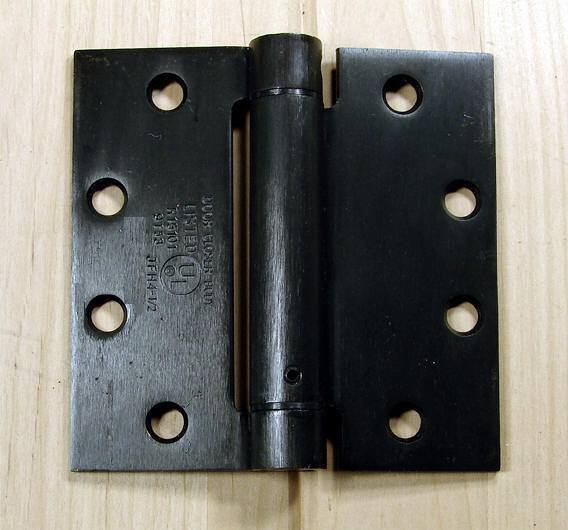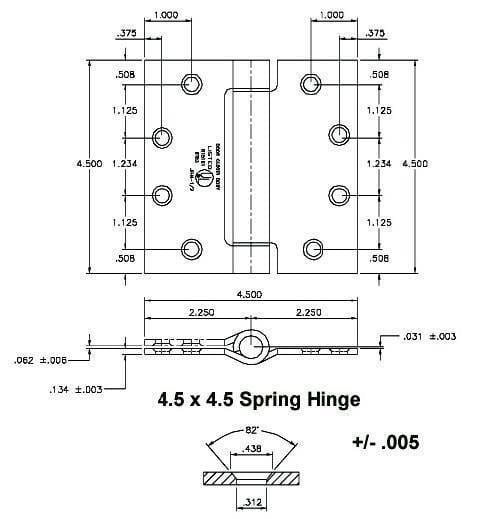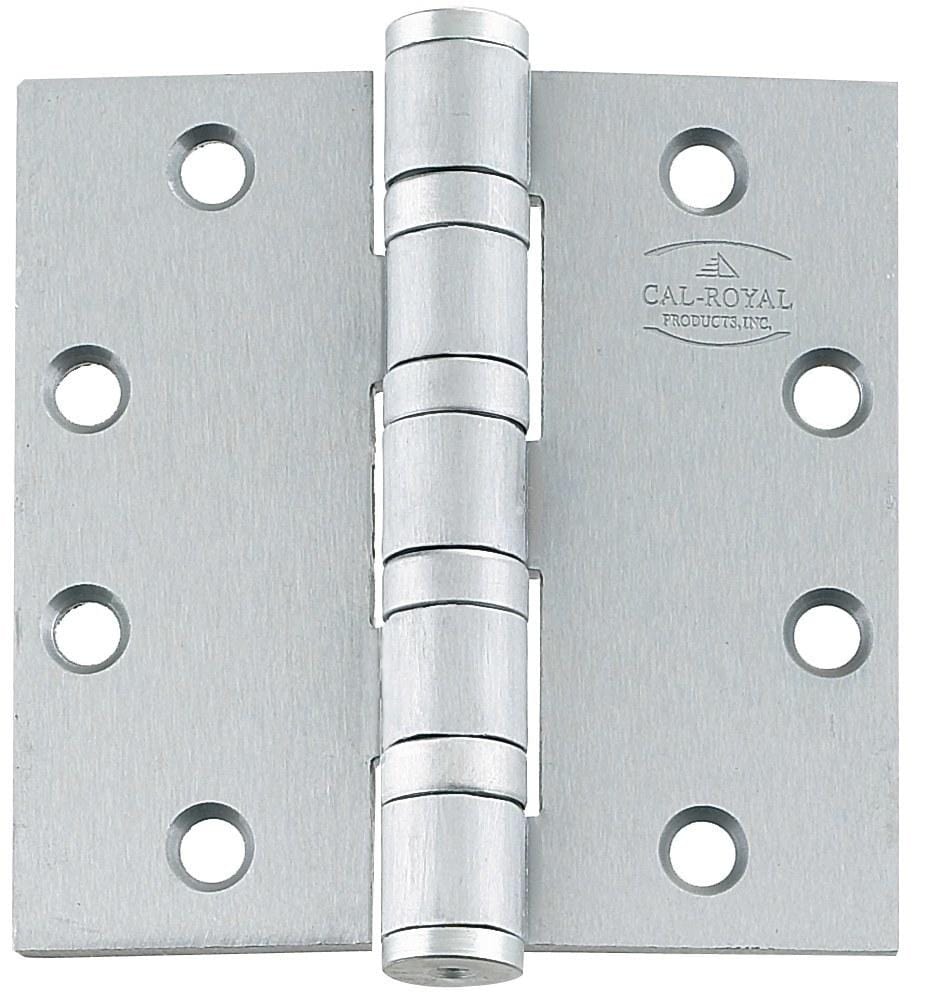


Not all demountable hinges are the same, and it’s important to know this before making any purchases. Whether you are looking for simpler installation and more budget-friendly hardware or more adjustability and easier removal, knowing when single or double demountable hinges are best for your project will save you time and frustration down the road.
In this post, we'll break down what each type of these hinges actually are, how to install and adjust them, and how to make the right decision.
What Is a Double Demountable Cabinet Hinge?

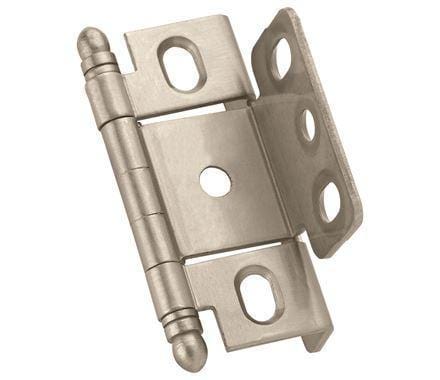
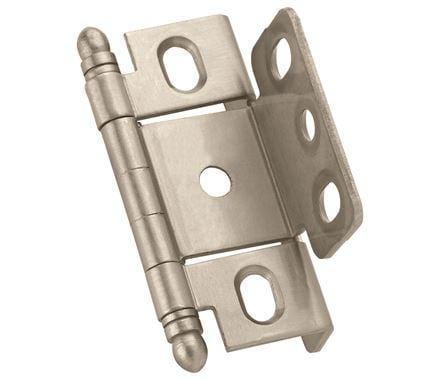
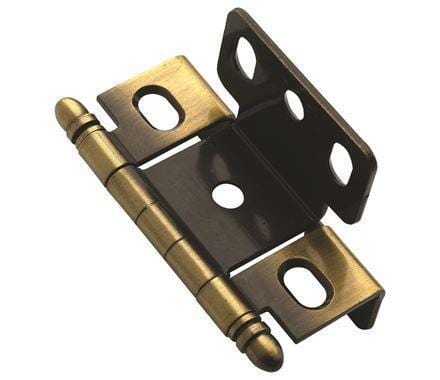
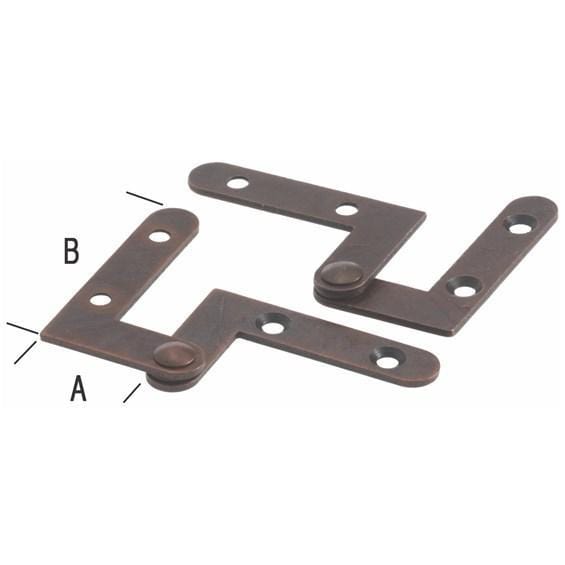
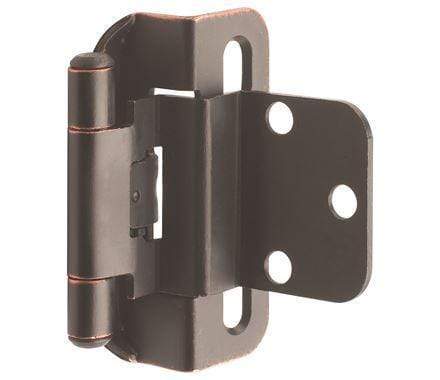
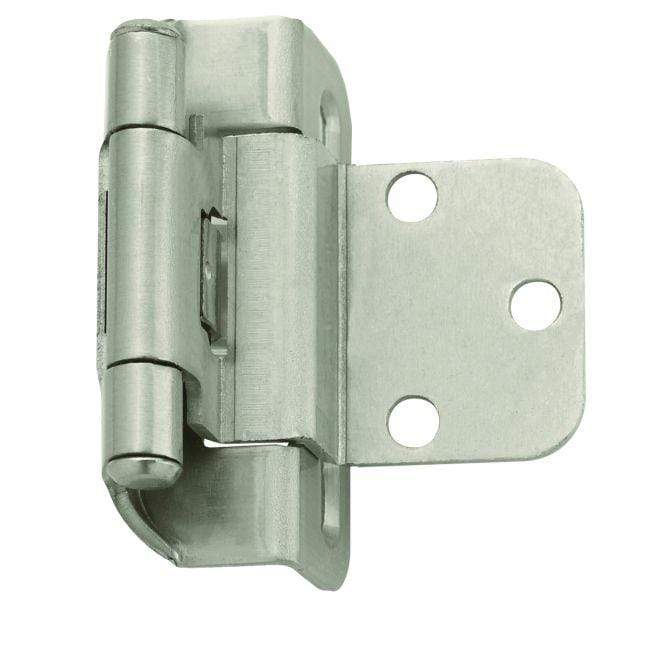
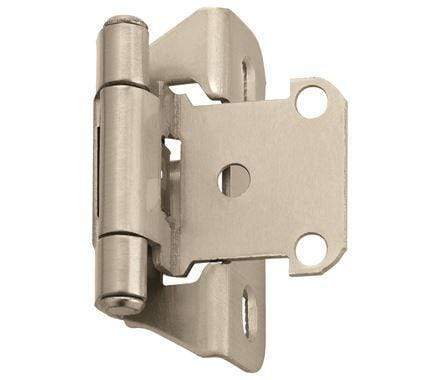
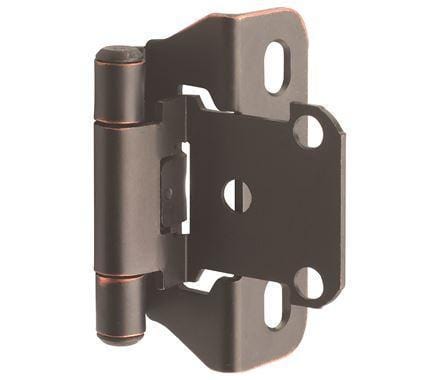
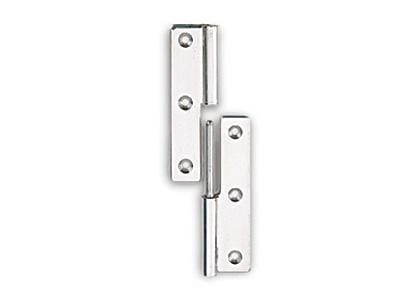
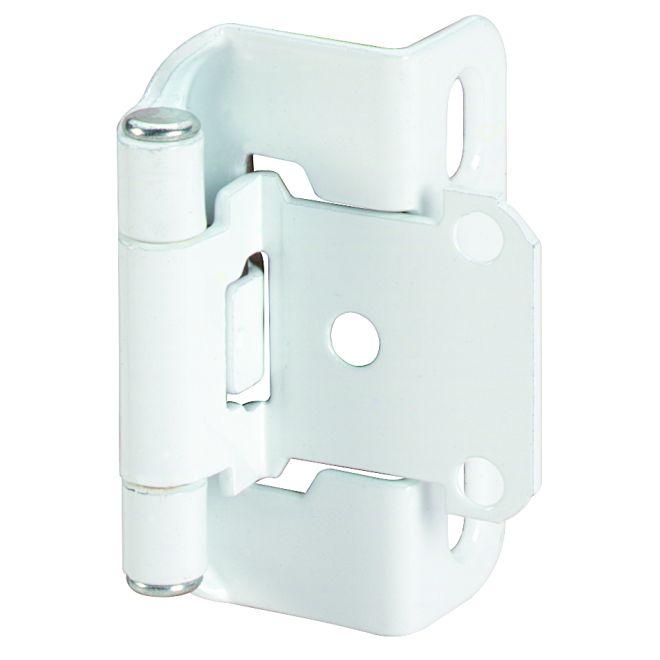
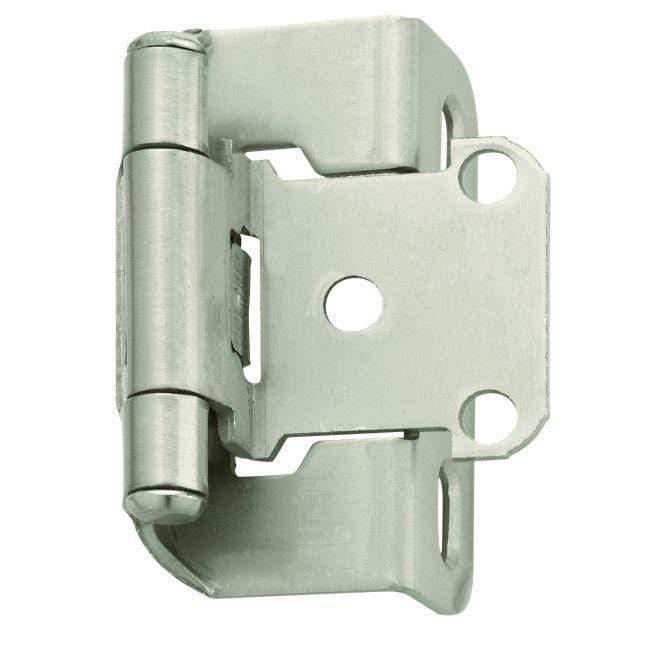
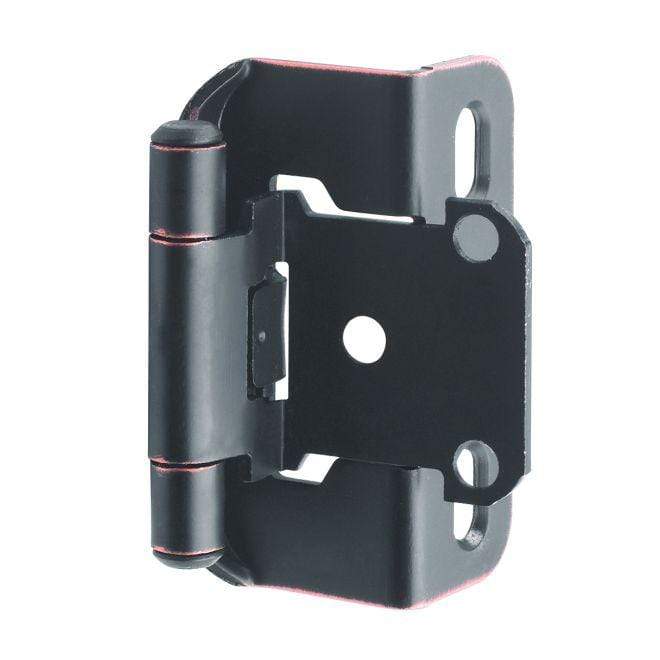
A double demountable hinge is a cabinet hinge that allows the door to be lifted completely off the cabinet without removing any screws.
It's built in two separate pieces, with one leaf mounted to the cabinet frame, and the other mounted to the door. Because both halves are detachable from one another, the two leaves easily separate at a pivot point, allowing the door to be removed.
This design is popular in both frameless and face-frame cabinetry, since the two-piece construction can be configured for either mounting style.
Frameless cabinets have no frame across the front of the cabinet box, so hinges mount directly onto the side panel. Face-frame cabinets have a solid wood frame made of vertical stiles and horizontal rails that is attached across the front of the box, and the door attaches to that frame instead.
Double demountable hinges are useful in commercial kitchens, rental properties, or any setting where doors need to come off frequently for cleaning, painting, repairs, or reconfiguration.
How to Install Double Demountable Cabinet Hinges
Tools and Materials
-
Drill/screwdriver
-
Hinge boring bit if not pre-drilled
-
Measuring tape or hinge jig
-
Pencil
-
Screws
Step-by-step Installation Process
-
Measure and mark where each hinge will sit on the door, a set distance from the top and bottom edges.
-
Bore the cup holes if your doors aren't pre-drilled. The recessed cup is where the door-side hinge leaf will attach.
-
Attach the door-side leaf. Screw the cup portion of the hinge into the bored hole on the back of the door.
-
Attach the frame-side leaf. Mount the mounting plate to the cabinet frame or face frame at the corresponding height.
-
Join the two halves by aligning the door leaf with the frame-side plate and snapping or sliding them together. This is the "demountable" connection point.
-
Check the fit by opening and closing the door. It should swing freely and sit flush.
Installation Tip: Account for door overlay when marking hinge position. These overlays can be full, partial, or inset.
How to Adjust Double Demountable Cabinet Door Hinges
To adjust double demountable cabinet door hinges, use the three-way adjustment screws built into most models to fine-tune the door's height, lateral position, and depth without removing it.
-
Height (up/down): Adjust the vertical screw to raise or lower the door relative to the frame.
-
Side-to-side (lateral): Adjust the horizontal screw to shift the door left or right for even reveals.
-
Depth (in/out): Adjust the depth screw to control how flush the door sits against the cabinet face.
When to Tighten vs. Replace
Loosened mounting plate screws are the most common cause of a cabinet door sagging or sitting unevenly. Check those screws first, and retighten to fix alignment. But if you notice play or looseness at the joint between the two hinge halves, not just the mounting screws, the hinge has likely worn out and should be replaced rather than repeatedly adjusted.
What Is a Single Demountable Cabinet Hinge?

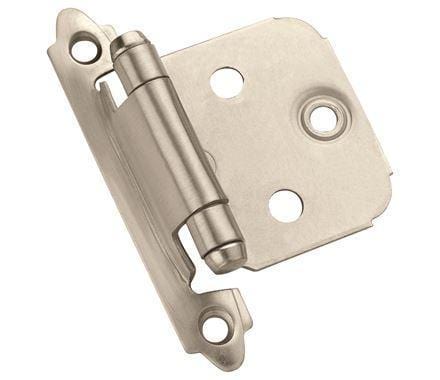
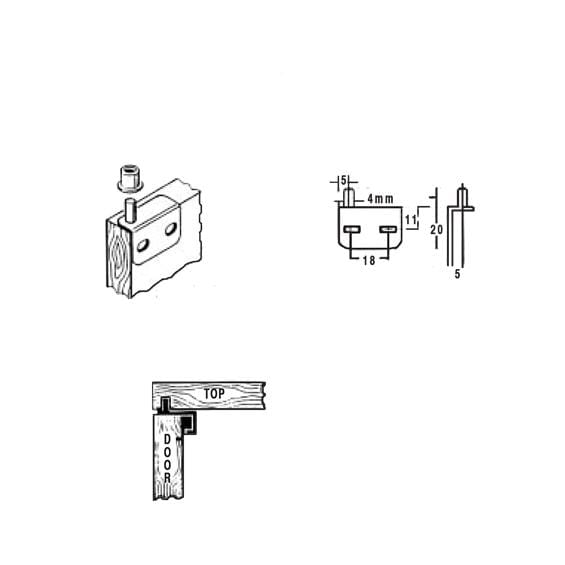
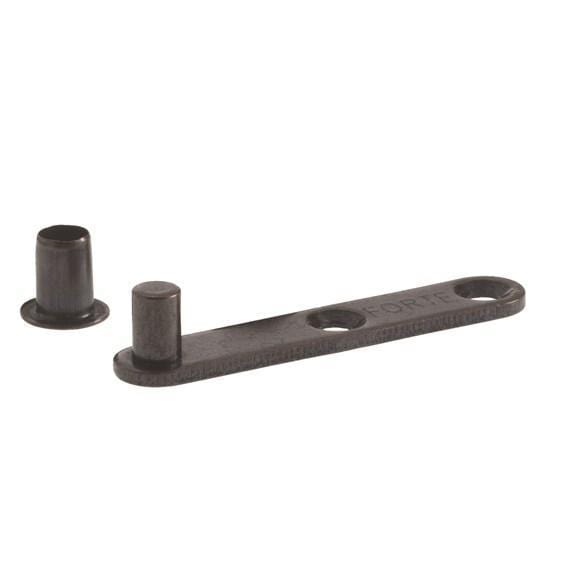
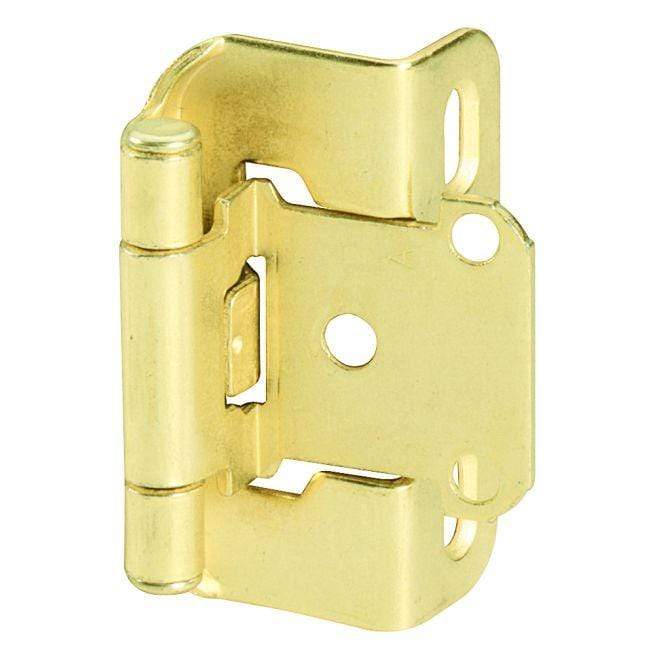
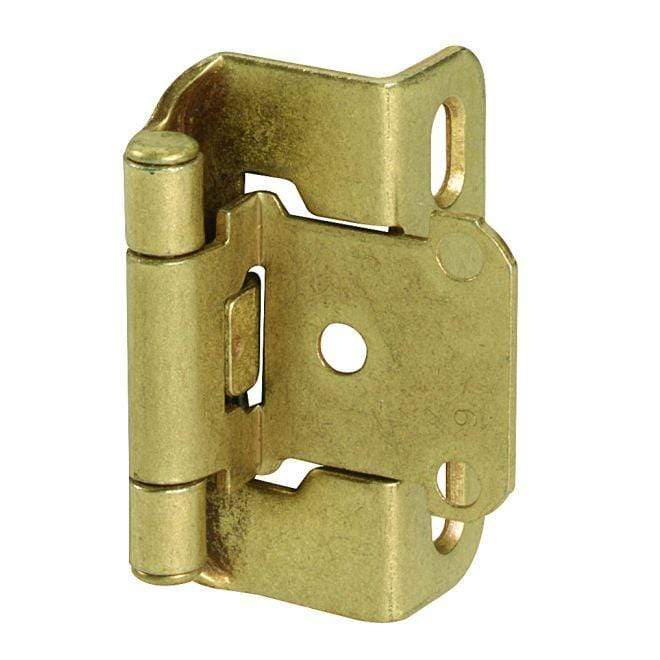
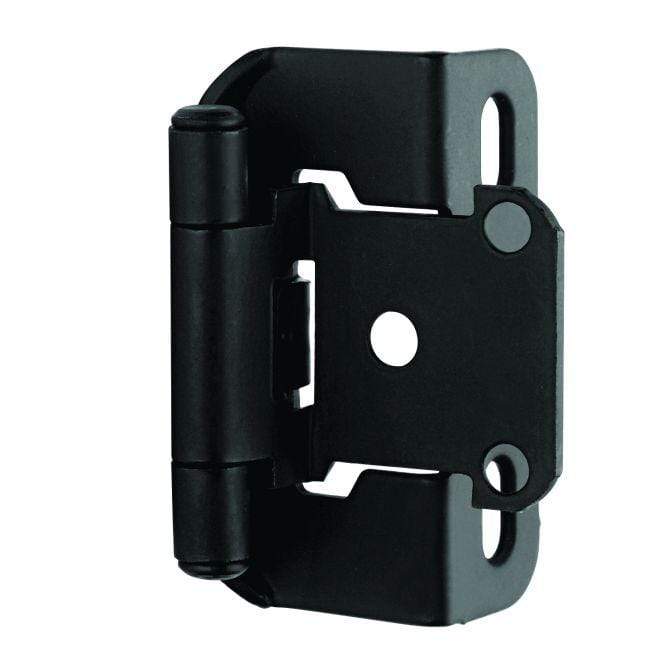
A single demountable hinge is a cabinet hinge that uses a one-piece mounting design. Unlike the double demountable version, only one side separates for removal, usually letting the door lift off a fixed pin or bracket.
Single demountable hinges are common on:
-
Simpler cabinet builds that don’t need full hinge separation
-
Smaller doors and lower-use cabinets
-
Budget-conscious installations
How to Install Single Demountable Cabinet Hinges
Tools and Materials
-
Drill/screwdriver
-
Boring bit if doors aren't pre-drilled
-
Measuring tape or jig
-
Pencil
-
Screws
Step-by-step Installation Process
-
Mark hinge placement. Measure and mark on the door and frame.
-
Bore or align the mounting point on the door if needed.
-
Attach the fixed hinge component to the cabinet frame.
-
Mount the door-side bracket or pin receiver.
-
Hang the door by lowering it onto the fixed hinge point until it seats.
-
Test the swing to confirm correct operation and alignment.
Installation Tip: Make sure the door is fully seated onto the fixed pin to avoid an unstable hang.
How to Adjust Single Demountable Cabinet Door Hinges
To adjust single demountable cabinet door hinges, locate the single adjustment screw and turn it gradually in small increments until the door sits correctly.
These hinges offer more limited adjustment than double versions, often just one or two adjustment points that control height or lateral position, rather than full three-way control.
Deciding Which Cabinet Hinge You Need
-
Is this a DIY installation? Single demountable hinges tend to be more approachable for first-time DIYers, since there are fewer parts to align. If you are more experienced with DIY projects, double demountable hinges require a bit more precision but reward that effort with easier long-term door removal and adjustment.
-
Will you make frequent cabinet modifications? If so, double versions win here. The two-piece design makes it far easier to remove, replace, or reposition doors without disturbing the frame-side hardware.
-
Are these new cabinet builds? Double demountables are a good choice for new builds, especially frameless cabinet systems, since they offer more adjustability as the cabinets settle.
-
Are you replacing old hinges? If yes, consider your existing hardware. Matching what is currently installed usually makes for the easiest repair.
-
How often will the cabinets be used? Double demountable hinges generally handle opening and closing better long term.
Final Thoughts
Now that you know how each type works and how they're adjusted, you can choose the hardware that best fits your cabinets and get the installation process right.
To get started, browse Hinge Outlet’s collection of demountable hinges to find the right fit for your cabinets.
FAQs About Demountable Hinges
1. Are demountable hinges compatible with all cabinet types?
Demountable hinges are not compatible with all cabinet types. Most work with both frameless and face-frame cabinets, but compatibility depends on your specific door overlay and frame style.
2. How long do demountable hinges typically last?
High-quality demountable hinges typically last over ten years, though heavy daily use or lower-quality hardware can require adjustment or replacement sooner.