


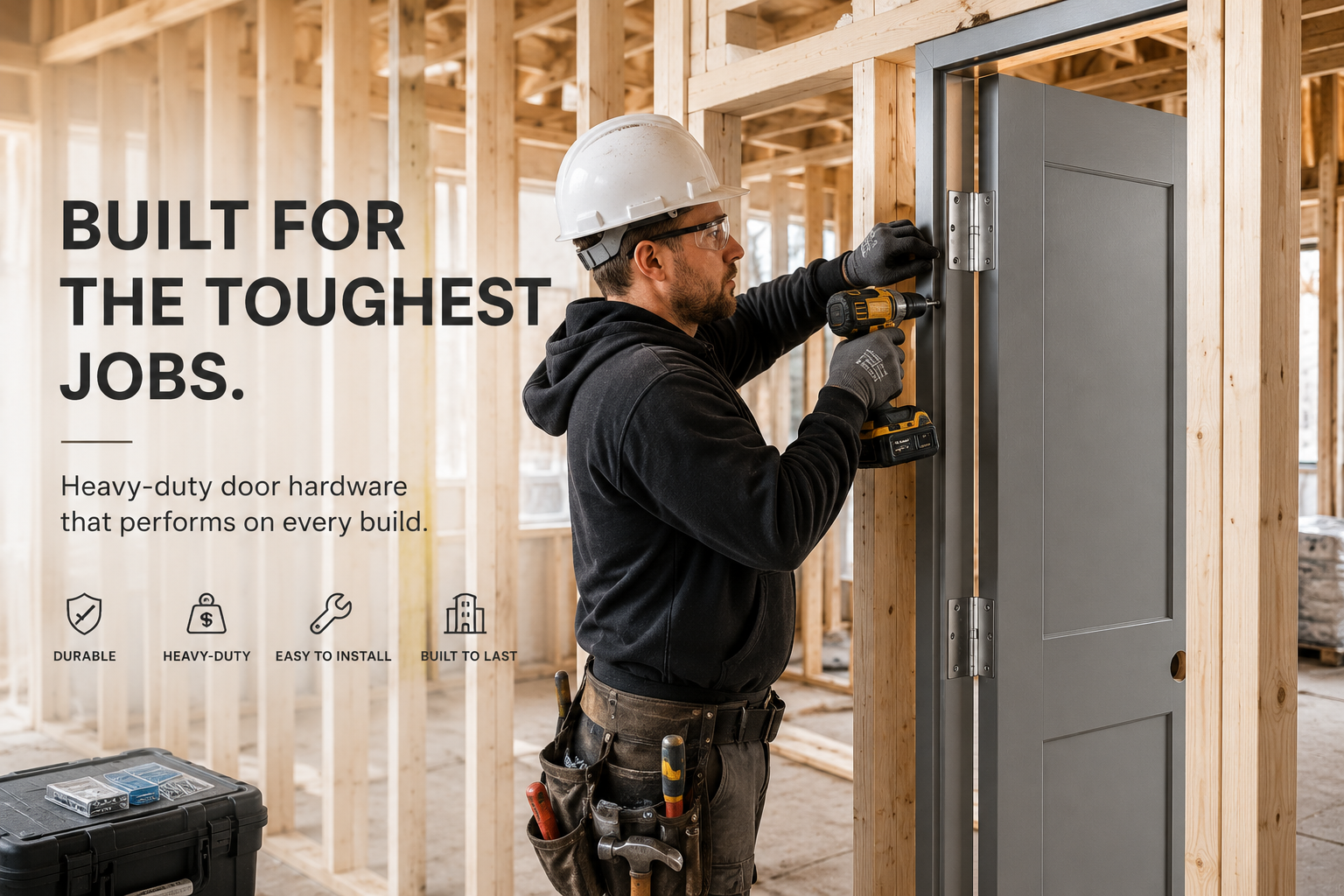
General Contractor & Builder Hardware for Contractors & Property Managers
Our most-requested hinge styles and hardware options, trusted by builders, contractors, and DIYers alike.
Shop General Contractor & Builder Hardware by Category
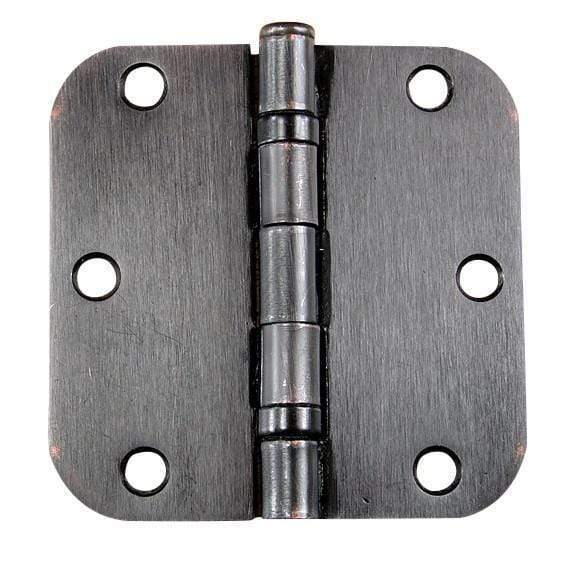
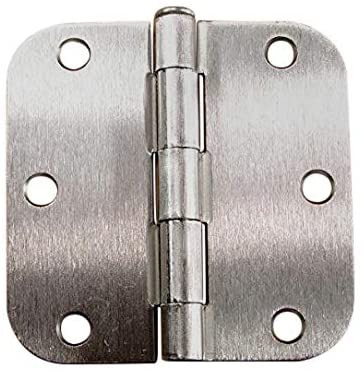
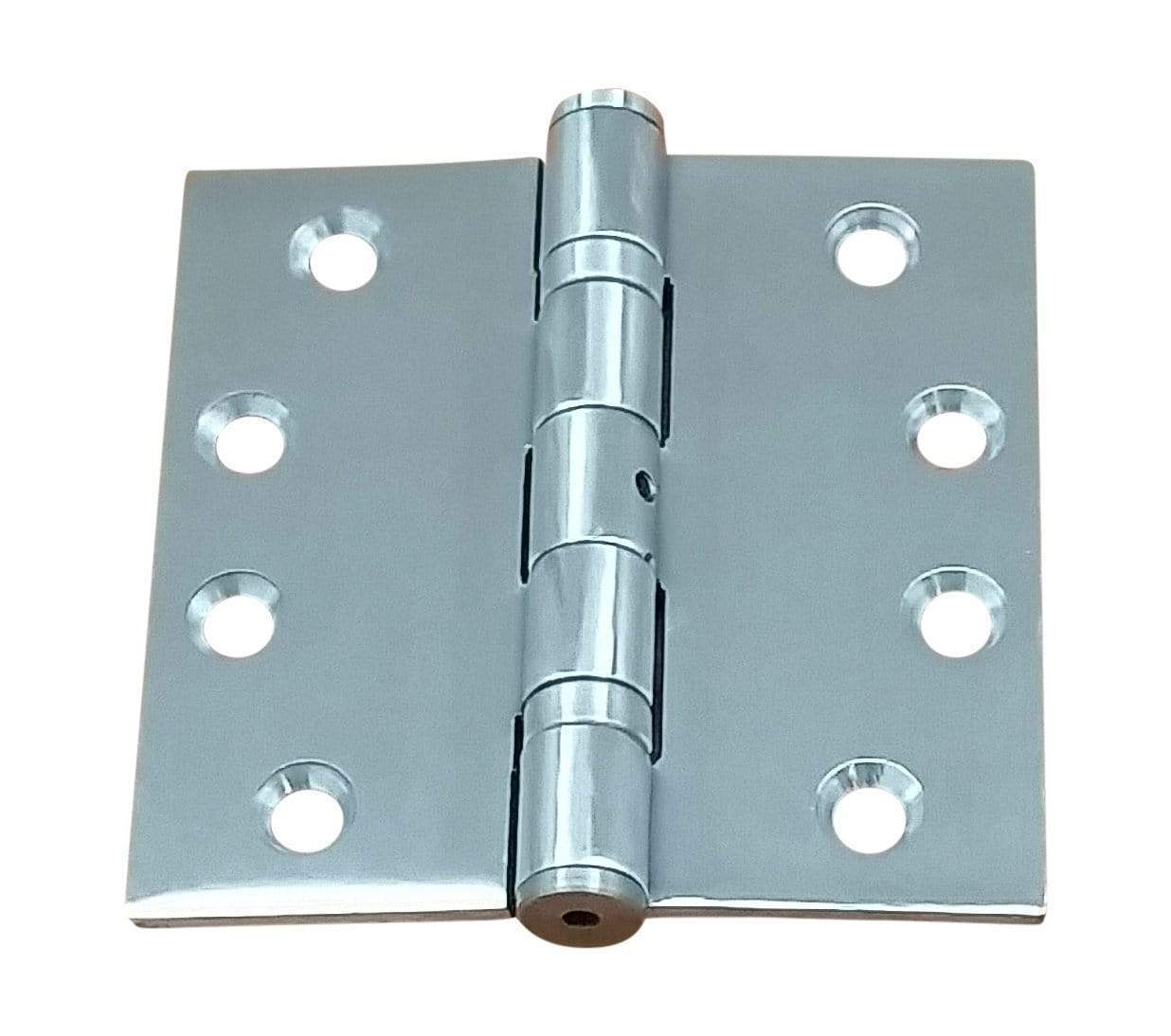
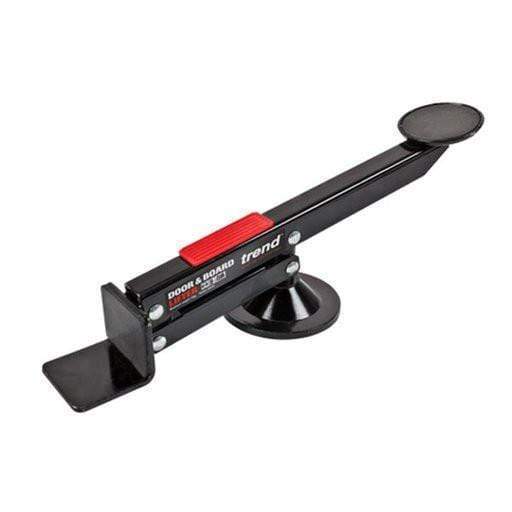
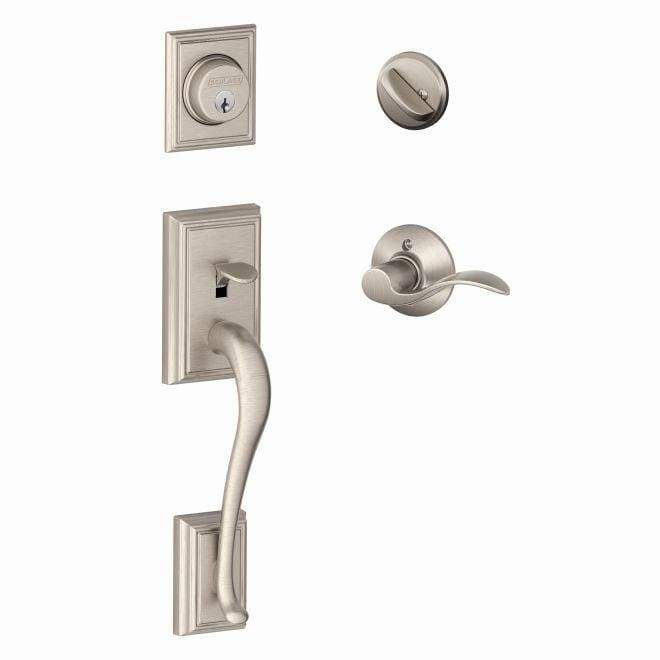
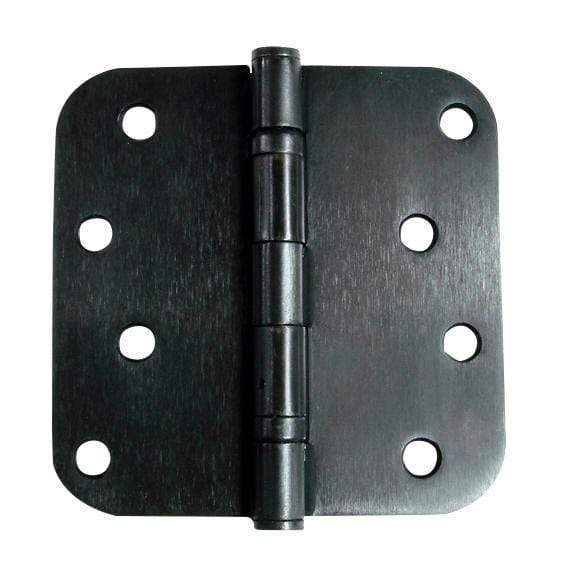
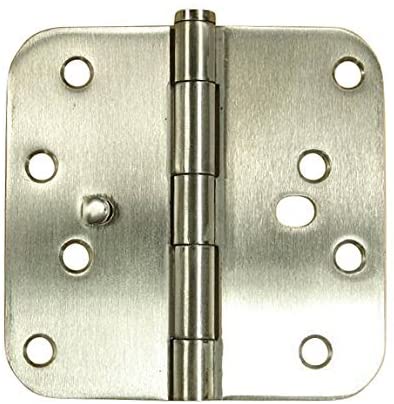
General Contractor & Builder Hardware
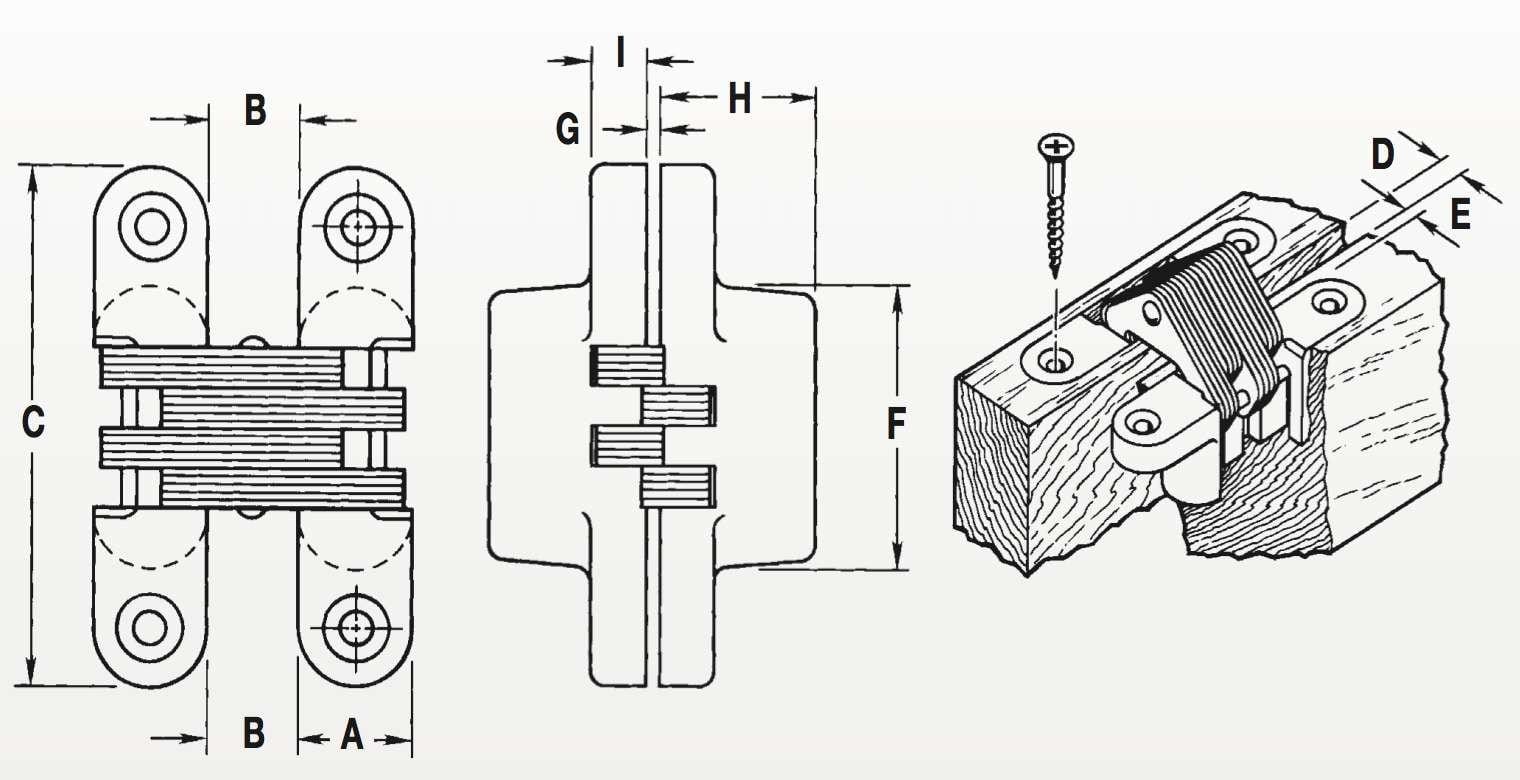
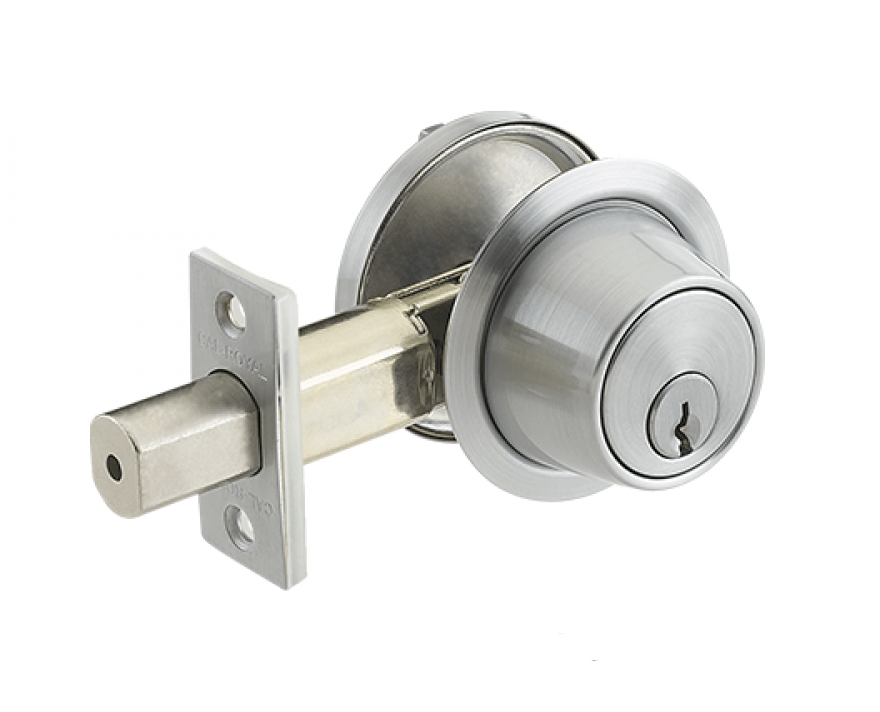

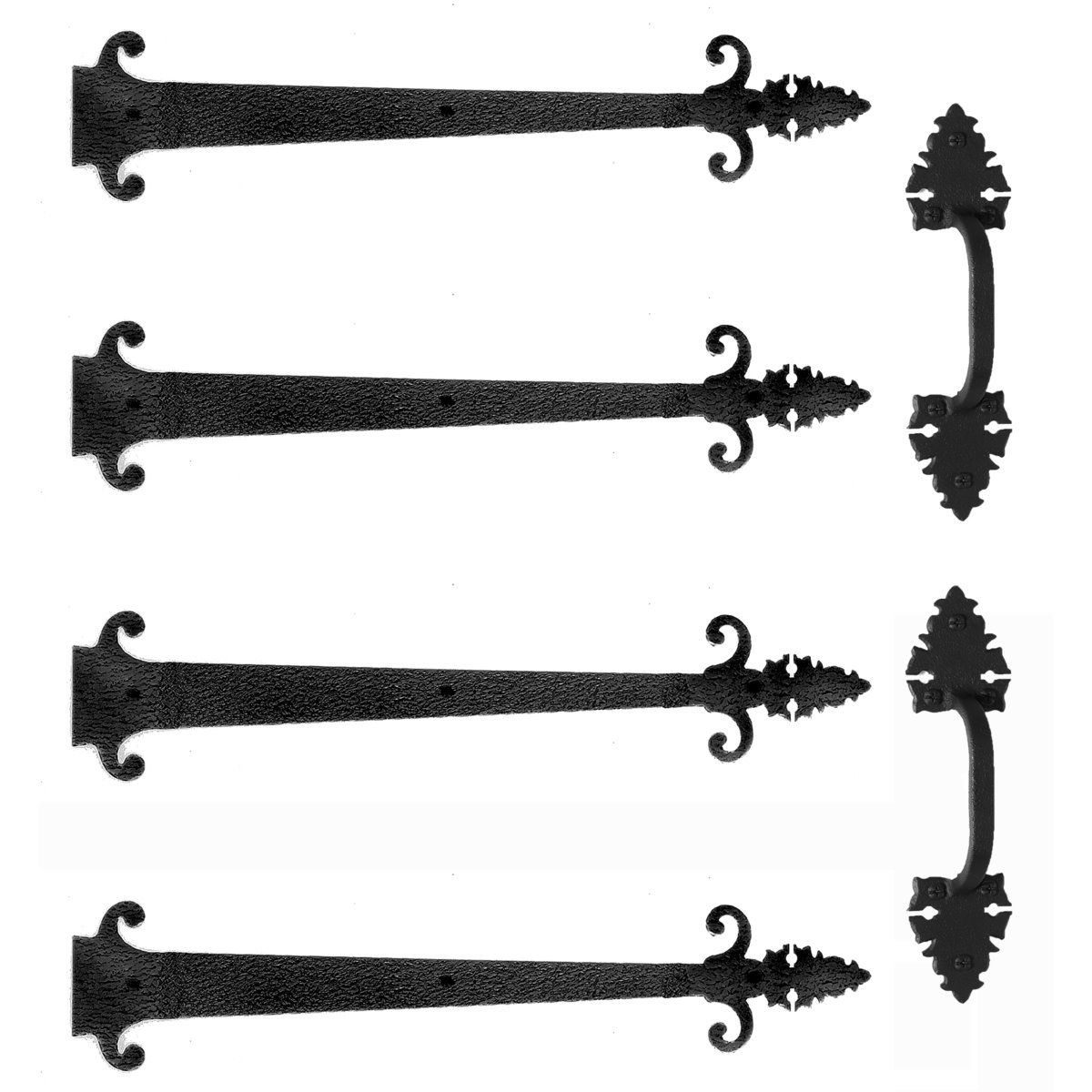
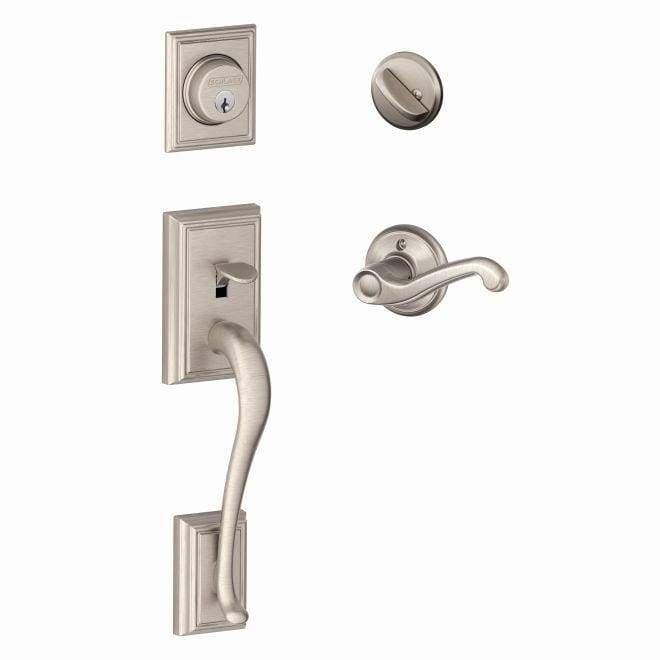
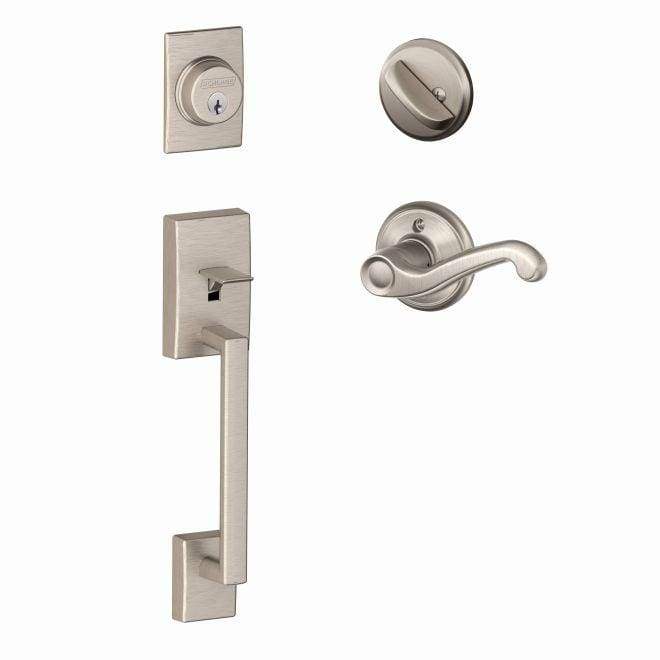
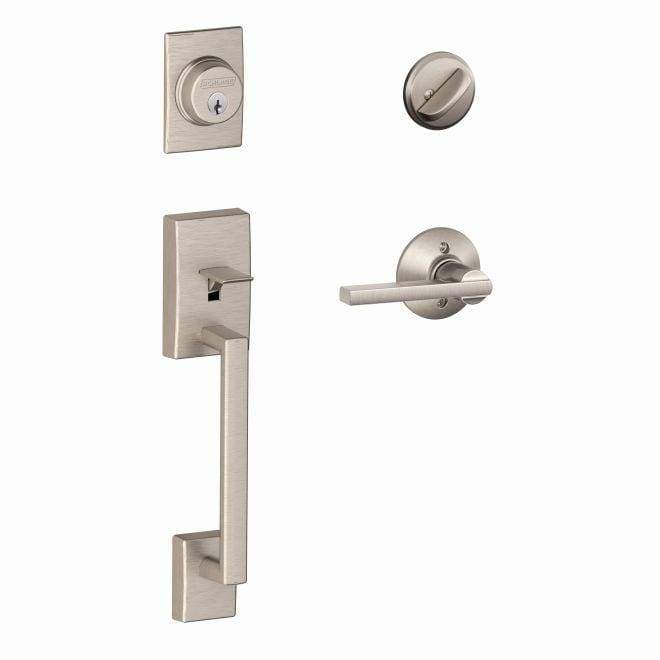

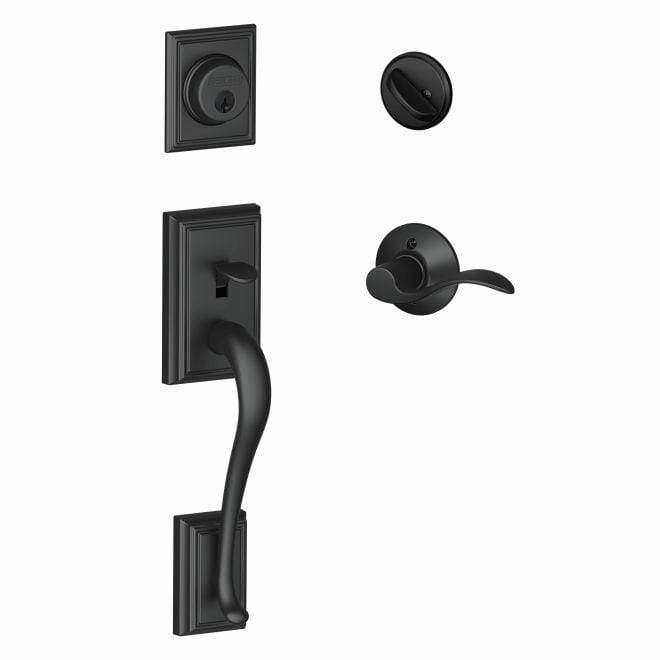
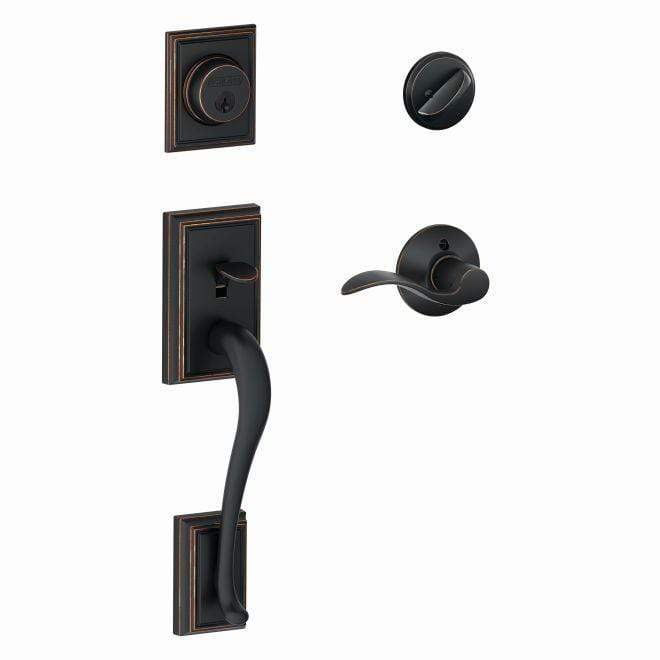
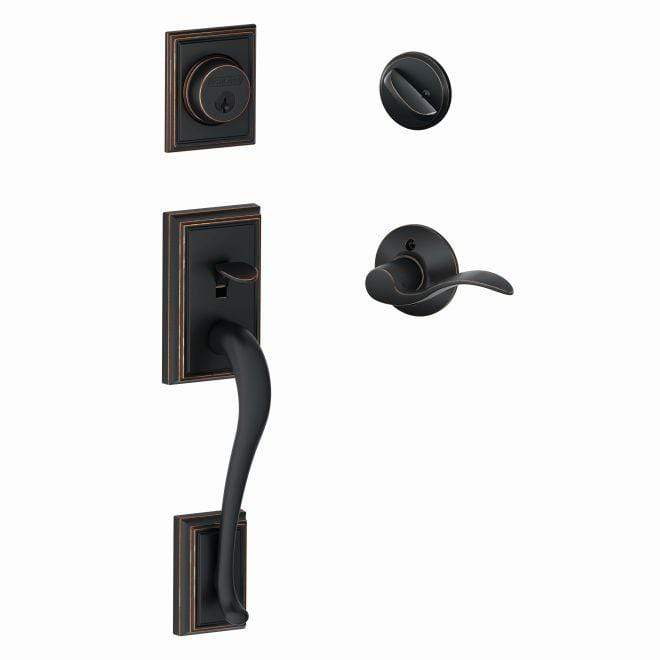
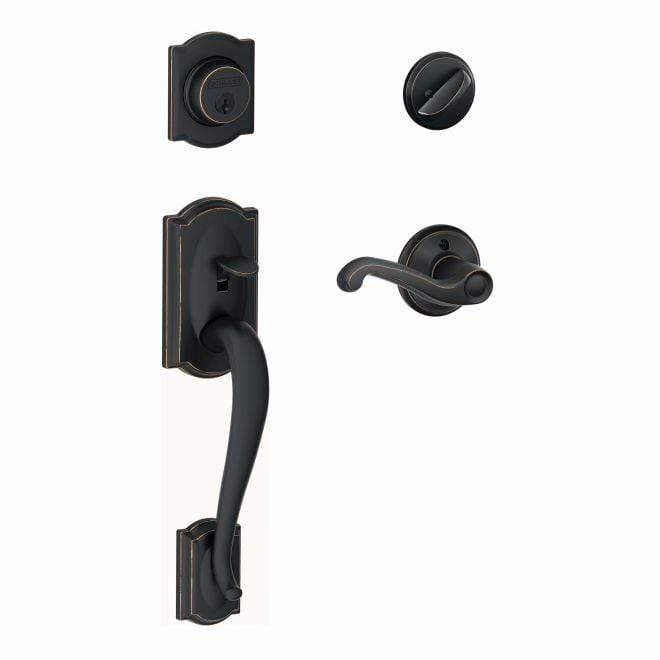
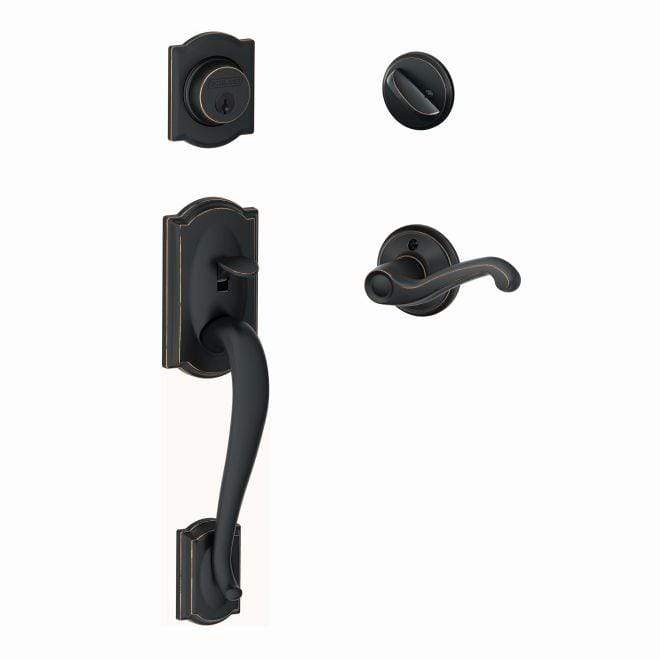


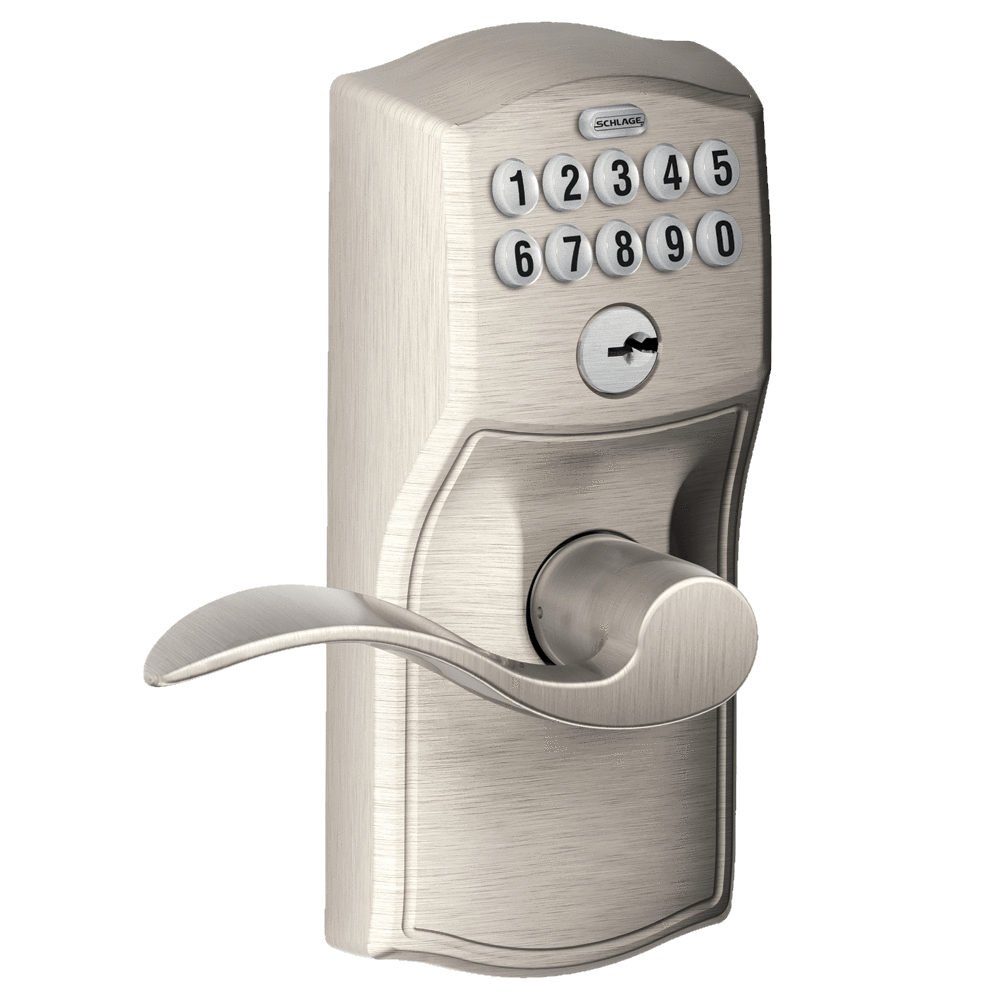
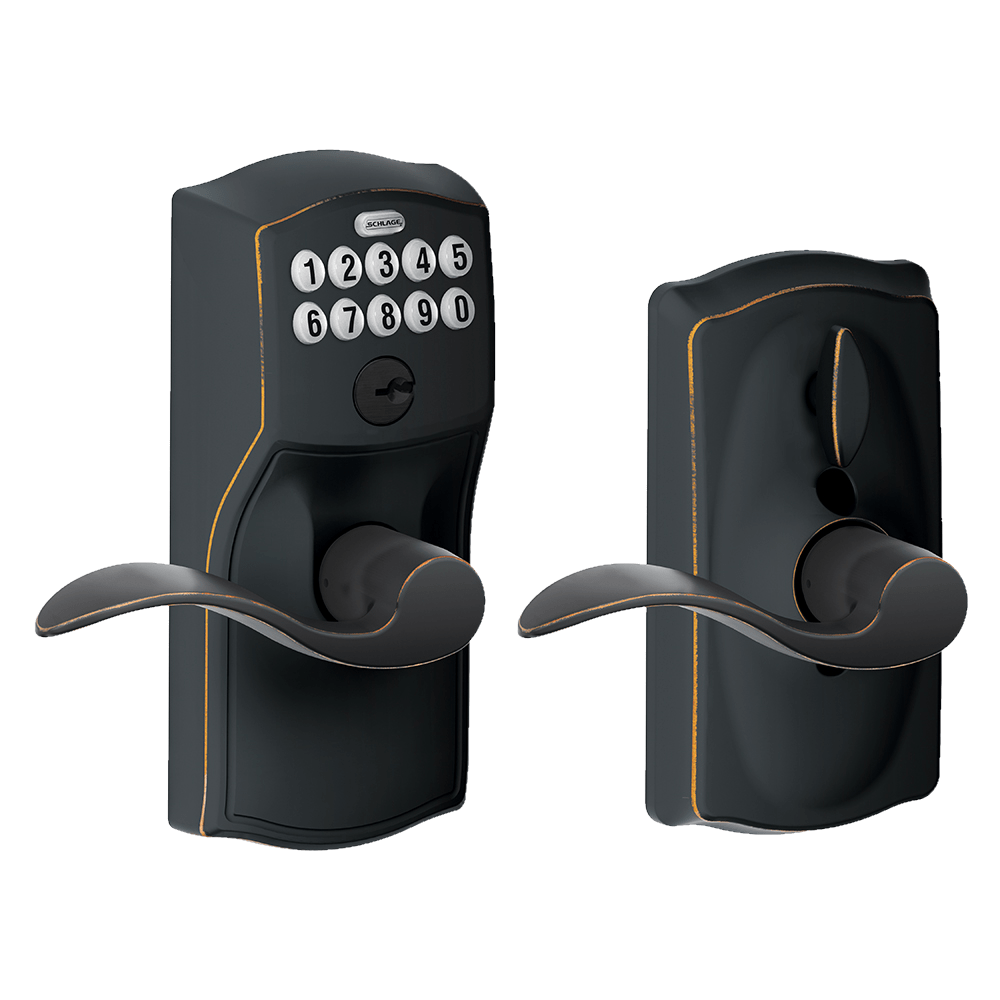
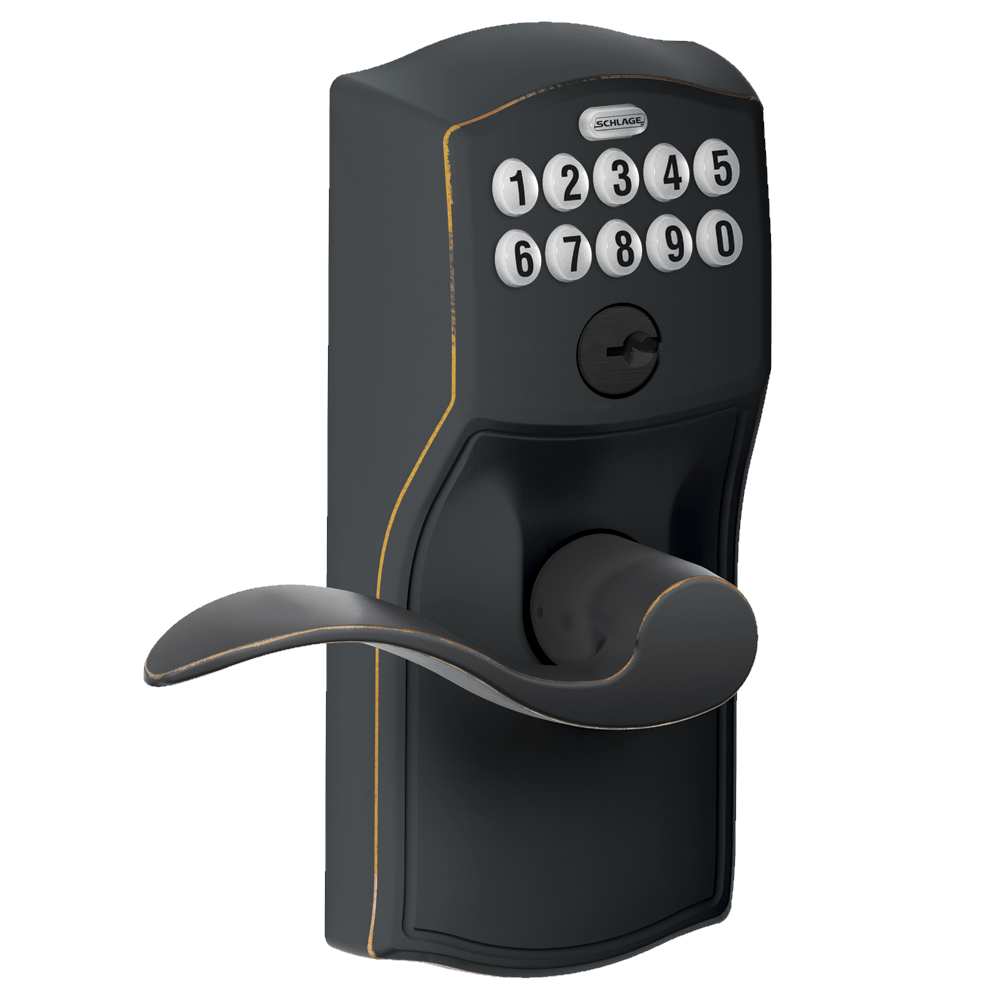
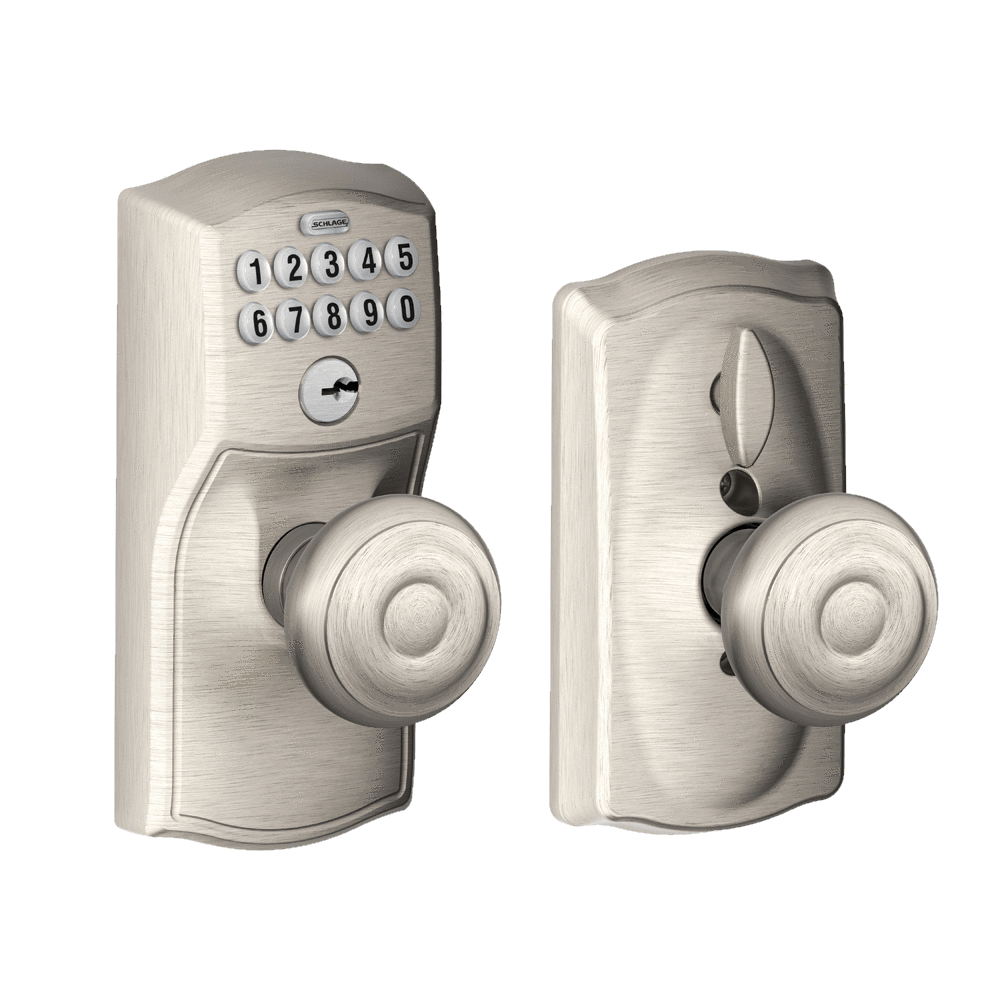
General contractors and residential builders need reliable hardware in volume — consistent sizing, multiple finishes, fast shipping, and a supplier who understands a build schedule. HingeOutlet has served contractors and builders since 2005, offering the full range of residential and commercial door hinges, wholesale pack pricing on high-velocity SKUs, and the depth of selection needed to spec every door on a project from a single source. Whether you're framing a single-family home, a multifamily building, or a commercial tenant improvement, this hub covers every hinge and hardware type you'll need from rough framing to final trim.
Shop by Category
- Ball Bearing Hinges — The standard residential new-construction hinge — 3.5" and 4" in all major finishes
- Butt Hinges — Plain bearing residential hinges for interior doors — economical and widely spec'd
- Exterior Door Hinges — Heavy-duty 4" hinges rated for entry, storm, and exterior passage doors
- Commercial Door Hinges — Commercial ball bearing in 4" and 4.5" for mixed-use or commercial tenant builds
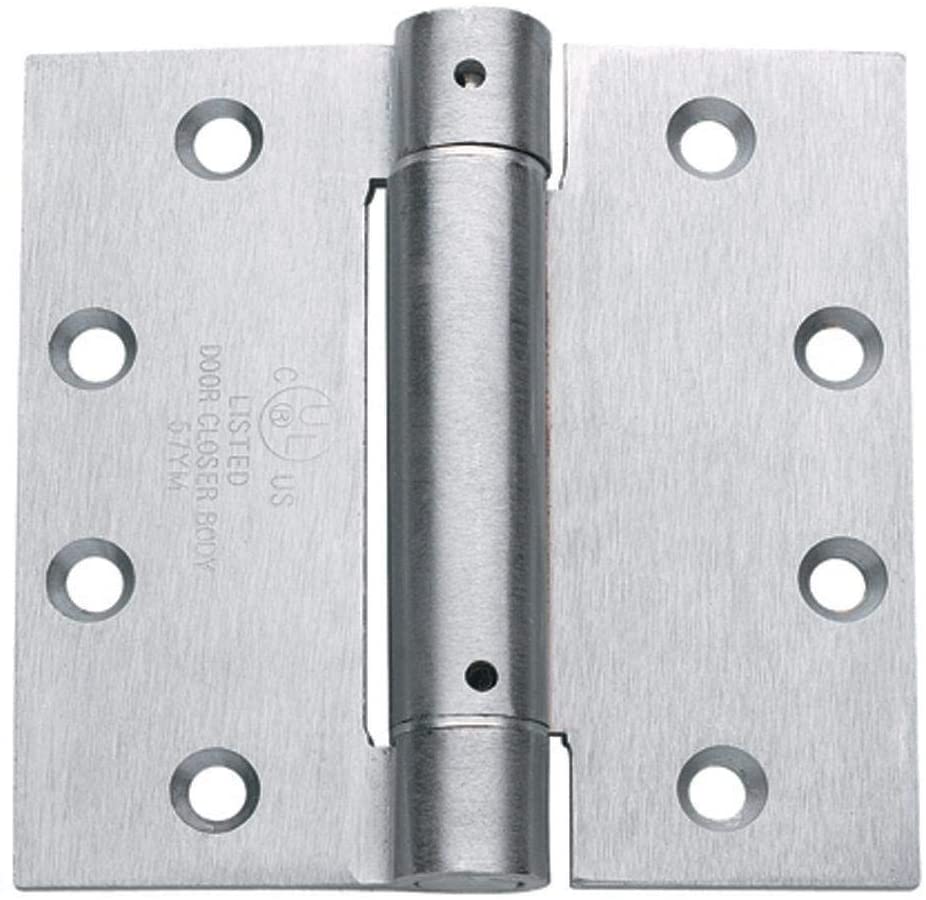
- Spring Hinges (Commercial) — Self-closing for garage entry doors, fire doors, and code-required applications
- Security Hinges (NRP) — Non-removable pin for all outswing exterior doors
- Wholesale Door Hinges — Case-pack pricing for high-volume builder purchases
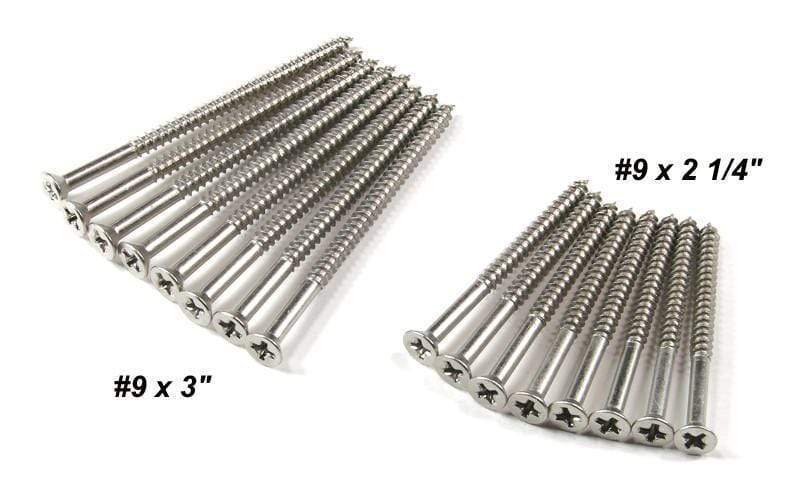
- Wood Screws for Hinges — Matching hinge screws in all finishes — sold by the box
- Door Hinge Installation Hardware — Door lifters, shims, jigs, and installation tools for production framing
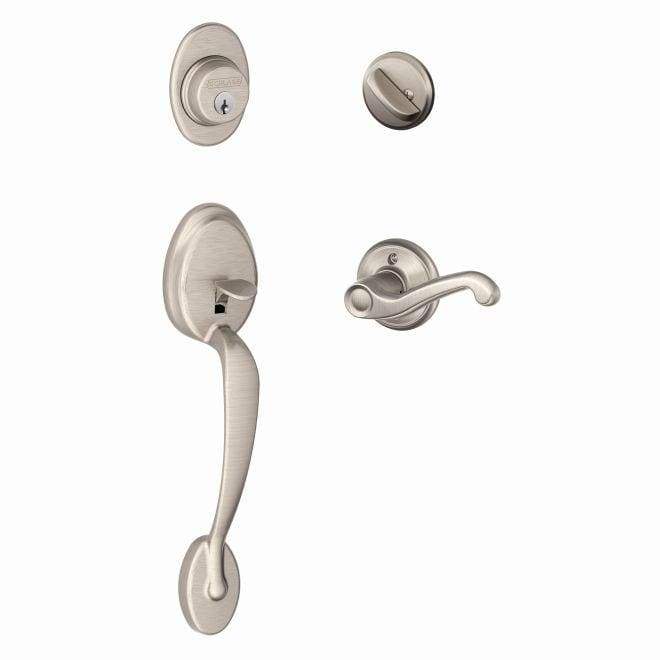
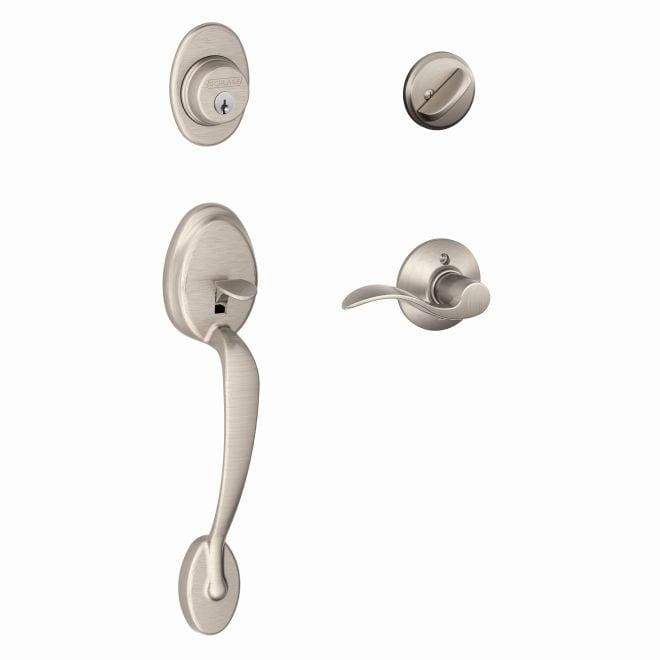
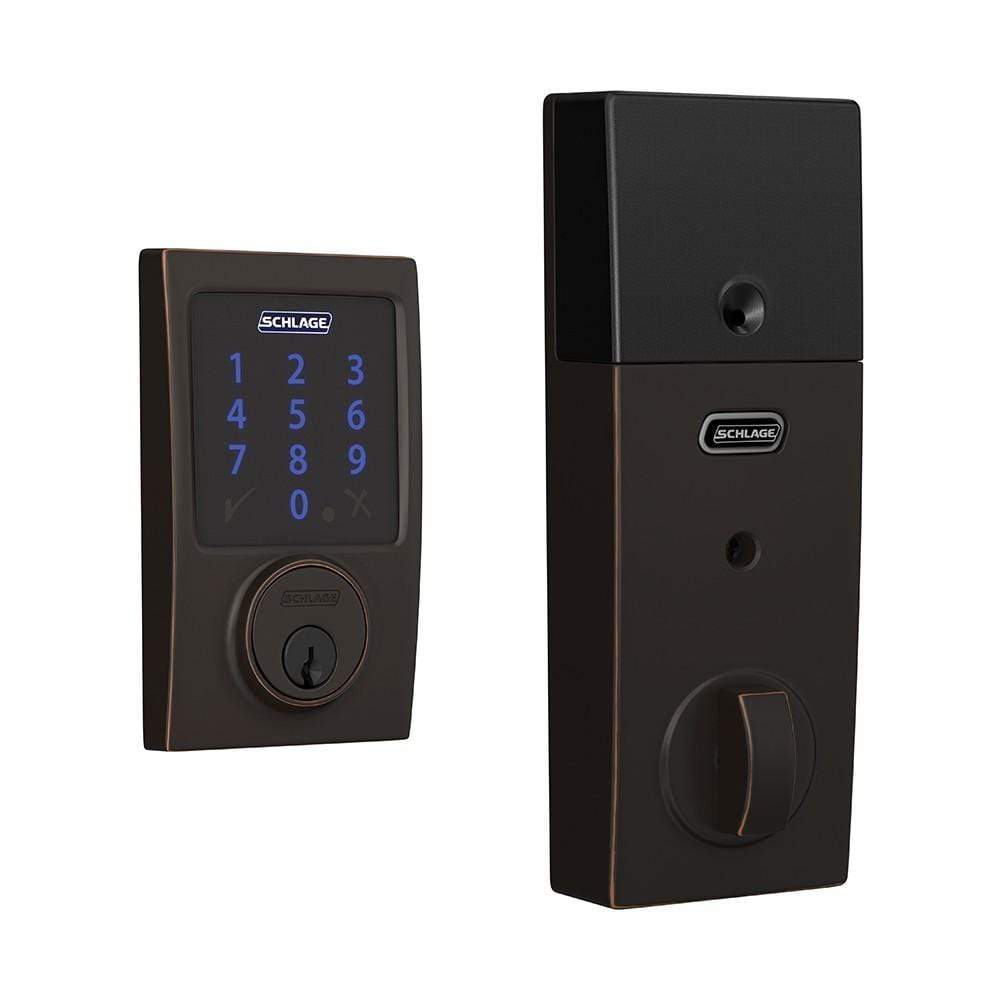
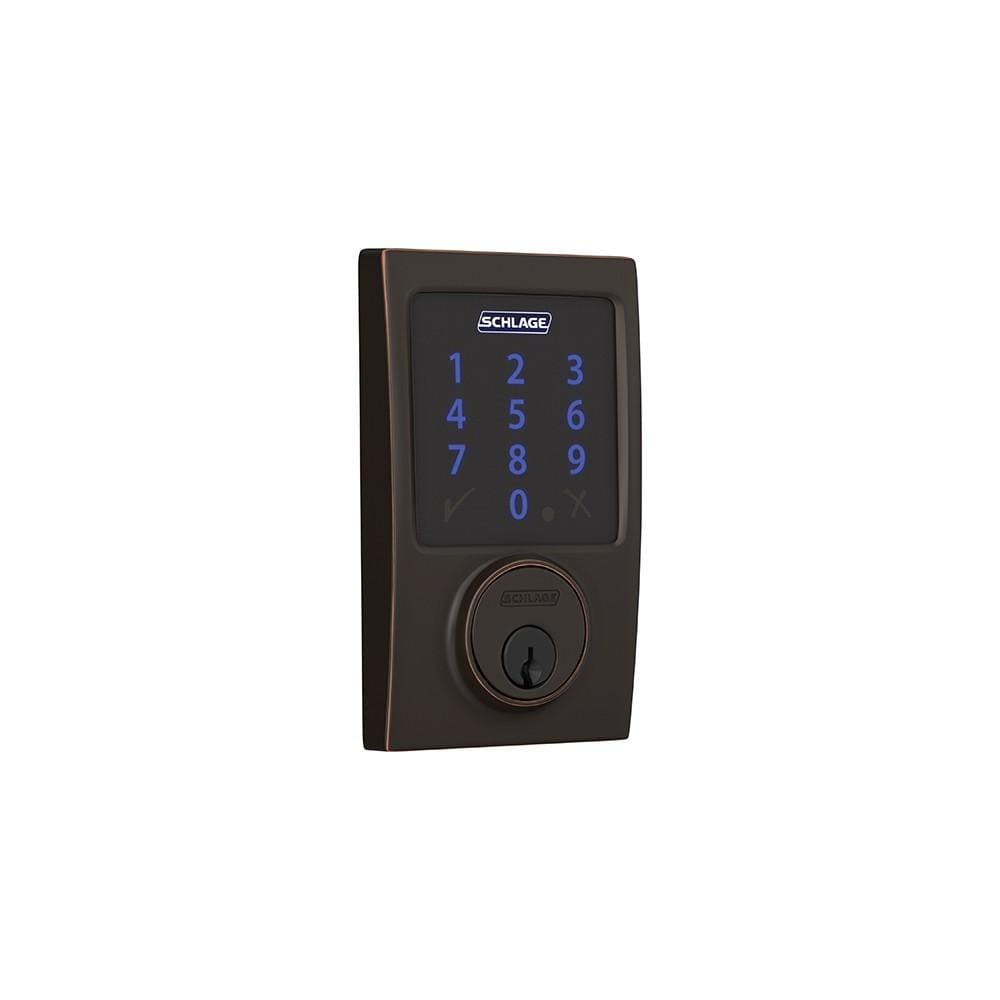
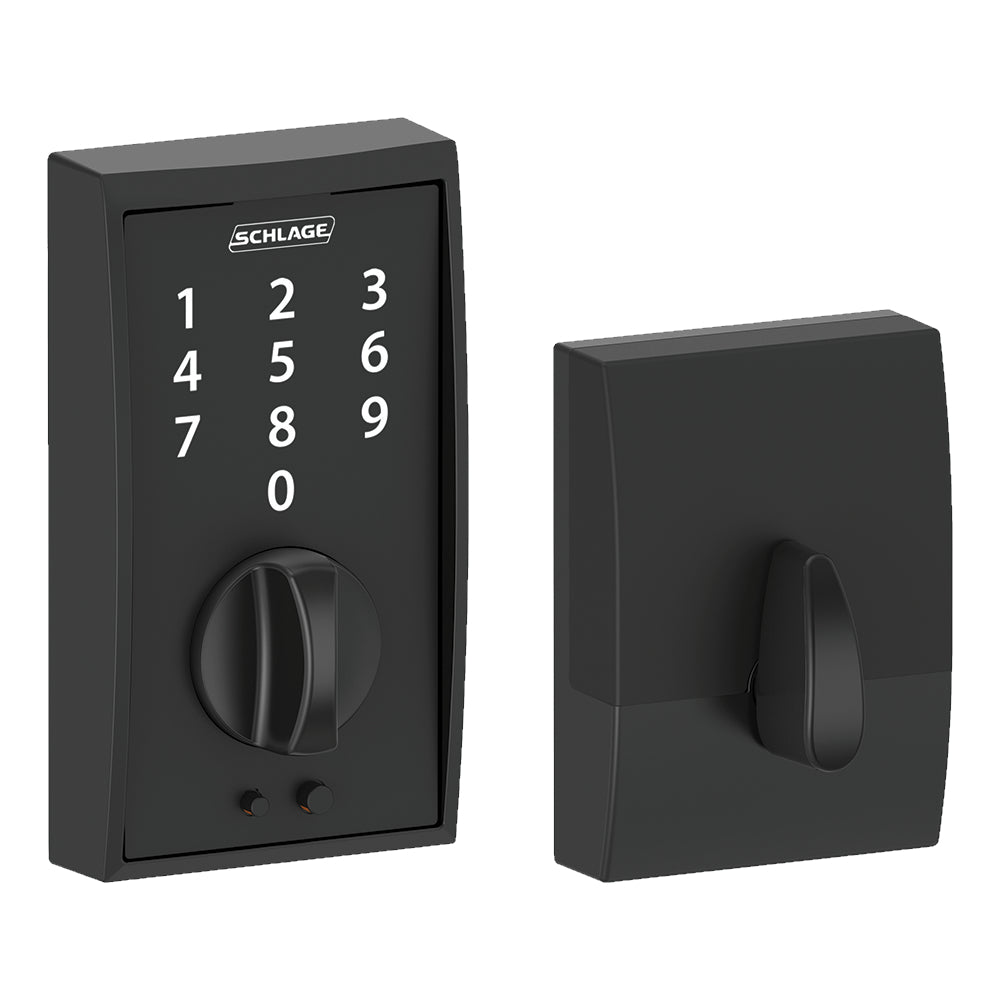
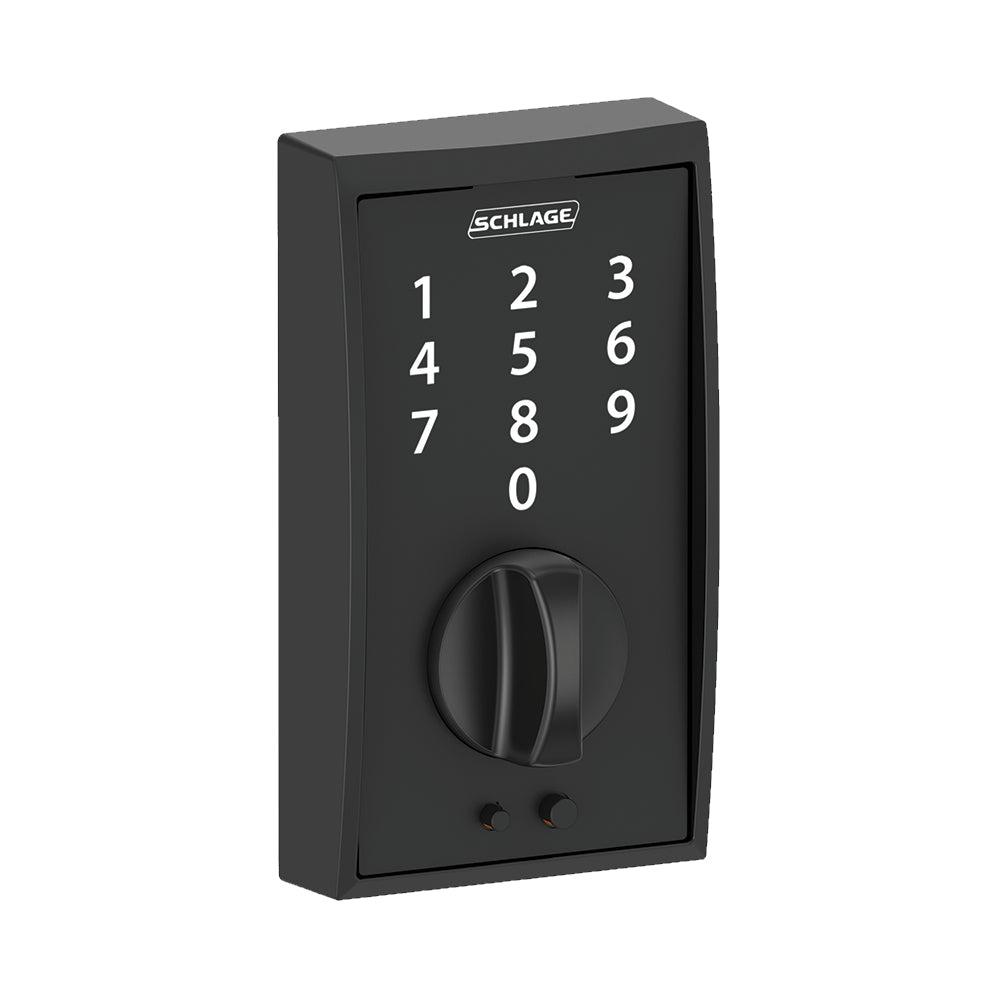
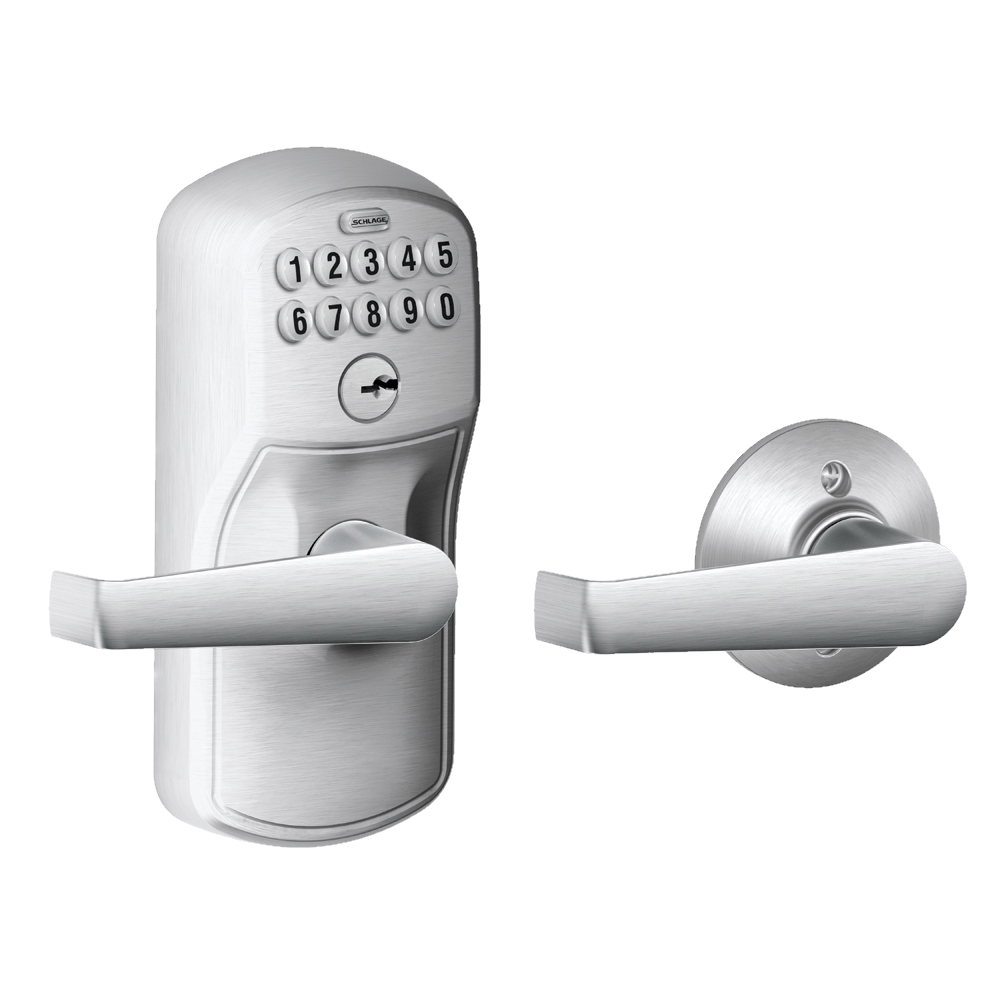
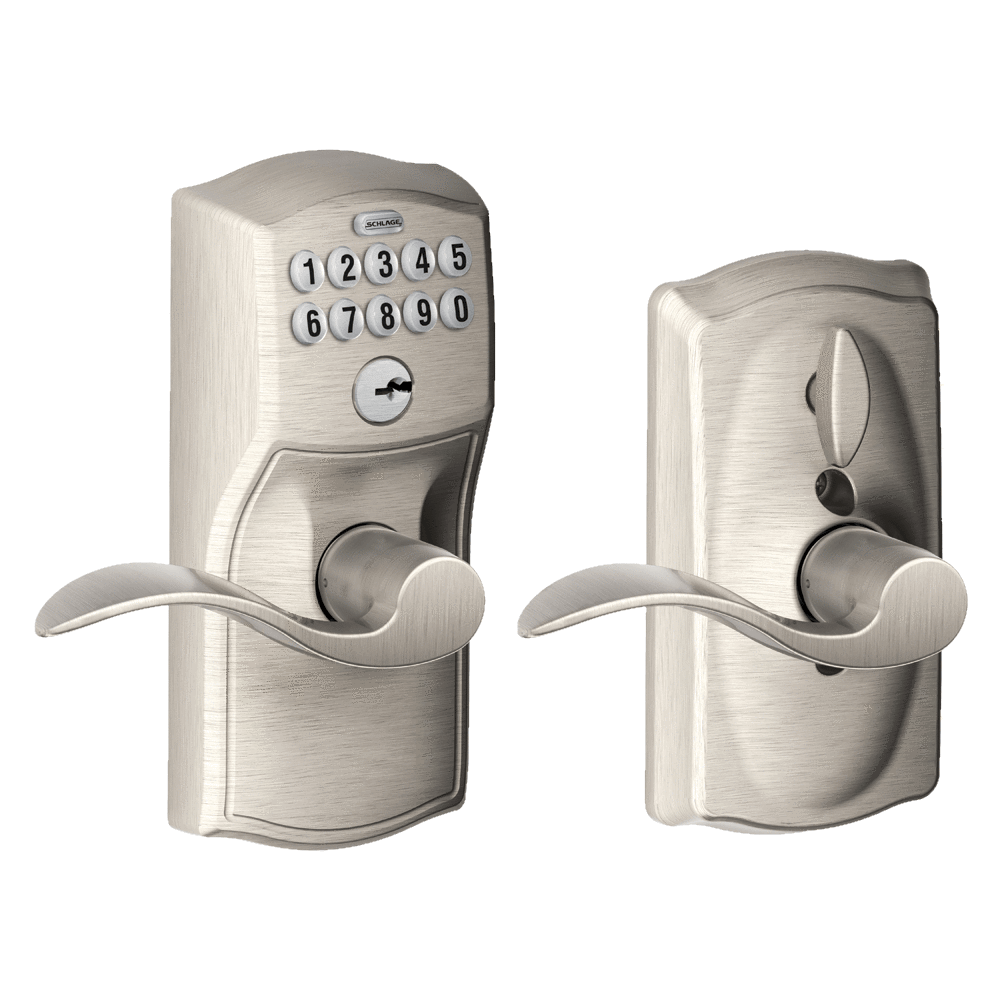
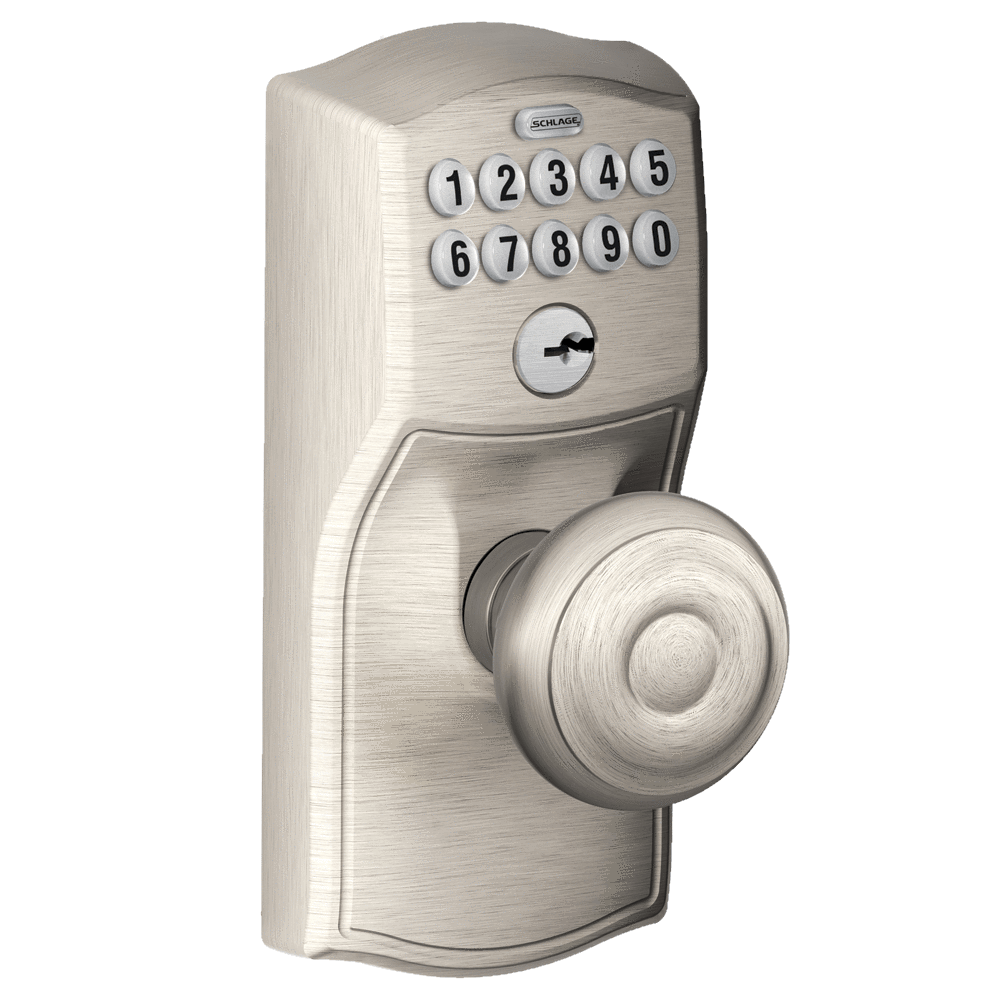
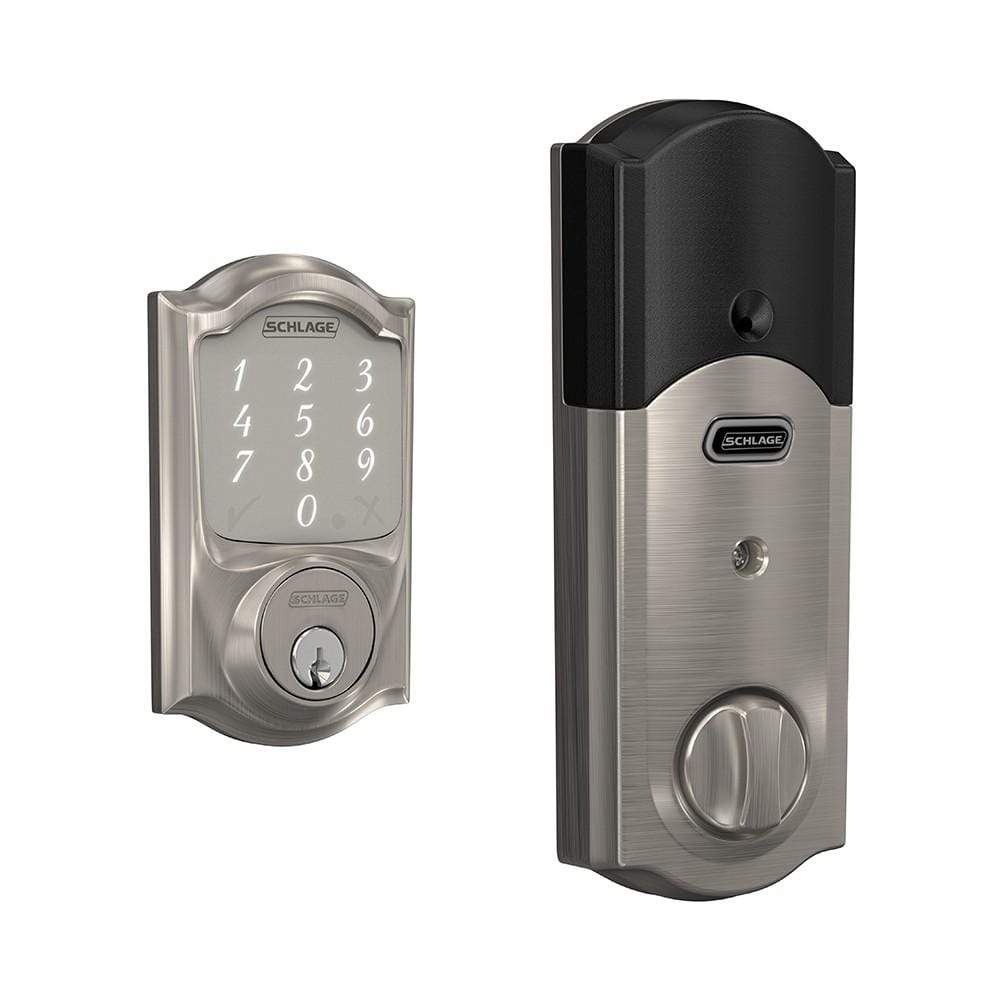
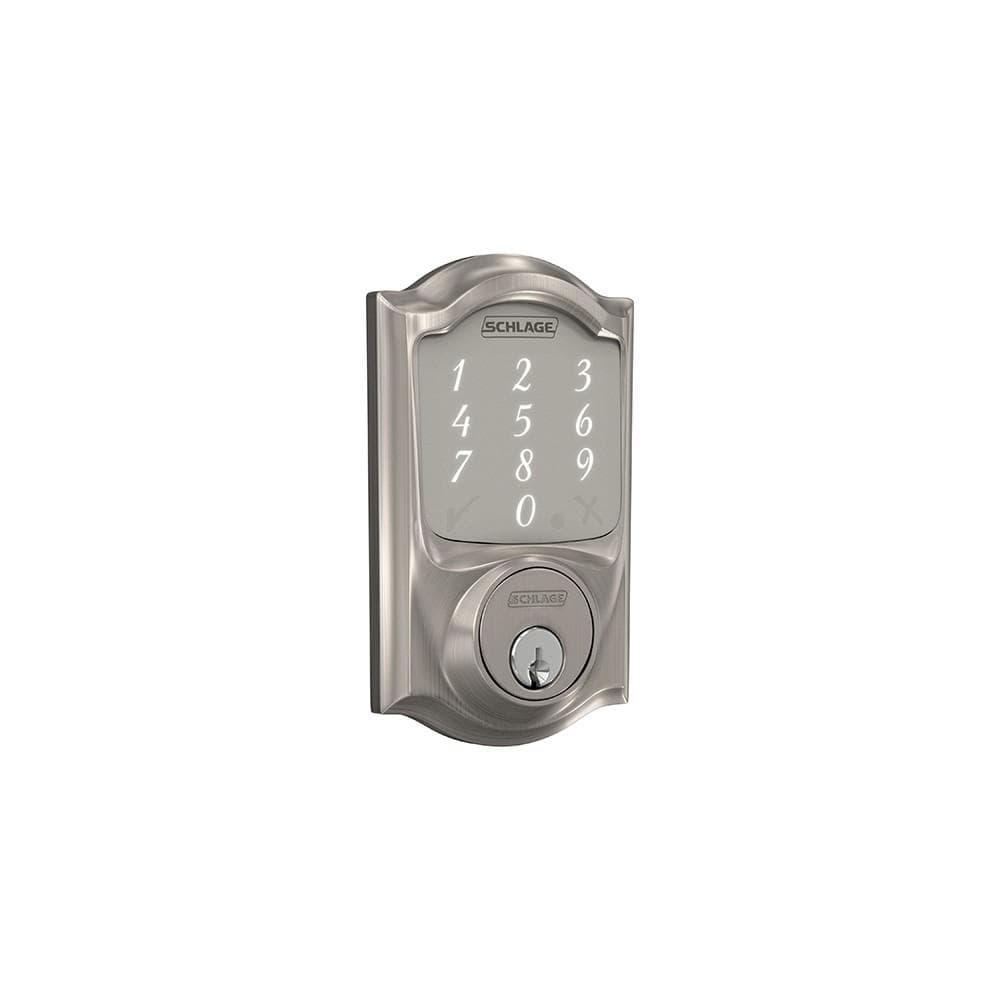
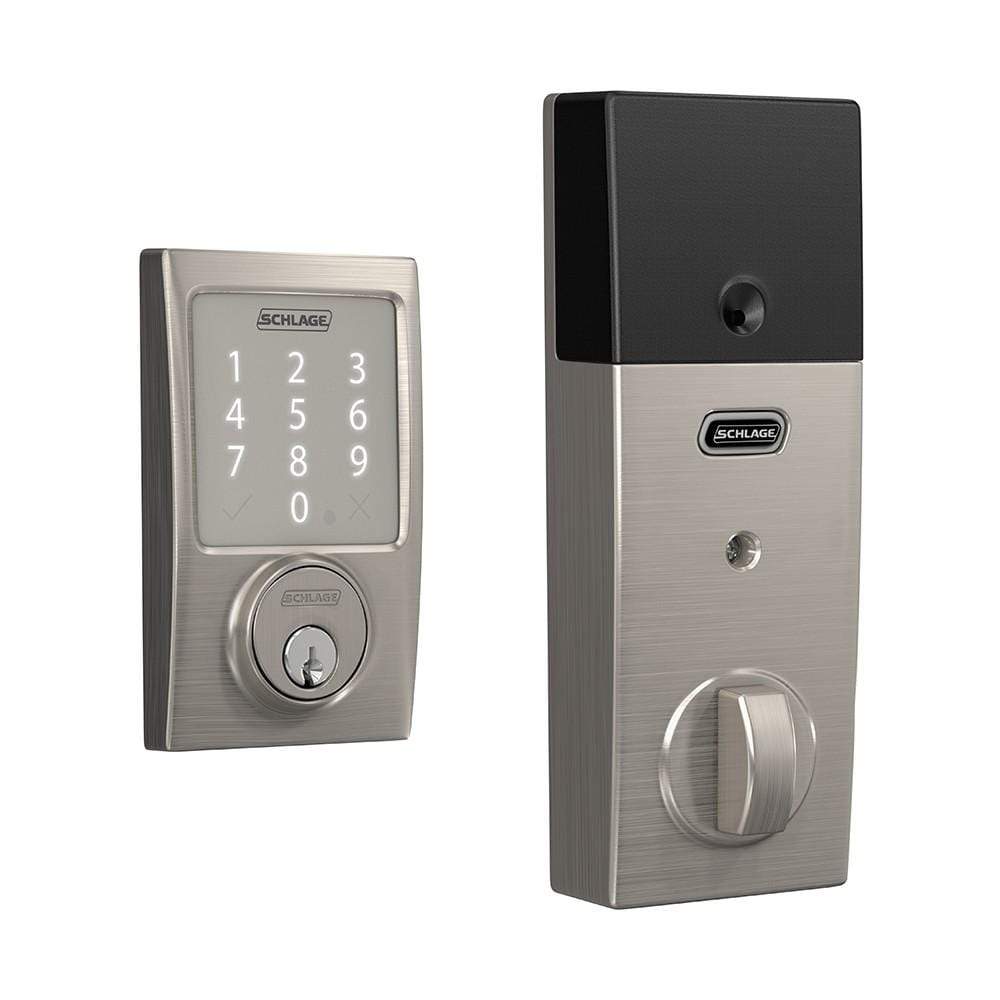
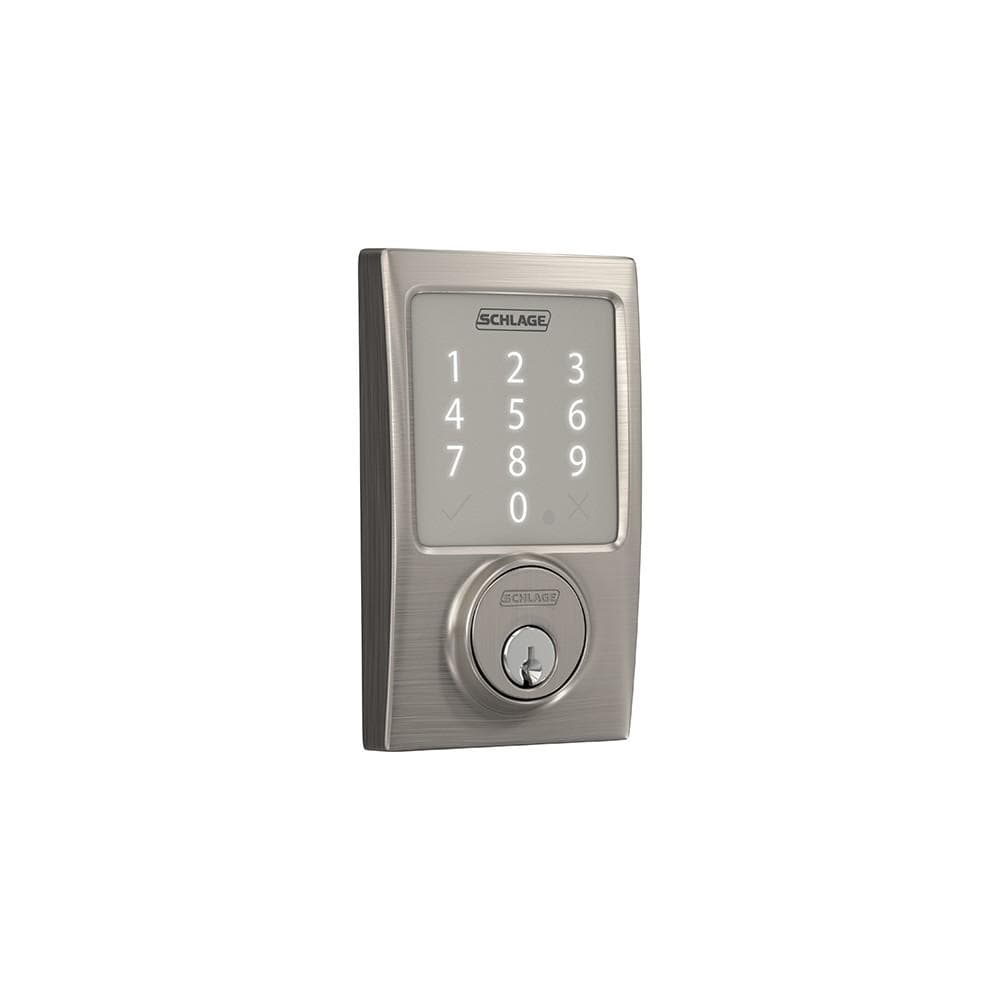
- Door Locks, Knobs & Deadbolts — Schlage and commercial-grade locksets to complete every door opening
Buying Guide
- Hinge Size by Door Type: Interior hollow-core doors use 3.5" hinges. Solid core and light exterior doors use 3.5"–4". Heavy exterior and commercial doors use 4"–4.5". Commercial and oversized doors 4.5"–5". When in doubt, size up.
- Plain Bearing vs. Ball Bearing: Plain bearing (butt) hinges are the economy choice for interior doors. Ball bearing hinges are required for exterior doors, heavy doors, and any door subject to frequent use.
- How Many Hinges Per Door: 2 hinges for hollow-core doors up to 60". 3 hinges for solid-core, exterior, or any door over 60". 4+ hinges for doors over 90" or heavier than 200 lbs.
- Finish Consistency: Spec a single finish for each project zone. HingeOutlet carries all major finishes across the full hinge line so you can match across every opening.
- Outswing Door Security: All outswing exterior doors must use non-removable pin (NRP) or security tab hinges. Increasingly required by local building codes.
- Volume Pricing: Orders of 50+ hinges of the same SKU qualify for wholesale/case pricing. Contact our team at 888-250-8133.
Further Reading
FAQs
For standard 6'8" interior hollow-core doors, use 3.5" x 3.5" hinges with a 5/8" radius corner — two hinges per door is code minimum, three is recommended for solid-core. For exterior doors or doors over 7 feet, use 4" x 4" heavy-duty hinges with three per door minimum. Match the radius corner to the existing door prep.
Yes. HingeOutlet offers case-pack pricing on high-volume SKUs through the Wholesale Door Hinges collection. For larger contractor accounts or project based purchasing, contact our expert team at 888-250-8133 to discuss volume pricing and dedicated account support.
Satin nickel (US15) is the most widely specified finish for new construction — it is neutral, durable, and coordinates with most lockset and hardware lines. Oil-rubbed bronze and antique brass are common for custom builds. Matte black has grown significantly for modern and farmhouse styles.
Yes, in most U.S. jurisdictions. The International Residential Code (IRC) requires the door between an attached garage and the living space to be self-closing. This is typically achieved with a commercial spring hinge or an overhead door closer. Check your local AHJ for specific requirements.
Why Contractors Choose Hinge Outlet
We serve contractors, property managers, and facility teams — not just weekend DIYers.


Built to Code
Gate hardware for pools, schools, and commercial facilities must meet strict safety and compliance standards.
We supply hardware compliant with:


