


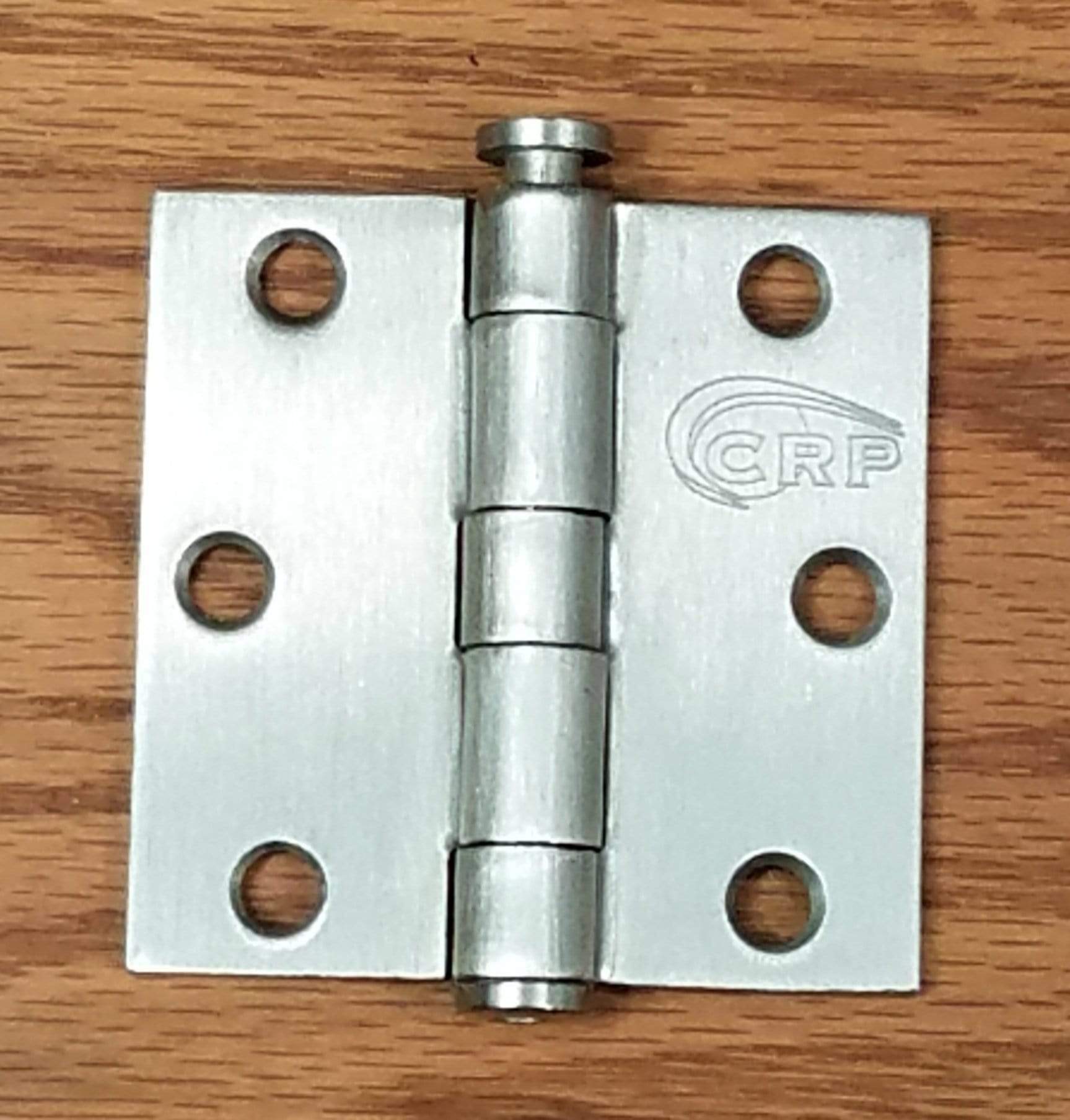
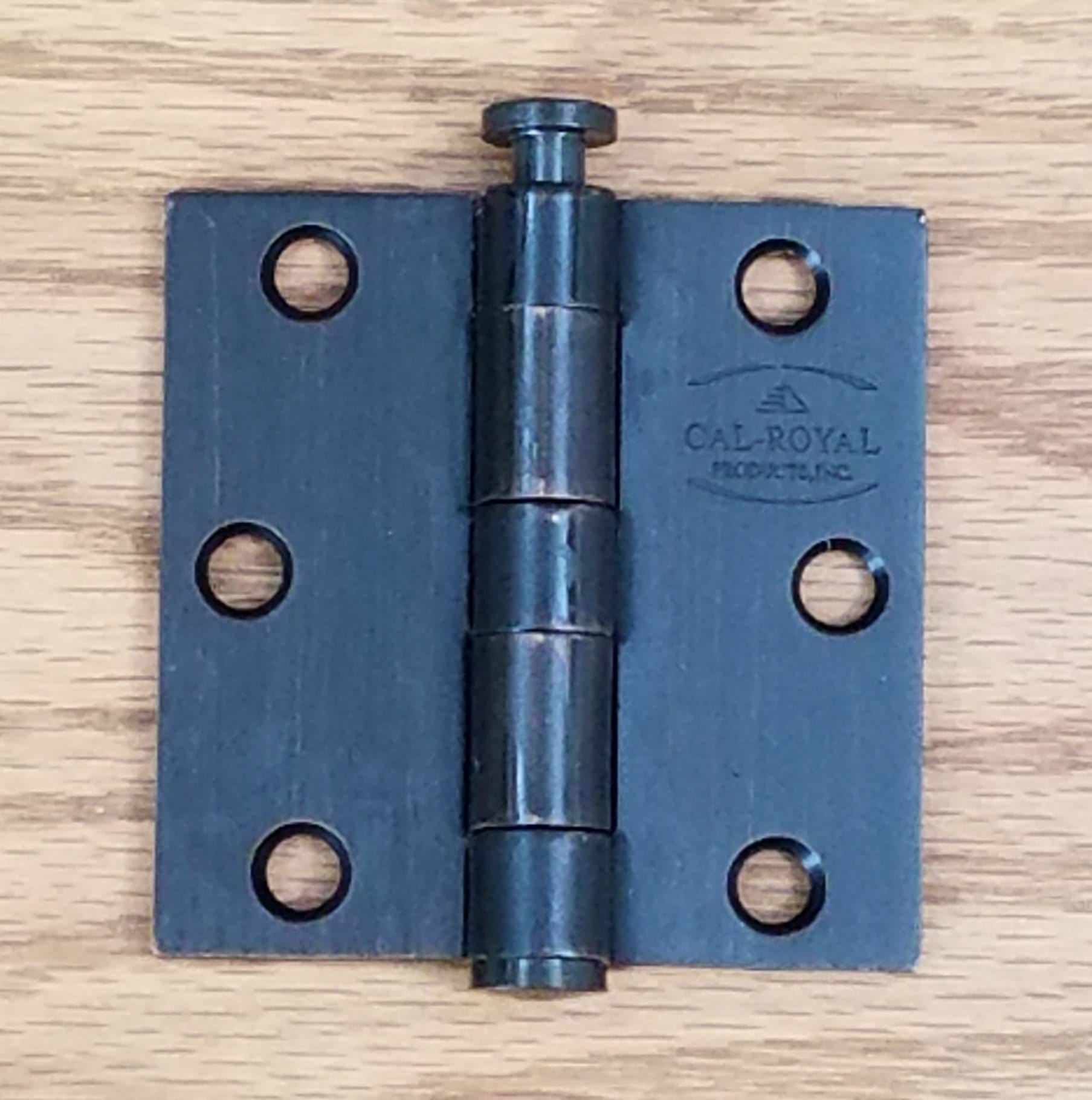
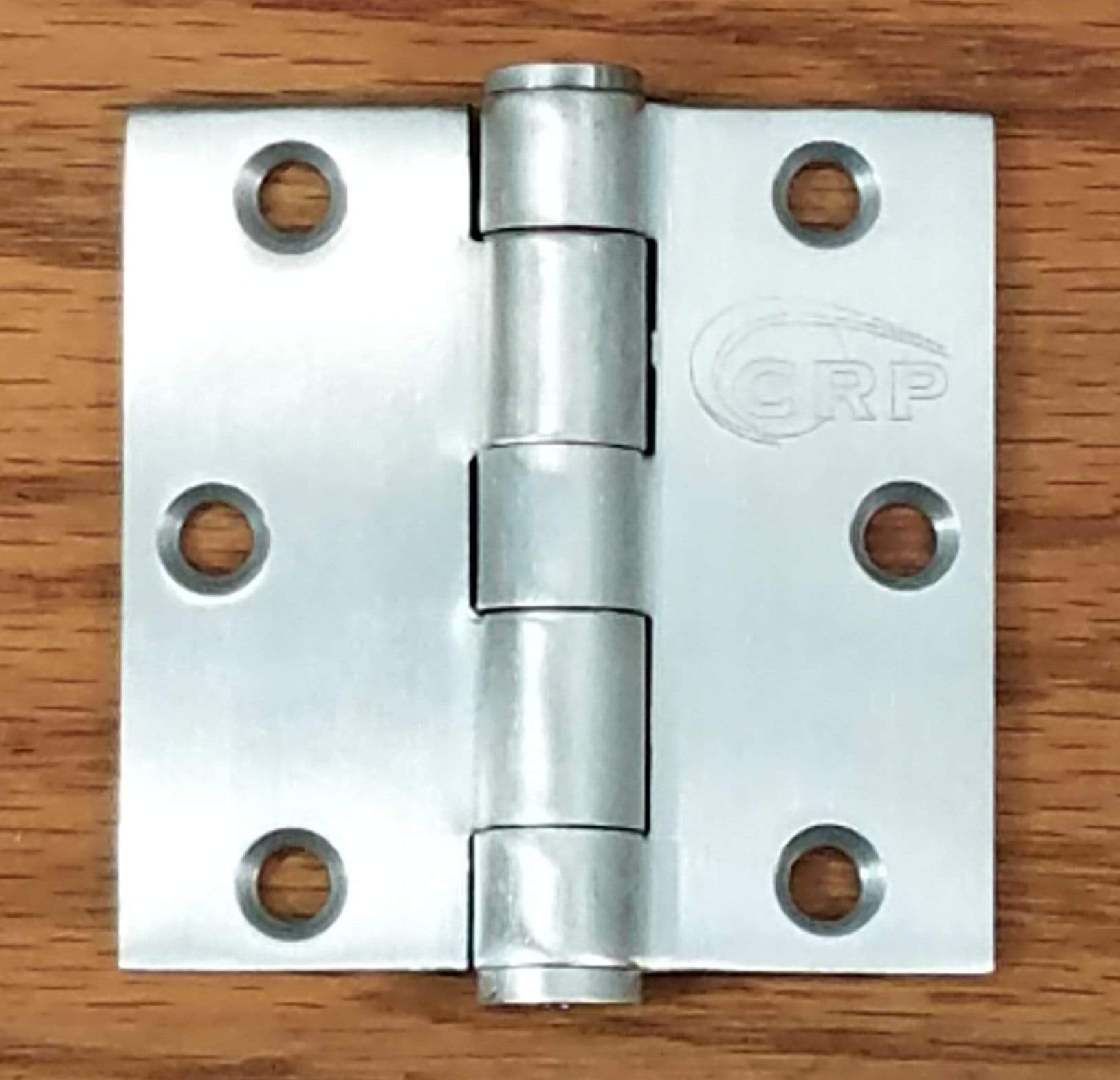
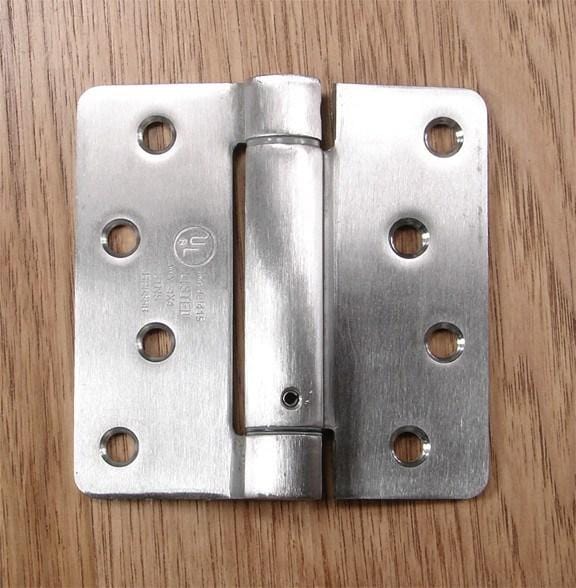
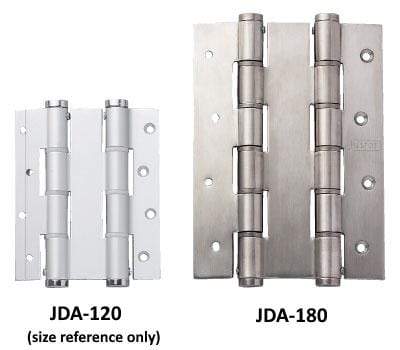

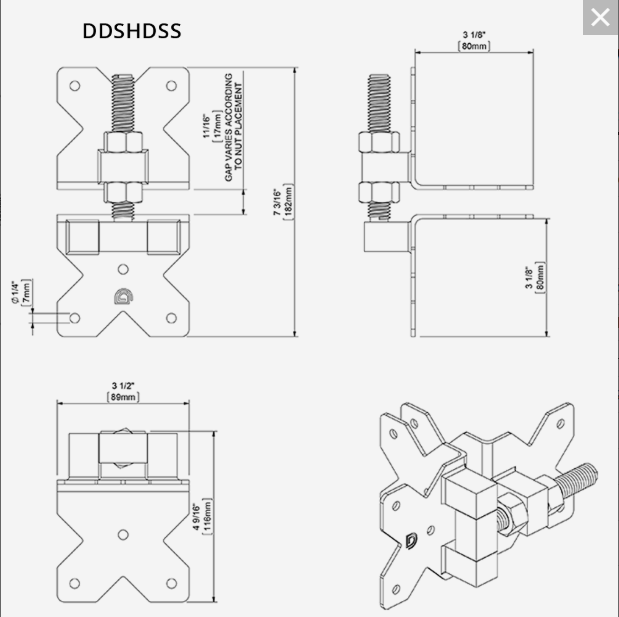
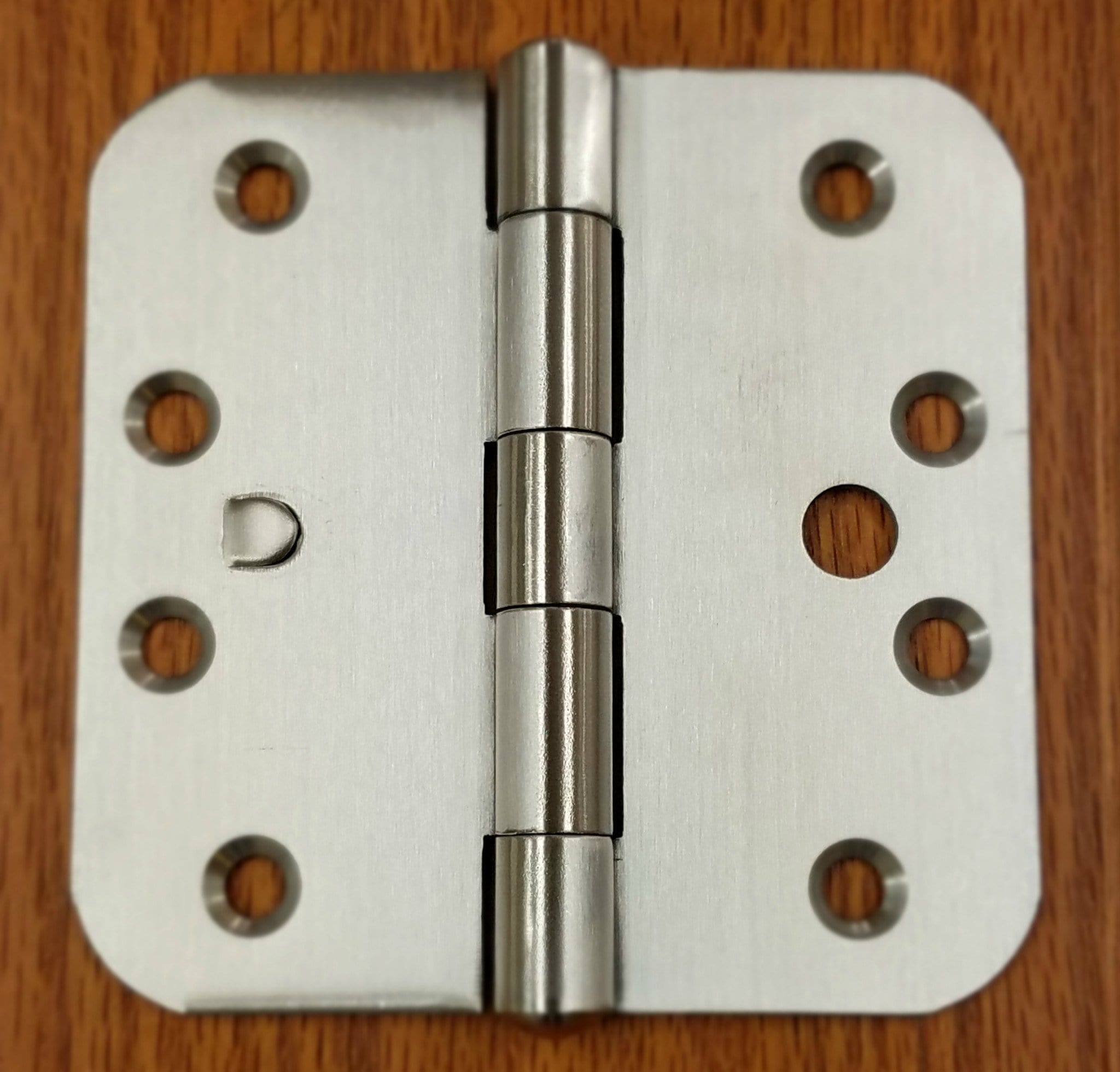

Why Choose Stainless Steel Hinges?
Stainless steel hinges are commonly selected for projects that require:
-
Resistance to rust and corrosion
-
Outdoor exposure durability
-
Marine or coastal environments
-
Food-grade or sanitary installations
-
Long-term low maintenance performance
Because the corrosion resistance is inherent to the material, stainless hinges are ideal for high-moisture areas where standard steel hinges may deteriorate over time.
If you are selecting hinges specifically for exterior gates, you may also want to view our Gate Hinges collection.
Common Types of Stainless Steel Hinges
Our stainless steel hinge selection includes multiple styles designed for different applications.
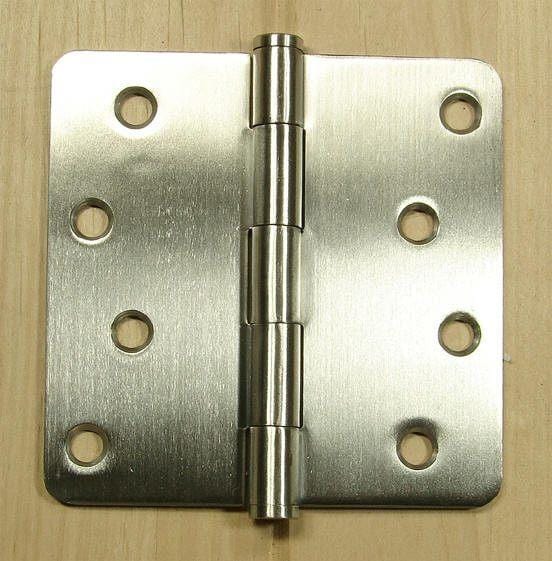
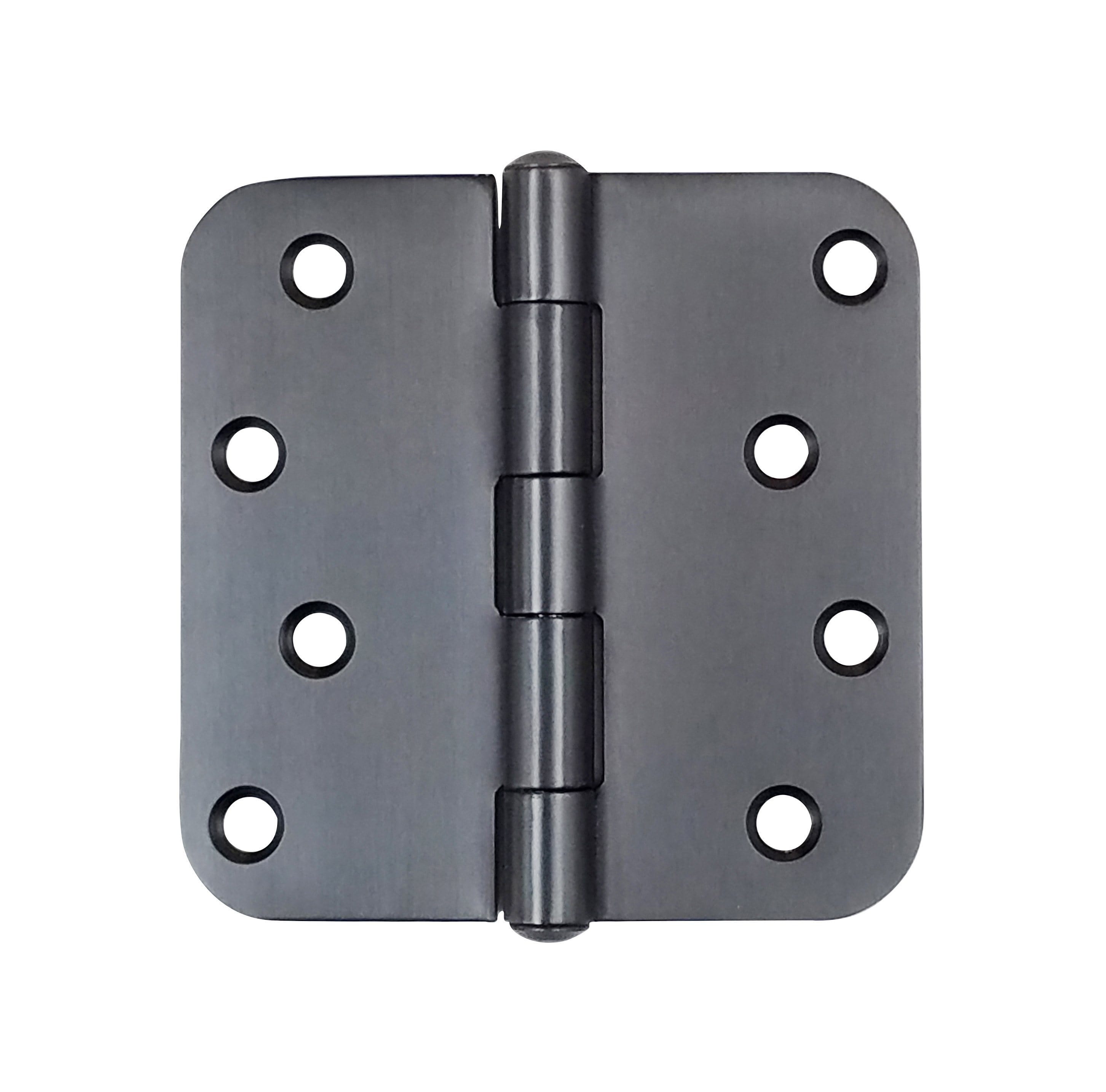
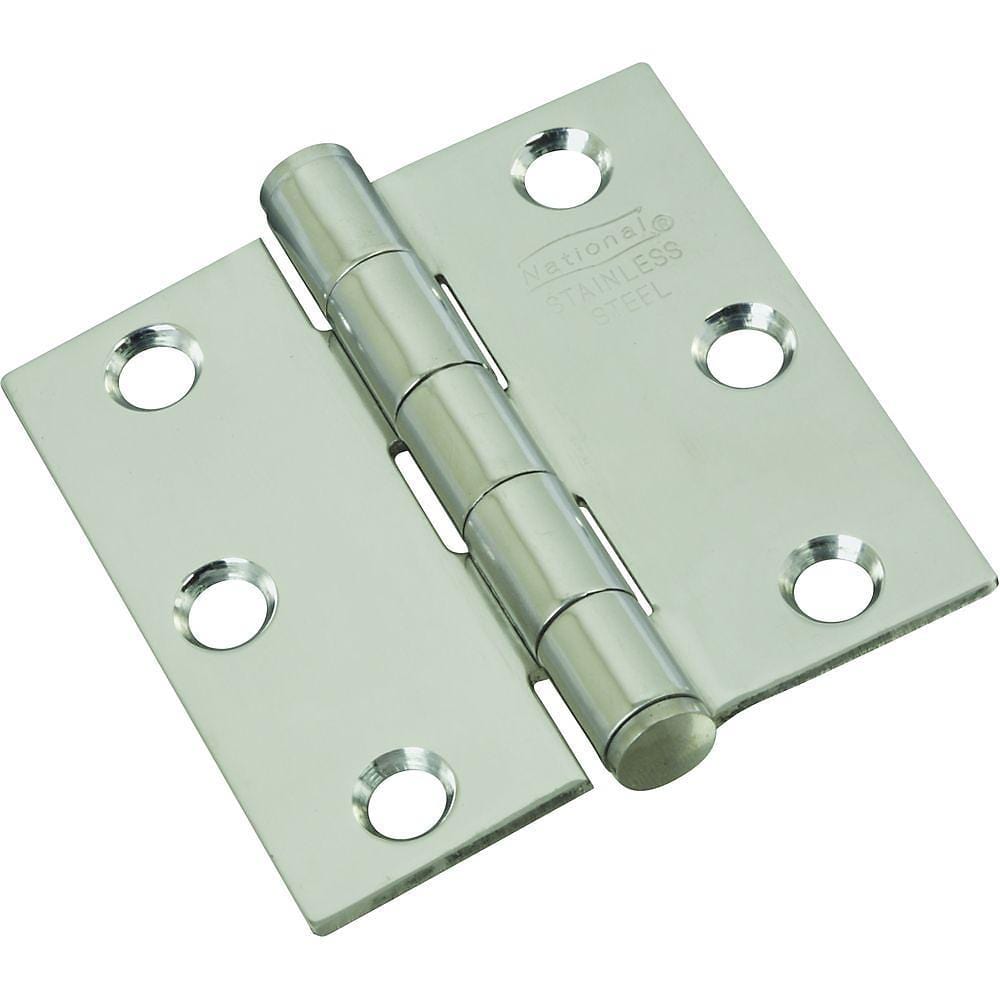
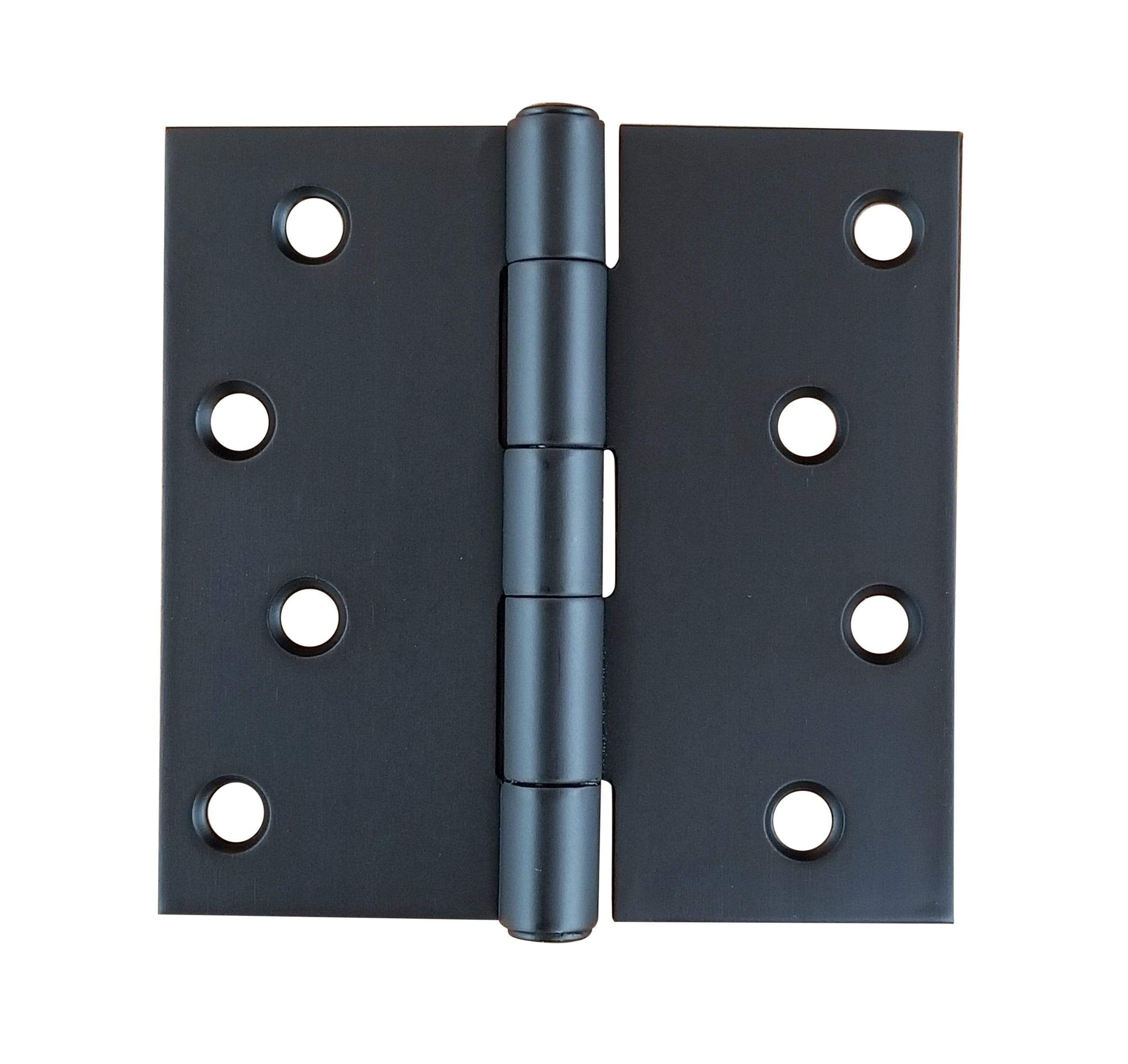
Stainless Steel Butt Hinges
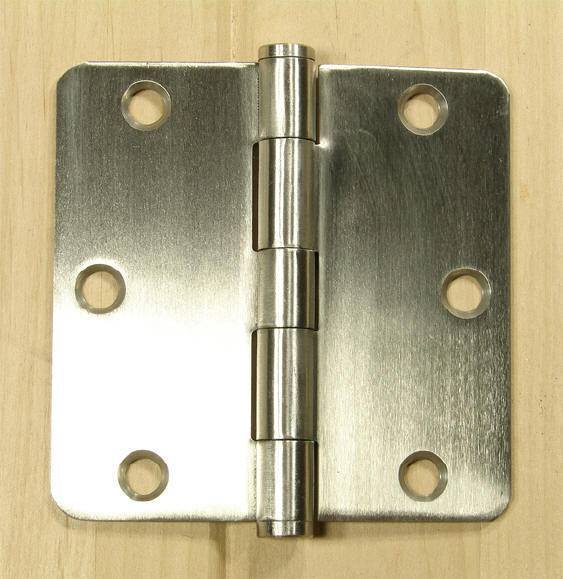
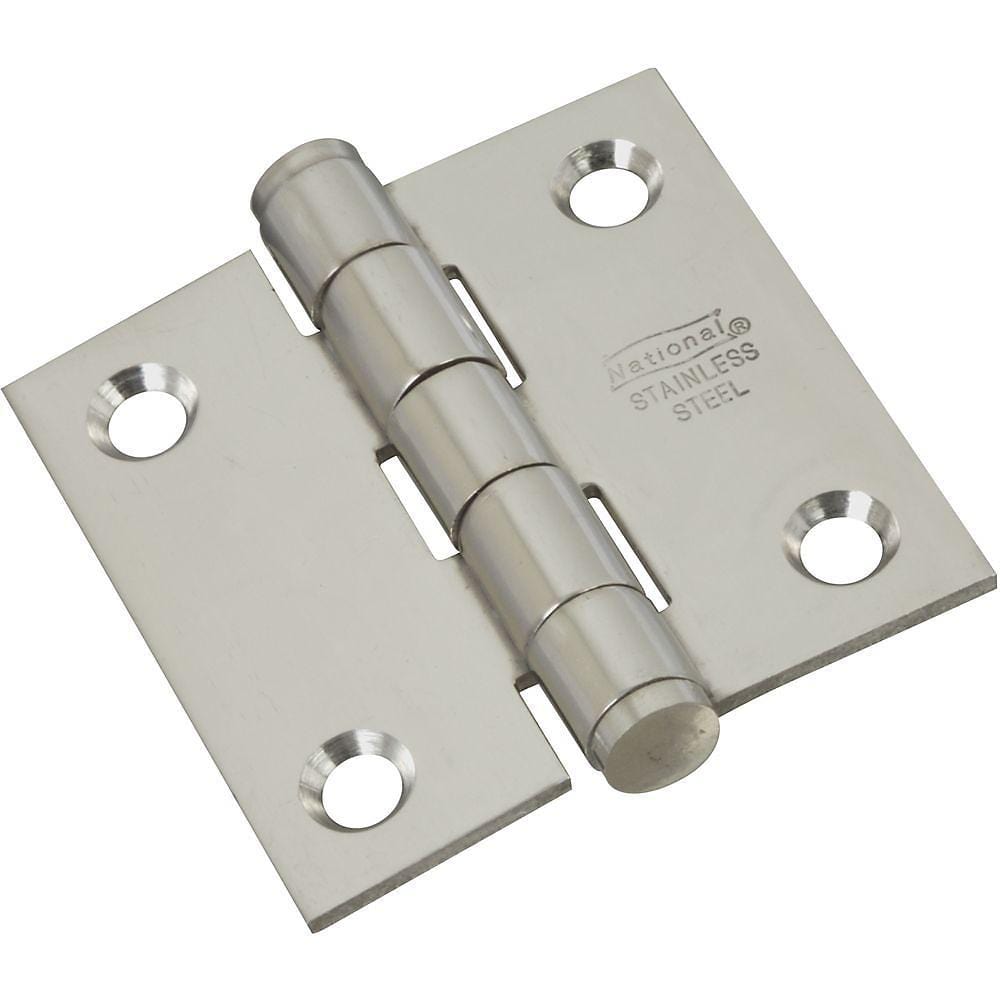
Commonly used on doors and cabinets, butt hinges provide smooth operation and clean installation.
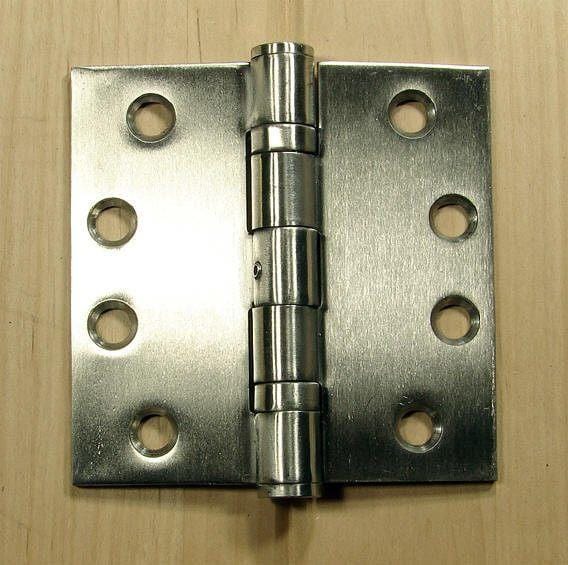
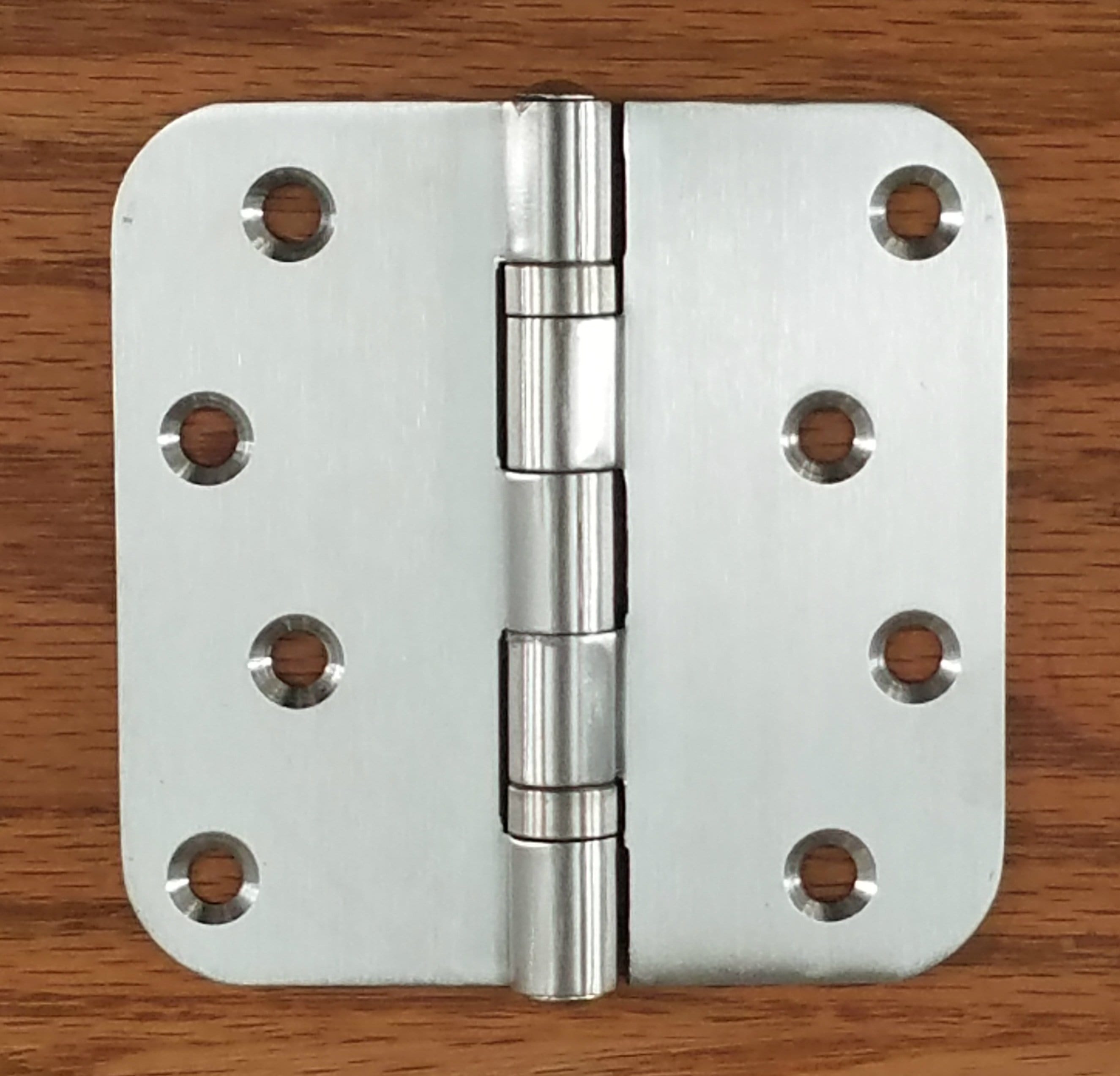
Stainless Steel Ball Bearing Hinges
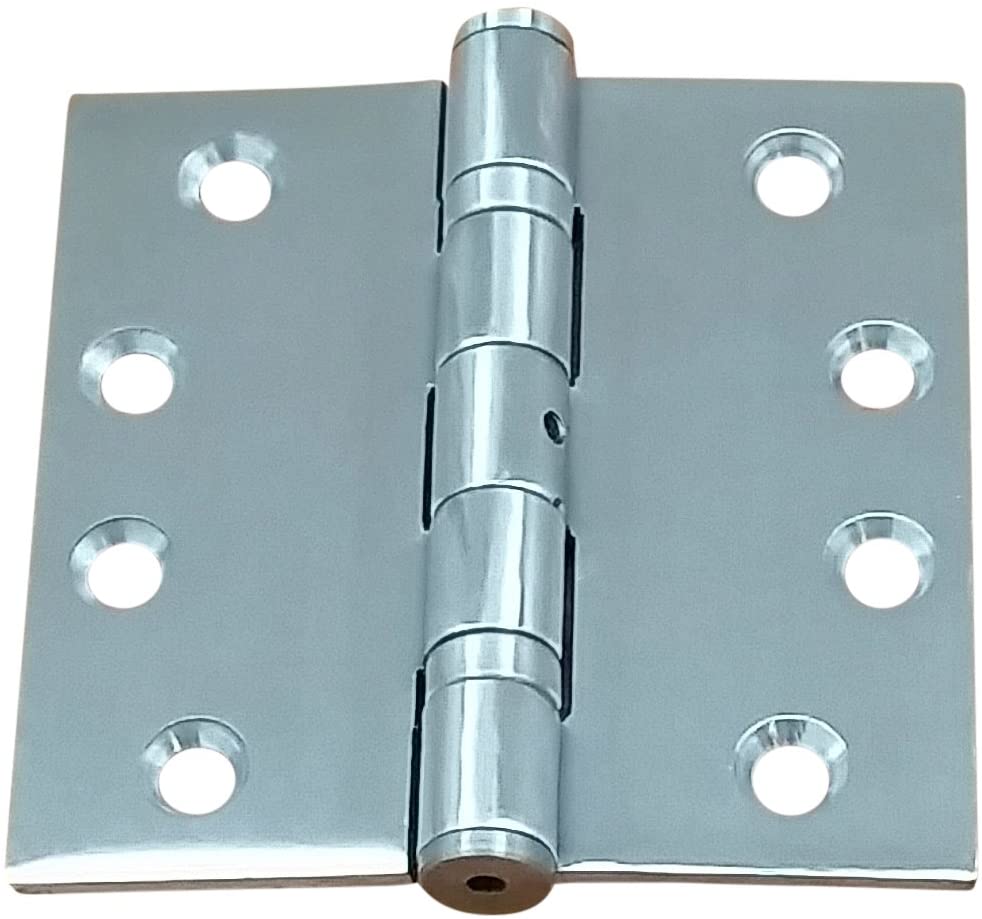
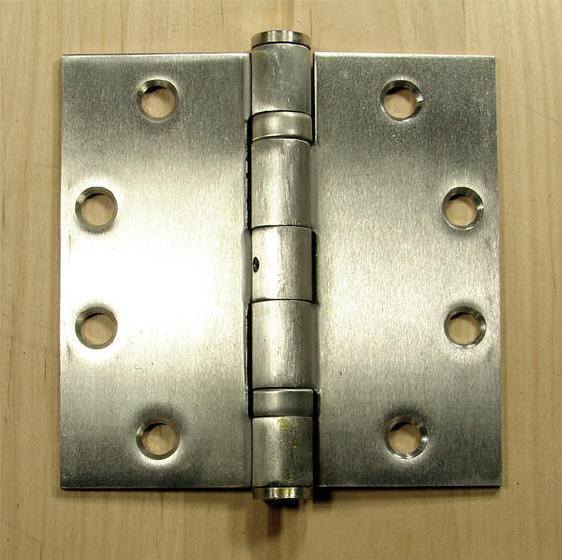
Designed for high-use doors, ball bearing hinges reduce friction and increase longevity.
Stainless Steel Strap Hinges
Strap hinges distribute weight across a larger surface area, making them ideal for gates and heavy doors.
Marine Grade Stainless Hinges
For environments exposed to saltwater or coastal air, marine-grade stainless steel hinges provide enhanced corrosion resistance.
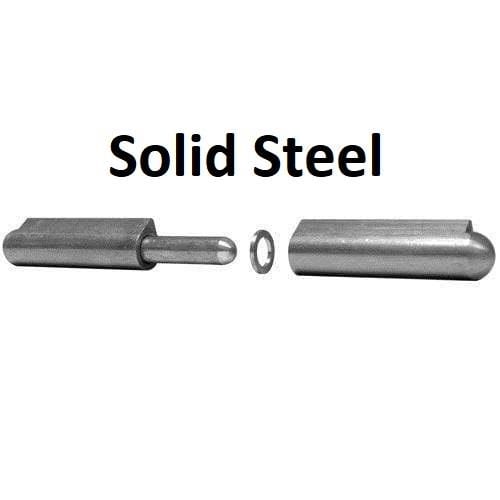
For weldable stainless options, you may also explore our <a href="/collections/weld-on-hinges">Weld On Hinges</a> collection.
How to Choose the Right Stainless Steel Hinge
Selecting the proper stainless hinge depends on:
-
Indoor vs outdoor use
-
Exposure to saltwater or chemicals
-
Door or gate weight
-
Frequency of use
-
Required hinge size and thickness
For high-traffic commercial doors, stainless steel ball bearing hinges are often recommended to ensure smooth and long-lasting operation.
Applications for Stainless Steel Hinges
Stainless steel hinges are frequently used in:
-
Coastal and marine environments
-
Outdoor gates and fencing
-
Commercial kitchens
-
Hospitals and clean environments
-
Industrial washdown facilities
-
Utility enclosures
Because stainless steel offers natural corrosion resistance, it is often the preferred material for installations where longevity and performance are priorities.


