


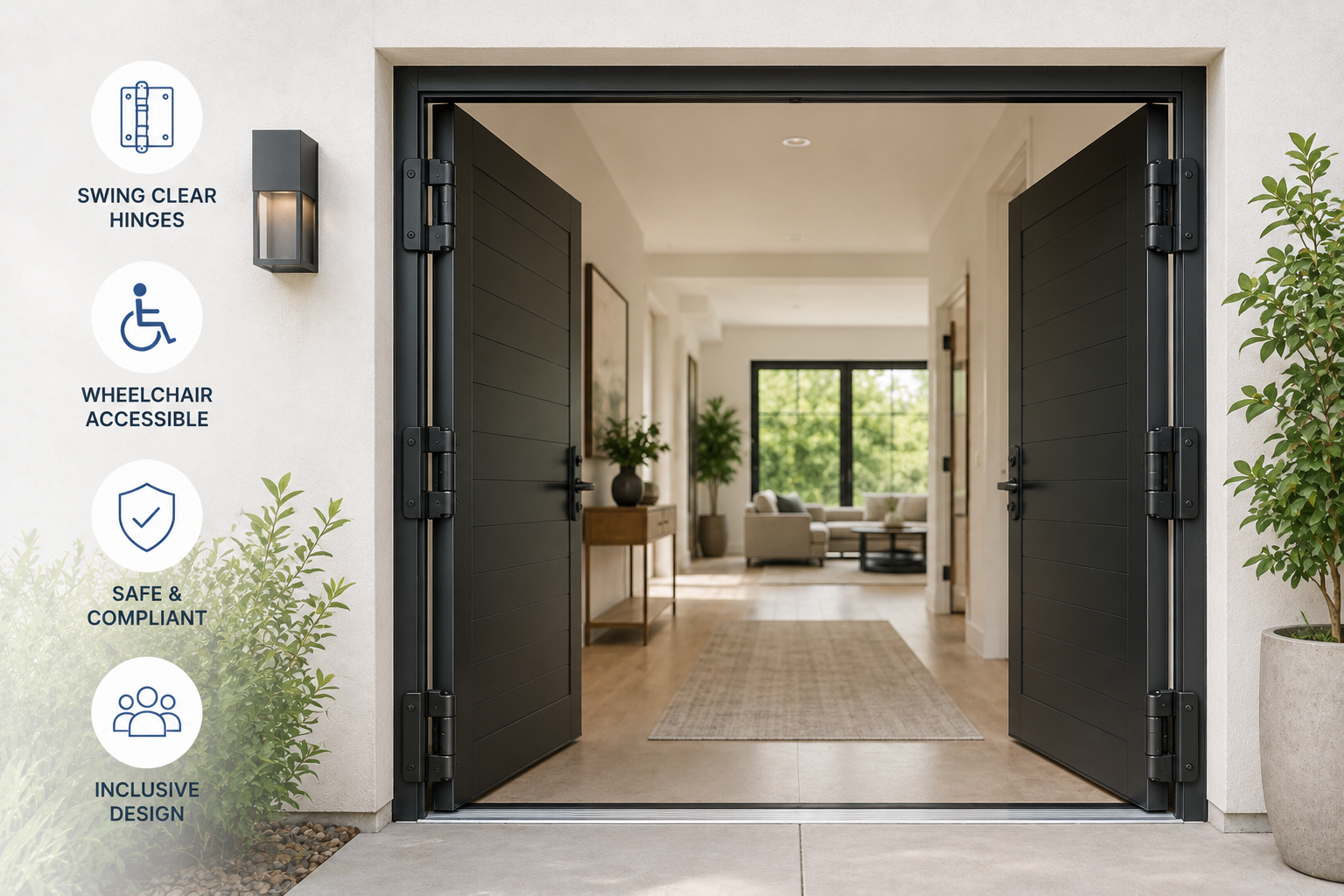
ADA & Accessibility Hardware for Contractors & Property Managers
Our most-requested hinge styles and hardware options, trusted by builders, contractors, and DIYers alike.
Shop ADA & Accessibility Hardware by Category
ADA & Accessibility Hardware
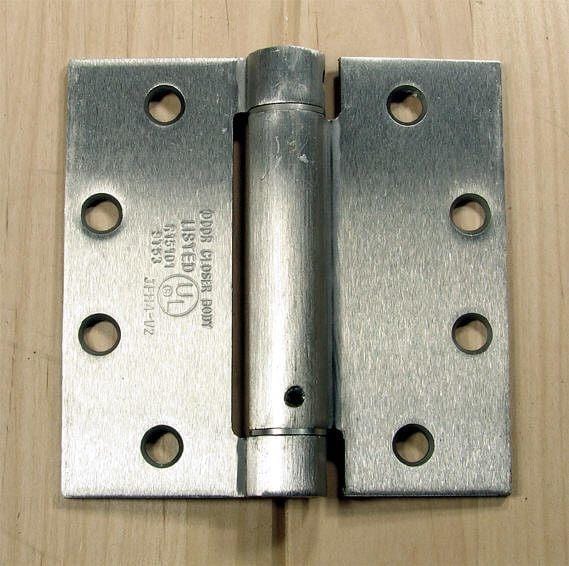
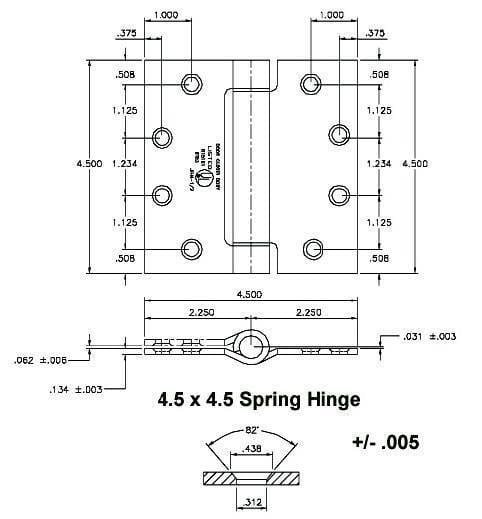
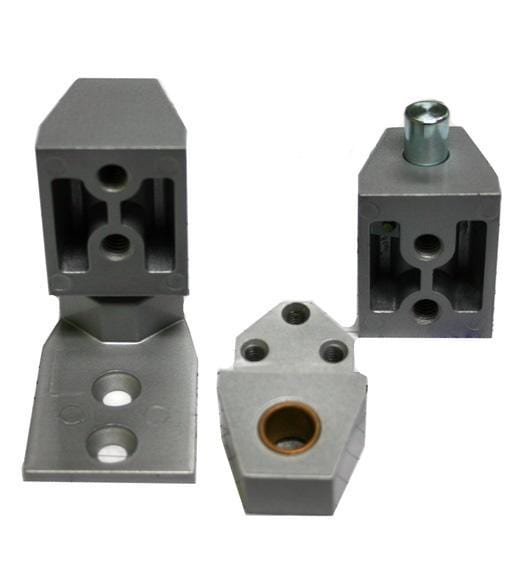
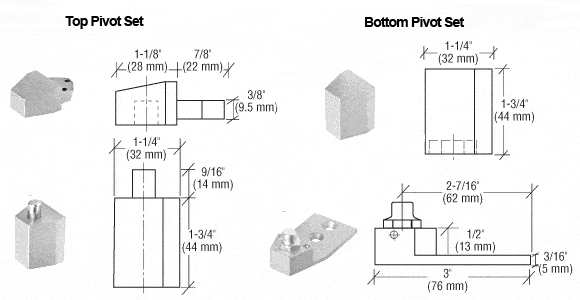
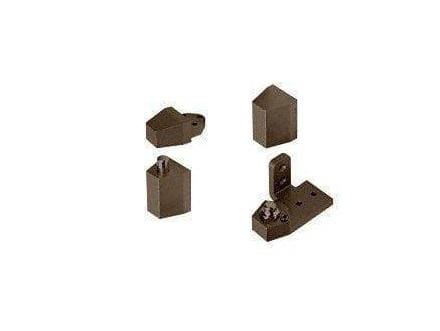
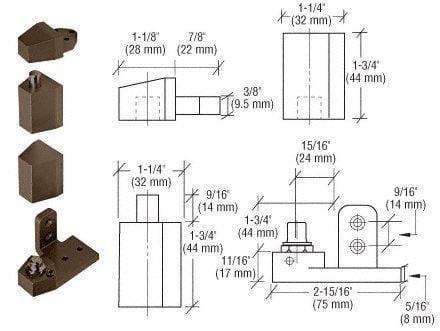
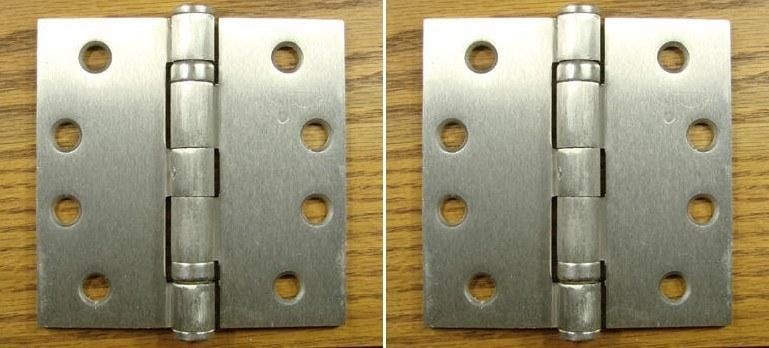
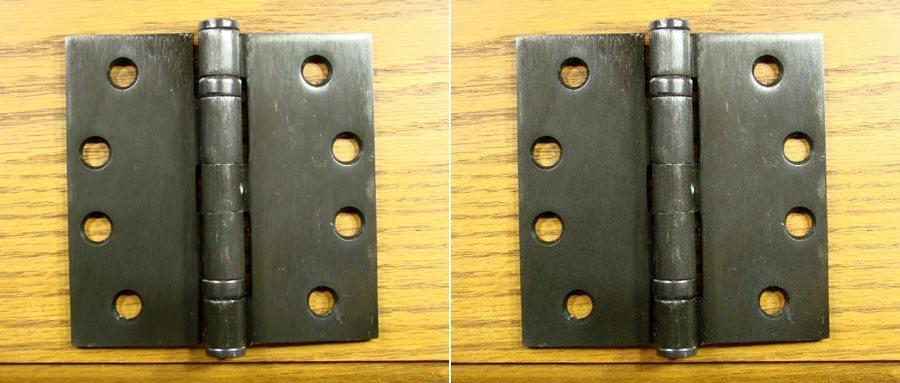
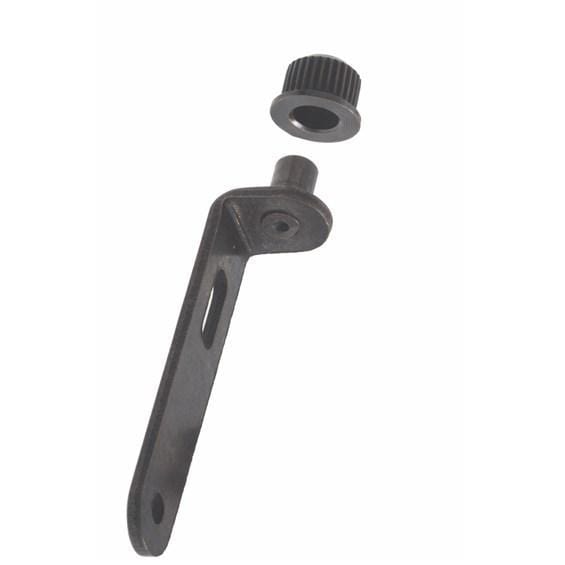
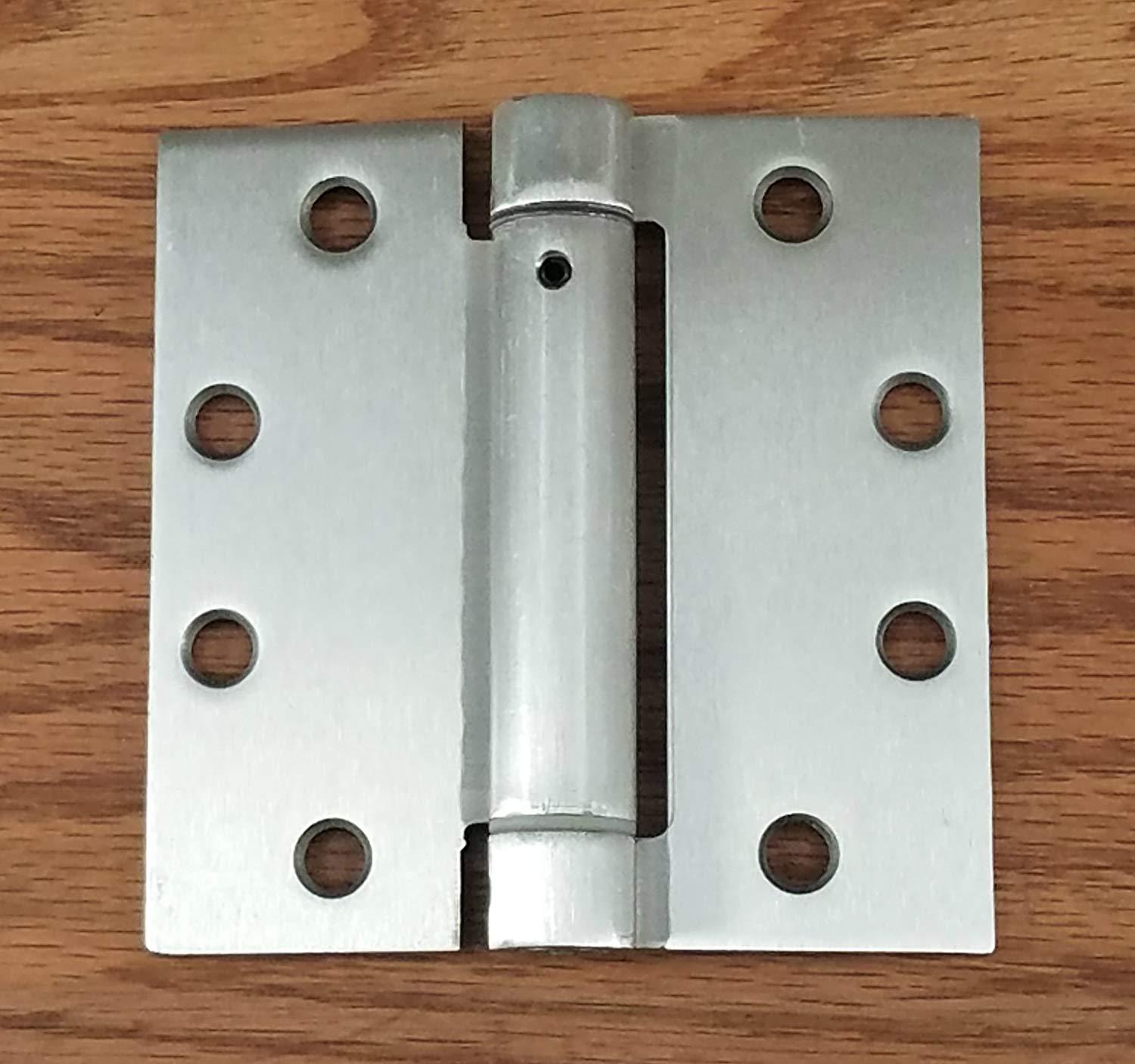
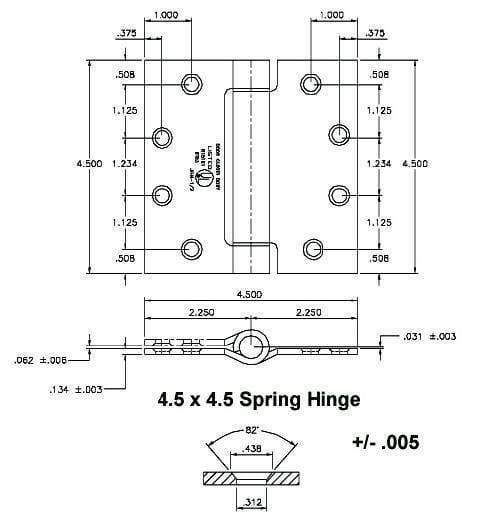
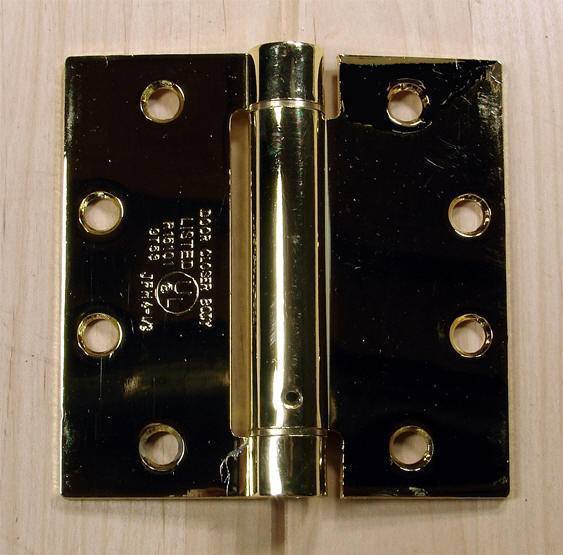
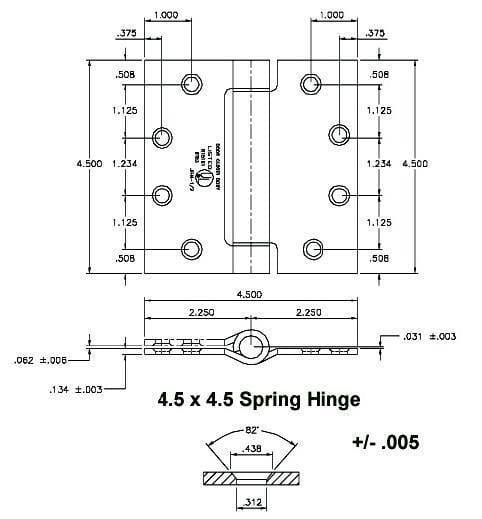
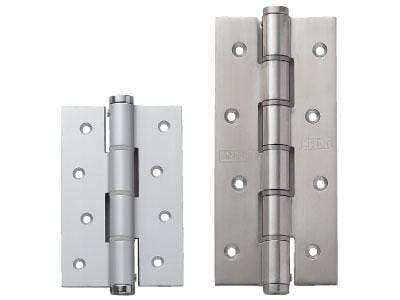
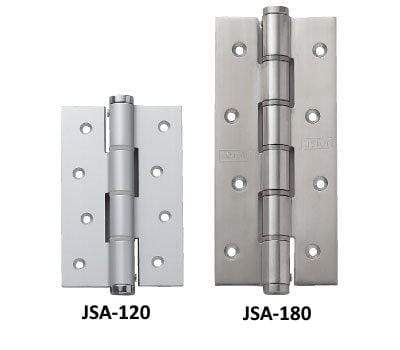
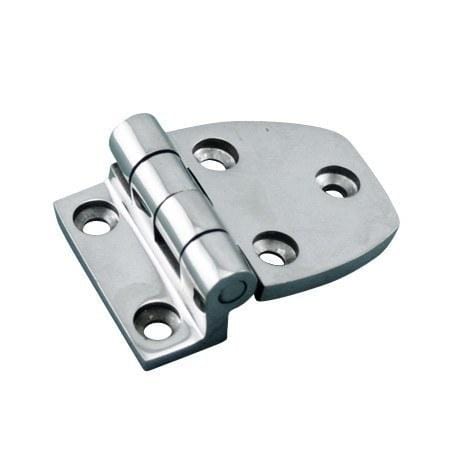
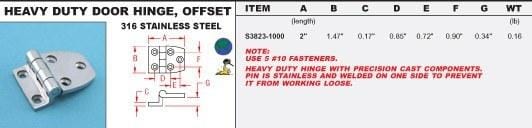
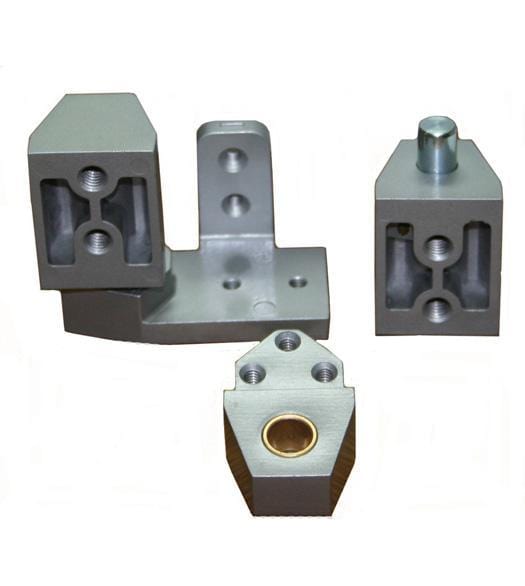
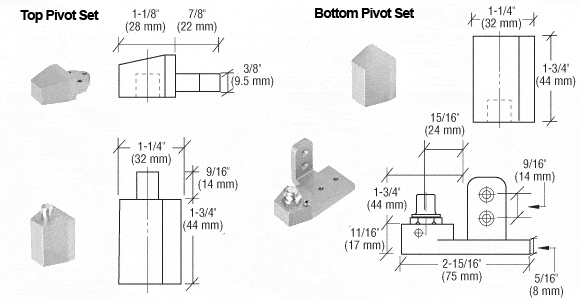
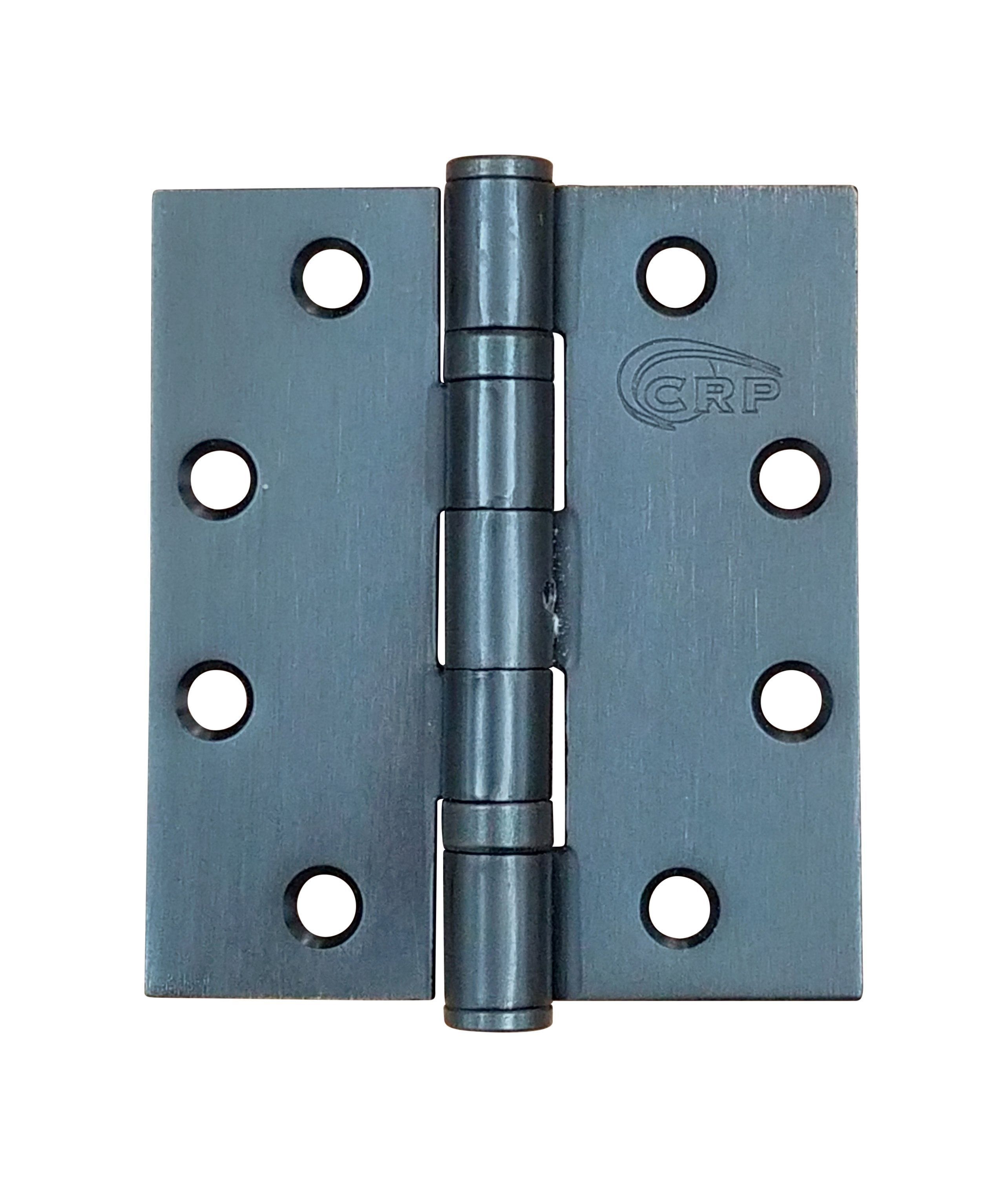
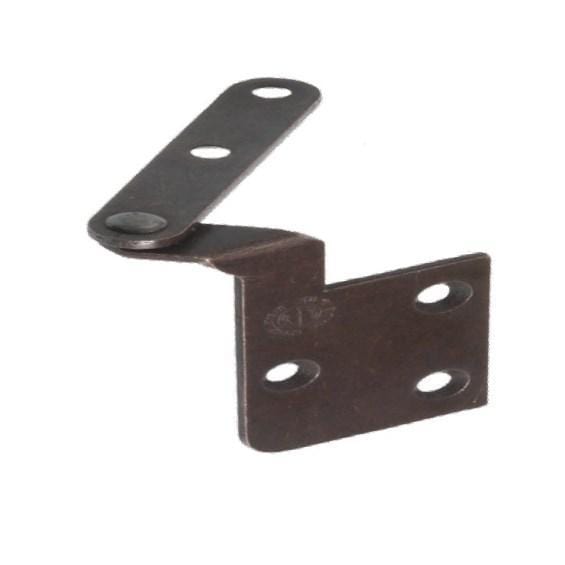
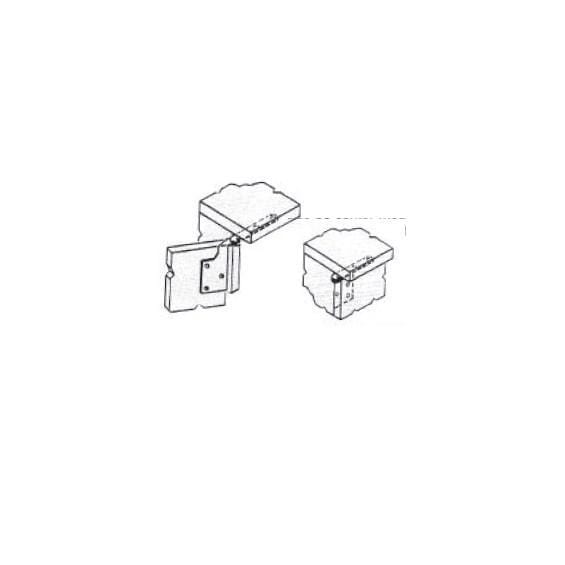
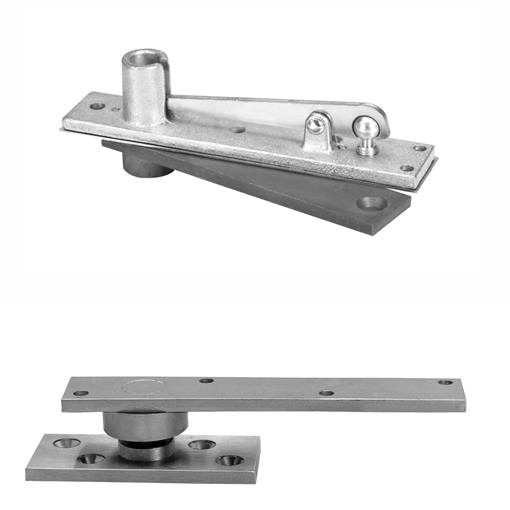
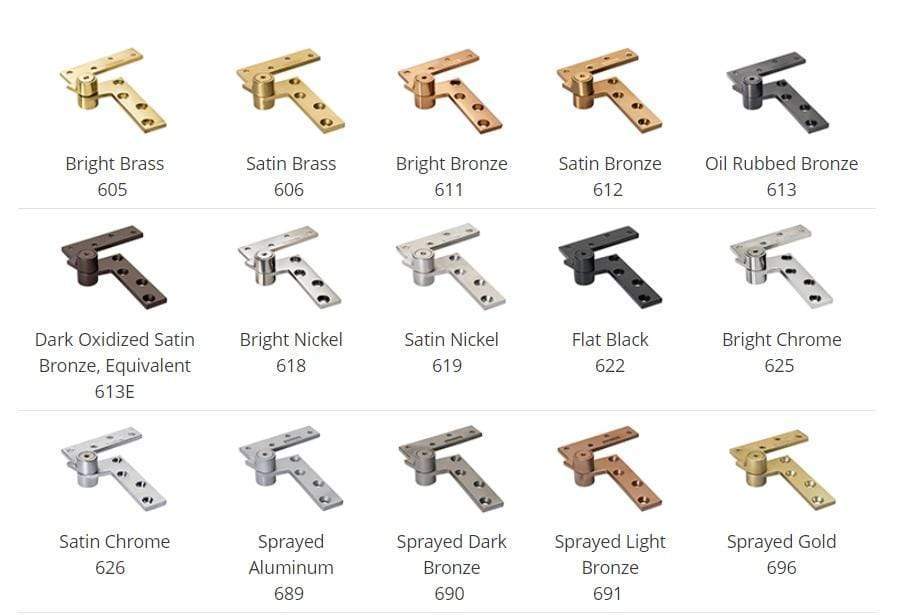
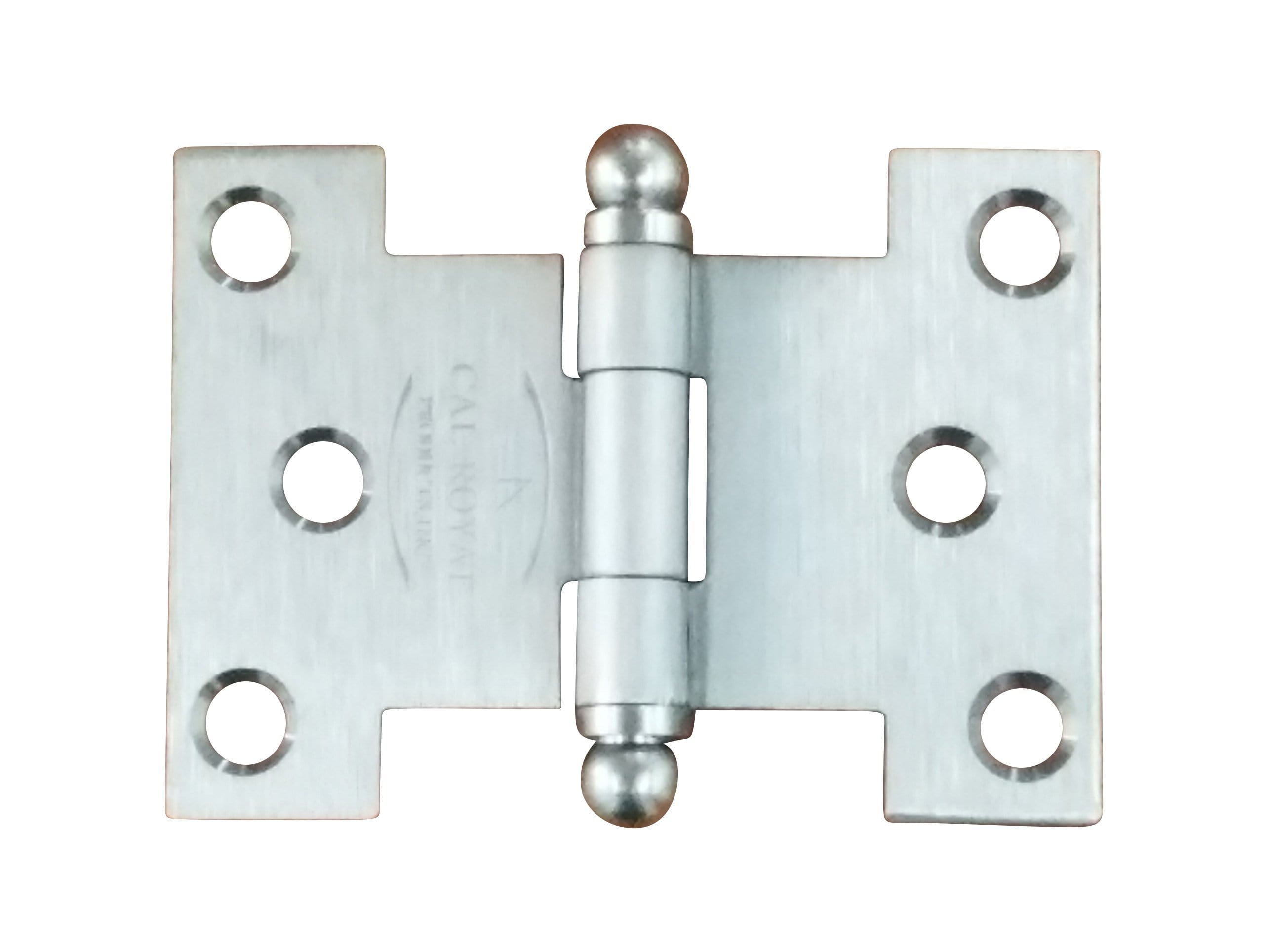
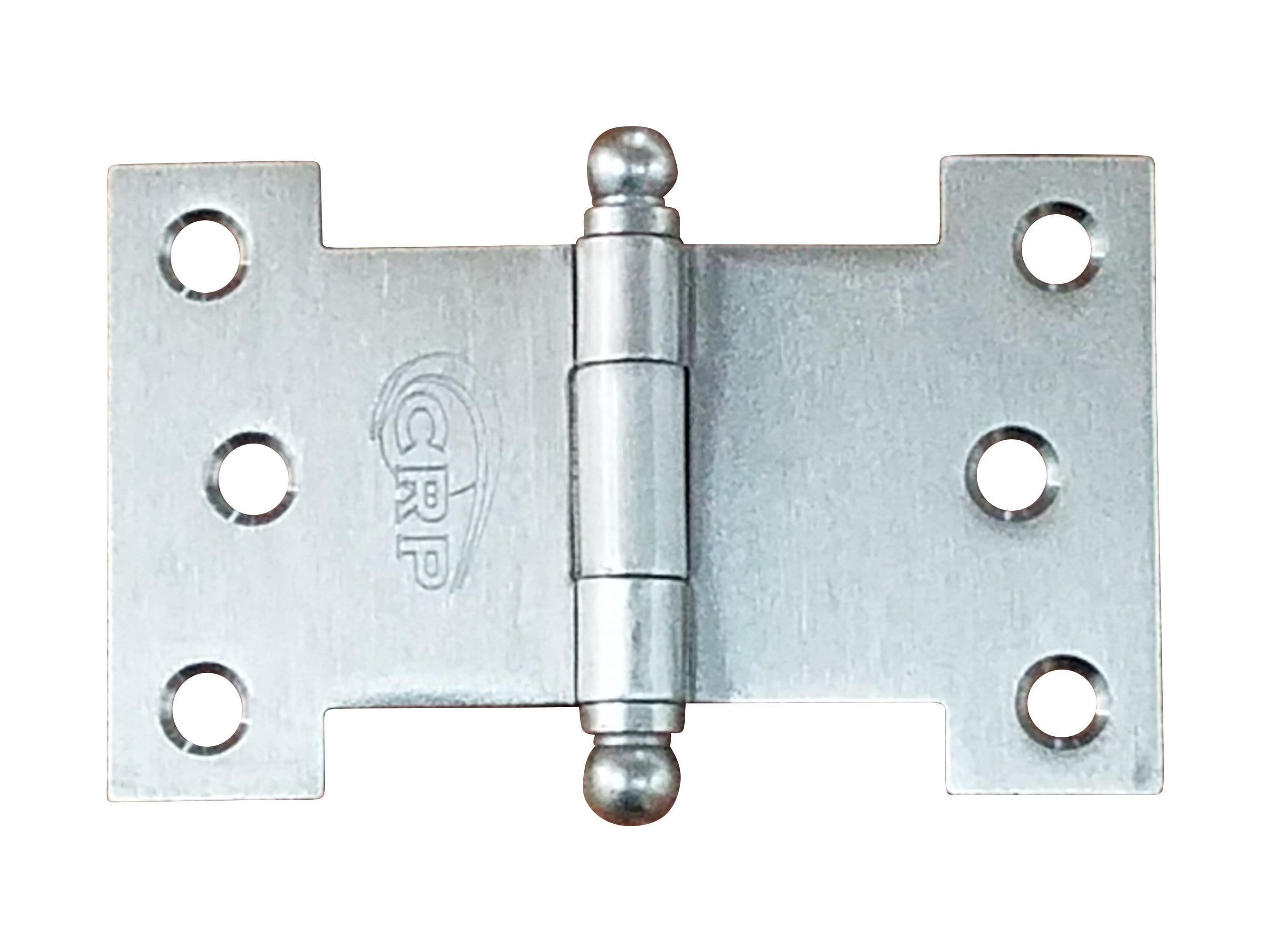
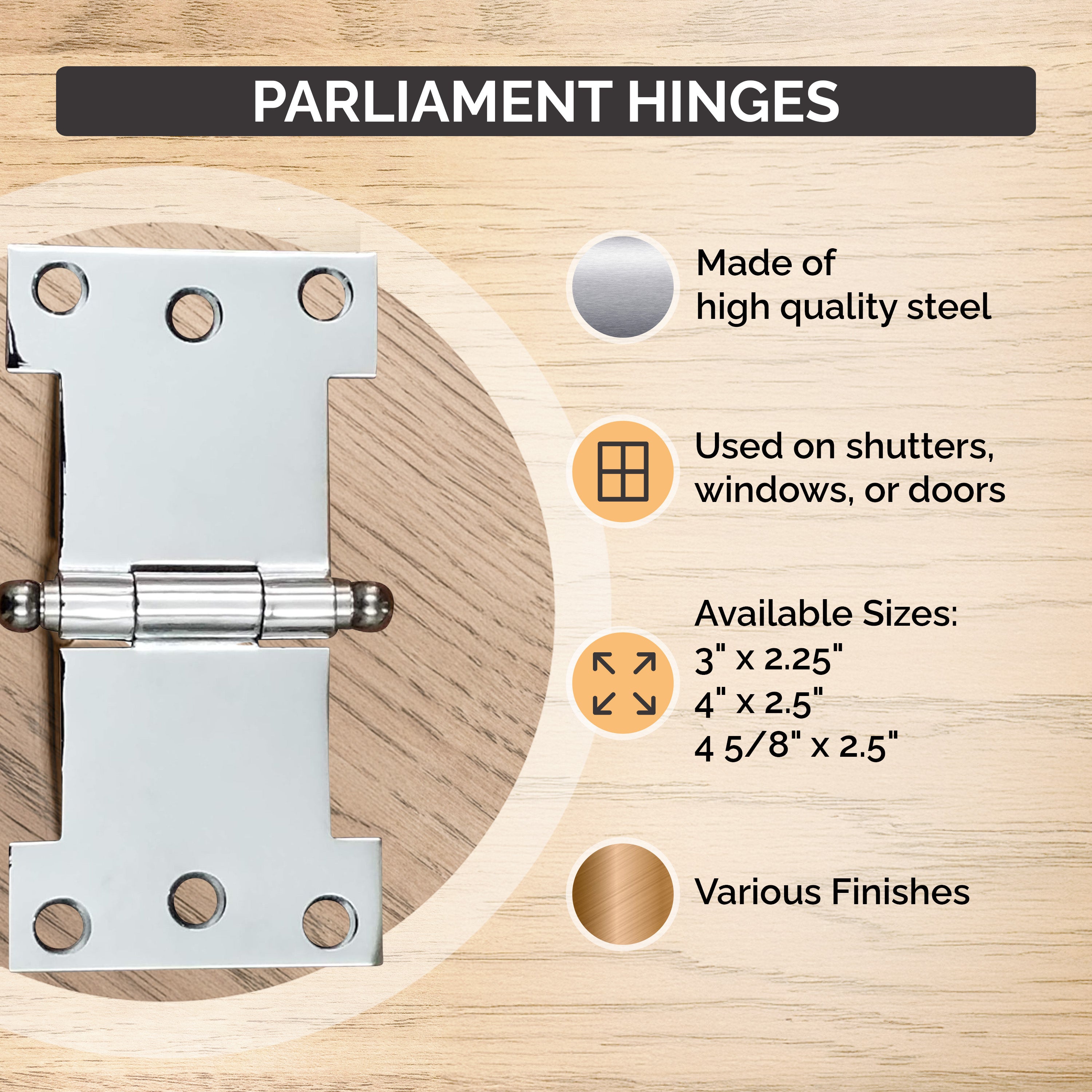
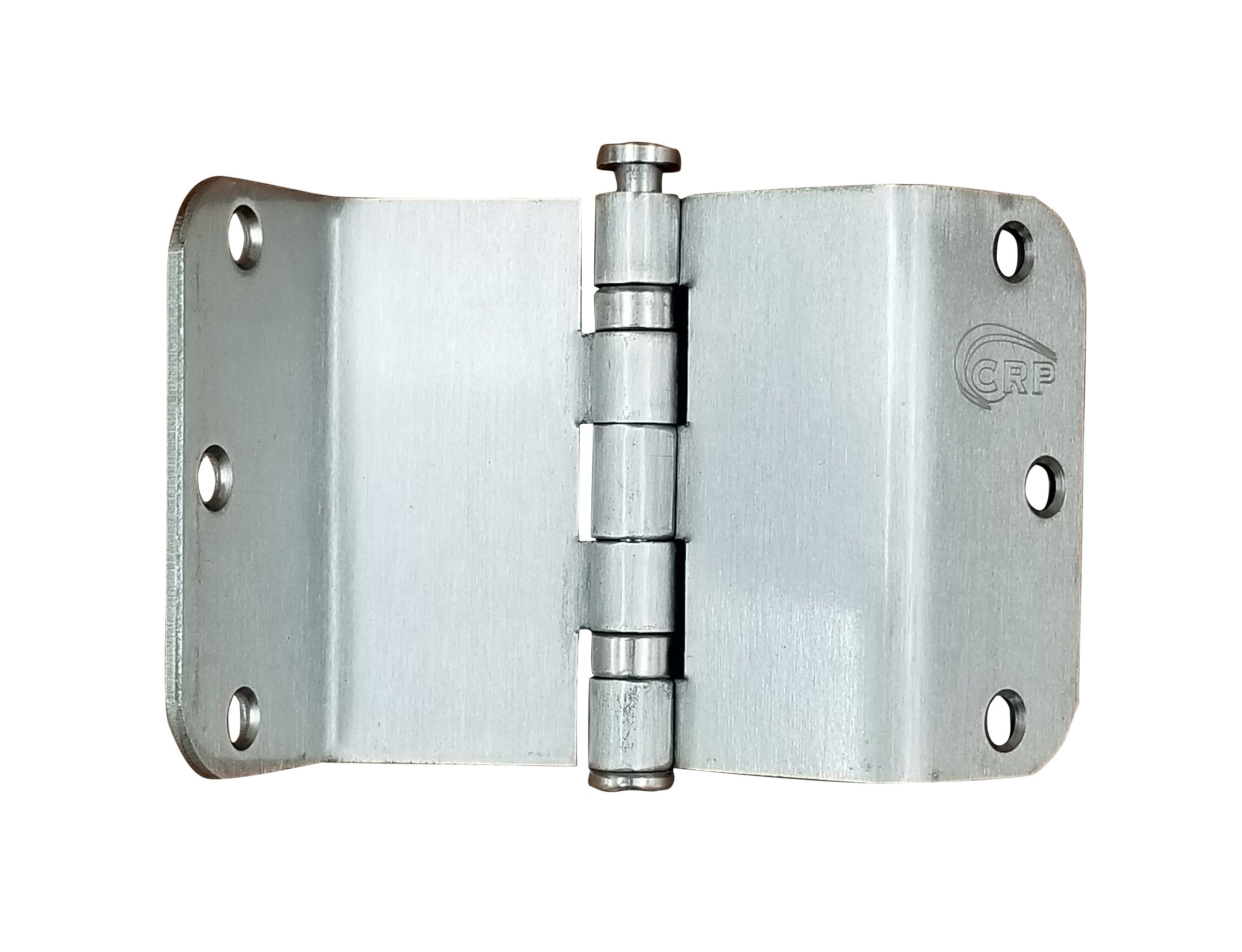
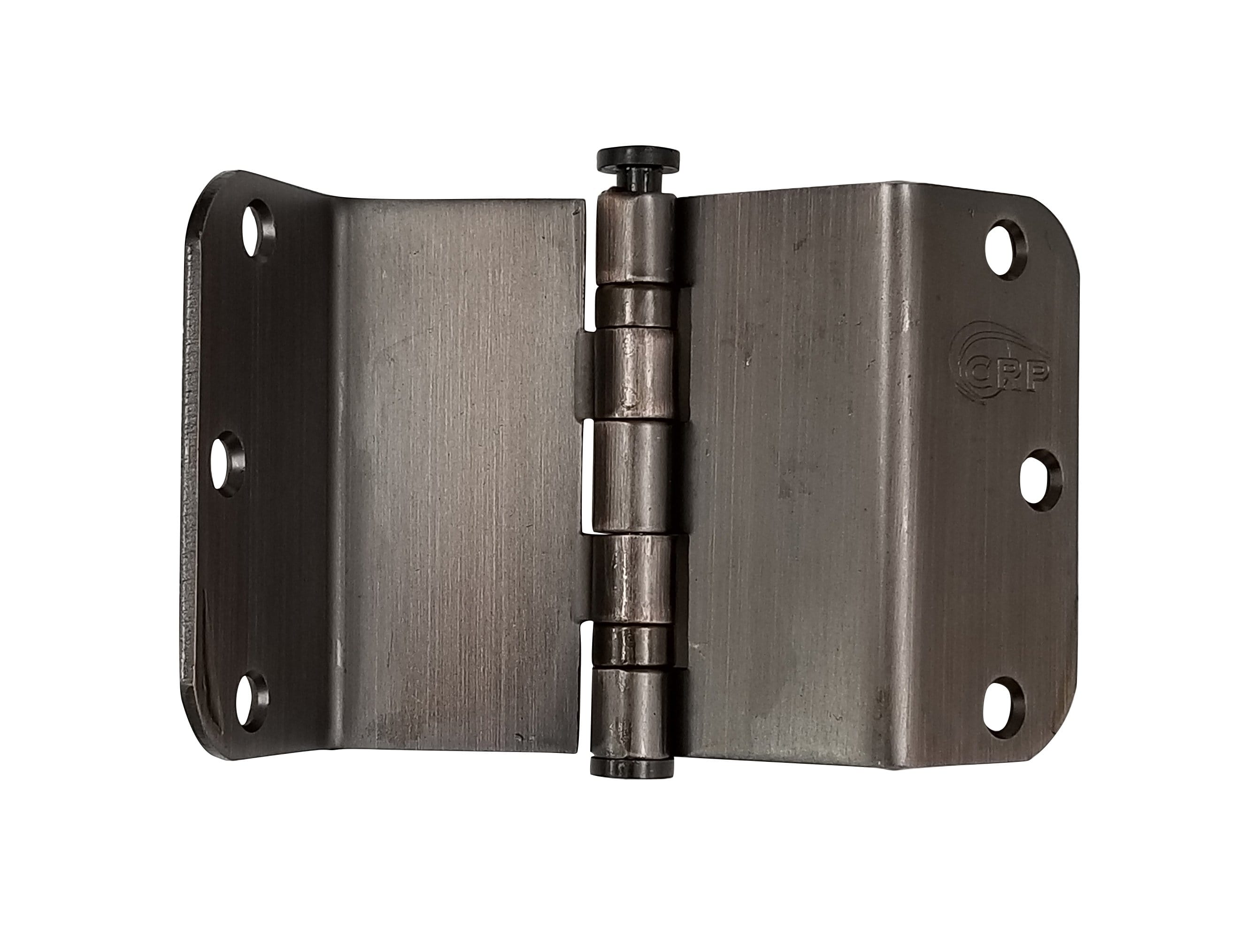
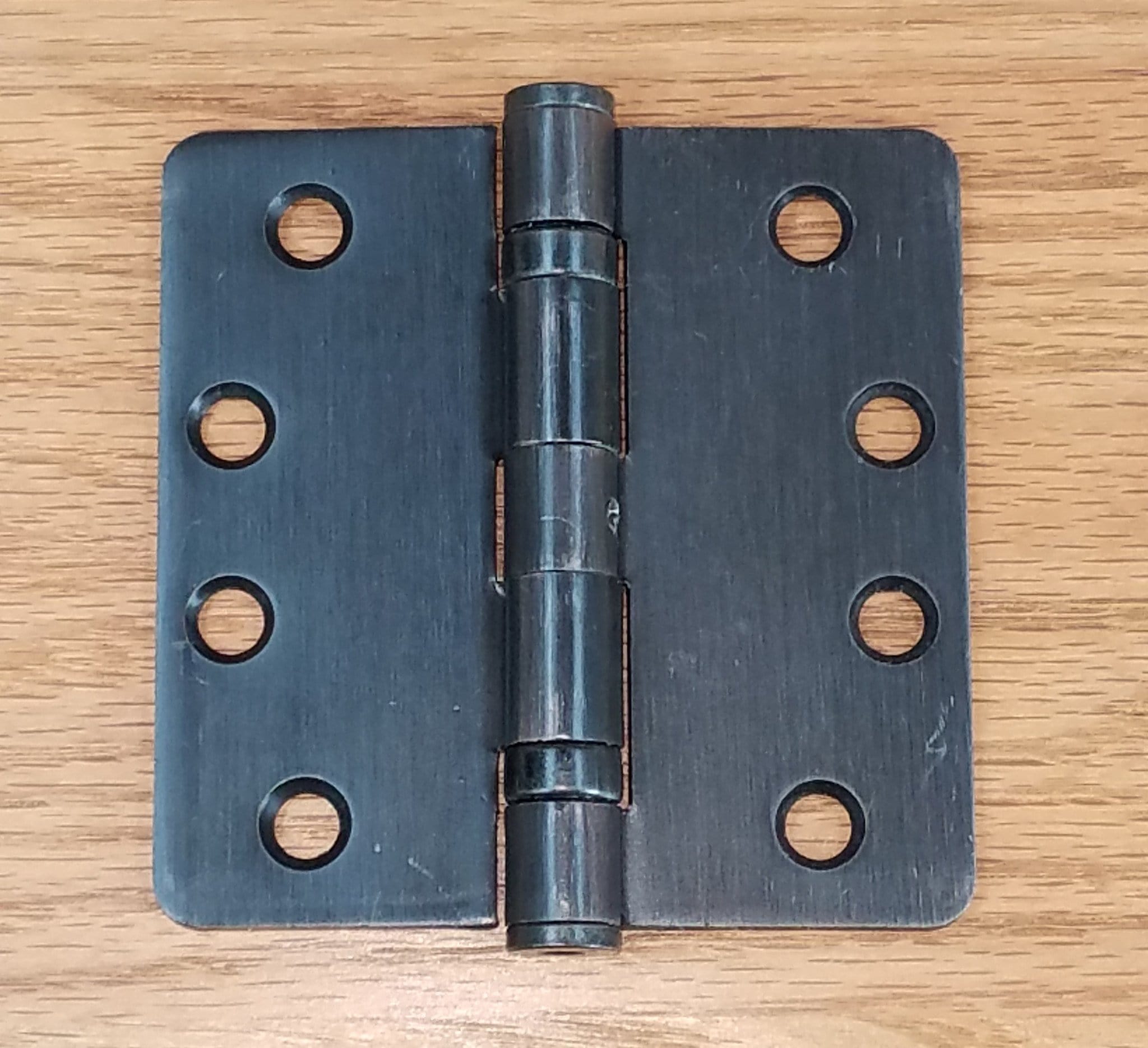


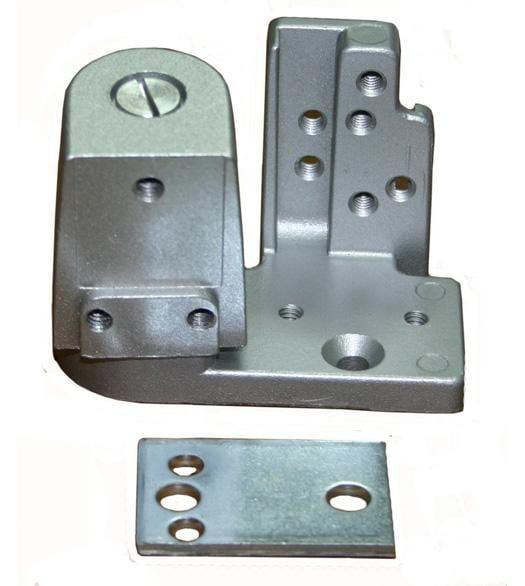
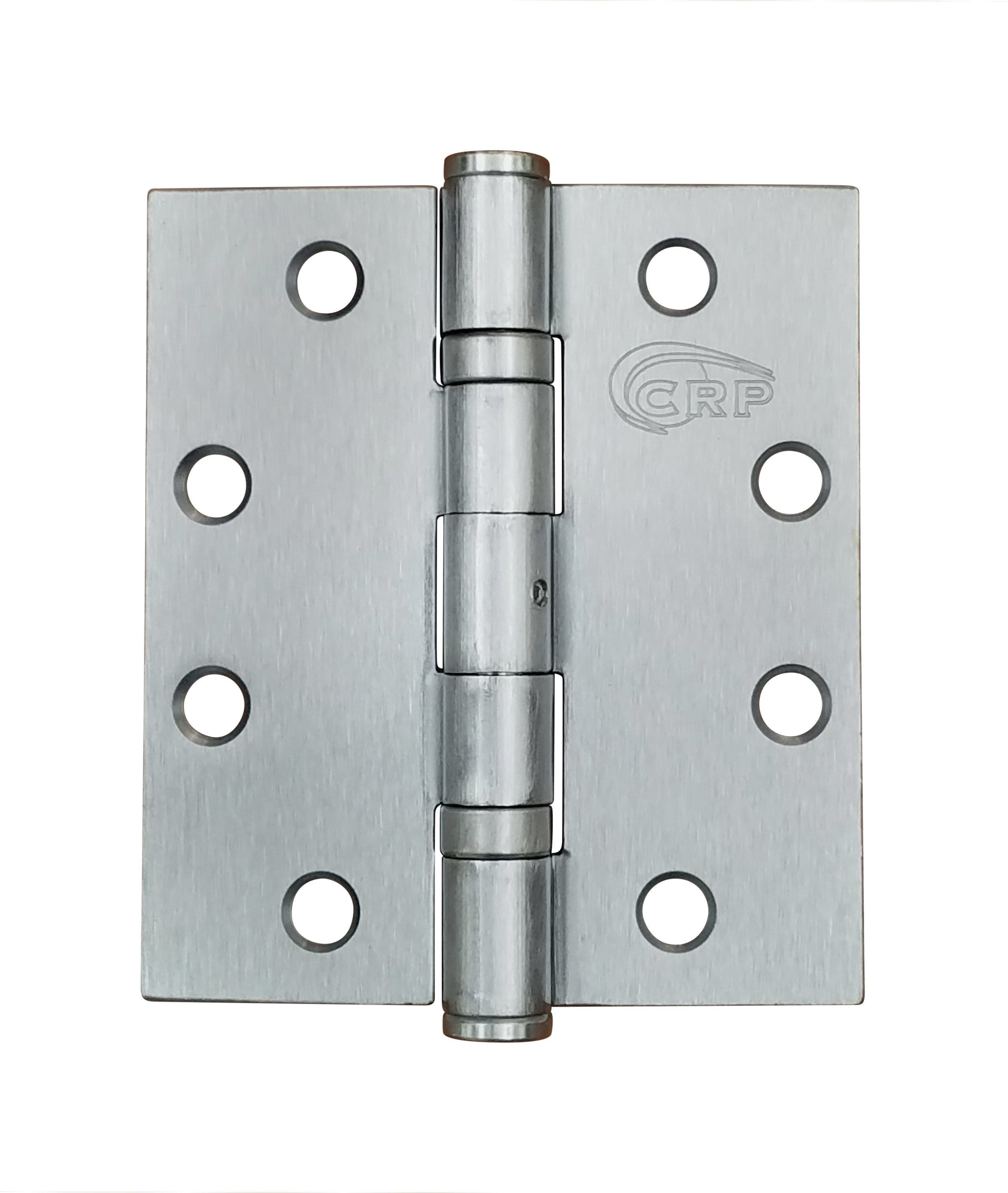
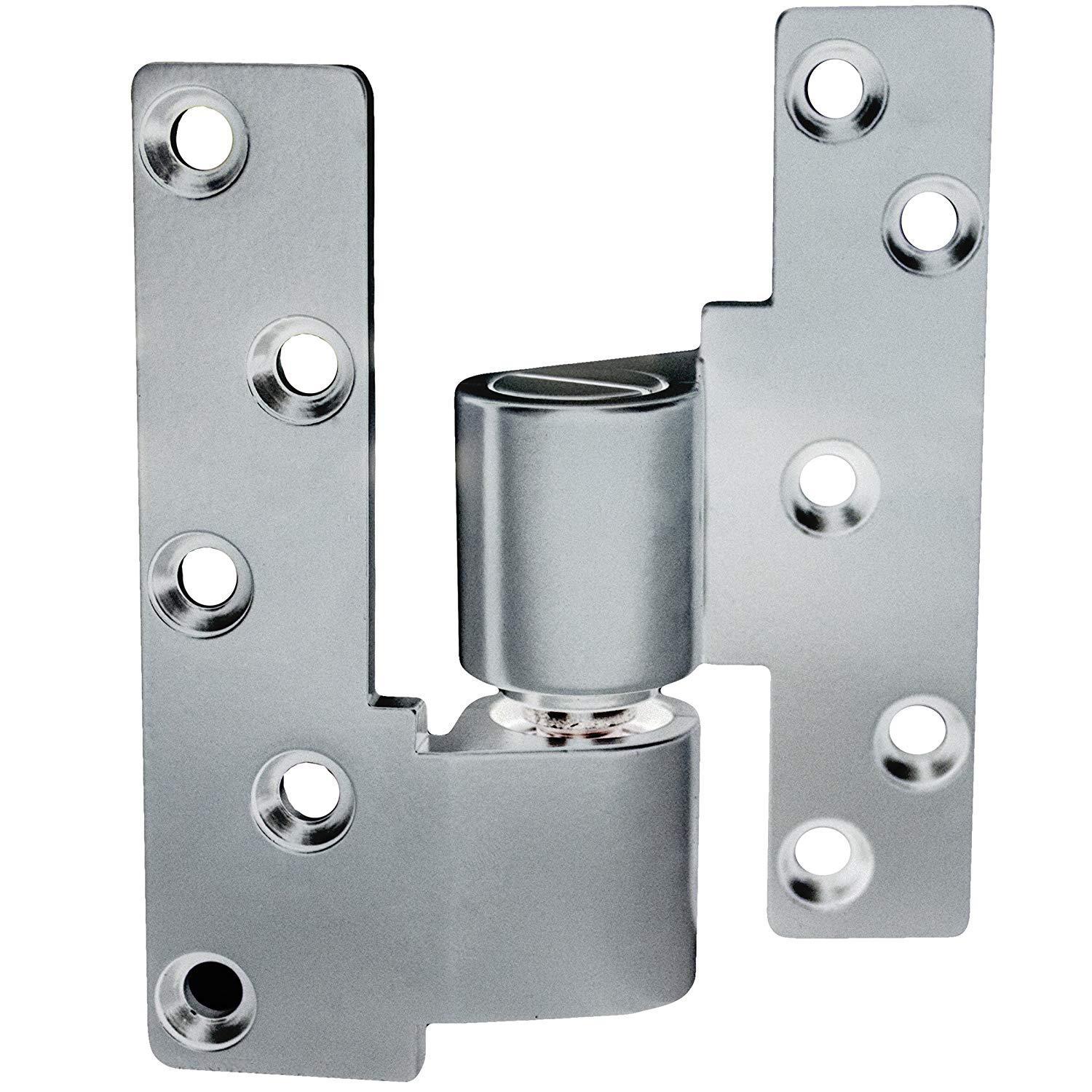
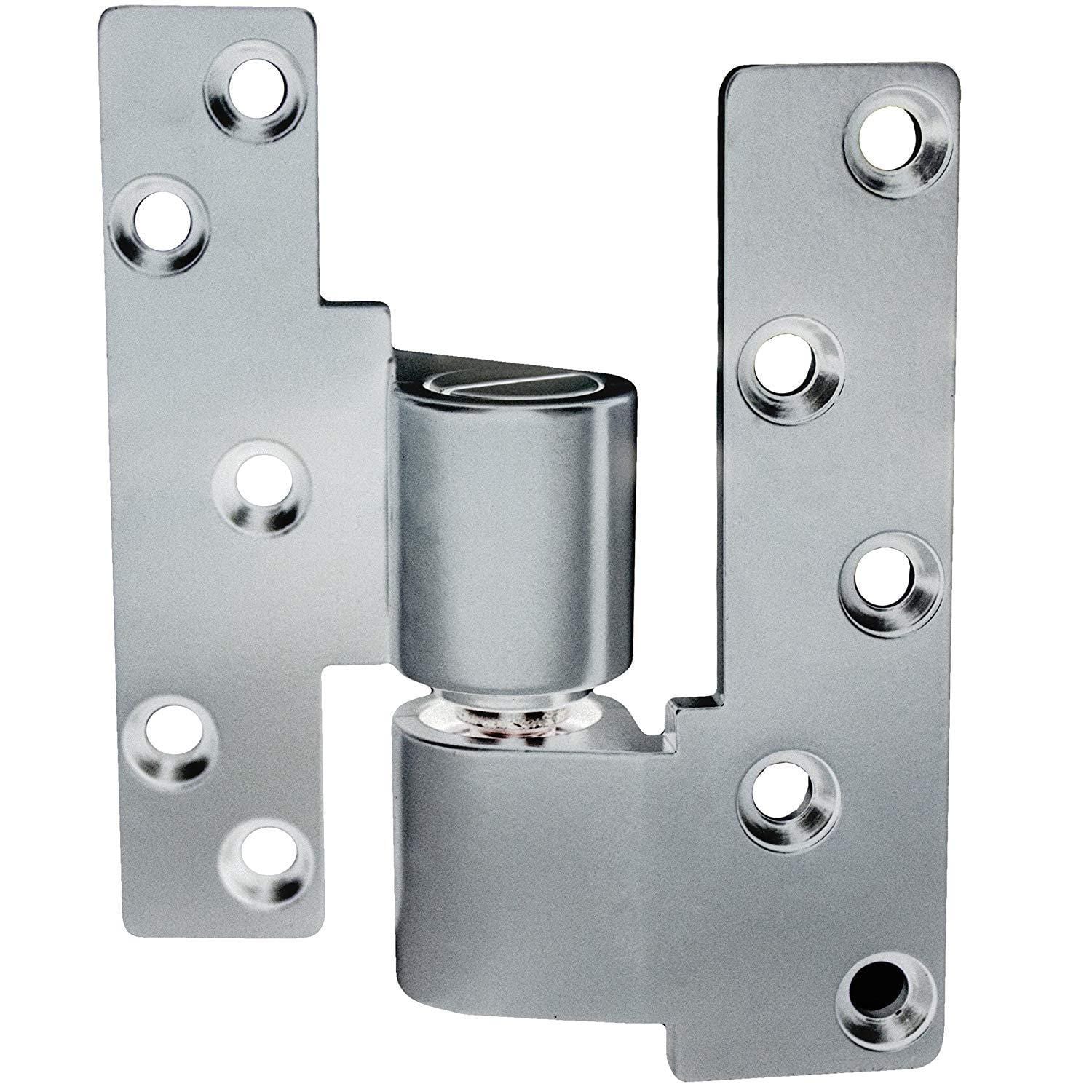
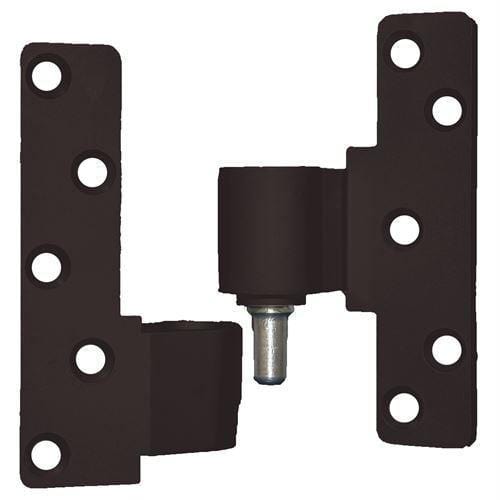
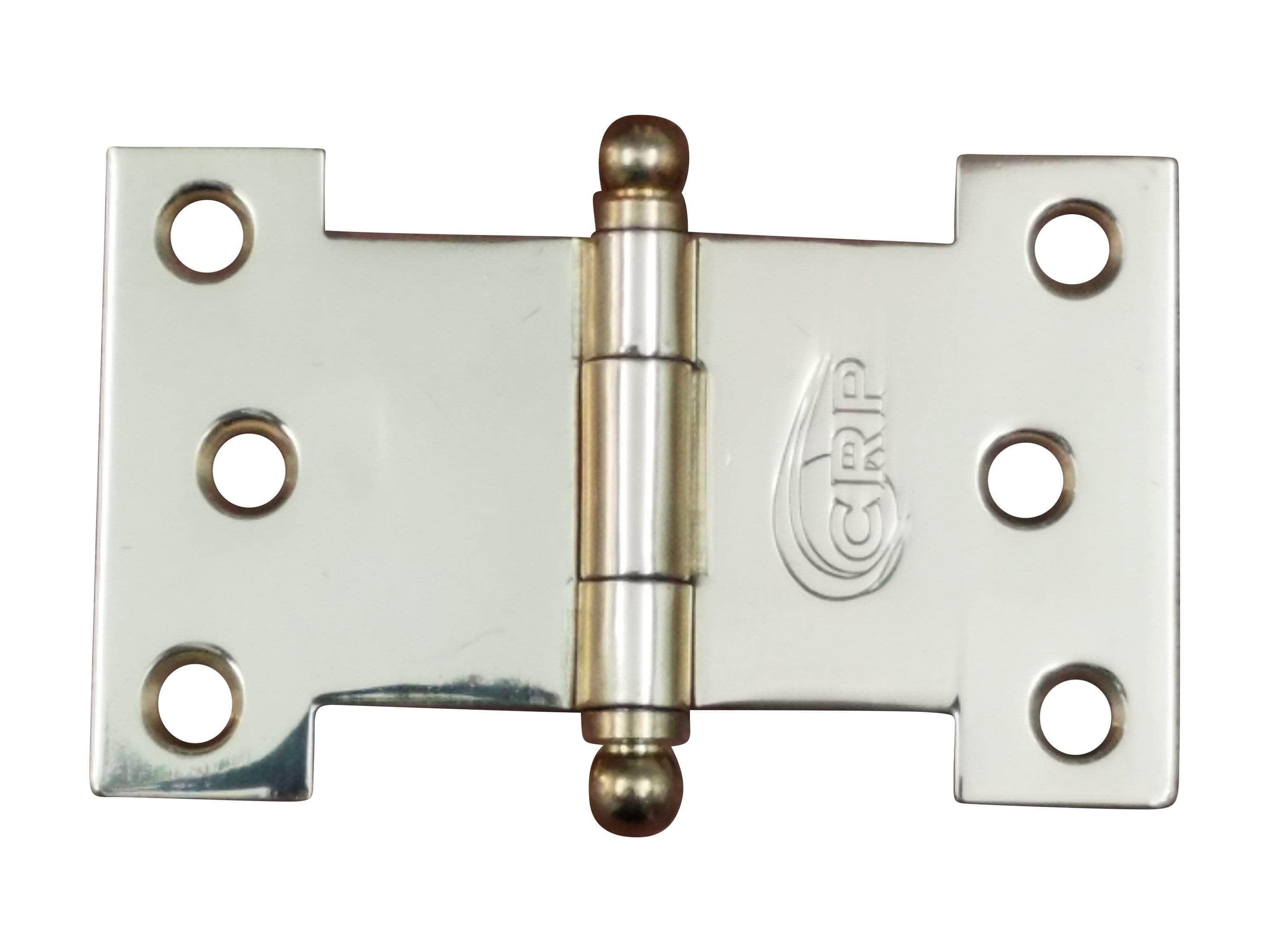
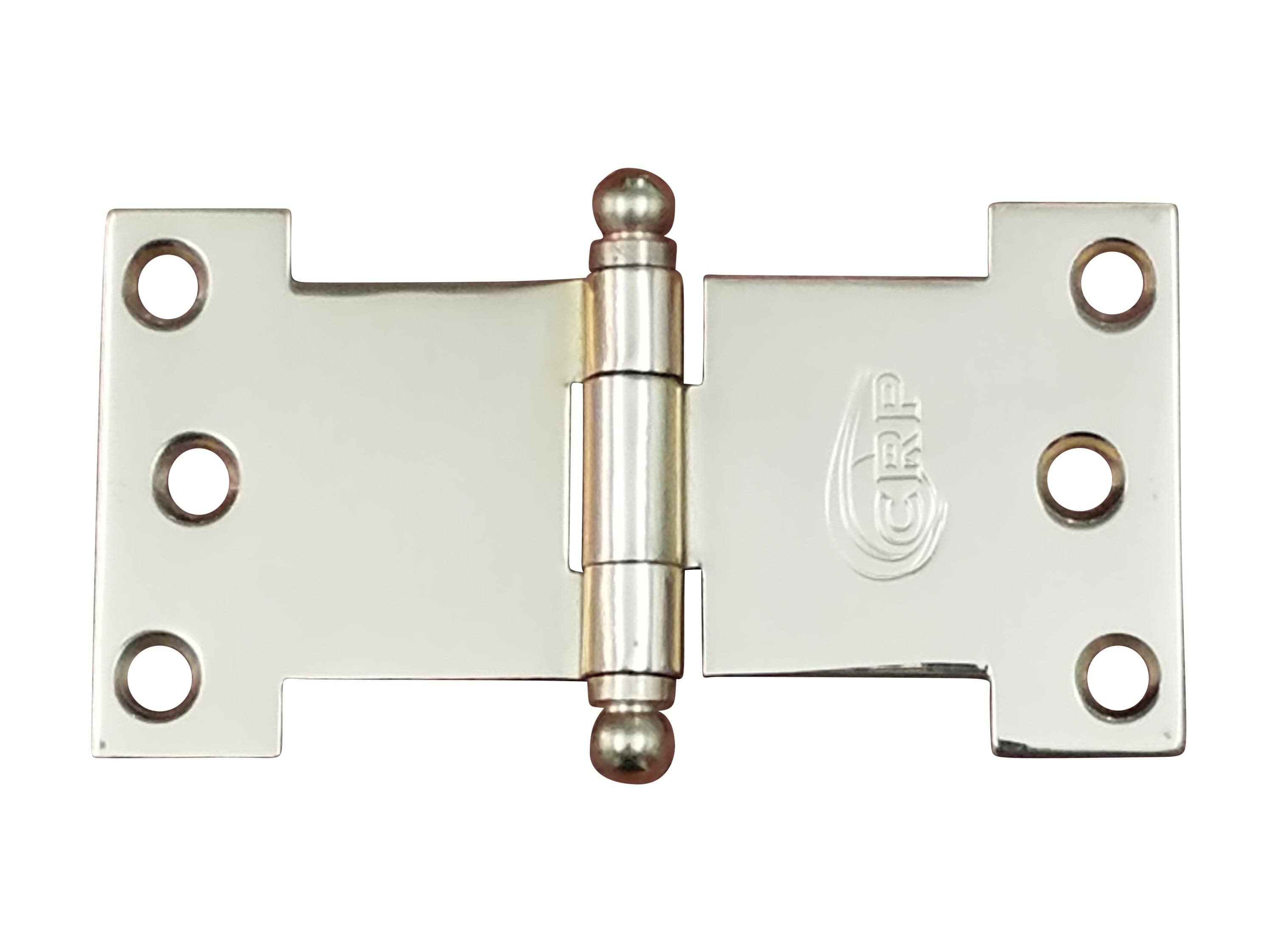
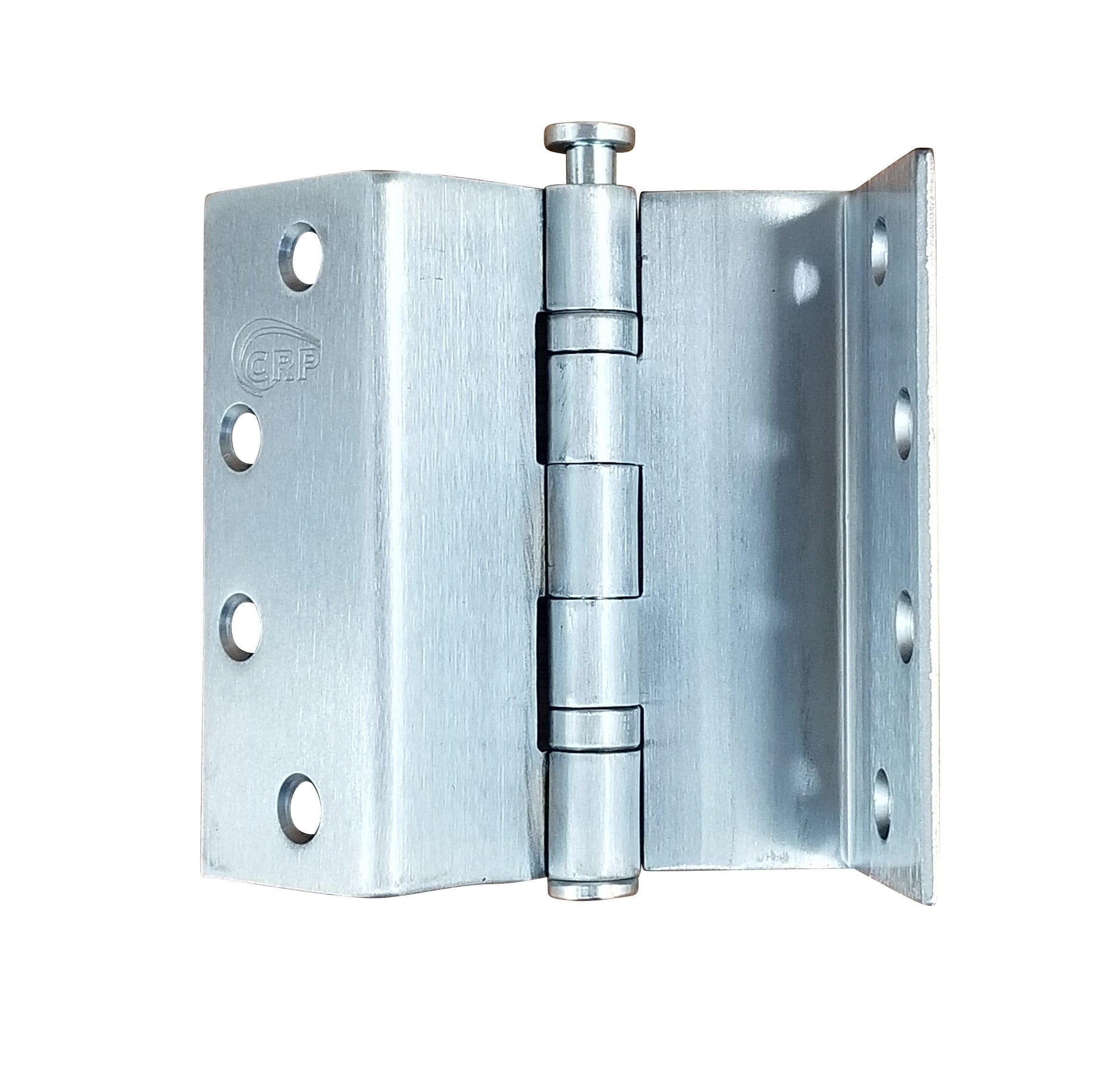
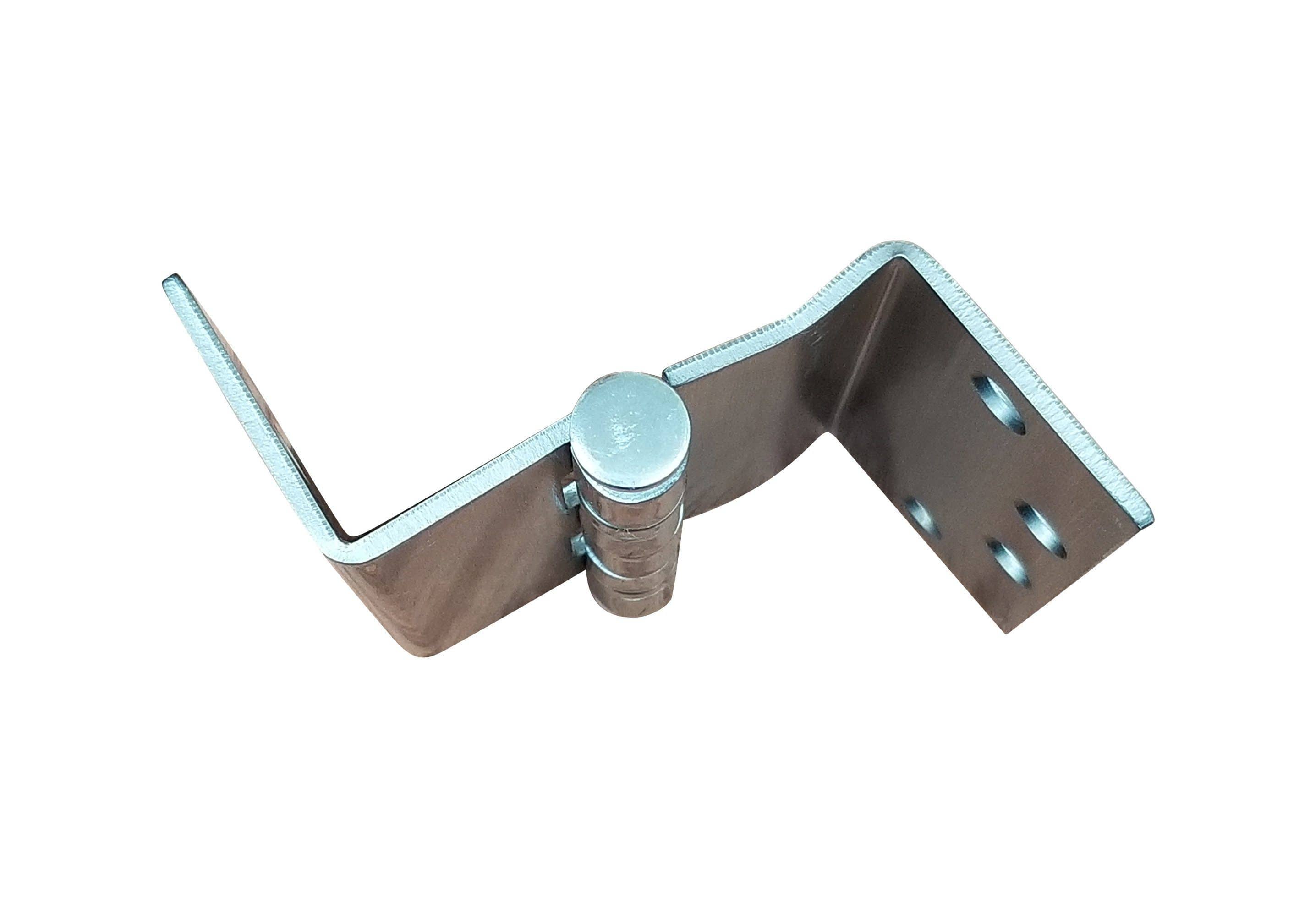
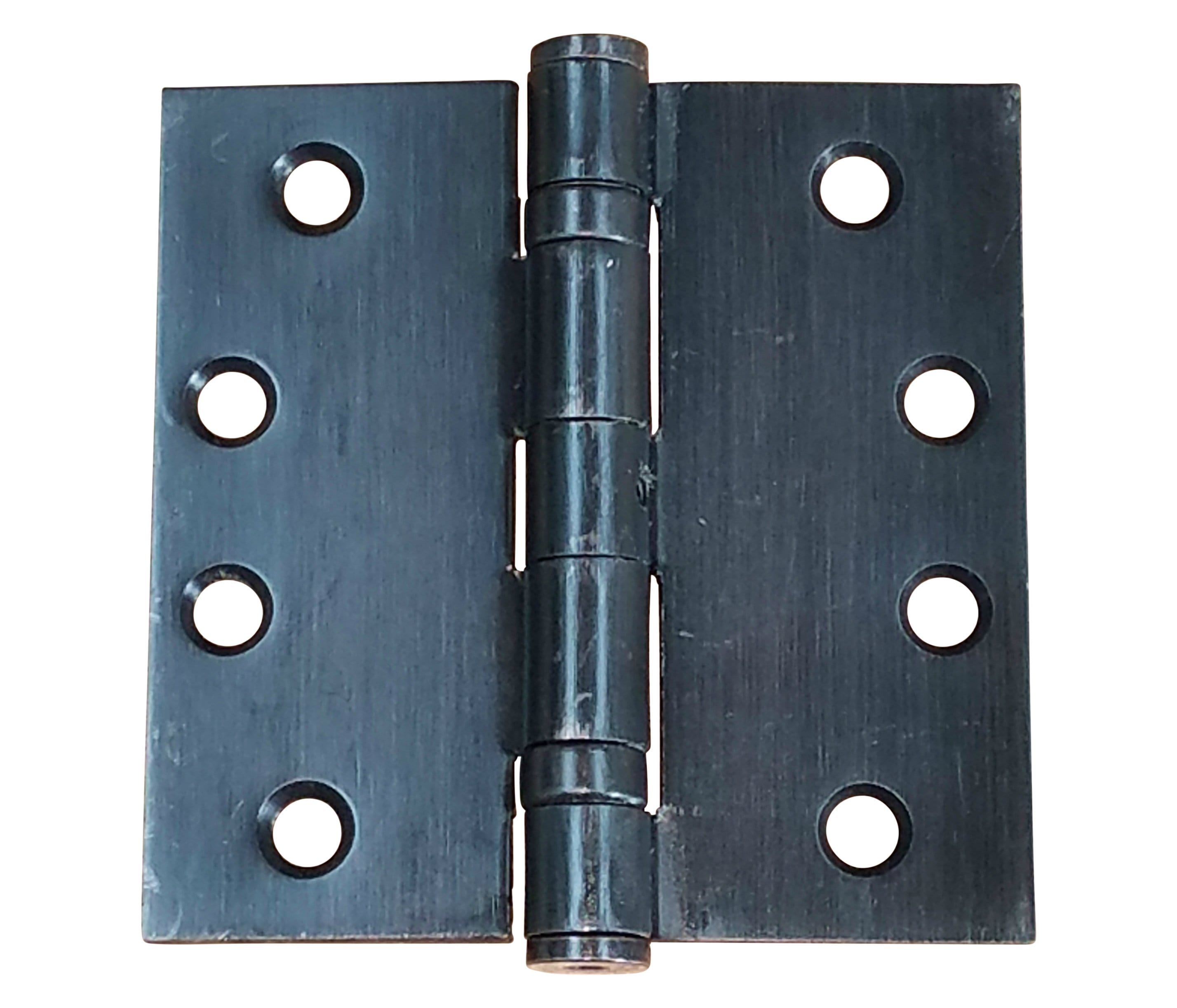
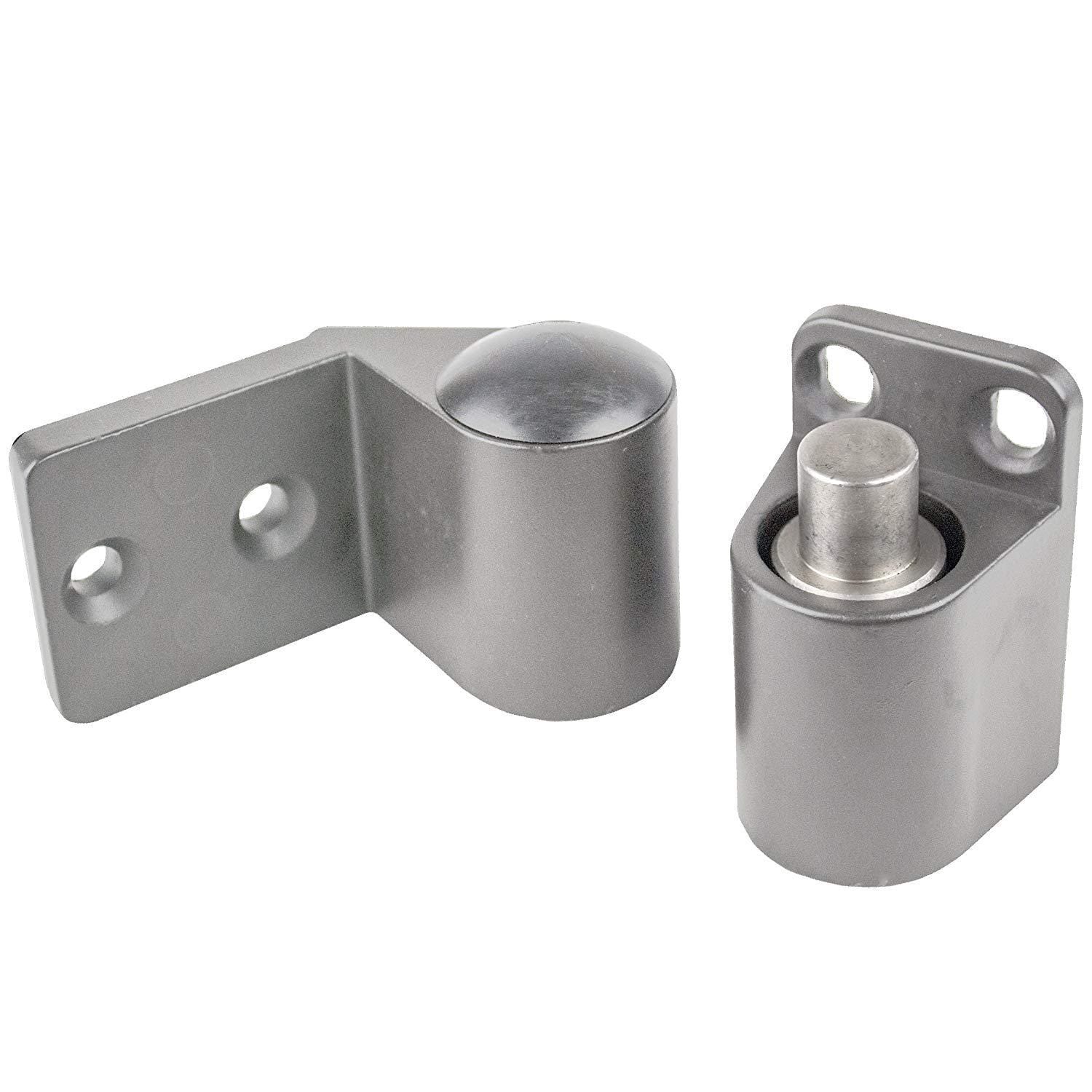
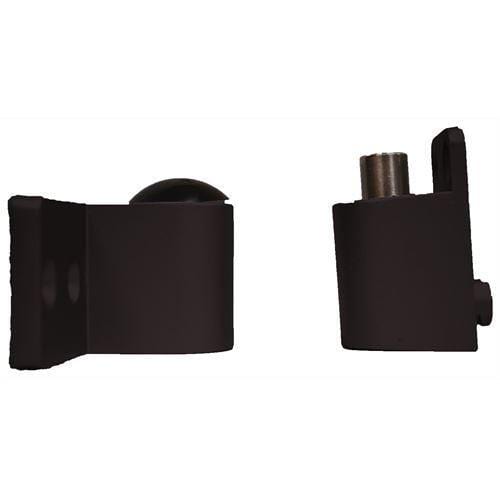
The Americans with Disabilities Act (ADA) establishes minimum standards for door hardware in all commercial, public, and multi-family residential buildings. Key requirements include a minimum 32-inch clear door width on accessible routes, door hardware operable with one hand and no tight grasping, and maximum operating force thresholds. HingeOutlet's ADA and accessibility hardware collection provides the products most commonly used to bring doors into compliance — starting with swing clear hinges, the single most cost-effective retrofit for increasing clear door width without modifying the frame.
Shop by Category
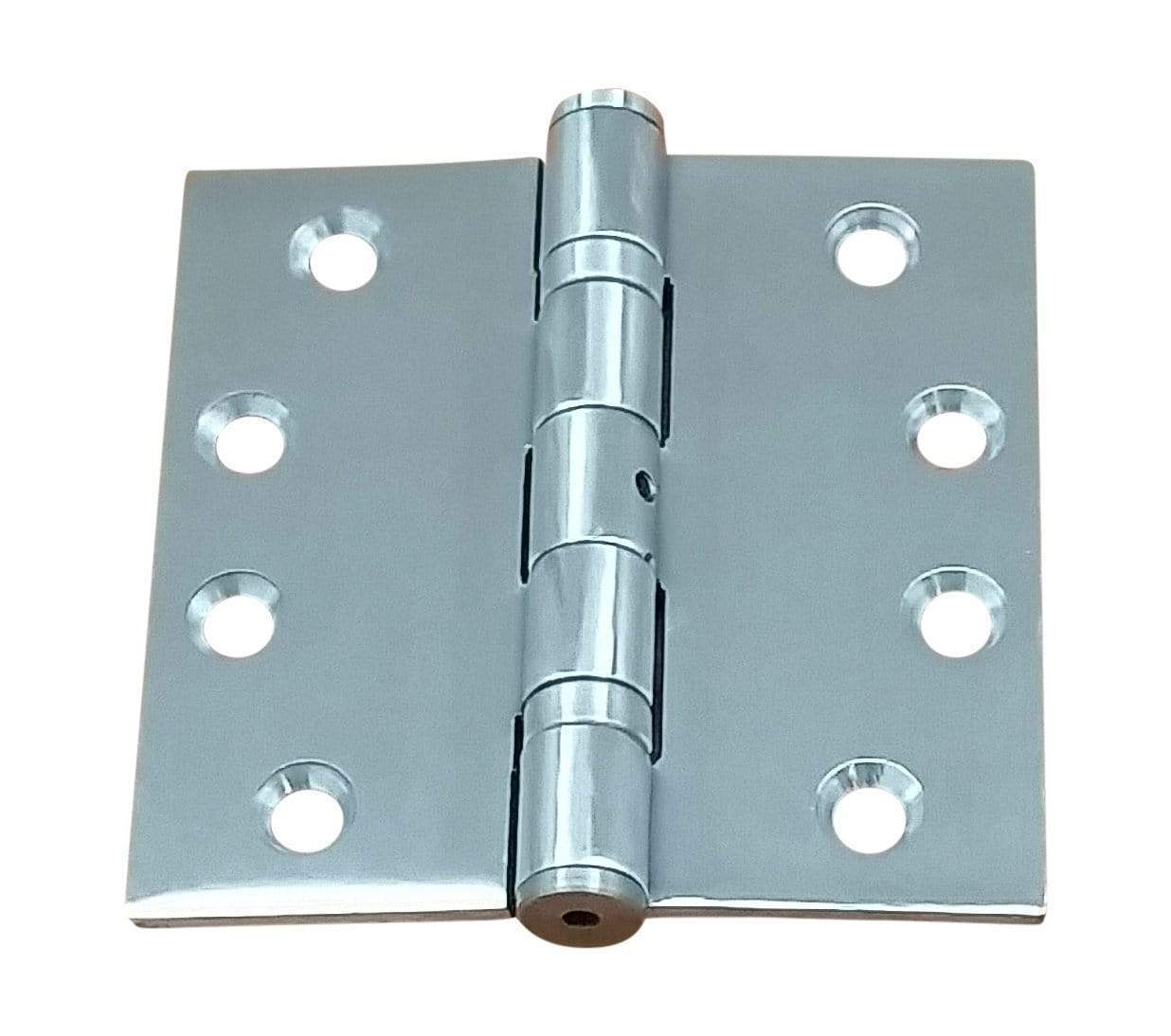
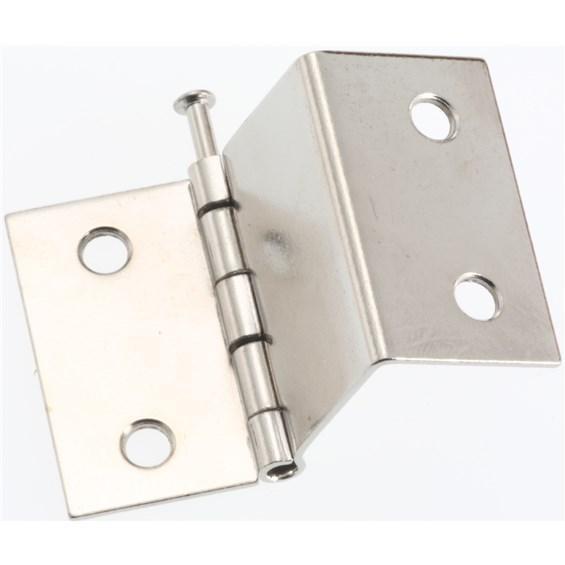
- Swing Clear Hinges — Adds up to 2" of clear opening width — primary ADA compliance retrofit hinge
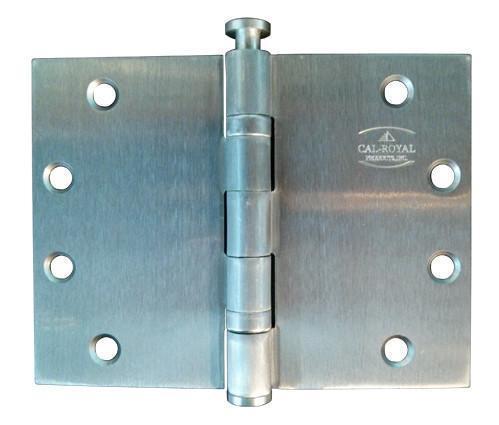
- Wide Throw Hinges — Allows full 180-degree opening where wall clearance exists
- Offset Door Hinges — Offsets the pivot point to increase clear opening width
- Commercial Ball Bearing Hinges — Smooth low-force operation required by ADA for accessible doors
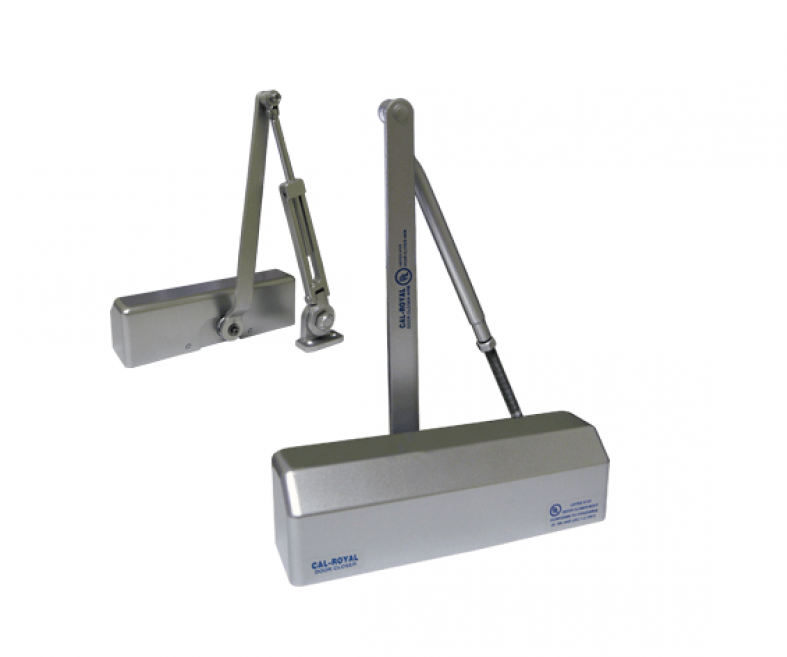
- Door Closers — ADA-compliant closers with adjustable closing speed and force
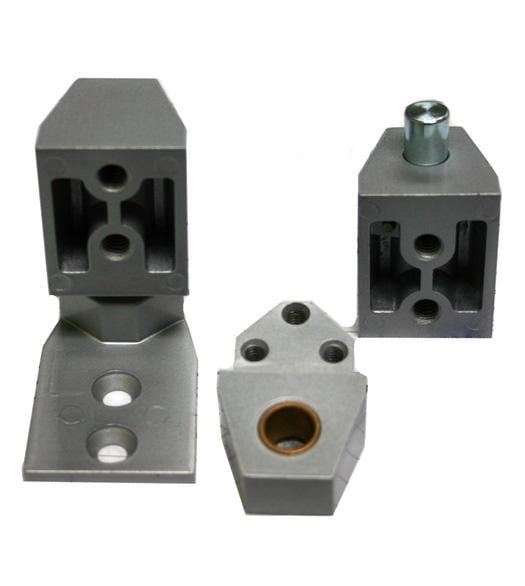
- Pivot Hinges — Top and bottom pivot for wide accessible entry doors
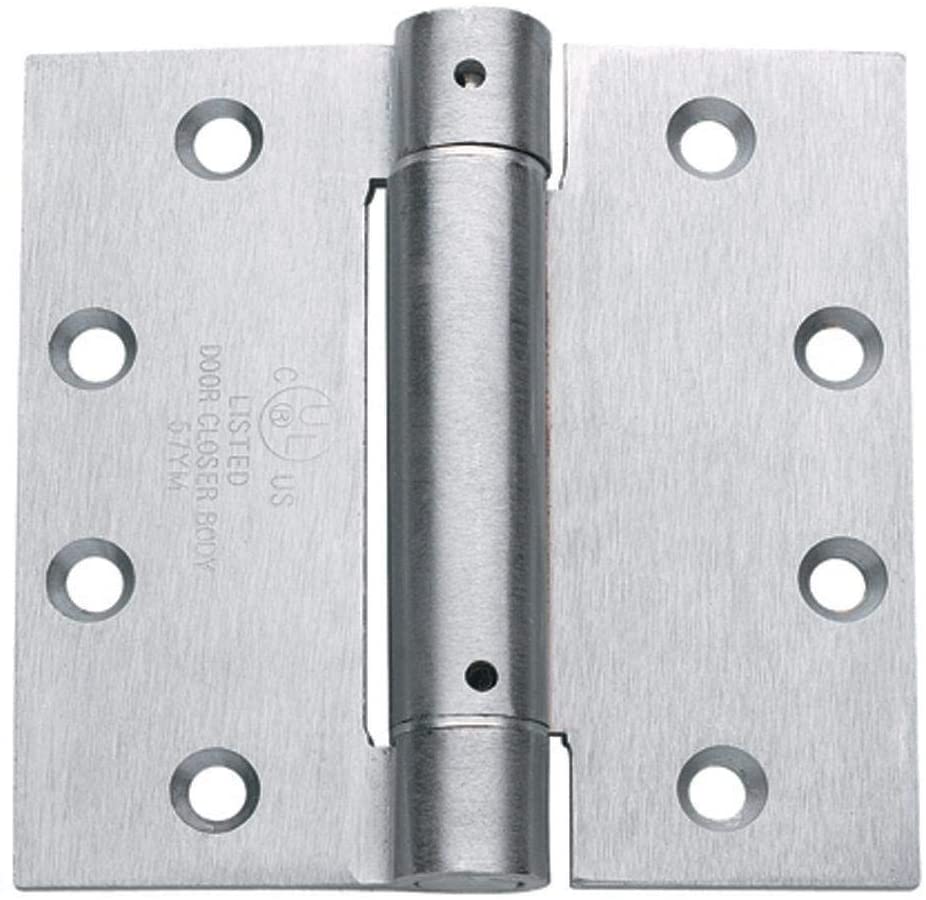
- Spring Hinges (Commercial) — Self-closing with adjustable tension to meet ADA force requirements
Buying Guide
- Clear Width Requirement: ADA requires a minimum 32" clear width when the door is open 90 degrees, measured from face of door to the stop.
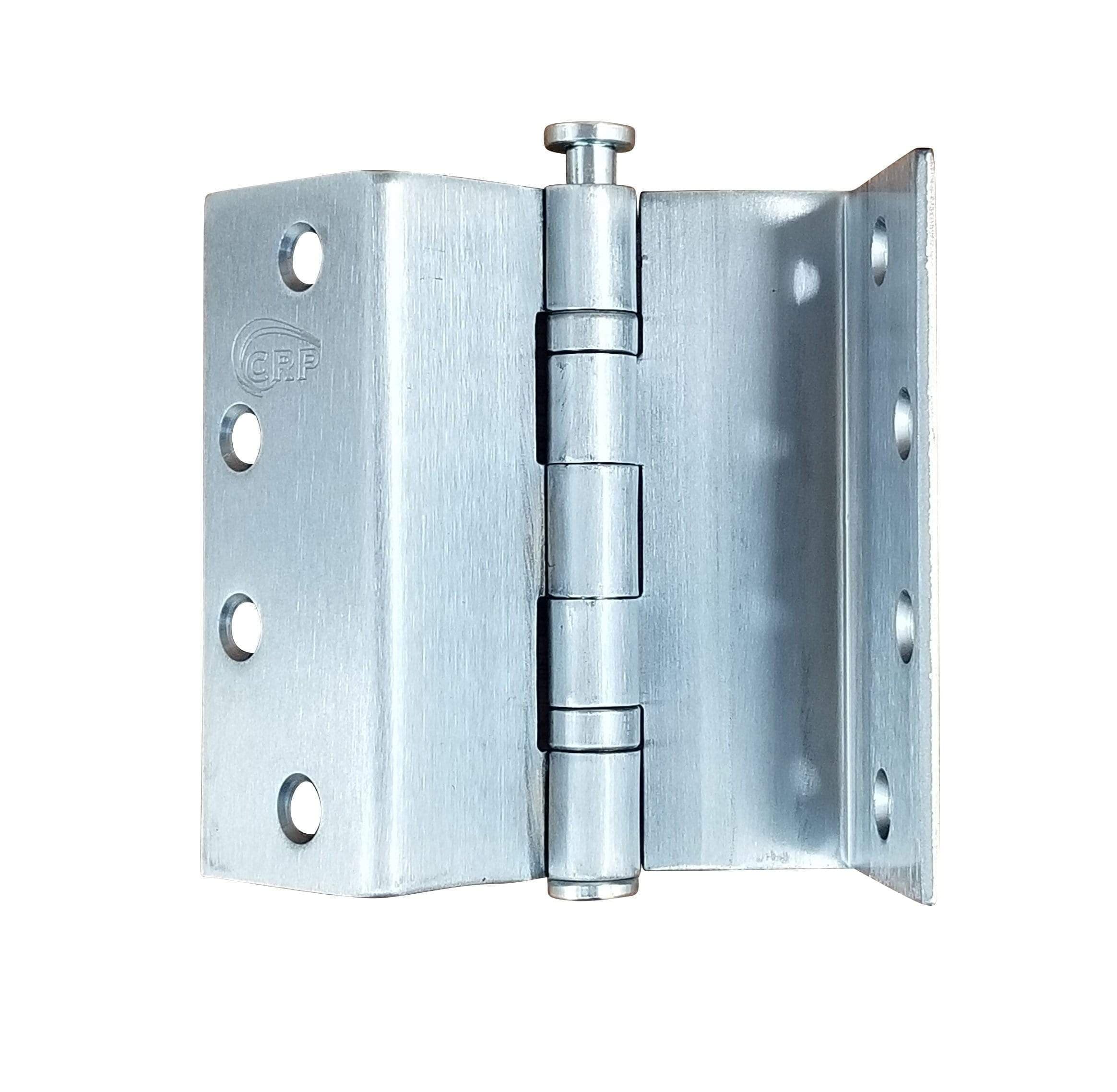
- What Swing Clear Hinges Do: A standard hinge positions the door partially in the opening when open. A swing clear (offset) hinge moves the pivot point so the door swings completely clear of the opening, gaining up to 2 inches of additional clear width.
- Operating Force: ADA limits door operating force to 5 lbs for interior doors and 8.5 lbs for exterior doors.
- Hardware Shape: ADA requires door hardware operable with one hand without tight grasping, pinching, or twisting.
- When to Call a Professional: If swing clear hinges alone will not bring a door into compliance, the frame must be modified or the door replaced.
Further Reading Links
FAQs
The ADA requires a minimum 32 inches of clear width for accessible doors, measured from the face of the door to the stop when the door is open 90 degrees. For primary accessible routes, 36 inches clear is recommended. Swing clear hinges are the most common retrofit solution for doors that fall short of this requirement.
Standard hinges position the open door partially inside the doorway, reducing usable clear width. Swing clear hinges offset the pivot point so the door swings entirely clear of the opening when open, providing the full door opening width as usable clear passage — often adding 1.5 to 2 inches of clearance without modifying the frame.
All doors on required accessible routes in commercial and public buildings must meet ADA standards. This includes primary entries, accessible restrooms, and any path of travel to areas open to the public. Consult the ADA Standards for Accessible Design (Section 404) for the complete list.
Why Contractors Choose Hinge Outlet
We serve contractors, property managers, and facility teams — not just weekend DIYers.


Built to Code
Gate hardware for pools, schools, and commercial facilities must meet strict safety and compliance standards.
We supply hardware compliant with:


