


Pivot Door Hinges
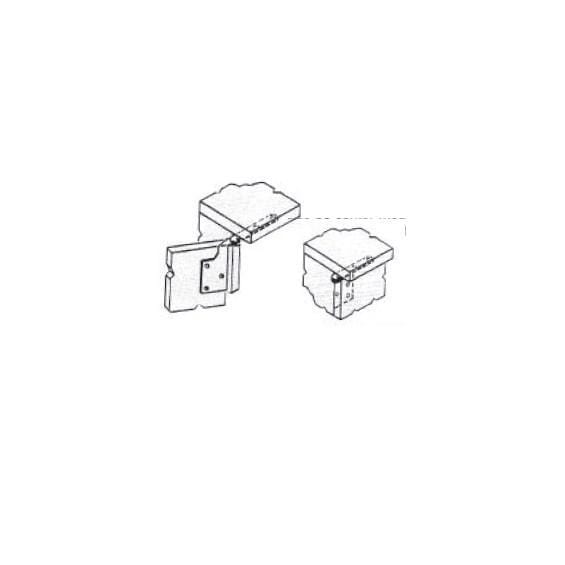
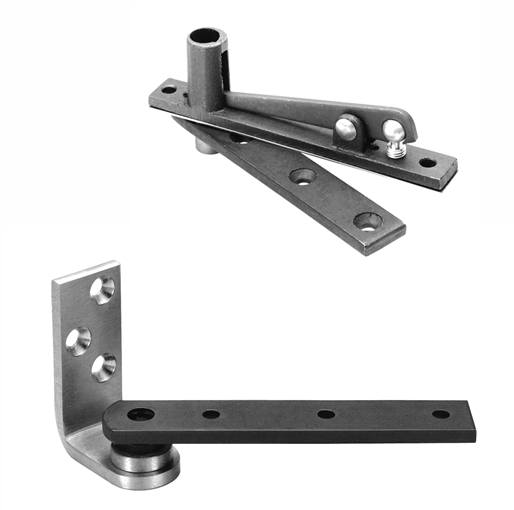
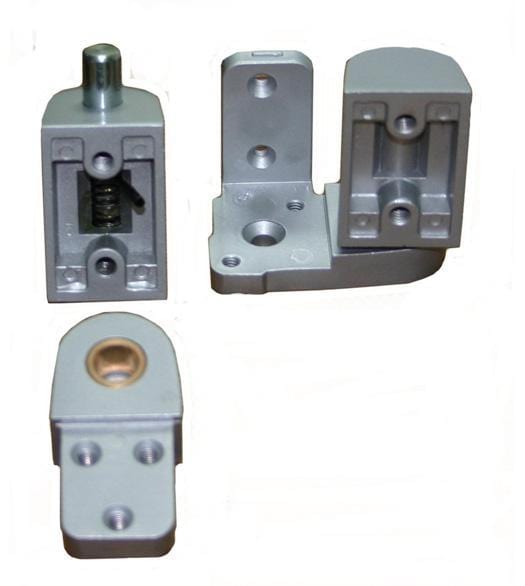
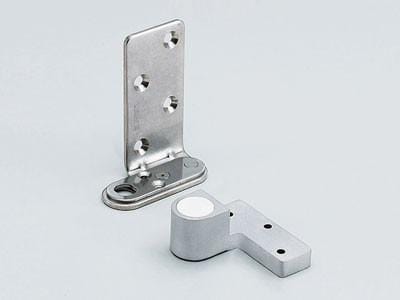
Pivot door hinges work on a vertical axis, with pivot points at the top and bottom of the door instead of side-mounted hinges. This design transfers most of the door’s weight to the floor, allowing support for heavier or taller doors with less frame stress than traditional butt hinges.


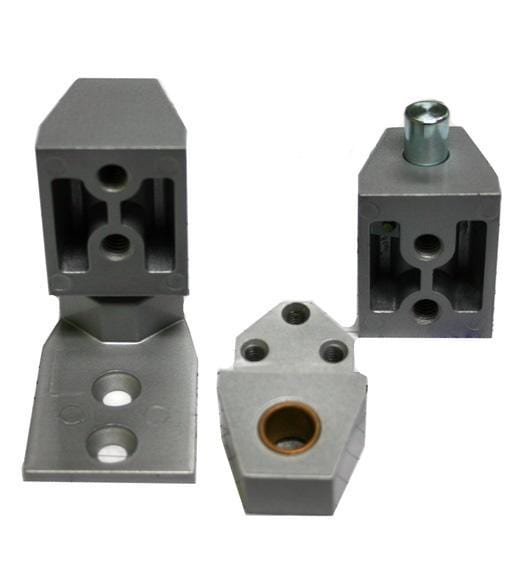
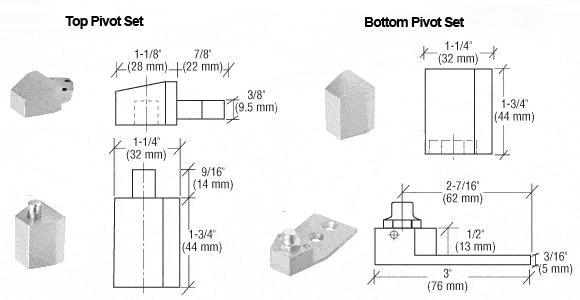
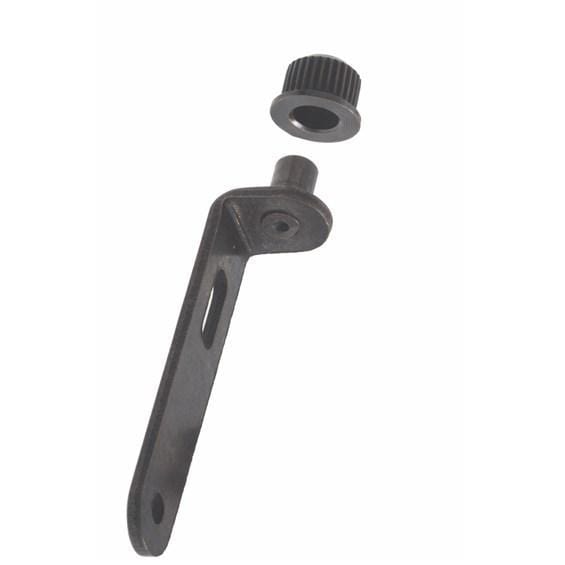
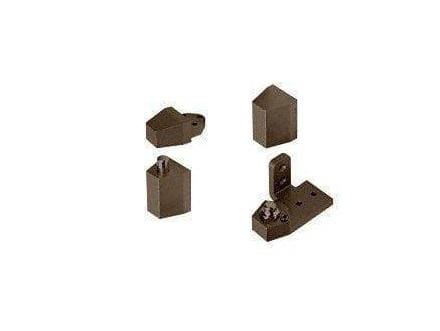
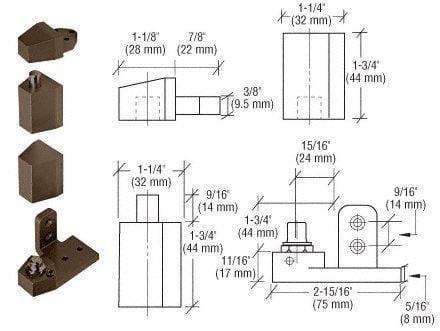
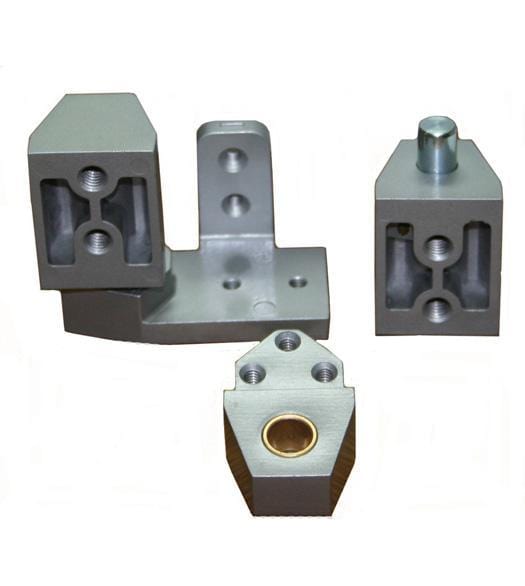
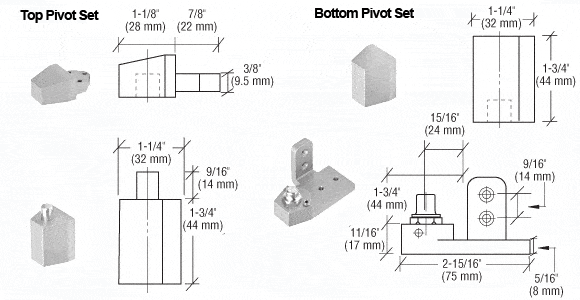
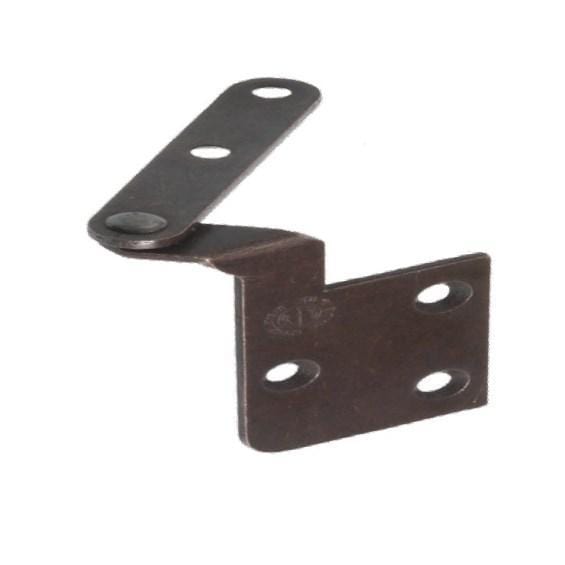
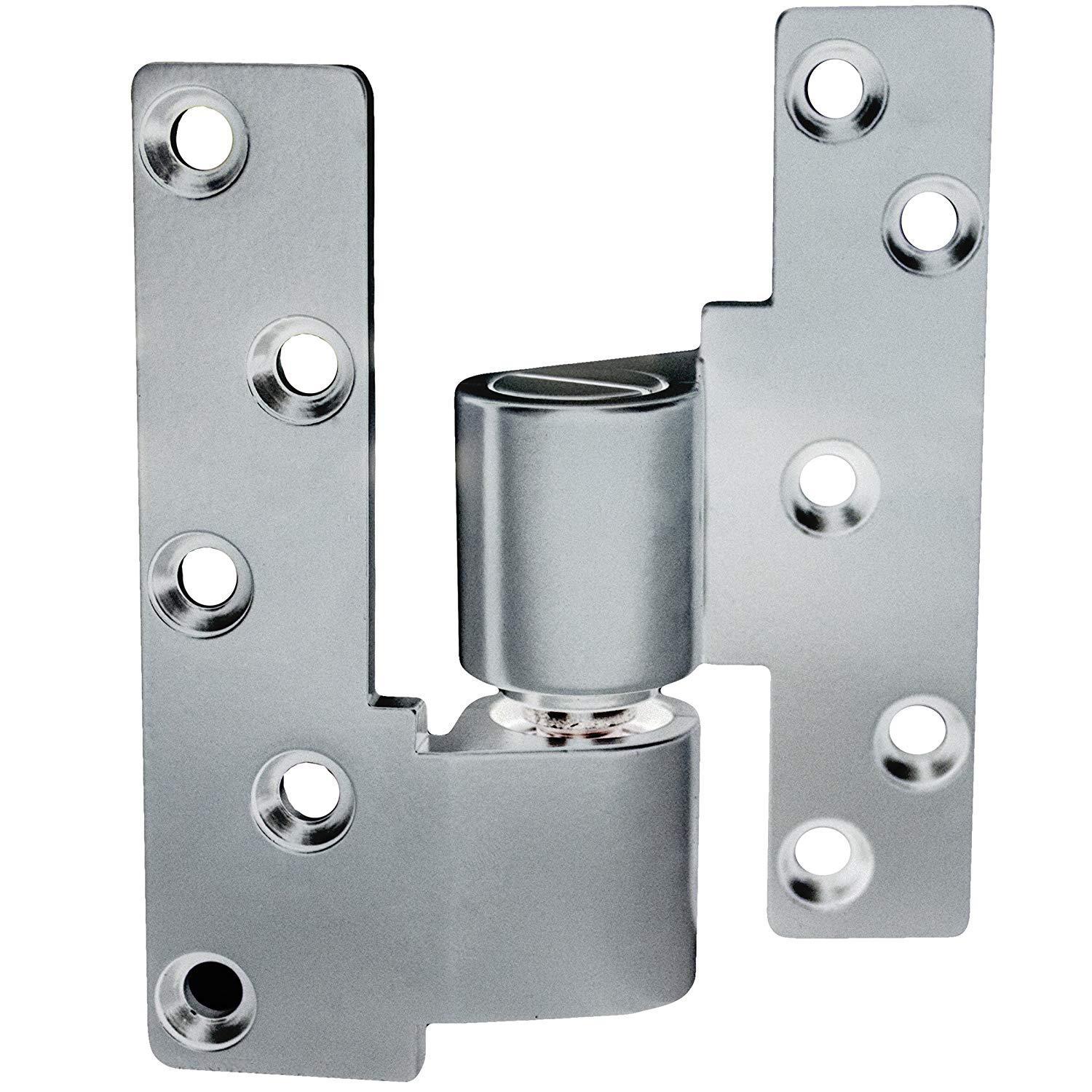
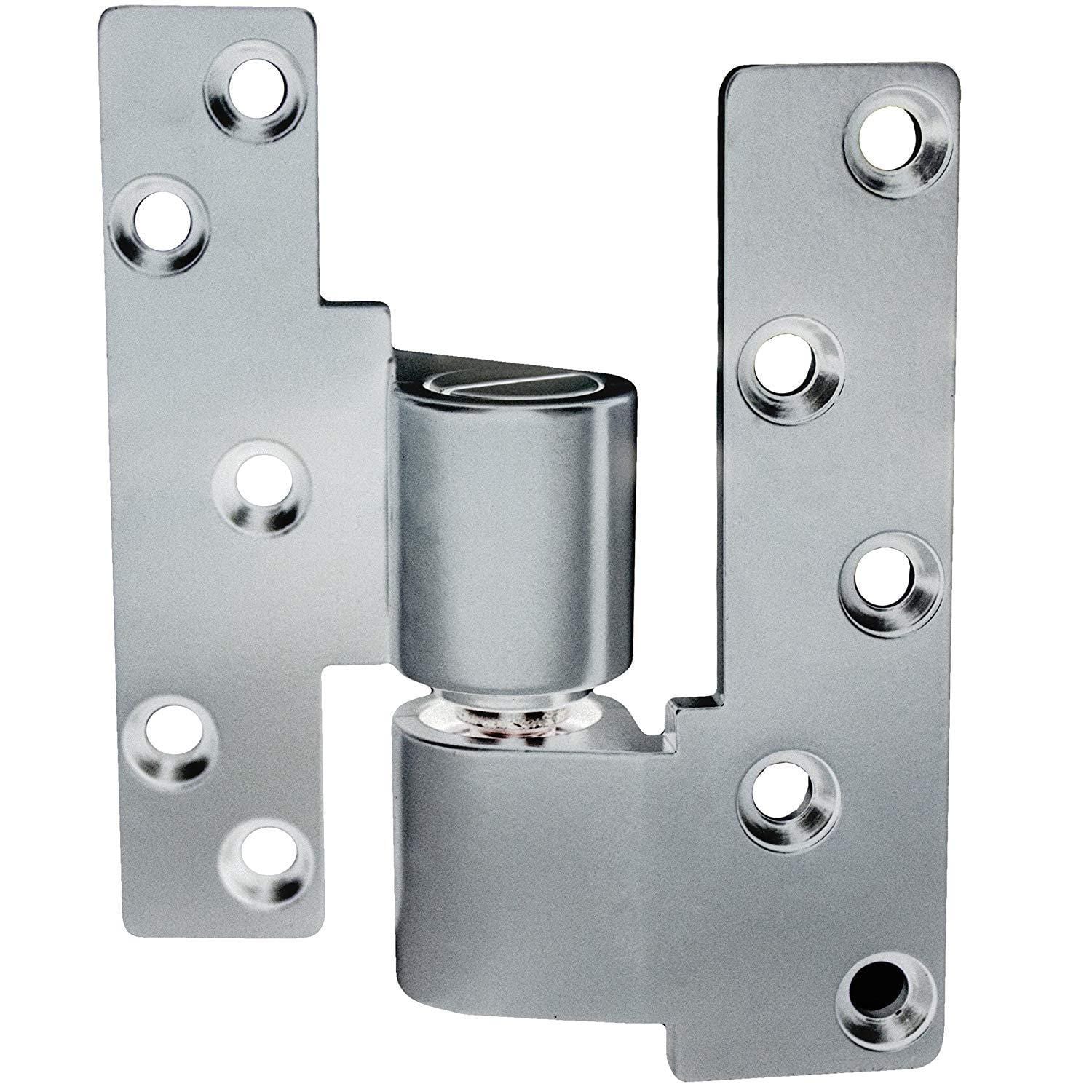
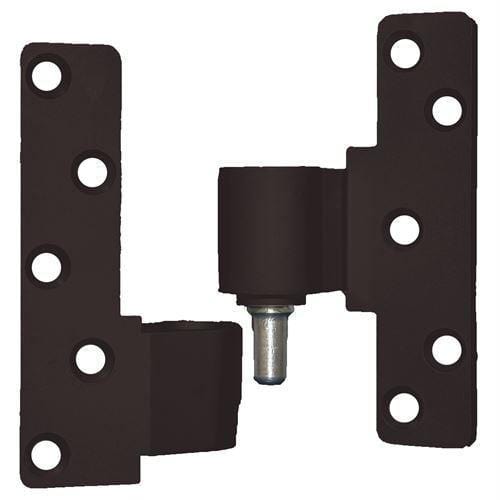
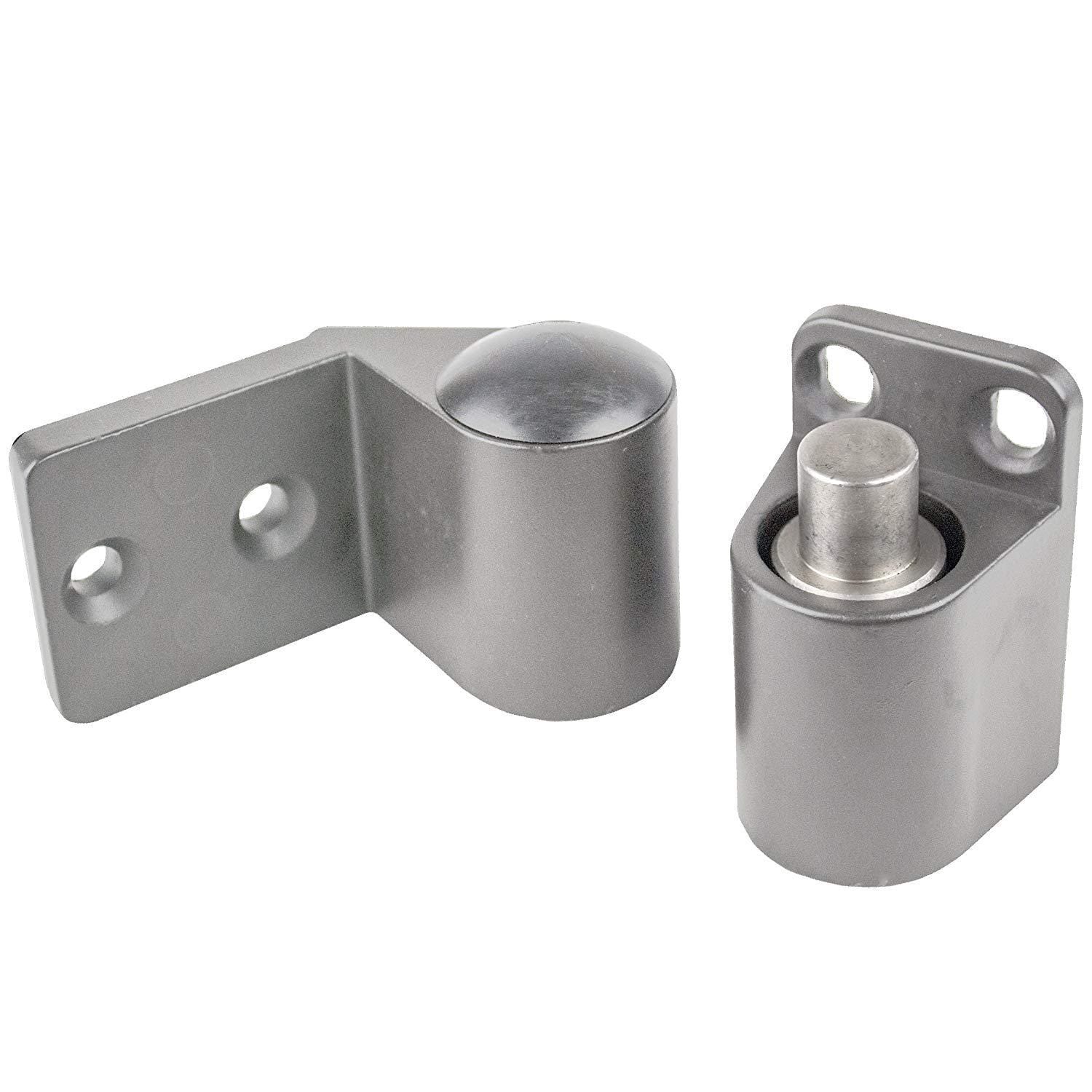
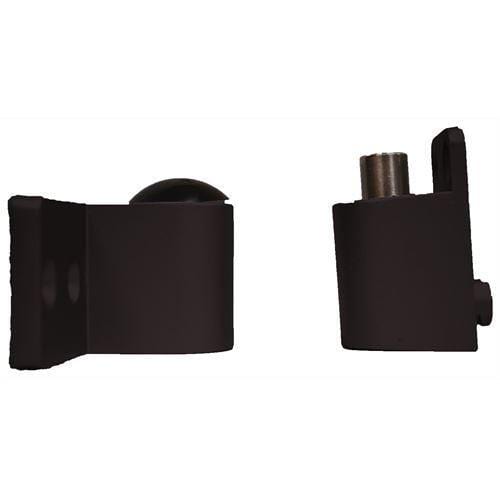
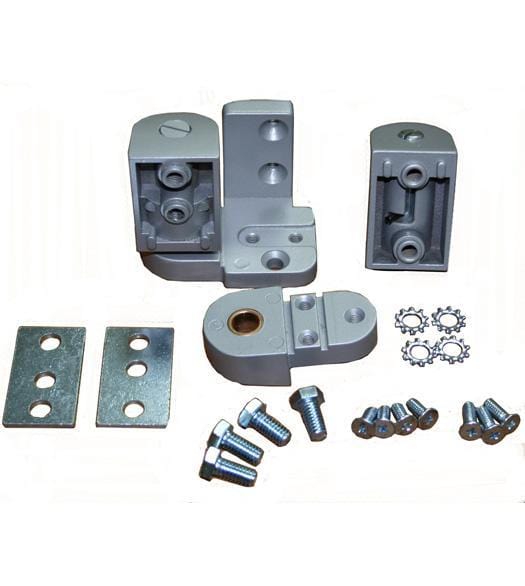
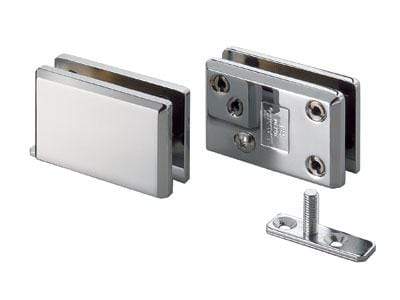
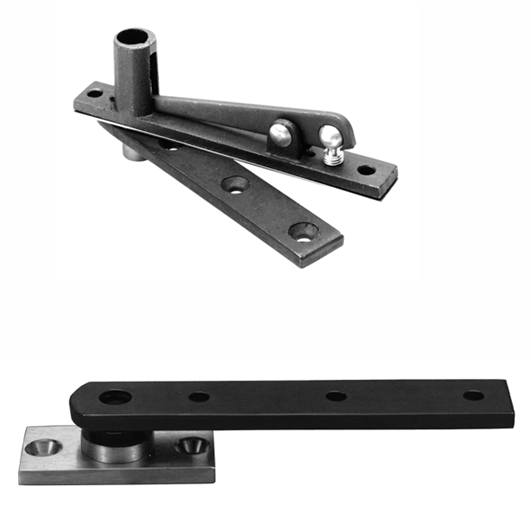
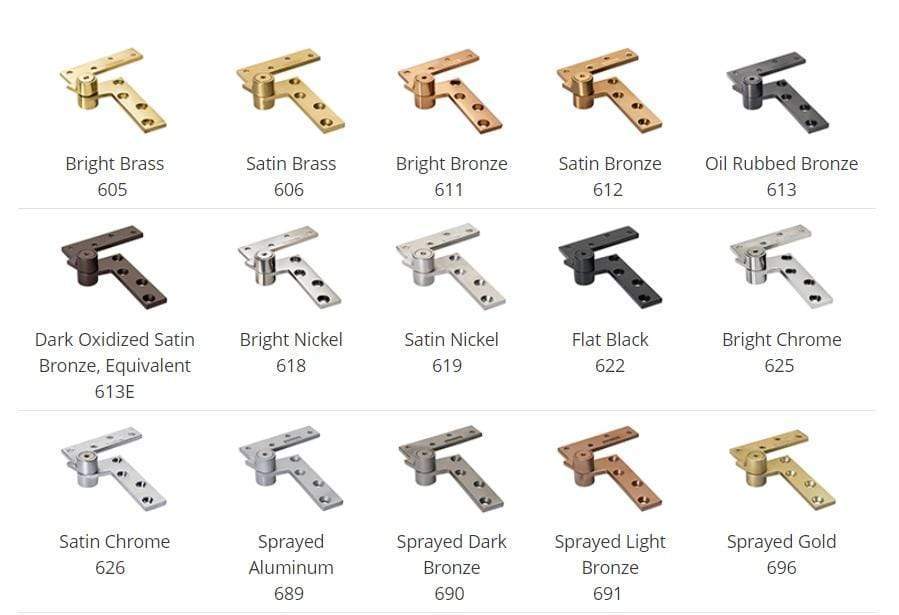
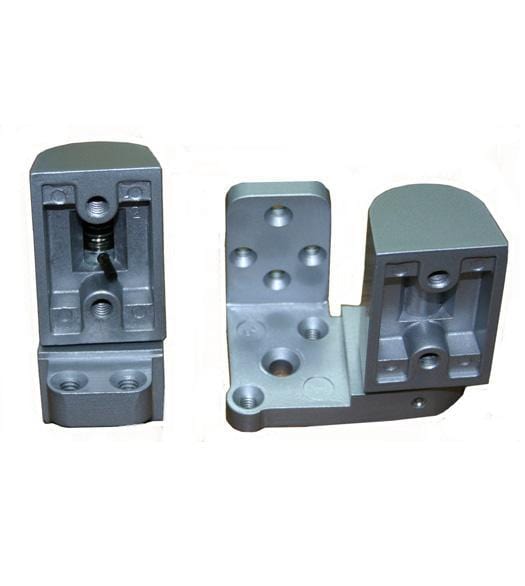
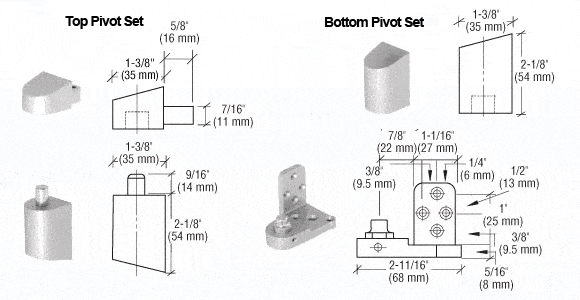
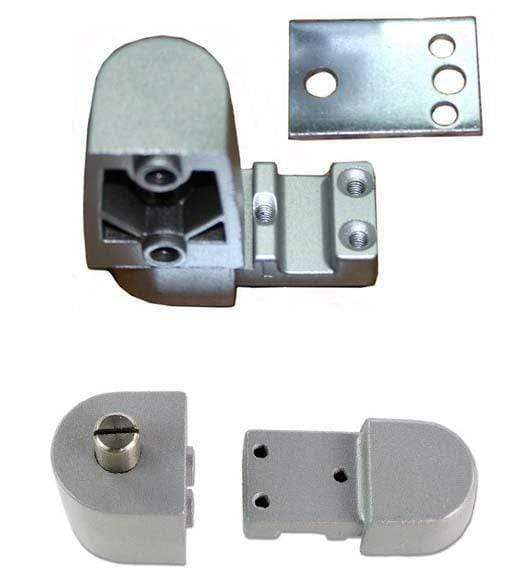
Subcategories
-
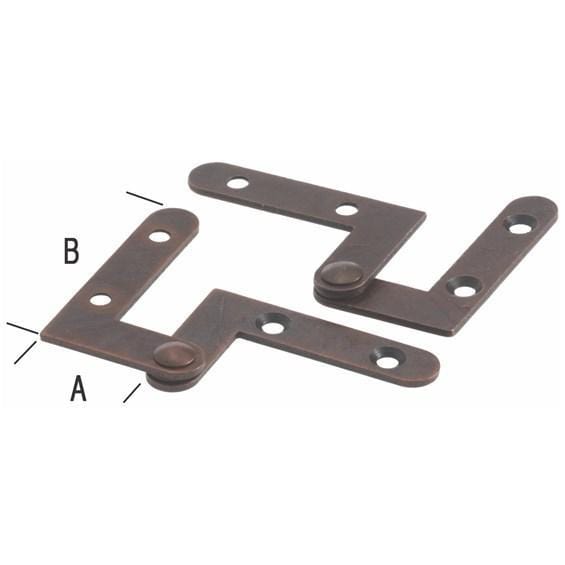
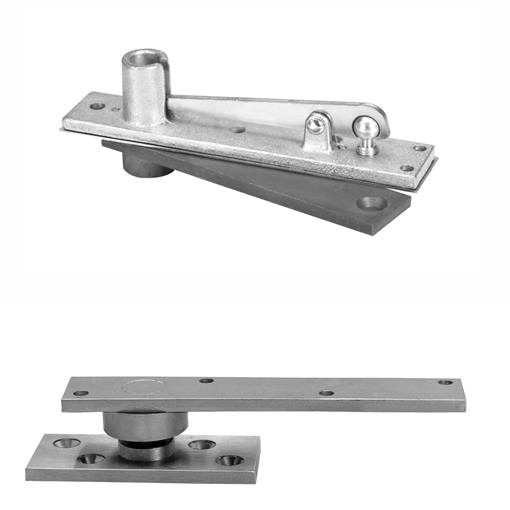
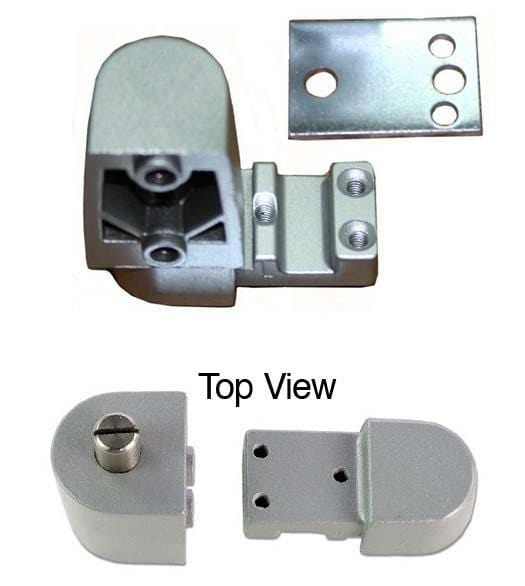
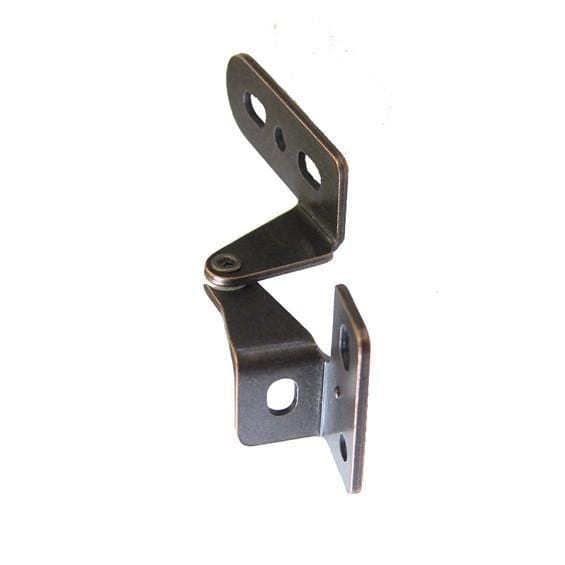
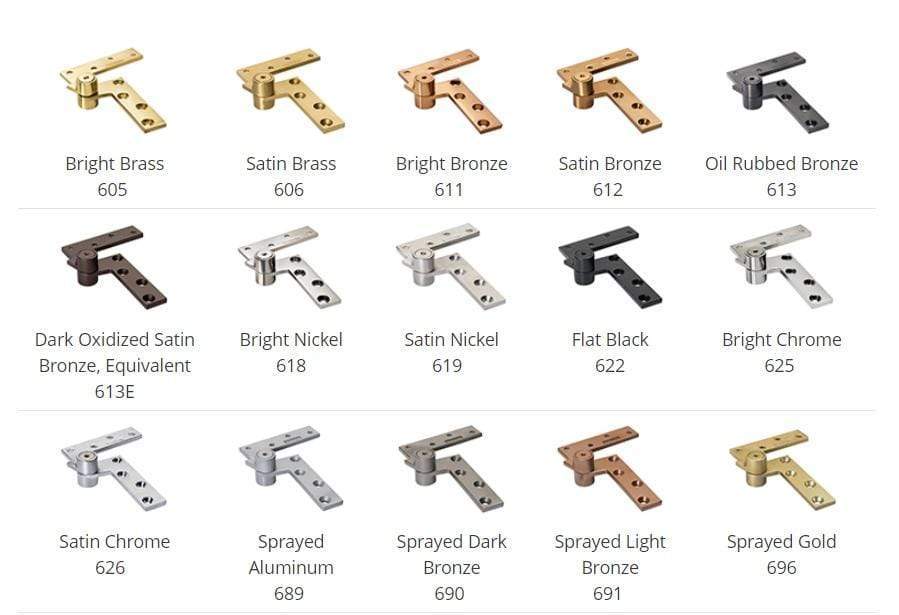
Offset Pivot Door Hinges: Pivot hinges with an offset pivot point placed outside the door edge to support tall or heavy doors while allowing the door to clear the frame.
-
Center-Hung Pivot Door Hinges: Hinges that pivot at the center of the door’s top and bottom for balanced movement. Often used in double-acting or commercial doors.
-
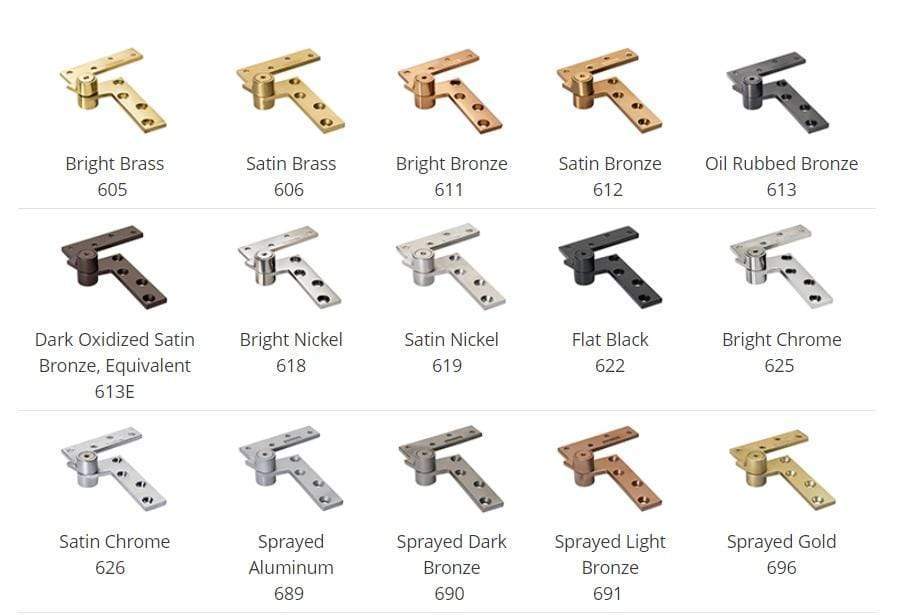
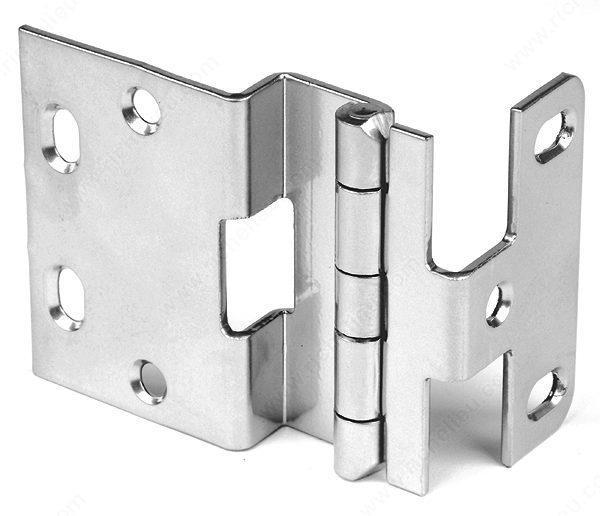
Deep Offset Pivot Door Hinges: Pivot hinges with a larger offset distance designed for applications requiring even wider swings and extra clearance.
-
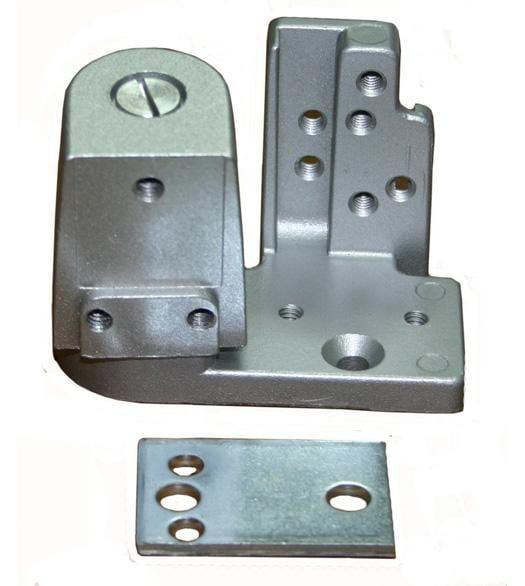
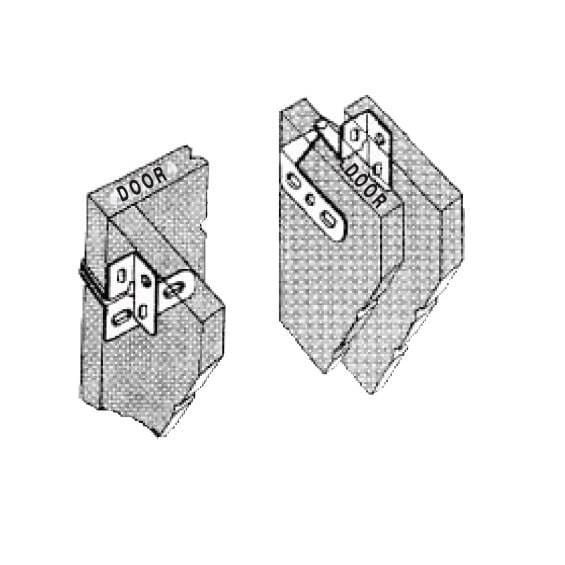
Intermediate Pivot Hinges: Supplemental pivot hinges installed mid-height to improve stability and alignment on taller or heavier doors.
Buying Guide
-
Pivot Type: Choose between offset or center-hung pivot hinges based on door weight, desired swing path, and clearance requirements.
-
Door Weight and Size: Verify the hinge’s load rating matches the door’s weight and dimensions.
-
Offset Depth: Deeper offset pivots allow doors to clear frames and trim while providing wider opening angles.
-
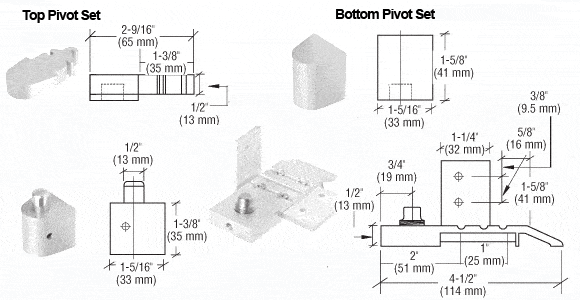
Number of Hinges: Most pivot door systems use a top and bottom pivot, with intermediate pivots added for extra support on tall or heavy doors.
-
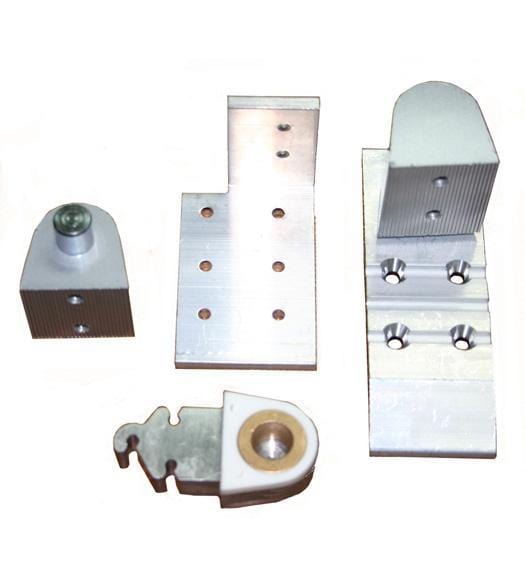
Mounting Surface: Ensure compatibility with door and frame materials, including wood, metal, or aluminum frames.
-
Door Swing Direction: Confirm left-hand or right-hand orientation and whether the door is single- or double-acting.
For more information about our pivot door hinges, feel free to contact our expert team.


